
Stopped· since May 25, 2026
- 8
- days it ran
- 2
- relaunches
Ad copy
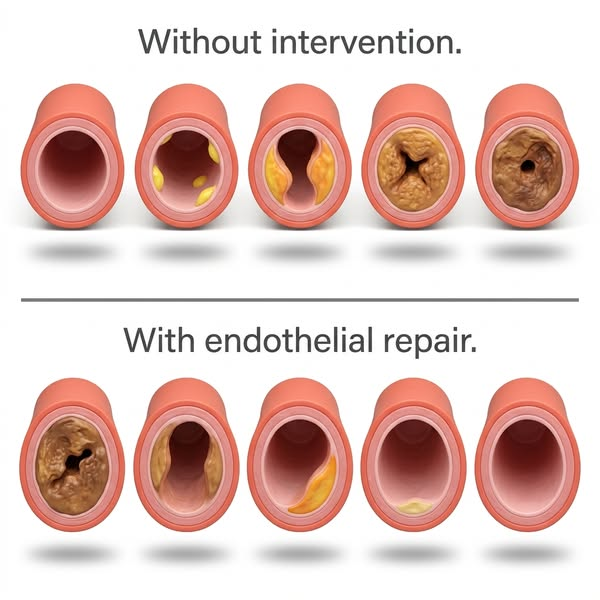
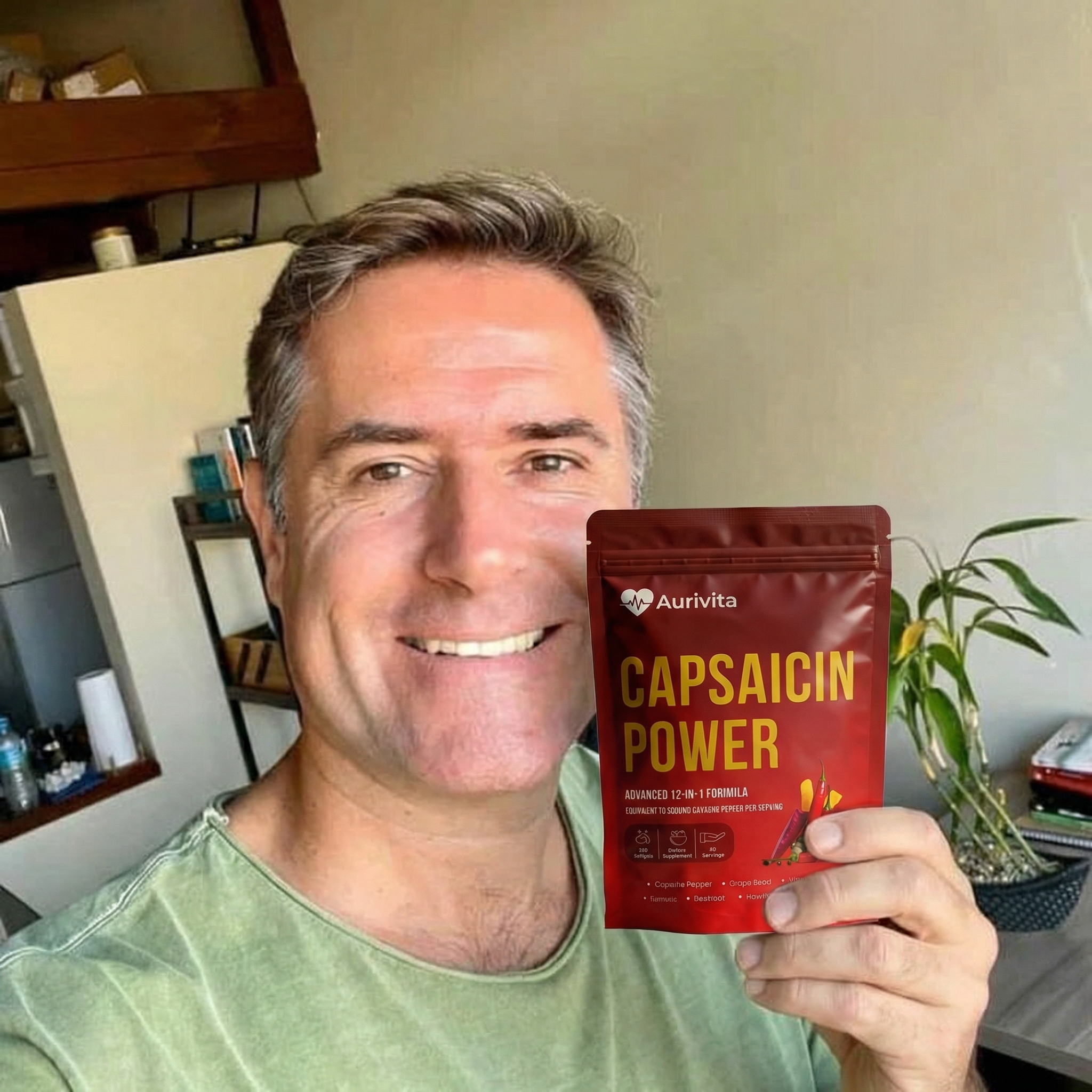
I've been on Viagra one or two times a week for three years. Just a casual thing. Worked fine. No side effects. I never thought about it as a real medical issue — more like ibuprofen, or sleeping aids, or any of the other small adjustments I'd made in my fifties to handle the small stuff. Until my GP looked at my chart at my annual physical last fall and asked me a question that cracked the whole thing open. I was 52 years old. My GP was looking at my BP cuff readings from the last three years. She said, casually, "Your BP is creeping up. 134 in 2022. 138 last fall. 142 over 89 today. We should probably talk about that. Are you on any medications right now I should know about?" I said no. Just the routine stuff. Vitamins. The occasional anti-inflammatory after I overdo it at the gym. She looked at me. "Anything for ED?" I shrugged. "Just Viagra. Maybe once a week. Two if it's a date-night kind of week." She nodded slowly. Then she asked: "How long?" I had to count back. "Maybe three years." There was a pause. Her face shifted from the friendly-checkup register to something I hadn't seen before. She put down her stethoscope. She turned the screen toward me. "Tom. Your father had a stent at 58, right?" "Yeah." "And your uncle on your mom's side?" "He had a heart attack at 62, I think." She was quiet for a moment. Then she said: "I need to ask you to do something today, and I need you to take it seriously. I want a calcium scan, a lipid panel, and a full cardiovascular risk assessment. The ED you've been treating for three years is the symptom of something we should have been looking at a while ago. The Viagra has been working — which is fine for what it does — but it's been masking the warning sign your body has been trying to give you. And given your family history, I want to know what we're actually looking at." I went in for what I thought was a routine annual physical. I had had no symptoms. I felt fine. I worked out three times a week. I ate decently. My BP had been "fine" for years — the kind of "fine" where it was a couple of points higher each annual visit but never enough for anyone to flag. I figured the Viagra was just one of those minor adjustments a guy makes in his fifties. The way some of my friends had started using reading glasses. Nothing to worry about. But my doctor didn't send me home with a refill on the Viagra. She ordered the scan that day. Walked me down to the imaging center personally. The next week she called me back to her office to talk through the results. She turned the screen toward me. The CT scan of my coronary arteries showed white speckles up and down the left anterior descending artery. The same speckles, she explained, that had been on my father's pre-stent scan. A coronary calcium score of 184. Moderate plaque burden. Endothelial dysfunction confirmed. Five-year cardiovascular event risk: 12%. For a 52-year-old who had thought he was fine. "See this?" she said, pointing at the screen. "Your ED has been the warning. The Viagra has been masking the warning. For three years." "What do you mean, masking the warning?" I said. She turned to face me. "Tom. The arteries in your penis are 1 to 2 millimeters wide. The arteries in your heart are 3 to 4 millimeters. When systemic vascular dysfunction begins — the kind your father had, the kind your uncle had — the smallest arteries show symptoms first. Your ED started — when, three and a half years ago?" "About that." "That was your warning. Years before any chest pain. Years before any BP problem we couldn't manage. The Viagra worked for the symptom. It didn't do anything for what was causing the symptom. And while you've been managing the ED with the pills, the underlying disease has been progressing. Your calcium score is now 184. If you keep doing exactly what you're doing for another five years, I'd expect that number to climb to 350-450. And then we're having the stent conversation your father had. Probably a little earlier than he did." I stared at the scan. "What do I do?" "Several things. We need to address the cardiovascular risk directly — I'm going to start you on a statin, and I want you to dial in the BP. But I also want to be honest with you: the standard of care is going to slow the trajectory. It is not going to reverse what's on this scan. There are other interventions I am aware of from my CME reading that have stronger reversal effects — they aren't in the standard cardiology guidelines yet, but the research is real. I am going to send you the references. I want you to read them and make an informed decision." She did. That night. I went home and opened the papers she sent me. Three of them. All on endothelial function. All naming the same receptor — TRPV1. All describing the same mechanism: receptor sits inside the endothelial cells of every blood vessel. Activate it, and you trigger sustained nitric oxide production. Restored vasodilation. Reduced vascular inflammation. Slowed and in many cases reversed calcium accumulation. The 2017 Atherosclerosis paper showed reversal of early atherosclerotic changes in 67% of subjects over 90 days. A 2024 Aging and Disease paper confirmed the cellular mechanism. A 2022 paper showed measurable calcium-score reductions in patients who combined statins with TRPV1 activation versus statins alone. The compound that activates TRPV1 is capsaicin. From cayenne pepper. I read until 1 AM. Including the part where the absorption is the catch — capsaicin is fat-soluble, dies in stomach acid as a dry powder, has to be oil-suspended to actually reach the bloodstream. I found a product called Aurivita Capsaicin Power. 3mg capsaicin per serving, pre-dissolved in cold-pressed oil. BioPerine for absorption. Beetroot extract for additional nitric oxide support. K2 to prevent calcium deposition during vascular repair. I started taking three a day with my morning coffee. Same morning I started the statin. Week 5: My morning erections came back. Reliably. Without the Viagra. I had not had that in 3.5 years. Week 7: I checked my BP at home for the first time in weeks. 128/82. It had been 142/89 in my GP's office. Week 10: I told my wife I was going to stop the Viagra and see what happened. She looked at me funny but didn't object. We had a Friday night. I didn't take it. It worked. Week 12.5: My GP wanted a follow-up calcium scan. Six months earlier than scheduled. She wanted to see what the statin was doing. I paid out of pocket. $200. Got it done that week. Week 14: Results. Calcium score: 132. A 28% reduction in 90 days. She stared at the scan. Then at me. Then at the scan again. "This is not what statin alone does," she said. "Statin alone would have stabilized it. Maybe a 3-5% drop in optimal cases. Are you doing anything else?" I told her about the papers she'd sent me. About TRPV1. About Aurivita. She was quiet for a moment. Then she said: "I want to start recommending this to other patients with similar profiles. Can you send me the product name?" I am not telling you this because I am against Viagra. It works exactly as designed. It dilates the penile vasculature in real time and gives you a usable erection when you need it. If you're using it casually 1-2x a week, it's doing its job. There's nothing wrong with the pill. But here is what I wish someone had told me at 49 when I started using it: the Viagra is a symptom treatment, not a disease treatment. And the disease is happening whether you treat the symptom or not. Your ED — even the casual, manageable, "just a quick pill" version — is your body telling you something about your blood vessels. The Viagra is a workaround. It is not addressing what your blood vessels are trying to tell you. And if you have family history of cardiac issues — like I do, like 30% of men my age do — the warning is the warning. Three years of casual Viagra and creeping BP is three years of unread warnings. And you have two choices. Keep using the Viagra casually. Let the calcium scan you haven't had reach the number your doctor wishes you'd caught earlier. Have your father's conversation with your cardiologist in your late 50s. Or address what your erections have been telling you. Activate TRPV1. Restore the endothelial function the casual Viagra was masking. Find out what your calcium score actually is before it forces the conversation on you. I think about what I almost let happen to me. Three years of "I have it handled." Three years of Viagra refills filed under "not really a medical issue." Three years while my calcium score climbed from probably 80 or 90 toward what it was when she scanned me — 184. If she hadn't asked me how long I'd been taking the pill, I'd still be using it. I'd still be telling myself the BP was fine. I'd still be on my father's exact trajectory. Aurivita Capsaicin Power is 50% off with free shipping. 120-day money-back guarantee. Take it for 12 weeks. If you have a family history, get a calcium scan first. If you're on casual Viagra for more than a year, get a calcium scan first. The information you can't get from the Viagra prescription is in that one $200 scan. If your numbers haven't moved, if your BP hasn't come down, if your morning erections haven't come back — send the bags back, even empty. Full refund. No questions. My wife told me last week that she had been quietly worried about my heart for two years. Because of my father. Because of the BP creep she'd been noticing on the home cuff. Because the Viagra prescription on the counter was a reminder of something she wasn't sure she should be worried about. She had not said any of it out loud. She wanted me to figure it out. Last night she looked at me at the kitchen table and said: "I was scared. I'm not scared now." [https://aurivita.co/products/cayenne-pepper-softgels](https://aurivita.co/products/cayenne-pepper-softgels) — Tom Reilly52 years oldCalcium score 184 → 132 in 90 daysBP 142/89 → 124/78 P.S. If you have been on casual Viagra for more than 18 months and you have a family history of cardiac disease, please get a coronary calcium scan. $150-250 cash pay at most imaging centers. The Viagra prescription does not give you that information. The scan does. It is the cheapest insurance policy you will ever buy. Activate TRPV1 before the scan forces the conversation that I almost had with my cardiologist five years from now instead of with my GP today.
Casual Viagra. Three years. My calcium score was 184.
Discover why 12,000+ seniors over 60 trust Aurivita Capsaicin Power for better circulation.
LEARN MORELike this ad? Make it yours.
Crush rebuilds this exact creative around your product — your brand, your colors, your offer — in about a minute.