
Inactive· since Jun 14, 2026
- 27
- days it ran
- 0
- relaunches
Ad copy
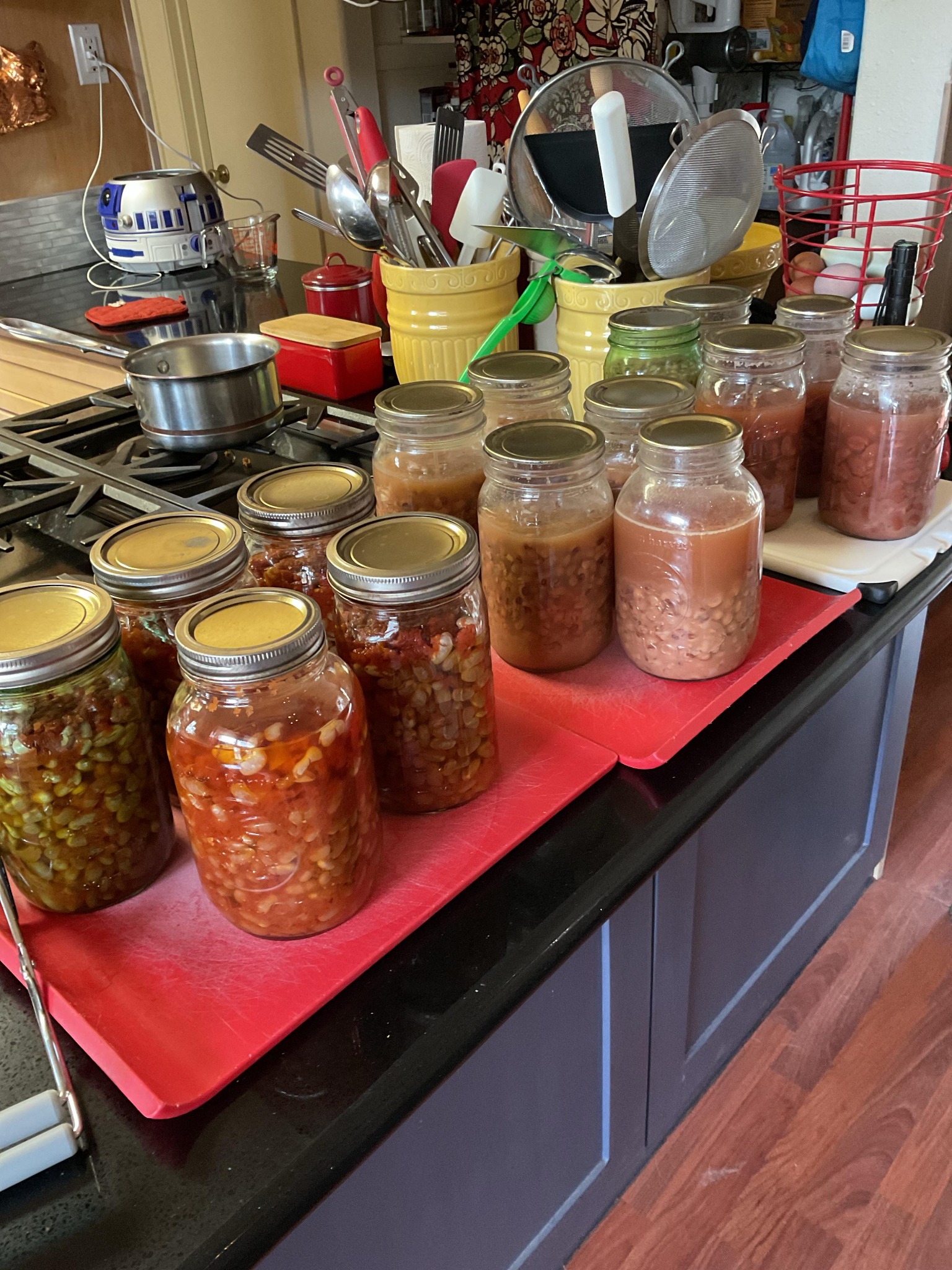
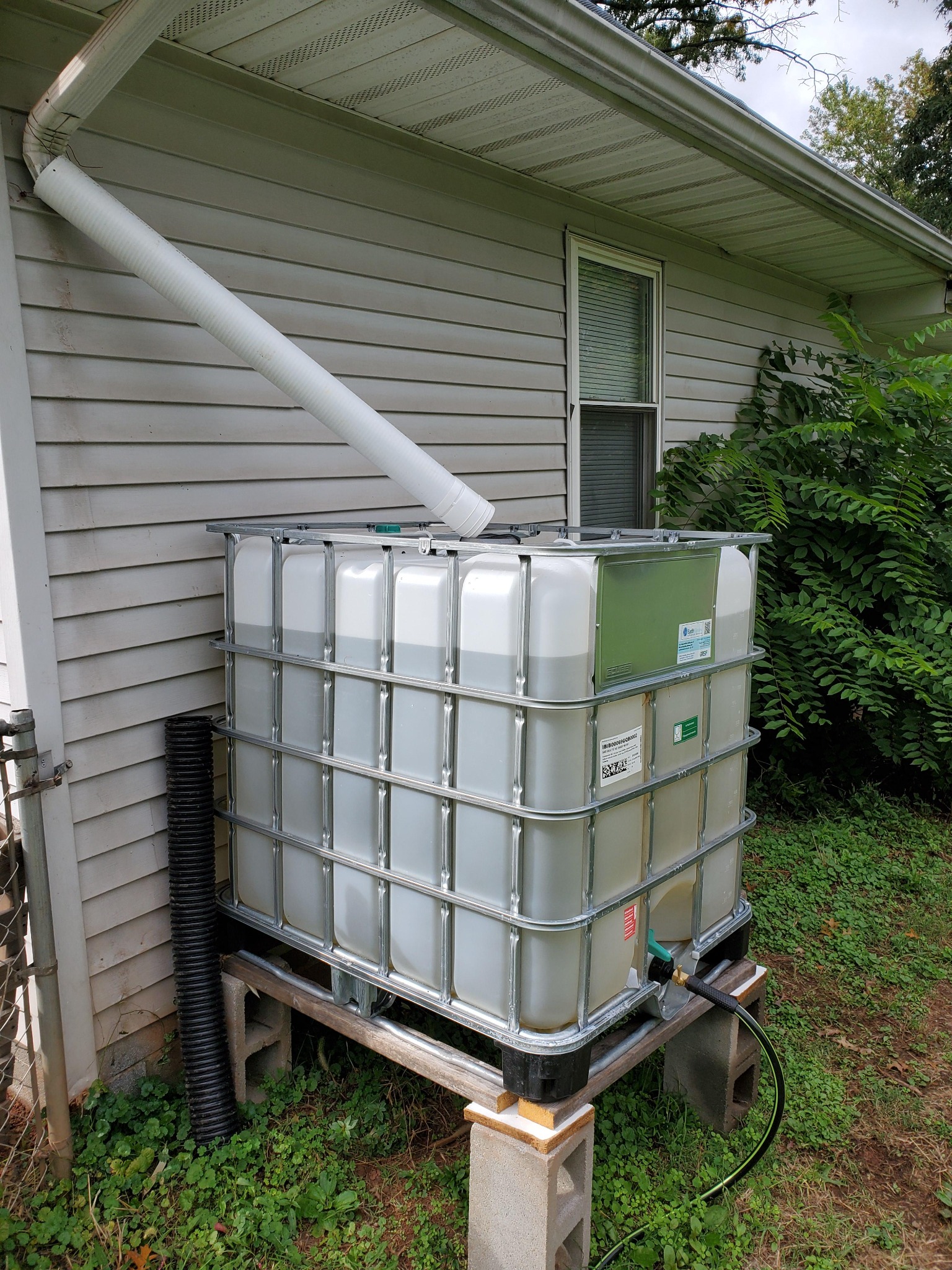
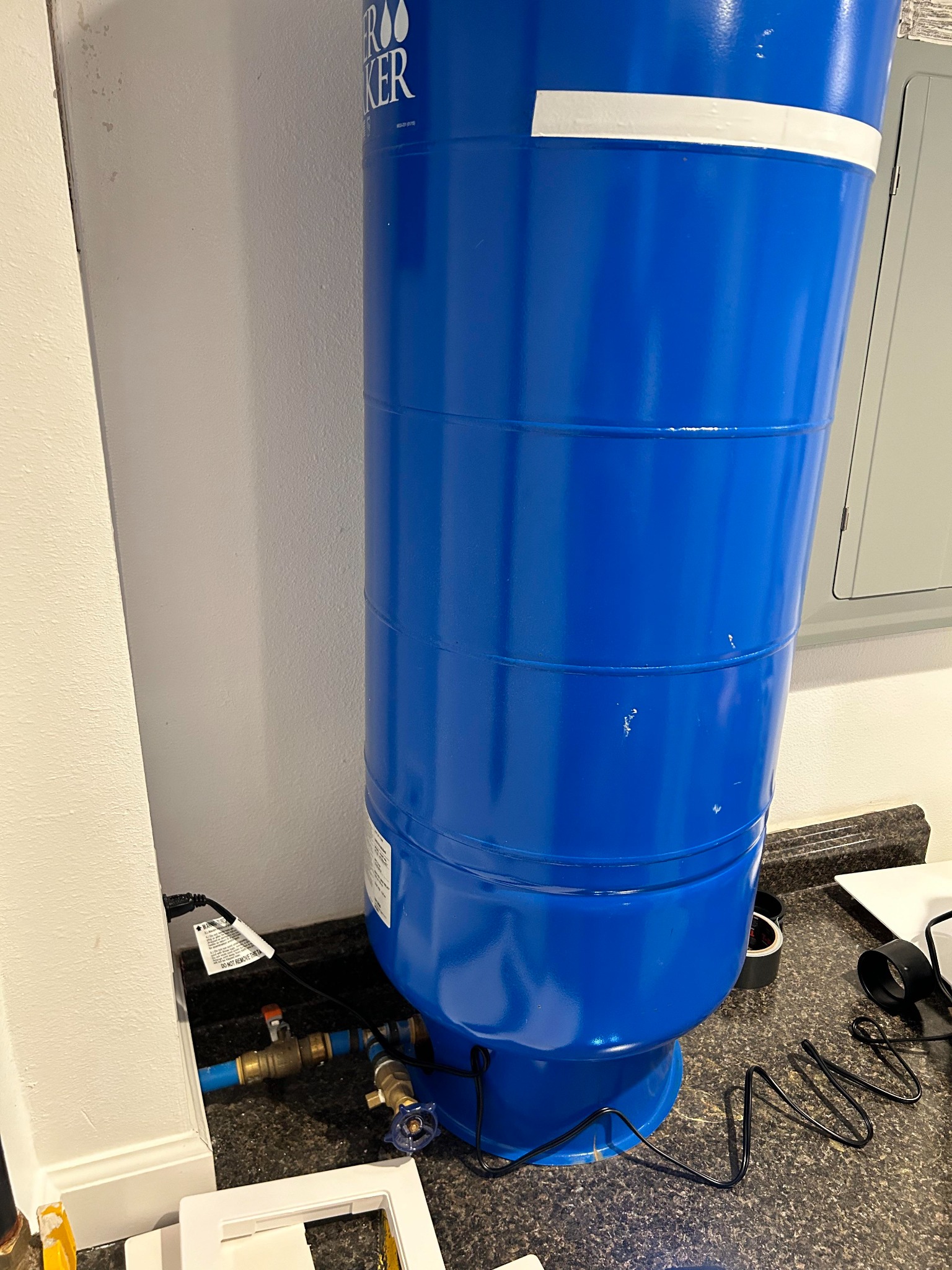
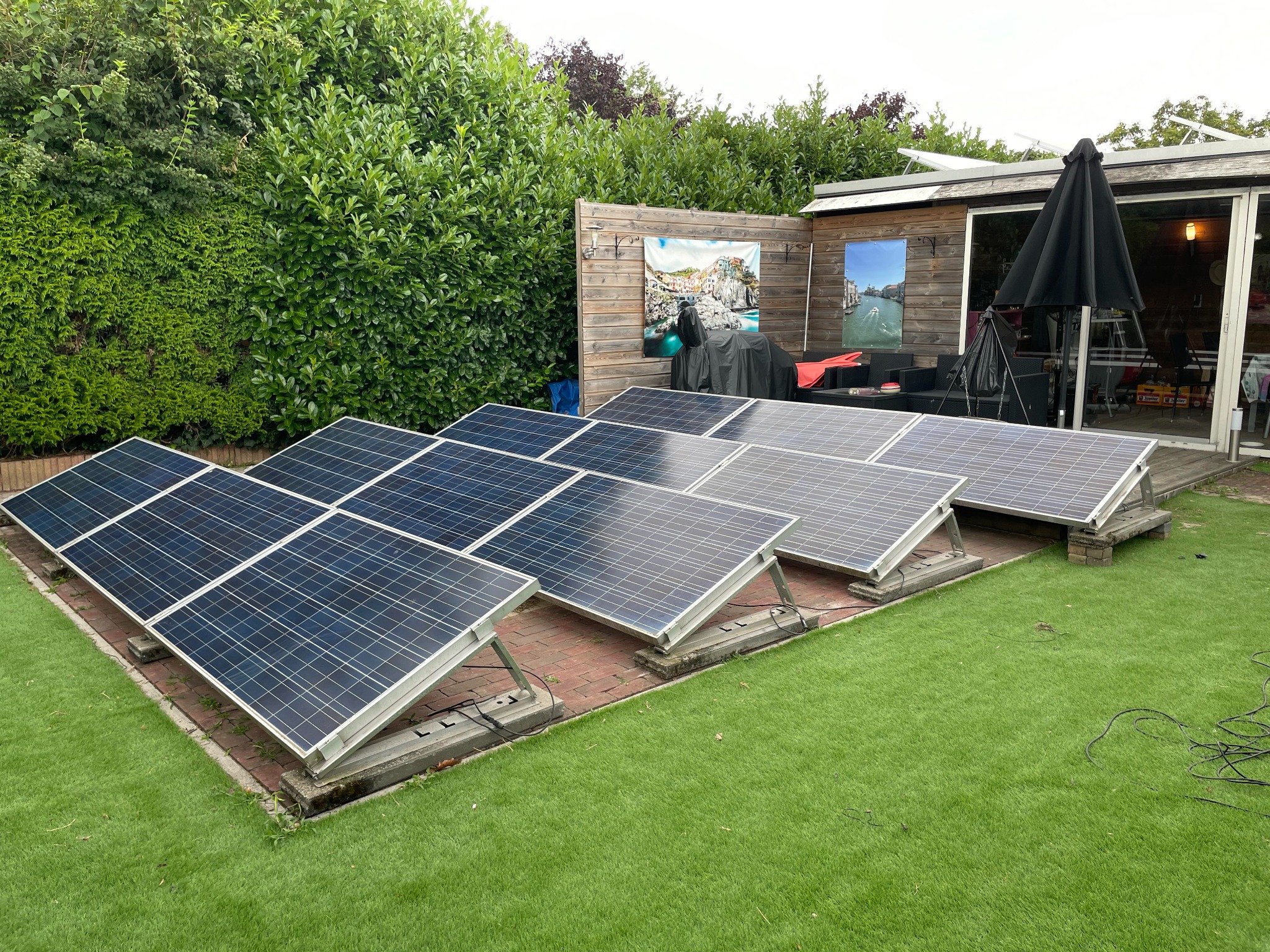
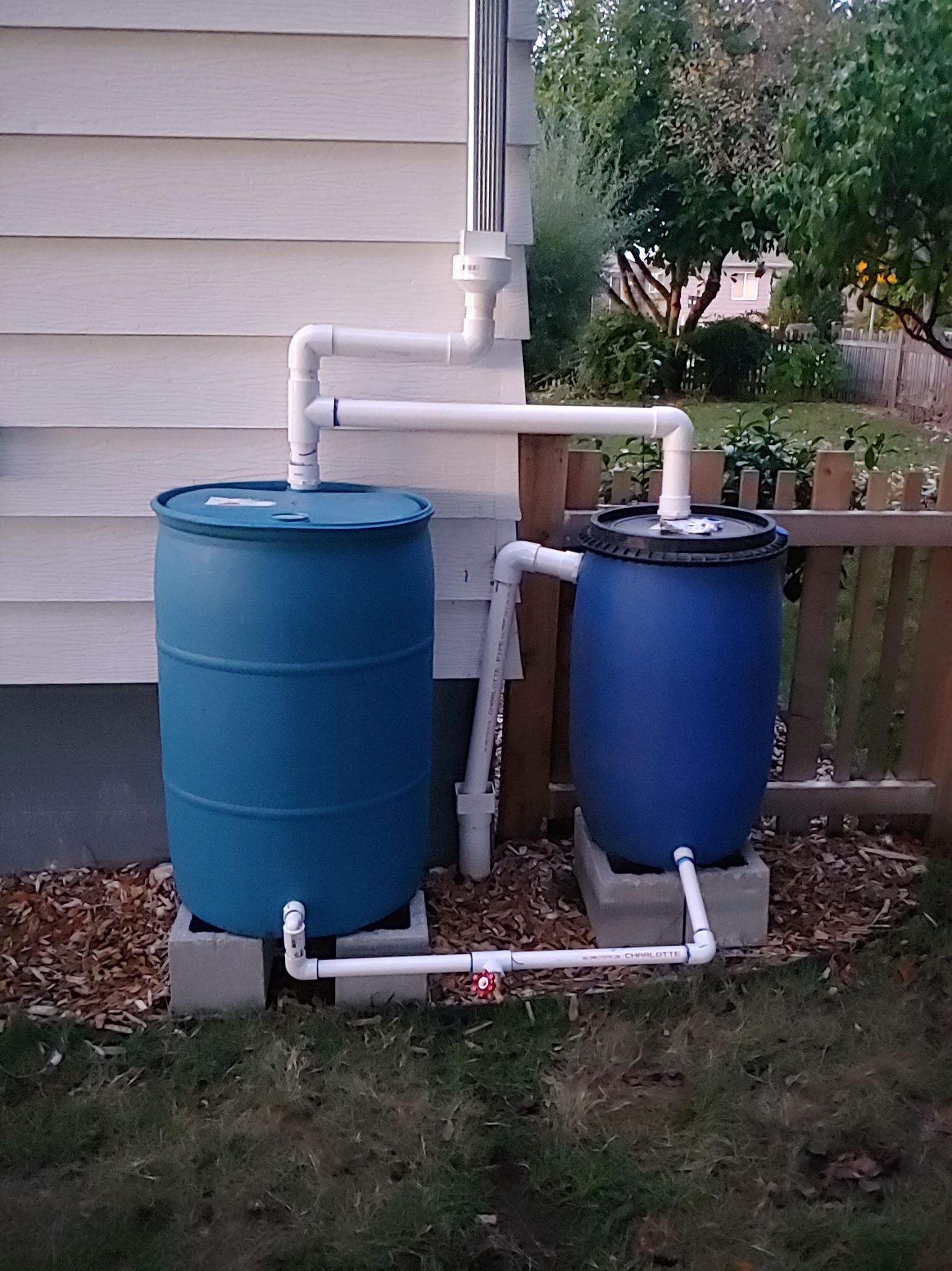
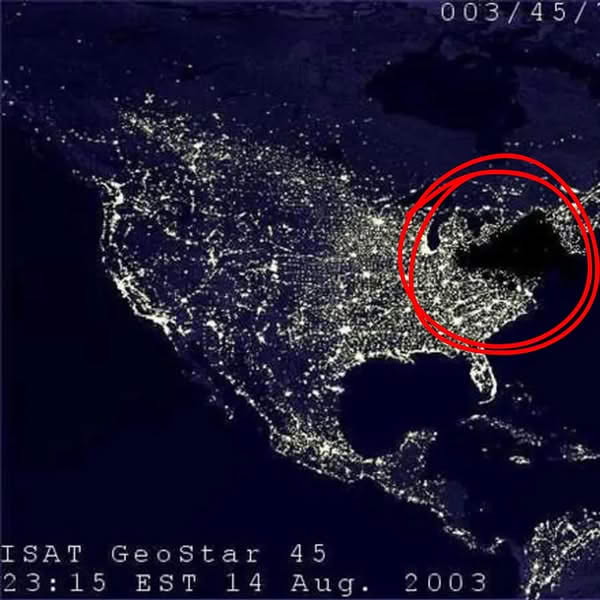
"What does it actually mean if the grid went down?" was exactly what I asked my buddy who has been working in electrical grids for the past 12 years. What he told me made me rethink my entire life. It started as a casual conversation. We were sitting on his back porch on a Saturday afternoon. I'd been reading about the Cuba grid failures. The Texas blackout. The Congressional warnings about ageing infrastructure. And I kept coming back to a question I didn't have an answer for. What does it actually mean? Not the headlines. Not the statistics. What does it actually look like for a normal family if the grid went down and didn't come back? So I asked him. Marcus has been working in electrical grid infrastructure for 12 years. He knows this system the way most people know their own house. I figured he'd give me a technical answer I'd half understand and then we'd move on. He didn't. He put his beer down. Looked at me. And started talking. "Most people think a grid failure means the lights go off," he said. "That's it. Lights off. Inconvenient. Wait for them to come back on." He shook his head. "That's not what it means." "So what does it mean?" "It means everything stops. At once. Because everything runs on electricity." He started listing them. "Your water. Municipal water systems run on electric pumps. The pump loses power the moment the grid goes down. Most people don't realise this. They think the water comes from a reservoir somewhere and just flows down. It doesn't. It gets pumped. Electric pumps. Grid goes down, pumps stop, water pressure drops within hours." "How long before the tap runs dry?" "Depends on the system. In most areas you've got maybe 24 to 48 hours before pressure drops to nothing." I thought about my house. How much water we had that wasn't in the pipes. "What about food?" "Your fridge starts warming the moment power goes. Food is safe for about 40 minutes after that. After that it starts going. By day two everything eat-able is gone." "Petrol stations." "Electric pumps. No power, no fuel." "Phones." "Cell towers run on backup batteries. Most of them last 4 to 8 hours before they need grid power to recharge. After that the network collapses. No calls. No texts. No internet. No information." He picked up his beer. "So walk me through it," I said. "Day by day. What does my family look like?" He looked at me for a second. "You sure you want to know?" I nodded. "Day one," he said. "Power goes out. You assume it's local. You check your phone. Spotty signal. News is confusing. You fill some containers with water before the pressure drops. You eat what's in the fridge before it turns. Kids think it's a bit of an adventure. You tell them it'll be back soon." "Day two. Tap is a trickle. You've got whatever you managed to fill. Fridge is warm. Food that was perishable is already turning. You drive to the store. The car park is chaos. Shelves are mostly stripped. No way to pay by card because the payment systems are down. You get what you can with whatever cash you have." "Day three. Phone is dead. No way to charge it. Cell towers went down yesterday. You have no information. You don't know if it's regional or national. You don't know when it's coming back. You don't know if help is coming. You're making decisions based on nothing." He paused. "Most families hit their limit somewhere between day three and day five. That's when the water runs out. When the food runs out. When the ability to get information or contact anyone runs out." "72 hours," I said. "Give or take. That's the realistic window for most households. After that you're in genuine survival territory with no systems to help you." I sat there. "And if it doesn't come back?" He looked at me directly. "There's a Congressional report. A commission that specifically studied what happens if the grid goes down completely and doesn't come back within a year." "What did they find?" "90% of the US population would be dead within twelve months." I didn't say anything. "Not from the event. From what follows. No water distribution. No food supply chain. No medical care for people on medication that needs refrigeration. No heat. No communication. No way to coordinate anything." "Ninety percent?” "That's the finding. From the US Congress. Not a blog. Not a prepper forum." He took a drink. "And that's not some theoretical worst-case scenario. That's based on what the infrastructure actually looks like and what happens when it fails." I drove home from his place thinking about my house differently than I had when I left. The tap. The fridge. The phones. The three days. I walked through my front door and stood in the kitchen for a while. My wife was cooking dinner. Kids were doing homework at the table. Everything normal. Everything running on the same grid Marcus had just described to me in clinical detail. I thought about 72 hours. I thought about 90%. I thought about my kids doing homework at the kitchen table on day three. I called Marcus the following week. "I've been thinking about what you told me," I said. "I want to do something about it. What can I actually do?" He was quiet for a moment. "I've been waiting for you to ask that." He told me about a book. Said a colleague had given it to him about 3 years earlier. Said it was the only thing he'd found that actually be useful in case the grid ever went down. A book showing you real actionable steps and projects you can make to live without the grid. How to filter your own water. How to preserve food. How to build your own generator. Complete independence. No grid connection at any stage. No wifi. No electricity required to build or to run any of it. "What's it called?" I asked. "A book called Off Grid 75+ DIY Survival Projects." "Is it practical? Like actually practical?" "I’ve built six projects from it so far. Water system. Solar setup. Food preservation. EMP protection. All of them work completely independently. None of them have ever needed the grid for anything." "How hard is it to build this stuff?" "Every project has photographs at every single stage so it’s pretty easy to follow and build.. My wife built two of them. She'd never built anything before." I ordered it that night. Arrived two days later and read the whole thing over the weekend. And what struck me was this. Marcus had spent 12 years watching the grid from the inside. He knew what the 72 hours looked like. He knew what the 90% meant. And this book was the practical answer to everything he'd described on that back porch. Over 75+ DIY projects covering every situation a real grid failure creates. Not theory. Not background reading. Systems. Built with your hands. That keep working long after the 72 hours runs out. Water. Page 13. A rainwater collection system that produces clean drinkable water independently of the municipal supply that fails on day two. Gravity fed. No pump. No electricity. 45 minutes to build. $80 in materials. Power. Page 66. A solar charging station that generates and stores its own electricity with no grid connection. Keeps running when everything else stops. One afternoon. $130. EMP protection. Page 1. A Faraday enclosure for your generator. 30 minutes. $47. Because an unshielded generator is useless after an electromagnetic event. Food preservation. Page 180. $30. Months of shelf stable food without refrigeration or a supply chain. Fuel production. Your own fuel at home. Not dependent on electric pumps at petrol stations. Emergency heating. Home security. Every project with a difficulty rating, a time estimate, and an actual materials cost. As well as where to source the materials for the cheapest. None of it needs the grid to build. None of it needs the grid to run. I built the rainwater system the weekend after the book arrived. Took only about 45 minutes and $75 to build. My wife helped out. When we finished I stood back and looked at it. And I thought about Marcus on his back porch. Tap stops on day two. Not this tap. This one keeps going. Then I built the solar setup. One Saturday. $128. Then the EMP shield. 30 minutes and about $40. My wife started the food preservation section the following weekend. And each project is one less dependency on a system that Marcus described to me in clinical detail. One more answer for day three. For day seven. For however long it takes. I called Marcus when I'd finished the first three projects. He sounded proud. I’ve left the link to the book down below. The same one I’ve been reading and the same one Marcus recommended to me. It’s 38% off right now last time I checked. And it even comes with a 30 day money back guarantee. So if you don’t build anything worth keeping just send it right back for a full refund. But before you think about the refund, ask yourself the question I asked Marcus on that back porch. How long would you and your family last if the grid went down and never cmae back? Walk through it honestly. Day one. Day two. Day three. Count what you have that doesn't depend on the grid. Water that doesn't come from a tap that runs on electric pumps. Food that doesn't need refrigeration that needs electricity. Power that doesn't come from a grid that fails. If the answer to all three is nothing. The book is below. P.S. 90% within a year. A real congressional finding. Not a blog. Not a prepper forum. A government commission that studied what a sustained grid failure actually looks like for the American population. Most families have 72 hours before they run out of water, food, and the ability to contact anyone. 72 hours. The book covers everything that comes after that.
Be Ready Before It’s Too Late
A practical survival guide packed with DIY projects for water, food, power, security, and off-grid self-sufficiency.
SEE DETAILSLike this ad? Make it yours.
Crush rebuilds this exact creative around your product — your brand, your colors, your offer — in about a minute.