
Inactive· since May 28, 2026
- 50
- days it ran
- 1
- relaunches
Ad copy
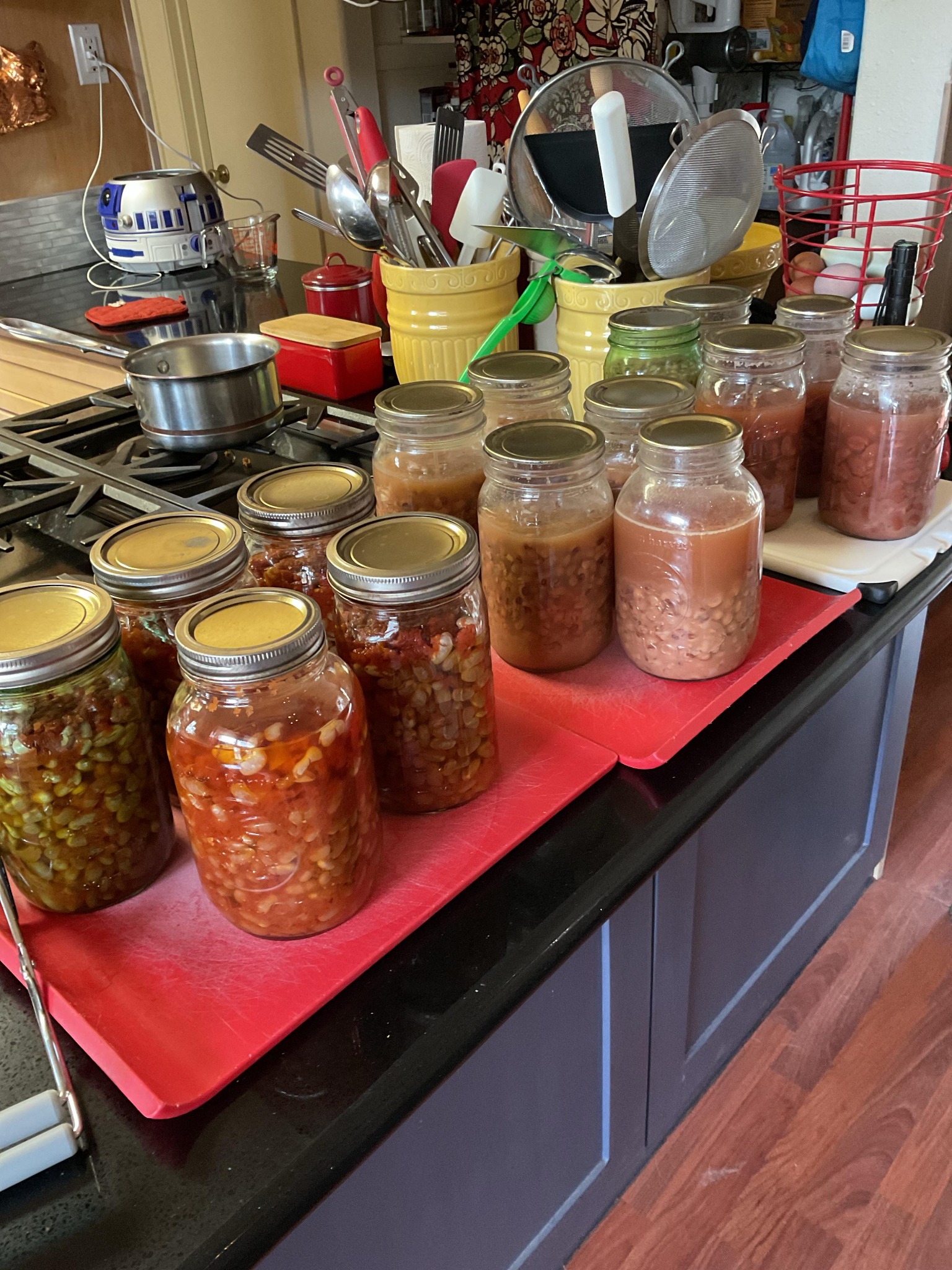
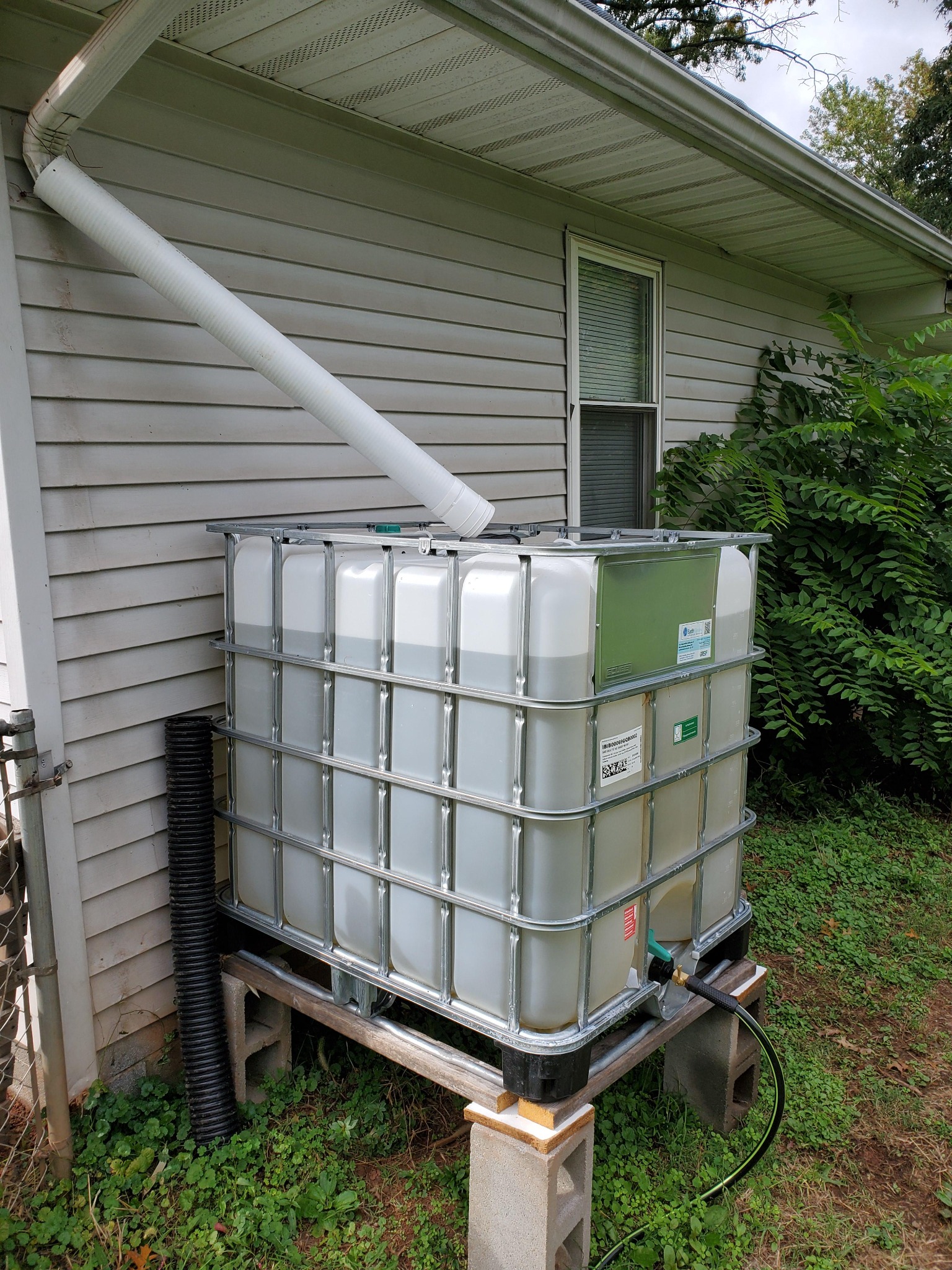
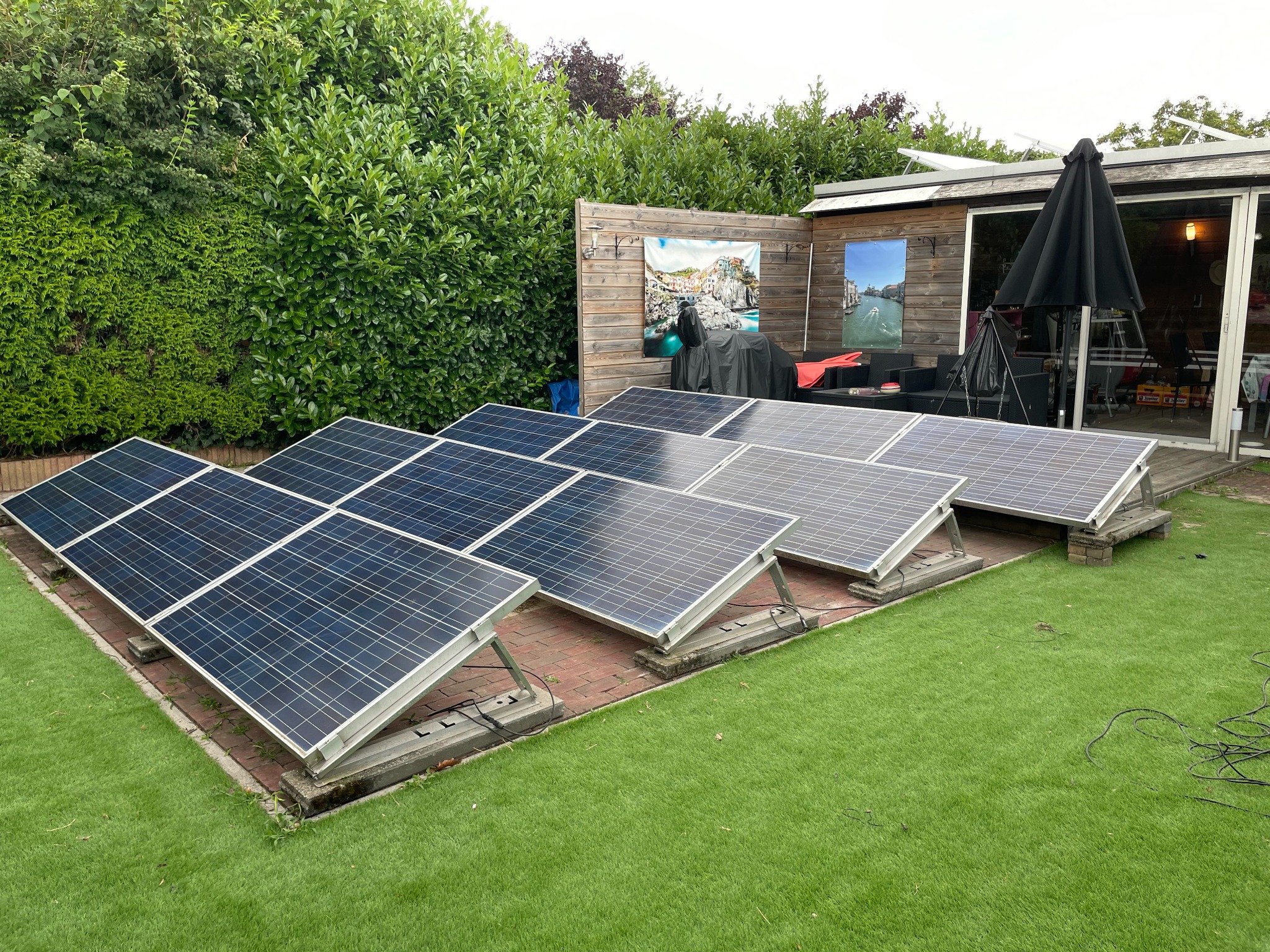
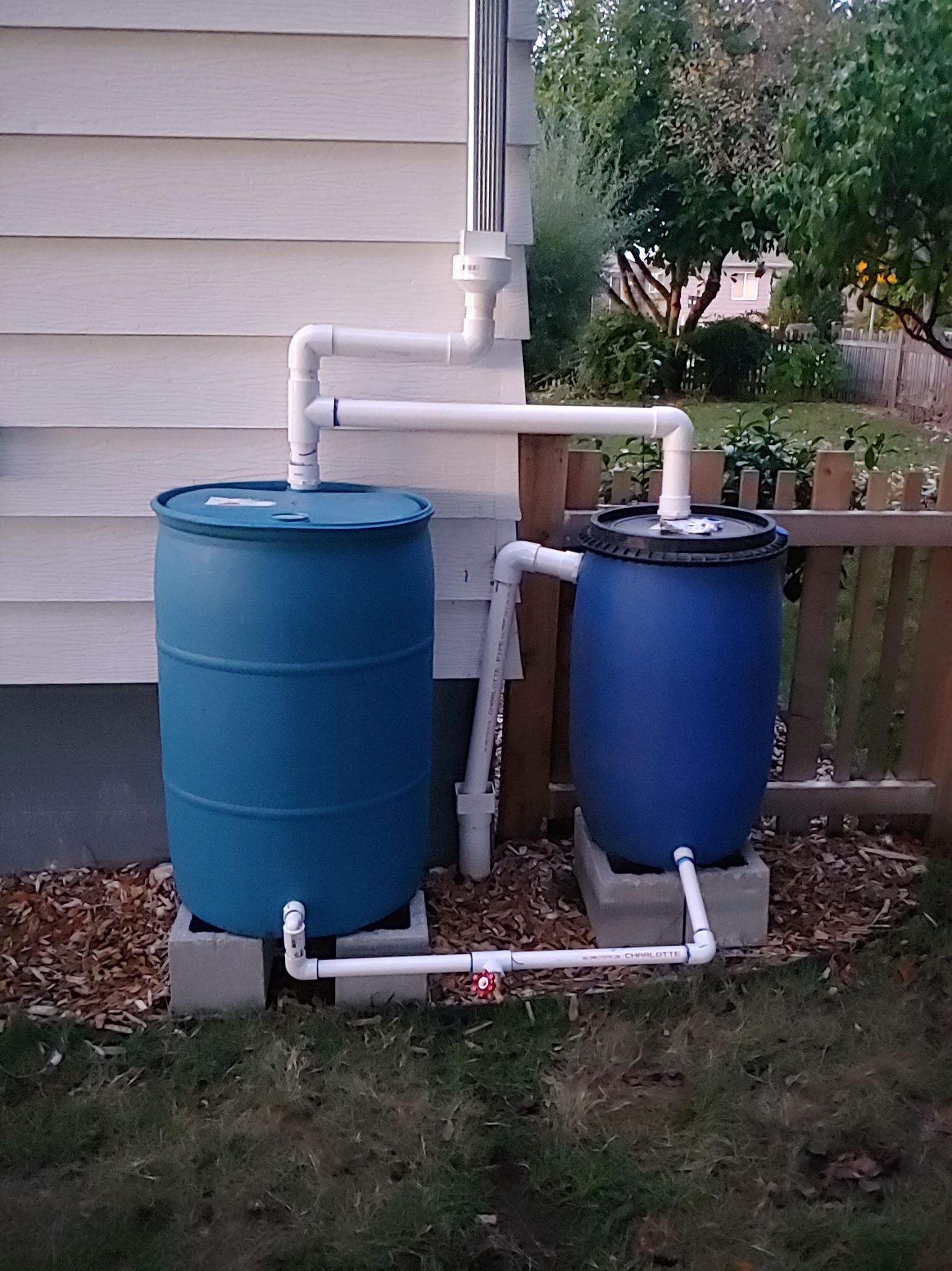
My electricity bill last month was $340. My neighbour's was $12. I've lived next to him for 7 years and never once thought to ask why his bills were so much cheaper to mine. Our electricity bill was $180 a month 4 years ago. Then $220. Then $270. Last summer it hit $340 for a single month. I called the energy company. Waited 40 minutes. Spoke to someone who told me our usage was "consistent with similar households in our area" and suggested we switch to a cheaper plan. I switched to the cheaper plan. Next bill: $318. I told my wife. She looked at the bill for a long time. "What are we supposed to do? We can't just not have electricity." She was right. We couldn't. We were completely, entirely, with no alternative, dependent on whatever the energy company decided to charge us. And they knew it. Our neighbour's name is Gary. Retired. Moved onto our street 11 years ago. I've had maybe 20 real conversations with him in that time. He's quiet. Keeps to himself. Spends a lot of time in his garage. Last month his wife mentioned their electricity bill in passing at a street barbecue. "$12 this month," she said. "Just the connection fee." I turned around. "Sorry — how much?" "$12. We only pay the minimum connection fee now. Haven't paid for actual electricity in about 3 years." I looked at Gary. "Solar. Batteries. Took me a while to set it up properly but it's basically free now." I did the maths on the way home. $340 a month. $4,080 a year. He was paying $144 a year. The gap between our 2 houses was $3,936 every single year. For the same electricity. For the same lights, the same fridge, the same hot water, the same everything. I knocked on his door the next morning. "Can you show me what you built?" He smiled. "I was wondering when you'd ask." He walked me through his setup over 2 hours that Saturday morning. Solar panels on the roof. Nothing unusual there, lots of people have solar. But Gary's system was different. He'd built a battery storage system that stored everything the panels generated during the day and ran the house off that stored power at night. Complete independence. The panels generate. The batteries store. The house runs. The meter barely moves. $12 a month. Just to stay connected to the grid as a backup. "How much did it cost to build?" I asked. "About $300 all up. Materials. I did the labour myself over a couple of weekends." "$300." "Give or take." I thought about $3,936 a year. "How long ago did you build it?" "3 years ago." 3 years. $3,936 a year. He'd saved $11,808 since he built it. From $800 of materials and a couple of weekends. "How did you know how to build it?" He went to his bookshelf. Grabbed a dark green book. He handed it to me. "Page 66. That's where I started. Read the whole book first though. You'll understand why everything connects." "Can I borrow it?" "Keep it. I've built most of what's in it. The solar system is just the beginning." I took it home. Sat at the kitchen table that afternoon and started reading. Here's what the book is. “Written by David Andrews. Veteran, survivalist, self-taught DIY expert with decades of practical hands-on experience” Every single one photographed step by step with full colour images showing you exactly what to do at every stage. And before you commit to a single hour of your time, every project tells you 4 things. Difficulty. Rated clearly. You know whether this is a beginner weekend project or something that requires specific skills before you buy a single material. Time required. Real timeframes. Not estimates. Most projects in this book take under an hour. The EMP shield on page 1 takes 30 minutes. The rainwater diverter takes 45 minutes. The solar charging station entry point takes 2 hours. Cost. Actual materials costs. Where to buy everything. QR codes linking to the cheapest sources. Several of the most impactful projects in the book cost under $50. Step-by-step photos. Not diagrams. Not illustrations. Photos of real builds at every stage so you can see exactly what you're doing. I read the whole book in a week. And here's what I found that nobody talks about. This book isn't just a survival guide. It's a bill elimination guide. Let me show you what I mean. The solar power system Gary built is on page 66. The book starts simple. A basic solar charging station — 2 hours to build, around $160 in materials. Runs your devices and essential electronics off stored solar power completely independent of the grid. Then it scales. Page 81 — a complete off-grid battery system that runs your entire house. Panels, charge controller, battery bank, inverter. Full independence. What Gary built for $800. The book shows you every stage of that build. What components to buy. Where to source them cheaply. How to wire everything correctly and safely. How to test it. How to expand it over time as your budget allows. You don't have to build the whole system at once. You start with the charging station. Then add batteries. Then scale to whole-house power. Each stage reduces your bill. The final stage eliminates it. Gary did it in stages over 18 months. $800 total. $12 a month now. I started the basic charging station 6 weeks ago. $160 in materials. One Saturday afternoon. My bill last month was $247. Down from $340. $93 less. From one afternoon and $160 in materials. I've ordered the components for the battery system. Water — page 13. I didn't expect the water bill section to hit me as hard as the electricity section. It did. Our quarterly water bill last year was $380. Page 13 of the book shows you how to build a complete rainwater harvesting system. Roof catchment. Storage tank. Gravity fed so it runs without a pump and without electricity. Total cost: $180 to $400 depending on tank size. Time to build: 45 minutes for the diverter and basic collection system. A few hours for the full filtered setup. Gary has a 4,000-litre tank. His quarterly water bill: $0 for everything above the minimum service charge. I installed the basic system 4 weeks ago. $220 in materials. It rained twice since then. I have 340 litres of clean filtered water stored in my backyard that cost nothing to collect and costs nothing to use. My next water bill hasn't arrived yet. I already know it'll be lower. Food — page 180. This is the section that surprised me most. Not because of the survival angle — though that's there. Because of the grocery bill angle. The average American family spends $300 a week on groceries. Most of that is fresh food that requires refrigeration and has a short shelf life. Fermentation. Dehydration. Salt curing. Vacuum sealing without electricity. It also covers container gardening and vertical growing systems for suburban backyards. I started a basic dehydration setup from page 195 last weekend. $60 in equipment. The tomatoes that were going soft in our fridge last Tuesday are now preserved and shelf stable for 12 months. That's not a dramatic saving in one week. But across a year it adds up faster than you'd think. And then there's the section most people skip. The emergency preparedness section. The EMP protection on page 1. The water purification methods on page 24. The backup power systems on pages 48, 57, 62. The natural remedies and off-grid gardening on page 259. I understand why people who find this book through the financial angle skip this section first. They came for the bill reduction. They're not thinking about emergencies. I wasn't either. Until I built the solar system and the rainwater collection and the food preservation setup and sat back and looked at what I'd created. And realised something. I hadn't just reduced my bills. I'd built a house that functions independently of the grid. If the power went out tomorrow my solar batteries would run essential appliances. My rainwater tank would supply clean water. My preserved food would feed my family. My generator — now shielded by the EMP protection I built from page 1, 30 minutes, $47 — would provide backup power. I hadn't set out to prepare for emergencies. I'd set out to reduce a $340 electricity bill. And ended up with both. Here's what the numbers look like after 6 weeks of building. Electricity: Before: $340 a month. After full battery system, $12 to $40 a month. Water: Before: $380 a quarter. After basic rainwater collection: Estimated $200 to $240 next quarter. Food waste reduction: Before: Estimated $40 to $60 a week in food waste. After preservation setup: Estimated $15 to $20. Total cost of all projects: $1,080. The book itself: $49.99. Gary has been saving $3,936 a year on electricity alone for 3 years. He's saved $11,808 from one section of one book. I've been building for 6 weeks and I've already reduced my electricity bill by $93 a month. From one afternoon and $160 in materials. I want to be clear about something before I tell you where to get this. I don't get paid by the people who made this book. I'm not an affiliate. I don't earn a commission. I have no financial relationship with the author or anyone connected to this book. I’m just a dad who spent one Saturday afternoon building a solar charging station for $160 and watched his bill drop $93 the following month. I'm not a tradesman. I'm not an electrician. I'm not particularly handy. I just followed the instructions in this book. With photos. Step by step. And my bills are lower. And they're going to keep getting lower. I'm sharing this because if you're paying $400 a month for electricity and you've accepted that as just the cost of living in a modern house, it doesn't have to be. Gary proved that. I proved that. A few weekends. $12 a month for 3 years. The answer was in a book his neighbour never thought to ask about. Don't be me. The book is called No Grid Survival Projects. 302 pages. 70 step-by-step projects. Full colour photos throughout. If you don't find a project worth building this weekend, send it back. Full refund. But here's what I'd actually ask you to do. Open it to page 66. Read the solar power project. Then look at your last electricity bill. And ask yourself how many more of those you want to pay before you build something different. P.S. I wish I'd knocked on his door 6 years earlier. Don't wait like I did. The solar project is on page 66. The materials cost $800. The payback period is under 3 months. Build it this weekend. P.P.S. By the time I finish the full build-out my house will be producing its own electricity, collecting its own water, preserving its own food, and functioning completely independently of every utility company that currently charges me monthly. $49.99 for the book. A few weekends. That's the entire investment.
Be Ready Before It’s Too Late
A practical survival guide packed with DIY projects for water, food, power, security, and off-grid self-sufficiency.
LEARN MORELike this ad? Make it yours.
Crush rebuilds this exact creative around your product — your brand, your colors, your offer — in about a minute.