Jennifer Hanway
Jennifer Hanway Facebook ad: “GLP-1 shedding.”
Ran for 9 days, from August 31 to September 9, 2026, the last day Crush saw it.
Run by Jennifer Hanway on Facebook. Crush is not the advertiser and does not verify its claims. See this ad in Meta's Ad Library(opens in a new tab)
Want an ad like this for your product?
Crush makes new ad images for your product from this ad: your logo, your product photo, your offer.
Trials from $19.95 USD, then $79.95 USD a month. Cancel anytime.
About this ad
- Meta Ad Library ID
- 1412126627512205
- Platforms
- Facebook, Instagram and Threads
- Relaunches
- 1
- Niche
- Hair Care
Ad text
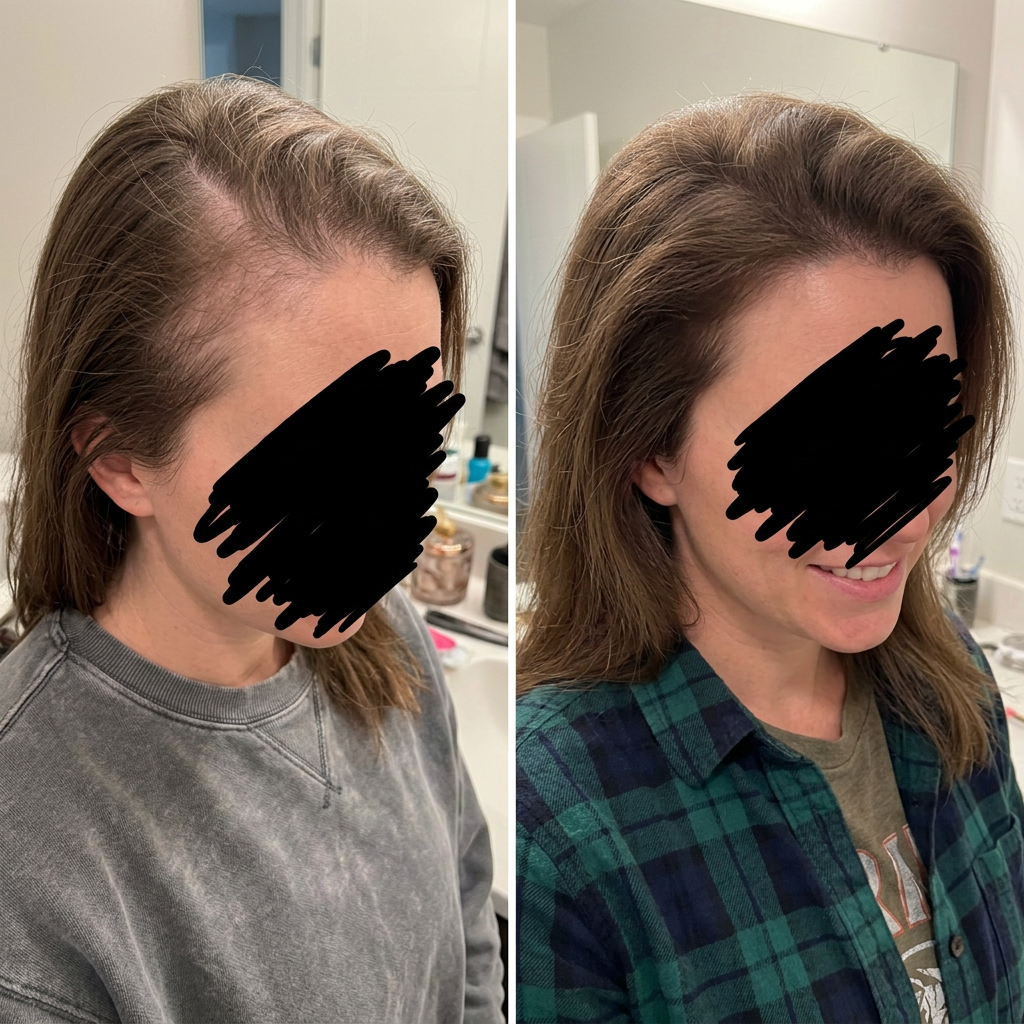
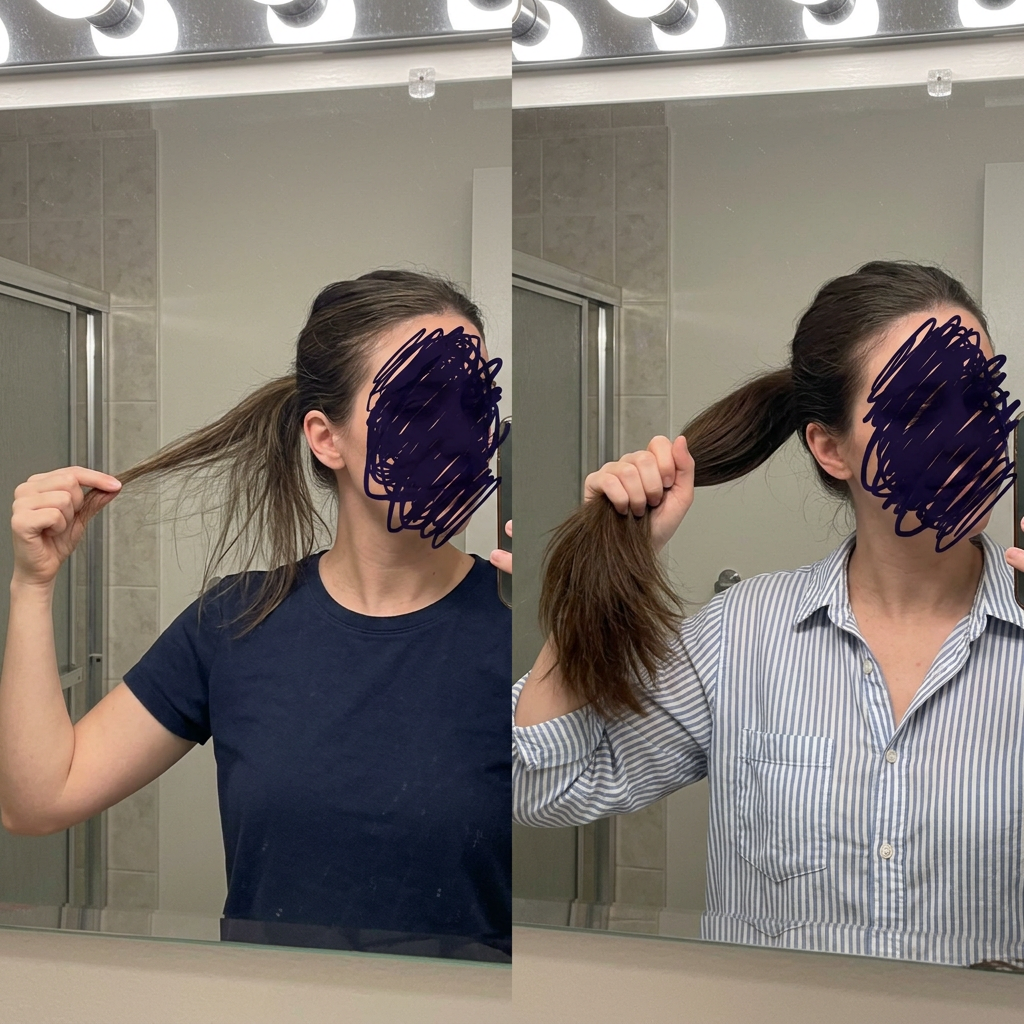
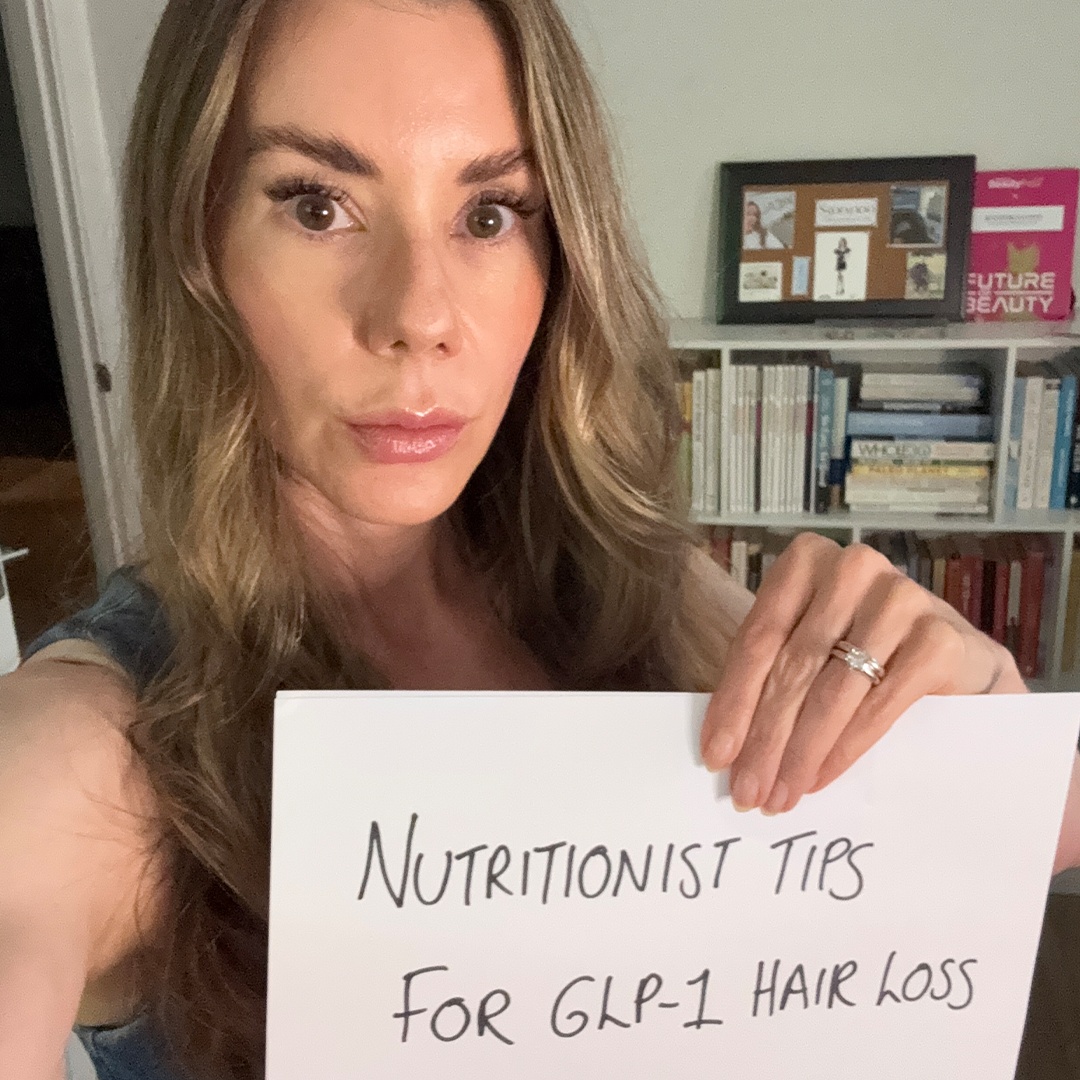
A GLP-1 hair loss study out of George Washington University tracked over a million people. Half a million on GLP-1s, half a million not. It was published earlier this year. The biggest study on GLP-1 hair loss to date. And they showed that at six months, the GLP-1 group was 62% more likely to develop permanent hair loss. As a nutritionist, this is why I cringe every time I see people telling women with hair shedding on GLP-1s to just wait it out. So here’s what I tell women when they start seeing more hair in the brush, more hair in the drain, or a lighter ponytail. Number 1: Do not wait until it “looks bad enough” to take it seriously. Hair loss on a GLP-1 usually does not start with a bald spot. It starts quietly. A little more hair wrapped around your fingers in the shower. More strands stuck in the brush. A drain that suddenly looks different after wash day. Then your ponytail feels a little smaller. Then your part looks a little wider. And because it happens gradually, women convince themselves they have time. “It’s probably temporary.” “My body is adjusting.” “I’ll give it another few months.” That is exactly the part I do not like. Because the 62% finding is not interesting to me just because it is a big number. It is interesting because of the timing. Six months. That means I would much rather address obvious shedding when you first notice the change than wait until you are already staring at visible scalp and trying to rebuild density you have been losing for months. Number 2: Understand that this is not simply a “weak hair” problem. Your hair is only ever doing one of two things. Growing. Or shedding. Normally, the balance is heavily on the growing side. A small amount falls every day, but there is so much hair still growing that you barely notice it. GLP-1s can shift that balance. Hair that should have stayed growing gets pushed over into shedding instead. So now you have more hair leaving… And less actively growing to replace it. That is why the early signs matter. The hair in your brush is not just an annoying side effect you have to clean up. It is telling you the balance has shifted. And the longer that imbalance continues, the more density you can lose before you finally decide to address it. Number 3: Do not rely on protein alone and assume you have solved the hair problem. I’m a nutritionist. I want women on GLP-1s eating enough protein. I want you protecting your muscle. I want you getting enough nutrients despite the reduced appetite. I want the weight loss to happen in a way that supports your health. But this is where people mix two completely different things together. Nutrition supports the body. It does not automatically tell a follicle that has shifted into shedding to move back into growing. So yes: Keep drinking the protein shake if it helps you hit your target. Keep your nutrition dialled in. But if the brush is still filling up, do not assume you just need another scoop. You may need to address the hair cycle itself. Number 4: Do not assume coming off the GLP-1 is your only option. This is the conversation that frustrates me the most. A woman finally finds something that works for her. She has lost weight. Her health markers are improving. The food noise is quieter. She feels better. Then her hair starts falling out and suddenly she thinks she has to sacrifice one result to save the other. Keep the medication and lose the hair. Or stop the medication and give up the progress. That is not the outcome I want for women. The goal is to get more of the hair back onto the growing side while you stay on the GLP-1. And there are topical actives designed to do exactly that. One I like is AnaGain. AnaGain works on the growth phase of the hair cycle. In studies, it nearly doubled the amount of hair sitting in the growing phase. So if too much hair has shifted toward shedding, you are helping move the balance back in the direction you actually want. Then there is Capixyl. That is more about density and the quality of the new growth. It supports the follicle so the hairs coming back are stronger and thicker, which matters when your part has already started looking thinner. Number 5: Pay attention to what improvement should look like. The first win is not waist-length hair overnight. It is less loss. Less in the shower. Less in the brush. Less hair stuck to your hands on wash day. Then, over the following months, the follicles that have moved back toward growing start producing visible new hairs. That is when you start seeing the little baby hairs. The part beginning to fill. The ponytail slowly getting some weight back. Shedding first. Density after. That is why I tell women not to wait until the density loss is dramatic. The earlier problem is the shedding. Address that part first. Number 6: Use something that has actually measured shedding. The one I recommend for women dealing with GLP-1 hair loss is KilgourMD Prevention Serum. It was developed by Dr. James Kilgour, a Stanford-trained dermatologist, after his own mother started losing her hair on a GLP-1 she needed to stay on for her health. And he did something I wish more hair brands would do. He had the formula independently tested. Researchers collected the hairs women lost during clinical washes. Then they counted them. After six weeks, wash-day shedding had dropped by 68%. And 95% of the women were shedding less. That matters to me because it measures the exact thing women notice first. The drain. The brush. The handful after a shower. Not whether someone thought her hair “felt nicer.” Actual shedding. Actually measured. And Prevention is topical. You put it directly on the scalp once a day. Nothing else you have to swallow. Nothing that requires you to stop the medication. So if you are on a GLP-1 and you have recently started noticing more hair coming out, this is what I want you to remember. Do not panic. But do not ignore it either. Do not wait until the ponytail is half the size it used to be before you decide it matters. Keep your nutrition strong. Keep eating your protein. Stay on top of your health. But address the hair separately. The one I recommend is KilgourMD Prevention Serum. I’ll leave the link below. It comes with a 90-day results guarantee, so you have enough time to see what happens with your own shedding. That 62% statistic is not a reason to panic. It is a reason not to waste six months. Keep the shot. Keep the progress. And deal with the shedding while you still have the hair you want to keep.
Where the ad sends people
kilgourmd.com
GLP-1 shedding...
Dermatologist-developed, the best hair growth products for thinning hair. Reduce hair fall by 30% in two months, and stimulate hair follicle growth by 200%. No known side effects.
Learn more: kilgourmd.com(opens in a new tab)