
Inactive· since Jul 7, 2026
- 8
- days it ran
- 0
- relaunches
Ad copy
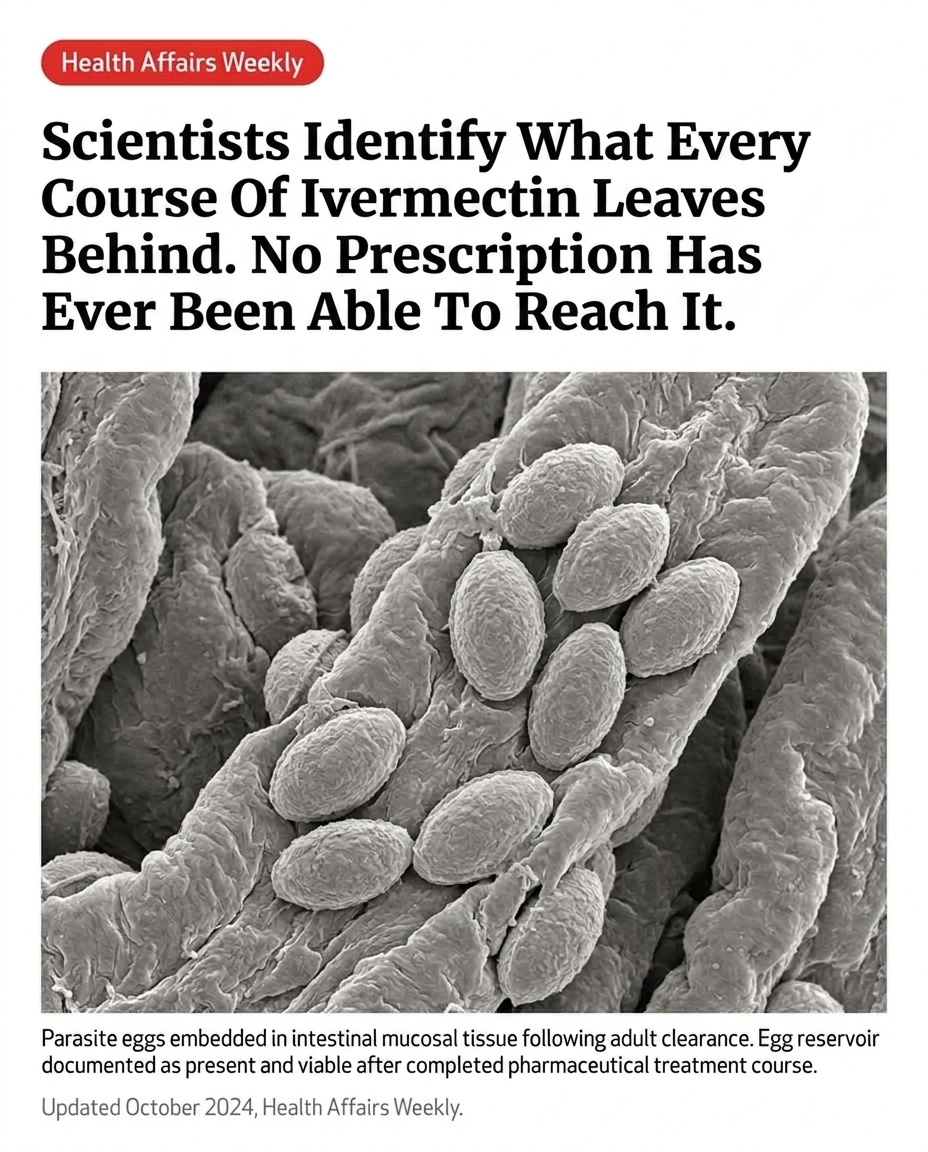
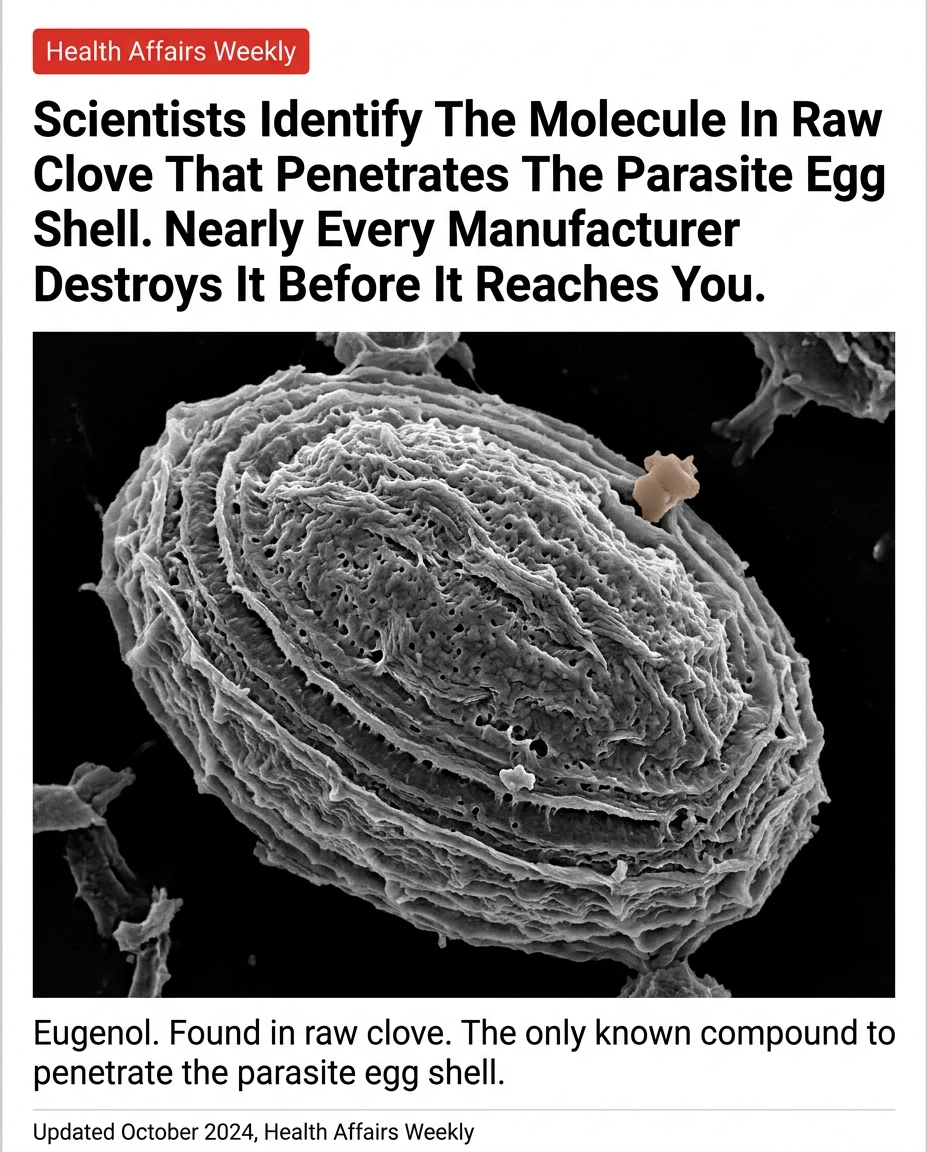
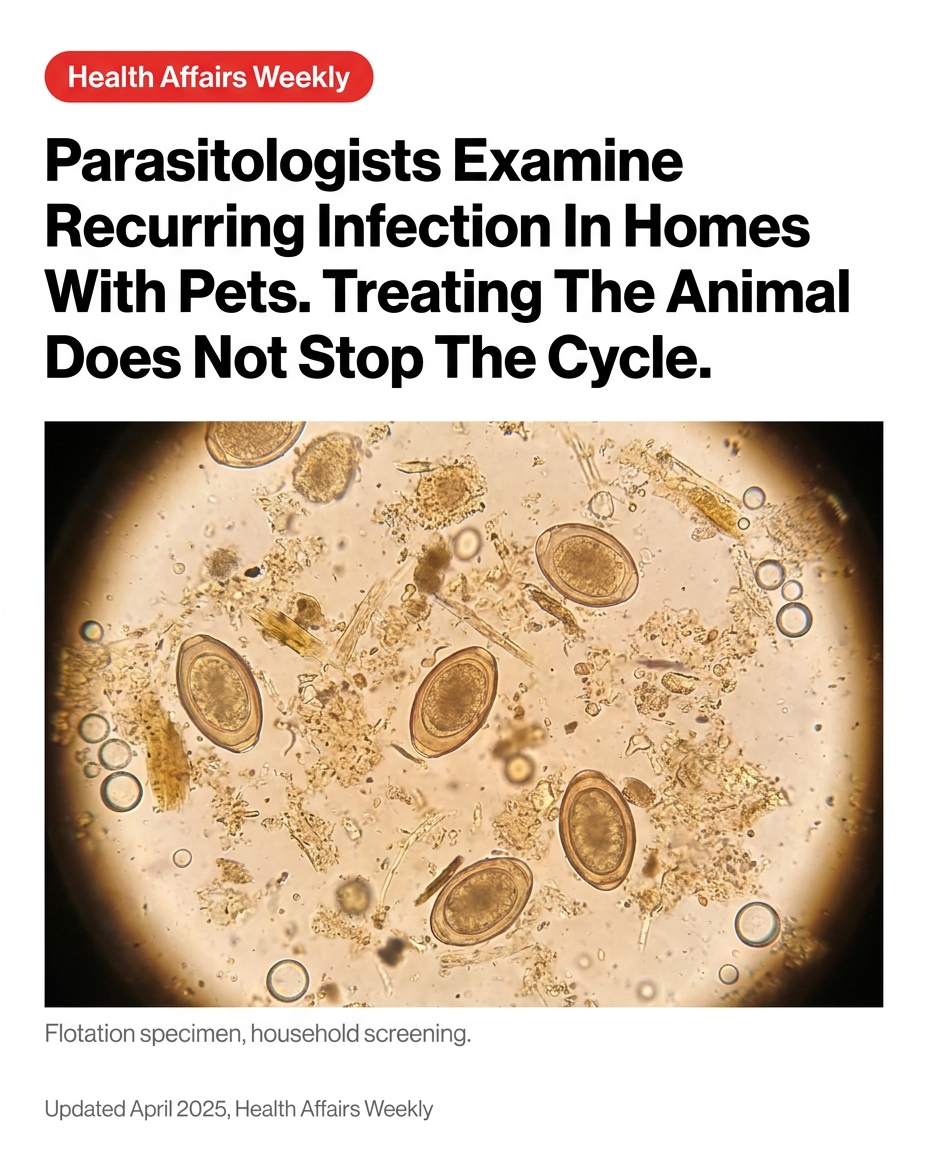
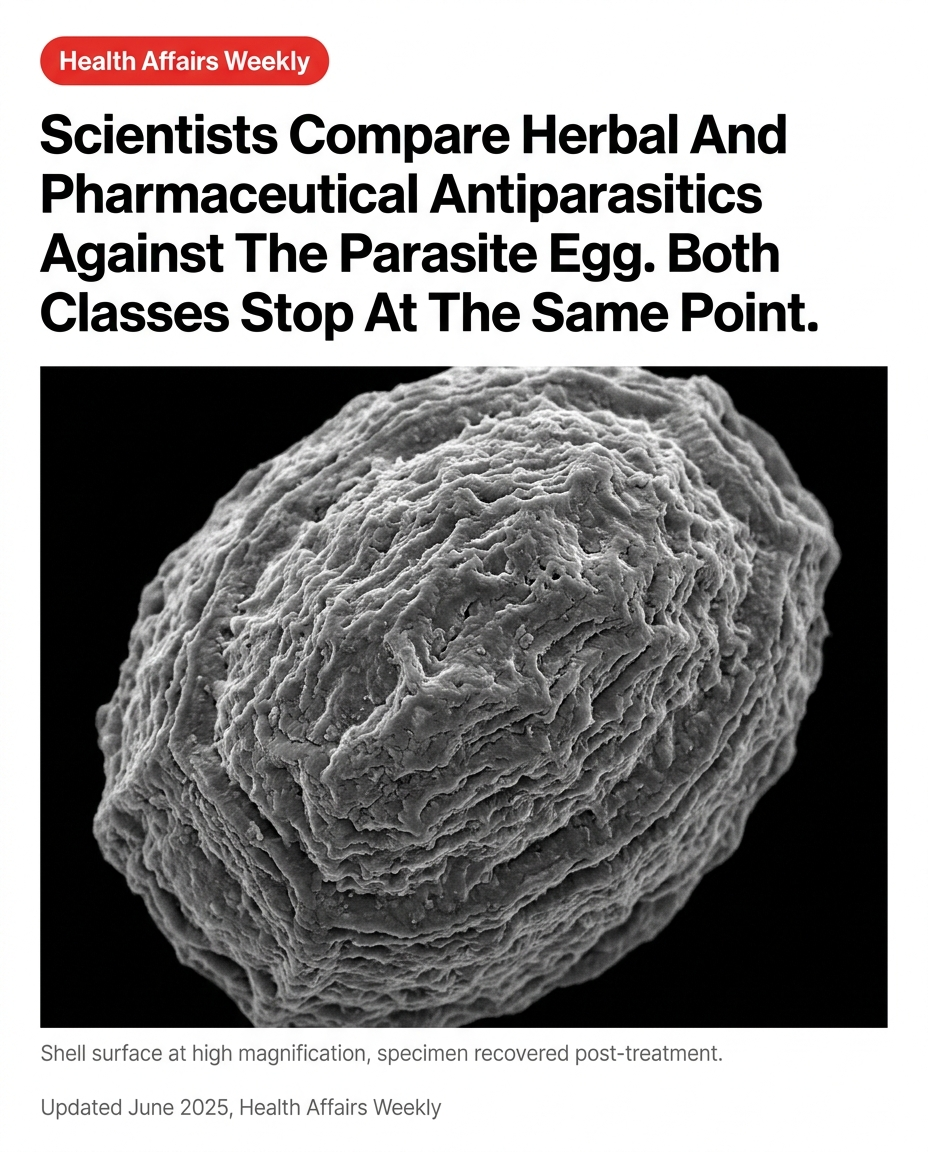
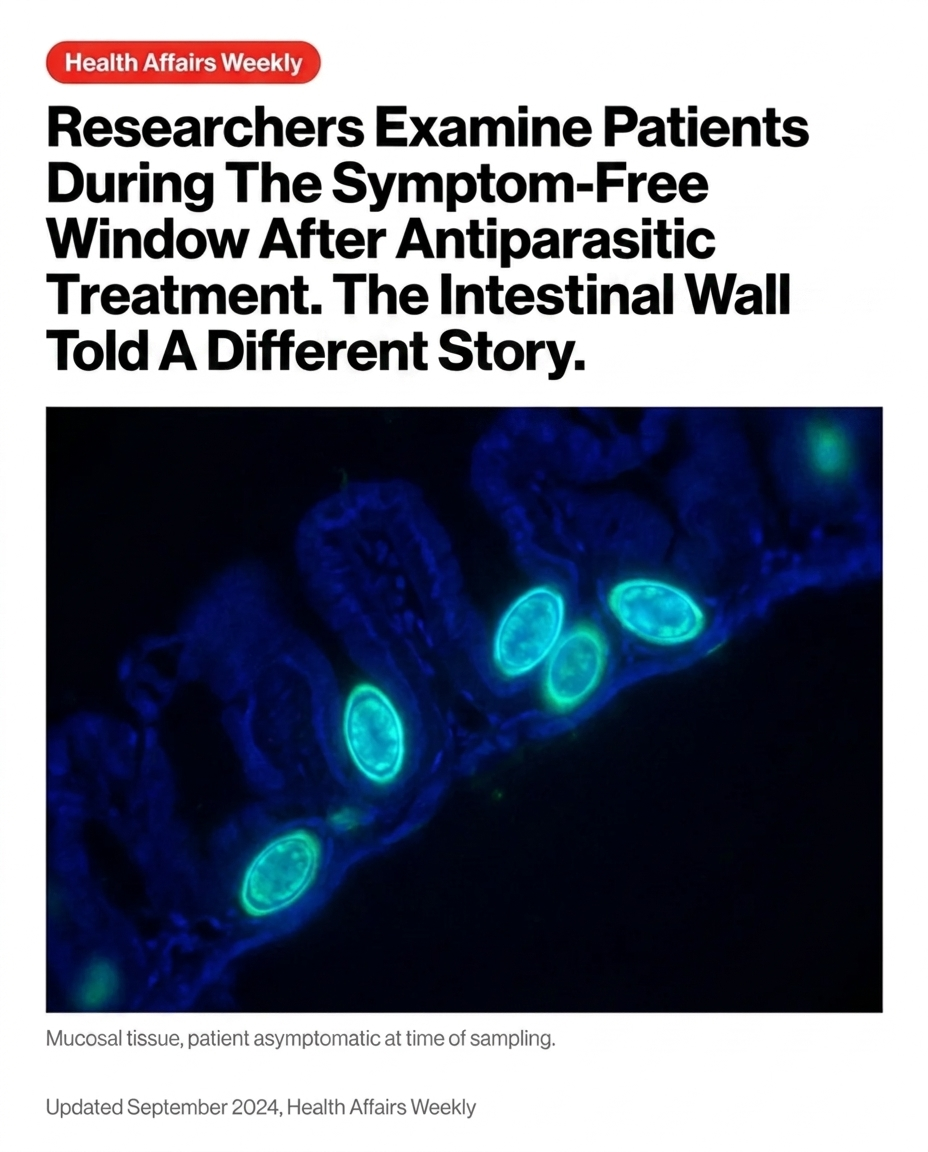
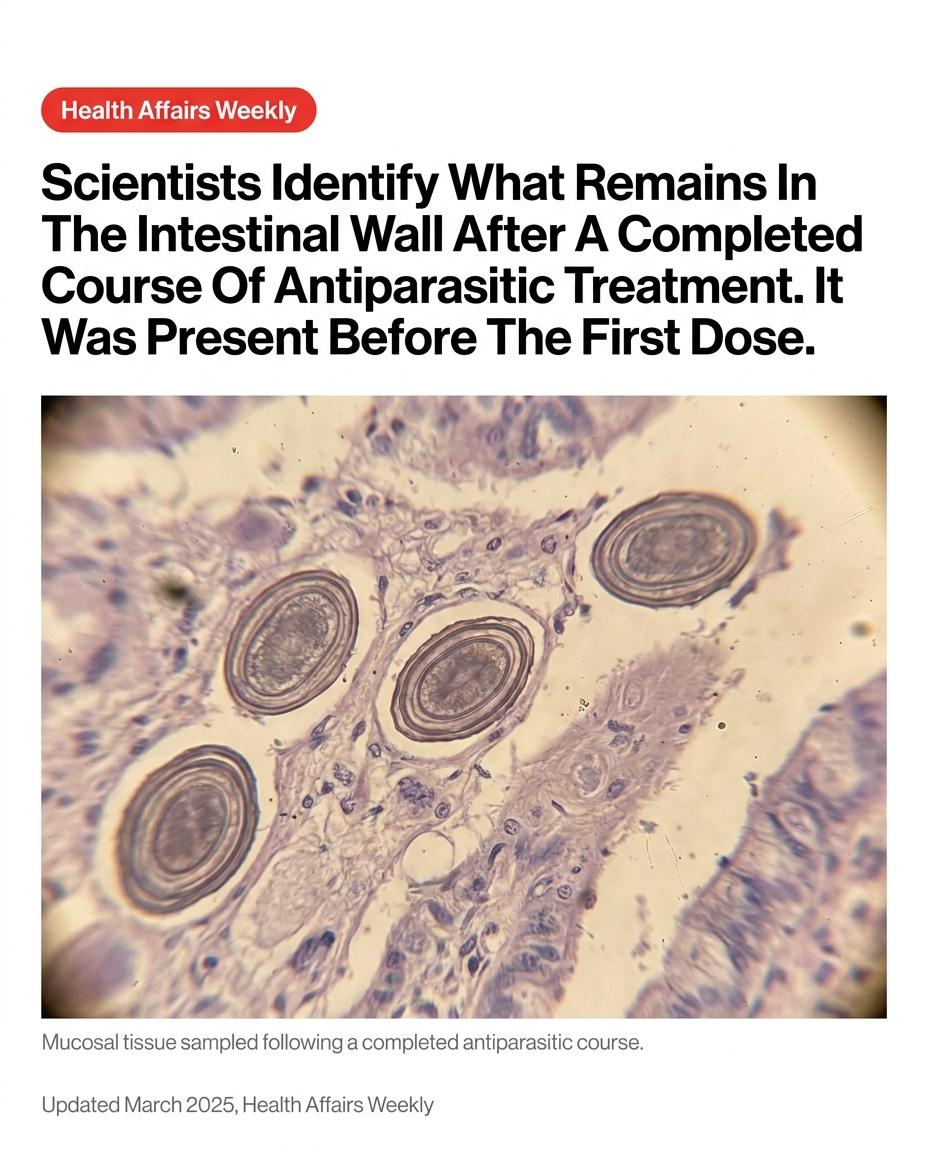
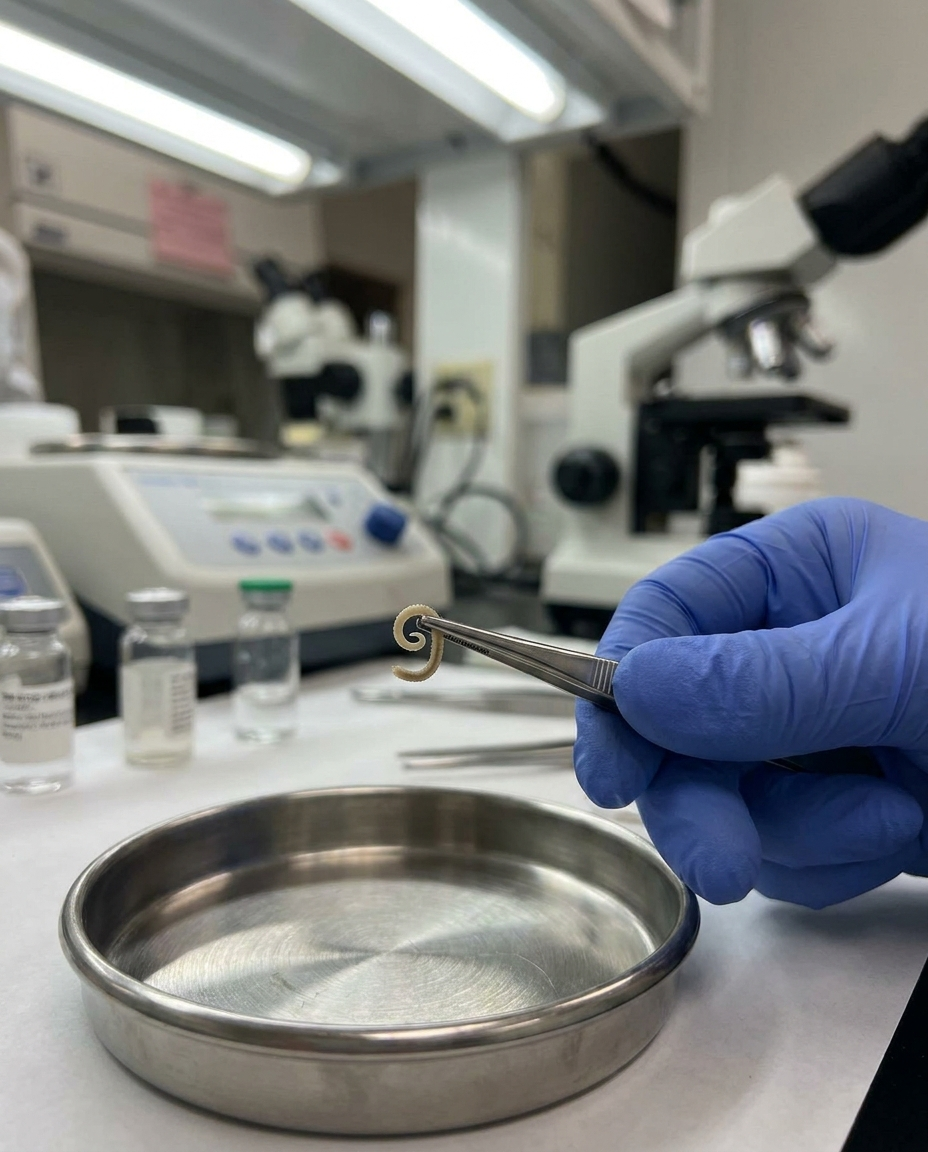
The image you are looking at is what no antiparasitic medication you have ever taken has successfully reached. These are parasite eggs. They are embedded in the wall of your intestine, biologically protected by an outer shell that is, in nature, one of the most resistant structures ever evolved. The shell is built to survive your stomach acid, your immune system, and the chemical compounds in every antiparasitic medication ever developed. Ivermectin does not penetrate this shell. Albendazole does not penetrate this shell. Metronidazole does not penetrate this shell. Every prescription antiparasitic medication available to your doctor, your functional medicine practitioner, or your specialist works on adult parasites only. The eggs sit through the treatment unharmed. This is the structural reason your parasite treatment has not held. Not because the medication was wrong. Not because your diagnosis was wrong. Not because you have been reinfected from outside. The eggs that were already in your intestinal wall when treatment began hatched on their own biological timeline, somewhere between two and four weeks after they were laid. The next generation matured into adult parasites by week three to five. Your symptoms returned. This pattern repeats every time you start a new course of any antiparasitic medication. The adults die. The eggs survive. The cycle resets. I want to walk you through what we actually know about the parasite egg shell, because once you understand the architecture you understand why this is the rate-limiting factor in chronic parasitic infection. The outer shell of a parasitic egg is composed of multiple protective layers. An outer chitinous layer that resists mechanical damage. An inner lipid layer that resists most water-soluble chemicals. A protein matrix that interferes with enzyme penetration. The combined effect is that almost nothing can get through the shell from the outside until the developmental program inside the egg triggers hatching from within. Pharmaceutical antiparasitic compounds are mostly water-soluble or protein-targeting. Both characteristics are incompatible with penetrating the lipid barrier of the egg shell. The chemistry that makes them effective against adult parasites is the same chemistry that prevents them from reaching the eggs. This is not a manufacturing failure. It is a biochemical reality. Pharmaceutical antiparasitics were never going to access the egg stage, and developing new medications that could do so has not been a commercial priority because chronic intestinal parasitic infection has not been recognized as a major condition in mainstream gastroenterology. I am not going to name the specific organisms here because the regulatory environment makes listing them risky. Search "parasite egg shell pharmaceutical penetration limit" to verify what I am describing. The point is structural. Every previous treatment you have tried has been operating on the same architectural limit. The eggs are not invulnerable. They are just inaccessible to the compound class you have been using. Intestinal parasites exist in three life stages at the same time. Adult worms or active organisms, the mature reproducing stage. Larvae, immature parasites that develop after eggs hatch. And eggs, embedded into the lining of your intestinal wall, dormant and biologically protected. Every parasite treatment you have considered targets one of those three stages. The adult organisms. This is true for ivermectin. It is true for albendazole. It is true for metronidazole if a doctor ever prescribed that for a specific named infection. It is true for the herbal cleanses you may have tried. All of them work on adult parasites. None of them touch the eggs. About two years ago, a colleague of mine who researches herbal extraction methods told me about a compound found in raw clove called Eugenol. Researchers have studied it specifically for its effect on parasite eggs because Eugenol has a chemical property that almost no other botanical or pharmaceutical antiparasitic shares. It is small enough at the molecular level, and lipid-soluble enough in its chemistry, to penetrate the outer lipid layer of the parasite egg shell. It does not just kill adult organisms. It gets inside the egg before the developmental program ever triggers hatching. In theory, this changes everything. In practice, there is a problem that disqualifies almost every clove-containing supplement on the market. Eugenol is destroyed by heat. Nearly every supplement manufacturer uses heat in their extraction process because it is faster and cheaper. For Eugenol, this is complete destruction. This is why every clove-containing cleanse on the health food store shelf still fails to address parasite eggs. By the time the bottle reaches you, the Eugenol is gone. The only method that preserves Eugenol is cold-pressing. No heat, no solvents, just slow mechanical pressure that keeps the active compounds intact. Almost no manufacturer is willing to do it because the equipment is expensive and the production volume is small. My colleague was able to source one manufacturer that does it correctly. The product is called ParaCycle. It is a liquid tincture taken under the tongue, so the Eugenol absorbs directly into the bloodstream and bypasses the digestive system entirely. I have been recommending it to patients who have completed one or more rounds of pharmaceutical antiparasitics — ivermectin, albendazole, or other prescriptions — and whose symptoms returned within weeks of finishing each course. The outcomes when the egg stage is finally addressed are different from what I see in patients who continue cycling through pharmaceutical antiparasitics without ever reaching the eggs. The formula uses wormwood and black walnut hull for the adult organisms, with cold-pressed clove for the eggs. Every batch is third-party verified. Two drops under the tongue each morning. If you have tried prescription antiparasitics and the relief faded within weeks each time, the medications were not failing. They were doing their job on the stage they were designed for. What you are looking at in the image above is the stage no prescription has ever successfully reached. ParaCycle offers a 60-day guarantee, empty bottle included. If the results are not there, send it back. They produce in small batches. Cold-pressing does not scale the way heat extraction does, which means inventory runs out regularly. Check availability below. And this time, address what every prescription has missed.
This Is What Ivermectin Misses
Most parasite cleanses kill the adults. The eggs survive, hatch at day 21, and the cycle resets. ParaCycle addresses both stages cold-pressed Eugenol reaches the eggs, the integrated binder captures what the die-off releases. Two drops daily. One product. Complete protocol.
SHOP NOWLike this ad? Make it yours.
Crush rebuilds this exact creative around your product — your brand, your colors, your offer — in about a minute.