
Inactive· since Apr 24, 2026
- 3
- days it ran
- 0
- relaunches
Ad copy
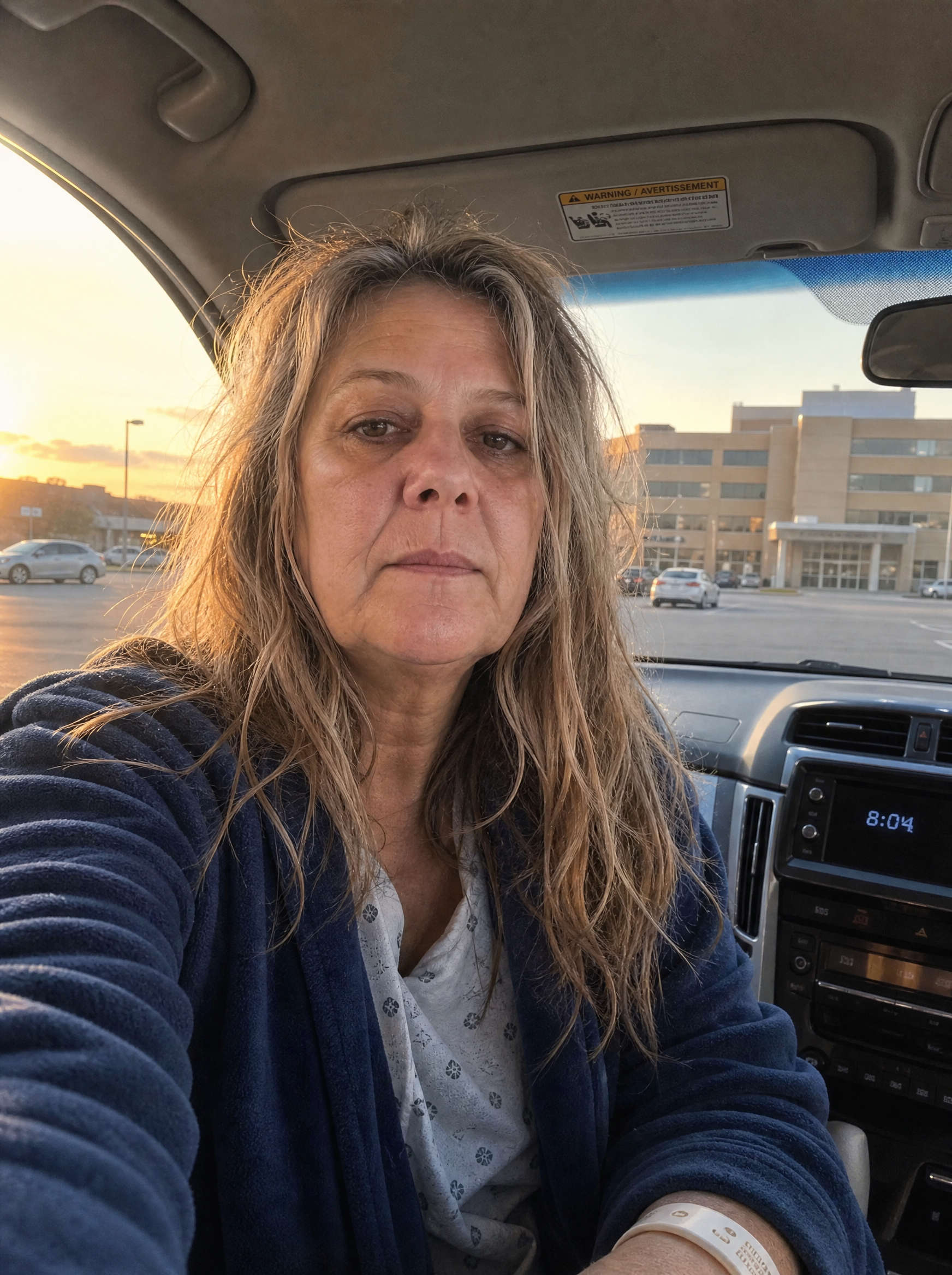
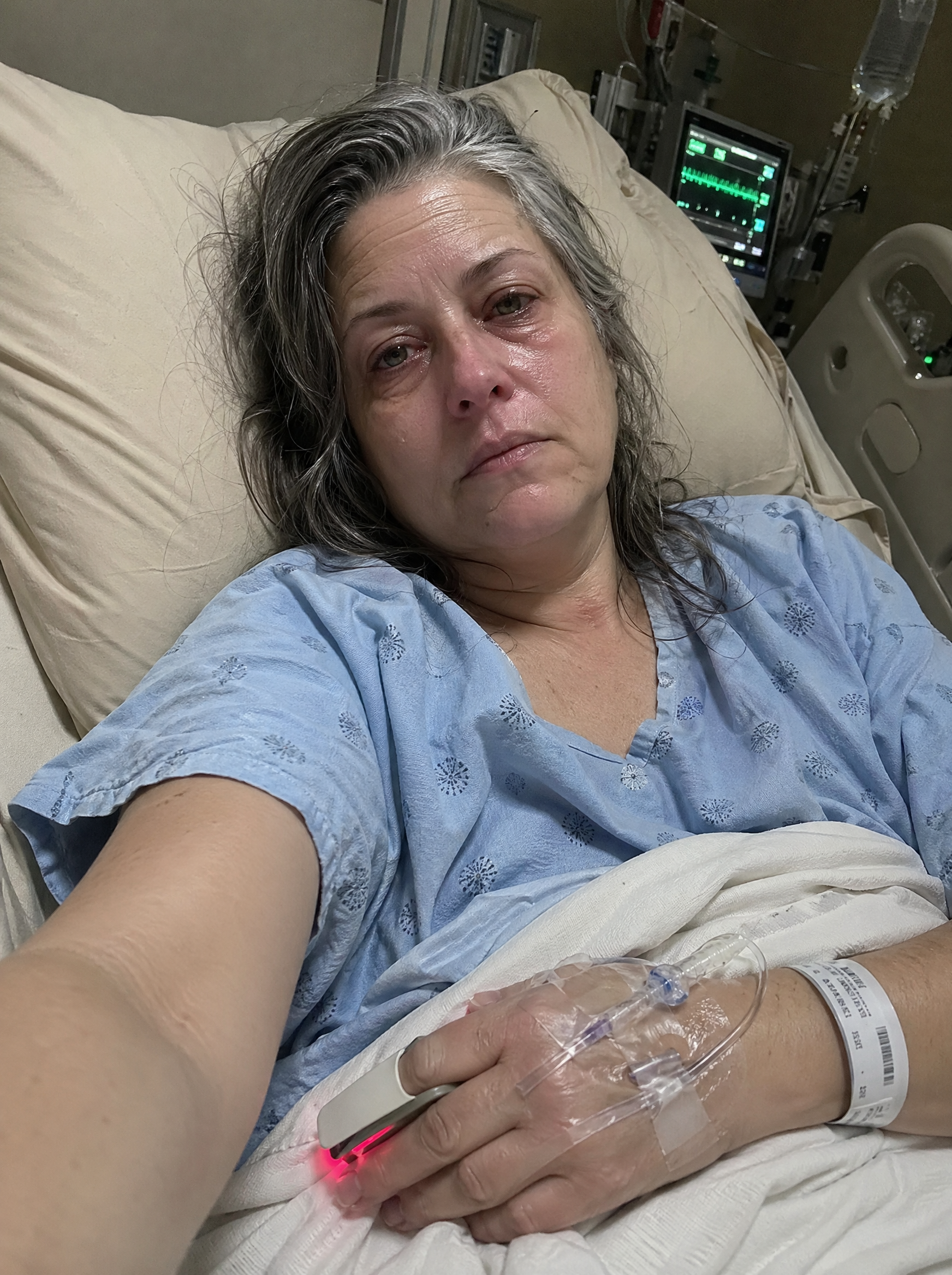
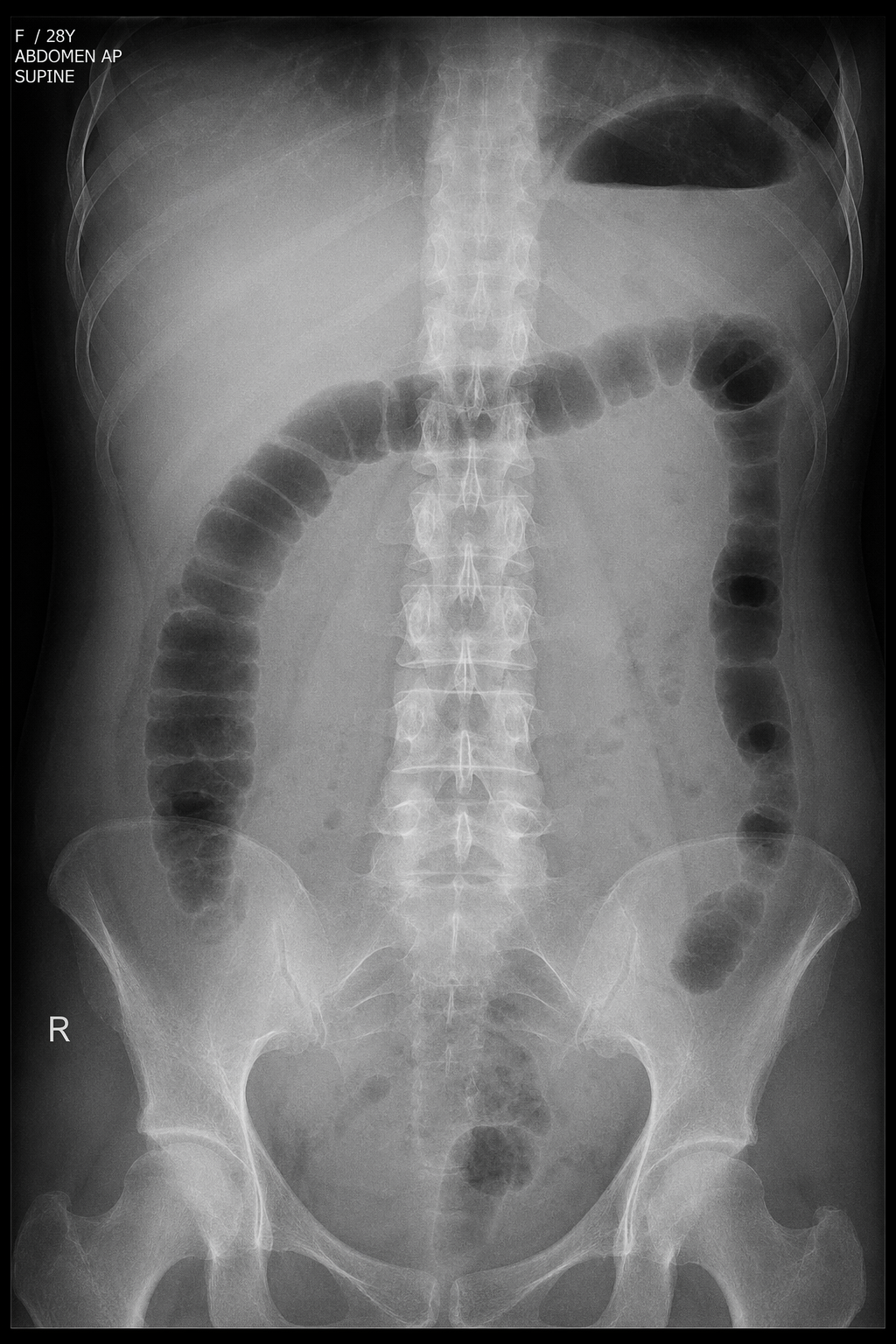
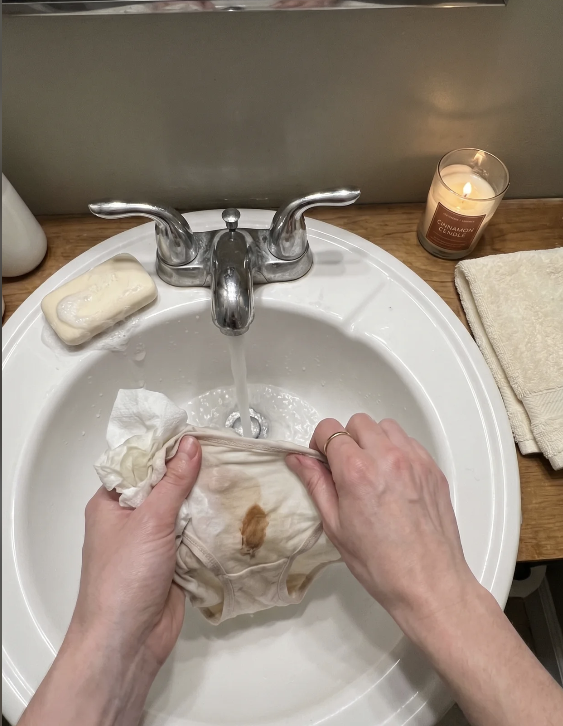
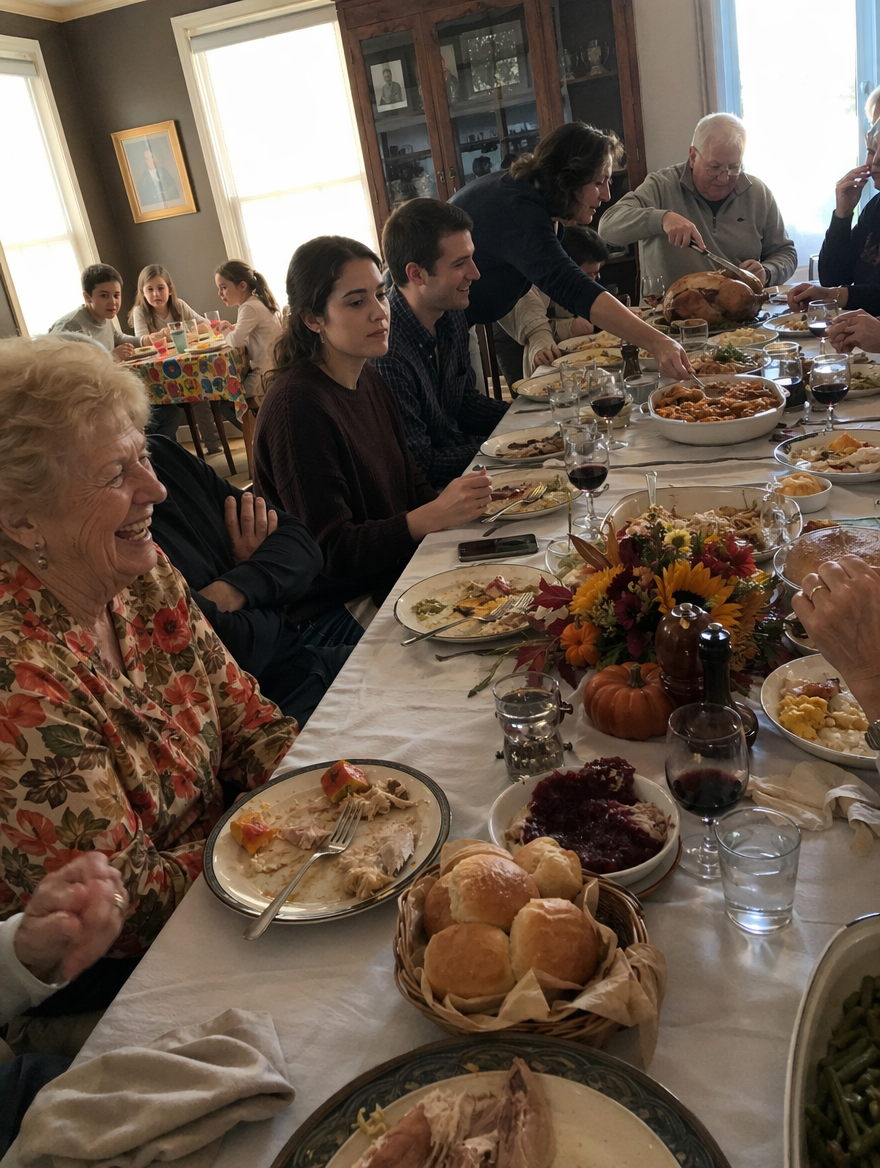
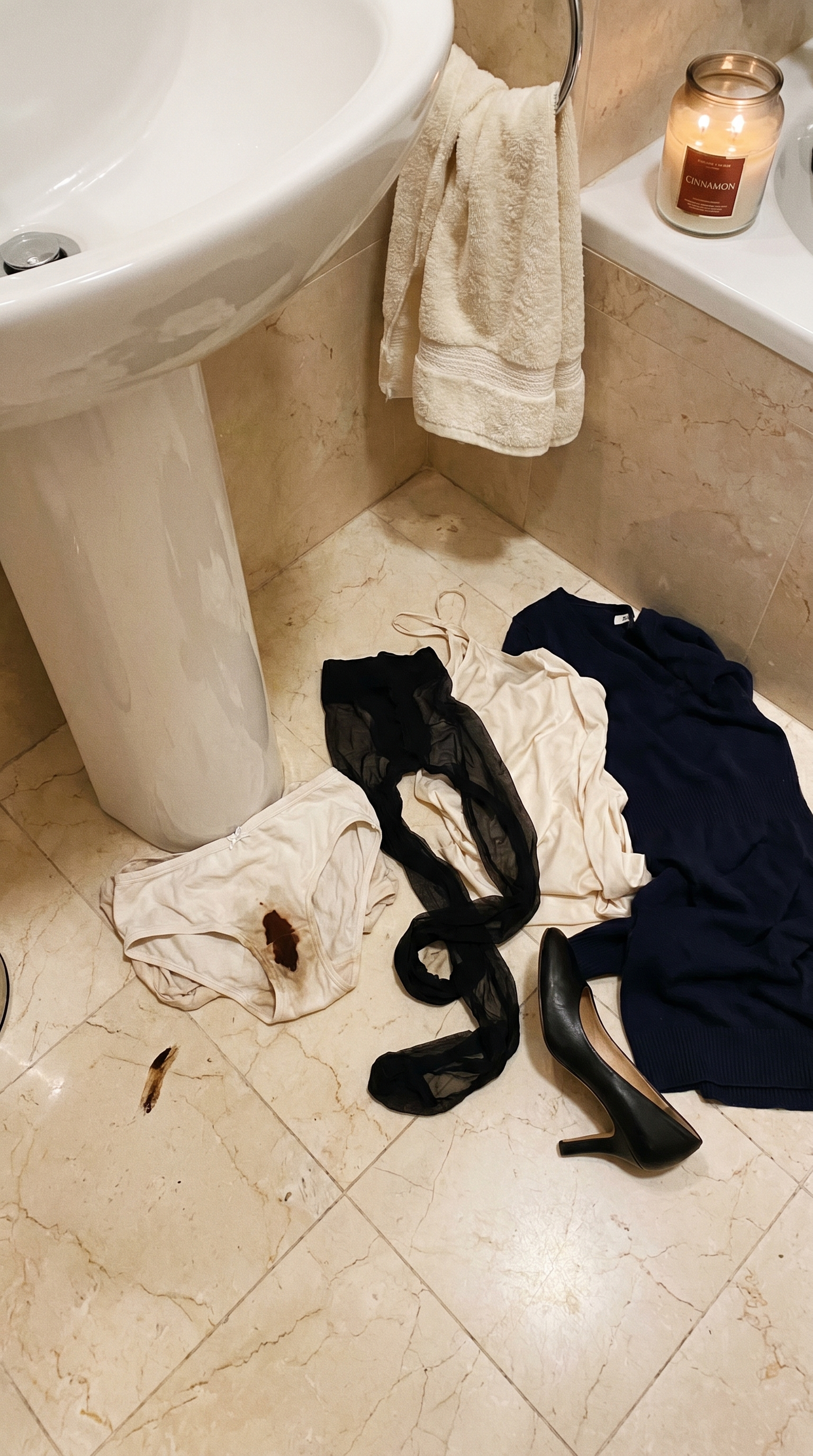
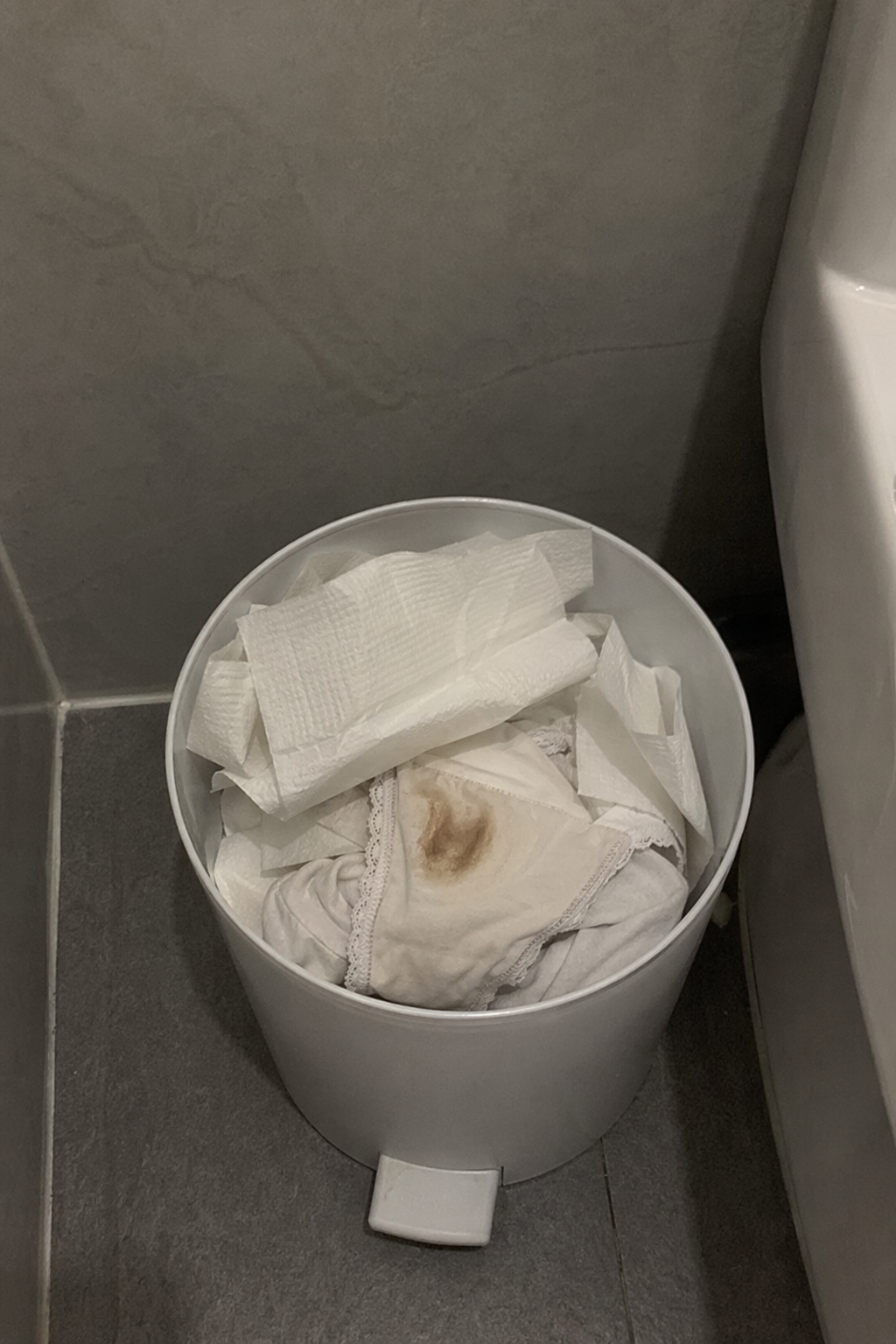
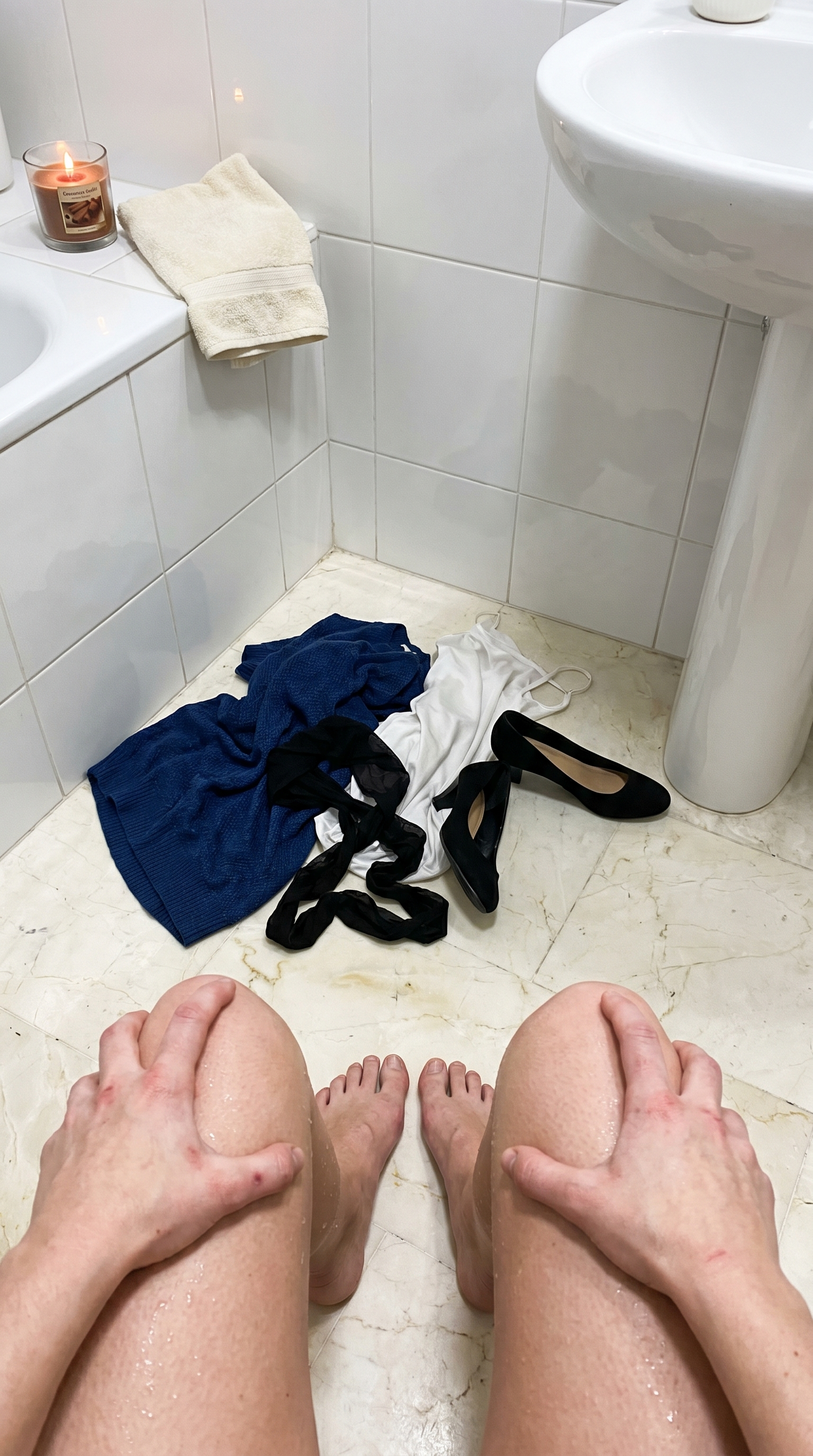
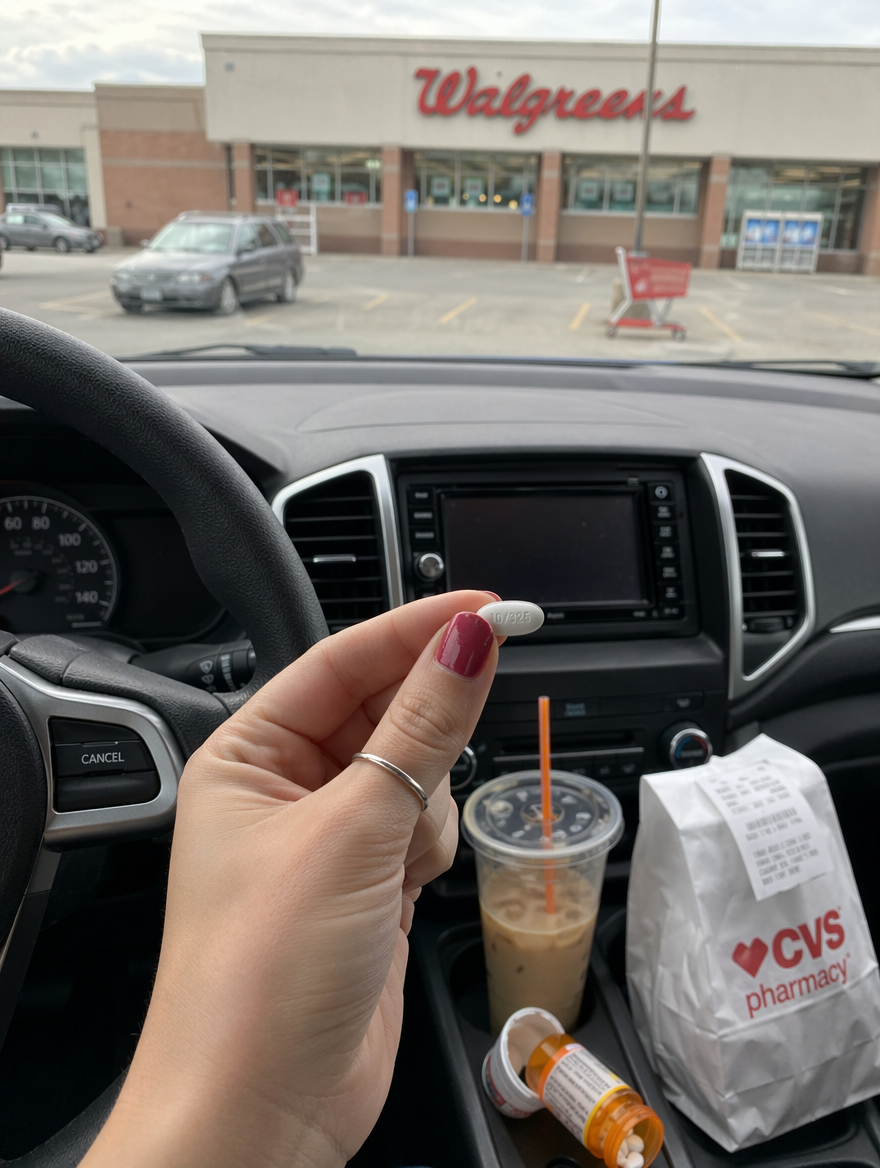
I had to stuff a pair of shit-stained underwear into the bottom of my boyfriend's mom's bathroom trash can on Thanksgiving. That is the sentence I have never said out loud to another human being. Until right now. I'm 32. I am writing this because what happened to me last November is not a story a normal 32-year-old woman should have. Let me tell you what happened. Eight months into dating a man I was starting to think I was going to marry, he invited me home for Thanksgiving. His family is the kind of family I grew up watching on television. Four generations in one house. A mother who has been making the same stuffing her whole adult life. An aunt who brings a homemade pie in a real pie tin. Three kids under ten running around in socks. And a single main-floor bathroom. One. For sixteen people. The other bathroom in that house is the ensuite, attached to his parents' bedroom, up a flight of stairs and down a hallway. Guests do not go in there. His mother made that very clear in the kindest possible way when we arrived. "Just use the one off the kitchen, sweetie." I said of course. We sat down to eat at 3 PM. His dad said grace. My boyfriend reached under the table and squeezed my knee. And somewhere between the prayer and the first bite of sweet potato, I felt it. The specific feeling I have felt maybe a thousand times in the last three years. The one that gives you about ninety seconds. I put my napkin down. I smiled at his mother. I said "excuse me for one second." I walked into the kitchen. The main-floor bathroom door was closed. His eight-year-old nephew was inside, singing. I turned around. I went up the stairs. I did not make it. I made it through her bedroom. I made it to the threshold of her bathroom. I did not make it to the toilet. What happened in the next eleven minutes of my life is something I cannot fully describe in a Facebook post. Except to say that I rinsed what I could in his mother's shower. I buried my underwear under a wad of Kleenex at the bottom of her trash can. I washed my hands four times. I fixed my hair. I practiced my face in her mirror. And I walked back down those stairs in bare feet with my tights balled up inside my purse. I sat back down at the table. My boyfriend asked if I was alright. I said I'd just had a quick work call. He gave me a look. He knows I do not take work calls on Thanksgiving. I passed the cranberry sauce. I ate a slice of turkey. I laughed at his uncle's joke about the Lions losing again. And I spent the entire rest of the night with his mother's bathroom trash bag tied shut in the trunk of my car, waiting for a gas station dumpster on the drive home. I am writing this because I don't think women with bodies like mine talk about this out loud. And I think we should. Because what happened to me at that dinner table is not my fault. It is not IBS. It is not "a sensitive stomach." It is not "leaky gut." It is a specific, documented thing that has happened to my body, caused by a specific drug a specific doctor handed me without warning. And I have spent the last year figuring out what that thing is. Let me back up. A few years ago I was the girl who ate anything. I know how that sounds. Pizza at midnight. Thai food on a Tuesday. A cheese board at a bachelorette in Nashville. Wine with dinner on a Wednesday because it was a Wednesday. I never once in my life thought about my intestines. Then, when I was 29, I got diagnosed with a kidney infection that had spread from a UTI I had been ignoring for two weeks. The urgent care doctor put me on a three-month course of antibiotics. First Bactrim, then Cipro when the Bactrim didn't finish the job, then a second round of Cipro when the infection came back. Three months of broad-spectrum antibiotics, back-to-back, over one summer. He did not mention my gut. He did not mention the word microbiome. He said "take a probiotic if you feel off after." I paid my copay. I walked out. I took the first pill in my car in the Walgreens parking lot with a sip of iced coffee. That is the moment I would give a kidney to go back to and undo. Because what those drugs did to me over the next 90 days was not a little stomach upset. They turned my gut into a crater. And three years later I am still living in the crater. Let me tell you what living in the crater actually looks like. Because if you are reading this, you might be living in one too. It means my body no longer has a rhythm. It has a lottery. Three days of nothing. Then a ninety-second warning in a Target. Then two more days of nothing. Then a Wednesday morning where I run to the bathroom nine times before 10 AM and call in sick for a migraine I do not have. Constipation. Then diarrhea. Then constipation again. Never in a pattern I can predict. Never in response to anything I ate or did not eat. I have kept food journals. I have eliminated gluten. Dairy. FODMAPs. Nightshades. There is no pattern. My body is running on a schedule I did not write and cannot read. It means I have memorized the location and cleanliness of every public bathroom within three miles of my apartment. Which Starbucks has a key. Which one has a code. Which Target has a single-stall family restroom that is almost always empty. I have this map in my head and I did not mean to build it. It got built one near-miss at a time over three years. It means that last March, in a 10 AM Tuesday meeting where I was supposed to be presenting to a client, I felt the switch flip right as I opened my laptop. I sat in that chair for forty-one minutes with cold sweat running down my back. Smiling. Answering questions. Nodding. Doing silent math on whether I could make it to the bathroom without walking past my boss's office. I made it. I have never told another human being on earth what those forty-one minutes felt like. It means every morning of my life starts with a body scan before my feet touch the floor. I lie in the dark and I run my hand over my stomach and I try to guess whether today is going to be a day I can leave the house. The answer is maybe fifty percent of the time no. It means the bloating. God, the bloating. By 11 AM most days I look six months pregnant. Strangers have asked me when I'm due. A woman at a coffee shop put her hand on my stomach without asking, last March, and said "oh honey, when are you due." I had to say, "I'm not pregnant. I just ate a piece of toast." She apologized for ten straight minutes. I wanted to die. It means I have eaten the same four foods on rotation for stretches of months at a time. Plain chicken. White rice. Bone broth. Steamed zucchini. Because any deviation might turn into a flare. And a flare turns into a week of my life I don't get back. It means I have spent thousands of dollars trying to fix this. Stool panels. SIBO breath tests. Food sensitivity panels that came back saying I was reactive to thirty-one foods including broccoli, chicken, and lemon. A functional medicine doctor who got me 40% better and then plateaued and quietly suggested I "consider the mind-body connection." Which is what a nice woman in a white coat says when she means "your stomach is in your head." And the probiotics. Oh my god, the probiotics. Every fancy one on the shelf at Whole Foods. Every glossy subscription brand with an Instagram ad budget. Every spore-based, soil-based, yeast-based, fermented-based blend that got recommended on every podcast I listened to at 2 AM. Every single one was sold to me as "the one that works for sensitive guts." Every single one either did nothing or made me demonstrably worse within seventy-two hours. One of them gave me a three-day flare so bad I thought I was having an allergic reaction and went to urgent care. There was a night in January, maybe 11 PM, where I sat on my bathroom floor with my back against the tub and I cried. And I seriously considered the possibility that I was going to live like this for the rest of my life. That I would be 38 and 48 and 58 and still eating chicken and rice. Still mapping bathrooms. Still hiding soiled underwear in other people's trash cans on holidays. That was the night I found the article. I was doomscrolling at 1 AM with my phone propped against a towel. And I fell into a rabbit hole about mold. Specifically, about mold in the food supply, and what happens when it gets into your gut. And what I read over the next ninety minutes rearranged my understanding of the last three years of my life. Here is what I did not know. The FDA legally allows up to 25% mold in a jar of peanut butter. Up to 44% in canned tomatoes. Over 80% of coffee beans worldwide test positive for toxic compounds called mycotoxins. Not trace amounts. The baseline. If you ate breakfast this morning, you ate mold. If you had coffee and toast, you ate a lot of it. This, by itself, is not the problem. A healthy gut handles it all day long. Because a healthy gut is home to a diverse ecosystem of bacteria whose full-time job is crowding out opportunistic invaders before they can set up shop. It is a microbial defense system. It is the reason most people can eat peanut butter on sourdough and not think about it. And here is the part that stopped my heart at 1:47 AM in my bathroom. Three months of broad-spectrum antibiotics does not just kill the bacteria causing your infection. It carpet-bombs the diverse ecosystem in your gut. It wipes out the microbial defense system that was keeping the mold in check. And once that defense is gone, the mold species you are eating every single day — the ones your old gut used to crowd out without effort — stop being passing visitors. They move in. Specifically, a family of opportunistic fungal species called Aspergillus and Fusarium. They root into your gut wall. They build a slimy biofilm shield around themselves so your immune system cannot see them. And they start leaking poisons called mycotoxins into your bloodstream. Every day. For years. Mycotoxins are not a wellness buzzword. They are real, measurable chemical toxins produced by mold. They cause bloating. They cause brain fog. They cause unpredictable diarrhea and unpredictable constipation and alternating between the two with no pattern you can find. They cause a body that stops having a rhythm and starts having a lottery. They cause, in other words, what happened to me at that Thanksgiving table. And the reason every probiotic I had ever bought had either done nothing or made me worse was so simple it made me want to scream. Probiotics add bacteria. They don't kill mold. They don't dissolve biofilm. They don't neutralize mycotoxins. You cannot repopulate a gut that still has an active fungal colony rooted into the wall. The mold wins every time. You have to kill the mold first. So then the question became — how the hell do you kill the mold. Most of what came up in my research was either a $10,000 functional medicine mold protocol or prescription antifungals with pages of side effects that also destroy whatever microbiome you have left. But buried in an old article about Korean traditional medicine, I found one thing that does all of it at once. Fermented black garlic. Not raw garlic. Not garlic pills. Not garlic extract from the supplement aisle at Whole Foods. Specifically, black garlic that has been slow-fermented under controlled heat and humidity for 60 to 90 days. I will explain why the fermentation matters in a second. But first I want to tell you what this actually does, because when I read about it I could not believe this was not in every household in America. When garlic is slow-fermented, a compound inside it called S-Allylcysteine — SAC — multiplies almost six times over. And SAC, in the human body, does five things that matter to someone like me, all at once. First, it kills the Aspergillus and Fusarium colonies rooted into your gut wall. A tenfold reduction in fungal burden. It also stops the fungus from converting into the rooted, invasive form that chews through the intestinal lining in the first place. Second, and this is the one nobody else does, it dissolves the biofilm shield the mold builds around itself. The slimy armor that keeps your immune system from even seeing the fungus. Garlic compounds break that shield down at every phase, including the mature phase, which almost nothing else on earth can touch. Third, it neutralizes the mycotoxins already circulating in your bloodstream. It activates the specific enzyme your liver uses to break down aflatoxin, which is the most common mold toxin in the food supply. In one test, garlic extract degraded over 60% of aflatoxin in a single hour. It was the highest score of eight different dietary compounds tested. Fourth, it turns on your liver's entire master detox system. A single oral dose boosts your liver's primary detox enzyme activity by 41% in twelve hours. That research came out of MD Anderson. Fifth, it seals the leaks in your gut lining. The mycotoxins and the fungus had been chewing holes in my intestinal wall for three years. SAC rebuilds the specific proteins that stitch those gaps back together. And here is the part that made me stop and read it three times. It does all of this without damaging the rest of your microbiome. Raw garlic erodes the gut lining. Oregano oil nukes your good bacteria the same way antibiotics do. Prescription antifungals are nuclear weapons. Aged, fermented black garlic does none of that. A human trial showed it actually increases beneficial Lactobacillus and microbial diversity while it is killing the fungal colonies and dissolving the biofilm. It is the only thing I found in three years that kills the mold, dissolves the biofilm, neutralizes the poisons, heals the gut wall, and helps the good bacteria — all at once. Which is why the fermentation matters. Raw garlic does not contain enough SAC to do any of this. Garlic pills do not contain enough SAC to do any of this. Even fresh garlic extract does not contain enough SAC to do any of this. You need the 60-to-90-day slow fermentation that multiplies SAC almost six times over and boosts antioxidant activity nearly tenfold. It is 2,000-year-old Korean and Japanese medicine. It is not a drug. It is not a probiotic. It is the one thing I found that addresses the actual problem. The brand I ended up on is called Lanural. I found it through a forum post. They dose it at 6,000 milligrams per serving, fermented 60 to 90 days, single ingredient, no fillers. I ordered three bottles because I had read this protocol takes time and I did not want to half-commit. I am going to tell you what happened, and I am going to tell you the truth, which includes a part that was not fun. Week one, nothing dramatic. Slightly less bloated by day five. Week two, I had what I later learned is called a die-off reaction. More bloated, foggy, tired, a little flu-ish. I almost quit. I did not quit because I had read enough to know that when you actually start killing a fungal colony that has been rooted in your gut for years, it releases toxins on its way out, and you will feel worse before you feel better for about four days. I white-knuckled it. Week three, something happened that had not happened to me in three years. I went to the bathroom in the morning. Once. Like a person. And then nothing random for the rest of the day. No ninety-second warning at Target. No cold sweat in a Tuesday meeting. Just a normal morning. Week four, it happened again. And then again the next day. And then every day. By week six, my 11 AM bloating had gone from "stranger touches my stomach in a coffee shop" to "my jeans fit the way they fit when I bought them." I reintroduced eggs. Fine. Avocado. Fine. A piece of sourdough at a friend's dinner party and braced for a three-day flare. The three-day flare did not come. Month three, I drove six hours to see my family. By myself. I did not map a single bathroom before I left. I just got in the car and I drove. I sat in my sister's kitchen and I ate the lasagna she made. I did not think about my intestines one single time for six straight hours. And when I drove home that night I had to pull over because I was crying too hard to see the road. Because I had just had a normal afternoon with my sister for the first time since I was 28. Thanksgiving is in a few months. I am dating someone new. His family hosts, too. And when I sit down at that table this year, I am not going to spend dinner counting the seconds between me and the bathroom. I am not going to tell you Lanural is a miracle. I do not believe in miracles. And if you are reading this, you do not either, because you have been burned by exactly the kind of glossy promises the rest of the internet keeps making at you. I will tell you what it actually is. Slow-fermented black garlic extract, dosed at 6,000 milligrams per capsule, single ingredient, no fillers. It starts at $29.99 a bottle. They run a Buy 2 Get 1 Free and a Buy 3 Get 2 Free if you want to do the full three-month protocol, which I did. Ships in 3 to 4 days. 60-day money-back guarantee. I had mentally prepared to use it. I did not end up using it. I am on my fifth bottle. I am going to drop the link at the bottom. If you want it, you can look at it. If you don't, you don't. If you have read this far, I want to say one thing. What happened to your body is real. It is not IBS. It is not "a sensitive stomach." It is not "leaky gut." It is not a thing a therapist is going to fix. It is not a thing an antidepressant is going to fix. It is not a thing you did to yourself by being too vain about your skin at 24. It is a specific, documented, measurable collapse of the microbial defense system in your gut. Caused by a drug a doctor handed you without warning. Followed by a slow fungal takeover you could not see, and poisons you could not taste, being fed by a food supply the FDA legally allows to be molded. You are not crazy. You are not broken beyond repair. I hope you get your body back. I hope you get to sit at a Thanksgiving table and eat turkey and stuffing and a slice of pie and laugh at someone's uncle's dumb football joke without once thinking about where the bathrooms are. 👉 https://try.lanural.com/Growing-In-Your-Gut I'm rooting for you.
I rinsed what I could in his mother's shower.
Based On Clinical ResearchThe FDA Allows Mold In Your Food — And 9 Out Of 10 Americans Have It Growing In Their Gut Right NowA Hidden Epidemic Of Microscopic Fungi Is Driving The Bloating, Brain Fog, And Exhaustion Your Doctor Can't Explain — And The Natural Antifungal That's Finally Flushing It...
LEARN MORELike this ad? Make it yours.
Crush rebuilds this exact creative around your product — your brand, your colors, your offer — in about a minute.