
Active· since Aug 24, 2026
- 15
- days running
- 0
- relaunches
Ad copy
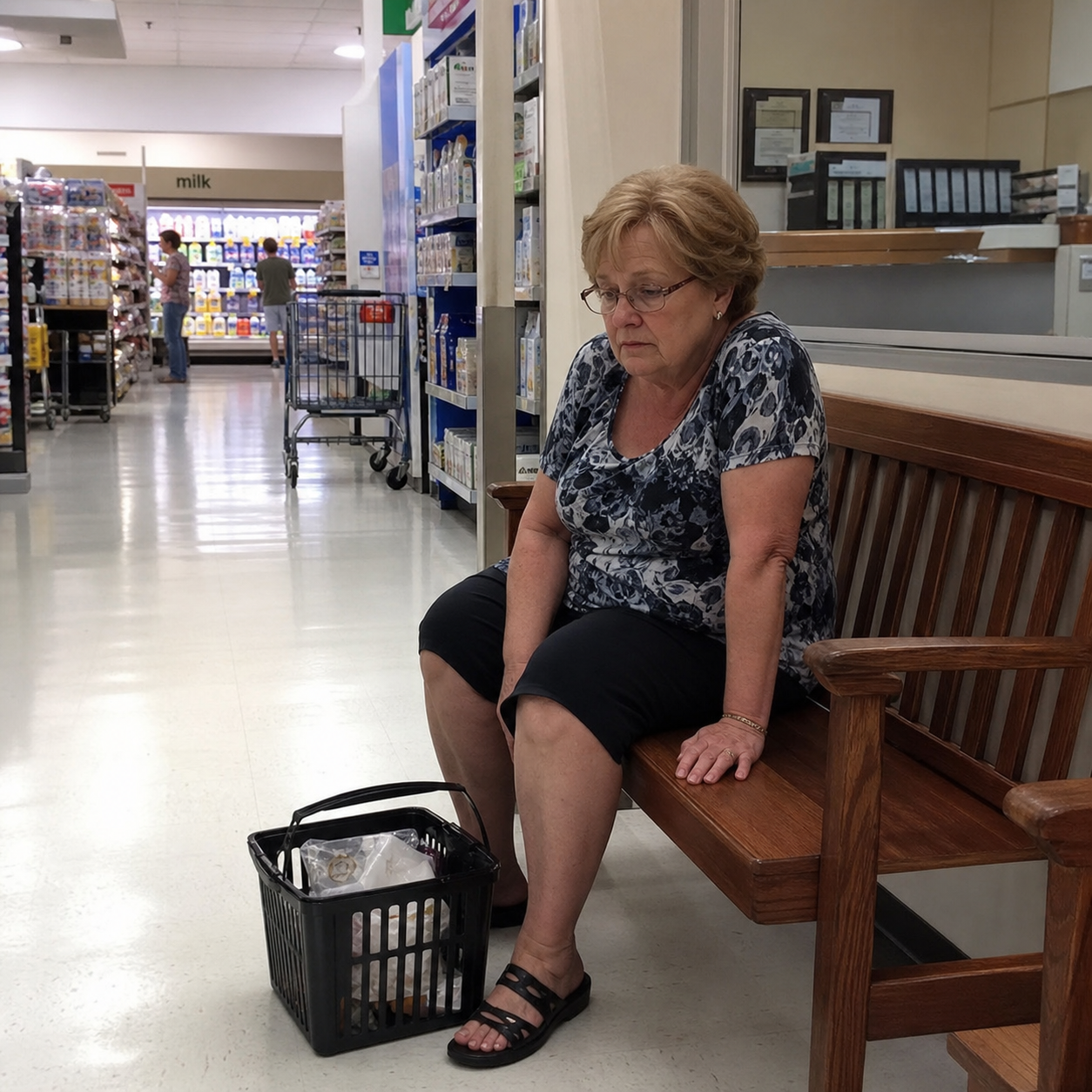
The nurse took my blood pressure twice because she thought the cuff was wrong. 148 over 93. Same age my sister was when her kidney labs started "slipping a little." She died last winter after years of being told they were just going to keep an eye on it. I drove home and started searching for what her chart had missed. What I found is the reason I still have time. Her name was Linda. She taught high-school English for thirty years. Two grown sons. A husband she'd been married to since she was 23. She was the person who remembered everything. Every birthday. Every appointment. Every casserole recipe our mother never wrote down. She could grade papers until midnight, wake up at 6, and still be the one reminding everyone else where they left their keys. She was the strong one. By the end, she needed both hands on the kitchen counter just to stand long enough to butter toast. She was 64 years old. She should still be making coffee on Sunday mornings. Linda's blood pressure started creeping up in her late 40s. Got put on medication. Her doctor said it was standard. Said the cuff number would come down. Said they'd keep an eye on her kidneys because high blood pressure can be hard on them over time. The number came down some. She didn't. The fatigue she blamed on teaching. The swollen ankles she blamed on standing all day. The headaches she blamed on stress. Her kidney number started slipping in her late 50s. eGFR down a little. Creatinine up a little. Protein "borderline." Her doctor called it age and blood pressure history. Said they'd keep an eye on it. Kept an eye on it for years. Linda used to call me after those appointments. Frustrated. Saying her pressure was "better than it used to be" but she felt like her body was getting heavier every month. I told her the same thing every time. "If your doctor says it's stable, it's stable." I wish I could take those words back. The last thing she told me before dialysis was that she'd gotten so winded walking from the grocery store entrance to the milk aisle that she sat down on the bench by the pharmacy for forty minutes. She blamed it on being tired. A few months later the dialysis consultation came. The nephrologist's office. A Tuesday. Her husband and I sat on either side of her while the doctor read the numbers off a screen. Tired eyes. Soft voice. Said something I'll never forget. "Pressure history. Kidney filtration declining. Some protein showing up. We see this all the time in women her age. There's not much that could have been done." He said it the way you'd talk about the weather. Like my sister's kidneys failing at 61 was just... what happens. It didn't take her all at once. It took her a piece at a time. First the stairs. Then the grocery store. Then the mornings. There was a sticky note on her refrigerator near the end, in her own handwriting, from back when she still had enough energy to make lists: "Take BP pill. Check cuff. Call Tom if dizzy." She'd written it to herself. Her grandson was born that June and she held him for eight minutes before her arms started shaking. She died last winter. I was holding her hand and her fingers were cold. None of the things that were supposed to happen are happening now. Two weeks after Linda's funeral, I went to my own annual physical. The nurse wrapped the cuff around my arm. Frowned. Took it again. Pulled up my chart. Blood pressure 148 over 93. eGFR 64. Creatinine nudging higher. Trace protein on the urine strip. My doctor sat down across from me. Same tone. Same words I'd been hearing for years. "Carol, your pressure isn't where we want it. With your sister's history, I think we adjust the medication and recheck the kidney panel in six months. This happens to a lot of women your age." A lot of women my age. Like my sister. I sat in the parking lot afterward and couldn't turn the key. I'm 57. Same blood pressure pattern as Linda. Same cuff on the kitchen counter. Same "not urgent" kidney labs. Same ankles leaving marks from my socks at night... a thing I'd been blaming on getting older. Just like she did. I knew, sitting in that car, that I was looking at the same road. That if I did nothing except wait for the next lab to get worse, I was going to leave my husband and my kids the exact same way Linda left hers - one appointment at a time, until there was nothing left to "watch." I drove home. Didn't throw away my medication. Didn't pretend I knew more than my doctor. But I was going to find out what actually took my sister's kidneys. That night I couldn't sleep. I went downstairs at 2 AM and opened my laptop. I wasn't searching for low-salt recipes. I wasn't searching for a better water bottle. I was searching for why kidneys fail when blood pressure is "being managed." What I found stopped me cold. A paper following people with long-term high blood pressure for years. The ones whose blood vessels stayed stiff and inflamed kept losing kidney filtration even when the cuff number looked "controlled enough." Not because they forgot their pills. Not because they drank one coffee. Because the pressure problem was happening in a place the cuff never measures. Nobody had ever told Linda. Nobody had ever told me. I kept digging. Found a forum thread with thousands of comments from people comparing kidney labs, BP meds, swollen ankles, foamy urine, and the phrase every one of them hated: "We'll keep an eye on it." I almost scrolled past. Something made me click. Person after person in the comments. Stories. Lab screenshots. People in their 50s and 60s saying the same thing Linda used to say. My blood pressure is better than before, so why is my eGFR still dropping? My doctor says it is stable, so why do I feel worse? Why is nobody explaining what is happening between the cuff and the kidneys? And buried in the thread, the part that stopped me cold: It wasn't really about the cuff number at all. It was about the tiny blood vessels inside the kidneys. Someone linked a small clinic page from a retired cardiovascular nurse in Ohio who wrote about blood pressure, kidney filters, and aged garlic extract. I looked at the clock. 2:47 AM. By 8 AM I had called the clinic. By noon I had an appointment for the next week. The clinic was in a plain brick building behind a pharmacy. No marble lobby. No giant wellness poster. Just a waiting room with old magazines and a blood pressure cuff on a rolling cart. The nurse who came out had to be close to 70. Small. Silver hair. Reading glasses hanging from a chain. She moved quickly. Clear eyes. Steady hands. She took my pressure herself. 148 over 92. Then she looked at my labs. I told her everything before she could ask. "I'm 57," I said. "I have high blood pressure. My older sister had it too. Her kidney numbers slipped for years. They told her they were keeping an eye on it. She ended up on dialysis. She died this past winter. My labs are starting to look like hers. My doctor wants to adjust the medication and recheck in six months. I'm scared I'm next." She set down the clipboard. Looked at me for a long moment. "You came here for a reason," she said. "Come with me. I'll show you something." Her office smelled like coffee and disinfectant. She poured me a cup without asking. Pulled out a chair. "Your cuff," she said, "is only telling you half the story." I blinked. Not what I expected her to say. "Blood pressure medication can help control the force in the big pipes. That matters. You keep taking what your doctor prescribes. But the part that took your sister's kidneys - the part nobody watches closely enough - is what happens in the tiny pipes. The little vessels feeding the filters. The lining inside them. The pressure they feel all day, every day." She folded her hands on the table. "There are two blood pressures," she said. "The one the cuff sees. And the one your kidney filters live under." She held up two fingers, separated. "They are NOT the same thing. Your cuff measures the pressure in your arm for a few seconds. Your kidneys live inside the pressure for every minute of the day. One number shows up on the machine. The other shows up years later as falling filtration. And by then, everyone acts surprised." I stared at her. "Every kidney is packed with tiny filters," she said. "And every filter depends on flexible little vessels that can open, relax, and let blood move through without pounding the walls. But high pressure, oxidative stress, and stiff arteries wear down the lining of those vessels. The endothelium. When that lining gets tired, the vessel stops relaxing the way it should. Blood still moves, but it hits harder. The filters take the beating. Day after day. Year after year." My chest tightened. "And here's the part no one has told you," she said. "A cuff can look better while the lining is still struggling. That is why someone can be 'managed' and still watch their kidney number drift. The big number gets attention. The small vessels pay the bill." She picked up two paper clips from the desk. One in each hand. "Flexible vessel... gentle flow. Stiff vessel... pressure wave. Pressure wave... filter damage. Filter damage... eGFR starts sliding. You can drink water. You can buy low-sodium soup. You can take the pill every morning. If the vessel lining never gets support, the pressure keeps finding the weakest room." She leaned forward. "That is why your numbers can be called 'not urgent' and you can still feel like your body is getting heavier. That's why women who do everything right still end up scared of their next kidney panel. That's why cheap garlic pills don't fix it - most of them are raw powder that gives you burps, not the stable compound your blood vessels can actually use." She looked me straight in the eye. "Your cuff measures the pressure they can see. Your kidneys feel the pressure they can't. These are two different things. And one of them is the one that matters when the labs start slipping." She reached across the table. "Now here's what your doctor may not be explaining. Medication can be important for controlling blood pressure. I'm not telling you to stop it. Never do that without your doctor. But medication was only ever managing the number. It was never going to be your whole vessel-support plan. Your kidney filters need the tiny vessels feeding them to stay flexible, protected, and able to move blood smoothly. If you ignore that part, the cuff can look less scary while the kidneys keep taking the hit underneath." My eyes started to burn. "And here's the piece that will make you angry. Every organ needs those tiny vessels. But it's your kidneys - the filters that clean your blood every minute - that often pay first. When the lining gets stiff and the pressure keeps pounding, that's the room the fire starts in." She tapped the table once. "That is what happened to your sister. Not one bad cuff reading. Not one missed appointment. Years of pressure on vessels nobody was supporting while everyone said they were watching." I couldn't speak. "But I want to be clear," she said. "I'm not telling you to throw your prescription in the trash. What you take is between you and your doctor. The point is this: the pill was only ever managing the visible number. It was never going to be the entire plan for the vessel lining that protects your kidneys. Give that lining real daily support, and you finally stop treating the cuff like the whole story." I asked her how. She smiled. A small smile. "My father used aged garlic before any of us had language for endothelium. He just said it kept the blood moving the way it should. Three generations in my family used it for heart support before the science caught up with the kitchen." She stood. Walked to a shelf along the wall. Pulled down a folder. Inside were pages on aged garlic extract, S-Allyl Cysteine, nitric oxide, antioxidant activity, and healthy circulation. "Aged garlic," she said. I'd tried garlic pills from the grocery store. Six weeks. Did nothing except make me taste garlic when I burped. She must have read my face. "That's not what you think it is," she said. "Most garlic pills are dust." She held up the folder. "Raw garlic powder is cheap. It is harsh. It is unstable. It can upset your stomach and still leave you with almost none of the stable compounds aged garlic is known for. By the time those capsules survive heat, storage, and digestion, most of what mattered never reaches the place you bought it for." She set the folder down. "Aged garlic is different. When garlic is aged slowly, the harsh compounds convert into S-Allyl Cysteine. SAC. Water-soluble. Stable. Easier for the body to use. It supports nitric oxide, antioxidant defenses, and healthy blood flow - the things your vessel lining depends on every day." She looked at me. "Real aged garlic has to be aged long enough. Not sprayed with garlic odor and called heart support. Not raw powder in a capsule. You want aged extract. You want SAC. You want third-party testing. You want a softgel you can take every day without punishing your stomach." She leaned back. "Most supplements won't tell you the aging process clearly. Because if they did, you'd see how little is in there. They use cheap raw garlic powder to keep it profitable. The people who buy that get burps. Their vessels get no meaningful support. Their labs keep drifting. And their doctors keep saying, 'We'll keep an eye on it.'" She looked me straight in the eye. "But get enough of the real aged extract - the kind made for daily circulation support - and that's where things can change. Instead of just chasing the cuff, you're supporting the lining that helps blood move smoothly in the first place. Not replacing medication. Supporting the part medication doesn't always cover." She tapped the table once more. "Shows up as confidence at the cuff now. Shows up as kidney support years from now. Same pressure. Different room." I asked if anyone sold it the way she was describing. She nodded. "Elvarim. Twenty-four-month aged garlic extract. SAC. Odorless softgel. Third-party tested. One thing, done right." She wrote the name on a piece of paper and handed it to me. Elvarim. I ordered it from her office. Bottle arrived a few days later. I took the first softgel that morning. Kept taking my blood pressure medication the way I always had, exactly as prescribed. Sat at my kitchen table after breakfast. Waited. Week one. The first thing I noticed was the cuff. Not the number yet. The fear of it. I still took my reading every morning, but I stopped standing there for ten minutes with my hand over the button like I was about to hear a sentence. Twice that week I took it without shaking. For the first time since Linda's dialysis consultation, the cuff didn't own the whole morning. That's when I started crying. Because fear of the next number was the exact thing Linda used to call me about. And it was already loosening its grip. Week two. I pulled up my log. 139 over 86 average. Down from the high 140s. I checked it twice. 139 both times. Week three. Somewhere around day 19 I walked from the parking lot to the back of the grocery store without stopping at the pharmacy bench. I hadn't realized how long I'd been scanning every store for a place to sit until I didn't need one. Week four. Morning readings were mostly in the low 130s. My socks weren't carving deep lines into my ankles by dinner. And my head felt clearer. Not coffee-clear. Actually clear. The heavy, gray feeling I'd spent two years blaming on getting older had lifted. I sat in my car in the parking lot and looked at the log for a long time. 132 over 82. Still taking my medication. Finally doing something for the part underneath. Month two. Follow-up. The nurse wrapped the cuff. Frowned. Did it again. "126 over 80." My doctor walked in. Pulled up my chart. Stopped. Scrolled. Looked at me. "Carol. What did you change?" I told her. The nurse in Ohio. The two blood pressures. The tiny vessels in the kidneys. The aged garlic extract. The SAC. The 24-month aging. Elvarim. She typed. Nodded slowly. "Your pressure looks much better. Kidney panel is steady. No new protein showing today." She paused. "Keep doing what you're doing. And keep taking your medication as prescribed." She moved the kidney recheck out instead of moving it closer. Month four. My reading this morning? 122 over 78. I know numbers can move around. I know one reading is not a miracle. I know Elvarim is daily support, not a cure. But I also know what my mornings feel like now. No more sitting in the bathroom staring at swollen sock marks. No more pretending I didn't see foam in the toilet. No more opening my lab portal with my whole body braced for bad news. Just my medication, the way I always took it. And one odorless aged garlic softgel every morning. Last weekend I drove up to the lake house Linda used to rent every August. Same road. Same grocery store. Same little bench by the pharmacy where she once sat for forty minutes because she couldn't make it to the milk. I walked past it. All the way to the back aisle. I stood there a moment, waiting for the old heaviness in my legs. It wasn't there. I'm here. My numbers are steadier. My kidney labs are being watched without that awful drop in my stomach. My doctor told me last month to keep doing what I'm doing. I should be celebrating. But Linda is still gone. Christmas this year had an empty chair. Her grandson asks why Grandma Linda had to go to the clinic with the big chairs. Last week my nephew called me crying because he found her old blood pressure notebook in a kitchen drawer. I get more time. Linda doesn't get hers. There is no version of this where I get to fully celebrate. Every steady morning I've had in the last seven months is a morning Linda didn't get. And the part that keeps me up at 3 AM - the part I can't put down - is that she could have had this. If anyone had told her about the tiny vessels. If anyone had told her that "managed" didn't mean protected. If anyone had told her that her kidneys were taking the pressure for years while her doctor said they were watching. She might still be making coffee on Sunday. So I'm writing this. Not because I want to sell you anything. Because if you're reading this... you're sitting where Linda sat. High blood pressure. A cuff number that is "better than before." Kidney labs that are "not urgent." Sock marks at night. Foam you try not to look at. A doctor who says they'll recheck in six months. You've tried low sodium. You've tried more water. You've tried cheap garlic pills that gave you burps and nothing else. You've tried doing everything so perfectly right that your kitchen counter feels like a medical station. You have every single one of her qualifiers. And nobody is checking the part that actually matters. The tiny vessels in your kidneys have been taking pressure for years. The lining needs support. The filters keep feeling the hit. And every year that goes by, waiting gets more expensive. Please. Don't be my sister. Your husband doesn't want to drive you to dialysis. Your kids don't want to learn your lab numbers by heart. Your grandkids deserve a grandmother who still has mornings. This is what I found. Elvarim: https://elvarim.com Twenty-four-month aged garlic extract, not cheap raw garlic powder. Stable S-Allyl Cysteine from aged garlic, not the harsh capsules that leave you tasting garlic all day. Odorless softgel. Third-party tested. Made for daily heart, circulation, antioxidant, and healthy blood-flow support. One softgel a day. The only aged garlic routine I've found that made sense for the part nobody was explaining to me - supporting the vessel lining and healthy circulation that your kidneys depend on every day. 30-day money-back guarantee. If it doesn't feel like the daily support you were looking for, send it back. Real stories from people like me: "My cuff used to ruin my whole morning. After two months, my readings were finally in a range that didn't scare me. My doctor asked what changed." "I bought cheap garlic capsules first. All I got was burps. Elvarim was the first one I could take every day without tasting garlic for hours." "My kidney labs had me terrified because my dad was on dialysis. I started Elvarim for circulation support and finally felt like I had a daily plan instead of just waiting for the next test." "My ankles were leaving marks every night and my blood pressure log was all over the place. I know everyone is different, but my mornings feel calmer now." "The odorless part matters. I can take it before breakfast and my wife has no idea." I tried ordering a second bottle last month. The multi-bottle offer was still live, but the sale banner said supplies were moving fast. If it's in stock when you click, don't wait. P.S. Last week I was at Linda's house helping her husband clean out a kitchen drawer. Behind a stack of old blood pressure logs, I found a half-empty bottle of grocery store garlic pills. She'd been trying. Looking for something. Same as the rest of us. She just never made it to the right one in time. I sat at her kitchen table and held that bottle for a long time. If she'd known about the tiny vessels. If anyone had told her that "managed" didn't mean protected. If she'd had this. She might still be making coffee this Christmas. Your family wants you at the table too.
Elvarim® Aged Garlic Extract - 7500mg Odorless Softgels
Aged Garlic Extract (7,500 mg Garlic Equivalent) Derived from garlic aged for 24 months (730 days) Naturally rich in S-allyl-cysteine (SAC), a stable, well-studied garlic compound Odorless and gentle on digestion Used traditionally and in clinical research for cardiovascular support Aging transforms...
LEARN MORELike this ad? Make it yours.
Crush rebuilds this exact creative around your product — your brand, your colors, your offer — in about a minute.