
Active· since Sep 4, 2026
- 4
- days running
- 0
- relaunches
Ad copy
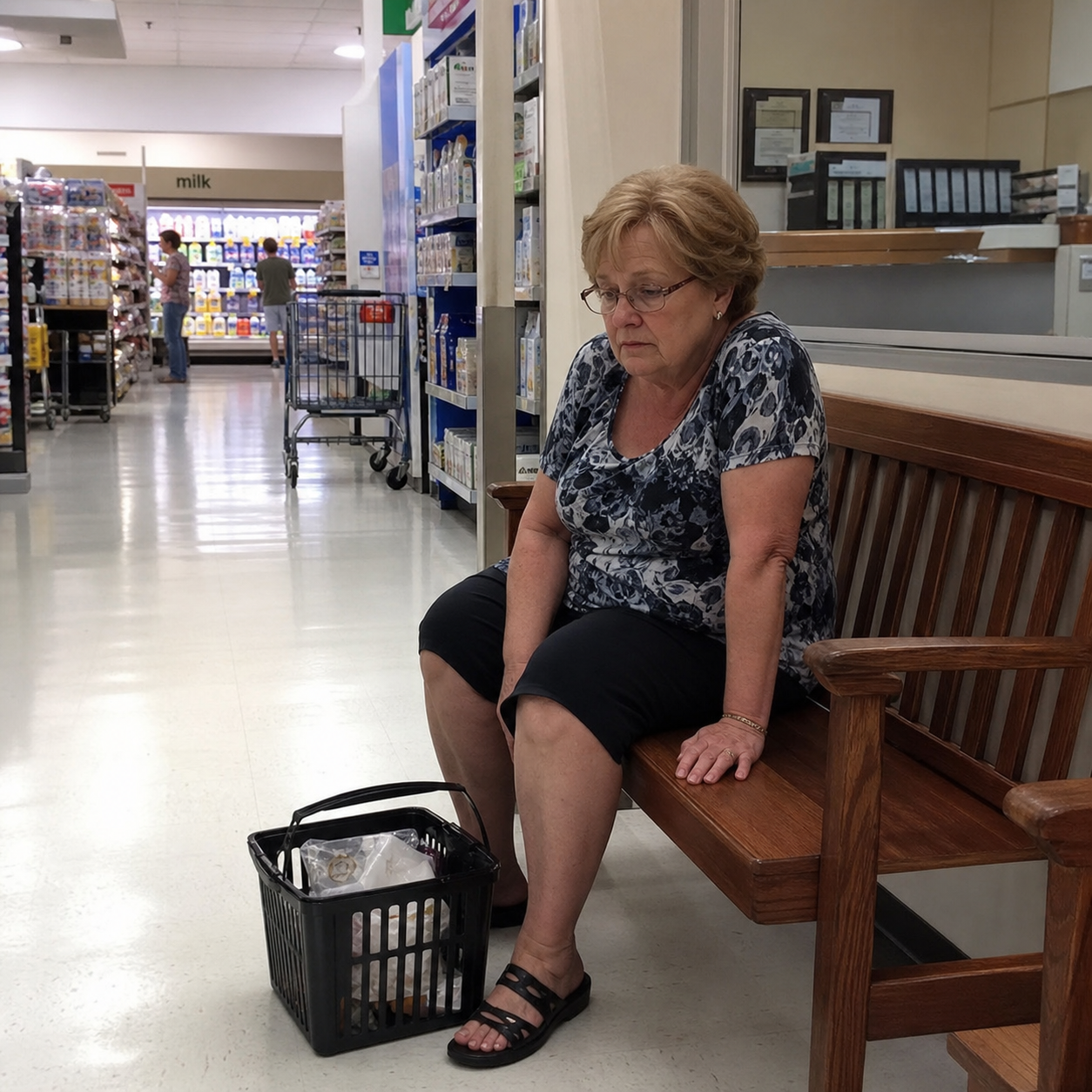
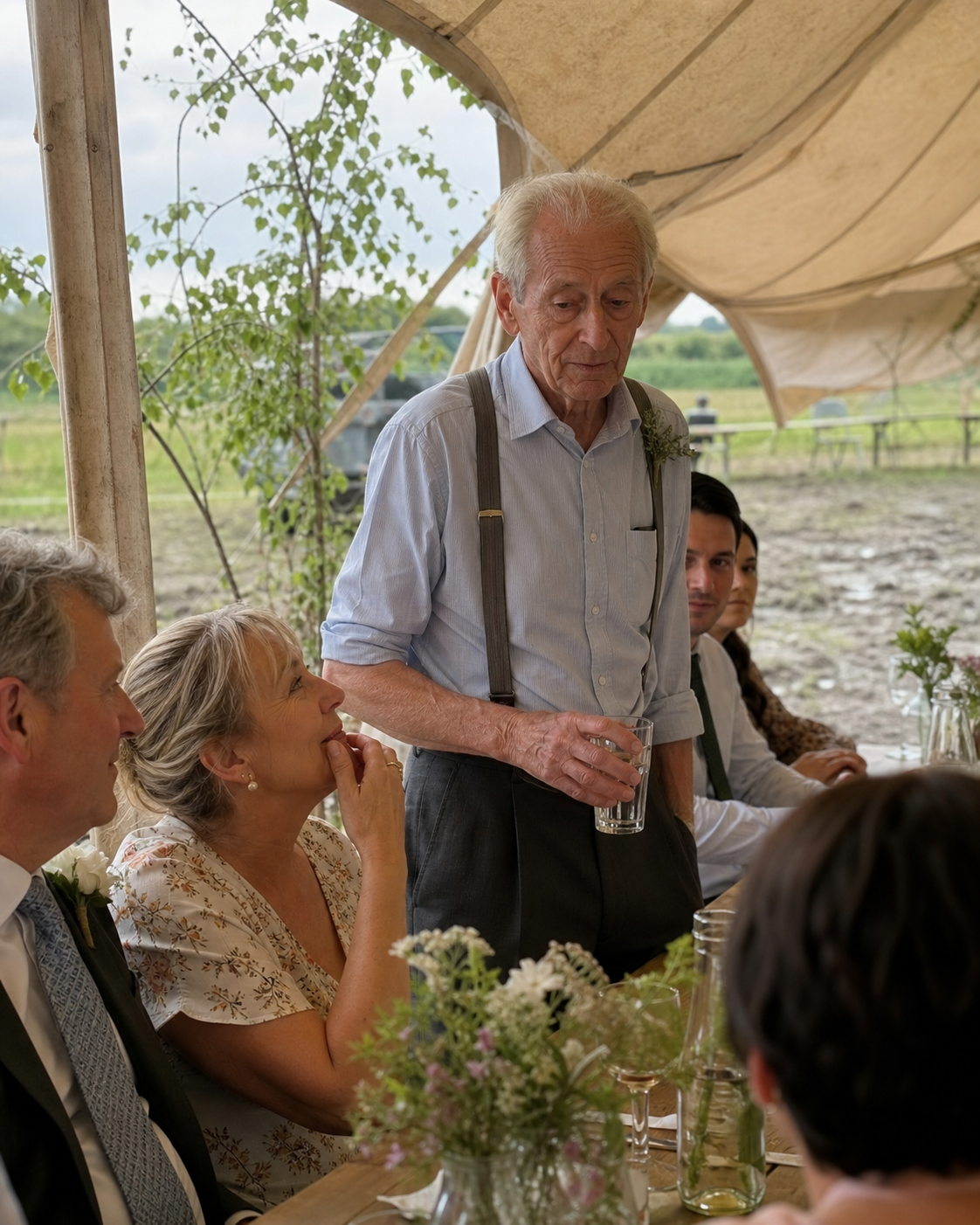
My GP said my bloods were "still in range." My NHS app said "no action required." But my body said something was already changing. Then an 82-year-old man at my son's wedding explained what my results never did. I am writing this for the woman who is up before seven. Who drinks her water. Who eats porridge with berries. Who swaps white bread for seeded. Who takes her vitamin D, magnesium, fish oil, and the little supermarket multivitamin that promises everything and explains nothing. Who walks around the park even when it is cold. Who orders the salad. Who says no to pudding more often than she wants to admit. Who still crashes after lunch like someone has pulled a plug out of the wall. I am writing this for the woman whose annual NHS bloods come back with green boxes, normal ranges, and no urgent phone call. I am writing this for the woman whose GP says, "Nothing to worry about, we will keep an eye on it," while her body has already been trying to get her attention for years. I am writing this for the woman who sits in the car park after that appointment, holding the printout in her hand, and thinks: if everything is fine, why do I feel like I am disappearing from inside my own body? And why does "keep an eye on it" feel less like reassurance and more like waiting for permission to be worried? I am writing this because I was that woman for nearly eight years. And then my son got married last September. And an eighty-two-year-old gardener at that wedding said one sentence during the toast that I have not been able to stop thinking about since. I am fifty-nine years old. I do everything you are supposed to do. I wake early. I drink water. I eat the kind of breakfast women our age are told to eat if they want to stay well. Porridge. Berries. Chia seeds. Greek yoghurt if I am feeling organised. I take vitamin D because every British woman I know has been told she is low on it. I take magnesium because someone in my Pilates class swore by it. I take fish oil because my father had heart trouble and I decided in my forties that I was not going to be casual about becoming him. I walk most mornings. I do Pilates twice a week. I do not smoke. I drink wine only when there is a birthday, a wedding, or a sister who has had enough of her husband. I see my GP when I am supposed to. I book the smear. I book the mammogram. I go to the dentist. I turn up for every blood test they ask for. I have done every single thing women are told to do once their friends start talking about menopause, cholesterol, blood pressure, and "just keeping an eye on things." For about eight years, I have not felt right. I cannot explain it in one clean sentence. That is the maddening part. I was not ill. I was not in bed. I was not depressed in the way people mean when they use the word clinically. I was slower. That is the only word that fits. My whole body felt like it had been turned down by twenty percent. The lunch crash was the most obvious part. At half two, I would start fading. By three, I would be staring at the same email and reading the first line four times. By half three, I would be standing in the kitchen pretending to make tea when really I was holding the worktop and waiting for my brain to come back. Some days my joints ached in that dull, old-house way. Some days my hands felt cold even when the heating was on. Some days I could feel my heart beating in my ears after walking up the stairs with a basket of washing. Then the numbers started joining in. My HbA1c crept up to 39. Then 40. Then 41. Still normal. Still not diabetes. Still no NHS programme, no leaflet, no dramatic phone call. Just a number walking quietly towards the line. My blood pressure at home started sitting around 136 over 86. Then 140 over 88. Then one morning it said 146 over 91 and I stood in the bathroom staring at the cuff like it had insulted me. My kidney marker had a little downward arrow next to it on the NHS app one year, then came back "acceptable for age" the next. Nobody panicked. That was almost worse. I told my GP about the crashes for three years in a row. She was kind. She listened. She ran the tests. Thyroid. Full blood count. Liver. Kidney. Ferritin. B12. Vitamin D. Hormones, as far as anyone is willing to talk about hormones once you are past fifty. Every time, the answer came back the same. "Nothing alarming." "Your HbA1c is still technically normal." "Your blood pressure is a little raised, but let us monitor it." "Kidney function is within expected range." "Try to keep active." I was active. That was the problem. I was doing the things. The numbers were still creeping. My body was still dragging. And everyone around me seemed to think "not bad enough yet" was the same as "nothing is happening." That is the trap. The system waits for the number to cross a line. Your body has to live through everything that happens before it gets there. My son Daniel is thirty-one. He met Eleanor four years ago through a climbing club in Sheffield. Eleanor grew up on a smallholding outside Harrogate. Not a farm in the glossy magazine sense. A real place with mud at the back door, crates in the boot, potatoes in sacks, and a family that still knew which apple tree had been planted by which grandfather. Daniel is a project manager who lives in a flat in Manchester and thinks buying herbs in a plastic pot from Tesco counts as gardening. When he called to tell me they were engaged, I had to sit down on the bottom stair for a minute. Not because I had any objection. Because the picture I had quietly carried of who my son would marry had to rearrange itself very quickly. It did. Eleanor is lovely. More than lovely. You will understand why in a moment. They were married last September. The wedding was on her family's smallholding. I had never been to a wedding like it. There was no hotel function room. No carpet that had seen too many Christmas parties. No DJ shouting over the first dance as if everyone had come to a nightclub. There was a long canvas marquee on a field behind the house. There were trestle tables borrowed from the village hall. There were flowers cut that morning. There were children running between the tables with their good shoes already ruined. There was bread Eleanor's aunt had baked before most of us were awake. There were potatoes pulled from the ground two days earlier. There was a huge pot of soup that three women treated with more seriousness than some people treat a mortgage. I sat next to my husband Mark and watched Eleanor's family move around that field. I want to tell you what I noticed. Because it is what I have not been able to stop noticing since. Eleanor's mother is fifty-seven. Two years younger than I am. She had been up since five making food. She had carried crates from the back kitchen to the marquee. She had arranged flowers, found safety pins, wiped a child's face, and somehow still had the colour in her cheeks of a woman whose body was meeting her halfway. She was standing across the field laughing with her sisters, holding a tray of glasses, and I remember thinking: when did I stop looking like that? Eleanor's father is sixty-three. He had been moving tables since breakfast. He had shaken every guest's hand. He had lifted two benches by himself and looked mildly offended when Daniel tried to help. He sat down to eat with the calm appetite of a man whose body still trusted food to become fuel. Then there was Eleanor's grandfather. His name is Arthur. He is eighty-two. He has the sort of hands you only get from doing real work for sixty years. He had grown the apples in the chutney on the table. He had repaired the chair my husband was sitting on. He had planted the walnut tree under which Daniel and Eleanor signed their wedding book. He stood up to give the toast. Arthur is not a loud man. Grey hair. Clear eyes. Shirt sleeves rolled up. The posture of someone who has lifted more useful things than he has opinions. He raised his glass, cider for everyone else and water for him, and spoke for about five minutes. He welcomed Daniel into the family. He welcomed me by name. He welcomed Mark by name. He remembered the names of cousins he had met that morning and somehow got them right. He told two stories about Eleanor as a little girl that made the whole marquee laugh. He told Daniel that marriage is not finding someone who never annoys you. It is deciding the annoying parts are still worth making tea for. Everyone laughed again. Then he went quiet. He put both hands on the back of the chair in front of him. He looked around the room. He said: "There is one thing I want to say to the new family, because Eleanor gave me permission this morning. I asked her at breakfast if I could say it. She said yes." He looked at me. Straight at me. He said: "Normal is not the same thing as well." My husband's hand tightened around mine under the table. Arthur kept going. "The body will whisper for years before it shouts. Most people ignore the whisper because the paper from the surgery says there is no shout yet." "But the body knows when food is not becoming fuel the way it used to. It knows when the blood is carrying too much traffic. It knows when the little vessels and filters are working harder than they should." "It does not complain in a language your blood test always catches. It just gives you smaller days. Then one day the paper catches up, and everyone acts surprised." He looked at his wife sitting near the end of the table. He smiled at her. He said: "We have found in this family that bodies do not ask for grand gestures. They ask for small daily help. The trouble is, most people are busy doing a thousand things that look right and still missing the one thing their body was waiting for." He raised his glass again. "To Daniel and Eleanor. To listening while the whisper is still a whisper. To the next two families learning from each other." He sat down. The talking slowly started again. Someone poured more cider. A child crawled under the table looking for a lost shoe. The soup arrived. And I sat there with my napkin on my lap and could not move. Arthur had not been talking about me. He had been giving a wedding toast. He had been welcoming my son into his family. He had not been talking about me. But every word had landed on me as if he had read my NHS app, my blood pressure notebook, and the private notes in my phone where I had written "why am I so tired after eating?" The HbA1c at 41. The home cuff saying 146 over 91. The kidney result that was "acceptable for age." The GP saying, "Nothing alarming." The three o'clock crash. The cold hands. The feeling that my body had become a house where one room after another kept going dim. I had been doing the thousand correct things. I had been missing the one. I did not know what the one was yet. But I knew, sitting under that marquee in September, listening to an eighty-two-year-old man who had grown half the food on the table, that my body had been whispering for years. And I had let a normal result tell me to ignore it. I had mistaken "not diagnosable" for "not real." After the meal, when people had started drifting towards the field for photographs, I found Arthur by the old stone wall near the vegetable beds. He was tying string around a row of beans as if he had not just changed the temperature of my whole life with one sentence. I walked over to him. I felt ridiculous. I said: "Arthur. Could I ask you something about what you said?" He kept tying the string. He said: "Of course." I said: "When you said normal is not the same thing as well. Did you mean that generally? Or is there an actual thing you think people miss?" He smiled. Not smug. Not mystical. Just kind. He said: "There is always an actual thing. It is just not always the same actual thing." Then he told me what he meant. He talked about food first. Not calories. Not dieting. Not the joyless little arithmetic women our age are trained to do every time we look at a plate. He talked about whether food becomes fuel. He told me that when people get older, especially women after the change, the body sometimes stops listening to insulin as cleanly as it used to. You eat. Blood sugar rises. Insulin arrives to move that sugar out of the blood and into the cells. But if the cells do not answer properly, the sugar lingers. He called it traffic. "Too much traffic in the road," he said. "Not enough getting into the houses." That sentence did something to me. Because that is exactly what it felt like. I was eating. But my cells were not getting the message. My blood felt busy and my body felt underfed. Arthur said the trouble is not only sugar. It is what years of that traffic can mean for the small vessels. The ones in the hands and feet. The ones behind the eyes. The ones in the kidneys that have to filter the blood quietly every hour of every day. The ones inside the vessel lining that decide whether circulation feels easy or forced. He was not giving me a lecture. He did not use grand medical words. He just said: "When the blood has too much to carry and the little roads get stiff, the whole village slows down." Then he tapped the wooden post beside him. "You can repaint the sign at the village gate," he said. "But if the roads are jammed, the village still knows." I asked him what his family did about it. He said, "The ordinary things first. Walk. Eat food that knows where it came from. Sleep. Do not smoke. Do not pretend stress is harmless just because you cannot see it on a plate." I said, "I do those things." He looked at me properly then. He said, "I thought you might." Then he said: "My wife has used garlic most of her life. Her mother did too. Not because garlic is fashionable. Because the old people noticed it helped the blood feel easier." I almost laughed, because I had tried garlic. I told him so. I told him I had bought garlic capsules from Boots two winters earlier after reading some article about blood pressure. I told him they repeated on me until lunch, made Mark complain about my breath, and did absolutely nothing I could feel. Arthur nodded as if I had told him exactly what he expected. He said: "Most people do not fail garlic. They fail the wrong garlic." I remember the sentence because I wrote it down later. Most people do not fail garlic. They fail the wrong garlic. He told me there is a difference between raw garlic powder and aged garlic extract. Raw garlic, he said, can be harsh. It can come back on you. It can punish you socially and still not give you the part your body was waiting for. Aged garlic is different. When garlic is aged slowly, the harsh compounds change into steadier ones. The one his wife had learned to look for was S-Allyl Cysteine. SAC. He said his sister-in-law had been using an odourless aged garlic extract from a small company for years. She liked it because it did not smell, did not repeat on her, and came in pouches she could keep in the kitchen drawer without feeling as if she had bought another loud health product. I asked him the name. He said: "Elvarim, I believe." I typed it into my phone before I could lose my nerve. I cried the whole drive home. Not loudly. Not dramatically. Just that quiet leaking sort of crying where you look out of the passenger window and pretend you are tired from the wedding. Mark knew. He did not ask. The next morning, I sat at the kitchen table and read about blood sugar, menopause, blood pressure, kidney markers, circulation, and aged garlic extract until the tea beside me went cold and the kitchen felt too quiet. Here is the short version of what I learned. The body is not split into neat little boxes the way appointments sometimes make it feel. Blood sugar is not over here. Blood pressure is not over there. Kidney markers are not some separate little drama that only matters when the number turns red. They are connected by blood. By vessels. By tiny filters. By the question of whether fuel is getting where it is supposed to go, and whether the circulation system is still flexible enough to carry it without strain. That is what made the whole thing frightening. My results had been filed under different headings. My body had been living them as one problem long before the paperwork admitted they belonged together. After menopause, falling oestrogen can change how the body handles insulin. That means glucose can hang around in the bloodstream more than it used to, even when you are eating the same sensible meals. And when glucose hangs around, the body has to deal with more oxidative stress. More pressure on the little vessels. More work for the kidneys. More reason for blood pressure, cholesterol, and energy to start speaking the same language. That was the part nobody had ever explained to me. Normal ranges are built to flag disease. They are not built to explain the years when a woman can still be technically fine and already feel her energy, circulation, blood pressure, and confidence sliding away from her. I had been looking at separate numbers. HbA1c. Blood pressure. eGFR. Cholesterol. Afternoon energy. Cold hands. Brain fog. I thought I had seven small mysteries. I may have had one larger circulation story. One traffic problem in the blood. One vessel-lining problem. One reason the food I ate was not becoming the energy, warmth, pressure, and confidence I needed. And then I read about aged garlic extract. Not raw garlic powder. Not the cheap capsules that make you taste yesterday's mistake every time you burp. Aged garlic extract. It has been studied for cardiovascular wellness for decades. Its key compound, S-Allyl Cysteine, supports antioxidant balance, endothelial function, healthy blood flow, and healthy circulation. The endothelium is the thin inner lining of your blood vessels. When that lining is working well, the vessels can relax, widen, and respond to blood flow more easily. When that lining is stressed by age, oxidative stress, glucose traffic, pressure, and years of modern living, everything can start feeling tighter. Food stops feeling like fuel. The afternoon crash gets louder. The cuff starts creeping. The cold hands start making sense. The kidney number suddenly feels less like a random line on an app and more like part of the same story. What I learned about Elvarim specifically matched what Arthur had described. It uses 24-month aged garlic extract. It is built around S-Allyl Cysteine. It is odourless. It comes in pouches, not a loud plastic tub that looks like it belongs in a discount gym locker. It is a softgel, so I did not have to go back to the chalky garlic capsules that made Mark sit at the other end of the sofa. It supports antioxidant defences. It supports healthy circulation. It supports healthy blood flow. It supports the vessel lining underneath the numbers I had been watching for years. None of this replaced the walking, the food, the sleep, or the appointments. It gave me support for the layer those things had not been reaching: the circulation layer underneath the numbers. The layer my body had been whispering about every afternoon at three, every time the cuff crept up, every time my hands went cold. I ordered my first pouch that night. I started the following Monday. The serving on the pouch, with a glass of water after breakfast. I changed nothing else. No new diet. No fasting. No cinnamon drinks. No cutting every carbohydrate out of my life and pretending that was a personality. I ate the same breakfast. I walked the same park. I took the same vitamins. I tracked the same numbers. I want to tell you what happened over the next eight weeks because it is the part I would have wanted to know. Not the theory. The part that shows up in an ordinary Tuesday. The first thing was lunch. The three o'clock crash had become so normal that I had built my whole working day around it. I took calls in the morning. I avoided anything important after two. I kept biscuits in the cupboard and hated myself slightly every time I reached for one. Around week two, I read a long email at 3:20 without starting it again from the top. That sounds small unless you have lived inside the fog. I sat there and noticed it. Around week three, I walked upstairs with laundry after dinner and did not hear my heartbeat in my ears. I stood on the landing for a second with a pair of socks in my hand, waiting for the old heaviness. It did not arrive. Around week four, my hands stopped feeling icy when I typed in the morning. I had blamed the house. Then I had blamed winter. Then I had blamed getting older. But it was September. The house was not cold. Around week five, I took my blood pressure after a busy day and the first number was not a 14. I checked again because I did not trust it. Then I wrote it down in my notebook and tried not to cry over a number in a kitchen. Around week six, I went to Sunday lunch at my sister's and did not feel flattened after eating. There was roast potato. There was Yorkshire pudding. There was apple crumble because my sister believes fruit makes pudding virtuous. Usually, I would come home and disappear onto the sofa for the rest of the day. That Sunday, Mark and I walked around the reservoir afterwards. Forty-five minutes. Cold air. Muddy path. A weak little British sun trying its best. Halfway round, he reached for my hand. He said: "You have been different lately." I said: "Different how?" He said: "More here." I knew exactly what he meant. Around week seven, I opened the NHS app and looked at my old blood results without the same sick feeling. For years, I had treated that app like a weather report for my future. Green meant breathe. Amber meant panic quietly. Anything with an arrow meant Google until midnight. That day I looked at the numbers and thought: I am not waiting for them to get bad enough to deserve my attention. That was new. At week eight, I had my follow-up blood pressure check at the surgery. The nurse wrapped the cuff around my arm. I watched it tighten. For the first time in years, I did not flinch before the machine had even finished inflating. The reading came up 128 over 80. She looked at the screen. Then she looked at my notes. She said: "That's much better than last time." I said, "I know." I did not tell her the whole wedding story. People at GP surgeries do not have time for eighty-two-year-old gardeners and emotional realisations beside bean rows. But I told her what I had added. I told her I had been taking Elvarim aged garlic extract after breakfast. I told her I had changed nothing else. She typed it into my notes. She said: "Keep doing whatever you're doing." That sentence should not have meant as much as it did. But it did. My bloods were repeated last month, and I opened the NHS app with my thumb hovering over the screen like it could still ruin the day. My HbA1c was 38. My kidney marker was steady. My cholesterol had not jumped. The GP said the word "good" twice. Not "fine." Good. There is a difference. The numbers mattered. But the direction mattered more. For years, everything had been inching the wrong way while everyone told me to monitor it. Now, for the first time in a long time, I was not just watching decline politely. I am writing this in September. One year after Daniel and Eleanor's wedding. Eleanor is pregnant now. Due in January. We drove back to the smallholding last weekend with a box of baby clothes, three packs of nappies, and a wooden rocking chair Mark had restored in the garage. Arthur was by the vegetable beds again. Same rolled sleeves. Same hands. Same clear eyes. He stood up when he saw the car. I walked over to him before anyone else could stop me. I hugged him. He hugged me back. He said: "You look different from the woman who sat under the marquee." I said: "Arthur. I feel different." He nodded once. He said: "Good. Then you heard it." That was the whole conversation. I sat in Eleanor's kitchen later that afternoon and watched Arthur's wife put garlic from the pantry into a pan like it was the most ordinary thing in the world. I thought about my first pouch of Elvarim in the kitchen drawer at home. I thought about the phone note I had typed beside the vegetable beds. I thought about the years I had spent letting "normal" make me quiet. Normal HbA1c. Normal enough blood pressure. Normal for age. Normal range. Normal result. Normal, normal, normal. And every afternoon my body had been telling me the truth anyway. Normal is not the same thing as well. If you are over fifty and your body has started sending you the same quiet signals, I would not ignore them. The crash after meals. The cuff creeping upwards. The cold hands. The brain fog. The kidney number you pretend not to think about. The GP letter that says no action required while your gut says something is changing. Those may not be five separate little problems. They may be one circulatory story starting to get louder. And monitoring that story is not the same as changing its direction. And if you have already tried garlic capsules and gave up because all you got was breath, burps, and disappointment, that does not mean garlic failed. It may mean you used the wrong form. Raw garlic powder is not aged garlic extract. Garlic smell is not SAC. A cheap capsule that repeats on you all morning is not the same as a 24-month aged, odourless softgel built around the compound people in this category actually talk about. That difference matters. It mattered to me. It mattered to Mark, who no longer makes jokes about sitting downwind from me. It mattered the first time my afternoon did not disappear. It mattered the first time the cuff did not ruin my morning. And it mattered when my GP looked at the screen and said, "That's much better than last time." Elvarim was built for the people in the grey zone. The people who are not in crisis. The people who are not being rushed through A&E. The people who are being told to monitor it, watch it, lose a bit, walk more, keep an eye on it, come back next year. The people who understand that "not yet" can be the most expensive phrase in health. The people whose bodies are whispering now. The people who want to listen before the whisper becomes a shout. https://elvarim.com/pages/7-reasons-why-bp-kidney-uk P.S. The mistake I made for years was treating blood sugar, blood pressure, kidney markers, cold hands, and afternoon crashes like five separate mysteries. P.P.S. They may be connected by the same thing: blood flow, vessel lining, oxidative stress, and whether fuel is actually getting where your body needs it. Once I saw that, I stopped waiting for one number to get bad enough to explain all the others. P.P.P.S. Elvarim uses 24-month aged garlic extract built around S-Allyl Cysteine. It is odourless, softgel-based, pouch-packed, and made for daily cardiovascular, circulation, antioxidant, and healthy blood flow support. P.P.P.P.S. If you tried garlic before and hated it, that was probably raw garlic powder. Breath is not the mechanism. Burps are not proof it is working. The garlic did not fail. The form did. P.P.P.P.P.S. Elvarim has a 30-day money-back guarantee. I keep an extra pouch in the house now because I am finished letting "normal" talk me out of listening to my own body. https://elvarim.com
Elvarim® Aged Garlic Extract - 7500mg Odorless Softgels
Aged Garlic Extract (7,500 mg Garlic Equivalent) Derived from garlic aged for 24 months (730 days) Naturally rich in S-allyl-cysteine (SAC), a stable, well-studied garlic compound Odorless and gentle on digestion Used traditionally and in clinical research for cardiovascular support Aging transforms...
LEARN MORELike this ad? Make it yours.
Crush rebuilds this exact creative around your product — your brand, your colors, your offer — in about a minute.