
Active· since Jun 11, 2026
- 96
- days running
- 0
- relaunches
- 500
- EU reach
Ad copy
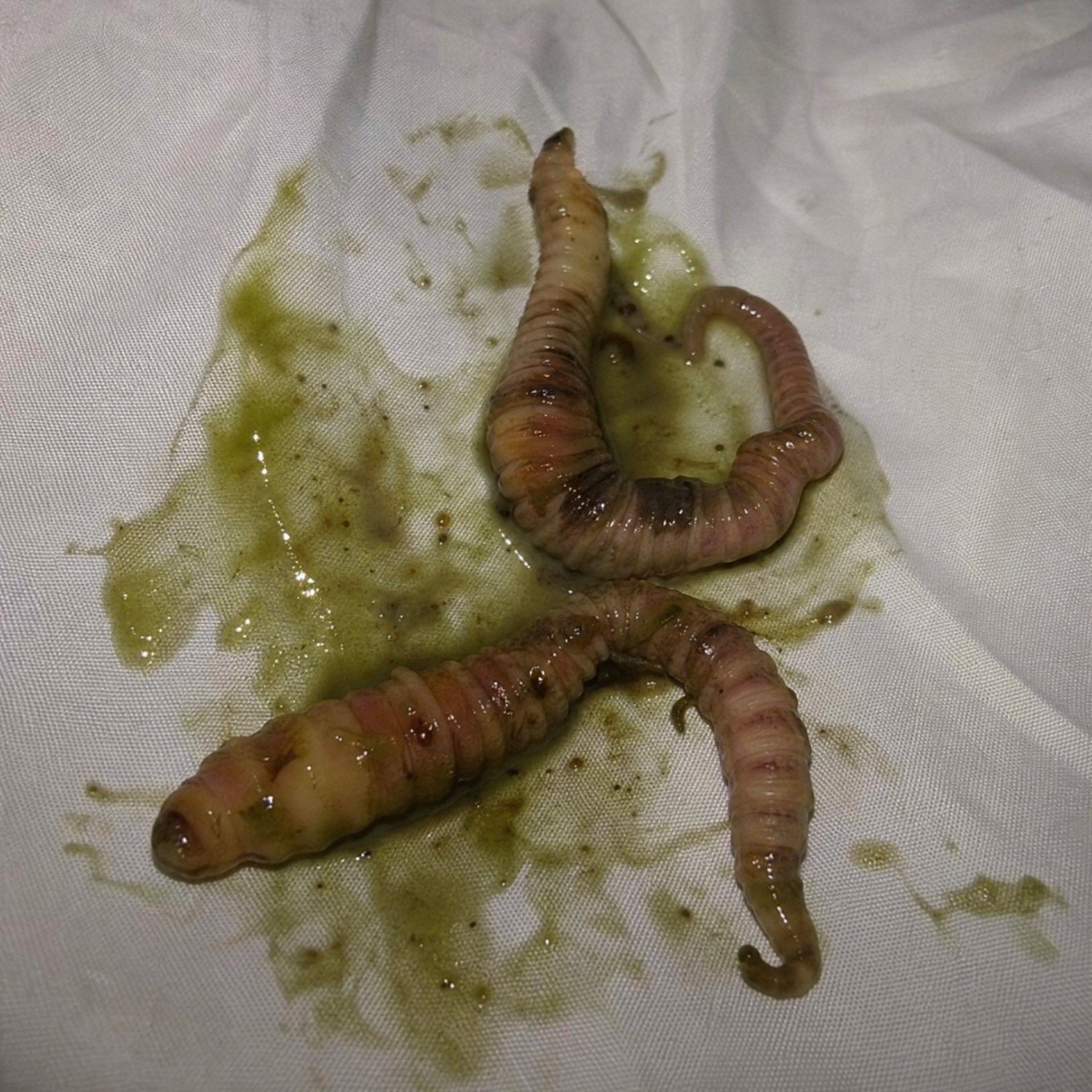
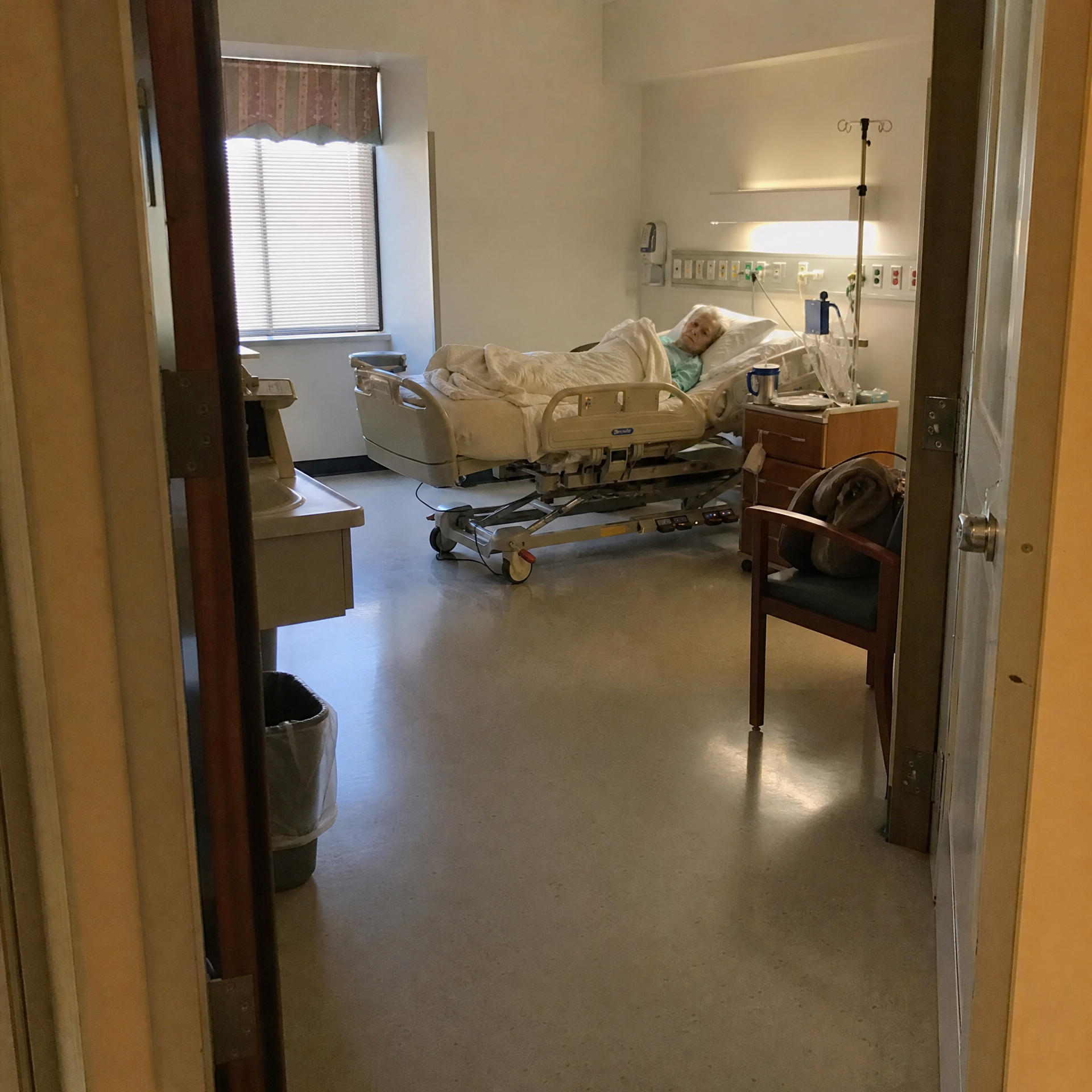
My husband brought parasites home from Vietnam in 1969. Neither of us knew it. The VA never tested for it. Not once in thirty years of appointments. He died at 74 in a VA hospital bed. Organ failure. His kidneys, his liver, and his intestines all shutting down at the same time, and not a single doctor in that building could explain why. I understood why three weeks after his funeral. Because that's when I found them in myself. My name is Dorothy. I'm 76 years old. I live in eastern Tennessee. And I am going to tell you what happened in the year after I buried the man I'd been married to since I was 19. Because what happened to Robert is happening to millions of women over 60 in this country right now. And almost every one of them is blaming it on the same things his doctors blamed it on for thirty years. Let me tell you who my husband was. Robert enlisted in the Marines at 18. Two tours in Vietnam. 1968 and 1969. He never talked about what he saw over there, and I learned early not to ask. What I do know is what he told me once, on our porch, thirty years later, after two glasses of bourbon on a night when the crickets were loud and his guard was down. He told me they ate things out of cans that had been sitting in heat so bad the metal burned your hands. He told me they drank water from rivers and ditches when the canteens ran dry, and the medic would throw iodine tablets in and tell them it was fine. He told me they walked through rice paddies in boots that rotted through in a week, and after that they walked through barefoot. He told me they ate food in villages because refusing was worse than whatever was in it. He told me that every few months the corps would hand out pills and tell everyone to swallow. He didn't know what the pills were. He swallowed them. Everyone did. I learned later those were anti-parasite medications. The military was deworming its own soldiers on a schedule because they knew exactly what those men were walking through. Robert came home in 1970. He was 22. We got married that same year. He got a job at the plant. We raised three kids. He coached little league. He built a deck on the back of our house with his own hands in the summer of 1984 and it's still standing. He was the kind of man who never sat down. If something needed doing, he did it. If someone needed help, he showed up. He was fine for a long time. Or that's what we told ourselves. The first thing I noticed was around the time he turned 55. He started getting tired in a way that didn't match the man I knew. This was someone who had poured concrete in 95 degree heat without complaining. Now he was falling asleep in his recliner at 7 PM. I'd come in from the kitchen and he'd be out cold with the TV still on. I figured it was age. He was working hard. Men slow down. Then the stomach problems started. Bloating after every meal. Gas so bad he'd leave the room and not come back until he'd walked the yard twice. He stopped eating dinners I cooked because he said eating made him feel worse than not eating. He lost weight in his arms and legs but his belly stayed swollen even when he hadn't touched food all day. I told him to go to the VA. He didn't want to. He didn't trust them and I understood why. But I kept after him until he went. The VA doctor ran some bloodwork. Told Robert his numbers looked fine for a man his age. Told him to eat more fiber. Told him the fatigue was probably connected to his service. He wrote "PTSD" on something and handed Robert a pamphlet about sleep hygiene. Robert threw the pamphlet in the trash can in the parking lot before we got to the truck. By 60 the bathroom was running his life. He'd be fine all morning and then something would hit him and he'd have maybe thirty seconds to find a toilet. We stopped going to restaurants. We stopped driving more than twenty minutes from the house. He knew where every gas station bathroom was between our place and the VA, and I knew by the way his knuckles went white on the steering wheel when one was coming up. He went back to the VA. Different doctor. This one said IBS. Gave him a prescription. Robert took it for three months. Nothing changed except he got headaches on top of everything else. Then the brain fog. Robert had a memory like a steel trap. He could tell you the serial number on his M16 from 1968. He could tell you the score of every Tennessee game from the last forty years. By 63, he was walking into the garage and standing there trying to remember what he came for. He'd start telling me something and the word would just leave him mid-sentence. He'd look at me across the kitchen table with an expression that scared me more than any of the other symptoms, because it was the expression of a man who knew something was breaking inside his own mind and couldn't name it. The VA said it was normal cognitive decline. Ran a test. Said he was fine. Told him to stay active. Do puzzles. Then the cravings. Robert was never a sweets man. Black coffee, eggs, steak, that's what he ate his whole life. By 65 he was eating candy bars at 9 PM and getting angry at himself for it. He said to me once, sitting at the table looking at a Snickers wrapper, "Dot, it's like something inside me is screaming for sugar and I can't make it stop." I didn't understand what he meant then. I do now. The VA put him on a diet plan. He followed it. Gained weight. They put him on another plan. He followed that one too. Gained more. They told him he wasn't trying hard enough. He stopped going for a year. By the time he was 68 I was watching my husband disappear. Not his body. Him. The man who built the deck. The man who coached little league. The man who drove through a snowstorm to make it to his daughter's college graduation. That man was being replaced by someone who sat in a recliner with the curtains closed, who was asleep by 7, who couldn't eat a meal without pain, who couldn't trust his own body to make it down the hallway, who couldn't remember his grandchildren's middle names and pretended he could. I called our daughter one night after he'd gone to bed and told her I was frightened. She said, "Mom, Dad's just getting old. Everybody slows down." But Robert wasn't slowing down. Robert was dying. I could see it happening. I just couldn't prove it, and nobody at the VA could either. His skin started breaking out in rashes. Red, angry patches on his forearms and his neck that looked like something was irritating him from underneath. The VA gave him a cream. The rashes came back a week after the cream ran out. Every time. Then what the VA called episodes. Sudden drops in energy so bad he'd need to lie down wherever he was. His skin changed color. His eyes looked wrong. His belly stayed hard and swollen regardless of what he ate or didn't eat. By 70 the VA had him on seven different medications. Blood pressure. Cholesterol. Acid reflux. Antispasmodic for the gut. Sleep aid. Anti-anxiety. And something for his liver enzymes, which had been climbing for two years and nobody could explain why. Not once in thirty years of appointments did anyone at that hospital test Robert for parasites. A man who walked barefoot through rice paddies in the Mekong Delta. Who drank untreated water from rivers whose names he never learned. Who ate field rations in jungle heat and village food he couldn't refuse. Who was dewormed by the United States Marine Corps while he was in-country because the Corps knew exactly what was in that soil and that water. And the day he came home, the deworming stopped. The parasites never did. Robert was admitted to the VA hospital in March. He was 74. His kidneys were failing. His liver was failing. His intestines were so inflamed the surgeon said it looked like decades of damage from something they couldn't identify. The word they kept using was "idiopathic." I looked it up later. It means they don't know. I sat beside his bed for eleven days. I held his hand when the monitor started beeping different. I was there when the nurse came in and looked at the screen and then looked at me and said she was sorry. Robert died on a Tuesday morning. Seventy-four years old. Survived two tours in Vietnam, a plant shutdown, a recession, raising three kids on one paycheck, and fifty-one years of marriage. He did not survive whatever had been living inside him since 1969. I buried him on a Thursday. His Marine brothers came. They folded the flag. Someone played taps. My granddaughter held my hand so tight I thought my knuckles would crack. Then everyone went home. And I was alone. The first two weeks I didn't do much of anything. I sat in his recliner because it still smelled like him. I watched his shows. I ate whatever was in the freezer. I didn't answer the phone most of the time. Somewhere around the third week, my body started telling me things I couldn't ignore anymore. I had been having symptoms of my own for years. But I was so consumed with Robert, so busy watching him and managing his appointments and keeping track of his medications and lying awake at night listening to make sure he was still breathing, that I never stopped long enough to pay attention to my own body. The bloating. I'd had it since my mid-60s. Every evening, my stomach would swell until I had to unbutton my pants. I blamed it on stress. Caregiving. My age. The exhaustion. I figured that was the caregiving too. Watching your husband die in slow motion will drain anyone. But he was gone now. And the exhaustion was worse, not better. I was sleeping nine hours and waking up feeling like I hadn't slept at all. The brain fog. Forgetting things. My daughter's phone number that I'd known for twenty years. Whether I took my pill that morning. The cashier's name at the Piggly Wiggly, a woman I'd been seeing twice a week for six years. I told myself it was grief. But it didn't feel like grief. It felt like something was wrong with the wiring. The 3 AM wake-ups. Every single night. Heart pounding. Sheets wet. Lying in the dark in a house that was too quiet, wondering if what happened to Robert was happening to me. And the bathroom. The same thing he had. The same thirty-second warning. The same panic. The same planning every trip around where the nearest toilet was. The same staying home because going out wasn't worth the risk. I was living Robert's last ten years. Symptom by symptom. And I was doing it alone. Three weeks after his funeral, I woke up at 4:50 AM with cramping that bent me in half. I made it to the bathroom. I sat there for twenty minutes. When I was done, my body felt a kind of relief it hadn't felt in months. Like something that had been stuck had finally moved. I almost flushed. I don't know why I didn't. Maybe because I had just spent eleven days sitting beside Robert's bed listening to doctors say "idiopathic" over and over. Maybe because I was done accepting that word. I got the flashlight from the kitchen drawer. The one Robert kept next to the stove. I went back into the bathroom. I looked. What I saw was pale. About four inches. Flat. It had segments along the length. When I touched the water with the handle of a wooden spoon, one end moved. I sat down on the floor of that bathroom in the dark and I cried until the light came through the window. Not because I was afraid. Not because I was disgusted. Because I was looking at the thing that killed my husband. And it was inside me too. I cried because Robert went to the VA for thirty years and nobody tested him once. I cried because they called it IBS and PTSD and aging and idiopathic and every word they had except the one that mattered. I cried because the United States Marine Corps dewormed him in 1968 and 1969 because they knew what was in that water and that soil, and the day he came home they stopped. And I cried because I had slept next to that man for fifty-one years. Eaten the same food. Drank the same water. Shared every bathroom, every counter, every surface in that house. If he had them for thirty years, I had them too. And now I had proof on the handle of a wooden spoon at five in the morning in a house where nobody was left to hear me cry. I took a photo with my phone. I bagged it in a Ziploc. I put it in the back of the refrigerator behind the orange juice. Then I sat down at the kitchen table. In Robert's chair, because I sit there now. And I made a decision. I was not going to die the way he died. I was not going to let this thing eat me the way it ate him for thirty years. And I was not going to sit in one more doctor's office listening to someone tell me it was my age, or my grief, or my imagination. I am 76 years old. I might have ten good years left if the Lord sees fit. And I decided that morning I was going to spend them fighting, not waiting. I went to Facebook. I found the parasite groups. I read for days. Hundreds of women telling the same story. The bloating. The fatigue. The brain fog. The bathroom. The doctors who said IBS. The doctors who said menopause. The doctors who said their age. The cleanses that worked for two weeks and then crashed. I read Robert's story in every single one of them. I ordered two parasite cleanses from Amazon. Both wormwood and clove formulas in capsule form. The first one gave me about twelve good days. I felt like a different woman. The bloating went down. I had energy. I woke up in the morning and felt like getting out of bed for the first time in years. Then everything crashed. The nausea came. The headaches. The bloating was back worse than before. The second cleanse did the same thing. Eleven days of hope, then the crash. I tried ivermectin. Robert had kept a bottle in the barn for the horses. I knew women in the Facebook groups were using it. I dosed it the way they told me. Same pattern. Two good weeks, then down harder than before. I tried it twice. Same result both times. I was starting to believe this was just how it was going to end for me. Same as Robert. A slow failure that nobody could explain and nobody could stop. Then a woman in one of the groups sent me a message. She was 71. Her husband had been Army, not Marines, but the same story. Vietnam. Same symptoms for decades. Same VA answers that weren't answers. He was still alive but barely functional. She told me she had found something that broke the cycle. Not for two weeks. For good. She told me about a woman in Vermont. A retired nurse. Seventy-nine years old. Had been working with women like me out of a converted farmhouse outside Burlington for the past forty years. Her name was Margaret. She didn't have a website. She didn't have a phone number you could find online. The only way to reach her was through someone who already knew her. I called the number the next morning. Margaret answered on the third ring. Her voice was calm and unhurried. The voice of a woman who had been having this conversation for decades and never once needed to rush it. I told her about Robert. I told her about Vietnam. About the rice paddies and the river water and the deworming pills the Corps handed out and then stopped the minute he came home. I told her about the thirty years of VA appointments and the organ failure and the word idiopathic and the flag they folded at his funeral. I told her about my own body falling apart in the same pattern. I told her about what I found in my bathroom three weeks after I buried him. She listened for a long time. Didn't interrupt me once. When I finished she was quiet. Then she said something that went straight through my chest. "Dorothy, your husband brought those parasites home from the Mekong Delta in 1969. He lived with them for over thirty years. His body fought them as long as it could, and then his organs gave out. Every symptom he ever had is the same symptom I have seen in hundreds of women and dozens of veterans over forty years. And every doctor he saw missed it for the same reason they always miss it." She paused. "And you shared a bed with that man for fifty-one years. You ate every meal together. You drank the same water from the same tap in the same kitchen. You have what he had. The only difference between you and Robert is that you found out while there is still time." I asked her what every doctor he ever saw had gotten wrong. She told me something I need you to hear. She said the standard stool test that the VA runs, the same one every regular GP runs, catches about 20 percent of parasitic infections. It misses the other 80 percent. Robert was never given even that test. They never once looked for what was actually killing him. They just treated the symptoms one by one and watched his organs fail. I asked her why the cleanses I tried from Amazon kept crashing at two weeks. She nodded like she'd answered this question a thousand times. She said every cleanse you can buy solves one of four problems. And parasites have four ways of surviving inside you. The first problem is the shield. Parasites build a slime coating around themselves that hides them from the immune system and blocks anything you swallow. A cleanse kills the exposed ones. Everything behind the shield stays untouched. That's why the first two weeks feel so good. The ones in front die. The ones in hiding are just waiting. The second problem is the eggs. Parasites lay thousands of them inside the intestinal walls, behind the same shield. Nothing you take by mouth reaches them. Two or three weeks after a cleanse finishes, those eggs hatch. New parasites walk right out into your gut. The cycle starts over. The third problem is the dead ones. When parasites die inside you, they don't just vanish. They rot. Their toxins go back into your bloodstream. That's the crash. The headaches. The nausea. The feeling worse than before you started. It's not the cleanse failing. It's dead parasites decomposing inside you because nothing pulled them out. The fourth problem is what always shows up alongside parasites. Bacterial overgrowth. Fungal overgrowth. Candida. They all live in the same damaged gut. Kill the parasites and ignore the rest, and you've only handled a piece of what's wrong. "Four problems," she said. "Every cleanse on Amazon handles one. Maybe two on a good day. The ivermectin from your husband's barn handles one. That's why you crash at week two or three. The protocol was never complete." I asked her what she used. She told me it wasn't hers. It was her grandmother's. Her grandmother had been a folk healer in a small village in Hungary. She came to America in 1923 and brought the formula with her. Margaret's mother used it. Margaret spent forty years refining it through thousands of women who came to that farmhouse. Seven ingredients. Four problems. Wormwood for the adult parasites. Wild Mediterranean wormwood, the same plant Hippocrates used 2,400 years ago for what he called creatures of the bowel. Works through the same mechanism as ivermectin but a completely different compound. A Chinese scientist named Tu Youyou won the Nobel Prize in 2015 for proving compounds in the wormwood family kill parasites that have become resistant to every modern drug on earth. She didn't discover anything new. She just confirmed what the Greeks already knew. Black walnut hull for the larvae stage that wormwood doesn't fully reach. Margaret's grandmother added it after she came to America, after learning about it from Native American healers in upstate New York. Clove for the eggs. This is the piece almost every other cleanse misses. Wormwood kills the adults. The eggs survive inside the intestinal walls. Without clove, they hatch two or three weeks later and the whole thing starts again. Clove is one of the only substances on earth that disrupts parasite eggs. Pumpkin seed for removal. This was the piece that explained why every cleanse I tried made me feel sick. Pumpkin seed paralyzes dead parasites so they release from the gut walls, then escorts them out of your body. Without it, the dead ones stay stuck inside you and rot. The toxins they release as they break down are what cause the crash and the headaches and the nausea everyone reports at week two or three. Eastern European folk medicine had been using pumpkin seed for exactly this purpose for centuries. Soursop leaf, which a Brazilian woman brought to Margaret in the 1970s. It attacks parasites through a completely different mechanism than wormwood. Wormwood shuts down their nervous system. Soursop starves their cells at the energy level. A parasite that adapts to one cannot adapt to both simultaneously. Oregano oil. Hippocrates prescribed it together with wormwood 2,400 years ago. He didn't know why they worked better as a pair. Modern microbiology eventually figured it out. The carvacrol in oregano oil dissolves the slime shield. Then wormwood can reach what was hiding underneath. This is the piece ivermectin lacks completely. There is no biofilm disruption in any pharmaceutical protocol. That's why so many parasites survive them. Aged garlic for the bacterial and fungal overgrowth that always accompanies chronic parasitic infection. Five thousand years of continuous use across every traditional medical system on earth. "Seven ingredients. Four problems. The formula my grandmother carried from Hungary in 1923. Refined over three generations of women who have been doing this work longer than the VA has existed. This is what I give every woman who finds her way to my door." She paused. "And this is what I would have given your Robert, Dorothy, if he had ever found me." When she said his name I had to set the phone down for a minute. I asked her if she sold it. She said she had never sold anything in her life. But about three years ago, a younger woman she had been mentoring asked about making the formula available to women who couldn't travel to Vermont. Margaret resisted for a long time. Then a 51-year-old woman from Boston came to her with stage two colon cancer that had been called IBS for fifteen years. Margaret agreed. They batch the formula in small quantities. Third party test every batch. Bottle it as a liquid sublingual. Liquid, not capsules, because a parasite-damaged gut cannot absorb capsules properly. That's the whole problem. If the gut could absorb things normally, you wouldn't be sick. Putting a pill in a broken gut and hoping it dissolves in the right place is the same kind of thinking that failed Robert for thirty years. Drops under the tongue enter the bloodstream within minutes. Bypasses the damaged gut entirely. She told me the name. Lumvelle Wild-Harvested Wormwood Drops. I ordered Lumvelle that evening. I sat at the kitchen table in Robert's chair, looked at his empty recliner across the room, and pressed the button. Here is what happened. Week 1. First dropper under my tongue before bed. Slightly bitter, nothing I couldn't handle. By day three I was passing things. Margaret had warned me. I won't describe what they looked like. But they were real. And every time I flushed I thought about Robert and what thirty years of those things did to his kidneys and his liver. Week 2. The bloating started easing for the first time in over a decade. Not gone, but less. Noticeably less. I buttoned a pair of pants I hadn't been able to wear in three years. And the exhaustion was lifting. I caught myself standing at the kitchen sink washing dishes and realized I wasn't tired. I stood there for a minute because I had forgotten what that felt like. Week 3. This was the week I'd crashed every other time. Both Amazon cleanses. Both ivermectin rounds. Week three was always where it fell apart. The eggs hatch. The new generation walks out. Everything comes back. The crash didn't come. I called Margaret that Wednesday. She said, "Dorothy, you won't crash this time. The clove handled the eggs. The oregano broke the shield. The pumpkin seed is pulling the dead ones out. All four problems at once. That's why the crash isn't coming." She was right. Week 4. My brain started working again. I remembered my daughter's phone number without looking it up. I remembered the Piggly Wiggly cashier's name. I drove to the grocery store and realized halfway there that I wasn't thinking about the bathroom. I hadn't mapped the route by restroom locations. I just drove and went in like it was nothing. I sat in the parking lot for a minute after I realized that. Because it had been years since I'd gone anywhere without calculating the bathroom first. Six pounds gone. Week 6. I went back to church. First time since Robert's funeral. Sat through the whole service. Sang two hymns. The pastor's wife hugged me afterward and said, "Dorothy, you look like yourself again." I almost told her why. I didn't. But I thanked God under my breath on the way to the car and I meant it. Week 8. My daughter drove down to visit. She hadn't seen me in six weeks. She walked through the front door and stopped dead in the hallway. She said, "Mom. What is going on with you?" I told her I'd started something new. She kept watching me all weekend with this look I hadn't seen on her face in years. Not worry. Something else. Hope, maybe. Fourteen pounds gone. Week 10. I drove to the cemetery. I sat on the bench next to Robert's stone. I told him everything. About what I found in the bathroom. About Margaret. About the four problems and the formula from Hungary. About the crash that didn't come at week three. I told him I was sorry nobody found this in time for him. I sat there for an hour. When I stood up and walked back to the truck, my knees didn't ache, my stomach wasn't bloated, and I didn't need to know where the nearest bathroom was. I just walked. It has been four months. I am down 19 pounds. The bloating is gone. The bathroom problems are gone. The brain fog is gone. The 3 AM wake-ups are gone. The cravings are gone. The rashes on my arms that looked exactly like the rashes on Robert's arms are gone. I am 76 years old and I feel like I did at 60. My granddaughter stayed with me last weekend. She's 11. Robert's granddaughter. She hadn't slept over since before he died because my daughter was worried about me. Worried about my energy. Worried about the bathroom. Worried I couldn't handle a child in the house. That little girl and I made cookies and watched a movie and I read to her before bed the way I used to read to her mother. She fell asleep on my shoulder and I sat there in the dark feeling her breathe against me and I thought about Robert and how he never got to sit like this without pain during his last ten years on this earth. He deserved that. He earned that. Two tours in Vietnam and fifty-one years of being a good man and not one person at the VA ever thought to look for what was actually killing him. I can't go back. I can't hand Robert a bottle of Lumvelle in 1990 and give him thirty more good years. But I can tell you what I know now. If you're a woman over 60 and your stomach hasn't worked right in years. If the bloating shows up every evening no matter what you eat. If you're tired in a way that sleep never fixes. If your brain doesn't work the way it used to and your doctor says it's your age. If you've been having bathroom problems you haven't told a soul about. If your skin breaks out in rashes no cream will touch. If you crave sugar like something inside you is demanding it and you can't explain why. If your husband served. In Vietnam, in Korea, in the Gulf. If he was a farmer. If he worked with animals. If either of you have drunk well water, eaten rare meat, traveled outside the country, owned a pet, or walked barefoot in your own yard. If you've been told it's IBS. If you've been told it's your age. If you've been told it's grief, or stress, or perimenopause, or post-menopause, or "normal for a woman your age." If you've tried cleanses that worked for two weeks and then crashed. I am begging you to consider that what your doctor has been saying might be wrong. It might not be IBS. It might not be your age. It might not be grief. It might be what killed my husband at 74. After the VA missed it for thirty years. After the Marine Corps knew about it in 1968 and stopped addressing it the day he came home. And the cycle does not break on its own. Every year you wait, your body has less fight left. Margaret recommends one formula. The one her grandmother carried across the Atlantic in 1923. Refined through three generations of women who have been doing this work quietly for a hundred years. Seven ingredients, four problems, in liquid sublingual form because a damaged gut cannot absorb capsules. Lumvelle Wild-Harvested Wormwood Drops. The people who make Lumvelle set up a link for women reading this. There's a discount and a 90-day money-back guarantee. Try it for three full months. If the bloating doesn't ease, if the fog doesn't lift, if the bathroom doesn't get better, if the cravings don't quiet down, they refund every cent. No questions. They batch small. They sell out. I would not wait. 👉 https://lumvelle.com/products/lumvelle-wormwood-drops P.S. If you're the wife who's been so busy taking care of him that you forgot to look at yourself, I see you. You've been blaming your symptoms on stress and caregiving and grief for so long you've stopped questioning it. You've been telling yourself you'll deal with it after things settle down. They don't settle down. They settle in. Robert's symptoms settled in for thirty years. By the time someone could have caught it, his organs were already failing. Take care of yourself. He would want you to. You know he would. 👉 https://lumvelle.com/products/lumvelle-wormwood-drops P.P.S. Robert never got to sit on that bench he built and feel good in his body again. He never got to eat a meal without pain. He never got to hold his granddaughter without being too worn out to keep his eyes open. I did. Last Saturday. Cookies and a movie and her head on my shoulder. He would have given anything for that. 👉 https://lumvelle.com/products/lumvelle-wormwood-drops P.P.P.S. The first night you take it, you'll notice something shift. Nothing dramatic. A clarity. A small lightness. Like somebody cleaned a window you forgot was dirty. That's the compounds reaching your blood through the membrane under your tongue, finally getting past the gut that hasn't been working right in years. You'll know by the end of the first week if something is happening. I knew by day three. P.P.P.P.S. Robert's VA medications never came with a money-back guarantee. Neither did the seven prescriptions they stacked on top of each other while his organs were failing. The system doesn't give refunds. Lumvelle does. Ninety days. Full refund. No questions. If it doesn't change things for you, you get every penny back. P.P.P.P.P.S. The wild Mediterranean wormwood in Lumvelle is harvested from a specific region in small quantities. When the season's batch runs out, it's gone until the next harvest. If your next doctor's appointment is 30 to 60 days out, check now. I don't know when they'll restock after this run. 👉 https://lumvelle.com/products/lumvelle-wormwood-drops I wish Robert had found this in 1990. I wish the VA had tested him even once. The cycle can be broken. I am 76 years old and I am proof. But it only breaks if you break it.
Like this ad? Make it yours.
Crush rebuilds this exact creative around your product — your brand, your colors, your offer — in about a minute.