
Active· since May 31, 2026
- 58
- days running
- 1
- relaunches
Ad copy
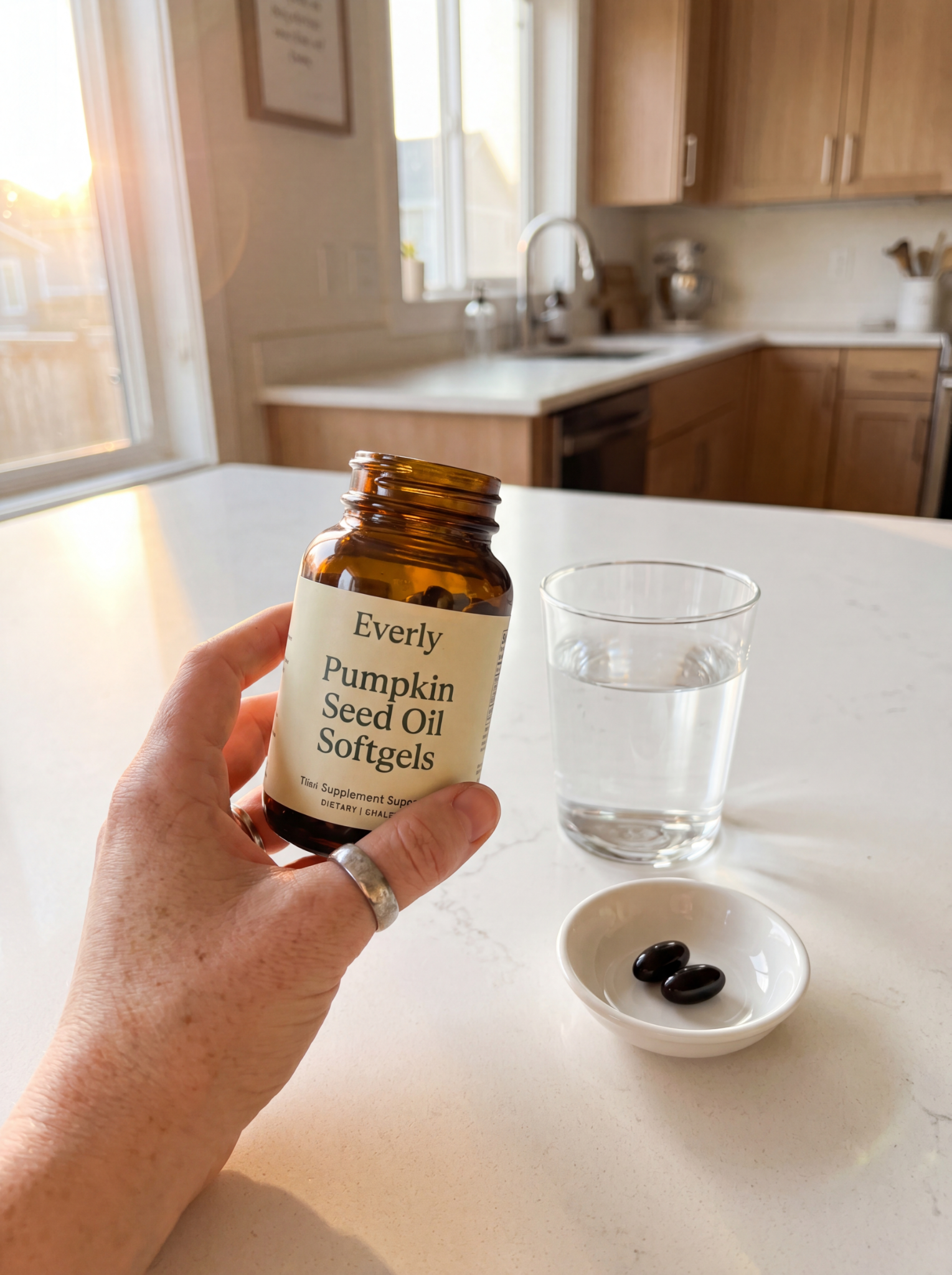
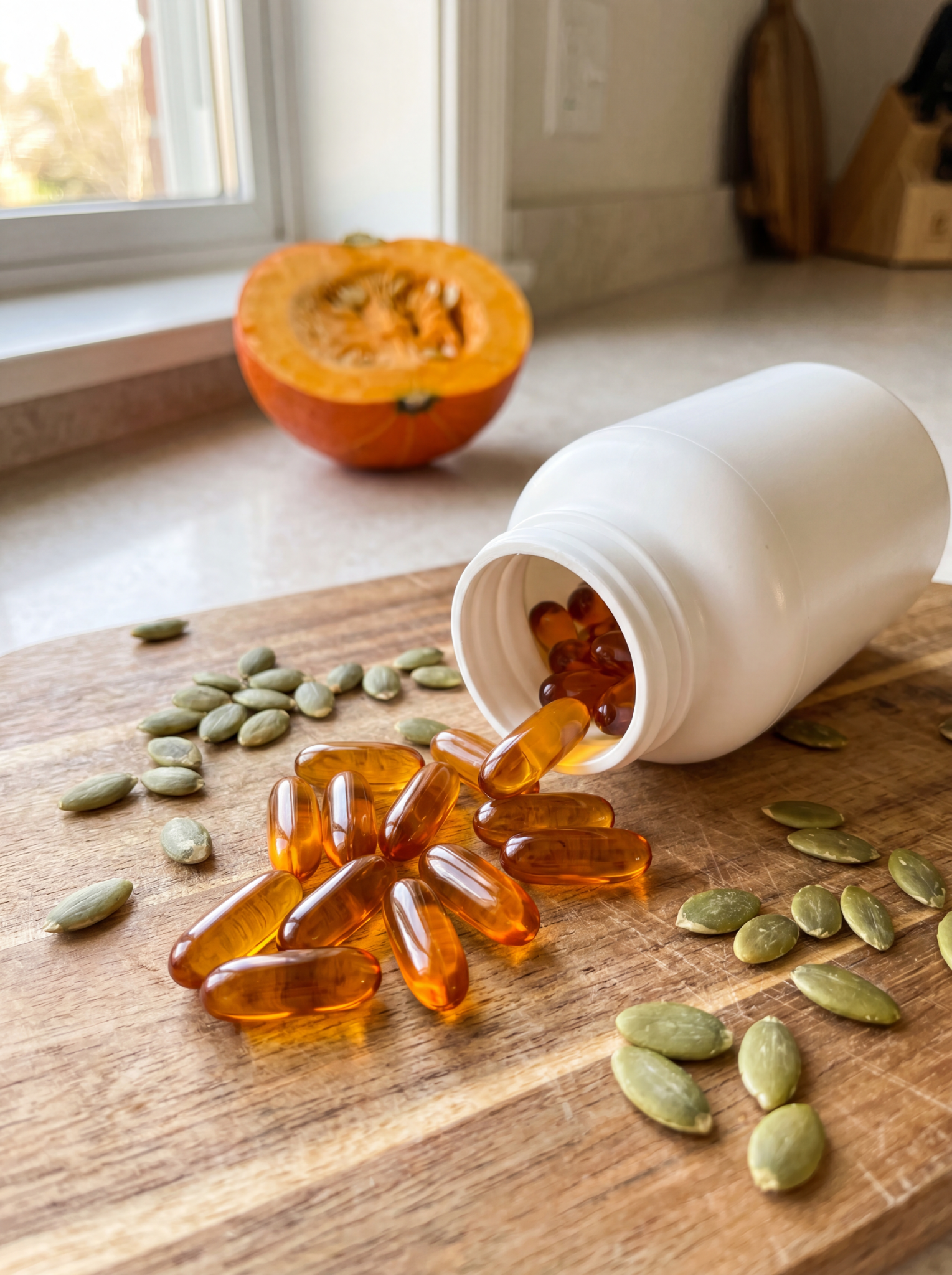
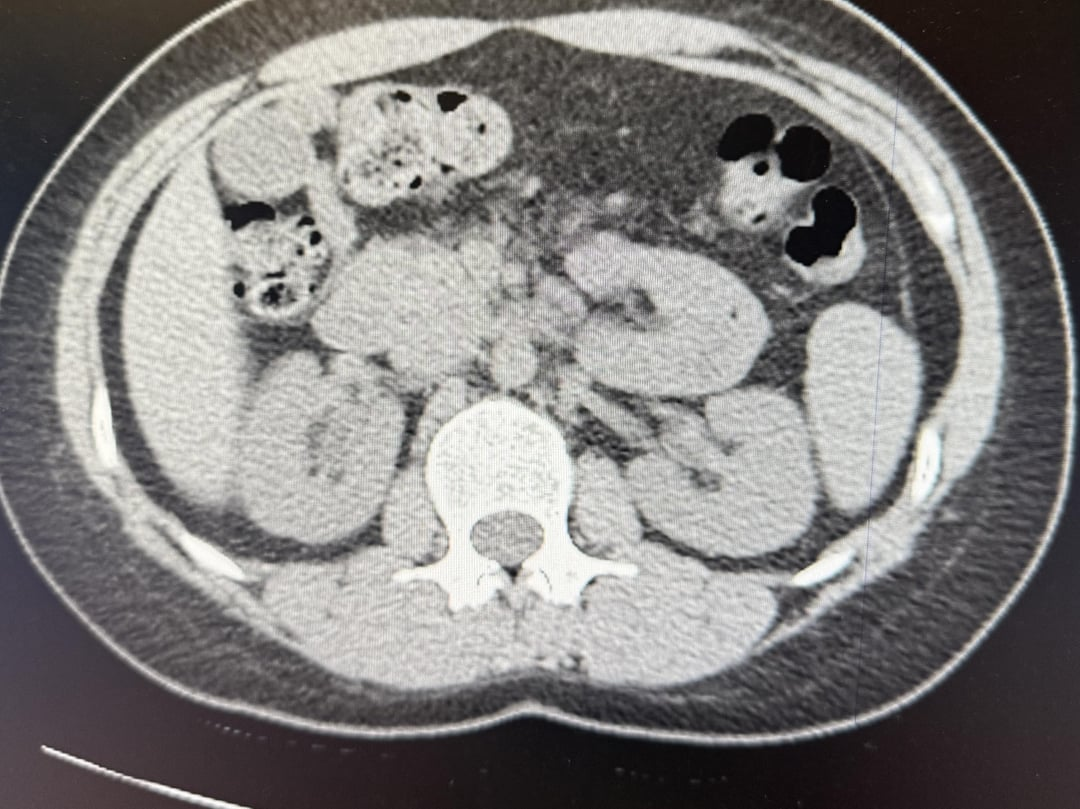
Your kidneys contain roughly 1 million tiny filters called nephrons. Each one is smaller than a grain of sand. Every drop of blood in your body passes through those nephrons approximately 40 times per day. And right now, if your eGFR has dropped even a single point in the last year, those nephrons are dying at a rate your blood work will never show you — until it's too late to save them. Last March a man named Gerald sat in my office holding a lab printout his primary care doctor had circled in red. He was 61. Retired postal worker. His doctor had referred him to me after his eGFR dropped from 58 to 47 in fourteen months. Routine nephrology referral. Stage 3A CKD. Nothing emergent. I didn't order another basic metabolic panel. He'd had six in two years. I already knew his creatinine. I already knew his eGFR trend line. Instead, I ordered a renal resistive index ultrasound with Doppler flow mapping. The kidney equivalent of a cardiac stress test. It doesn't measure what your kidneys ARE producing — it measures what your kidneys are CAPABLE of producing. And more importantly, it shows you WHY they're losing that capability. I pulled up the imaging. Gerald's left kidney had a resistive index of 0.78. His right kidney was 0.81. Normal is below 0.70. His renal arteries were stiff. The tiny blood vessels feeding his nephrons — the afferent arterioles — were narrowing from chronic oxidative damage to their endothelial lining. Every heartbeat was pushing blood against vessel walls that couldn't dilate anymore. The nephrons downstream were being slowly starved of oxygen and nutrients. Not because his heart wasn't pumping hard enough. Because the delivery system inside his kidneys had been silently calcifying for years. I pulled up a chair and walked Gerald through his imaging the way I do with every patient. Showed him the waveform patterns. Pointed to the elevated resistance in both kidneys. Explained that his nephrons — these million microscopic filters — were dying not from disease, but from starvation. The blood vessels feeding them had lost the ability to relax and deliver adequate flow. Gerald listened. Nodded. Then he said something I didn't expect. "Doc, I've been on lisinopril for nine years. My doctor checks my creatinine every three months. He says we're 'monitoring it.' How are my kidneys starving when I'm on blood pressure medication specifically to protect them?" I hear versions of this question every week. But Gerald asked it differently. He wasn't confused. He was angry. Nine years of swallowing that pill every morning. Six basic metabolic panels showing his creatinine creeping up, his eGFR creeping down. And now he's looking at a Doppler ultrasound showing the blood vessels inside his kidneys are stiffening and closing off — something nobody had ever directly measured. I told him the truth. "Gerald, your creatinine and eGFR have been measuring your kidneys' OUTPUT for nine years. That's what they do. That's important. But they don't measure what's happening to the nephrons THEMSELVES. They don't tell you whether the blood vessels feeding those nephrons can actually deliver oxygen. Your eGFR is a scoreboard. This ultrasound is the game film. And the game film shows your nephrons have been losing blood supply for years while everyone watched the scoreboard." Here's what happens inside your kidneys during years of silent eGFR decline that no standard blood panel will ever show you. When oxidative stress accumulates in the renal vasculature — the tiny blood vessels inside your kidneys — the endothelial cells lining those vessels lose their ability to produce nitric oxide. Nitric oxide is the molecule that tells blood vessels to relax and widen. Without it, the afferent arterioles feeding each nephron constrict. Blood flow drops. The nephron on the other end receives less oxygen, less nutrients, less of everything it needs to filter your blood. When a nephron is chronically underfed, four things happen progressively. First, the glomerulus — the tiny ball of capillaries inside the nephron that actually does the filtering — thickens. The basement membrane hardens. Like a coffee filter that's been used too many times, it stops letting the right things through. Protein starts leaking into your urine. Your doctor sees "trace protein" on a dipstick and calls it "borderline." It's not borderline. It's the first structural failure of a nephron that's been oxygen-starved for years. Second, the tubules — the long tubes attached to each glomerulus that reabsorb water, sodium, and nutrients back into your blood — start to atrophy. They shrink. They lose their ability to concentrate your urine. You start getting up twice, three times a night to urinate. Your doctor says it's your prostate, your age, your fluid intake. Research shows it's tubular dysfunction from chronic ischemia — years of reduced blood flow to the nephrons that nobody measured. Third, fibrosis sets in. The kidney replaces dead nephrons with scar tissue. Scar tissue can't filter. It can't reabsorb. It takes up space where functioning nephrons used to be. On a standard ultrasound, the kidney looks "normal size." But inside, functioning tissue is being replaced with collagen. Every point your eGFR drops represents roughly 10,000 nephrons that have been replaced by scar tissue. And scar tissue doesn't come back. Fourth, the remaining nephrons compensate by hyperfiltrating — working harder to make up for the ones that died. This overwork accelerates their own damage. The surviving nephrons burn out faster. This is why eGFR decline isn't linear — it accelerates. The drop from 60 to 50 takes years. The drop from 40 to 30 takes months. By then, you're in a nephrologist's office hearing the word "dialysis" for the first time. This is the trajectory I see on every single Doppler study I run. By the time the eGFR reads 30, the resistive index is usually above 0.85. At that point, the renal vasculature is so stiff, so oxidatively damaged, that no medication can restore adequate blood flow to the surviving nephrons. Dialysis becomes the only option. Gerald stared at the imaging. "So the lisinopril has been lowering my blood pressure while the blood vessels INSIDE my kidneys were closing off the whole time?" "Yes. Every morning for nine years. The lisinopril reduces the pressure your heart pushes blood at. That's protective — it reduces the force against already-damaged vessel walls. But it does nothing to repair the endothelial damage. It does nothing to restore nitric oxide production. It does nothing to clear the oxidative stress that's stiffening your renal arterioles. The lisinopril was buying you a lower blood pressure reading. It was never protecting your nephrons." "And the blood work never caught any of this?" "A basic metabolic panel tells you what your kidneys can produce TODAY. This Doppler study shows you what your kidneys are CAPABLE of producing tomorrow, next year, in five years. Those are two completely different questions. And in nine years, nobody asked the second one." Long silence. Then Gerald said the thing that changed this conversation from routine to something I think about every week. "How many nephrons do I have left?" I'm Dr. James Whitfield. I've been a nephrology-focused internist for 19 years. I've run over 4,000 renal Doppler studies. I measure kidney vascular function for a living. And until Gerald asked me that question, I had spent 19 years watching nephron loss on imaging without being asked to reverse the upstream cause destroying them. Not because reversal isn't possible. It is. The renal endothelium can regain nitric oxide production. The oxidative damage to the afferent arterioles, if caught before critical fibrosis, can be reduced. But the window closes. And every year of unaddressed oxidative stress — every year of blood pressure medication managing pressure without repairing the vessels — pushes you closer to the edge of that window. I told Gerald I'd look into it. He left. I sat with his Doppler imaging still on my screen. Then I did something I'd been putting off for months. I ran my own renal Doppler. Same protocol. Full bilateral kidney Doppler with resistive index measurement. I'm 56. I exercise four times a week. I eat reasonably well. My eGFR at my last physical was 74 — my doctor said "perfectly normal for your age." I pulled up the imaging. My left kidney resistive index was 0.73. My right was 0.74. Both above the 0.70 threshold. Not dramatically — but consistently elevated. My renal arterioles were stiffer than they should be. My nephrons were already receiving less blood flow than optimal. And my "perfectly normal" eGFR was masking it. I went home that night. My wife was reading in the living room. I told her I'd run my own study. Told her the results. Told her what elevated resistive index means at 56. She put her book down. "Is that why you've been getting up at night?" "Yeah. That's why." Gerald's question — "how many nephrons do I have left?" — became my question. And I spent the next month answering it. Not as a nephrologist. As a patient with kidneys that were silently losing blood supply. The damage I measure on my Doppler studies every day has a chain. Oxidative stress accumulates in the renal vasculature. Endothelial cells lose nitric oxide production. Afferent arterioles stiffen and narrow. Nephrons lose blood supply. Glomeruli thicken. Tubules atrophy. Scar tissue replaces functioning nephrons. The remaining nephrons overwork and burn out faster. eGFR declines. Dialysis approaches. Blood pressure medication addresses one input — the force of blood against already-damaged walls. That matters. I still prescribe lisinopril. But links one through seven? The oxidative stress. The endothelial damage. The lost nitric oxide production. The arteriolar stiffening. The nephron starvation. The glomerular thickening. The tubular atrophy. Nothing in standard nephrology addresses any of it. Lisinopril manages pressure. It doesn't protect a single nephron from the oxidative damage that's killing it. What I found in the research addressed the root of the chain. And here's what surprised me — it wasn't about treating the kidneys directly. It was about stopping what was DAMAGING the kidneys. Because the nephrons were never the disease. They were the victim. One compound. Backed by clinical research across every upstream failure point that was destroying nephrons downstream. Cold-pressed pumpkin seed oil. Here's why. The root cause of nephron loss is oxidative damage to the renal vasculature. The endothelial cells lining the blood vessels inside your kidneys need three things to maintain healthy function: bioavailable zinc to power superoxide dismutase — the antioxidant enzyme that neutralizes the free radicals destroying your vessel walls. Magnesium to maintain vascular smooth muscle relaxation — allowing the afferent arterioles to stay open and deliver blood to nephrons. And essential fatty acids to maintain the phospholipid membrane integrity of the endothelial cells themselves. Pumpkin seed oil at clinical concentration delivers all three in one of the most bioavailable forms found in nature. The zinc in pumpkin seed oil is bound to organic ligands that the body absorbs at significantly higher rates than synthetic zinc supplements. This zinc directly fuels superoxide dismutase production in the renal endothelium. In clinical studies, pumpkin seed oil supplementation significantly increased antioxidant enzyme activity while reducing markers of oxidative damage. When the oxidative stress drops, the endothelial cells can start producing nitric oxide again. When nitric oxide returns, the afferent arterioles relax. When the arterioles relax, blood flow to the nephrons improves. The nephrons stop starving. The magnesium in pumpkin seed oil supports vascular smooth muscle relaxation from the inside — not by reducing the pressure your heart generates (that's what lisinopril does) but by helping the vessel walls themselves maintain elasticity and tone. Studies show that magnesium deficiency is both a cause and consequence of CKD — patients with declining eGFR are almost universally magnesium-depleted, which accelerates the very vascular stiffening that's killing their nephrons. Pumpkin seed oil breaks that cycle. The essential fatty acids — particularly the omega-6 to omega-9 profile unique to cold-pressed pumpkin seed oil — support the structural integrity of endothelial cell membranes. When these membranes are healthy, they resist oxidative damage. When they're depleted of essential fatty acids, they become fragile, permeable, and susceptible to the very oxidative stress that starts the entire damage chain. And there's a fourth mechanism I wasn't expecting. The phytosterols in pumpkin seed oil — beta-sitosterol in particular — reduce systemic inflammation. Chronic low-grade inflammation is one of the primary drivers of renal fibrosis — the scar tissue that replaces dead nephrons. By reducing the inflammatory signal, pumpkin seed oil slows the fibrotic process that makes nephron death permanent. One compound. Addresses the oxidative stress. Restores the minerals the renal vasculature needs. Supports the endothelial membranes. Reduces the inflammatory cascade that turns nephron loss into permanent scar tissue. The formula that delivers all of this at clinical concentration, in a cold-pressed softgel that preserves the bioavailability of every active compound, is Everly Pumpkin Seed Oil Softgels. Third-party tested. Made in the USA. No synthetic fillers. No stimulants. No prescription required. I started taking it. Didn't tell my wife. Didn't set expectations. Weeks passed. The nighttime trips to the bathroom started dropping. First from three to two. Then to one. Then I slept through the night for the first time in months and didn't realize it until the alarm woke me. My wife noticed. She said it one morning over coffee. "You haven't gotten up at night in over a week. What changed?" I told her. I ran my renal Doppler again at 90 days. Left kidney resistive index: 0.68. Right kidney: 0.69. Both below the 0.70 threshold. Both improved from 0.73 and 0.74. I pulled both studies up side by side on my screen. The same screen where I'd read Gerald's results, where I read 25-30 Doppler studies a month, where I've spent 19 years measuring other people's nephron loss. This time the improvement was mine. I called Gerald. He'd been on the same protocol for twelve weeks. I'd shared it with him after my own results. He told me his doctor had just run his quarterly blood work. His eGFR had gone from 47 to 54. First time it had gone UP in five years. "My doctor said he didn't know what I was doing differently, but to keep doing it." Here's what 19 years of measuring kidney function has taught me that most doctors will never tell you. Your blood work and your Doppler study tell completely different stories. Your blood work measures what your kidneys are producing RIGHT NOW — checking creatinine clearance, filtration rate, electrolyte balance. Your Doppler study measures what the blood vessels INSIDE your kidneys can actually deliver — whether the nephrons are receiving adequate blood flow to survive. A man can have an eGFR of 58 and renal arterioles that are 40% occluded. Because the blood work checks output while the nephrons silently starve. Your nephrologist manages your blood work numbers. He's probably never ordered a renal Doppler with resistive index. Your GP manages your blood pressure medication. She's never seen the vascular stiffness inside your kidneys. Neither doctor sees both pictures. Neither connects the nine years of lisinopril to the nephron starvation that's been progressing the entire time. I see both. Every day. On a Doppler waveform. Measured in resistive index, across thousands of studies. And blood pressure medication manages the pressure against vessel walls that are oxidatively damaged, stiff, and losing the ability to deliver blood to your nephrons. The oxidative damage keeps accumulating. The nitric oxide keeps dropping. The nephrons keep dying. Every dose manages the symptom while the nephron loss compounds. If your eGFR has dropped in the last year and your doctor says you're "being monitored," your blood work is showing you what your kidneys can do today. It's not showing you what's happening to the nephrons themselves. A Doppler study can show you what's actually happening inside. The imaging it gives you is the biography of your kidney function, written in vascular resistance, across years of silent decline. Or skip the study. Your body already runs one every night. Those nighttime bathroom trips — or the morning puffiness, the ankle swelling, the fatigue that hits by 2pm — that's your kidneys' overnight diagnostic. If you're waking up twice a night to urinate, your tubules can't concentrate urine because the nephrons feeding them aren't getting enough blood. I see that confirmed on Doppler imaging every single day. If your blood work is "stable" and your body says otherwise, one of those tests is measuring the wrong thing. And after 19 years and 4,000 Doppler studies, I can tell you which one I trust more. — Dr. James Whitfield, MD Nephrology-Focused Internal Medicine, 19 Years Renal Vascular Function & Doppler Analysis P.S. The protocol Gerald and I both use is Everly Pumpkin Seed Oil Softgels. Clinical-concentration cold-pressed pumpkin seed oil to deliver the bioavailable zinc that powers your kidneys' primary antioxidant defense. The magnesium your renal vasculature needs to maintain elasticity. The essential fatty acids that protect the endothelial cells lining every blood vessel inside your kidneys. And the phytosterols that reduce the inflammatory cascade turning nephron loss into permanent scar tissue. Third-party tested. 90-day money-back guarantee. You can always go back to just monitoring your numbers if nothing changes. But if your eGFR has dropped and your nephrons are telling a different story than your blood work, something in your treatment plan is missing. 👉 https://try.shopeverly.shop/esl
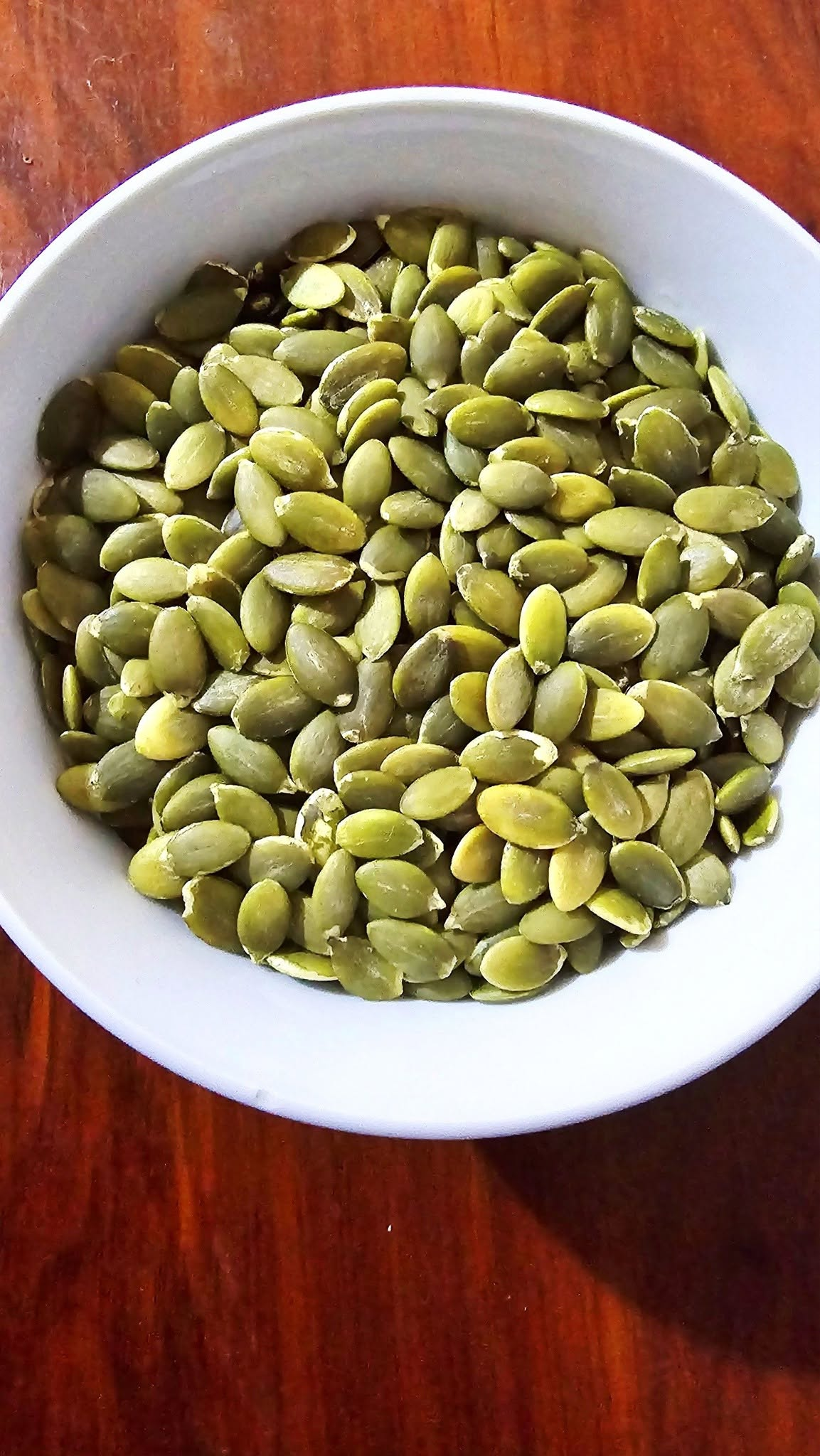
🎃 Natural Support for Your Daily Routine
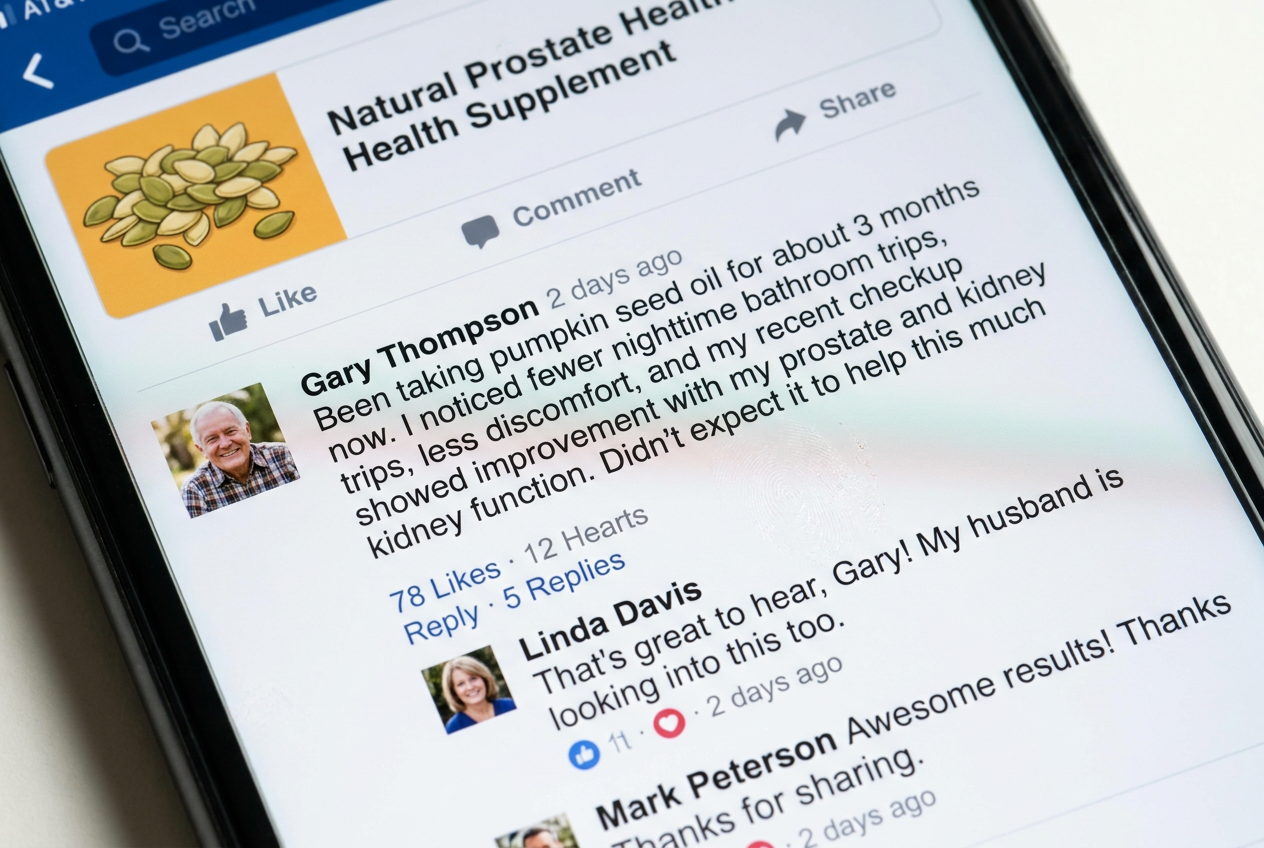
“I’ve been feeling stronger and more balanced since taking Everly Pumpkin Seed Oil. My bladder feels so much calmer, I’m sleeping through the night again, and my hair feels thicker than it has in years. I love how natural it feels — just pure support for my body.”
LEARN MORELike this ad? Make it yours.
Crush rebuilds this exact creative around your product — your brand, your colors, your offer — in about a minute.