Dr. Helen Chambers
Dr. Helen Chambers Facebook ad: “The vet told me one sentence.”
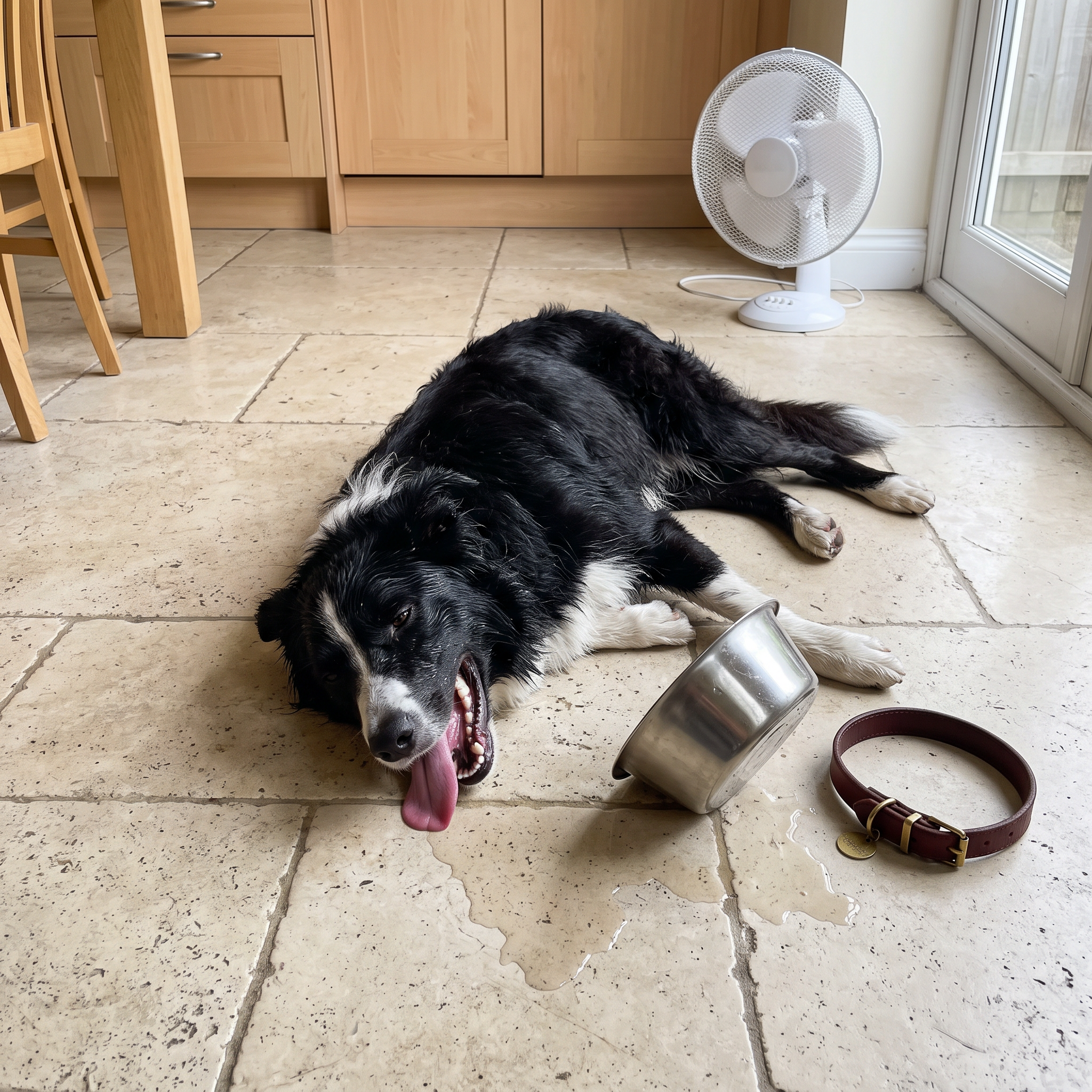
Ran for 18 days, from August 2 to August 20, 2026, the last day Crush saw it.
Run by Dr. Helen Chambers on Facebook. Crush is not the advertiser and does not verify its claims. See this ad in Meta's Ad Library(opens in a new tab)
Want an ad like this for your product?
Crush makes new ad images for your product from this ad: your logo, your product photo, your offer.
Trials from $19.95 USD, then $79.95 USD a month. Cancel anytime.
About this ad
- Meta Ad Library ID
- 1421751579821565
- Platforms
- Facebook, Instagram, Audience Network, Messenger and Threads
- Relaunches
- 1
- Niche
- Pets
Ad text
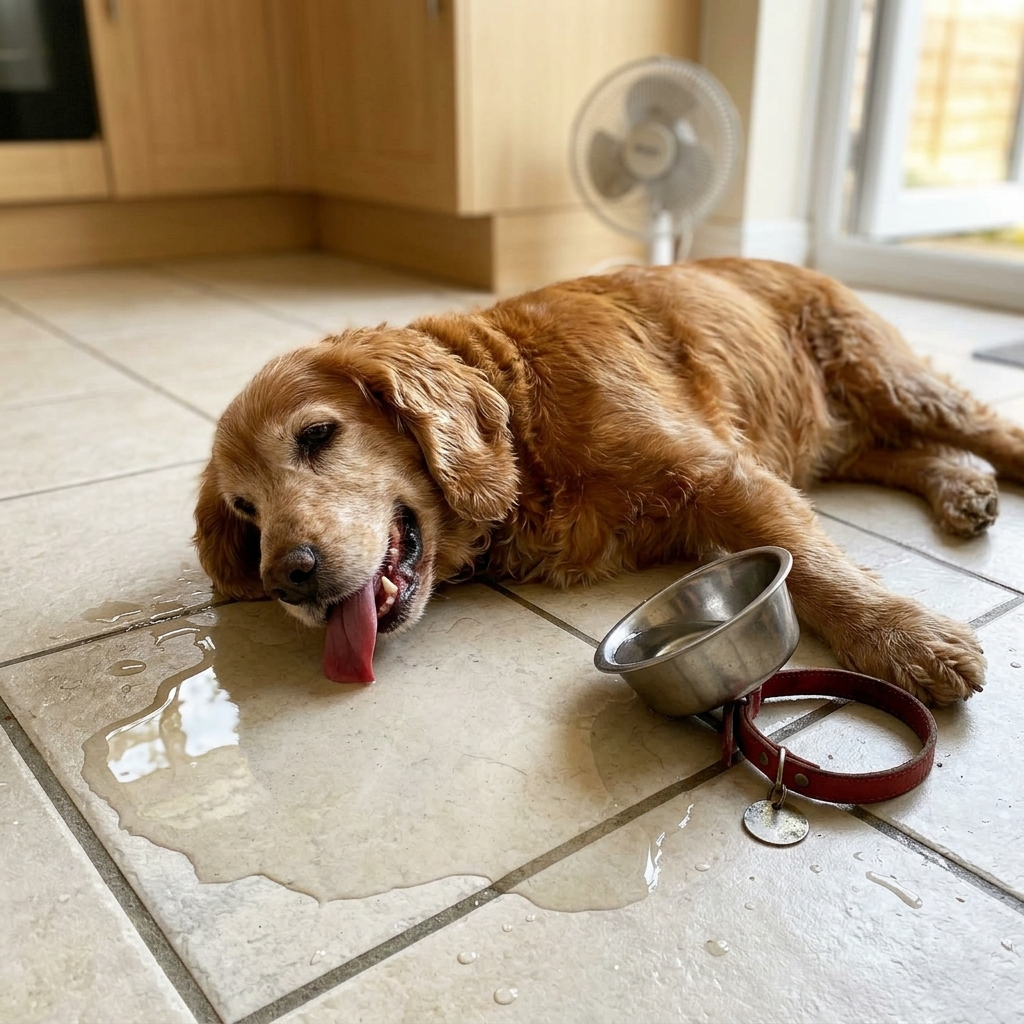
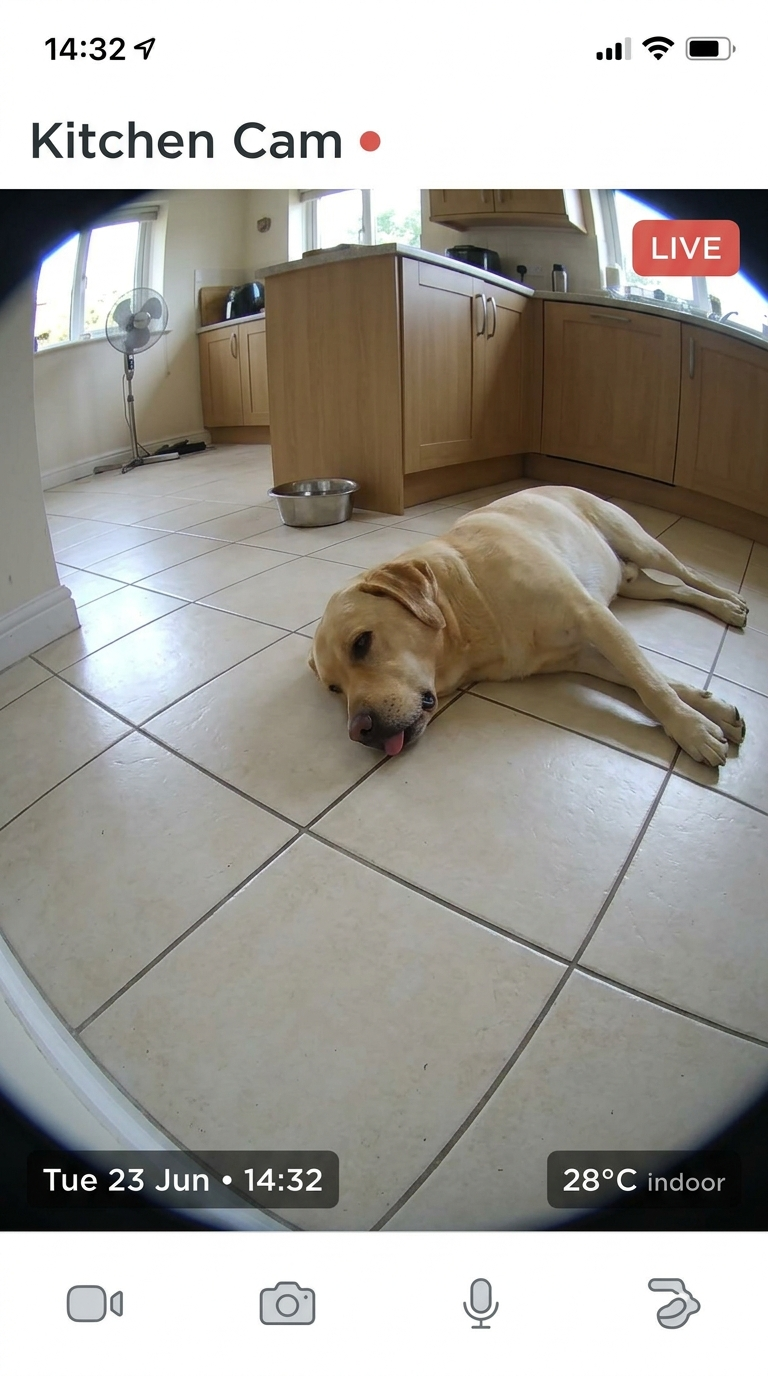
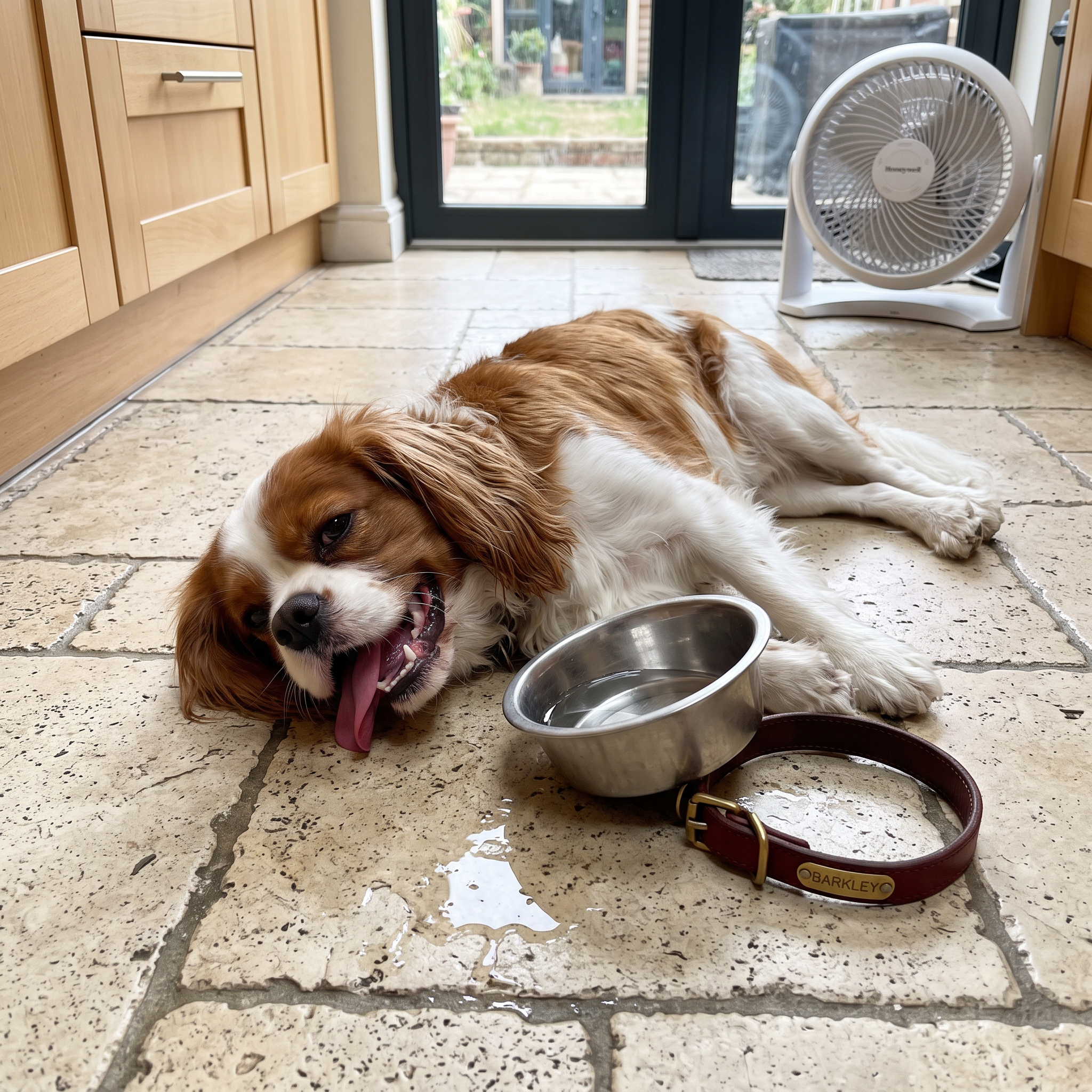
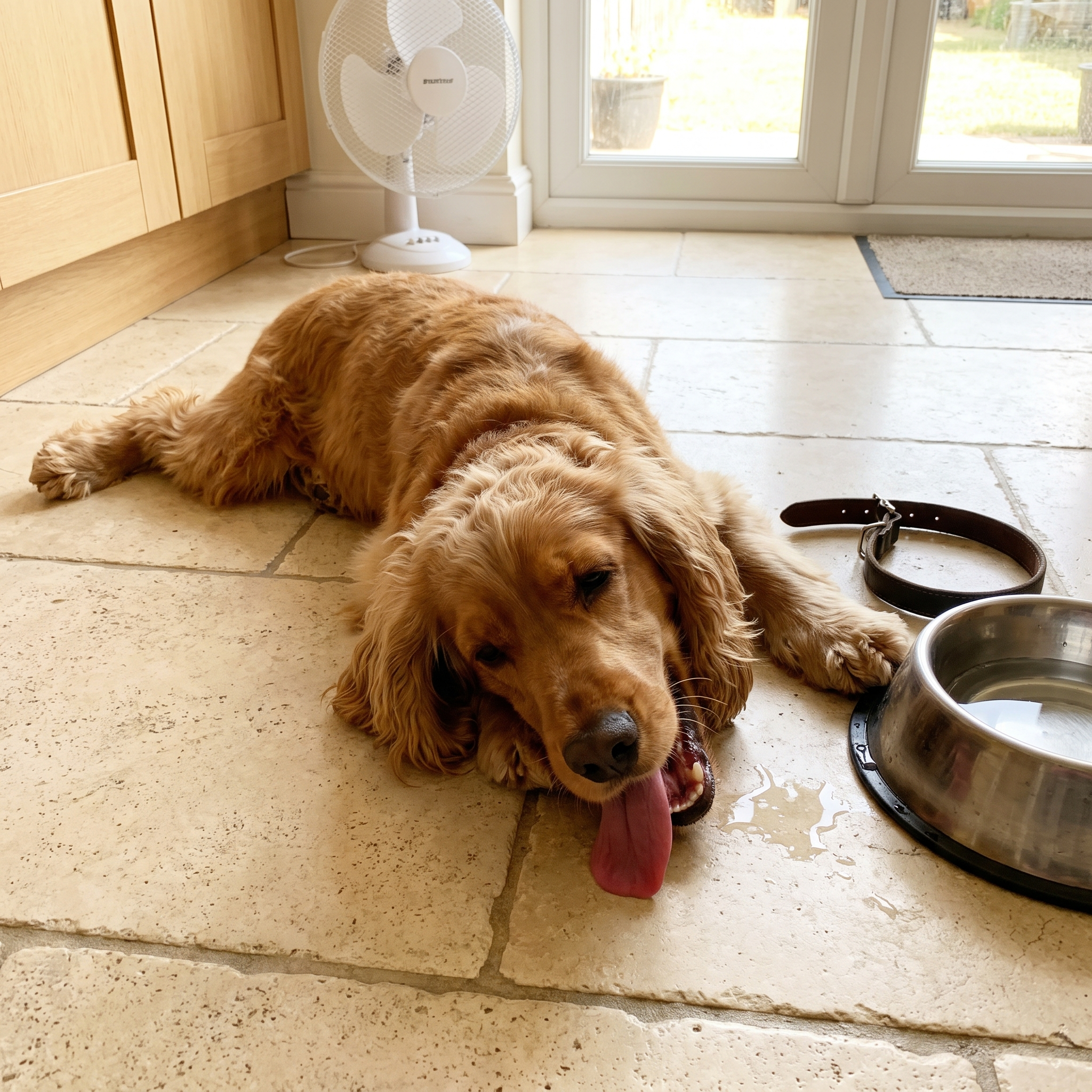
I lost my dog on a 28-degree afternoon with the aircon running. The vet told me one sentence the next morning that made me realise I'd killed him without knowing it. His name was Murphy. He was six years old. I need to tell you what happened to him. Because the thing that killed him is probably happening to your dog right now. And you have no idea. The same way I had no idea. Murphy was a Labrador mix with a head the size of a small football, and a personality like a grumpy old man stuck inside a dog's body. Deeply opinionated about everything. Personally offended by the Hoover. Convinced every sofa cushion belonged to him and to him alone. He slept at the foot of my bed every night. Same spot. Same heavy sigh when he settled, like the day had been impossibly long. Same warm weight against my feet that I didn't properly appreciate until it was gone. I'm 47. I live on my own. Murphy was my constant. The kind of dog where you walk in the door after the worst day of your life, sit on the floor next to him for ten minutes, and somehow you're still standing. I'd talk to him like he understood every word. "You want the last bite?" "Should I text him back, do you reckon?" "Don't judge me, it's beans on toast for dinner again." He'd tilt his head and look at me like he was forming an opinion. He probably was. If you're reading this, your dog is probably that for you. So please keep reading. What I'm about to tell you could save his life. I'd give anything, anything at all, to have read something like this eight months ago. Every afternoon, Murphy panted. Not the dramatic, tongue-hanging, something-is-clearly-wrong kind. Just slightly heavier breathing than you'd expect from a dog lying on the living room carpet in a house with the aircon on. The kind you glance at and think: "He's a dog. Dogs pant. It's warm." He moved around a lot too. Sofa to the rug. Rug to the hallway. Hallway to the bathroom. He'd circle, lie down, stay for maybe twenty minutes, then get up and do it all again. Not frantically. Not like something was wrong. Just, never quite settled. And the bathroom tile. Every single day, by early afternoon, Murphy was stretched flat on the bathroom floor. I used to make a joke of it. "He's in his office again." Friends laughed. I laughed. It wasn't funny. I noticed all of it. The panting. The moving. The tile. I saw every single sign. I just didn't know what I was looking at. The day it happened was a Tuesday in late June. 28 degrees outside. Not the kind of weather that makes the news. Just a normal warm day. I topped up his water before work. Pulled the blinds down. Set the aircon to 22 degrees. Kissed him on his big daft head. Told him I'd be back by six. Checked the pet camera around lunch. He was on the bathroom tile. Asleep. I smiled and put my phone away. I got home at ten past six. The house was wrong. I knew it the moment I opened the door. Not the usual quiet, the kind where he'd already be there, tail going, ramming into my legs before I could put my bag down. This was a different kind of quiet. The kind where something is missing. I called his name. Nothing. I found him on the kitchen tiles. On his side. Eyes half open. I don't remember picking him up. I remember his weight. Twenty-eight kilos of dead weight in my arms. I remember he was still warm. I remember saying his name over and over and over, as if I said it enough times he'd blink. I wrapped him in the throw blanket from the sofa. The one he was always trying to nick. Drove to the out-of-hours vet. I don't remember the drive. I remember the fluorescent light in the car park. The sliding doors. A nurse taking him out of my arms. She came back eleven minutes later. I know it was eleven because I watched the clock the whole time. "I'm so sorry. He's gone. It was heatstroke." I said the aircon had been on. I said it was only 28 degrees outside. I said I'd done everything right. She told me she'd lost three other dogs that week. Same thing. Every owner had said the same words I'd just said. The bill was £1,847. For eleven minutes and a dead dog. I sat in that car park for a long time afterwards. Engine running. Aircon still blowing cold air I wasn't feeling. I remember thinking: the aircon had been on for Murphy too. The vet rang the next morning. She said she wanted to explain what had actually happened. That most owners never got this explanation. "Your aircon was working fine," she said. "The air in your house was 22 degrees. But that's not where Murphy overheated." She explained it simply. And I will never forget it. A dog's body temperature sits around 38.5 degrees. Every surface he lies on, the carpet, the sofa cushion, the tile, his bed, absorbs that heat. Within minutes, the surface underneath him warms up. And once it has absorbed enough body heat, it stops drawing more away. It just holds it there. Pressed against his belly and his chest. Then she said the sentence that changed everything. "Think about when you flip your pillow to the cool side at night. You do it because your own body heat has warmed it up and it's not comfortable anymore. That's what Murphy was doing every time he got up and moved spots. He was flipping his pillow. Except you can't flip a floor." That was it. That was the sentence. And every single thing I'd watched Murphy do for six years suddenly made sense. The panting every afternoon? His body trying to cool itself, because the surface underneath him had stopped helping. The moving from spot to spot? Him searching for any surface that hadn't absorbed his heat yet. The bathroom tile? Denser. Takes longer to warm up. But it warms up too. Eventually there's nowhere left to go. Then she said the part that broke me. "This isn't a certain-breeds problem. It's not just Bulldogs and Pugs. It's not just old dogs or overweight dogs. It's physics. Every dog runs at 38.5 degrees internally. Every surface absorbs heat. Every dog lying on any surface in your home is dealing with this. Most of the time they cope. But it's a slow accumulation of stress on their body. And sometimes, on the wrong day, it crosses a line you didn't know was there." That's what haunts me. It didn't look like an emergency. It looked like a normal dog on a normal afternoon. And that's exactly why I missed it. I didn't sleep much in the weeks after he died. I read everything. Joined every UK dog group I could find. Rang two other vets to ask the same questions. And I started understanding why everything I'd been doing, everything every dog owner in this country does, doesn't actually solve the problem. The aircon? Cools the air three feet above your dog. Does nothing for the surface underneath him. Murphy was generating 38.5 degrees of body heat straight into the carpet. The aircon can't reach that. Gel cooling mats? Absorb heat for 20-30 minutes, then they're full. Just a warm mat with chemical gel that eventually splits and leaks across your kitchen floor. Wet towels? Body-temperature warm within ten minutes. Then they trap moisture and heat against the dog like an insulating blanket. Worse than bare floor. Every solution out there either cools the air or absorbs heat until it can't anymore. None of them does the one thing that actually matters: moving heat away from the dog's body continuously, without ever stopping. The vet told me, almost word for word: "The answer isn't cooler air. It's a surface that doesn't absorb heat and hold it. A surface that conducts heat away. Continuously. One that doesn't reach a point where it stops working." That's it. That's what would have saved Murphy. I found it at 2am on a Thursday in October. Scrolling through a UK dog owners' group with red, swollen eyes and a cold cup of tea on the bedside table. A woman called Sarah. From Bristol. She'd lost her Staffy to the same thing, heatstroke, indoors, aircon running, two years earlier. Her post wasn't selling anything. She was sharing what she'd learned since. She described her new dog's behaviour. "He used to pant a bit every afternoon and I thought nothing of it. He'd drift from spot to spot, never settling. Since the mat, he picks one spot and stays there for hours. The afternoon panting is gone." Someone in the comments asked her what she was using. Kovah Cooling Mat. Not a gel mat. Not a water mat. Not something you freeze. A multi-layer cooling fabric that conducts heat away from the dog's body continuously, instead of absorbing it and warming up like every other surface. If the problem is surfaces that absorb and trap heat, the answer is a surface that moves heat away without ever stopping. No gel to saturate. No water to evaporate. No freezing. No setup. Just physics. I wasn't ready for another dog. Not even close. But I ordered the mat that same night. Because when I was ready, it had to be on the floor from day one. It arrived three working days later. I put it on the living room carpet where Murphy's bed used to be. Three months later, I brought Reggie home. Same breed. Same big head. Same heavy sigh when he lies down. People asked how I could do it. Same breed. After what happened. I told them: because I know something now that I didn't know before. And this time, I'm ready. The Kovah mat was already on the floor. Had been for weeks. First warm day with Reggie, I watched him the way I've never watched anything in my life. Hour 1. He sniffed the mat. Circled once. Lay down. I sat on the sofa and waited for the panting to start. Nothing. Asleep within minutes. Breathing slow and steady. I put my hand on the mat next to him. After a full hour with a 25-kilo dog on it, still cool. Not fridge-cold cool. But noticeably, unmistakably cool. Hour 2. He hadn't moved. On the carpet, Murphy would have shifted twice by now. Reggie was in the same spot. No panting. Hour 4. Still there. I touched the mat right next to his belly. Cool. The carpet six inches away? Warm from the air. The mat was not. End of day. I realised I'd been holding my breath since the morning. The afternoon panting that started at 2pm every day with Murphy? Never came. The restless spot-switching? Reggie didn't do it. He picked his spot on the mat and stayed. Week 2. I took Reggie back to the vet for his first check-up. Same clinic. Same vet who'd rung me the morning after Murphy died. She took his temperature, listened to his heart. "He's doing beautifully." I told her about the mat. She nodded. "That makes sense. If the surface is conducting heat away continuously, the cycle I described to you after Murphy never gets the chance to start." The first time I really noticed it, really noticed, I sat down on the floor next to him and cried. Not sad crying. The kind of crying that comes when you finally understand something that came too late for one dog but not for the other. I still run the aircon. Still fill the water bowl. Still make frozen dog treats on weekends because Reggie completely loses the plot for them. But I don't check the pet camera twelve times a day anymore. I don't lie awake wondering if he's all right. The knot in my stomach when I leave for work, it's gone. Not because I stopped caring. Because I finally addressed the one thing I didn't know was killing Murphy. I'm writing this because I sat in that vet car park with the engine still running and I promised myself I'd tell every dog owner I could. If your dog pants in the afternoon, even a little. If he switches spots and you've never really thought about why. If he always ends up on the kitchen tiles. Even if none of it looks like a big deal. It probably isn't. Today. But it's his body telling you the surface underneath him has absorbed his heat and stopped doing its job. And that stress adds up. Day after day. Summer after summer. I keep one in the living room and one in Reggie's crate. No freezing. No water. No setup. Just a surface that does what you think your floor already does, but doesn't stop. Here's what I wish someone had told me about the money. I spent £1,847 at the out-of-hours vet that Tuesday. For eleven minutes. For nothing. The Kovah mat costs less than a single emergency vet visit. Less than a gel mat that stops working after half an hour. Less than what most of us spend on dog toys in a year. And they offer a 30-day money-back guarantee. If I'm wrong, if you put the mat down and your dog keeps panting, keeps switching spots, keeps seeking the tile, you get every penny back. No questions. But if I'm right, and your dog is showing you even one of the signs Murphy showed me, you'll wish you hadn't waited. One more thing. These mats sell out every single year before summer. Every year. By the time it's actually hot and you're watching your dog pant on the kitchen tiles, they're gone and you're on a waitlist. Last summer my sister tried to buy one for her own dog. Sold out. Six weeks before she got it. Right now they're still delivering in three working days. The best time to buy is before you need it. Not after. Reggie's on his mat right now. Same spot Murphy used to lie on. Head between his paws. Snoring. Not panting. Not moving. Just settled. I can hear him breathing. And for the first time since that Tuesday in June, I'm not afraid of what I'll come home to. Don't wait for your Tuesday. → Check what the vet told me
Where the ad sends people
get-kovah.com
The vet told me one sentence.
Read what she said.
See details: get-kovah.com(opens in a new tab)