Dr. Helen Chambers
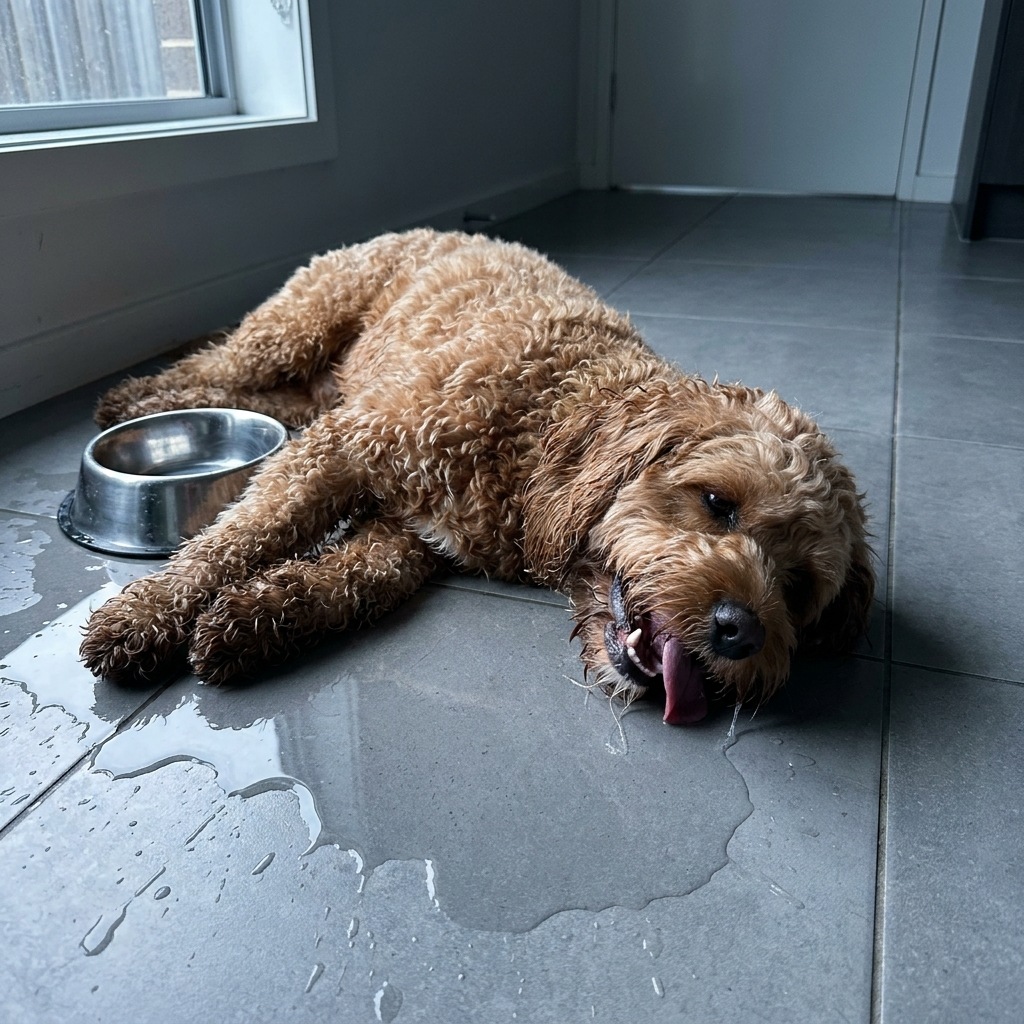
 Facebook ad: “He was panting all afternoon. She was right there the…”
Running for 8 days since November 13, 2026. Crush last saw it on November 21, 2026.
Run by Dr. Helen Chambers on Facebook. Crush is not the advertiser and does not verify its claims. See this ad in Meta's Ad Library(opens in a new tab)
Make your own version of this ad
Crush makes it, launches it in your own Meta ad account, scales the winners and pauses the losers.
About this ad
- Meta Ad Library ID
- 3721743941335949
- Platforms
- Facebook, Instagram, Audience Network and Threads
- Relaunches
- 0
- Niche
- Pets
Ad text
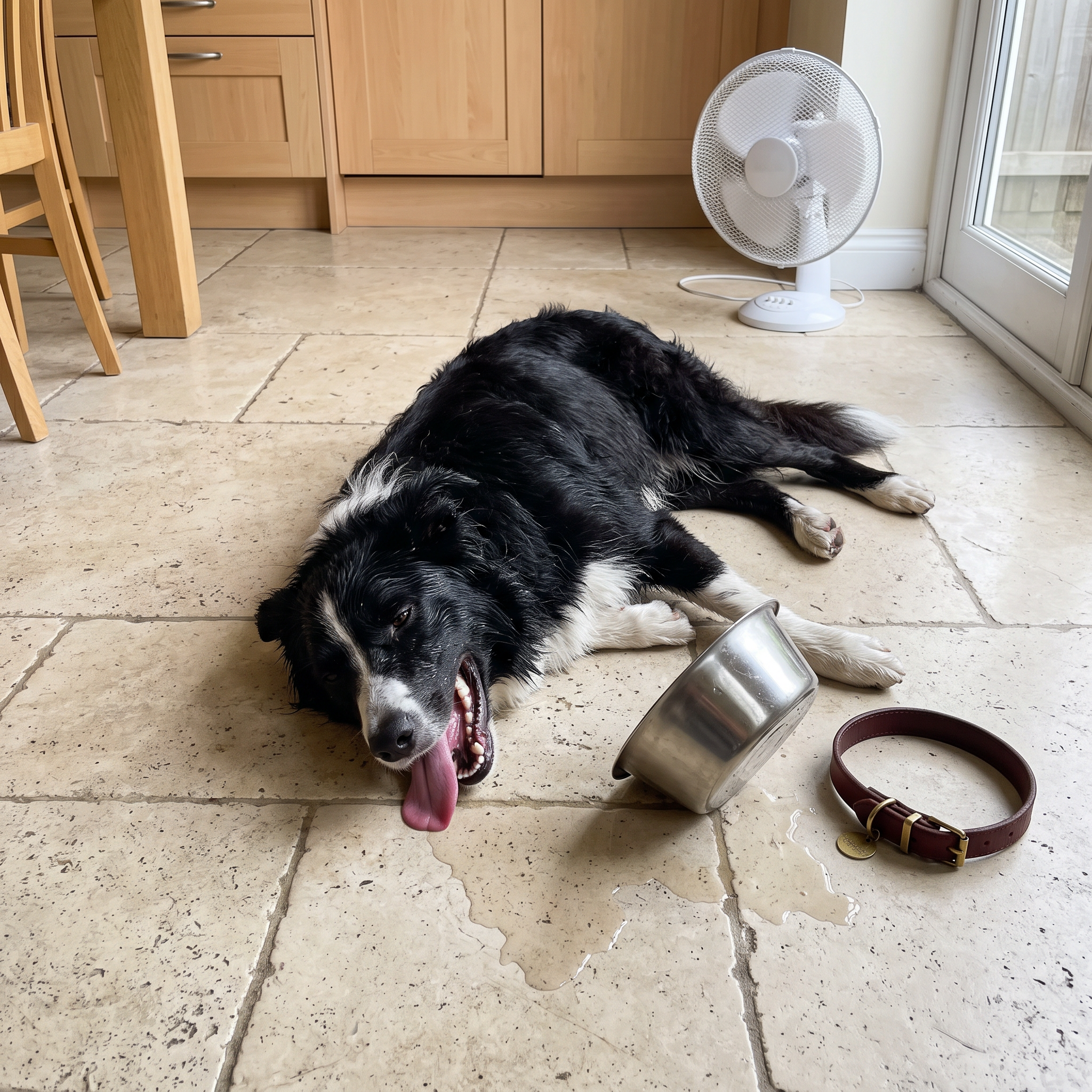
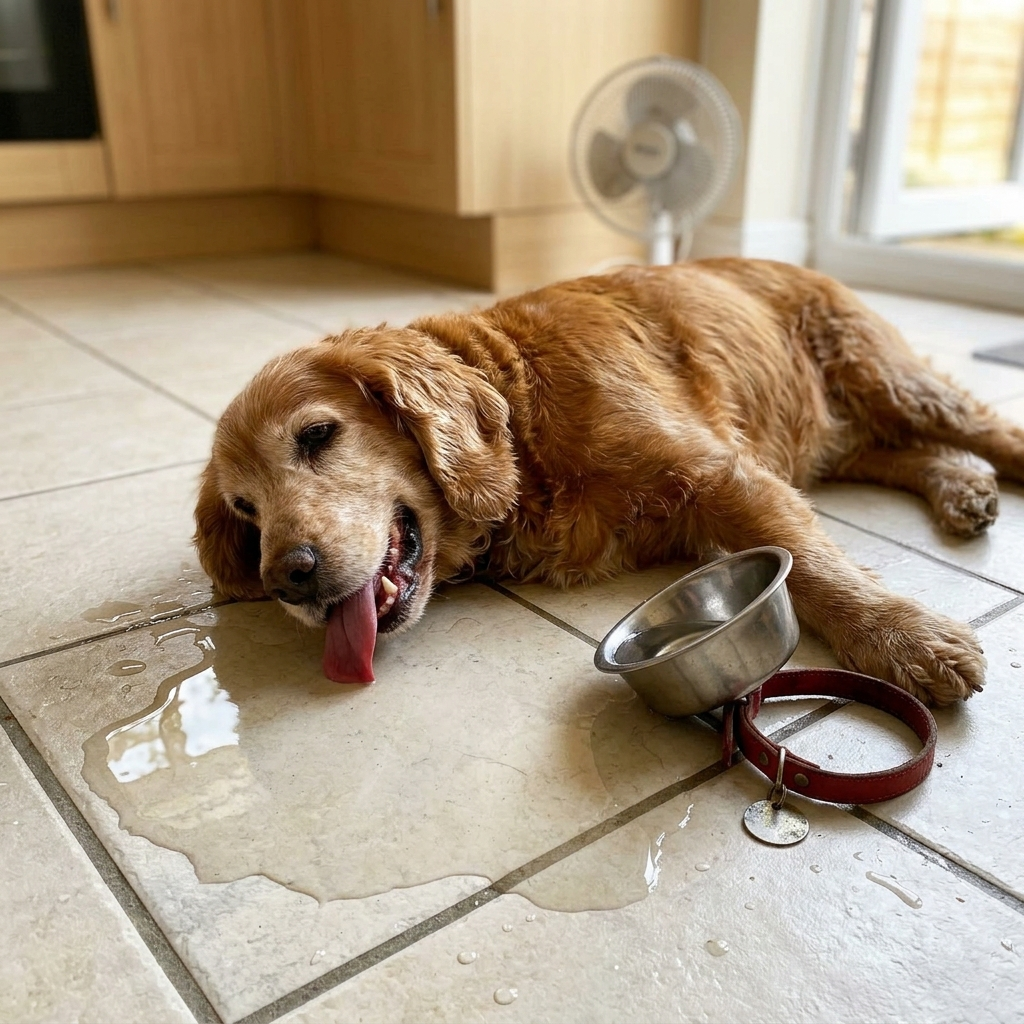
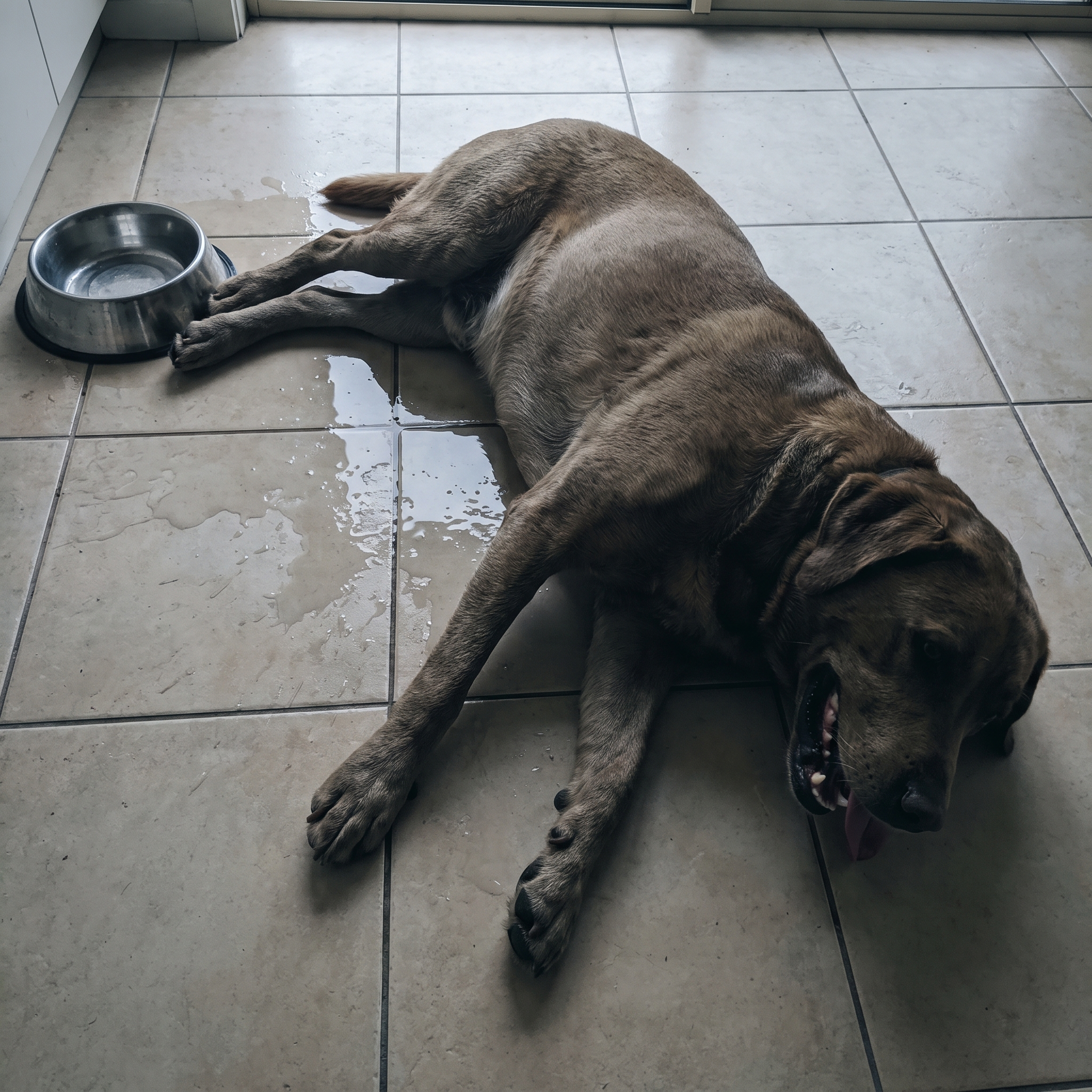
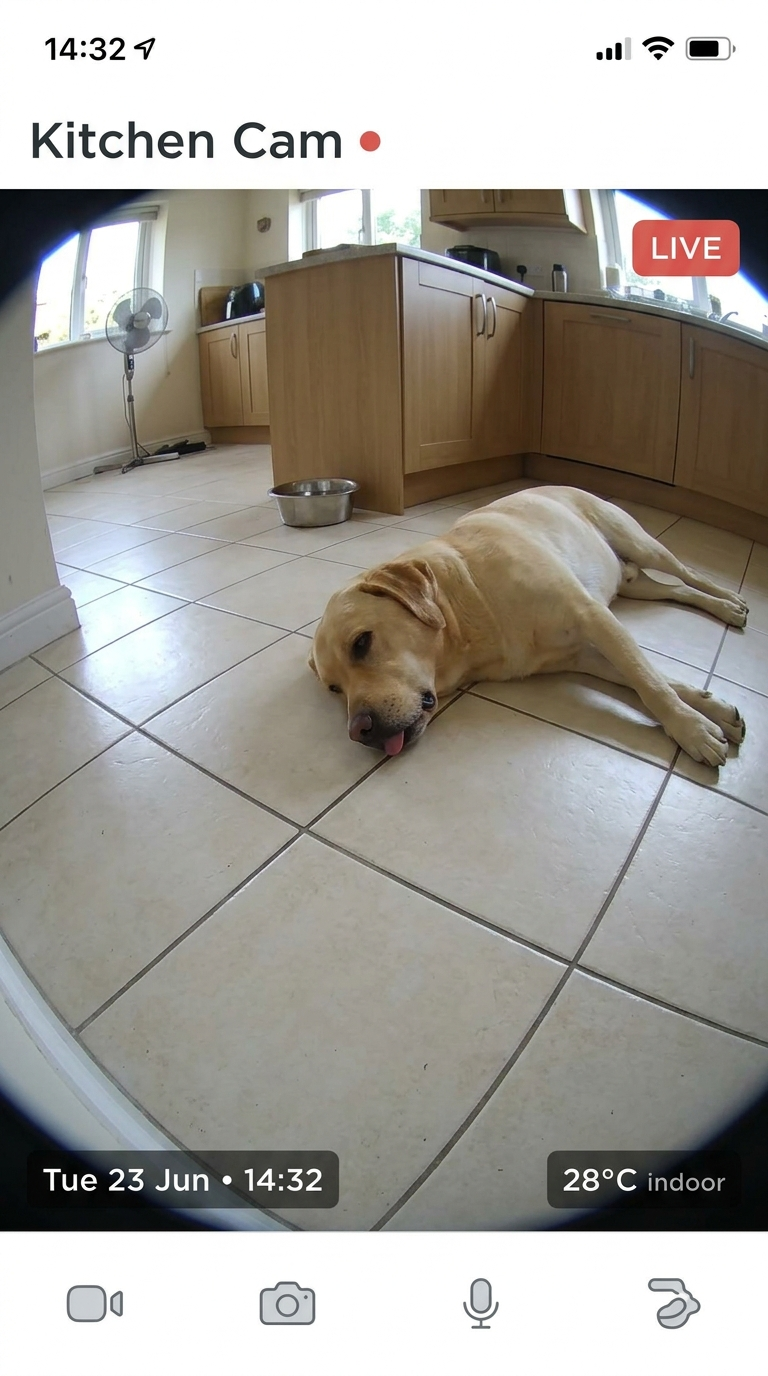
The most dangerous thing about a dog overheating is not the heat itself. It's that you're watching it happen, and you don't know you're watching it happen. Outside right now it's barely 22 degrees. Pleasant. Harmless. And that's exactly what makes this moment so dangerous. Because last summer's heatwaves are still fresh in every vet's memory. And the next one, the life-threatening one, is already on its way according to the forecasts. What you read in the next three minutes will decide how your dog gets through it. My name is Dr. Helen Chambers. Fourteen years of small-animal emergency medicine in Adelaide. And the most common sentence I hear from owners whose dog has overheated is not the one you'd expect. It's not "I left him in the car." That's the one the newspapers write about. The careless owner. The locked vehicle. The smashed window. The sentence I hear most often is this one: "But I was right there. I was in the room the whole time." I need you to stay with that sentence for a moment. Because it never comes from careless people. It comes from the most careful ones. The attentive ones. The ones who love their dog more than anything else in their life. She's usually retired. Sixties or seventies. Lives alone or near enough. The dog is the companion. The reason she gets up. The one who sits at her feet while she reads. The one who sleeps at the end of the bed. The one she talks to when nobody else is there. She was home all day. She didn't leave the house. She watched him from her armchair, from the kitchen, from the hallway. She moved the fan twice. Filled his water bowl three times. Opened every window by nine in the morning. Closed the curtains before ten. She did everything she could think of. Everything anyone told her to do. And by half past four, he was on my treatment table. She always says the same thing. Always. Standing in my waiting room with her hands clasped together: "I don't understand. I was right there." I know she was. That's what makes this so cruel. You can be a metre from your dog, watching him overheat, doing everything you know to do, and none of it is reaching him. Not because you failed. Because nobody ever explained what you were actually watching. Let me explain it now. The way I wish I could explain it to every dog owner in this country before summer. Not afterwards. Not in my waiting room. Before. Your dog's body runs at 38.5°C. That's his normal resting temperature. On a cool day, no problem — the surfaces around him absorb that heat naturally, his body stays in balance. On a warm day, everything changes. Every surface he lies on — his bed, the carpet, the sofa, the kitchen tiles — absorbs his body heat. All of it. Within twenty minutes, the surface beneath him has reached nearly the same temperature as his body. At that exact moment, it stops pulling heat out of him. It starts holding the heat against him. Like a blanket he can't take off. So he gets up. Panting. He moves to the hallway. Lies down. Twenty minutes later, the hallway floor is warm. He moves to the kitchen tiles. Twenty minutes. The tiles are warm. He moves to the bathroom. Twenty minutes. He comes back to the living room. You've watched this circuit four times today. You thought he was restless. You thought he couldn't settle. You thought maybe his joints were bothering him. He's not restless. He's not in pain. He's running out of floor. Every surface in your home is failing him, one by one, room by room. And by early afternoon, there is nowhere left to go. Every spot he lies on is already warm. His body is producing heat faster than any surface in your house can take it away. That's when the panting changes. Not the light panting from the morning. The heavy kind. The kind where his whole ribcage moves. The kind where his tongue hangs low and thick and the drool starts pooling on the floor. That's when he stops drinking. That's when he lies flat and just breathes. That's when he looks at you, from a metre away, and you feel in your stomach that something is wrong but you don't know what to do because you've already done everything. That feeling. That helplessness. I see it on the face of every owner who walks through my door in January. She wasn't negligent. She was present. She was attentive. She was watching him the entire time. She simply didn't have the right information. So let me give it to you now. The fan. Let's start there. Because I know you bought one for him. You angled it towards his spot. It cost sixty dollars and it made you feel better. A fan cools you because you sweat. The moving air evaporates the moisture on your skin, and the evaporation carries heat away from your body. That's how humans cool down. Your dog doesn't sweat through his skin. His entire cooling surface is his tongue and four paw pads. That's it. Everything else is covered in fur that traps the air against his body like insulation. The fan is blowing warm air past a warm body covered in insulation and achieving precisely nothing. It cools the room. It cools you. It does not cool your dog. Watch what he does when the fan is on. He doesn't sit in front of it. He doesn't seek it out. He goes to the kitchen tiles. He goes to the bathroom. He presses his belly flat against the coldest surface he can find. Because that's how a dog actually sheds heat. Not through the air. Through the surface beneath him. Belly. Chest. Paw pads. That's where seventy percent of his heat escapes. Through contact with the ground. Through the skin that touches the floor. That's why the kitchen tiles. That's why the hallway. That's why he lies flat with his legs stretched out, pressing as much body as possible against the ground. He's not being lazy. He's trying to cool himself down the only way his body knows how. And the floor is letting him down. Every time. Every surface. Every room. Do you remember last January? The week where the temperature hit 41 degrees and your bedroom didn't drop below 30 at night? I remember it differently. I had more dogs on my treatment table that week than in the entire previous summer combined. Golden Retrievers. Labradors. Staffies. Spaniels. Bulldogs. Small dogs, big dogs, young dogs, old dogs. Every single one from a loving home. Every single one with an owner who was either home when it happened or came back to find him collapsed. And here's the part that hasn't left me since: the dogs I treated are only the ones whose owners noticed in time. For every dog on my table, there were hundreds lying on kitchen tiles in houses across Adelaide at that same hour, whose owners still don't know how close it was. Last January wasn't an outlier. It was a warning. The forecasters are unusually united: the summer that's coming will be harder. The summers after that, harder still. Your dog got through last summer. Perhaps more narrowly than you'll ever know. Don't send him into the next one with nothing but open windows and a fan that doesn't work. For years, that was the hardest part of my work. I could explain what was happening. But the only honest advice I had was the same thing every vet says: keep the house cool, keep water down, watch him closely. I hated that advice. Because watching is exactly what these owners were already doing. They were watching from the armchair. Watching from the kitchen doorway. Watching him pant for six hours straight. And watching doesn't pull heat out of a dog's body. What changed my practice didn't come from an emergency. It came from the recovery ward. When we need to cool down an overheated dog and keep him stable, we don't move the air around him. We don't point a fan at him. We place him directly on a surface that draws heat out of his body through contact. Through exactly the areas where a dog actually releases heat: the belly, the chest, the paw pads. Not cold. Not ice. Not frozen towels that shock his system. A material that quietly, continuously pulls the heat out of his body and disperses it through the underside. Hour after hour, instead of warming up beneath him like every carpet, every bed, every tile floor. It works because it finally matches how a dog's body is actually built. You don't cool a dog by cooling the room around him. You cool him through the surface beneath him. Where his heat actually escapes. And at some point I understood: what was saving these dogs in my recovery ward was exactly what they needed at home. Before they ever reached my table. Not a treatment. A surface. Something an owner can put on the living room floor on an ordinary Tuesday afternoon that does the one thing every floor in Australia fails at: stay cool beneath him for longer than twenty minutes. I started advising owners to look for a cooling mat made from this kind of material. Not the gel pads that warm up the moment he lies on them. Not the ones that weigh three kilos and need the freezer every morning. Not the ones that split when he scratches and leak blue gel across the kitchen. Not the ones he refuses to touch a second time because the gel feels wrong under his paws. A real, heat-conducting textile surface that stays cool beneath him and keeps drawing heat out for as long as he's lying on it. The difference in the dogs I saw after that wasn't subtle. I heard it from the owners first. Always the same pattern. Always the same words. "He found it within an hour. He hasn't moved since." "The panting stopped the first evening. I thought the weather had changed. It hadn't." "He used to pace the hall at four in the morning. Now he sleeps through to seven." "I sat in my chair and watched him settle for the first time in three weeks. I can't tell you what that felt like." That last one stayed with me. Because it came from a woman of seventy-two in Victor Harbor. Retired. Lived alone. Her Labrador was fourteen. She'd spent every summer for three years watching him struggle, moving the fan, filling the water bowl, feeling more helpless each time. She wasn't negligent. She was the most attentive owner I'd ever met. She simply didn't have the right surface. That's not a failure of care. That's a failure of information. The mat my owners keep coming back to is the one from Kovah. Not a gel pad. A thin, soft textile mat made from ice silk — the same kind of heat-conducting material we rely on in the clinic. His belly, chest and paw pads touch the surface, and it draws his body heat out continuously. For hours. All day. All night. Without ever warming up beneath him. No gel. No water. No freezer. No plug. No electricity. Machine washable at thirty degrees. You put it where he already lies. The spot by the sofa. The kitchen floor. The hallway where he paces at night. Wherever he goes when he's too warm. He'll find it on his own. They always do. The cost of a single emergency vet visit for heatstroke starts at fifteen hundred dollars. The last one I dealt with topped five thousand. And that was one where we caught it in time. The mat costs less than dinner out for two. And it works twenty-four hours a day, seven days a week. Without you having to do anything. But forget the money. Think about this afternoon. Think about sitting in your armchair watching him pant. Moving the fan for the fourth time. Knowing it's not enough. Feeling that knot in your stomach that says something is wrong and not knowing what else to do. That feeling — that helplessness — is the thing this mat fixes. Not just for him. For you. Last January, when the first heatwave hit, these mats sold out within forty-eight hours. Every summer the same thing happens: the temperature spikes, everyone wakes up at the same moment, and anyone who orders a day too late goes through the entire heatwave with nothing but open windows and hope. Right now they're in stock. The weather is bearable. Nobody is panicking yet. 90-day money-back guarantee. If he doesn't use it, you send it back and it costs you nothing. But he will use it. His body already knows what it needs. He's been looking for this surface all summer. He just hasn't found it yet. Now you know what you're watching when you see him pant. Don't watch it again next summer. The next heatwave is not a question of if. Only when.
Where the ad sends people
get-kovah.com
He was panting all afternoon. She was right there the whole time.
Kovah
Learn more: get-kovah.com(opens in a new tab)