Rachel Monroe
Rachel Monroe Facebook ad: “Read This If Your Child Hates Brushing”
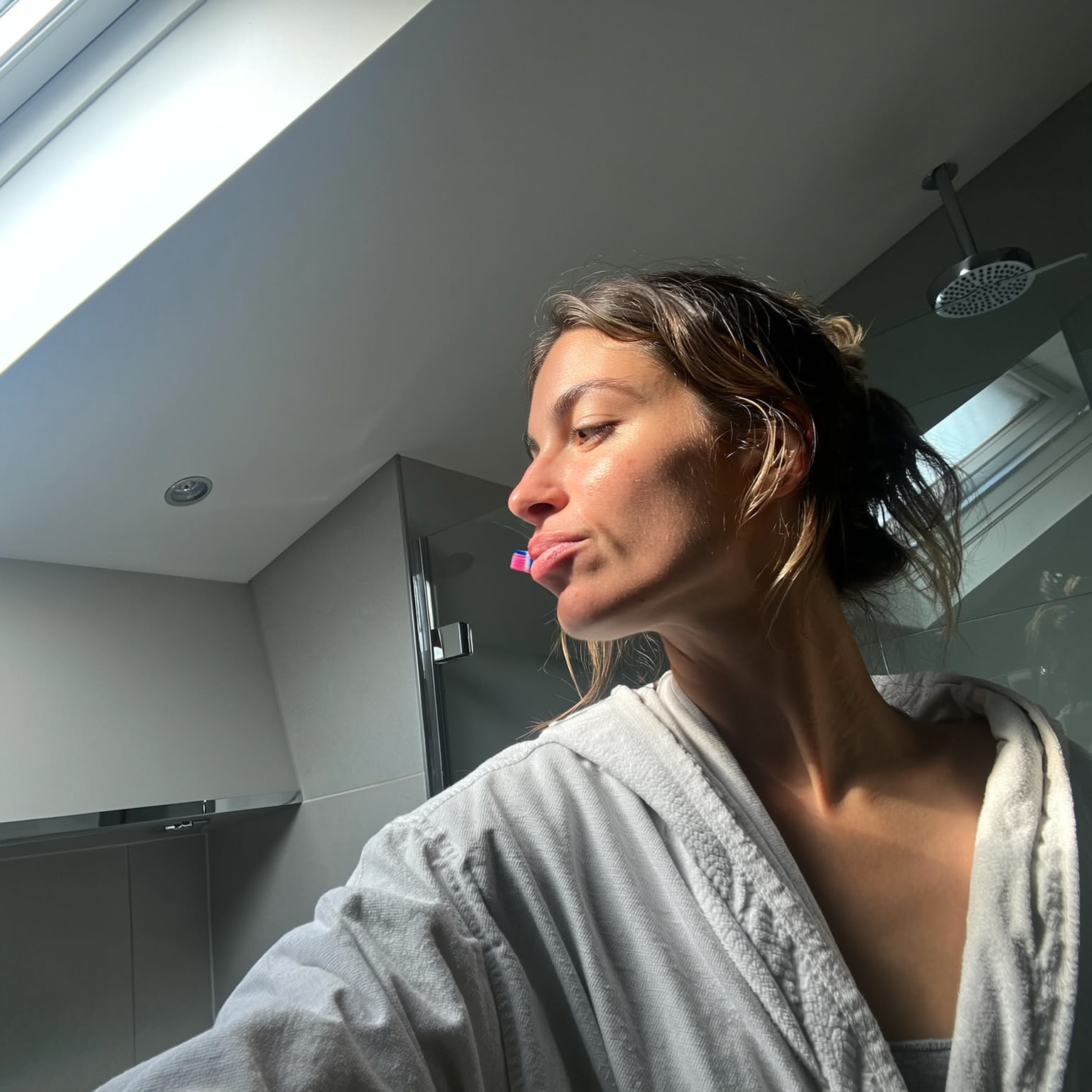
Ran for 58 days, from January 8 to March 7, 2026, the last day Crush saw it.
Run by Rachel Monroe on Facebook. Crush is not the advertiser and does not verify its claims. See this ad in Meta's Ad Library(opens in a new tab)
Want an ad like this for your product?
Crush makes new ad images for your product from this ad: your logo, your product photo, your offer.
Trials from $19.95 USD, then $79.95 USD a month. Cancel anytime.
About this ad
- Meta Ad Library ID
- 1421813882626588
- Platforms
- Facebook, Instagram, Audience Network, Messenger and Threads
- Relaunches
- 0
- Niche
- Home & Garden
Ad text
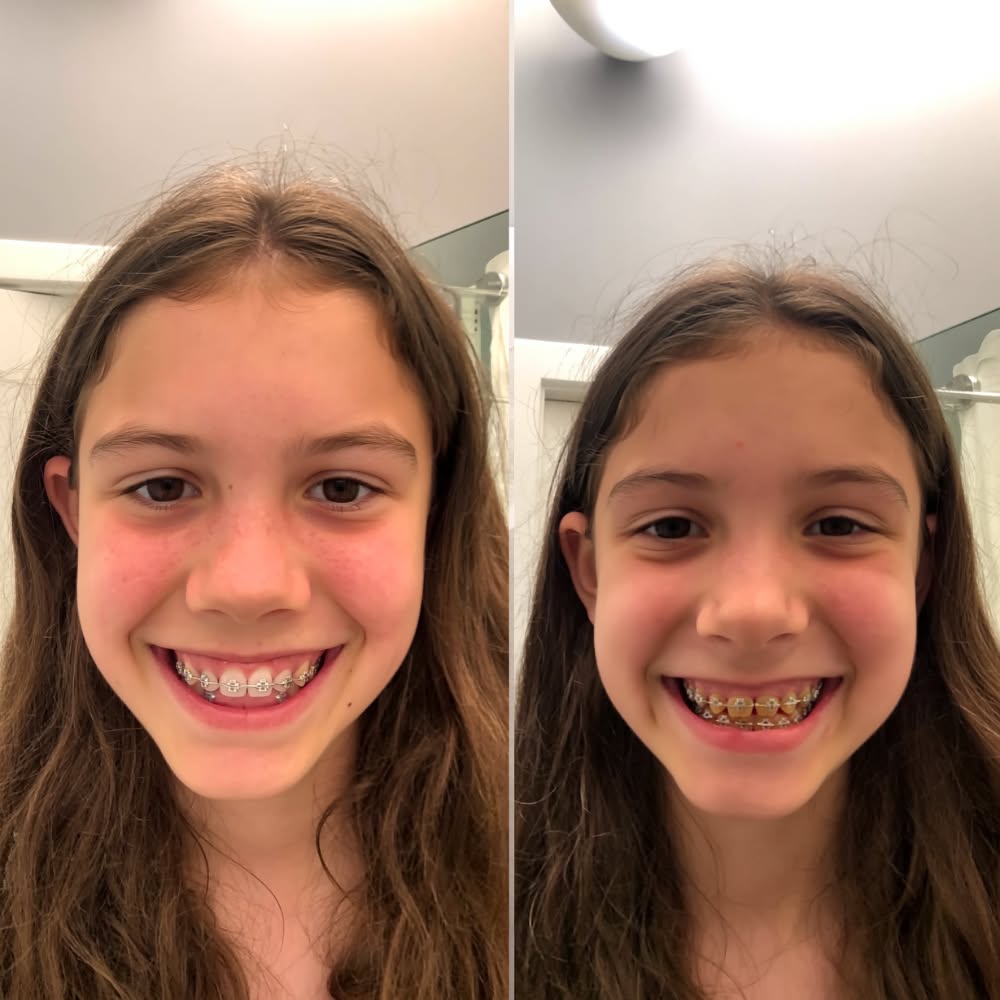
My daughter's dentist asked me a question I wasn't expecting. "Has Maisie been using something different to brush her teeth?" I froze. That's never a good way to start a dental appointment. "Why? What's wrong?" She looked up from examining Maisie's mouth, genuinely confused. "Nothing's wrong. That's why I'm asking. Her teeth are cleaner than I've ever seen them. And she's seven. Seven-year-olds don't have teeth this clean." Here's what you need to understand: I run a consulting practice. I've made everything in my life work better. Our home runs on systems. The car schedules its own service. The heating adjusts itself. Our calendar syncs across five devices. But every night at 7:30 PM, I was still on my knees in the bathroom, manually brushing my daughter's teeth while she fought me. Twenty minutes per night. That's 121 hours a year. My husband called it "character building." I called it madness. We have a machine that makes perfect coffee in 19 seconds, but we were using the same tooth-cleaning method from 1955? It bothered me. Really bothered me. Not just the time—though losing 121 hours hurt—but the sheer waste of it all. I mentioned this at a dinner party. You should've seen the looks. Like I'd complained about breathing manually. "It's just part of parenting," someone said. But why? We've automated everything else. Why are we still manually scrubbing teeth like cave people with fancy electric sticks? I started looking into it one night after Maisie was asleep. Not desperately. Carefully. The same way I look into business investments. Electric toothbrushes for kids. 1,847,000 results. All versions of the same old idea: bristles on a stick that you manually move around 20 tiny surfaces while a small person fights you. Even the "smart" ones just added timers and songs. Like putting Bluetooth in a horse carriage. Then I found something different. U-shaped toothbrushes. The entire mouth at the same time. Thirty seconds total. My first thought: This is either amazing or complete rubbish. I looked into the research. Most were rubbish. Cheap silicone things from dropshippers. The reviews were terrible—dentists calling them "expensive mouth toys." But buried in a dental journal from Switzerland, I found something interesting. The Swiss have been using U-shaped cleaners in dental offices for years. Same idea as jewellery cleaners. High-speed movements create tiny bubbles that blast away debris. The technology works. In professional settings. With £30,000 machines. The consumer versions failed because they used weak motors and soft silicone to hit a £15 price point. Like putting a lawn mower engine in a Ferrari. But what if someone built one correctly? Real bristles. Actual cleaning power. Proper engineering. I kept searching. At 1:47 AM, I found it. A small company in Cambridge. Founded by an engineer whose autistic son couldn't handle traditional brushing. They'd spent three years developing a U-shaped brush that actually worked. The specs were insane. 48,000 sonic movements per minute—the same speed dental cleaners use. Nylon bristles at the precise angle for plaque removal. Medical-grade construction. It was called the BeamSmile One. It cost £39. Less than a nice dinner out. I ordered two immediately. They arrived three days later in packaging that looked like it contained medical equipment. Which, basically, it did. That night, I didn't tell Maisie anything was different. Just handed her this sleek U-shaped device. "Put it in your mouth and press the button." She looked suspicious. Put it in anyway. Pressed the button. Thirty seconds later: "That's it?" "That's it." She rinsed. The water was cloudy. Ran her tongue over her teeth. "They feel really clean." No argument. No standing over her. No checking if she did the back teeth. The next morning took 11 minutes. Total. Maisie dressed, teeth cleaned, hair brushed, downstairs for breakfast. I'd got back 9 minutes every morning, 20 minutes every night. That's 176 hours each year. Over seven full days of my life back. But here's what really convinced me: Two weeks later, I bought professional disclosure tablets. The kind that turn plaque bright pink. I needed to know if this was actually working or just faster failure. Maisie chewed one. Rinsed. Smiled. Nothing. No pink. Anywhere. For comparison, I had her skip one night and use the tablet the next morning. Her teeth looked like a pink leopard. One night of buildup, completely visible. Then thirty seconds with the BeamSmile One. Pink gone. Completely. I took photos. Still have them saved. Three months later, at her dental checkup, Dr. Warren was stunned. Zero plaque. Zero redness. The hygienist barely had anything to clean. That's when she pulled me aside. She explained what I'd suspected: most parents think they're doing a good job with manual brushing. They're not. Kids do maybe 30% of what's needed. Parents watching might achieve 60%. But the BeamSmile One? It reaches everywhere. Between teeth. Under gumlines. Behind molars. Places no manual brush can properly access. It's not about being lazy. It's about being effective. I did the maths. At £39 each, these devices cost £0.05 per day over their warranty. Our coffee pods cost £0.38 per day. The company I found? They can barely keep up with demand from families who've discovered them. No advertising. Just word-of-mouth from parents who can't believe they spent years doing things the hard way. They don't sell on Amazon. Won't sell wholesale to Boots or Superdrug. They'd rather make 10,000 perfect devices than 100,000 poor ones. I respect that. It's the same approach I use in my firm: do fewer things really well. I've told five families about this since. Three have ordered. All reported back the same thing: their dentists noticed at the next checkup. One father was skeptical. "If it's that good, why isn't it everywhere?" I explained: they launched eighteen months ago, no advertising, just recommendations. Growing slowly. Deliberately. He ordered one. Texted three weeks later: "My dentist asked what we'd changed." Here's what nobody tells you about parenting: you're supposed to fight certain battles. Homework. Screen time. Vegetables. But tooth brushing? That shouldn't require combat. We've automated nearly everything else. Cleaning. Cooking. Navigation. The only reason we were still manually brushing was because that's how it's always been done. Bedtime used to take 50 minutes at our house. Twenty minutes of tooth-brushing warfare. Another thirty getting Maisie calm enough to sleep. Now it takes 18 minutes total. Thirty seconds for teeth. The rest is stories and conversations instead of tears. That's 32 minutes back every night. 195 hours per year. Not spent on my phone. Spent with my daughter. Actually parenting instead of fighting over basic hygiene. Last week, my sister visited. Watched Maisie brush in thirty seconds and head happily to bed. "That seems too easy," she said. I used to think the same thing. That if something's easy, you're doing it wrong. But I don't think that anymore. Good parenting means finding what actually works. Not what we're supposed to do. What produces better outcomes with less conflict. Maisie's dental health is objectively better. Her relationship with bedtime is better. And I'm a better parent because I'm not exhausted every night. If you're still spending 20 minutes fighting over toothbrushing... If you've tried every technique and nothing lasts... If checkups still show plaque despite your best efforts... You're not failing. You're using an outdated method that doesn't work. There's a better way. Thirty seconds. Scientifically proven. And your dentist will be as surprised as ours was. The company is BeamSmile. The device is the BeamSmile One. Small British company. Won't compromise quality to scale faster. It costs £39. Less than a family meal out. But it gives you back 195 hours per year. And it works better than the method that wasted all that time. If you want to see what finally worked, click below. This might be the year you stop fighting and start enjoying bedtime.
Where the ad sends people
beamsmile.shop
Read This If Your Child Hates Brushing 👆
BeamSmile
Learn more: beamsmile.shop(opens in a new tab)