Jake Morrison
 Facebook ad: “Before The Next Blackout”
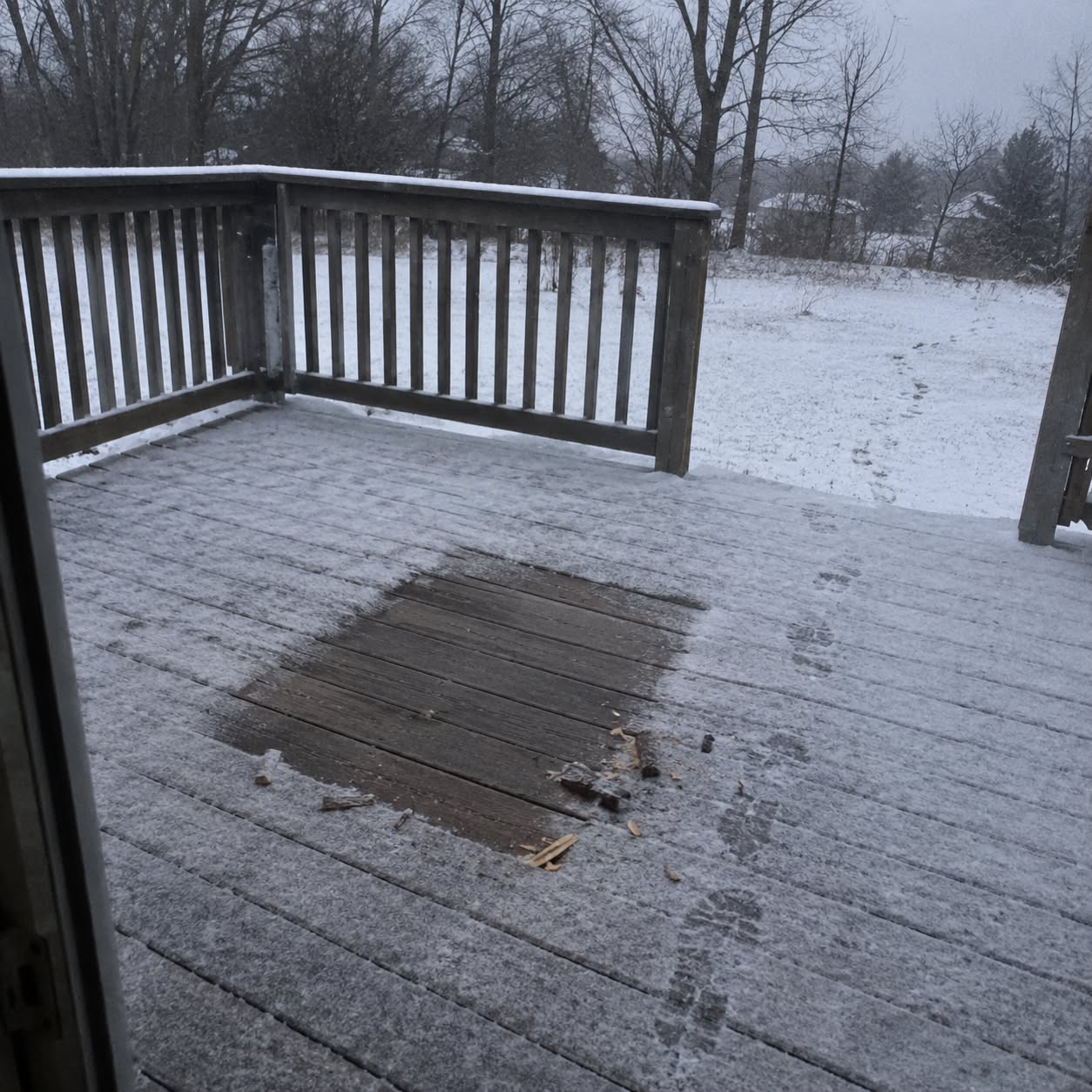
Running for 12 days since November 13, 2026. Crush last saw it on November 25, 2026.
Run by Jake Morrison on Facebook. Crush is not the advertiser and does not verify its claims. See this ad in Meta's Ad Library(opens in a new tab)
Make your own version of this ad
Crush makes it, launches it in your own Meta ad account, scales the winners and pauses the losers.
About this ad
- Meta Ad Library ID
- 1421859933264197
- Platforms
- Facebook, Instagram, Audience Network, WhatsApp and Threads
- Relaunches
- 0
Ad text
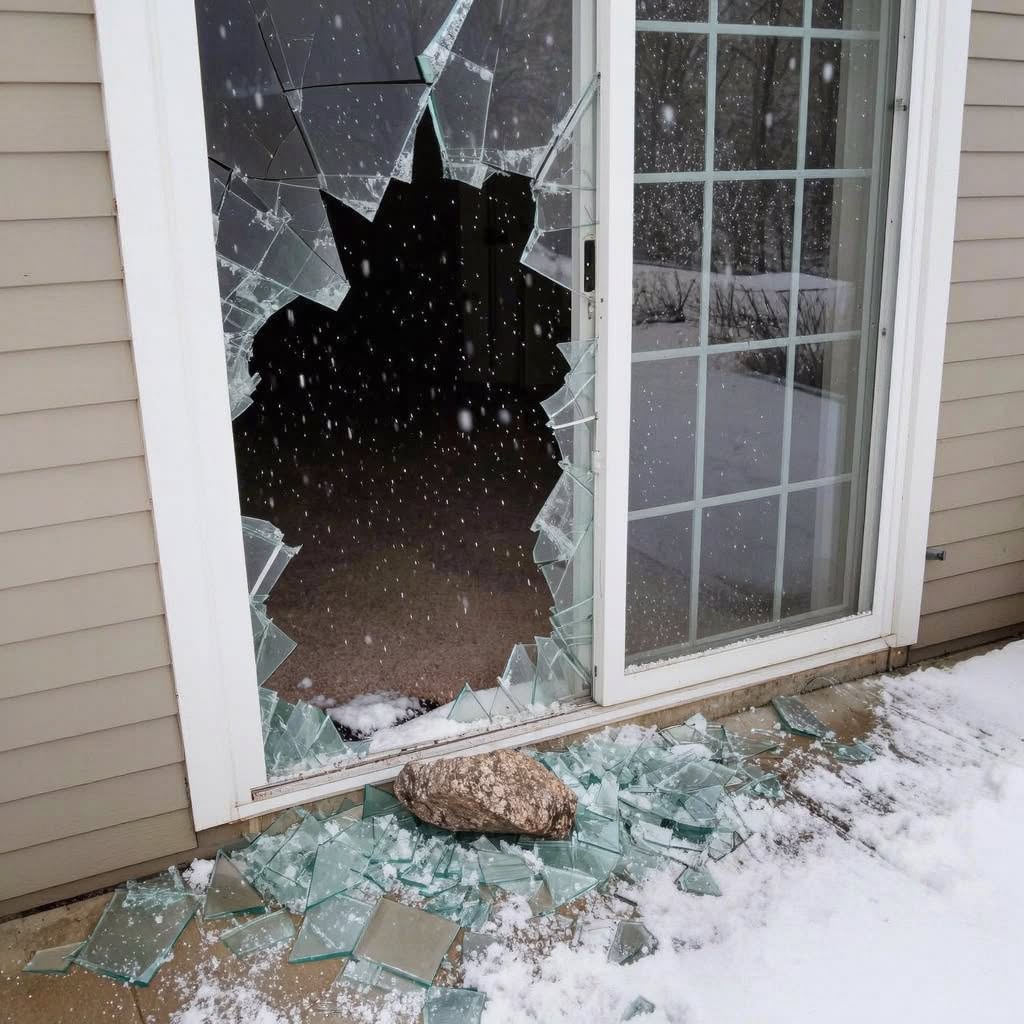
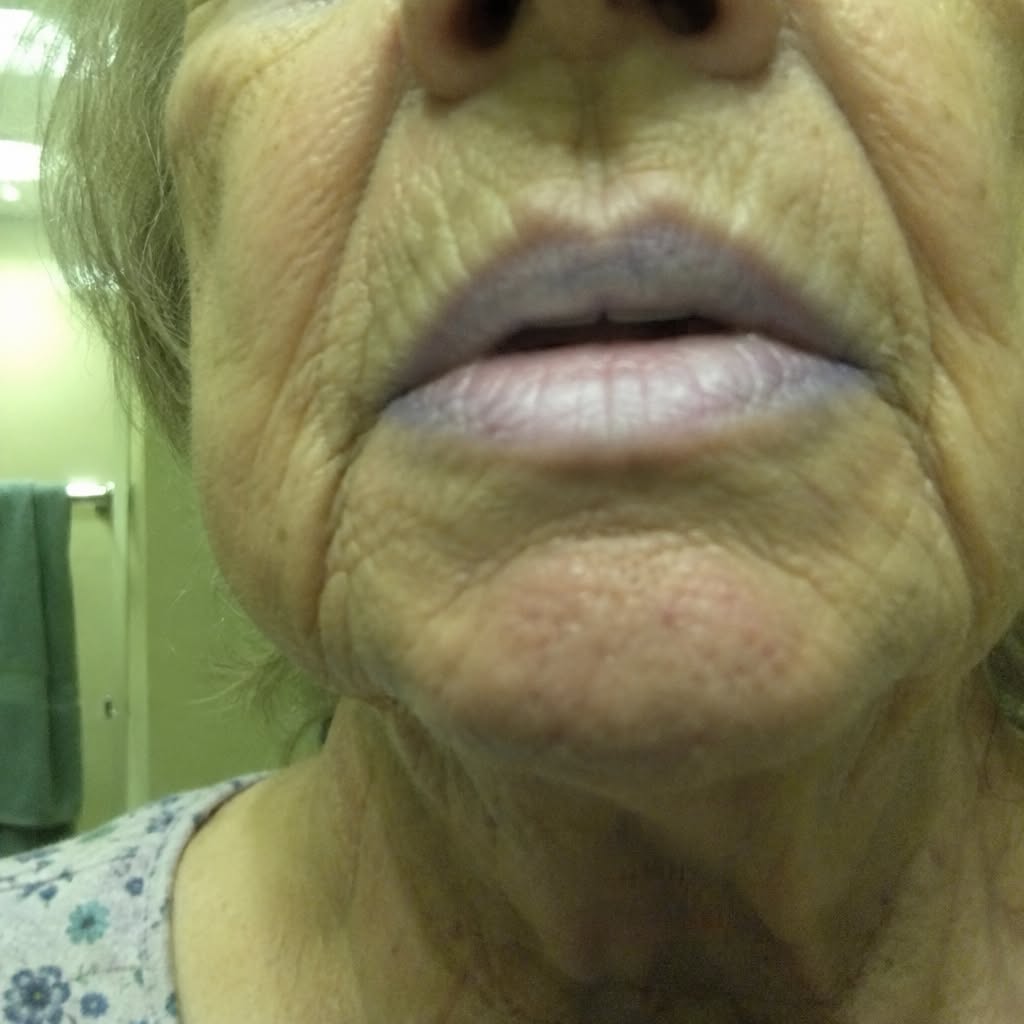
I found my neighbor's ten-year-old son trying to burn his sister's stuffed animals in the fireplace at 4am on the sixth day of the blackout, and when I asked him what the hell he was doing, he looked at me with these flat, empty eyes and said: "We ran out of wood three days ago and Emma stopped talking yesterday." I'm writing this because what I saw in that house is going to happen in a thousand houses this winter. And most of the families it happens to will never talk about it. Because what happens when you run out of heat isn't dramatic. It's not a heart attack or a fall or something you can point to and say "that's when it went wrong." It's slow. It's quiet. And by the time you realize something's broken, the breaking already happened days ago. — His name was Kyle. Ten years old. Good kid. Played soccer with my son. His little sister Emma was seven. Their dad worked offshore. Two weeks on, two weeks off. He'd left for his rotation the day before the freeze hit. Their mom Michelle was doing it alone. And she was doing everything right. Flashlights. Batteries. Canned food. Blankets. She had a fireplace. She'd even stacked wood on the back porch before the storm came. I saw her outside on day two, carrying logs in. She waved. I waved back. Day three, I saw smoke from her chimney. Smelled it too. That clean wood smoke smell that makes you feel like someone's got it handled. Day four, same thing. Day five, no smoke. I figured she was conserving. Rationing. Being smart. Day six, I woke up at 3:47am because I heard something outside. A door slamming. Then a kid's voice. High-pitched. Desperate. I pulled on my coat and boots and went out. Kyle was on his front porch in his pajamas and a jacket, trying to rip boards off the porch railing with his bare hands. No gloves. His fingers were bleeding. "Kyle. Kyle, what are you doing?" He didn't answer. Just kept pulling at the boards. I grabbed his shoulders. "Kyle. Stop. What's wrong?" He looked at me. And I will never forget his face. Not scared. Not panicked. Just... gone. "We ran out of wood," he said. "Three days ago. Mom keeps saying it's fine but Emma stopped talking yesterday and I don't know what to do." — I followed him inside. The house was colder than outside. I'm not exaggerating. The air inside that house was colder than the 18-degree air I'd just walked through. Because cold air sinks. And when you've got no heat source for days, the cold doesn't just come in through the windows. It settles into the walls. The floors. The furniture. Everything becomes a cold sink. Michelle was sitting on the couch with Emma wrapped in every blanket they owned. Emma wasn't moving. Her eyes were open but she wasn't looking at anything. Michelle was rocking her. Slowly. Like she'd been doing it for hours. "She's fine," Michelle said when she saw me. "She's just tired. She'll be fine." Her voice was flat. Mechanical. I walked closer. Emma's lips were blue. Her skin was gray. The blankets around her were stiff. Frozen. "Michelle. When's the last time Emma said something?" Michelle kept rocking. "Yesterday morning. She said she was cold. I told her I know, baby. I know." "Has she eaten?" "She won't eat. I tried. She just closes her mouth." "Michelle. She needs a hospital." Michelle looked at me like I'd said something in a foreign language. "The roads are ice. Nobody's coming. I called yesterday. They said it could be 12 hours. Maybe more." She went back to rocking. "She's fine. She's just tired." — I need you to understand something. Michelle wasn't neglectful. She wasn't stupid. She wasn't a bad mother. She was hypothermic. Her core temperature had dropped so low her brain wasn't processing reality anymore. That's what happens. You don't realize you're dying because the thing that would tell you you're dying has already shut down. Michelle thought Emma was sleeping. Emma wasn't sleeping. Emma was in stage two hypothermia. Confusion. Lethargy. Loss of motor control. Another six hours and she'd be in stage three. Unconsciousness. Cardiac arrest. Death. And Michelle would've just kept rocking her. Thinking she was tired. — I didn't call 911. I knew what they'd say. Same thing they told Michelle yesterday. 12 hours. Maybe more. Emma didn't have 12 hours. So I did the only thing I could think of. I picked Emma up — blankets and all — and carried her out of that house. Michelle didn't stop me. Didn't even stand up. Just kept rocking. Empty arms. I carried Emma across the street to my house. My wife met me at the door. Took one look at Emma's face and didn't ask questions. We had something Michelle didn't. Not a generator. Not a fireplace. Something I bought three years ago after a guy I used to work with told me a story about his cousin who died in a blackout in Pennsylvania. Thermal bivvies. Military-grade. Waterproof. Reflective lining. The kind of thing that sounds like prepper paranoia until the night you need it and don't have it. I unrolled one on the living room floor. Slid Emma inside. Sealed it around her. Left just her face exposed. Then I sat there and waited. Five minutes. Nothing. Ten minutes. Still nothing. My wife was standing behind me. I could hear her breathing fast. "Is she—" "Give it time." Fifteen minutes. Emma blinked. Slowly. Like she was waking up from surgery. Twenty minutes. She started shivering. Her whole body shaking inside that bag like she was seizing. My wife grabbed my arm. "Is that normal?" "That's good. Shivering means her body's fighting again." Thirty minutes. Emma's eyes focused. She looked at me. Looked around the room. "Where's my mom?" she whispered. — I went back to Michelle's house. She was still on the couch. Still rocking. Kyle was sitting on the floor next to the fireplace, staring at the ashes. I knelt down in front of Michelle. "Emma's okay. She's at my house. She's warming up." Michelle nodded. Didn't look at me. "You need to come with me. Both of you. Right now." "I'm fine," Michelle said. "We're fine." "Michelle. You're not fine. Your core temperature is too low. You're hypothermic. You don't know it because your brain can't process it anymore. But you are." She kept rocking. I looked at Kyle. "Kyle. Get your coat. You're coming with me." Kyle stood up. Put his coat on. Didn't argue. I pulled Michelle to her feet. She didn't resist. Didn't help either. Just stood there swaying. I walked them both across the street. Got them inside. Got them into bivvies. Sealed them up. And then I sat on my couch and watched three people come back from something they didn't even know they were dying from. — Michelle cried for two hours straight once her body temperature came back up. Not because Emma almost died. Because she didn't know. She thought Emma was sleeping. She thought Kyle was fine. She thought she was handling it. And the whole time, all three of them were shutting down. "I had blankets," she kept saying. "I had so many blankets. Why didn't they work?" I told her what I'd learned three years ago. What the guy I used to work with told me after his cousin died. Cotton and wool absorb moisture. Breath. Sweat. Condensation. Once they get wet — even just damp — they stop insulating. They start conducting. They pull heat out of your body faster than your body can make it. And the worst part is you don't feel it happening. You just get tired. Then confused. Then you stop thinking clearly. And then you die under six blankets thinking you're fine. Michelle's wood ran out on day three. Her blankets soaked through by day four. By day five, all three of them were hypothermic. And nobody knew. Not Michelle. Not the kids. They just thought they were tired. Cold and tired. That's how it happens. —- Michelle's husband got home four days later. Roads finally cleared enough for him to drive back. He walked into my house and saw his family on my couch, wrapped in green bags, drinking hot soup. He looked at me. "What happened?" I told him. He didn't say anything for a long time. Then he asked: "Where do I get those bags?" I wrote it down for him. TerraShell. He ordered twelve that night. One for every room. One for every car. One for every family member to keep in their school bag or work truck. "I'm offshore two weeks a month," he said. "I can't be there when the power dies. But these can." — Here's what nobody tells you about winter blackouts. They're not rare anymore. Texas. Tennessee. Michigan. Pennsylvania. North Carolina. Every winter now, the grid fails somewhere. Ice. Wind. Overload. And every winter, people die in their own homes under their own blankets thinking they're fine. The CDC doesn't call it hypothermia in the reports. They call it "cold-related death." Makes it sound like something that happens outside. It doesn't. It happens inside. In beds. On couches. Under piles of blankets that stopped working three days ago. And the people dying don't know they're dying because hypothermia shuts down the part of your brain that would tell you something's wrong. You just get tired. And confused. And then you're gone. — It's late September now. You've got maybe six weeks before the first freeze. Maybe eight if you're lucky. And I need you to hear this. Your blankets will fail you. Not because they're cheap. Not because you didn't buy enough. Because cotton and wool absorb moisture and wet fabric kills. Your fireplace will fail you. Because wood runs out. Chimneys clog. Carbon monoxide doesn't smell like anything until you're already unconscious. Your generator will fail you. Because fuel runs out and gas stations don't work without power. Everything you think will save your family has a fatal flaw. Except one thing. The thing that doesn't need fuel. Doesn't need power. Doesn't need wood or maintenance or anything external. Just your body's own heat reflected back to you by a material that doesn't absorb moisture. Wind barrier. Moisture barrier. Heat reflector. That's the whole thing. That's what saved Emma. That's what saved Michelle and Kyle. That's what's sitting in my hall closet right now waiting for the next time the grid fails. Because it will fail. This winter. Next winter. The winter after that. The grid is not getting more reliable. It's getting worse. And when it fails in January at 11pm when it's 9 degrees outside and your kids are asleep and you've got nothing but blankets— You're going to find out whether your plan actually works. I watched a ten-year-old boy try to burn his sister's stuffed animals because he didn't know what else to do. I carried a seven-year-old girl out of her own house because her mother's brain had stopped working and didn't know her daughter was dying. I sat on my couch and watched three people come back from something they didn't even know was killing them. And the only reason they're alive is because I had six green bags in my closet that cost thirty bucks each. That's it. That's the difference between Emma waking up and Emma not waking up. Thirty dollars. — I put the link below. If you've got kids. If you've got parents. If you've got anyone you'd wrap in blankets when the power dies— Get them. Don't wait until November when everyone else panic-buys and they're sold out. Don't wait until the first freeze when you're standing in your kitchen at 3am realizing your plan has a fatal flaw. Get them now. Put one in every bedroom. One in every car. One in every place someone you love might be when the grid fails. Because it will fail. And when it does, you'll either have an answer or you'll be Michelle. Rocking empty arms. Thinking everything's fine.
Where the ad sends people
tryterrashell.com
Before The Next Blackout
TerraShell uses "Radiative Mirror" technology to reflect 90% of your body heat back to you — creating a warm, insulated barrier in seconds.
Learn more: tryterrashell.com(opens in a new tab)