Jake Morrison
 Facebook ad: “Warmer than your quilts”
Ran for 11 days, from November 9 to November 20, 2026, the last day Crush saw it.
Run by Jake Morrison on Facebook. Crush is not the advertiser and does not verify its claims. See this ad in Meta's Ad Library(opens in a new tab)
Make your own version of this ad
Crush makes it, launches it in your own Meta ad account, scales the winners and pauses the losers.
About this ad
- Meta Ad Library ID
- 1470576481866802
- Platforms
- Facebook, Instagram, Audience Network, WhatsApp and Threads
- Relaunches
- 0
Ad text
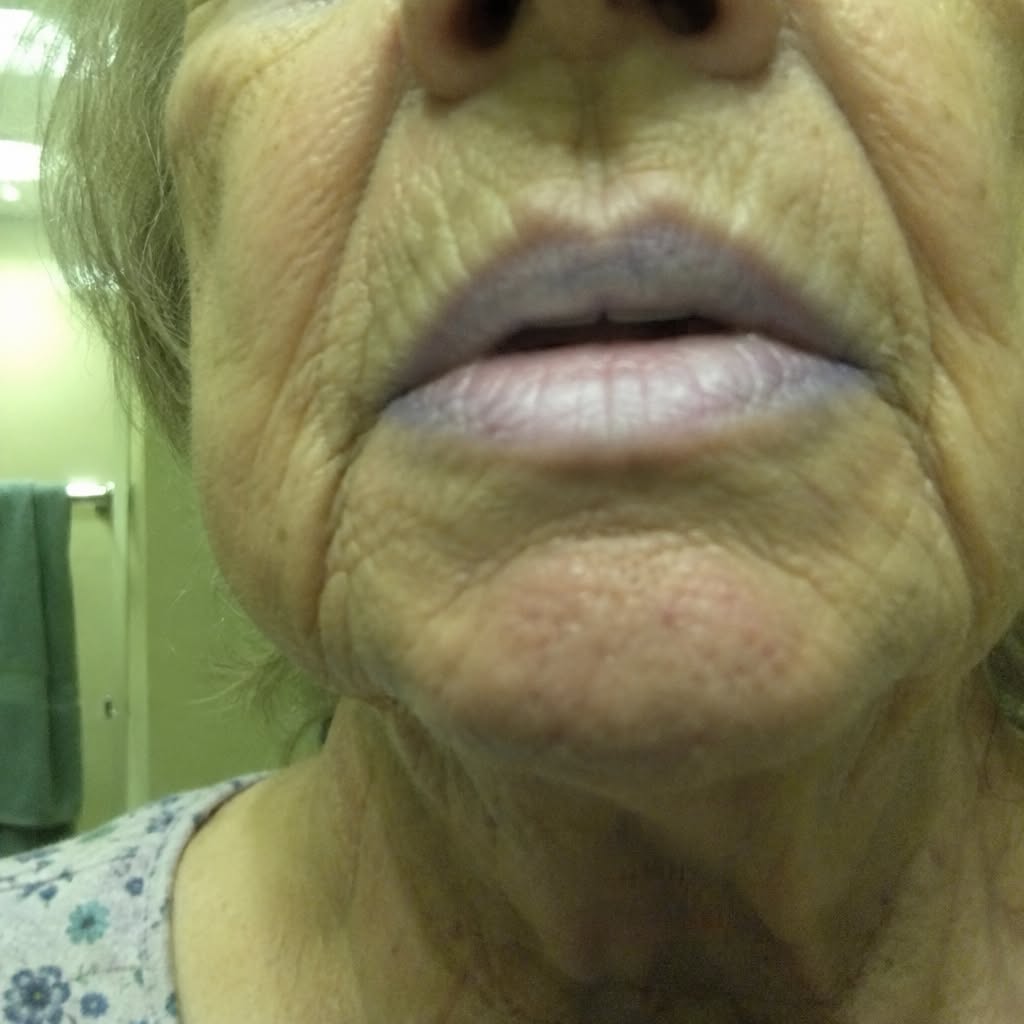
My daughter asked me why Grandma's lips were blue and I realized my mother had been sitting at our kitchen table not talking for forty minutes because she was too cold to form words. I'm writing this because what happened in my kitchen that morning is happening right now in someone else's kitchen. And nobody's noticing. Because when hypothermia starts, it doesn't announce itself. It doesn't make noise. It just makes people quiet. And we mistake quiet for fine. — My mother is 68. Lives alone. Twenty minutes away. Independent. Proud. The kind of woman who raised four kids by herself and doesn't ask for help. She comes over every Sunday for breakfast. Has for years. It's our routine. Me, my husband, our two kids. And my mom. Pancakes. Coffee. Chaos. The Sunday after the ice storm, she showed up at 9am like always. Came in through the garage. Hung up her coat. Sat down at the kitchen table. "Morning, Mom. Coffee?" She nodded. I poured her a cup. Set it in front of her. She wrapped both hands around it. Didn't drink it. Just held it. My daughter Emma climbed into the chair next to her. "Hi Grandma." My mom smiled. Didn't say anything. Emma started talking. The way six-year-olds do. About her stuffed animals. About a dream she had. About a boy at school who ate a crayon. My mom nodded along. But she didn't respond. Not unusual. My mom's a listener. Always has been. I made pancakes. My husband set the table. Emma kept talking. Twenty minutes went by. My mom hadn't said a word. She was still holding her coffee. Both hands wrapped around it. It had to be cold by now. I set a plate of pancakes in front of her. "Mom, you want butter?" She looked at the pancakes. Then at me. Nodded slowly. I put butter on her plate. She didn't touch it. Just sat there. Hands around her coffee cup. Staring at the pancakes. Emma was still talking. "And then the teacher said we can't bring toys anymore because someone brought a lizard and it got loose and Grandma are you cold?" I looked up from the stove. "What, honey?" Emma was staring at my mother. "Grandma's lips are blue." — I walked over. Looked at my mom. Emma was right. Her lips were pale. Tinged blue at the edges. "Mom?" She looked at me. Slow. Like it took effort to move her eyes. "Mom, are you okay?" She opened her mouth. Nothing came out. She tried again. "I'm..." Her voice was barely a whisper. "I'm fine." But she wasn't fine. I touched her hand. Ice cold. "Jesus. Mom, how long have you been cold?" She didn't answer. I looked at my husband. "Get a blanket. Now." He ran upstairs. I knelt next to my mother. "Mom, when did you start feeling cold?" She looked at me. Confused. "I don't... I don't know." "Is your heat out?" She nodded. Slow. "Since when?" "Friday." Friday. It was Sunday. Two days. "Mom, why didn't you call me?" "I thought... it would come back on." My husband came back with two blankets. We wrapped them around her. She didn't react. Just sat there. I pulled out my phone. Called 911. "I need an ambulance. My mother is hypothermic." The dispatcher asked questions. I answered them. How long had she been cold. What was her body temperature. Was she conscious. "She's conscious but she's not talking. She's been sitting at my kitchen table for forty minutes and I just realized she hasn't said more than three words." They said they'd send someone. ETA eight minutes. I hung up. Looked at my mom. She was staring at the pancakes. "Mom, why didn't you tell me you were cold?" She looked at me. "I didn't want to ruin breakfast." — The paramedics arrived six minutes later. They took her temperature. 94.8 degrees. Stage two hypothermia. They wrapped her in heated blankets. Started an IV. Asked her questions. What day is it. What year. Who's the president. She got the day wrong. Couldn't remember the year. One of the paramedics looked at me. "How long has she been here?" "About forty-five minutes." "And you didn't notice anything wrong?" "She wasn't talking. But my mom doesn't talk much. She's quiet." He looked at my mother. "Ma'am, when did your heat go out?" "Friday night." "And you've been in your house since then?" She nodded. "With no heat?" "I had blankets." "Did you call anyone?" She shook her head. "Why not?" She looked at me. Then back at him. "I didn't want to bother anyone." — They took her to the hospital. Kept her for observation. Warmed her up slowly. Monitored her vitals. By that evening, her core temperature was back to normal. Her doctor came in to discharge her. "You're lucky," he said. "Another few hours and we'd be having a different conversation." My mom nodded. He looked at me. "She needs to stay somewhere warm. Her house still doesn't have power?" "I don't know. I'll check." "Don't send her back there until it does. And even then, she needs to understand how serious this was." He turned to my mom. "Mrs. Patterson, you were in stage two hypothermia when you arrived. Do you know what that means?" "I was cold." "You were dying. Your body temperature was 94 degrees. Normal is 98.6. At 94, your brain starts shutting down. You lose coordination. You can't think clearly. You can't speak properly." He paused. "You sat at your daughter's kitchen table for forty-five minutes and nobody realized you were dying because you were too cold to tell them." My mom looked down. "I didn't want to ruin breakfast." — She stayed with us that week. I went to her house the next day to check on things. The power was back on. Had been since Sunday afternoon. While she was in my kitchen. While her lips were turning blue. The heat had come back and she wasn't there to feel it. I walked through her house. It was 71 degrees. Warm. Comfortable. I went to her bedroom. Her bed was piled with blankets. Six of them. Maybe more. All of them pushed to the side like she'd been sleeping under them and gotten up. I checked the kitchen. Empty coffee cup in the sink. From Saturday morning, probably. I checked the living room. Her coat was on the couch. Her purse next to it. She'd gotten dressed Sunday morning. Put on her coat. Driven to my house. And the entire time, she'd been hypothermic. Too cold to think clearly. Too cold to speak. But not too cold to drive. Not too cold to walk into my house and sit down at my table and pretend everything was fine. Because that's what she's always done. Pretended everything was fine. Even when it wasn't. — The doctor gave me a pamphlet before we left. "Hypothermia in the Elderly." I read it in the hospital parking lot. It said elderly people are at higher risk because their bodies don't regulate temperature as well. It said they often don't realize they're cold until it's too late. It said hypothermia makes people quiet, confused, and lethargic. And it said families often mistake these symptoms for normal aging. We think they're tired. We think they're having a quiet day. We think they're fine. We don't realize they're dying. Because dying from cold doesn't look like dying. It looks like someone who doesn't want to bother anyone. — At the bottom of the pamphlet was a section on prevention. Emergency heat sources. Blankets. Layers. Sleeping bags. And one line that I read three times. "Heat-reflective bivouacs provide passive warming without power or fuel and are recommended for elderly individuals living alone." I looked it up that night. TerraShell. Heat-reflective bivys. Military-grade. Waterproof. Aluminized film lining. You get in. It reflects your body heat back. You stay warm. No power. No fuel. No setup. I read reviews from families who'd bought them for elderly parents. From people who kept them in their cars. From emergency responders who said they'd saved lives. I ordered four. When they arrived, I took two to my mom's house. Showed her how to use them. "Mom, if your heat ever goes out again, you don't pile on blankets and wait. You get in one of these. Immediately." She looked at them. "They look like sleeping bags." "They're better than sleeping bags. They reflect your body heat back to you. You stay warm for hours. Days if you need to." I put one in her bedroom closet. One by the front door. "If you're cold, you get in. You don't wait. You don't think about it. You just get in." She nodded. But I could see it in her face. She was humoring me. She didn't think she'd ever need them. — I need you to understand something about my mother. She's not careless. She's not stupid. She spent two days in a house with no heat and didn't call anyone because she didn't want to bother us. That's who she is. That's who a lot of elderly people are. They don't want to be a burden. They don't want to bother their kids. They don't want to admit they need help. So they sit in cold houses under piles of blankets thinking they're fine. And by the time they realize they're not fine, their brains aren't working well enough to ask for help. My mother drove to my house on Sunday morning with a core temperature of 94 degrees. She walked into my kitchen. Sat down. Smiled at her granddaughter. And didn't say a word for forty minutes because she was too cold to form sentences. Not because she didn't want to talk. Because her brain had started shutting down and she didn't even know it. If Emma hadn't noticed her lips. If Emma hadn't asked why Grandma looked blue. My mother would've sat there until she lost consciousness. At my kitchen table. Surrounded by her family. And we would've thought she was just being quiet. — I think about that morning a lot. Forty minutes. She sat there for forty minutes. And I didn't notice. I was making pancakes. Setting the table. Refilling coffee. And my mother was dying three feet away from me. Because I thought quiet meant fine. I thought she was just listening to Emma talk. I thought she was tired from the drive. I didn't think she was hypothermic. Because hypothermia doesn't look like an emergency. It looks like someone having a quiet morning. — Emma asks about it sometimes. "Why were Grandma's lips blue?" I tell her Grandma got very cold and her body wasn't working right. "Is she okay now?" "Yes. She's okay now." "Is she going to turn blue again?" "No, baby. We made sure she has things to keep her warm." Emma thinks about this. "You should check on her. To make sure." "I do check on her." "Every day?" "Yes. Every day." And I do. I call my mom every morning now. "How are you feeling? Is your house warm?" She always says yes. But I don't trust yes anymore. Because my mother said she was fine while her lips were turning blue. — It's late September now. You've got maybe six weeks before the first freeze. Maybe eight if you're lucky. And I need you to hear this. Your mother is my mother. Or your grandmother is my mother. Or you are my mother. Sitting in a cold house thinking you're fine. Thinking you don't want to bother anyone. Thinking the heat will come back on soon. Thinking you'll just wait it out under some blankets. Until you can't think anymore. Until you can't speak anymore. Until you're sitting at someone's kitchen table with blue lips and nobody notices because you've always been quiet. — My mother didn't die that Sunday. But she could have. If we'd been running late. If Emma had been watching TV instead of sitting next to her. If my daughter hadn't asked why Grandma's lips were blue. My mother would've sat there until she lost consciousness. And we would've called 911. And they would've said "why didn't you notice sooner?" And I wouldn't have had an answer. Because I didn't notice. For forty minutes, I didn't notice. And that's what I'll carry for the rest of my life. — I put the link below. If you have elderly parents. If you have a mother who doesn't want to bother anyone. If you are the person who'd rather freeze than ask for help… Get them. Don't wait until November when everyone else panic-buys and they're sold out. Don't wait until the first freeze when your mother's heat dies and she decides to tough it out. Get them now. Put one in her bedroom. One by her front door. Show her how to use them. Tell her: if the heat dies, you don't wait. You don't pile on blankets. You get in this. Immediately. Before you get cold. Before you get confused. Before you drive to your daughter's house and sit at her kitchen table not talking for forty minutes because you're too cold to form words. Because it will happen. And when it does, you'll either have an answer. Or you'll be me. Making pancakes while your mother dies three feet away. And your six-year-old daughter will be the one who notices. Not you. https://tryterrashell.com/pp
Where the ad sends people
tryterrashell.com
Warmer than your quilts
TerraShell uses "Radiative Mirror" technology to reflect 90% of your body heat back to you — creating a warm, insulated barrier in seconds.
Learn more: tryterrashell.com(opens in a new tab)