Jillane Smith
Jillane Smith Facebook ad: “I sat at my desk for four hours and didn't touch my phone…”
Ran for 3 days, from August 16 to August 19, 2026, the last day Crush saw it.
Run by Jillane Smith on Facebook. Crush is not the advertiser and does not verify its claims. See this ad in Meta's Ad Library(opens in a new tab)
Want an ad like this for your product?
Crush makes new ad images for your product from this ad: your logo, your product photo, your offer.
Trials from $19.95 USD, then $79.95 USD a month. Cancel anytime.
About this ad
- Meta Ad Library ID
- 1427455649194993
- Platforms
- Facebook, Instagram, Audience Network, Messenger and Threads
- Relaunches
- 1
- EU reach
- 1
Ad text
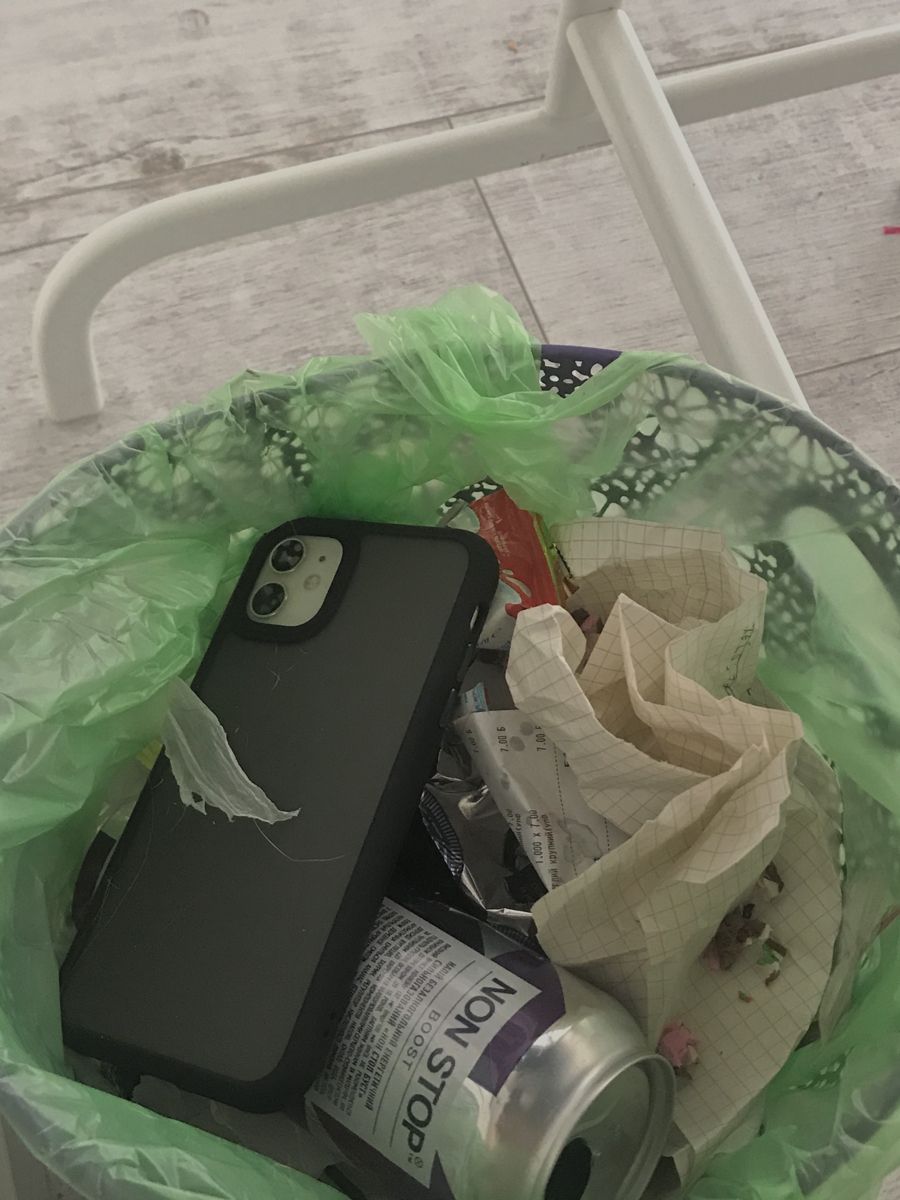
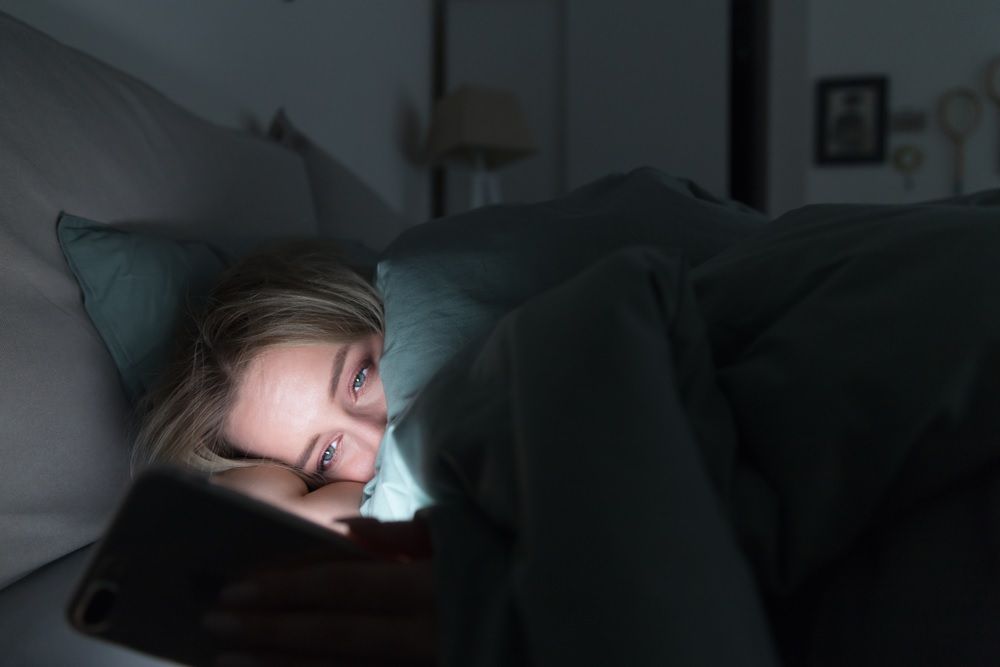
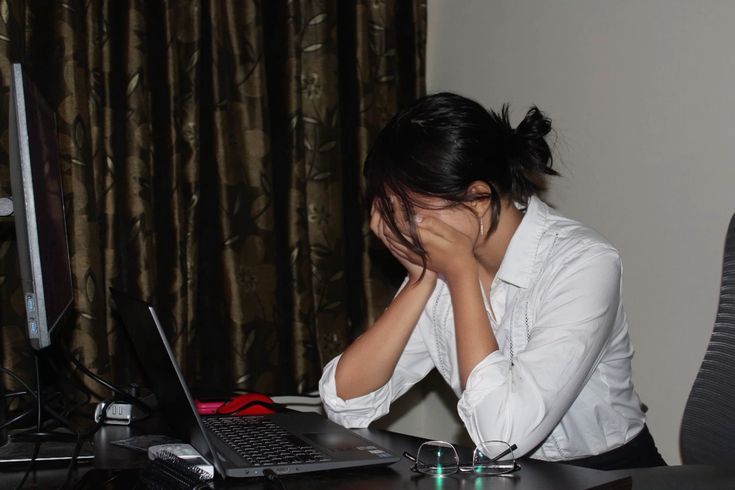
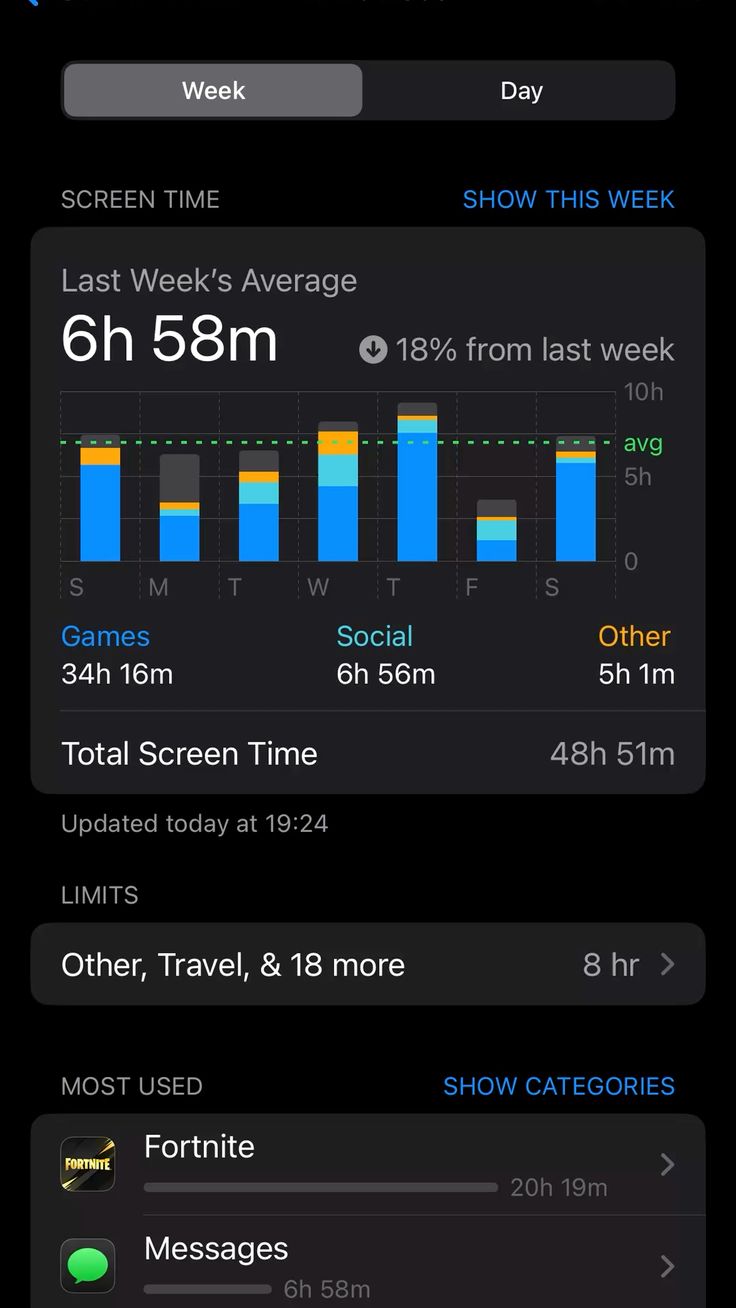
I can scroll my phone for two hours without looking up. I cannot work on a deadline for twenty minutes without my hand reaching for it. A project that should have taken two hours took me all day last Tuesday. I submitted it at 11pm. I'd been at my desk since eight in the morning. — I need to tell you about that Tuesday. Because that was the day I stopped calling this a bad habit and started understanding it as something I didn't actually control. I knew what the project needed. I'd done it a hundred times. I sat down at my desk at eight in the morning with a full cup of coffee and opened the file. Within fifteen minutes my hand was on my phone. I didn't decide to pick it up. I didn't think: I'll just check for a second. My hand moved before my brain was involved. I looked at what I'd opened — a notification, then a thread underneath it, then something someone had posted that had nothing to do with anything — and when I looked back at the screen I had no idea where I'd been in the project. I closed the phone. Found my place. Wrote two sentences. My hand moved again. By noon I had a paragraph. One paragraph, four hours in, for a project I do regularly and know how to do. By three in the afternoon I was starting to feel it — the low-grade dread that means the day is running out and the work isn't done. I put my phone in my bag. I took it back out ten minutes later. By seven I was in the desperate sprint. The version of working where you're not thinking clearly anymore, you're just pushing through, producing something that you know isn't your best but that exists and will be done. I submitted it at 11pm. I sat there for a while after, looking at the sent confirmation. I'd been at my desk for fifteen hours. I'd done two hours of actual work. The rest of it was phone, recovery from phone, self-loathing about phone, and trying again. I told myself I was lazy. Undisciplined. Unable to do the thing that everyone else seemed to do — just sit down and work. That was true. What I didn't understand yet was why. — Here is what confused me, and what kept me from actually fixing it for years. I am not always like this. There are days — not many, but real — when my phone sits on my desk untouched for hours. When I'm deep enough in a problem that I forget it exists. When the work is genuinely hard and new and I'm solving something I haven't solved before, and the time just goes. On those days the phone is an object in the room. I don't need it. Not because I've disciplined myself. Because my brain has something to run on. On every other day — the familiar projects, the routine tasks, the work that I know how to do and just need to sit down and do — my hand moves toward the phone before I've decided to move it. If I can work for hours without my phone when something genuinely holds me, why can't I stay in a project for twenty minutes when it doesn't? How is that the same brain? — I tried to fix it the way you fix a bad habit. Deleted Instagram. Three times. Average time before reinstalling: 51 hours. Turned on screen time limits. I overrode them every single day. Those prompts — "Your limit has been reached. Ignore limit for today?" — I have never once pressed anything other than ignore. Put my phone in another room while I worked. Walked to that room before I'd gotten through a single paragraph. Brought it back. Told myself that didn't count. Locked it in my car one morning so I'd have to make a real effort to get to it. Went to my car at 10am. Tried the Pomodoro method — twenty-five minutes of work, five-minute break. The problem was that within the twenty-five minutes my hand was already moving and there was nothing the timer could do about it. Noise-canceling headphones. Worked well for the noise. Did nothing for the phone. Told a therapist all of this. She said I should practice mindfulness. I downloaded a mindfulness app. I opened it three times. I started to believe something was genuinely wrong with me. That I was weaker than other people. That everyone else was somehow managing this and I was the only one whose hand moved without her permission. Then I found out that wasn't what was happening at all. — My friend Maya has been a neuroscientist for eleven years. We were on a walk last summer — she keeps phones in pockets, which she enforces, and I'd learned not to argue — and I told her everything. The Tuesday. The car. The mindfulness app I'd opened three times. She wasn't surprised. "Your brain isn't addicted to your phone," she said. "It's using your phone to solve a dopamine problem." She explained it the way she explains things to anyone, walking. Your brain produces its own dopamine. Dopamine is what drives focus, motivation, the ability to start things and stay with them, the sense that the work in front of you is worth staying in. Your brain builds dopamine out of raw material — magnesium and B vitamins, primarily. When the supply runs low, the brain goes looking for dopamine from the outside. Not because something is wrong with your character. Because the brain needs dopamine the way your body needs water — and when it can't make enough on its own, it seeks the fastest external source it can find. Social media is engineered to be that source. Every scroll delivers a small dopamine pulse. A new image, a notification, an unexpected piece of information. The pulses are unpredictable, which makes them more powerful. The brain learns fast that the phone is the most reliable place to get what it's missing. "It's not a discipline problem," she said. "It's a hungry brain finding the vending machine." I asked why familiar work was so much harder than novel work. She nodded like she'd been waiting for that one. "Novel problems provide their own dopamine. The brain gets stimulated by the newness. Familiar work doesn't do that — the brain has seen it before, there's no dopamine in it, so it goes looking elsewhere. That's why you can go hours without your phone when you're solving something new, and you can't stay off it for twenty minutes when you're doing something routine." I asked why it had gotten worse over the past few years. She stopped walking for a second. "Stress burns through the raw material faster than most people can replace it. The more cortisol you're running, the faster the dopamine supply depletes. The faster it depletes, the harder the brain leans on external sources. The more it leans on external sources, the less it produces on its own. The loop runs." She started walking again. "The screen time limits don't work because limiting the phone doesn't fill the supply. Your brain still needs dopamine. You just took away its fastest source. So it finds the next one — food, the same email thread you've refreshed four times. The hunger doesn't go away. It just moves." We finished the walk. I went home and started reading. — I spent two weeks in the research. What I was looking for was specific. Not whether saffron helped mood — that came up in the first ten minutes. A 2019 randomized controlled trial comparing standardized saffron extract to methylphenidate in adults with attention difficulties. Comparable outcomes on focus and attention. Different mechanism entirely. I kept reading. I wanted to know whether saffron worked the way the phone did — by delivering dopamine from outside — or whether it did something different. It does something different. The active compounds in standardized saffron extract support the brain's own production of dopamine and serotonin. Not by flooding the system from outside. By helping the brain make more of what it's supposed to make on its own. When the brain is producing its own dopamine, the work in front of you provides enough. The familiar project holds. The routine task is something you can stay in. The phone becomes something you choose rather than something your hand reaches for before you've decided. I found one formula that had what the research actually tested. Saffron extract at the clinical amount — not a label sprinkle. Magnesium bisglycinate — the form the body can absorb, the raw material the brain builds with. B6, B12, folate — the cofactors that run the production chain. Every piece of the supply line, not just one. It was called Mood Balance Plus. Two gummies in the morning. I ordered it without telling anyone. I've tried things with people watching. I couldn't do that again. — Week one I noticed nothing I could be certain of. Slightly less urgency by evening. Possibly nothing. I wrote in my notebook: don't hope yet. Week two, a Wednesday morning. I had a project. The same kind of project that had taken me fifteen hours on that Tuesday — familiar, routine, something I do regularly and know how to do. I sat down at nine. I opened the file. I started working. At noon I looked up. My phone was on the desk next to me. I hadn't touched it. Not because I'd stopped myself — I hadn't been thinking about it at all. I'd just been in the work. The project had held me the way novel problems used to hold me, before the supply ran low. I finished by 1pm. Four hours. A project that had taken me fifteen. I sat there for a minute looking at the finished document. Then I looked at my phone. Then back at the document. I didn't say anything to anyone. It felt too early to say anything. Week three something shifted at home. We were at dinner. My husband was talking — a real story, with all the details in it, going in three directions the way his stories do. Normally I track one direction and lose the others. That evening I tracked all of them. I noticed, somewhere in the middle of it, that my phone was in my bag and I hadn't thought about it once. When we were leaving he said: "That was nice." He didn't say what was nice. He didn't need to. Later I asked him something about a part of the story — a detail from the middle. He stopped. "You remember that?" I said yes. He looked at me for a second. "You haven't remembered the middle of a story in a long time," he said. Week four a colleague stopped me before a meeting. "You've been different lately," she said. "Like you're actually in the room." I told her I didn't know what she meant. "You're the first one to respond now. You're not looking at your lap. Last Thursday you remembered something from the beginning of the call and connected it to something at the end. You've never done that." I hadn't noticed I was doing it. But she was right. — It's been three months. I still use my phone. I still scroll some evenings longer than I mean to. I'm not going to pretend I've become someone I'm not. But the hand-moving-before-the-brain-decides has mostly stopped. Work takes the time it's supposed to take now. Not always — but most days. I sit down, I stay in it, I finish. That sounds simple. For the past three years it wasn't. The home stuff is downstream of that. When the work is done, I walk in the door without the day still hanging off me. I'm not depleted and distracted and trying to recover from eight hours of fighting myself. I'm just done with work, and actually here. My husband started telling me things again. The things he'd been saving. They came back. — I'm not telling you the phone is the problem. The phone is the vending machine. A hungry brain finds it because it knows where the food is. The hunger is the problem. And the hunger comes from a supply that stress depletes faster than most people can replace it. Screen time limits don't fix hunger. Deleting the app doesn't fix hunger. Willpower doesn't fix hunger. Filling the supply fixes hunger. Two gummies every morning. And now my hand stays where I put it. P.S. So many of you have asked what I'm taking. It's called Mood Balance Plus — clinical-dose saffron extract, magnesium bisglycinate, B6, B12 and folate. The amounts the research uses, not a sprinkle for the label. Go read the reviews before you decide — I did. This is the one: [link] P.P.S. Last week I finished a project by 2pm that I'd have been up until midnight for six months ago. I went for a walk after. I can't tell you the last time I went for a walk in the middle of a workday. My brain had enough. There was something left over.
Where the ad sends people
uselumexa.com
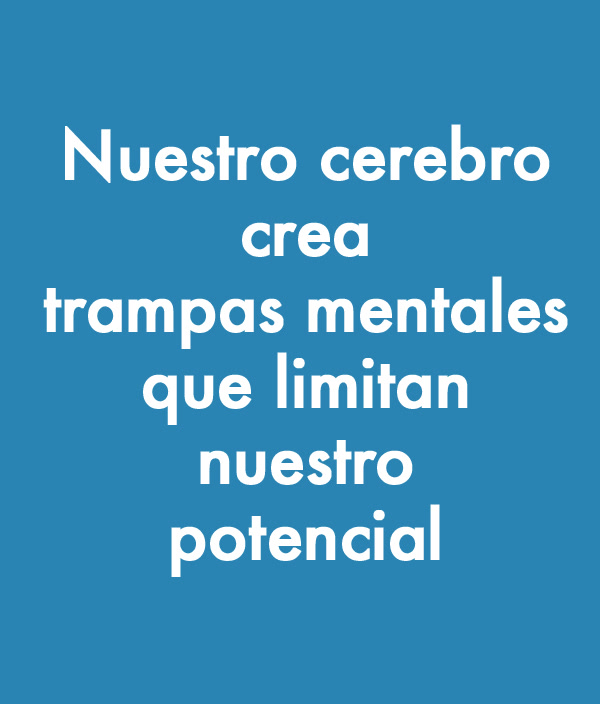
"I sat at my desk for four hours and didn't touch my phone once. I didn't even notice until it was over." — Jess K.
Lumexa
See details: uselumexa.com(opens in a new tab)