
Stopped· since Feb 24, 2026
- 137
- days it ran
- 2
- relaunches
Ad copy
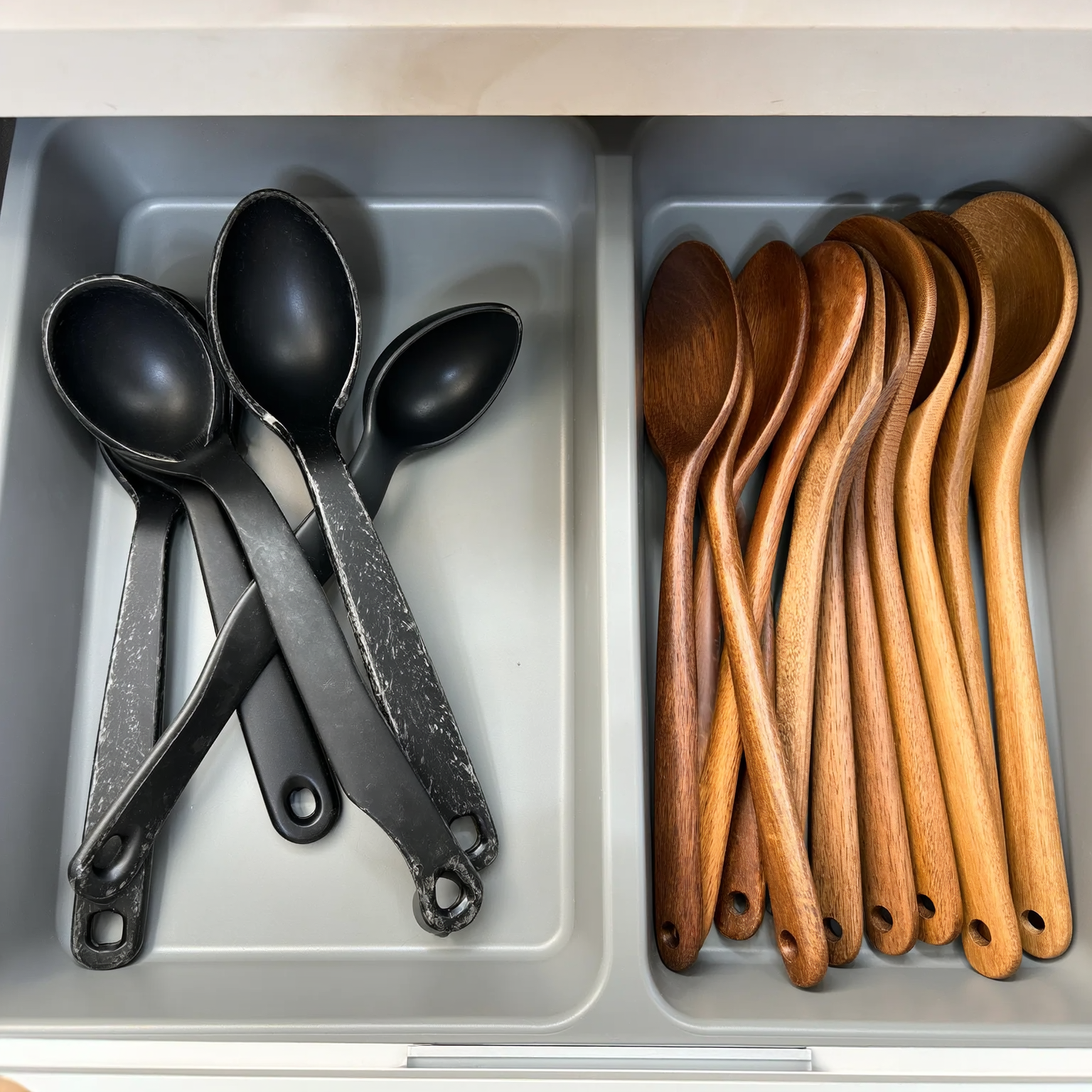
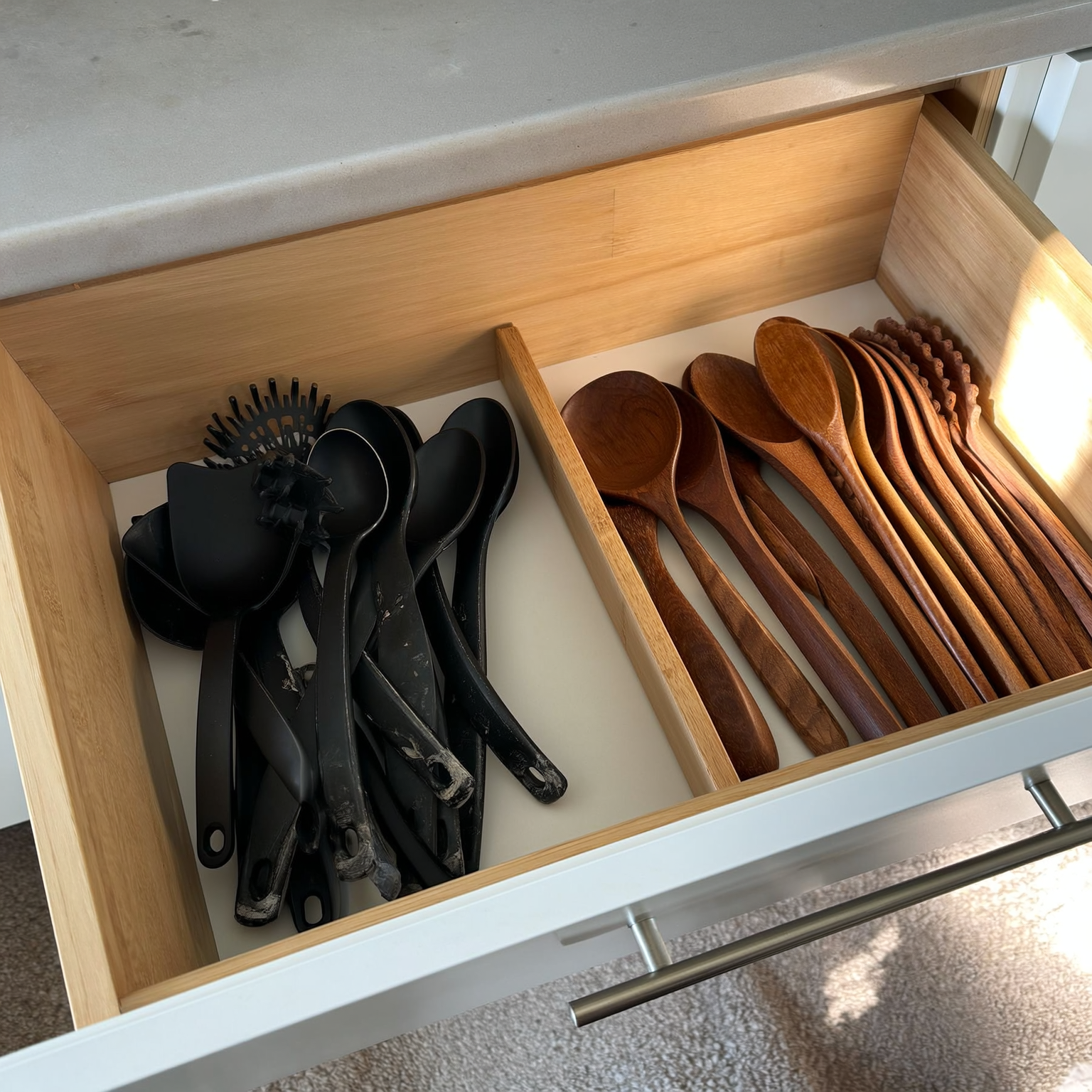
After six months on an expensive PFAS detox protocol—supplements, infrared sauna, specific foods—my naturopath was confused why my levels were barely budging. When she asked me to photograph everything in my kitchen including utensils and send it to her, her response email had three words in all caps that changed everything. I'm writing this because $2,847 and six months ago, I thought I was doing everything science recommended to reduce my PFAS burden. Today I understand that I was supporting detoxification while simultaneously reintroducing the same compounds three times daily. And if you're on any kind of environmental toxin reduction protocol but haven't addressed your cooking tools, you need to see that three-word email. Not because I want to invalidate your efforts. Because I don't want you to waste half a year detoxing while recontaminating yourself with every meal. My PFAS levels came back elevated in March. Not surprising—I'd been drinking city water for 38 years before I learned about forever chemicals. What was surprising was how high they were despite two years of conscious elimination. PFOS: 18.3 ng/mL. PFOA: 14.7 ng/mL. Multiple other fluorinated compounds detected. My functional medicine doctor, Dr. Chen, looked concerned. "These levels suggest ongoing exposure," she said. "Have you eliminated non-stick cookware?" "Two years ago. Everything's stainless steel or cast iron now." "Treated carpets? Stain-resistant furniture?" "Removed and replaced last year. Natural fibers only." She pulled out a comprehensive PFAS reduction protocol. Medical-grade supplements to support liver detoxification. Infrared sauna sessions three times weekly to promote excretion. Specific foods that bind to PFAS compounds. Activated charcoal. Chlorella. The works. "This should bring your levels down significantly in six months," she said. "Retest in September and we'll see where we are." I followed the protocol religiously. Set reminders for supplements. Bought a home infrared sauna because the gym's schedule didn't work—$1,200. Sourced organic chlorella and activated charcoal—$180 monthly. Changed my entire diet to foods that supported detoxification pathways. Documented everything in a spreadsheet. Supplement timing. Sauna sessions. Water intake. I was meticulous. Obsessive, even. This was science-based intervention and I was following the science exactly. June bloodwork showed minimal change. Dr. Chen seemed puzzled but said these things take time. "Your body has accumulated these compounds for decades. Six months is just the beginning." I intensified the protocol. Added more sauna sessions. Increased supplement dosages within safe ranges. Researched additional binding agents. Spent another $340 on specialized detox supplements recommended in a research paper. September retest: PFOS: 17.1 ng/mL. PFOA: 14.2 ng/mL. Barely moved. Six months of rigorous detoxification. Almost $3,000 spent. Levels had dropped maybe 8%. Within margin of error. Dr. Chen's message was terse: "We need to talk. These results don't make sense given your protocol adherence. Something's still exposing you." The phone consultation was frustrating. We went through everything again. Cookware—replaced. Carpets—gone. Food packaging—I'd switched to all glass and stainless steel. Water—filtered through reverse osmosis. Personal care products—all vetted for PFAS. "I need you to do something," she finally said. "Photograph your entire kitchen. Every surface. Every product. Every tool. Everything you use to prepare food. Send it all to me. There's an exposure source we're missing and we need to find it." I spent two hours photographing. Counter-to-counter documentation. Cleaners under the sink. Utensils in drawers. Pots and pans. Storage containers. Everything. Uploaded 47 photos to a shared folder at 11:23pm on a Tuesday. Her email response arrived at 6:48am Wednesday morning. Subject line: "Kitchen Review." I opened it expecting detailed analysis. Questions about products. Requests for ingredient lists. Instead, three words in all caps: "YOUR COOKING UTENSILS." Below that: "Call me immediately." I called at 7:02am. She answered on the first ring. "Your cooking utensils are silicone," she said. No greeting. Just facts. "Yes. I switched from plastic two years ago. Silicone is heat-safe, non-toxic—" "Silicone is a petroleum-based synthetic polymer. Its manufacturing can involve PFAS as processing aids. Even 'PFAS-free' silicone can leach fluorinated compounds, especially with repeated heating and food contact." My stomach dropped. "But they're marketed as the safe alternative." "Safe compared to melting plastic, maybe. But you've been doing a medical-grade detox protocol while cooking every meal with petroleum-derived tools that potentially contain the exact compounds we're trying to eliminate. It's like bailing water from a boat while someone's pouring more in." She sent me research papers while we talked. Studies on PFAS in silicone products. Data on processing aids and manufacturing contamination. Papers showing that even products marketed as PFAS-free could contain or release fluorinated compounds during normal use. "Three times a day," she said. "Breakfast, lunch, dinner. You're supporting your body's detoxification pathways with supplements and sauna while reintroducing PFAS with every meal you cook. Your levels can't drop because you're replacing what you're eliminating." After we hung up, I sat at my kitchen counter staring at my utensil holder. Eight silicone spatulas and spoons. Bright colors. Heat-resistant. "Food-safe." Tools I'd bought specifically because they were supposed to be the non-toxic choice. Tools that had been sabotaging six months of detoxification work and $2,847 in treatment. I pulled out my phone and searched what I should have searched before buying them: "PFAS in silicone cooking utensils research." Study after study. Testing showing detectable PFAS in consumer silicone products despite "PFAS-free" marketing. Papers explaining that silicone manufacturing involves fluorinated processing aids that can remain as residual contamination. Research documenting leaching from silicone products under cooking conditions. The compounds I'd been trying to eliminate from my body were in the tools I used to prepare the detox-supporting foods. The irony was crushing. I'd been so careful about everything else. Read every label. Researched every product. Followed medical protocols exactly. While using tools three times daily that undermined everything. I called my husband at work. "The detox isn't working because I've been cooking with silicone utensils." "What's wrong with silicone?" "Everything. It's petroleum-based. Can contain PFAS as processing aids or contamination. I've spent six months detoxing while recontaminating myself with every meal." That night I researched what material actually didn't contain PFAS. Not marketing claims—actual material composition that made PFAS contamination impossible. Metal? Can have non-stick coatings or plastic handles. Bamboo? Requires treatments. Finished wood? Coatings are another chemical question. Raw hardwood. Specifically teak—dense enough to resist bacteria naturally without any treatments. No petroleum derivatives. No synthetic polymers. No processing aids because there's no processing beyond cutting and sanding. Wood. The material humans used for cooking before we invented compounds that never break down. I found Endiol through a detoxification medicine forum where someone asked: "What cooking utensils are guaranteed PFAS-free not through testing but through material impossibility?" The top response: "Unfinished teak wood. No PFAS can be present because the material itself is organic plant matter. No manufacturing process involving fluorinated compounds. Endiol makes them with zero treatments—just precision sanding. Nothing to leach because there's nothing synthetic in them." The reviews were from people on similar journeys. People whose detox protocols had failed until they eliminated the recontamination source. People who'd learned that "non-toxic" marketing meant nothing without material transparency. "Six months of sauna and supplements with barely any progress. Switched to these wooden utensils and my next test showed 30% reduction." "My environmental medicine doctor specifically recommended raw wood because it's the only material where PFAS contamination is materially impossible." "Finally found utensils that support detox instead of undermining it." What Endiol disclosed was almost radically simple: "Teak wood, mechanically finished to 400-grit smoothness. No oils. No coatings. No chemical treatments of any kind. The surface is wood. Just wood." For someone who'd spent $2,847 on detoxification while unknowingly recontaminating herself, finding tools that couldn't possibly contain what I was trying to eliminate felt like finally understanding the problem. The set arrived Friday. I examined every piece with new awareness. This wasn't "non-toxic" marketing. This was wood. Organic material. Chemically incapable of containing fluorinated synthetic compounds because it never went through synthetic chemical processing. I threw out every silicone utensil that night. Not saved for other uses. Trash. They'd cost me six months of failed detoxification. The first meal I cooked with wooden utensils was salmon and vegetables. The same detox-supporting foods I'd been making for months. But this time, stirred and served with tools that weren't reintroducing what I was trying to eliminate. That was ten weeks ago. Got my retest results yesterday. PFOS: 12.4 ng/mL. PFOA: 9.8 ng/mL. Finally dropping. Not as fast as Dr. Chen originally projected—those first six months were wasted. But moving in the right direction for the first time since I started testing. "This is what I expected to see six months ago," she said. "The protocol works when you're not actively reintroducing compounds while detoxing." If you're on any PFAS reduction protocol—if you're spending money on supplements and sauna and specialized foods—examine what you're cooking those foods with. Not just the pans. The utensils. The tools touching your food multiple times daily. Silicone isn't the neutral alternative it's marketed as. "Non-toxic" doesn't mean "supports detoxification." And you can't out-supplement recontamination. Your detox protocol deserves tools that support it. Your investment deserves to actually work. Your body deserves food prepared without reintroducing what you're trying to eliminate. Mine finally has that. The protocol works now. Not because I changed the protocol. Because I stopped undermining it three times a day with petroleum-derived utensils. Check what you're cooking with. If it's synthetic, question whether it supports or sabotages your detox efforts. And when you can't get clear answers, choose materials that are chemically incapable of containing what you're trying to avoid. Wood can't contain PFAS. Can't leach it. Can't undermine your detoxification because it never went through fluorinated chemical processing. That's what $2,847 and six months of failure taught me. You can learn it right now without the wasted time. Your detox works when nothing's working against it. Make sure your kitchen tools aren't the something that is.
Like this ad? Make it yours.
Crush rebuilds this exact creative around your product — your brand, your colors, your offer — in about a minute.