
Stopped· since Dec 9, 2025
- 75
- days it ran
- 3
- relaunches
Ad copy
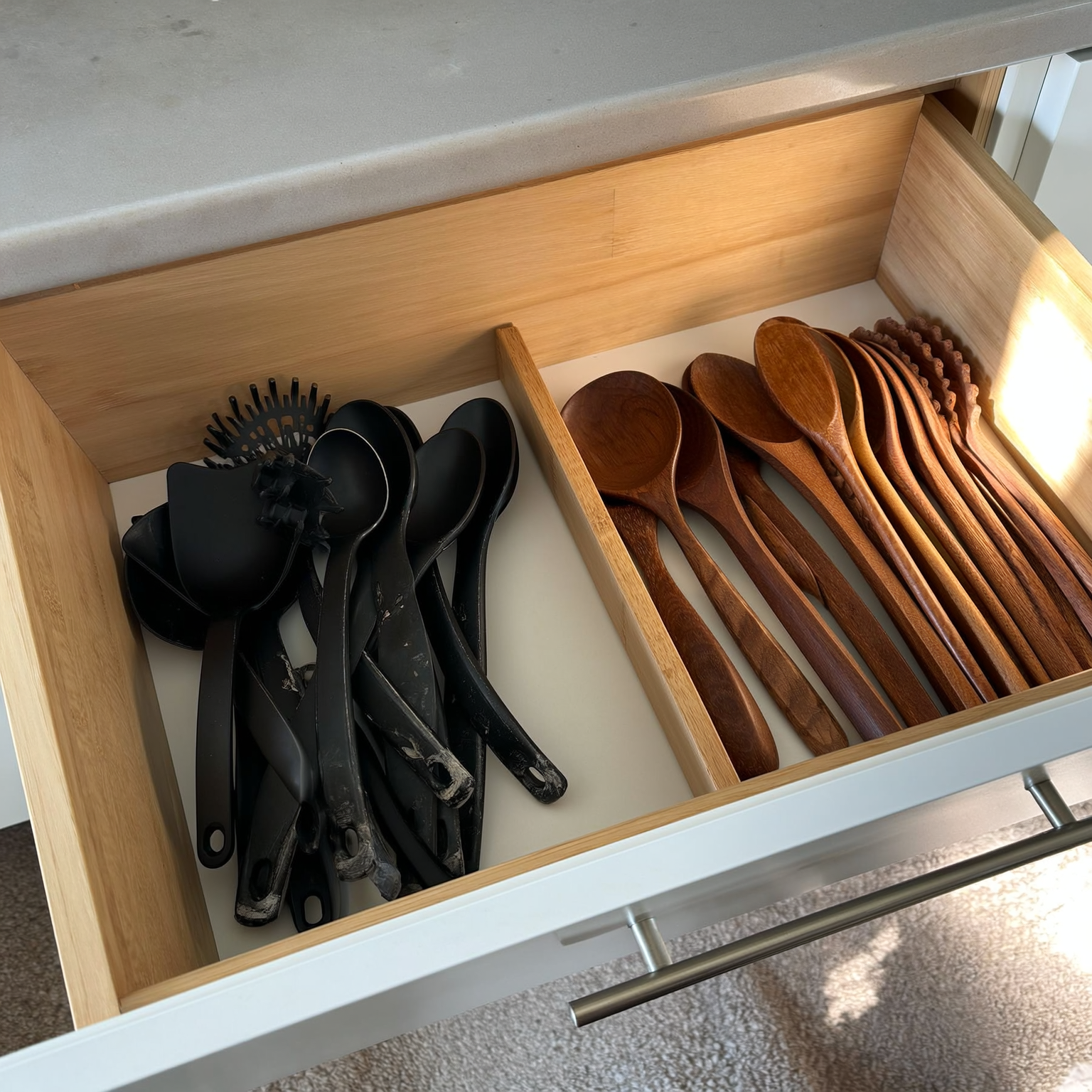
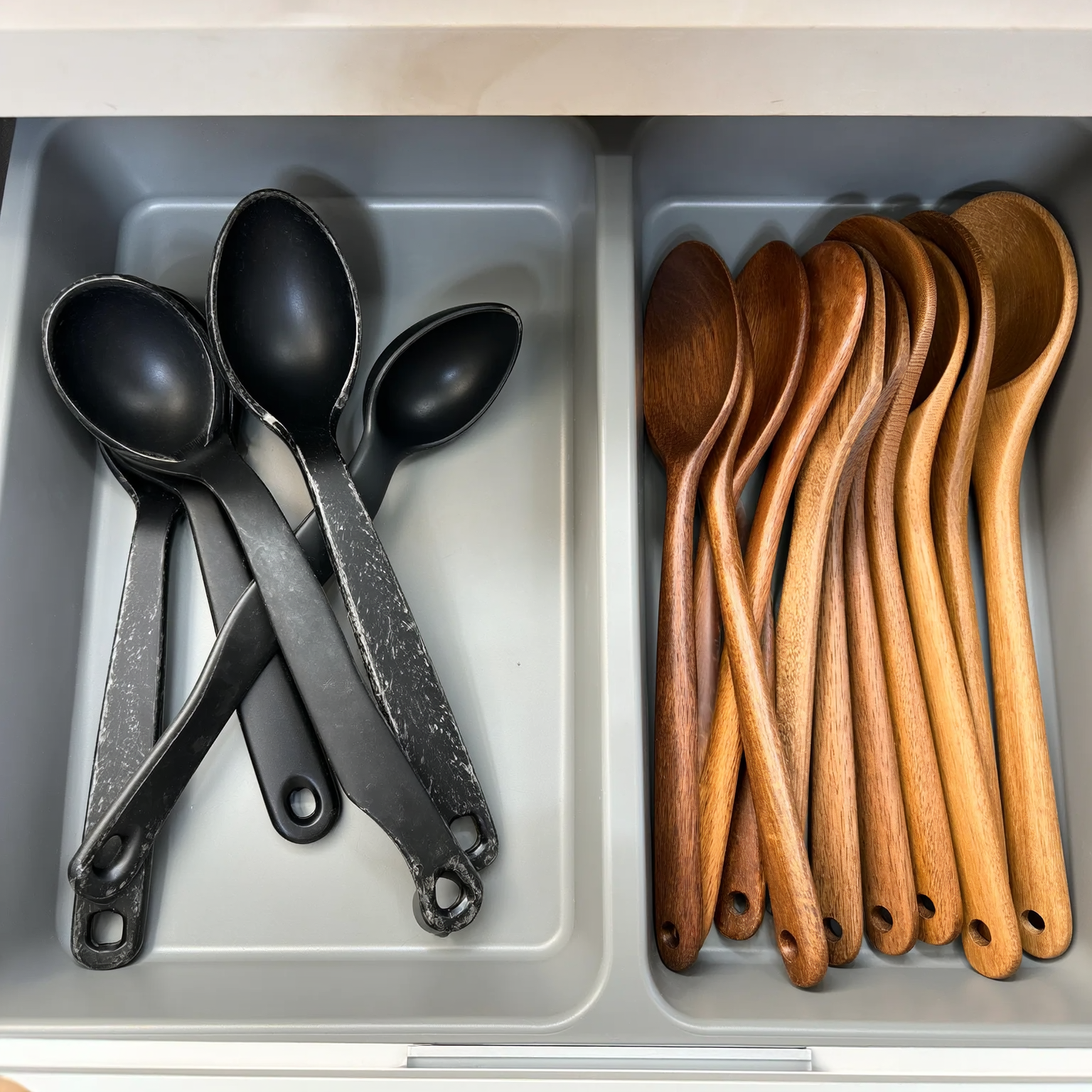
I watched a documentary about forever chemicals while making dinner with the "non-toxic" utensils I'd researched for three weeks before buying. The segment about hidden PFAS sources made me stop cooking mid-recipe and actually read the fine print on the packaging I'd thrown away months ago. I'm sharing this because that documentary aired on a Thursday night and by Friday morning, my entire understanding of "clean kitchen tools" had collapsed. And if you've been buying products based on "non-toxic" marketing claims without reading the actual chemical disclosures, you need to hear what I learned in that 47-minute segment. Not because I want to create paranoia. Because I want to save you from the three months I spent using tools I thought were safe while unknowingly continuing my PFAS exposure. The documentary was called "Forever: The Chemicals That Won't Leave." I'd added it to my watch list weeks earlier but kept putting it off. I knew the basics—PFAS in water supplies, non-stick cookware, the DuPont lawsuits. I'd already eliminated the obvious sources from my home. But that Thursday, I was making vegetable stir-fry and needed something to watch. Queued it up on my tablet propped on the counter. Started chopping vegetables with my silicone-coated knife and my "BPA-free, food-safe, heat-resistant" silicone spatulas sitting ready by the stove. The documentary covered familiar territory at first. Contaminated water near manufacturing plants. Non-stick pan coatings. The chemicals that persist in human tissue for decades because they literally don't break down. Then they got to the segment I hadn't expected. "Hidden Sources: Where PFAS Hides in 'Clean' Products." I was stirring vegetables when the environmental chemist on screen said: "Many consumers believe they've eliminated PFAS by removing non-stick cookware. But they're still using silicone utensils, which are petroleum-based synthetic polymers that can contain PFAS as processing aids or become contaminated during manufacturing." I stopped stirring. Looked at the bright red silicone spatula in my hand. The chemist continued: "The challenge with silicone products is lack of transparency. Manufacturers aren't required to disclose processing aids. So you can have a product marketed as 'PFAS-free' that was manufactured using PFAS compounds, or that contains PFAS as contamination from shared manufacturing equipment." The documentary showed test results. Common "non-toxic" silicone kitchen products tested for PFAS. Multiple brands. Multiple products. Most showed detectable levels despite marketing claims. My vegetables were burning. I turned off the heat. Picked up my phone and took a photo of the spatula I'd been using. The one I'd specifically bought after three weeks of research. The one from a "clean living" brand with a website full of reassuring language about safety testing and non-toxic materials. The documentary moved on to other sources. Food packaging. Carpeting. Cosmetics. But I couldn't focus anymore. I was thinking about the packaging that had come with my utensils. The packaging I'd recycled months ago without reading the actual disclosures because the marketing copy had been so convincing. "Food-safe silicone." "Heat-resistant up to 600°F." "BPA-free." "Non-toxic alternative to plastic." But not one word about PFAS testing. Not one disclosure about manufacturing processes or processing aids. Just marketing language designed to make me feel safe without actually providing transparency. After the documentary ended, I went to my computer. Found the brand's website. Clicked through to their "Our Commitment to Safety" page. Read every word. Lots of language about what they didn't use. BPA. Phthalates. Lead. But nothing about PFAS. Nothing about processing aids. Nothing about third-party testing protocols or chemical disclosure standards. I emailed their customer service at 9:47pm: "Can you provide third-party PFAS testing results for your silicone cooking utensils? Specifically, testing for PFOA, PFOS, and other fluorinated compounds that may be present as processing aids or manufacturing contamination?" The response came two days later: "Our products are manufactured to meet all FDA requirements for food-contact materials and are regularly tested for safety. We do not add PFAS to our products." Not one actual answer to my question. No testing data. No disclosure of what "regularly tested" meant or what they tested for. Just reassurance without evidence. I spent the weekend falling into research I should have done three months earlier. Not marketing websites. Actual chemical engineering papers about silicone manufacturing. Studies on fluorinated processing aids. Research on cross-contamination in facilities that also produce PFAS-containing products. The findings were consistent: silicone is a petroleum-derived synthetic polymer. Its manufacturing can involve PFAS compounds. Products can be contaminated even if PFAS isn't intentionally added. And without mandatory testing and disclosure, "non-toxic" is just marketing language. One study specifically tested kitchen silicone products from major "clean living" brands. Found detectable PFAS in 60% of products tested. The brands had no idea—or claimed they didn't—because they weren't testing for it. My husband found me at 2am still reading research papers. "What are you doing?" "Learning that I've been using petroleum-based utensils with undisclosed processing chemicals while thinking I was being careful about PFAS exposure." I showed him the documentary segment. The research. The non-answers from the company whose products I'd trusted. Watched him go through the same realization I'd spent three days processing. "So what's actually safe?" he asked. "What material doesn't have these issues?" I'd been asking myself the same question for 48 hours. The answer kept appearing in pre-synthetic material literature: wood. Specifically, dense hardwoods that don't require chemical treatments to be food-safe. Not bamboo—porous structure requires treatments or oils. Not "finished" wood—any finish is another chemical layer to question. Not composite wood products—adhesives and binders introduce unknowns. Raw teak. Medical-grade teak that's been used in surgical settings because its natural density and inherent oils create antimicrobial properties without any treatments. Wood that has nothing to disclose because there's literally nothing in it except wood. I found Endiol through an environmental toxicology forum where someone asked: "What cooking utensils have you actually verified contain zero PFAS, not just marketing claims?" The top response: "Untreated teak. It's the only material I've found where there's nothing to verify because there's nothing added. No coatings. No processing aids. No synthetic polymers. Just wood sanded smooth. Endiol makes them with zero finishing compounds—the smoothness is mechanical, not chemical." The reviews weren't the usual "great product" comments. They were from people like me. Research-driven. PFAS-conscious. Skeptical of marketing claims. "After the documentary, I tested my 'non-toxic' silicone utensils. Positive for PFAS. These teak ones tested clean because there's nothing to test except wood." "Finally found utensils where I don't have to question proprietary ingredients or processing aids." "My toxicologist specifically recommended these because unfinished teak has no chemical disclosure gaps—what you see is what you get." What convinced me was Endiol's actual processing description on their website: "Precision mechanical sanding to 400-grit smoothness. No oils applied. No chemical finishes. No coatings of any kind. Third-party VOC testing shows zero emissions because the wood contains no synthetic compounds to emit". For someone who'd spent three months using products with vague "food-safe" assurances, finding a product that transparently disclosed their entire process—which was just sanding wood—felt like finally getting a straight answer. The set arrived Monday. I opened it with the same skepticism I now applied to everything. Examined each piece. Searched for any coating, any treatment, any surface that might contain undisclosed compounds. Found nothing. Because there was nothing. Just smooth teak wood. No chemical smell. No slick coating. No proprietary finish. The grain was visible. The weight was substantial. This was wood, not wood coated in something marketed as safe. I threw out every silicone utensil that night. Not donated. Not saved for "non-food use." Trash. Because I couldn't trust what they contained or what they'd been leaching into our meals for three months. The first meal I cooked with wooden utensils was the same vegetable stir-fry I'd been making when I watched the documentary. Same recipe. Same ingredients. But stirring with wood instead of petroleum-based synthetic polymers, I felt the difference. Not just physical—though teak has better heat resistance than silicone without the weird flexibility. But mental. I wasn't wondering what was leaching. What processing aids might be present. What the "proprietary formula" actually contained. Because wood doesn't have a proprietary formula. It's just wood. The most transparent material possible. That was six weeks ago. Last week, the documentary aired again and three friends texted me asking if I'd seen it. Asking what they should do about their kitchen tools. Asking if silicone was really that concerning. I sent them the same information I'm sharing now. The research on PFAS in "clean" products. The regulatory gaps that let companies market synthetics as non-toxic without disclosure. The reality that transparency only exists when there's nothing to hide. If you watched that documentary—or if you're about to—and you're questioning your silicone utensils, trust that instinct. The segment about hidden sources wasn't alarmist. It was accurate. Your "non-toxic" kitchen tools might be non-toxic compared to melting plastic. But that's not the same as genuinely clean. And "PFAS-free" marketing doesn't mean PFAS-free manufacturing or processing. Demand transparency. Actual testing data, not reassuring language. Chemical disclosure, not marketing claims. And when you can't get it, choose materials that have nothing to hide. Wood has been used for cooking for millennia. No processing aids. No synthetic polymers. No petroleum derivatives. Just wood that does its job without introducing chemicals that persist in your body for decades. The documentary changed my perspective in 47 minutes. This decision changed my kitchen in one order. Yours can too. Check what you're actually cooking with. Not what the marketing says. What the material actually is and whether the company can prove—with testing data—that it contains what you're trying to avoid. If they can't or won't provide that data, you have your answer. And you have an alternative that requires no testing because there's nothing synthetic to test for. My vegetables taste the same stirred with wood. But my peace of mind tastes completely different. Yours can too.
Like this ad? Make it yours.
Crush rebuilds this exact creative around your product — your brand, your colors, your offer — in about a minute.