Dogs Are Pawsome
Dogs Are Pawsome Facebook ad: “Read this if you own a Goldendoodle”
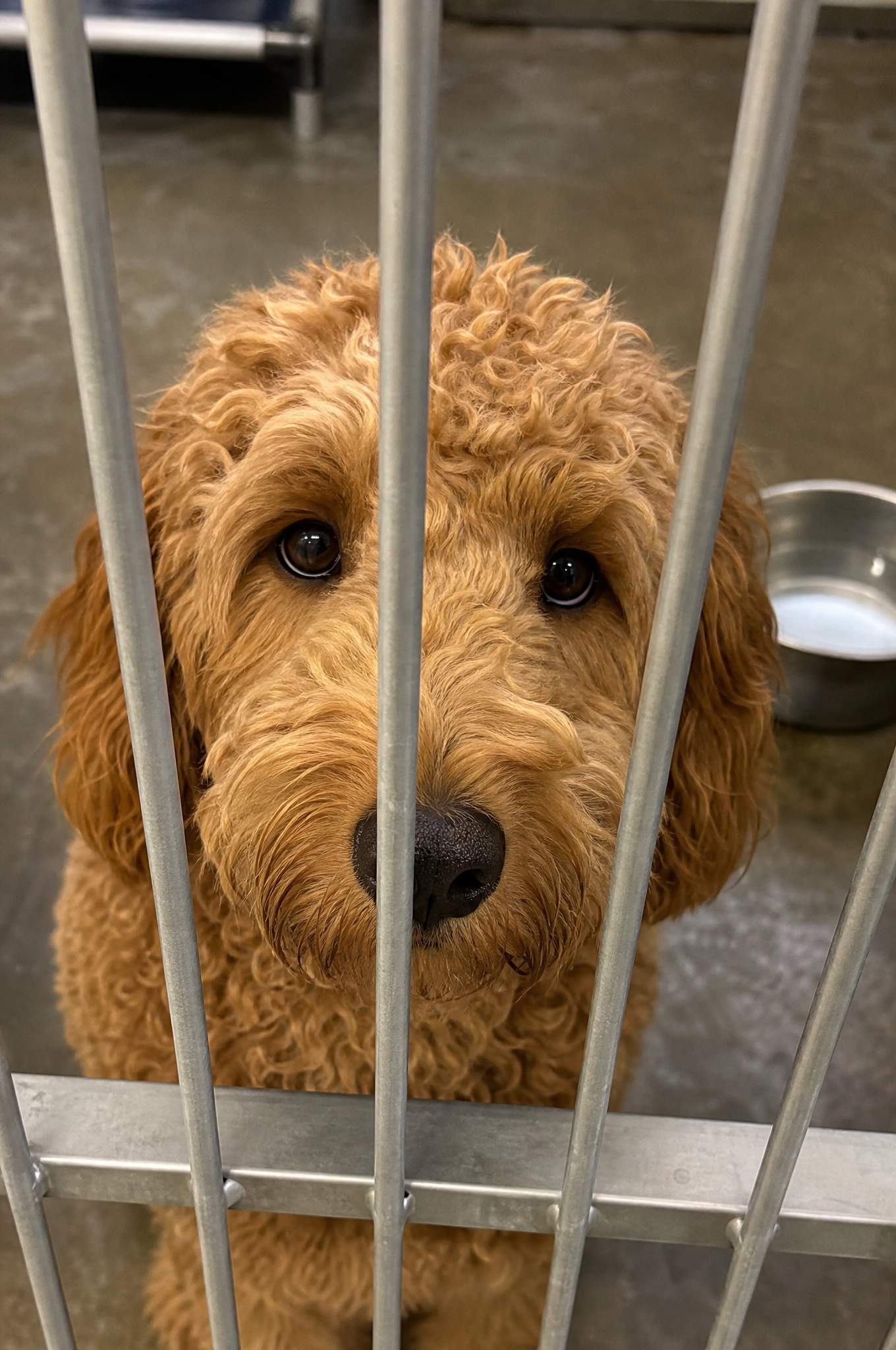
Ran for 42 days, from July 22 to September 2, 2026, the last day Crush saw it.
Run by Dogs Are Pawsome on Facebook. Crush is not the advertiser and does not verify its claims. See this ad in Meta's Ad Library(opens in a new tab)
Want an ad like this for your product?
Crush makes new ad images for your product from this ad: your logo, your product photo, your offer.
Trials from $19.95 USD, then $79.95 USD a month. Cancel anytime.
About this ad
- Meta Ad Library ID
- 1427765679183559
- Platforms
- Facebook, Instagram, Audience Network, Messenger, WhatsApp and Threads
- Relaunches
- 0
Ad text
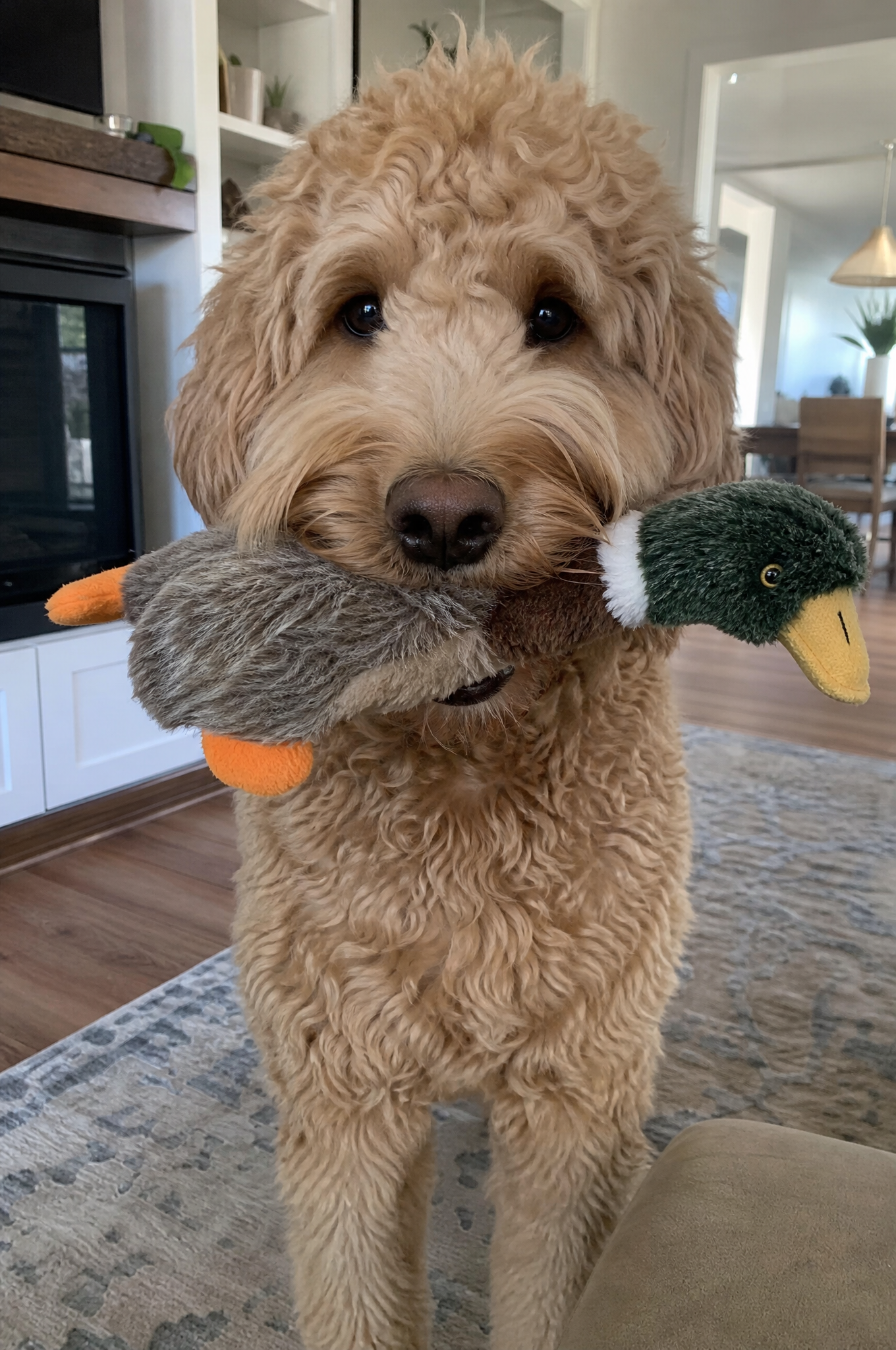
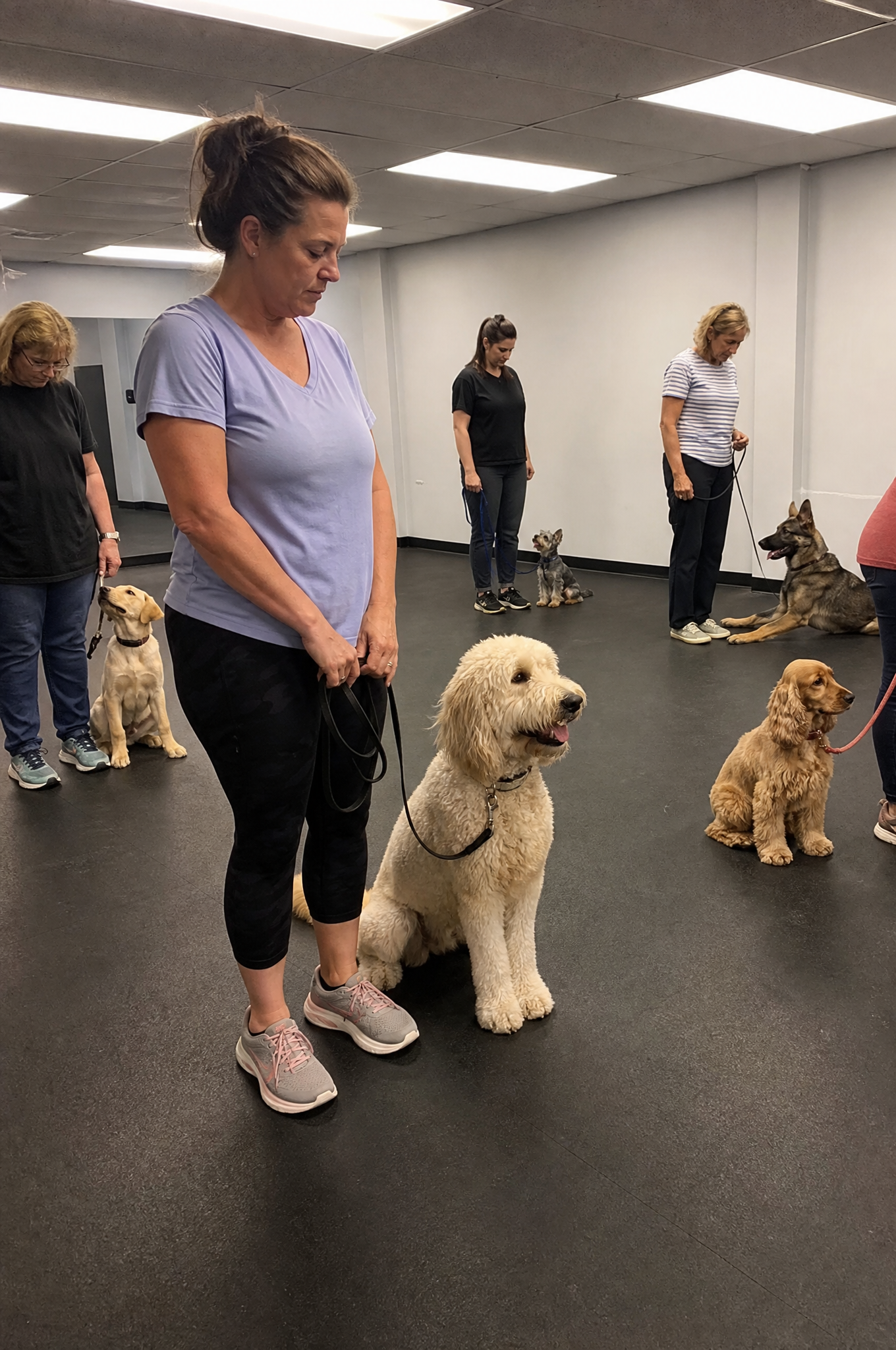
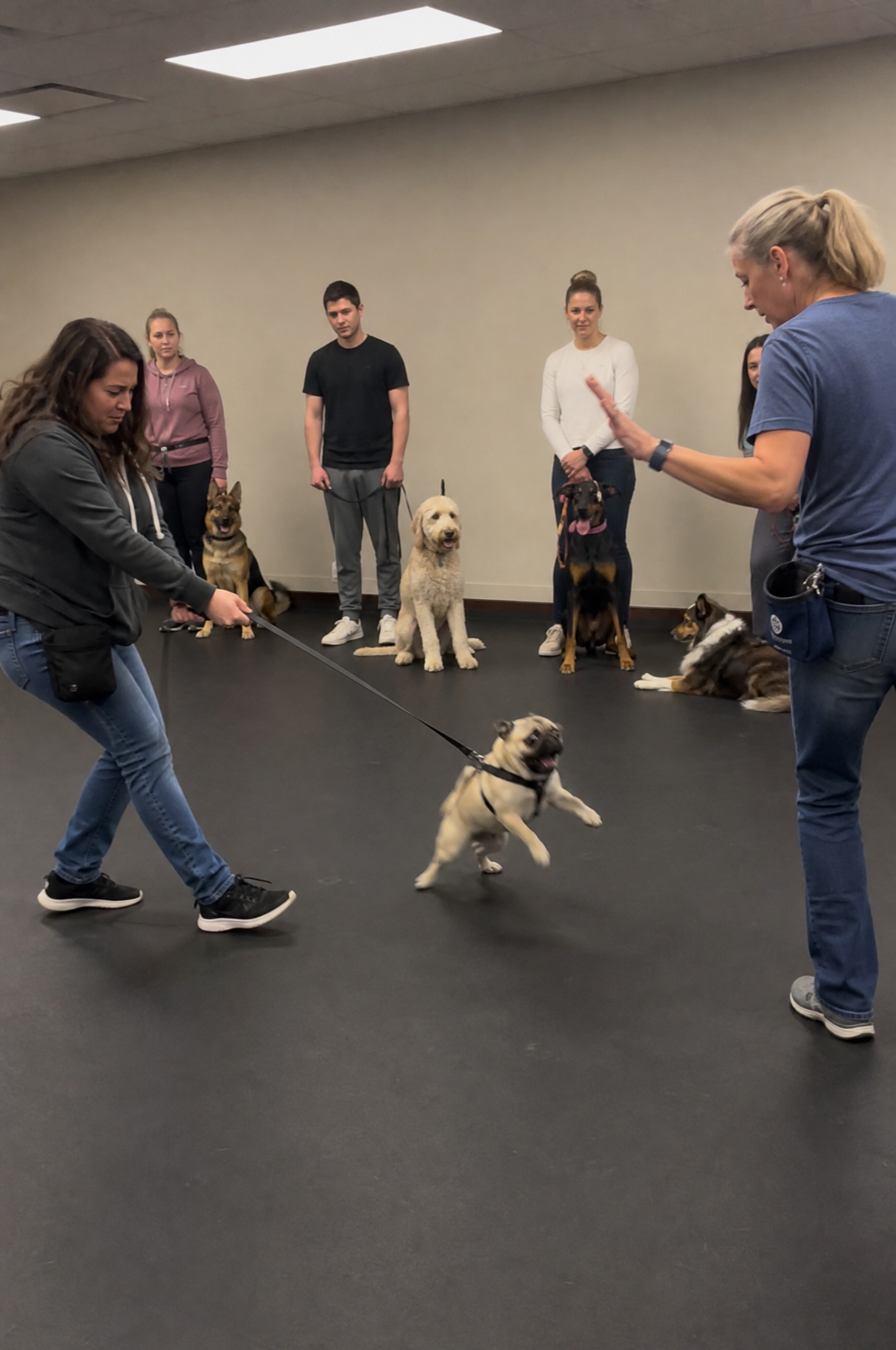
3 Goldendoodles were surrendered to the Fulton County shelter last month after their owners gave up trying to control them. Same behavioral progression. Same failed methods. Same outcome. And all 3 owners had spent between $2,800 and $6,200 on trainers, group classes, calming supplements and board-and-train programs. Dr. Sarah Mitchell noticed it first. She pulled me and Dr. James Rodriguez into her office on a Thursday afternoon and spread 3 intake files across her desk. "Look at the timeline. Every one of these dogs was in active training. None of them could retain a command past the training room. And every single one had the exact same behavioral profile nobody connected to their breed." A 2-year-old named Bear: 14 weeks of obedience, couldn't hold a 10-second stay outside the classroom. A 3-year-old named Rosie: 2 private trainers, $3,400, still launched at every guest who walked through the front door. A 4-year-old named Winston: an e-collar, a clicker, and a 3-week board-and-train at $2,200, sent home with the note "not a candidate for off-leash reliability." Every single one: also pulling on leash, ignoring recall, jumping on children, and destroying furniture or door frames whenever left alone. Dr. Rodriguez leaned back in his chair. "What if they were never untrainable? What if every method their owners paid for was designed for a completely different type of brain?" That simple question led to a 6-month investigation that uncovered something most Goldendoodle owners, and most trainers, never connect. My name is Dr. Marcus Thompson, DVM, CAAB. Along with Dr. Sarah Mitchell and Dr. James Rodriguez, we've collectively assessed over 28,000 dogs across our 3 practices at Westside Veterinary Behavior Clinic, and more Goldendoodles in the last 4 years than any other single breed on our books. And here's what we found. It started with a Goldendoodle named Murphy. His owner, David, a middle school principal who spends his career managing 800 kids a day, had spent $4,600 on a group class, 2 private trainers, and a 3-week board-and-train. Tried every method. Couldn't get Murphy to hold a single command the moment any real-world distractions appeared. Every trainer told him the same thing: he's just a high-energy dog, you need to be more consistent. But Murphy kept getting worse. Murphy was a 3-year-old F1B Goldendoodle. 68 pounds, healthy weight. Clean bloodwork. Fed a premium food, walked twice a day, given every calming supplement the pet store carried. But he couldn't hold focus for more than 8 or 9 seconds outside a quiet room. Couldn't settle on a mat when anyone was in the house. Forgot on Tuesday what he'd nailed on Monday. And the second a doorbell rang or a dog appeared on a walk or a child squealed, every command he'd ever learned evaporated like it had never existed. David had run through all of it: a 6-week group obedience class at PetSmart for $119, 2 certified private trainers at $150 a session, a remote e-collar at $89, freeze-dried liver as a high-value reward, clicker conditioning, and 2 different calming chews at $38 a bag. He'd spent $4,600 in 9 months. Nothing held for more than a day. Murphy still couldn't focus. Still wouldn't hold a stay. Still seemed to lose every command the second the session ended and real life began. Then it got worse. Murphy stopped responding to his name outside the house. He started bolting through doors. The jumping escalated from annoying to dangerous, 68 pounds of solid muscle launching into the chest of every person who entered the home. His wife stopped inviting friends over. His daughter's friend's Mother stopped letting her come over for playdates because Murphy had knocked her daughter down flat on her back the last time she'd walked through the door and went home with bruises and scratches. David doubled the sessions. Switched to a stricter balanced trainer who used leash corrections. Paid $2,200 for a 3-week board-and-train. For about 2 weeks after Murphy came home, it looked like progress. Then it collapsed again. Worse than before. Murphy couldn't hold a 3-second stay when anyone was at the door. Blew through every recall. And the leash corrections had added something new, a flinch whenever David reached for his collar, and a low growl at unfamiliar dogs that hadn't been there before the board-and-train. The final trainer told him, gently, that some dogs just aren't wired to be reliable in real-world settings. David sat in our exam room 3 weeks later, a man who manages 800 children for a living, completely defeated. "I've taught classrooms of kids who didn't want to learn. I couldn't teach my own dog to sit when the doorbell rings. What is wrong with me?" That's when Dr. Mitchell suggested something none of us had done consistently in our combined 35 years of practice. We stopped looking at Murphy's behavior, the thing every trainer had been drilling, and we examined his breed. Not his species. His specific breed cross. Because Murphy isn't a Golden Retriever. He isn't a Poodle. He is a very specific genetic combination that produces a very specific profile that nobody in the generic dog training world is accounting for. The 3 of us sat in the break room that night until almost 9pm, going through every Goldendoodle case in our files from the past 4 years. Dr. Rodriguez said it first: "How many Doodle owners have we sent off to a generic trainer when we should have been looking at what breed is actually sitting in front of us?" Because we finally understood what was happening. Here's what they don't teach you in vet school, and here's what no trainer making $150 a session is telling you: A Goldendoodle's brain does not process training the same way a Labrador's brain does, or a Golden Retriever's, or a German Shepherd's, or any of the breeds that every mainstream training method was designed for. This isn't my opinion. This is the documented neurology of what happens when you cross 2 very specific genetic lines. From the Poodle side, the Goldendoodle inherits one of the highest canine intelligence profiles ever measured. Poodles rank 2nd in Stanley Coren's canine intelligence trials, behind the Border Collie. They are problem-solvers. They don't just respond to stimuli, they analyze it, test it, and actively seek alternative pathways around it. When a Poodle hears "no," its brain doesn't process that as information the way a Lab's brain does. It processes it as a blocked path, and it immediately begins searching for another route to the same outcome. From the Golden Retriever side, the Goldendoodle inherits one of the most powerful social drives in any domestic breed. Retrievers were selectively bred for generations to be almost pathologically focused on human connection and approval. Their need to greet, engage, touch, and be near people is not a preference, it is a hardwired genetic drive as powerful as a herding dog's need to herd. Neither parent breed was selected for impulse control. Poodles were bred for intelligence and sensitivity. Retrievers were bred for enthusiasm and social bonding. Neither line was ever selected for the ability to contain the energy that builds when those drives collide. Here's the mechanism, and once you see it you cannot unsee it: A Goldendoodle with a doorbell ringing or a guest arriving or a dog appearing on a walk is experiencing 2 genetic drives firing simultaneously at full power. The Retriever side floods the nervous system with an overwhelming need to reach, greet, and connect with the stimulus. The Poodle side floods the brain with rapid-fire problem-solving energy, analyzing every possible way to reach that stimulus as fast as possible. These 2 drives slam into each other and the result is what every Doodle owner on the planet recognizes: the complete neurological short-circuit. The kangaroo bounce. The frantic shrieking. The pulling so hard the leash burns through your palm. The selective hearing where the dog physically cannot process your command because its brain is running 2 competing programs at maximum capacity with no impulse-control to manage either one. And 3 specific things happen that make generic training methods not just ineffective, but actively destructive. First, "ignore the behavior" backfires. When you turn your back on a jumping Goldendoodle, you are asking a Poodle brain to accept a blocked path. It doesn't. It treats your turned back as a new puzzle and escalates, jumping harder, coming around to the front, finding a new angle, because problem-solving around obstacles is what Poodle genetics were designed to do. Every trainer who tells you to "just ignore the jumping" is giving you instructions designed for breeds that give up when a path is blocked. Doodles don't give up. They innovate. Second, corrections and punishment create fear-layered reactivity. When you apply a leash correction or an e-collar to a Goldendoodle, you are applying pain or pressure to a dog with Poodle-level emotional sensitivity. Poodles are among the most emotionally reactive breeds documented. The Doodle doesn't learn "don't pull toward that dog." The Doodle learns "that dog causes pain." The excitement-based pulling transforms into fear-based aggression. The friendly lunging becomes genuine teeth-baring reactivity. The trainer has taken a dog with an impulse-control problem and turned it into a dog with an aggression problem. We have seen this happen in our clinic more times than we can count and it is the single most dangerous thing happening in Goldendoodle training right now. Third, generic training only works in controlled environments. A Goldendoodle can learn "sit" in a quiet room with treats in your hand because the competing drives aren't activated. There's no doorbell. No guest. No dog across the street. The Retriever social drive is dormant. The Poodle problem-solving is dormant. The dog looks perfectly trained. Then you open the front door and both drives ignite simultaneously and every command the dog learned in the quiet room is gone, not forgotten, but inaccessible, because the brain is running completely differently now. This is why every Doodle owner has had the experience of their dog performing perfectly in class and being completely uncontrollable at home. The training worked in the room. It was never built to survive their genetic drives. So the dog won't hold the command in real life. Forgets it overnight. Can't settle when guests arrive. Stares through you. Blows the recall. Jumps on everyone. Destroys the house when left alone. Pulls so hard on the leash you've stopped walking her. And the owner then concludes: my dog is stubborn. My dog isn't bright. I'm failing as an owner. My dog is untrainable. The dog is none of those things. The dog has a Poodle-cross brain running 2 competing genetic drives with zero impulse control, and every method the owner has paid for was designed for a brain that doesn't work that way. And it all traces back to one thing: nobody told you your Goldendoodle is not a generic dog. It is a specific neurological cross that requires a specific training approach. And the generic dog training industry, the PetSmart classes, the balanced trainers, the board-and-trains, the YouTube channels, cannot give you that because they don't understand the breed. And here's the part that should make you angry: The standard training pipeline doesn't assess breed-specific neurology. Trainers aren't taught crossbreed behavioral profiles. Behaviorists don't screen for the Poodle-Retriever drive collision. So the dog gets pushed further down the pipeline, more classes, sterner corrections, a bigger board-and-train invoice, an e-collar, while the actual cause, the mismatch between method and brain, is never addressed. And it gets worse. Even if your Goldendoodle responds temporarily to a board-and-train, the results almost never survive the return home, because the controlled facility suppressed the behavior without rewiring the drives. The dog comes back "trained" for 2 weeks and then every single problem returns, because the drives never changed, they were just temporarily contained. And you've spent $2,200 for a 2-week break. More generic training only practices the behavior in environments where the drives aren't activated. It does nothing about the drives themselves. Calming chews only sedate. They don't rewire the neurological collision causing the chaos. E-collars only add fear. They turn impulse-control problems into aggression problems in a breed that is too emotionally sensitive for punishment-based methods. You are spending $150 a session on methods designed for a completely different brain. If your Goldendoodle shows ANY of these signs, the breed-specific drive collision is exactly why nothing has worked: → Nails every command in a quiet room, completely falls apart the second real life happens → Jumps on every person who enters your home with 50 to 80 pounds of force → Pulls so hard on leash you've had rope burn, a wrist injury, a shoulder injury or been knocked to the ground → Cannot be left alone without destroying furniture, door frames, baseboards, cushions or crates → Ignores their name when another dog, person, or stimulus appears → Gets worse, not better, after leash corrections or e-collar training → Does the Doodle "kangaroo bounce" and frantic shrieking at every greeting → A trainer has called them stubborn, hyperactive, or not a candidate → You've stopped having guests over, stopped walking them in public, or stopped going to family events because of their behavior The training problem isn't a character flaw. It's a breed-specific neurological collision that generic methods cannot reach. And if you don't address it with the right approach, it escalates. The jumping injures someone. The pulling causes a fall. The door-bolting puts someone in the street. The reactivity created by corrections leads to a bite. And too many of these dogs, like Bear, Rosie, and Winston, end up surrendered to shelters at 2 and 3 and 4 years old, labeled "unmanageable," for a training problem that was a method problem the entire time. After Murphy's case, the 3 of us made a decision as a team. For the next 6 months, we assessed the training history and method profile of every Goldendoodle that came through our 3 clinics whose owner described them as stubborn, hyperactive, out of control, or untrainable. Dr. Mitchell ran the behavioral assessments. Dr. Rodriguez compiled the data. I followed up with every owner personally. We assessed 94 Goldendoodles whose owners had reported training failure. 87 had been trained exclusively with generic methods designed for non-crossbreed dogs. Not a single one had ever been given a protocol that accounted for the Poodle-Retriever drive collision. That is 93%. These were not lazy owners. These were Goldendoodle parents on premium food, working with certified trainers, several already on calming medication or using e-collars. The training problem had not resolved for a single one of them, because every method they'd been sold was designed for a brain their dog doesn't have. Because here's the cruel irony: You cannot train a Goldendoodle with methods designed for a Labrador. You cannot drill "stay" into a brain that processes blocked paths as puzzles to solve. You cannot punish a Poodle-cross into obedience without creating fear-based reactivity. Every failed rep just stacks frustration on the dog and the owner. After we understood how widespread this was, we assumed we just needed to find better trainers. More experienced ones. More expensive ones. We were wrong. Dr. Mitchell reviewed every training program, book, and online course marketed toward dog owners that we could find. 14 different programs. Every one of them stamped "works for all breeds" or "proven results." She cross-referenced each program's methodology against the documented behavioral neurology of Poodle-cross breeds. What she found made all 3 of us furious. PetSmart's group obedience class: built entirely on treat-lure and repetition, methods designed for food-driven breeds that don't problem-solve around the lure. Goldendoodles figure out the lure pattern within 3 sessions and begin gaming the system rather than learning the behavior. The most popular YouTube trainer, 2.4 million subscribers, "works for every breed": exclusively uses corrections and "calm energy" techniques designed for breeds with low emotional sensitivity. Applied to a Poodle-cross, these methods create anxiety, avoidance, and the exact fear-layered aggression we'd been seeing in our clinic. The highest-rated board-and-train in our metro area, $2,800 for 3 weeks: uses an e-collar and structured obedience in a controlled facility. The controlled environment suppresses the drives temporarily. The drives return the moment the dog comes home to real-world stimulation. 2-week success rate after return: less than 15%, based on follow-up calls we made to 23 of their former Goldendoodle clients. We'd been sending our own clients to programs that were structurally incapable of addressing the breed in front of them. We felt like we'd failed those owners a second time. Dr. Rodriguez spent the next 2 months researching breed-specific training methodologies, calling canine behaviorists who specialize in crossbreeds, reviewing every Doodle-specific program he could find. Most were just generic training repackaged with "Doodle" in the title. Same treat-lure methods. Same correction protocols. Same failure rate. We were ready to give up. Then we found The Complete Goldendoodle Guide. At first, all 3 of us were skeptical. Another training product making big promises. But when Dr. Rodriguez called the team behind it, something was different. They answered immediately. He asked about their methodology. And they explained the thing none of the other 14 programs had: it doesn't just train the behavior, it works with the specific Poodle-cross neurological wiring instead of fighting against it. A complete system built around the Goldendoodle's unique drive collision, redirecting the Retriever's social energy and the Poodle's problem-solving intelligence into structured channels that give both drives somewhere to go, so the neurological short-circuit never fires in the first place. He asked about the behavioral framework. It uses what they call the Doodle brain hack protocol, not corrections that trigger fear in a sensitive Poodle brain, not ignore-the-behavior methods that a Poodle brain treats as puzzles, but drive-redirect techniques that work WITH the intelligence and social motivation instead of against them. He asked if it covers the full range of Doodle-specific issues: jumping, pulling, selective hearing, separation anxiety, counter-surfing, the grooming resistance, the mouthing. Every single one, with protocols designed specifically for how a Poodle-cross brain processes each of those behaviors differently from other breeds. He asked about the format. Instant digital access, all guides provided immediately so owners can start training today. Plus free monthly updates with new training games, enrichment activities, behavior exercises, and solutions for common Doodle problems, every month, no additional cost, for life. They were the only program that could answer every question without hesitation, because it was the only one actually built for the breed. And here's what makes it even better: The Complete Goldendoodle Guide works with whatever training tools you're currently using. You don't need to buy new equipment. You don't need to start from scratch. Because the issue isn't the tools. It's that every method you've been given was written for a brain your dog doesn't have. I called David and we started Murphy on the guide's protocol alongside everything he was already doing. Week 1: still chaotic, still scattered. Week 2: something shifted. David called me on a Tuesday evening. Murphy had responded to his name, outdoors, with a dog across the street. Not in a quiet room. Outside. With a distraction. "He looked at the dog. Then he looked at me. I could see him choosing. He chose me." He chose me. A man who manages 800 children said those 3 words like they were the most remarkable thing he'd ever witnessed. Week 3: David called me again, laughing this time. The doorbell rang. Murphy went to the door. He did not launch. He stood, vibrating, every wire in his Doodle brain firing, but he stood. David's wife opened the door. Murphy sat. Vibrating but sitting. The guest walked in. Murphy pressed his head against her knee. "Marcus, my wife cried. We haven't had someone come through the front door without a disaster in 2 years." Week 4: Murphy held a down-stay on his mat while 4 guests sat in the living room. 45 minutes. The same dog who couldn't hold 3 seconds at the door 5 weeks ago stayed on his mat for 45 minutes while people talked and ate and moved around the room. Not sedated. Not corrected. Just a brain that finally had the right instructions for its specific wiring. The separation anxiety broke the same week. David's wife left for 2 hours. Came home. No destroyed baseboards. No chewed door frames. No howling that the neighbor had been complaining about for a year. Murphy was on his bed. Calm. Tail wagging when she walked in. "She stood in the hallway and looked at the intact baseboards and said, 'Who is this dog?'" By week 6, David texted me a video I saved on my phone: Murphy, off-leash, at a park. A dog walked by 20 feet away. Murphy watched. Then he turned, trotted back to David, and sat at his feet. Voluntarily. No command. No treat in hand. The Poodle brain had been given a new pathway, and the Retriever drive was finally being channeled instead of exploding. David's follow-up message: "Marcus, he walked past 3 dogs today without reacting. The same dog 3 trainers told me to give up on. He was never stubborn. He was never dumb. His brain was screaming for the right kind of input and nobody gave it to him for 3 years. I spent $4,600 training a Goldendoodle like a Labrador. I wish someone had told me that was the problem a year ago." Murphy's behavioral assessment at 8 weeks: dramatically improved across every metric. The dog every trainer had written off was completely manageable, completely controllable, completely himself, because for the first time in his life someone had given his brain the instructions it was built to process. We've now recommended this guide to over 920 Goldendoodle owners across our 3 practices. 91% report measurable improvement within 30 days, in jumping, pulling, recall, separation anxiety, and overall household behavior. Jennifer's Goldendoodle Milo, 3 years old, 72 pounds: "3 trainers told me Milo was just a hyper Doodle and I needed to tire him out more. I was walking him 5 miles a day and he was still launching at every person we passed. Turns out his brain wasn't tired, it was understimulated in the specific way Doodles need. 3 weeks on the guide's protocol and he could actually walk past another dog without pulling me off my feet. He's learning faster now at 3 than he ever did as a puppy. Not one trainer ever mentioned that his breed needed a different approach." Kevin's Goldendoodle Stella, 2 years old, 55 pounds: "Our trainer said Stella was just a high-strung, difficult dog. 6 months of group classes, private sessions, $1,800, zero progress. She still jumped on everyone, still pulled on every walk, still screamed when we left the house. We started the Goldendoodle Guide because a friend's Doodle was suddenly calm and we asked what changed. Within 3 weeks Stella could settle when guests arrived. She was never difficult. She had a Poodle-cross brain and we'd been giving her Labrador instructions for a year and a half, it all makes sense now." These aren't miracles. This is simply what happens when you stop fighting a Goldendoodle's wiring and start working with it, give the Retriever drive a job and the Poodle brain a problem to solve, and the chaos stops because the neurological collision finally has somewhere to go. Here's what we want you to do: If your Goldendoodle has been labeled stubborn, hyper, out of control, or untrainable, before you book another $150 session, before you buy an e-collar, before you give up on them, ask yourself one question: "Has any trainer I've hired ever designed a protocol specifically for how a Poodle-cross brain processes information differently from other breeds?" If the answer is no, and it almost certainly is, then every dollar you've spent on training has been aimed at the wrong target. Not because the trainer didn't try. But because the system treats all dogs the same, and your Goldendoodle is not the same. You don't need to wait. You don't need another generic trainer first. You don't need to change your dog's food or add a calming supplement. You need the one thing nobody has given you yet: a training system built for the specific brain sitting inside your specific dog. You can start today. If your Goldendoodle is jumping on people, pulling on the leash, ignoring commands, destroying things when left alone, or reacting to other dogs, their brain is telling you something is wrong with the method, not with the dog. And every week it continues, the drives entrench deeper, the habits solidify, and the behavior becomes harder to redirect. A Goldendoodle written off as untrainable falls further behind. The frustration builds. The jumping injures someone. The pulling causes a fall. The corrections create aggression. And too many of these dogs, like Bear, Rosie, and Winston at the Fulton County shelter, end up surrendered for a "behavior problem" that was a method problem the entire time. Murphy went from "give up on him" to walking off-leash past 3 dogs without reacting in 6 weeks. And the cause was never his temperament or his intelligence. It was every person who tried to train his Goldendoodle brain with methods built for a different breed. Get the same breed-specific system we recommend to every Goldendoodle owner who walks through our clinic. Most owners report noticeable changes within the first 3 to 5 days. 👉 https://thedoodleway.com/pages/goldendoodle-guide P.S. The thing that haunts me is how many Goldendoodles get written off as stubborn, hyper, or untrainable when every method their owner paid for was designed for a completely different brain. A dog that can't hold a command outside a quiet room isn't dumb. A dog that jumps on every guest isn't bad. A dog that ignores recall when another dog appears isn't defiant. It's a Poodle-cross brain running 2 competing drives with zero impulse control, and nobody ever gave it instructions it could actually process. David spent $4,600 on generic training for a dog that transformed in 6 weeks once someone finally addressed the breed. Don't spend another dollar on the wrong method before you've tried the right one. P.P.S. None of the 3 of us are paid by the company to recommend this. We recommend it because after reviewing 14 training programs, it was the only one built from the ground up for the specific neurological profile of Poodle-cross breeds. After 35 combined years and 28,000+ dogs, we finally found something that trains the dog that's actually in front of you instead of the dog the trainer assumes you have. And if your Doodle is under 2, you are in the best position possible, the drives are still forming, the habits aren't locked in, and the right approach now prevents years of escalation and thousands of dollars in trainers who don't understand the breed. Don’t let it get worse, start today. 👉 https://thedoodleway.com/pages/goldendoodle-guide
Where the ad sends people
thedoodleway.com
Read this if you own a Goldendoodle ☝️
Doodle Way
Learn more: thedoodleway.com(opens in a new tab)