Clara Whitfield
Clara Whitfield Facebook ad: “Support Your Body's Natural Wellness Systems”
Ran for 10 days, from August 15 to August 25, 2026, the last day Crush saw it.
Run by Clara Whitfield on Facebook. Crush is not the advertiser and does not verify its claims. See this ad in Meta's Ad Library(opens in a new tab)
Make your own version of this ad
Crush makes it, launches it in your own Meta ad account, scales the winners and pauses the losers.
About this ad
- Meta Ad Library ID
- 1429714995665218
- Platforms
- Facebook, Instagram, Audience Network, Messenger and Threads
- Relaunches
- 0
Ad text
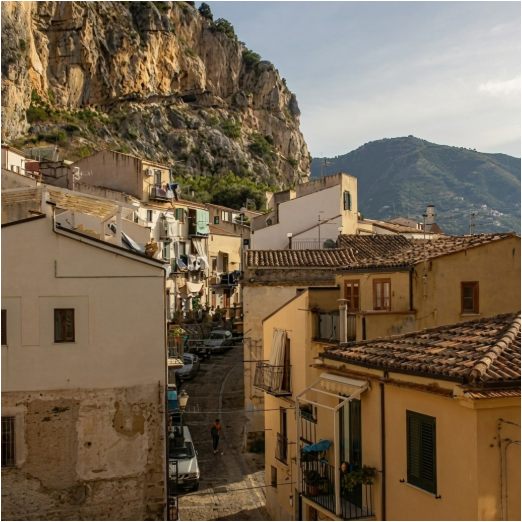
There's a village on the Italian coast where a third of the people are over 100 — and almost none of them get dementia. American scientists spent months there and decided it was the anchovies. When I asked the oldest woman in the village how their minds stay sharp to 100, she laughed and told me the researchers never asked the one question that mattered. I study longevity. I've spent the last eight years researching why certain populations live dramatically longer than others. I've visited four of the five Blue Zones — the places on earth where people routinely live past 100. Okinawa. Sardinia. Loma Linda. Costa Rica's Nicoya Peninsula. Every time I came home, people said the same thing. "Well sure, but those are isolated villages. Different food. Different water. Different genetics. That doesn't apply here." They were half right. Those places are remote. Different climate. Different soil. Different way of life. But the thing they all share has nothing to do with geography. I didn't understand that until I went looking past the famous five — and found a fishing village on the Cilento coast that stopped a team of American doctors in their tracks. Acciaroli. A small village on the Mediterranean coast south of Naples, in the Cilento region. Old pastel houses stacked above a little harbor. And an almost impossible statistic: of its few hundred residents, close to a third are over 100 years old. But that's not even the part that made scientists fly in from California. It's the minds. The people of Acciaroli don't just live past 100. They stay sharp. Researchers from a major American medical school came to study them and found the village almost entirely free of Alzheimer's and dementia — and largely free of the heart disease that fills hospitals everywhere else. Their memories hold. Their thinking stays clear. They're arguing and telling stories and remembering names into their late 90s, in a world where the rest of us start losing words in our 50s. The American team spent months there. They ran their tests. And they came back with an answer the whole world repeated: it's the anchovies. And the rosemary. The little fish full of omega-3s, the herb in every pot. Every single finding focused on what the villagers put in their mouths during the day. Not one of them wrote about what happens after midnight. I arranged to stay with a family in the old part of the village, up the steps from the harbor. The woman I stayed with was the oldest person anyone could name — a great-great-grandmother the whole village simply called Nonna Carmela. She's 101. Lives in a house above the water with a lemon tree by the door. Still shells beans on the step in the morning sun. Still remembers the name of every child on the lane and which family they belong to. Threads a needle without glasses. She has outlived her own doctor. Decades ago, on a trip to the city, one told her to mind her heart and her memory as she aged. He died in his sixties. Carmela is still correcting her great-grandchildren's grammar at 101. She's 101 and has never filled a prescription in her life. — The first thing everyone credits Acciaroli for is the food. The anchovies. The rosemary. The olive oil. The little fish and the herb the American doctors put in every headline. I went in expecting Carmela to point at the pot on the stove and call it the secret. She laughed. A long, delighted laugh. "The Americans!" she said. "They came with their machines and their questions. They watched us eat. And they decided we live because of the little fish and the rosemary in the sauce." She wiped her eyes. "The rosemary is for the pot, caro. It makes the fish taste of something. It does not keep my mind." She shook her head. "You know how many people eat fish and herbs now? The whole world eats fish and herbs. And they are still losing their words at sixty. Still bloated by evening. Still tired. Still foggy. Still waking in the night with their hearts pounding for no reason. If it were the anchovies, they would all remember their grandchildren's names. Do they?" "No," I admitted. "No." She sat back. "The food is good. I won't lie about that. But the food is not why I am 101 with my whole mind. It is not why my husband reached 98 sharp as a knife. It is not why the old women I sit with on the harbor wall can all still argue about a card game from forty years ago." She leaned forward. "It's what I do every night. What my mother taught me. What her mother taught her. What the women in this village have been doing quietly for generations while the doctors write about our fish." — She gets up and walks to a wooden cabinet in the corner. Pulls out a ceramic jar and a stack of soft cotton cloths, neatly folded. The cloths are worn. Soft from years of use. The jar has a faint golden residue inside it. "Every night before bed, I warm the oil. Soak the cloth. Wrap it around my belly. Snug. Warm. And I sleep." She holds up one of the cloths. "My mother gave me these when I married. She told me three things. Love your husband. Feed your family. And clean your body from the outside every single night." "She lived to 102. Never spent a night in a hospital. Not once." "Clean from the outside?" I asked. "What does that mean?" She looked at me the way a teacher looks at a student who missed something obvious. "You can't clean the inside by swallowing things. The stomach breaks everything down. The pills dissolve. Whatever's left gets spread so thin across your insides that it can't reach anything that matters. People spend fortunes on supplements and pills and cures and every year they get sicker, and their minds go first. You know why?" She taps her abdomen. "Because the things making them sick aren't floating around waiting to be caught. They're buried in the walls. Deep in the tissue. Behind shields so thick that nothing you swallow will ever touch them. And every night they poison the blood. And the blood goes to the head." "The only way to reach them is through the skin. Direct. With pressure. While you sleep. While the things inside you are awake and moving and feeding." I sat there staring at her. "People take their medicine in the morning for problems that happen at midnight. Then they wonder why nothing works, and why they can't think straight anymore." — I need to explain why that sentence hit me so hard. Because in eight years of longevity research, I've interviewed hundreds of elderly people across five countries. And the centenarians in Okinawa told me the same thing. The elders in Sardinia said the same thing. A 96-year-old woman in Loma Linda, California told me almost the exact same sentence in a kitchen sixty miles from Hollywood. Every long-lived culture on earth arrived at the same conclusion independently. Oil on the abdomen. Cloth. Compression. Overnight. But I always filed it under "folk practice." Cultural ritual. Something to note in the appendix of a research paper, not the main finding. Then I climbed the steps above a fishing harbor and sat in a stone kitchen while a 101-year-old woman poured me coffee from a pot older than I am. And she told me the exact same thing a centenarian in Okinawa told me three years earlier on the other side of the planet. The exact same thing a shepherd's wife in Sardinia told me the year before that. That's when I stopped treating it like folklore. And I started to wonder whether the American doctors — with all their machines — had measured the fish going in and completely missed the reason these people's minds never clouded. — Carmela introduced me to her village over the next two weeks. Her neighbor Rosaria is 93. Does the wraps every night. Has since her twenties. Rosaria's husband passed last year at 99 — he'd been doing them too, every night, since Rosaria taught him after their wedding. A retired fisherman named Salvatore is 95. His wife started him on the wraps when he was in his 40s after he kept complaining about stomach pain and a fog he couldn't shake. A doctor in the city had diagnosed him with a nervous stomach and put him on medication. The medication didn't help. The wraps did. He stopped taking the pills within two months and never went back — and his mind, he'll tell you, has been clear ever since. The woman who runs the little bar on the harbor is 88. She told me she's watched researchers come through Acciaroli for years. "They test our memories. They take our blood. They write their papers about the anchovies. Nobody ever asks what we do at night. We don't volunteer it either. It sounds strange if you haven't grown up with it." And then she said something Carmela had already told me, almost word for word. "The fish keeps you fed. The night cleaning keeps your mind." — I kept thinking about the contrast. Back home, people in their 40s and 50s are barely functioning. Bloated after every meal. Exhausted by 2pm despite sleeping eight hours. Brain fog so thick they forget what they were saying mid-sentence — walking into rooms with no idea why, losing names, losing words. Waking up at 3am with their heart pounding, staring at the ceiling until the alarm goes off. Their doctors tell them it's IBS. Stress. Hormones. Aging. Everything looks normal on the bloodwork. They take probiotics. Try elimination diets. Swallow turmeric capsules and fish oil and every "brain" supplement their coworker recommended. Nothing sticks. The fog comes back. The forgetting deepens. The 3am wake-ups keep happening. In Acciaroli, Carmela is 101 with a flat stomach, a clear memory, and the mind of a woman half her age. She eats bread and pasta. Pours olive oil on everything. Drinks the local wine. Has never stepped foot in a gym. Has never taken a vitamin. Has never seen a specialist. She just wraps her belly every night and sleeps. The only difference between Carmela and the people losing their minds back home is what happens between midnight and sunrise. — When I got back to the States, I pulled every study I could find on what Carmela's oil actually was and why the delivery method mattered. The compound is ricinoleic acid. Found in castor oil at 90% concentration. The only natural compound shown to break down biofilm matrices. Biofilm. That's the word Carmela never used, but described perfectly. Parasites don't float around in your digestive tract waiting to be flushed out. They burrow into the intestinal walls. Anchor themselves deep into the tissue lining. And then they build biofilm — a thick, dense, biological shield that hides them from your immune system, from lab tests, and from anything you swallow. Carmela called them "shields so thick nothing you swallow will ever touch them." She was right. Biofilm is why standard parasite tests miss 70 to 90 percent of infections. The O&P exam your doctor orders only catches what's floating loose. The parasites burrowed behind biofilm walls are invisible to every test the medical system runs. You can have a massive infection and every lab result says you're healthy. That's why millions of people are bloated, exhausted, foggy, losing their memory, and being told nothing is wrong. And here's the part that makes Acciaroli make sense. Those endotoxins the parasites release every night don't just wake you at 3am — they circulate in your blood, and your blood goes to your brain. The brain fog that starts in your 40s is the early version of the fog that takes people's minds in their 70s. The villagers of Acciaroli keep their minds because the source of those toxins was never allowed to sit and accumulate behind the biofilm. It was never the anchovies. It was the absence of the thing poisoning everyone else's brain, night after night, for decades. — And parasites are nocturnal. Most active between midnight and 4am. That's when they feed. That's when they reproduce. That's when they release the endotoxins that trigger your nervous system and wake you up at 3am with your heart pounding. Carmela said: "People take their medicine in the morning for problems that happen at midnight." She was describing basic parasitology without knowing the terminology. The pills pass through during the day while parasites are dormant. By the time midnight rolls around and the organisms start feeding, there's nothing left in your system to fight them. You're hunting nocturnal animals at noon. Every oral protocol shares the same set of fatal limitations. The supplements can't break biofilm. Nothing you swallow penetrates the fortress walls parasites build inside the intestinal lining. Whatever's floating loose gets killed. The organisms behind biofilm survive and repopulate the moment you stop. They don't reach eggs. Thousands of eggs embedded in intestinal tissue, tucked behind biofilm. The adults die. The eggs survive. They hatch in two to three weeks. Brand new generation. That's the crash everyone experiences. Feel amazing for two weeks, then everything comes roaring back worse than before. They don't drain the dead ones. When parasites die inside you, they release more toxins than when they were alive. No oral protocol activates lymphatic drainage. The dead parasites pile up. Their poison circulates. That's the "die-off" everyone thinks is healing — it's your body drowning in debris it can't remove. And they work during the wrong hours. The pill dissolves in the morning. By midnight it's gone. The parasites emerge and nothing is waiting for them. Four limitations. Built into every product you swallow. Pharmaceutical and natural alike. Carmela's village bypassed all four without ever reading a research paper. — When castor oil is applied over the abdomen with compression and body heat, the ricinoleic acid absorbs through the skin. Bypasses the digestive system entirely. No stomach acid destroying it. No dilution across 20 feet of intestine. Full concentration directly into the tissue surrounding the gut. Carmela was right — you can't clean the inside by swallowing things. The stomach breaks everything down. Body heat activates the ricinoleic acid and opens blood vessels, pulling it deeper into the tissue. The compression drives it inches deep — directly to where parasites have built their biofilm fortresses. Wearing it overnight delivers it during the exact window Carmela described. 6 to 8 hours while you sleep. Midnight to 4am. When parasites are feeding, reproducing, and releasing the toxins that wake you up at 3am and cloud your mind by morning. The compression also activates the lymphatic system. Dead parasites, dissolved biofilm, eggs, toxins — actually flushed out of the body. Not left sitting inside you rotting and releasing more poison into your blood. That's what Carmela meant when her mother said "clean from the outside." The oil dissolves the walls. The compression drives it deep and turns on drainage. The overnight timing catches parasites when they're exposed and vulnerable. The biofilm doesn't stand a chance. Every ancient culture figured this out independently. Okinawa. Sardinia. Rural India, where Ayurvedic practitioners have prescribed abdominal castor oil packs for over 4,000 years. Mediterranean women wrapping their bellies with oil cloths for centuries. Grandmothers in the American South doing "spring cleaning" on the inside every year. Cleopatra used castor oil. Ancient healers called it "Palma Christi" — the palm of Christ. And Carmela's village above the harbor. The town that stayed sharp. Doing the same thing every night while the rest of the world argues about which supplement to swallow. Different cultures. Different continents. No contact with each other. Same practice. Same results. Same longevity. — I started that night. Castor oil pack on my belly. Compression. Before bed. The first attempt was a disaster. I bought castor oil from a health food store back home. Soaked an old t-shirt. Wrapped plastic wrap around my midsection to hold it in place. Oil leaked everywhere within an hour. Soaked through the shirt, through the plastic, into my sheets. I woke up at 1am with the cloth bunched under my ribs and castor oil on my pillowcase. I tried twice more. Once with a thicker towel. Once with athletic tape holding the plastic wrap. Neither stayed in place. The compression wasn't sustained. The whole setup fell apart hours before the parasites' active window even started. Carmela's cloths were handed down from her mother. Worn soft over decades of nightly use. They held the oil perfectly. Stayed in place through the night. I didn't have anything like that. Nobody does unless it was passed down through three generations of women who did this every single night of their lives. Then I found Tavio. Organic cotton and bamboo fibers that hold castor oil at full concentration without leaking. Adjustable compression that stays in place all night — side sleepers, back sleepers, people who toss and turn. No mess. No stained sheets. Reusable for months. And there was a detail I hadn't even thought about until I looked into it. Most cheap castor oil is sold in plastic bottles — and castor oil pulls microplastics right out of the plastic, so you'd be absorbing plastic through your skin all night while trying to clean yourself out. The bargain packs are worse: synthetic fabric shedding its own plastic against your skin for eight hours. Tavio's oil comes in amber glass, never plastic. It's organic and hexane-free, 90% ricinoleic acid — the exact concentration you need to break down biofilm. And the pack is organic cotton and bamboo, nothing synthetic against your skin all night. It's the modern version of what Carmela's mother gave her on her wedding day. What Mediterranean women used for centuries. What grandmothers in every culture did before the medical system told them to swallow pills instead. Put it on before bed. Wear it while you sleep. Take it off in the morning. — Week one. More bathroom activity than usual. Something was moving. Quiet. Subtle. No headache. No crash. No die-off. Just steady, quiet drainage. Week two. The bloating that had been part of my life for years started disappearing. My stomach was flat after dinner for the first time in I don't know how long. I'd gotten so used to unbuttoning my jeans after eating that I'd stopped noticing. When it was gone, the absence was louder than the symptom ever was. Week three. This is the week that matters. Every oral cleanse I'd ever tried — every supplement protocol, every herbal detox — crashed at week three. The eggs hatch. New generation. Symptoms come back harder than before. Nothing came back. Bloating stayed down. Sleep stayed solid. The biofilm was dissolving. The eggs were being reached. The cycle was actually breaking. Week four. The 3am wake-ups stopped completely. I'd been waking up between 2 and 4am for over two years. Doctors said it was stress. Cortisol dysregulation. Told me to meditate before bed. It wasn't stress. It was organisms feeding in my gut during the hours I was supposed to be sleeping. When they were gone, the wake-ups stopped. Not gradually. Just stopped. Brain fog lifted. And this was the one I noticed most, after Acciaroli. I sat through a three-hour research meeting without losing my train of thought once. Names came back. Words came back. Sugar cravings disappeared — the kind that used to pull me to the kitchen at 9pm like something else was making the decision for me. A colleague at the university looked at me across a table and said, "You look different. Did you lose weight?" I hadn't lost weight. I'd lost what was feeding on me. By week six, every symptom that had been part of my daily life for years was gone. Bloating. Fatigue. Brain fog. The 3am wake-ups. The cravings. The joint stiffness I'd blamed on too many hours at a desk. I'm 44 years old and I feel sharper and lighter than I did at 30. Not because I discovered something new. Because I finally did what Carmela has been doing every night for 80 years. What her mother did every night before her. What the women in that village have been doing quietly while researchers fly in, write about anchovies, and miss the real answer entirely. — I went back to Acciaroli four months later to visit Carmela. I told her what happened. The bloating gone. The sleep fixed. The energy back. The fog lifted. She just nodded. Like I'd told her the sun came up this morning. "Of course. Your body knew what to do. You just finally stopped putting things in your mouth and started putting them where they needed to go." Then she said something I haven't stopped thinking about. "You know what makes me laugh? The doctors keep coming. They stay a week. They watch us eat. They write down the little fish and the rosemary, and they fly home. And then they forget their own grandchildren's names by seventy, like everyone else." She pauses. "The answer was never in the pot. It's in the cabinet. It's in the cloth. It's in what we do after the doctors go to sleep." She's right. That's what makes Acciaroli so frustrating. One of the most sharply studied longevity populations on earth. A team from an American medical school. Headlines around the world about anchovies and rosemary. And the real answer was sitting in a ceramic jar in the back of a 101-year-old woman's kitchen the entire time. Nobody asked about it because nobody thought to ask what happens after midnight. — If you're dealing with bloating that gets worse throughout the day, brain fog you can't explain, fatigue that sleep doesn't fix, sugar cravings that feel like something else is controlling your appetite, or 3am wake-ups that no doctor has been able to explain — those aren't separate problems. Those are warnings. Something is living inside you. Building walls. Stealing your nutrients. Releasing toxins into your bloodstream every single night — toxins that circulate to your brain and start clouding your thinking years before you'd ever call it anything worse. The people of Acciaroli keep their minds to 100 because that source was never allowed to sit inside them. Your doctor won't find it. The tests can't detect what's hiding behind biofilm walls burrowed inches deep in your intestinal lining. The supplements won't reach it — stomach acid destroys them and what's left gets diluted to nothing before it arrives where the parasites actually live. And every night you sleep without addressing it is another night they feed. Another night they reproduce. Another night they dig deeper into the tissue and build their biofilm fortresses thicker. Carmela figured this out because her mother taught her. Her mother figured it out because her grandmother taught her. The entire village figured it out generations ago and they've been outliving — and out-thinking — the rest of us ever since. The town that beat dementia. It was never the anchovies. It was never the rosemary. It was never the sea air. It was always the cloth. The oil. The compression. And what happens between midnight and sunrise. — The brand I use is Tavio. One purchase. Reusable for months. No subscription. No monthly capsules that crash after two weeks. Nothing to swallow. 30-day money-back guarantee. If nothing changes, every penny back. They're a small company and they sell out constantly. If you click and they're out of stock, sign up for the restock notification. It's worth the wait. Stop feeding what's feeding on you. EDIT: Almost forgot the link. Here it is: https://buytavio.com/pages/gut-health-reveal
Where the ad sends people
buytavio.com
Support Your Body's Natural Wellness Systems 🌿
Tavio
Learn more: buytavio.com(opens in a new tab)