
Active· since Jun 4, 2026
- 106
- days running
- 0
- relaunches
Ad copy
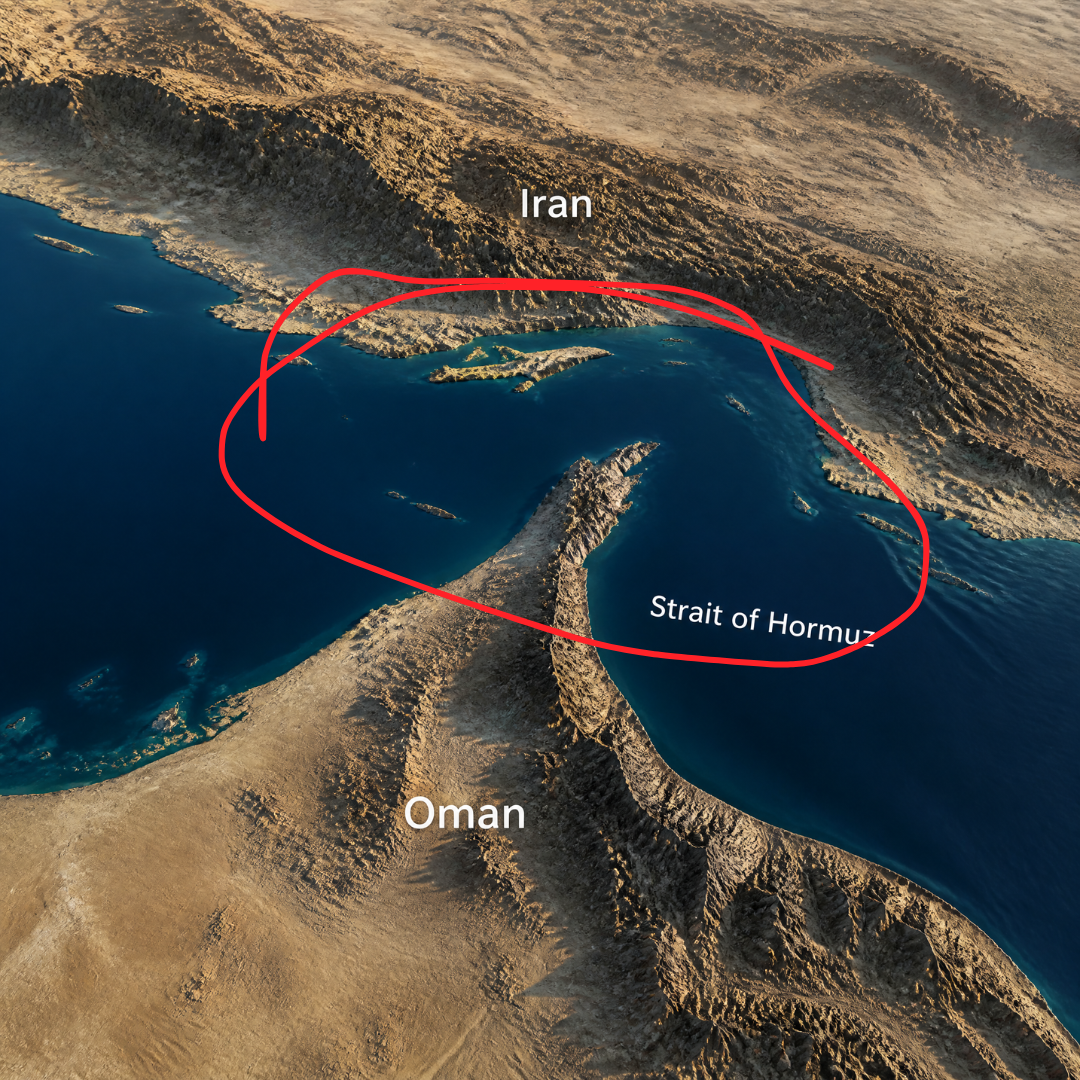
The guest who checked into my inn last Tuesday for three nights paid cash, gave me a first name that didn't match the one on his license, asked me Wednesday at dinner if my husband and I had a basement, and Thursday night at my kitchen island told me what he actually did for a living. Four days at my inn and he hadn't made a phone call. Hadn't used my WiFi. Walked the back acre alone every evening at dusk. I haven't told anyone what he told me Thursday. I'm writing it down now because every story on the news this past week answers a question he asked me on Wednesday. I've run this inn for twenty-two years. I read people for a living. The salesman trying not to be one. The couple on their second marriage pretending it's their first. The dad who came alone and won't say why his wife isn't with him. After two decades you don't even have to try. I knew Marcus was different from the second he stood at my front desk. Tuesday morning a little after eleven. Drove in alone in a black rental. Parked it on the side of the lot near the tree line where it wasn't easy to see from the road. One bag. Small. Dark. Well-worn. He stood at the desk for a second before he said anything. Looking at the wall behind me where the keys hang. Like he was checking the room before he stepped into it. Mid-fifties. Gray at the temples. Polite. Soft-spoken. Didn't ask about the area. Didn't pick up the brochures off the front table. Didn't ask where to eat dinner. Paid cash. Three nights. Booked under his initials. Gave me a first name that didn't match the one on his license. I let it all go. Twenty-two years I have not had a guest pay cash for three nights. I have not had a guest book under initials. I have never had a guest hand me a name that wasn't his. By Wednesday afternoon I'd let half a dozen things go I normally would have asked about. Thursday night, ten-forty-five. I was finishing dishes from dinner service. The news was on low in the parlor. Marcus was at my kitchen island on his second bourbon. He'd been sitting there since just after nine. Quiet. Watching the kitchen window, which was dark and reflecting the inn back at both of us. The news cut to a thirty-second slot on Iran. No graphics. No panel. The anchor said the words "encouraging signs in the negotiations" and the words "the President remains hopeful" and then moved to the weather. Marcus watched it through the parlor doorway. He hadn't moved. When the weather came on, he said — mostly to the bourbon glass — "They don't even try to make it convincing anymore." I stopped what I was doing. I said: "What do you mean." He didn't answer right away. He said: "Just an observation." I said: "You haven't said ten words to me in three days. You haven't asked me my name. You've been sitting in my kitchen for two hours and you haven't asked me what I think about anything. What you don't say is more interesting than what most of my guests say. So what do you mean." He looked at me for the first time since he'd come downstairs. He said: "You been watching the news lately." I said: "Every night." He said: "What does it feel like." I said: "What do you mean what does it feel like." He said: "When you watch it. The Iran segments. The strikes called off. The deal that's always almost there. The story you walk away with." I had to think for a second. I said: "Like nothing is actually happening. Like they keep telling me things are about to change and they don't. Same story every week with different verbs. I've been told a deal is close for so long I've stopped believing it. I caught myself muting the TV last week." He nodded once. He said: "That's exactly what they want you to feel." I waited. I said: "Why." He took a long drink. Set the glass down. He said: "I shouldn't tell you. You're a stranger and I don't know what you're going to do with it. But you noticed when I said it. Most people don't. And I haven't said any of this out loud to anyone outside of work in months." He looked at the bourbon. He said: "I work for the administration. Communications. Iran portfolio." He looked up at me. He said: "I shouldn't have told you that. Can you forget I said it." I said: "Marcus." He said: "Yeah." I said: "You paid cash." He said: "Yeah." I said: "You booked under your initials." He said: "Yeah." I said: "You gave me a name that wasn't yours." He said: "Yeah." I said: "You asked me Wednesday about my basement." He said: "I know." I put the towel down. I said: "What's going on." He looked at the window for a long second. Then he looked back at me. --- He said: "The Iran story isn't what people think. The deal isn't about to happen. The deal was never going to happen. None of it was the point." I waited. He said: "The whole rotation has been the cover." I said: "Cover for what." He took a drink. He said: "Pay attention to the pattern. Every week there's a story. Deal close. Strike called off. Iran threatening something. Two weeks later — deal close, strike called off, Iran threatening. Same story. Different verbs." He looked at me. He said: "You felt it tonight. I watched it on your face. The exhaustion. The 'I've stopped believing them' feeling. Multiply that by every American watching the same script every night for months." A drink. He said: "People who notice the pattern get tired. People who get tired stop tracking. People who stop tracking stop asking the questions we don't want answered." He set the glass down. I said: "Which questions." He looked at me. He said: "About what the strait actually means." I said: "The strait is on the news every night." He said: "The strait is on the news every night. Closing of the strait. Tension at the strait. Iran threatening at the strait. You have heard the word 'Hormuz' more times in the last few months than in your whole life before that." He looked at the window. He said: "What you have not heard once is what it means when it stays closed for another month." I waited. He said: "That's the part of the story they don't put on TV. The strait gets the segment. The strait gets the map graphic. The strait gets the foreign correspondent. What the strait does to the country you live in — to your kitchen, to your hospital, to your daughter's school — never makes it to the air." I said: "What does it do." He took a drink. He said: "Twenty percent of the world's oil moves through that stretch of water. When it stops, the math everywhere else breaks. Brazil has been doing rolling brownouts for six weeks — they called the first round a 'technical issue.' The Philippines started rationing diesel three weeks ago — they called it 'managed scarcity.' The word everywhere it has actually happened is rationing." He looked at me. He said: "It is going to happen here. The only question is the week." He took a drink. He said: "Most of our electricity runs on gas. Gas moves through pipelines from ports. The ports depend on the strait. The strait stops, the fuel for the grid gets short, the grid gets rationed. Same as everywhere else this has happened." He set the glass down. He said: "Watch for the phrase 'energy lockdown' on the news inside a few weeks. The language is already in the internal documents. They are testing it in smaller markets first. Voluntary first. Then advisory. Then schedule. Then name. Same playbook everywhere this has already happened." He looked at me. He said: "And here is the part nobody will tell you when it lands." I waited. He said: "The response was ready before the strait closed. Contracts about who keeps electricity when the grid runs short — written years ago. Emergency authority to disconnect customers from the grid — tested twice already this year. January. May. Nobody noticed because the load came back before they had to use it. The mechanism does not go away. It exists now." He looked at me. He said: "Somebody had all of that ready before the strait closed. Somebody had the language for the news ready before there was anything to say. The crisis is real. The response was built first." He let that sit. He said: "Which means somebody knew exactly what window the response would be needed in. And let the window open." I didn't say anything for a long second. He took a drink. He said: "The exhaustion is not a side effect. The exhaustion is the product. The whole rotation has been to wear you down to the point you stop looking at what's actually underneath it. By the time the grid cracks the news will explain it to you as a one-time accident. Bad luck. Once-in-a-generation event. Same story they will tell you the next time. And the time after. The story has been written for years." I didn't say anything for a long time. --- He took another long drink. He said: "There are a lot of people in this country who think they are getting ready for something. Buying food. Buying gold. Buying gas cans for the garage. Buying guns and ammunition. Buying generators. The whole prepper aisle." He looked at me. He said: "Almost all of them are missing the one thing that matters most." I waited. He said: "Water." I said: "Water." He said: "Water." He took a drink. He said: "Water is the thing nobody on TV will say out loud. Water is the thing most people in this country don't even think about as something that could be taken from them. You turn the handle. Water comes out. It has been that way your whole life. Mine too." He looked at me. He said: "Water is the thing that goes first when the grid runs short." I waited. He said: "Every water treatment plant in this country runs on the grid. Every pumping station runs on the grid. Every pressure pump on the line between the river and your kitchen sink runs on the grid. When the grid drops, the tap drops a few hours after. Most people in this country have no idea." He paused. He said: "Texas. February 2021. Three days of grid problems. Fourteen million Americans lost safe drinking water inside seventy-two hours. People got sick from their own kitchen taps. Boil advisories that lasted weeks in some counties." He looked at me. He said: "That was a cold snap. Not a war. Not an attack. Not a deliberate anything. Just weather that ran a little long. And the grid took the water out with it inside three days." He let that sit. He said: "What's coming this summer isn't three days. It isn't weather. It isn't an accident." I let that sit. I said: "And the bottled water aisle." He said: "Empties in forty-eight hours. Costco in seventy-two. After that there is nothing for sale anywhere in the country at any price." He looked at me. He said: "You have grandkids." It wasn't a question. He'd seen the school photos on my refrigerator. I said: "Two. Both under ten." He said: "Your grandkid is going to ask you for a drink. A week into this. And you are going to have to look at his face and tell him there isn't any more." He looked at me. He said: "That is the moment you should be preparing for. Not the war. Not the deal. Not the script on the screen. The moment with the kid and the empty cup. That is the moment the news will not warn anyone about because the people running the news need that moment to be a surprise." I didn't say anything. --- He took another long drink. He said: "The people I work with already have what they need." I waited. He said: "Two guys on my team set themselves up in March. My deputy stocked up in June without telling me — I only found out because his wife mentioned it to my wife at a dinner. The retired colonel who consults on our group has been ready since 2022. The energy desk at the NSC — every one of them. None of them talk about it. They are not panicked. They just do not intend to be at that moment with their grandkids." He looked at me. He said: "Wednesday. When I asked about the basement." I said: "Yeah." He said: "I wasn't asking because I needed somewhere to put my stuff. I was checking." I said: "Checking what." He said: "Whether you had thought about any of this. People who have, don't keep what they have where everyone can see it. They put it somewhere quiet. You said yes, you have a basement. But you said it the way someone answers a weather question. Which told me you hadn't thought about any of this at all." He set the glass down. He said: "You're sitting here right now thinking this is for bunker people. Doomsday people. Prepper people. The weirdos with the canned goods and the survival shows." He paused. He said: "That is the whole win. That is what months of this has been engineered to make you think. As long as you believe getting ready is something only crazy people do, you won't do it. And when this lands, the only people who turn out to be ready are the people who looked weird for being ready. Which is exactly who they want it to be. A small group nobody listened to." He looked at the bourbon. He said: "This is what most people don't see. The whole thing — the rotation, the exhaustion, the news cycle that goes nowhere — is built to put you in a state of doing nothing. Not looking. Not asking. Not preparing. So when the lever finally gets pulled, you are already where they need you to be." He took a drink. He said: "The lever is energy. When the energy goes, the water goes with it. When the water goes, your control goes with it. Every decision you make in your own house — when your kids drink, when you wash, when you cook, when you flush — runs on permission from the people who decide when the grid comes back on. That is the freedom that gets taken first. Most people in this country don't even know it's a freedom because they've never known a day without it." He looked at me. He said: "What you need is something that takes that lever off the table before they get to use it. Something that means the water comes whether the grid does or not. Something you can have in your house right now, today, before any of this lands." He set the glass down. He said: "And that thing isn't bunker stuff. It isn't MREs. It isn't a generator. It isn't a fortified basement. It's one small piece of plastic. The size of a marker. Anybody can have one. Anybody can use one. And anybody who has one is outside what's coming." He pushed the empty glass aside. Looked at his bag on the floor by his foot. --- I said: "What do you mean. One piece of plastic." He didn't answer for a few seconds. He said: "I shouldn't show you." I said: "You've already told me." He looked at the window again. At the reflection of both of us in it. He said: "Yeah." He bent down. Picked up the bag. Set it on the island. Didn't open it for another second. He said: "You cannot tell anyone. Not your husband. Not until you've decided what you're going to do about any of this." I said okay. He unzipped a side pocket. Reached in. Set something the size of a thick marker on the kitchen island between us. A blue plastic tube. Six inches long. Capped at both ends. I picked it up. Heavier than I expected. Tougher than I expected. I said: "What is it." He said: "A filter." I turned it over in my hand. I said: "Filter for what." He said: "Water." I said: "That's it." He said: "That's it." I waited. He wasn't going to volunteer anything more. I could tell. I said: "How does it work." He looked at the bag. Then at the filter. He said: "Screws onto a water bottle. Any standard bottle. Smartwater, Aquafina, the empties on your counter." I said: "And then what." He said: "Then you drink through it." I said: "And what comes out." He said: "Clean water. Anything you put in the top of the bottle comes out the bottom drinkable." I said: "What's inside it." He looked at me for a second. He said: "Hollow-fiber membrane at the bottom. Holes in the membrane are one-tenth of a micron across. Bacteria can't fit through. Parasites can't fit through. Above that, charcoal. Above that, two layers of cotton. Four stages." I held it up to the kitchen light. I could see something layered inside the blue plastic. I said: "Anything." He said: "Anything from a fresh-water source. Creek. Pond. Rain barrel. A bathtub of water you stored two weeks ago. Anything that's water that doesn't have chemicals in it." I said: "How long does one last." He said: "Four hundred gallons. About a year for one person." I said: "And then." He said: "You screw a new one on." I said: "How do you charge it." He said: "You don't. No power. Nothing to plug in. Nothing to refill. You're drinking water through a tube." I weighed it in my hand. I said: "This is what your people use." He looked at the window. He said: "Yeah." I said: "All of them." He said: "Yeah." I waited. I said: "Show me." He looked at me. He said: "I came up here to be alone for a few days. I did not come up here to do a demonstration." I said: "I want to see it work." He looked at the window again. Then he stood up. Slow. He said: "Where's your rain barrel." I said: "Back porch. Off the gutter on the right side." He walked out the back kitchen door. I heard him on the porch. He came back in carrying a mason jar from my kitchen sill, half-full of brown-green water from the barrel. Leaves in it. Silt at the bottom. He set it on the island next to an empty plastic water bottle on the counter — recycled, the kind I'd put out for the gardener on Friday mornings. He poured the rain-barrel water into the bottle. You could see the leaves floating in it. Screwed the filter onto the top. Turned the bottle upside down. Squeezed. What came out the other end was clear. He held it up to the light. Clear. No tint. No color. He poured a small amount into a juice glass. Slid it across the island. I picked it up. I am not going to lie. I hesitated. He didn't say anything. I drank. No taste. No grit. No mineral edge. Like a glass of water from a tap on a normal Sunday morning. Like water. I looked at the rain-barrel jar. Then at the glass in my hand. Then at Marcus. I said: "That was the water from out back." He said: "Yeah." Marcus picked the filter up off the island. Held it for a second. Then he set it down in front of me. He said: "Take it." I picked it up. I went up to bed at almost midnight with the filter in the pocket of my robe. I did not sleep. --- Friday morning my husband was at the kitchen island with the paper. I came down with the filter in my hand. I set it on the counter in front of him. He looked at it. Looked at me. He said: "What is that." I told him. He told me I was being dramatic. Told me Marcus was probably drunk. Told me men make up stories at bars. Told me I'd been watching too much news. I went out to the back porch. I came back with the same mason jar. I screwed the filter onto an empty Smartwater bottle from the counter. Poured the rain-barrel water in. Brown. Green. Visible leaves. I poured what came out the other end into a glass and slid it across to him. He looked at me. He looked at the jar. He looked at the glass. He drank it. He didn't say anything for almost a full minute. He picked up the jar of rain-barrel water. Looked at it. Set it down. Picked up the empty glass that had been mine the night before. Looked at it. Set it down. He said, quietly: "Where did he say you can get one of these." --- Marcus checked out Saturday morning at six. He came downstairs with his one bag. Paid for the extension in cash. Asked me if I'd take any of what he said as something I'd actually act on. I told him I would. He nodded once. Walked to the rental car. Drove off. I haven't heard from him since. That was a week ago. In that week. Tuesday the administration called off another Iran strike. The clip ran for two hours and then it was gone. Wednesday the late news ran a sixty-second segment on the strait. The anchor used the phrases "ongoing diplomatic engagement" and "energy markets responding." Nothing about what energy markets responding actually means. Thursday a wire service ran a story about a refinery on the West Coast going offline. The story called it "scheduled maintenance." It was the fourth American refinery to go offline in two months. The story did not connect them. Friday a regional utility issued a peak-demand advisory asking households to limit non-essential use through the weekend. It ran on the local feed once and was not picked up nationally. Saturday I was watching all of it from my kitchen and I thought about what he said about the rotation. Same story. Different verbs. People who notice get tired. People who get tired stop tracking. People who stop tracking stop asking questions. And I thought about the question he asked me at dinner that Wednesday. The way I'd answered it. And what my answer had told him about people like me. The filter has been in my purse for nine days. My husband ordered three more this week. One for our daughter's family. One for his brother in Ohio. One to keep in the garage. He didn't tell me until they arrived. I knew he'd done it because he came in carrying the boxes and didn't say anything. He set them on the kitchen counter. He looked at me. Then he sat down at the island and finished his coffee. That is what conversion looks like in this house. Quiet. No commentary. --- If you have been watching the news for the past few months and feeling like none of it is going anywhere — like the deal is always almost there, like the strike is always about to happen — and you have been getting tired of it the way people I know are getting tired of it — that feeling is not an accident. That feeling is the product. The people who run the script need you tired. They need you fed up. They need you to keep watching the strait without ever being told what the strait actually does to your house if it stays closed another month. The strait gets the segment. The strait gets the map. The strait does not get the math. The math is what Marcus told me Thursday night in my kitchen. The strait closes the fuel. The fuel closes the grid. The grid closes the water. Inside hours. The minute you have one simple thing in your kitchen that gives you clean water without their grid, you are outside the only thing this situation can actually take from you. The filter Marcus left me is made by an outfit called Primitive Labs. They sell direct off their site at https://primitivelabsresearch.com/products/hydra-x1-portable-filtration-unit. Not in stores. Not on Amazon. Small batches. They make a run, sell out, run another batch. They were already going in and out of stock when I checked Monday. I do not know how many they have right now. I know they are not making more on demand the way most companies do. If you are going to do this, do it before the next news cycle convinces you not to. You will not regret being the person in your family who had one of these in a drawer before any of it mattered. You will regret being the person who didn't. 👉 https://primitivelabsresearch.com/products/hydra-x1-portable-filtration-unit P.S. Sunday night the administration posted that talks were "going incredibly well" and that "we may not even need to do anything." Monday morning a major outlet ran a six-paragraph item about a refinery delay in Houston that nobody had heard about Friday. Two stories. Two channels. Twelve hours apart. Marcus told me Thursday night the rotation runs exactly like that. He was right inside seventy-two hours of leaving my kitchen. He is going to be right about the grid too. P.P.S. My husband sent one to his brother in Cincinnati. His brother — who has rolled his eyes at this kind of thing for fifty-seven years — opened the box, watched the demo video on his phone, called us back, and ordered three more for himself and for his kids. That is what happens when somebody who knows you and trusts you sends you one of these. There is no convincing involved. The filter does the convincing. He also ordered the emergency bivvy and the small solar battery off the same site because they're there and shipping is free. If you only get one thing, get the filter. The other stuff is a bonus. Water is the line. P.P.P.S. Four hundred gallons per filter. About a year of drinking water for one person, six months for a couple sharing, three months for a family of four. Lifetime warranty on the unit. Sixty-day money back if you decide it is not for you. Free U.S. shipping. Same units the people in the rooms Marcus came from are carrying in their bags. P.P.P.P.S. If you're reading this and thinking you'll handle all of this with a case of bottled water from Costco — read this part. Stored water is a countdown clock. Cases of water in the garage are a clock with a number on them. Two cases is two weeks. Four cases is a month. Eight cases is two months. Whatever you put in the garage on a Saturday in May is finite. Every glass you pour from it makes the number smaller. There is no version of this where stored water is the answer. The math gets worse every day. A filter is the opposite of a clock. A filter is access. As long as there is fresh water you can walk to — a creek, a pond, your own rain barrel, your own bathtub stored in advance — you have clean water. Not for a week. Not for a month. For four hundred gallons. That is what your stored water is missing. The continuous part. If you only do one thing this week → https://primitivelabsresearch.com/products/hydra-x1-portable-filtration-unit
If you're a parent or grandparent, please read this👆
Lightweight portable emergency water filter removes 99.99% of contaminants. Perfect for evacuations, disasters, and family emergency preparedness. Free shipping.
SHOP NOWLike this ad? Make it yours.
Crush rebuilds this exact creative around your product — your brand, your colors, your offer — in about a minute.