Rachel Morgan
 Facebook ad: “Read This If Bedtime Ends in Tears”
Ran for 9 days, from November 2 to November 11, 2026, the last day Crush saw it.
Run by Rachel Morgan on Facebook. Crush is not the advertiser and does not verify its claims. See this ad in Meta's Ad Library(opens in a new tab)
Make your own version of this ad
Crush makes it, launches it in your own Meta ad account, scales the winners and pauses the losers.
About this ad
- Meta Ad Library ID
- 1440444887656820
- Platforms
- Facebook and Instagram
- Relaunches
- 0
- Niche
- Parenting & Kids
Ad text
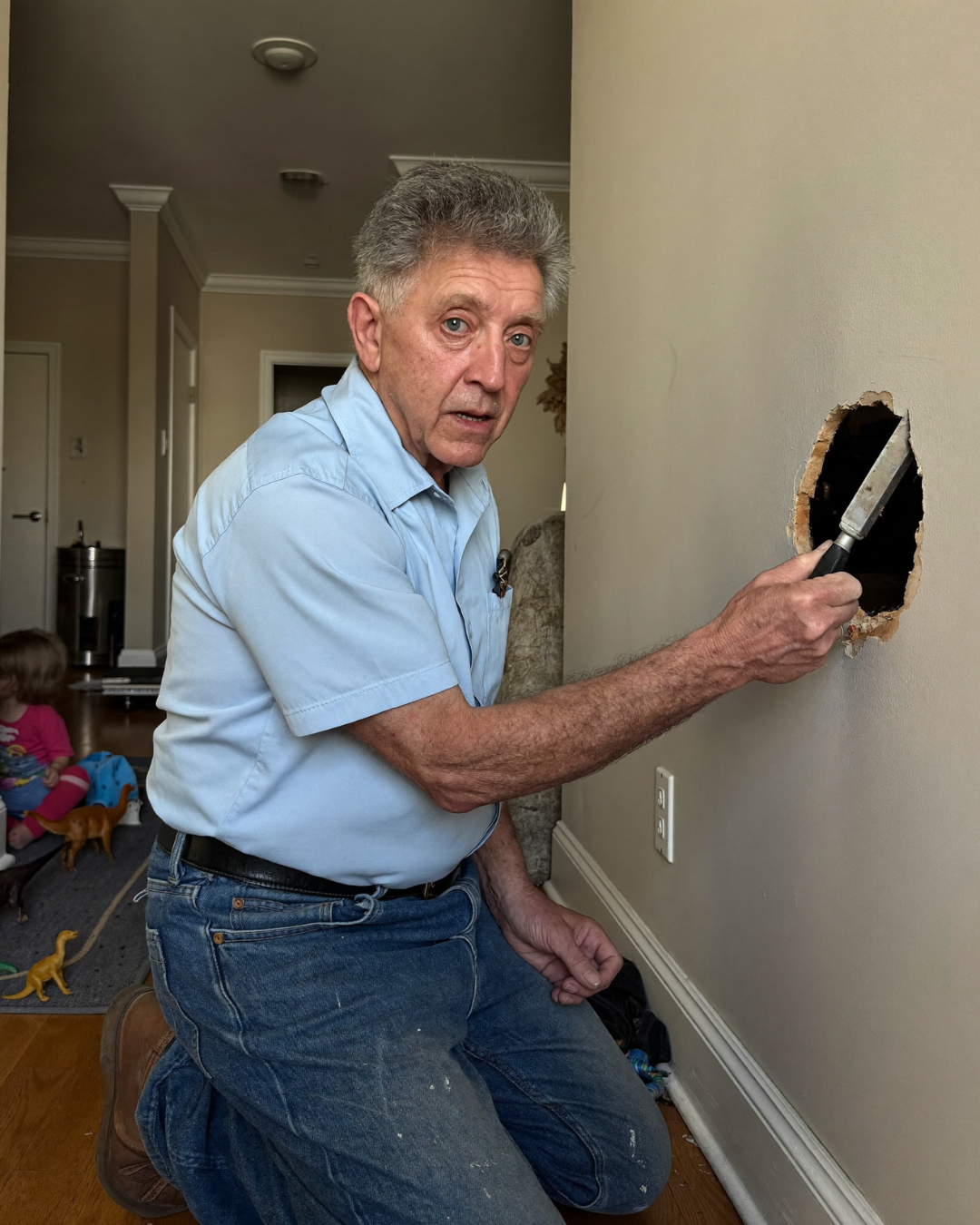
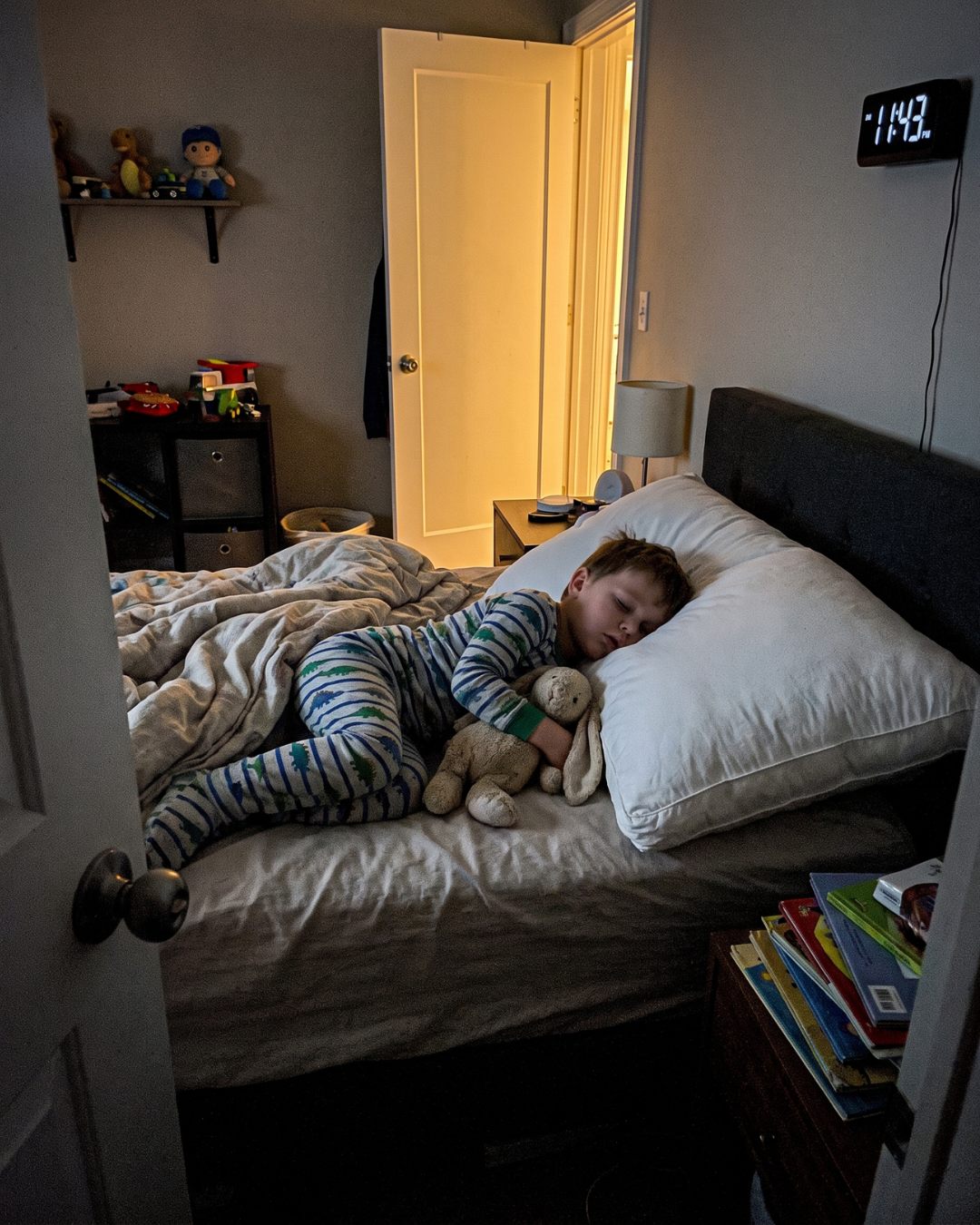
My six-year-old put a hole in the hallway wall because I said it was bedtime. My dad came over to repair it, looked at the damage, and asked why I wasn't being stricter. But what bothered me most wasn't the hole. It was what I noticed about my child's hands just before everything happened. I wish I could tell you the hole in the wall was the worst part of that night. It wasn't. It was the look on Casey's face afterward. My six-year-old stood in the hallway staring at the cracked drywall, suddenly looking much smaller than the child who'd been shouting thirty seconds earlier. The wooden dinosaur that had hit the wall was lying on the floor between us. I was shaking. Casey was crying. And all I could think was, how did we get here? I'm Rachel, 34, and I live just outside Charlotte, North Carolina, with my husband and our six-year-old, Casey. Casey is in first grade. Funny, curious, completely obsessed with dinosaurs, and usually the first kid to offer someone half a cookie without being asked. But over the past several months, bedtime had become the hardest part of our entire day. It didn't matter how gently I announced it. One more episode. Five more minutes. One more dinosaur battle on the living room rug. Every evening felt like a negotiation that neither of us knew how to finish. And I had tried everything I thought a good parent was supposed to try. First, I got stricter. Clear consequences. No television after dinner. Taking away privileges when the arguing started. A bedtime chart with little gold stars for every night we got through without a battle. Then I tried the gentler approach. Breathing exercises. A calm-down corner with a blanket and picture books. Sitting beside Casey until the frustration passed. I even bought a parenting book and spent three evenings highlighting entire chapters after everyone else had gone to bed. Some things helped occasionally. Nothing seemed to make the difficult evenings disappear. The arguments kept returning, and I kept wondering what I was doing wrong. That Tuesday, Casey was on the living room floor building an elaborate dinosaur world out of blocks and plastic trees. Dinner had run late, and I was already thinking about how much we still needed to do before bedtime. I gave a ten-minute warning. Then a five-minute warning. When I finally said it was time to put everything away and head upstairs, Casey's face changed. First came the pleading. Then the shouting. Then the wooden dinosaur went flying across the hallway. I heard the crack before I saw the damage. For a moment, neither of us moved. And then Casey started crying. The strangest part was how quickly the anger disappeared. One moment I was looking at a child who seemed furious with the entire world. The next, I was looking at a frightened six-year-old who hadn't meant to put a hole in our wall. I wanted to yell. I wanted to cry. Mostly, I wanted to understand how an ordinary bedtime request had turned into something neither of us could take back. The following morning, Casey was eating cereal at the kitchen island while I stood in the hallway looking at the cracked drywall. It was about the size of my fist. I took a picture and sent it to my dad, asking if he knew how to repair it. He came over that Saturday carrying a small tub of joint compound and a putty knife. He looked at the wall, shook his head, and asked whether Casey had been given a proper consequence. I felt my face getting hot. Not because he was being cruel. He thought he was helping. But he hadn't seen the months of arguments leading up to that moment. The parenting books. The reward charts. The nights I'd sat alone in the kitchen wondering whether I'd been too strict or not strict enough. He hadn't seen me apologize after losing my patience. Or Casey quietly coming downstairs ten minutes after an argument to ask whether we could still have a hug. I didn't know how to explain any of that. So I handed him the putty knife and changed the subject. But his question stayed with me. Because the truth was, consequences weren't something we'd forgotten to try. And neither was affection. We had both. Yet the same battles kept happening. That's when I started paying closer attention to something I'd never really considered. WHEN did the worst arguments actually happen? Not just what Casey was upset about. Not what rule we'd been trying to enforce. But the moment things started going wrong. And when I looked back over the previous few weeks, I noticed a pattern. The biggest arguments almost always happened during transitions. Stopping a game. Turning off the television. Putting away toys. Changing into pajamas. Moving from one room to another. It wasn't that Casey refused every instruction throughout the day. It was that the final hour before bedtime seemed to contain more changes than Casey could comfortably handle. I started thinking about what the rest of the day looked like. First grade meant sitting through lessons, following instructions, taking turns, moving between activities, managing friendships, and remembering dozens of little classroom rules. Then came the drive home, dinner, homework, cleaning up, bath time, pajamas, and bed. I had been looking at each instruction separately. Put the dinosaurs away. Go brush your teeth. Choose your pajamas. Get into bed. Each request seemed perfectly reasonable on its own. But for a tired six-year-old, the whole sequence might feel very different. I began reading about transitions and emotional regulation in young children. One thing became clear: children don't always find it easy to shift from an absorbing activity into something entirely different, especially after a long, demanding day. That doesn't excuse throwing objects or damaging property. We still needed clear boundaries, and I knew repeated or unsafe outbursts would be a reason to seek professional support. But it made me question something. What if I'd spent so much time trying to manage Casey's reaction that I'd barely considered what made the transition difficult in the first place? I wasn't suddenly looking for a new way to let every behavior slide. I was looking for a way to make the evening feel less like an endless series of confrontations. And that's when I began noticing something else. A small detail that had been there all along. Casey's hands. When Casey sat on the couch after school, those little fingers almost always found the soft edge of a blanket. During our bedtime stories, Casey held a stuffed dinosaur by its tail, rubbing the fabric between two fingers without even looking at it. And when we finally turned out the lights, the same small movement would often continue. Rub. Pause. Rub. I'd seen it hundreds of times. Sometimes I even told Casey to stop playing with the dinosaur and concentrate on going to sleep. But the more I watched, the more I wondered whether I'd misunderstood that part too. Maybe it wasn't always another attempt to delay bedtime. Maybe Casey simply liked having something soft and familiar to hold. There was something about the repetition that seemed comforting. Not a dramatic intervention. Not a treatment. Just a familiar sensation Casey naturally returned to during quiet moments. I began noticing the same preference outside the bedroom. Casey liked one particular pajama top because the sleeves felt softer. On Saturday mornings, the same blanket always came downstairs. And that little stuffed dinosaur seemed to spend more time being held by its tail than actually being played with. For the first time, I stopped seeing these things as random little habits. They were clues about what Casey enjoyed. And when I looked at the bedroom, I realized how little attention I'd paid to the comfort of the actual objects Casey used every night. I'd spent months perfecting the bedtime schedule, the rules, the timing, and the consequences. But I'd barely thought about the pillow. It was just a plain pillow we'd bought when Casey moved into a bigger bed. Sometimes it ended up on the floor. Sometimes Casey folded it or pushed it toward the headboard while trying to get comfortable. Then the stuffed dinosaur would get pulled back beside it, because Casey wanted something soft to hold. I couldn't help thinking how particular adults are about their own pillows. We choose the height, the shape, the softness, and the fabric. We flip them over and rearrange them until they feel right. Yet I'd never really considered those preferences for my own child. Around that time, I came across a different kind of children's pillow. It was called the Calming Kids Pillow. At first glance, it looked like a cute animal pillow. But when I looked more closely, I realized the design combined two things Casey already seemed to enjoy. A child-sized memory foam pillow to rest the head on, and soft animal details that little hands could hold. There were little ears and tails. Five different animal designs. And a removable, washable cover. The part that caught my attention wasn't a promise about behavior or brain chemistry. It was the simplicity of the design. Instead of a plain pillow beside a separate stuffed animal, here was a pillow that incorporated some of those soft, familiar features into the same object. Something Casey could rest on while gently holding an ear or touching a little tail. I thought about that stuffed dinosaur. The way Casey held its tail during story time. The way those fingers kept moving even when everything else had become quiet. And I liked the idea of a pillow that considered those preferences instead of expecting a child to suddenly stop having them. Now, I want to be clear about something. A pillow isn't a treatment for aggressive behavior. It doesn't fix emotional regulation problems, and it can't guarantee that bedtime arguments will disappear. I would never tell another parent that a hole in the wall could be solved by buying a pillow. But a child's sleep environment can be one part of a broader, more comfortable bedtime routine. And after months of focusing almost entirely on rules, I was beginning to understand the value of paying attention to the smaller details. A little more time between active play and bedtime. Fewer unnecessary demands all at once. Clear boundaries when behavior became unsafe. And a comfortable space with familiar things Casey enjoyed. None of those ideas had to replace the others. I also appreciated that the Calming Kids Pillow came with a 60-night trial, subject to the conditions on the official website. It meant we could consider whether the design suited Casey without treating it like some guaranteed miracle. Because that's what I wanted by then. Not another product promising to transform my child. Not another complicated system that required me to become a different mother overnight. Just thoughtful, practical ways of making the end of the day more manageable. I keep thinking about the patch on our hallway wall. The repairs were straightforward. My dad filled the damage, sanded it down, and left us with a small pale patch that still needed paint. But fixing the wall was the easy part. The harder part was understanding why our evenings had become so difficult, and realizing that no single consequence, parenting technique, or product could answer every question. Casey was still the same funny, curious, dinosaur-loving child. And I was still the same mother trying to make good decisions after a long day. We both needed patience. We both needed boundaries. And we both needed a bedtime routine that considered more than the exact time the lights went out. If you're living through bedtime battles that seem to come out of nowhere, I hope this story encourages you to look at what happens BEFORE the argument. The long day. The transitions. The moments when frustration starts building. And the familiar little things your child naturally reaches for when the house gets quiet. If your child already loves holding soft fabrics, rubbing a stuffed animal's ear, or having something gentle to fiddle with while settling down, the Calming Kids Pillow may be worth exploring. Take a look at the child-sized design, the soft animal features, and the current offer through the link below. Then decide whether it's a good fit for your family's bedtime routine.
Where the ad sends people
bombees.com
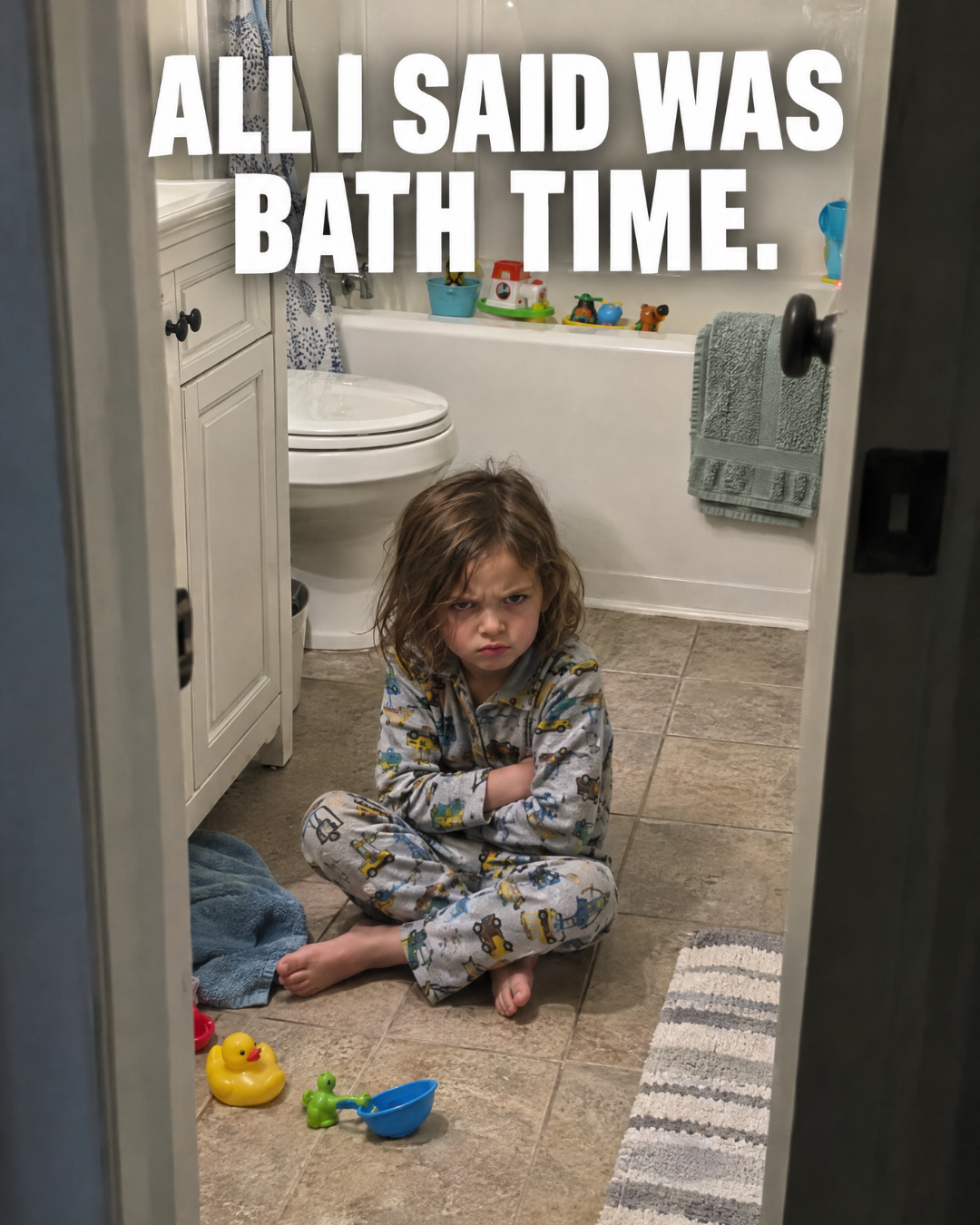
Read This If Bedtime Ends in Tears 😢
A different way to understand bedtime battles and childhood comfort.
Learn more: bombees.com(opens in a new tab)