The Discovery Journal
The Discovery Journal Facebook ad: “Using rosemary oil and nothing's changing?”
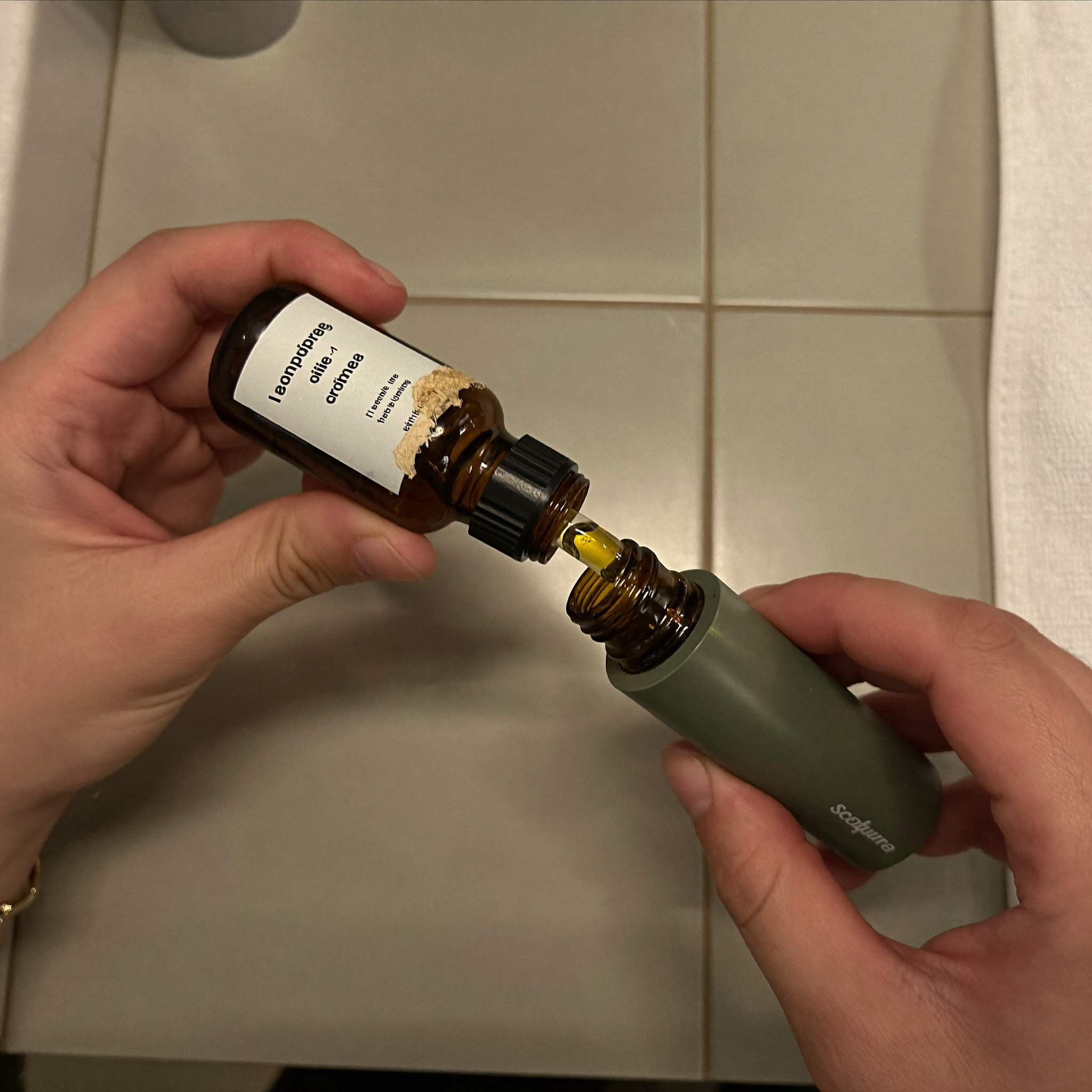
Ran for 3 days, from April 1 to April 4, 2026, the last day Crush saw it.
Run by The Discovery Journal on Facebook. Crush is not the advertiser and does not verify its claims. See this ad in Meta's Ad Library(opens in a new tab)
Want an ad like this for your product?
Crush makes new ad images for your product from this ad: your logo, your product photo, your offer.
Trials from $19.95 USD, then $79.95 USD a month. Cancel anytime.
About this ad
- Meta Ad Library ID
- 1446446063849781
- Platforms
- Facebook, Instagram, Audience Network, Messenger and Threads
- Relaunches
- 0
- Niche
- Hair Care
Ad text
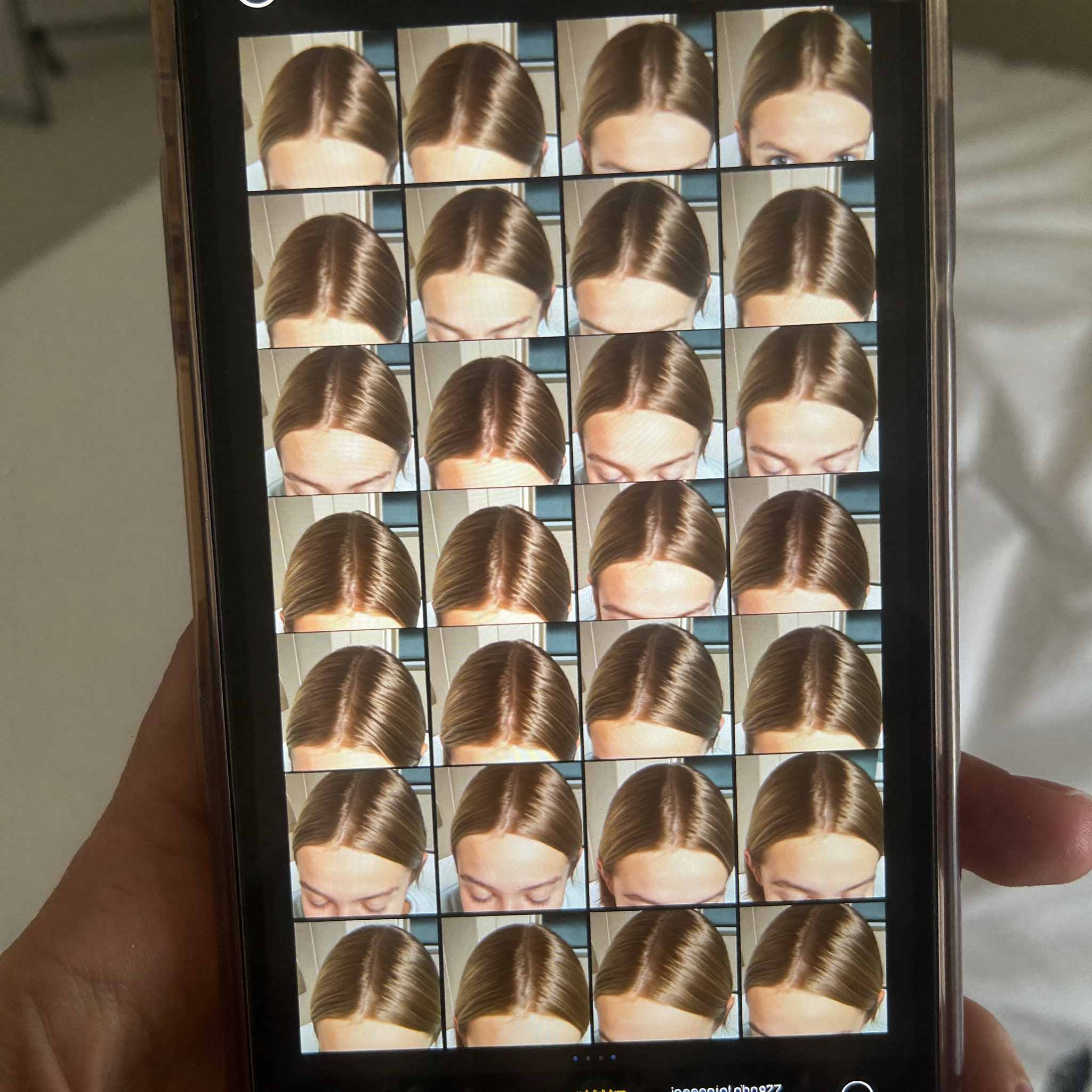
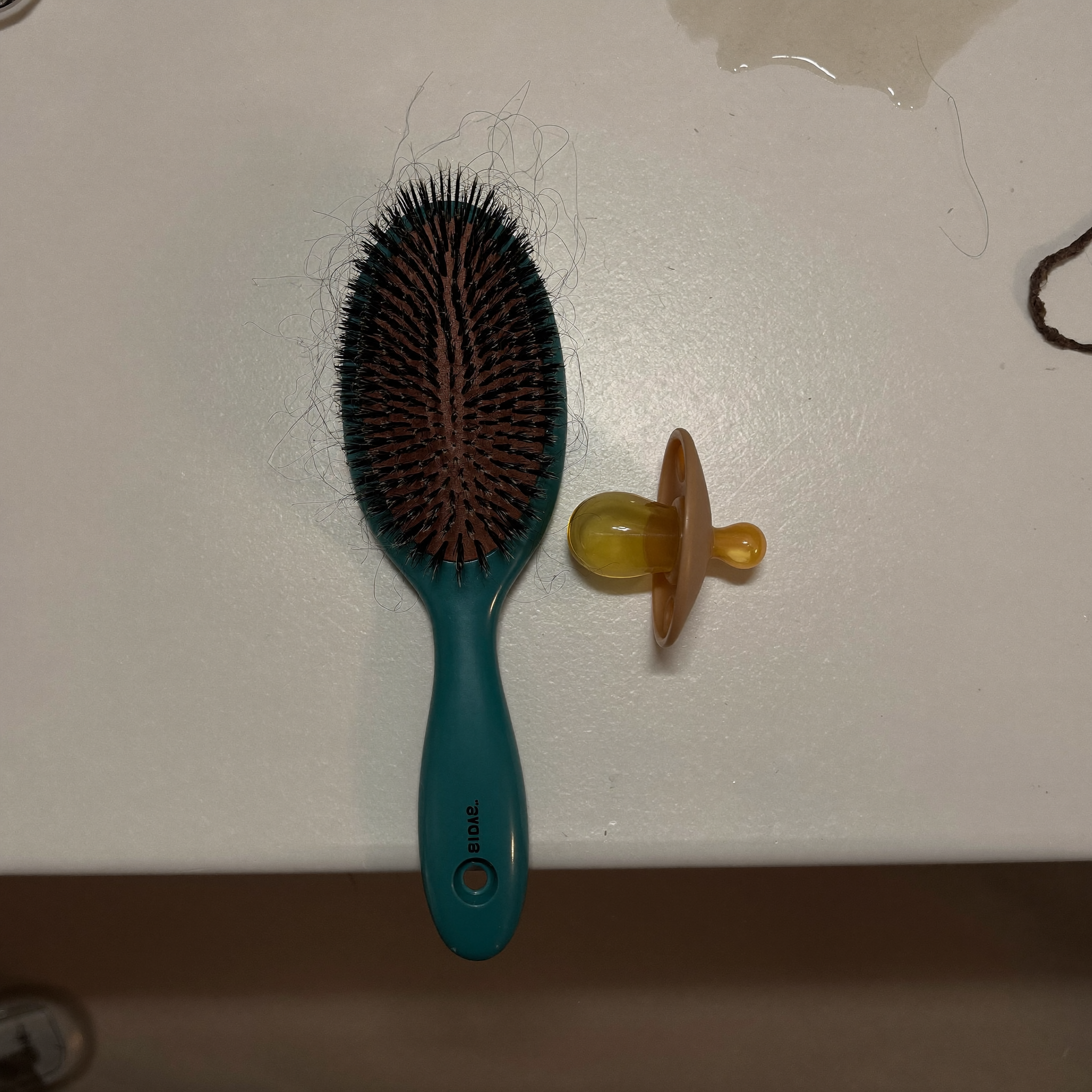
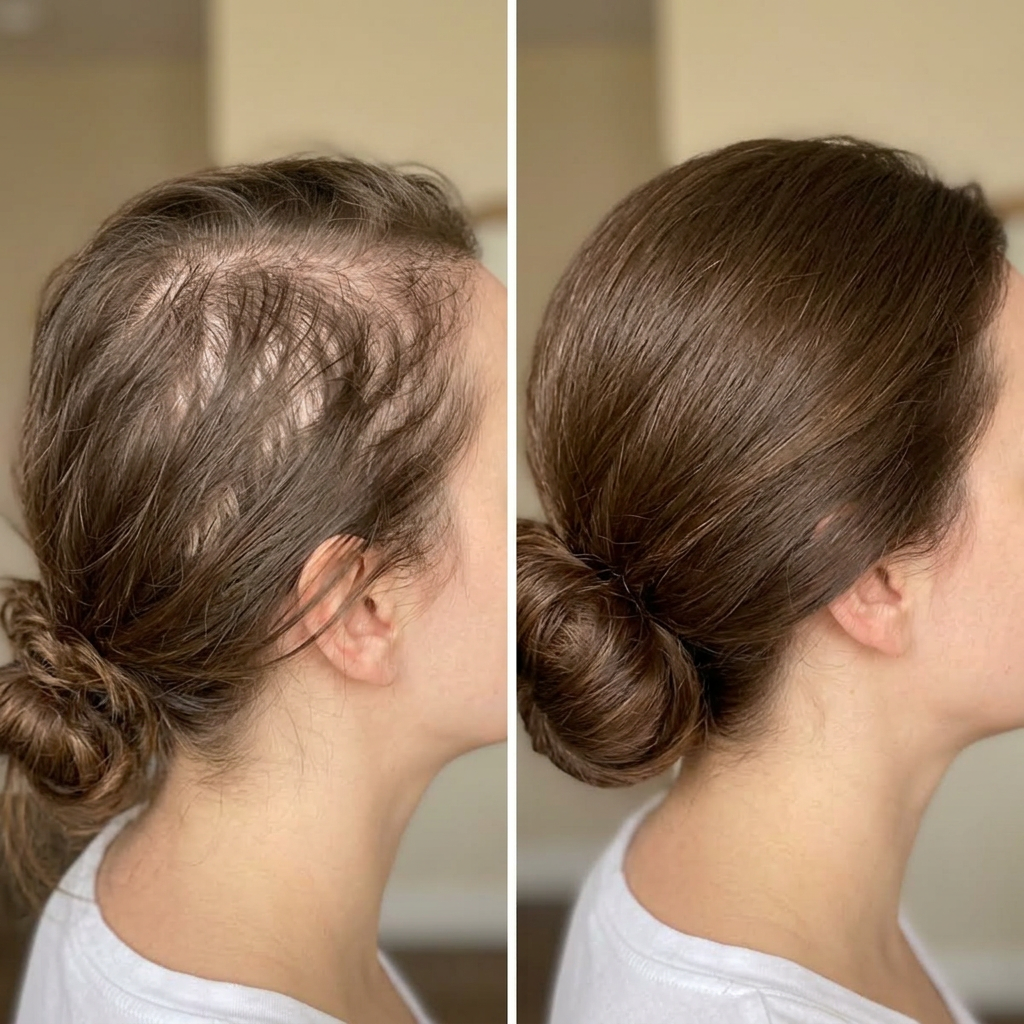
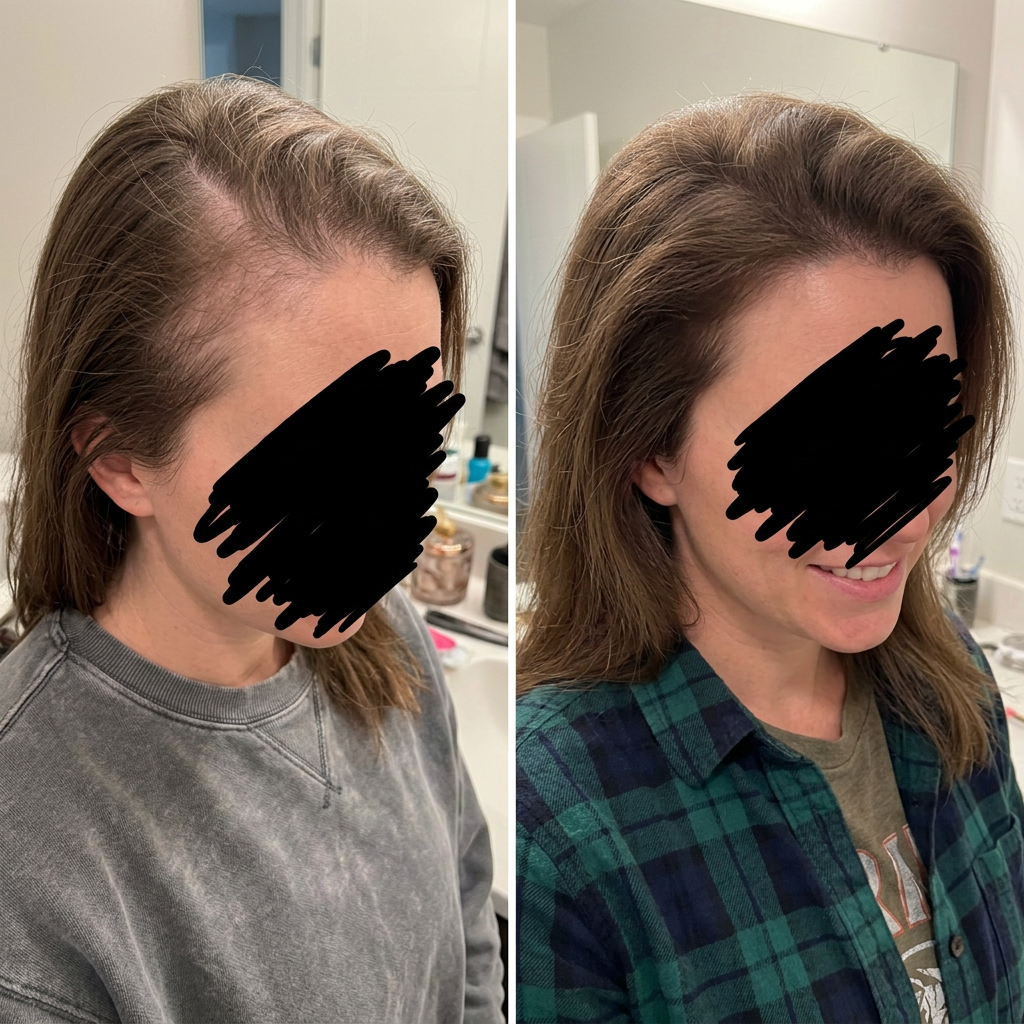
How I made the rosemary oil and the peptide serum I had been using for months actually start doing something. I did not switch products. I found out why they had not been working your skin blocks almost all of what you apply before it reaches the follicle and I found something that solves exactly that problem. I want to be clear about something before I explain what I found out. I was not someone who grabbed the first thing I saw on Amazon and hoped for the best. I researched my products the same way I research everything carefully, thoroughly, probably more thoroughly than was necessary. The rosemary oil I chose because the clinical data on it was genuine. The peptide serum I chose because I understood what peptides actually do at the follicle level and I wanted something that worked with the biology rather than around it. I applied both of them consistently, the right way, for months. I believed in them. I still believe in them. And the drain looked the same every single morning. When you buy something randomly and it does not work, there is an explanation ready. But when you research carefully and apply consistently and do everything the way the science says to do it and nothing changes the explanation is harder to find. After a while you stop questioning the products and start questioning whether something about your specific situation is the problem. That was where I was. The rosemary oil routine was not something I did casually. I sectioned my hair. I used the right dilution ratio. I massaged it in for the full time the studies suggested, working from the front hairline back, making sure I covered every area. I did this every night for three months without missing a single application. I was more consistent with that routine than I have been with almost anything in my adult life. The drain looked the same. The peptide serum I applied in the morning after washing, pressing it into the scalp the way every source said to not rubbing, pressing, to avoid mechanical damage to already fragile hair. I let it sit. I did not blow dry on high heat. I did everything the way it was supposed to be done. The drain looked the same. And here is the part that is hardest to describe. When a product fails you, there is usually a moment where you can point to something you were not consistent enough, you chose the wrong formula, you had unrealistic expectations. I did not have any of those exits. I had been consistent. I had chosen carefully. My expectations were not that my hair would come back overnight. My expectation was that applying clinically supported ingredients correctly for three months would produce some visible change in what came out of my scalp every morning. It produced nothing. After a while the question I kept coming back to was not which product to try next. It was whether there was something about my specific body, my specific postpartum situation, that made it impossible for any of this to work. I had read enough about postpartum shedding to know that some women just shed longer than others. That some bodies take longer to rebalance. That for some people the timeline is just different. I did not want that to be my answer. But I was running out of other ones. The one thing I had not tried was Rogaine. It was always there in the back of my mind, the obvious clinical option that every thread eventually mentioned. But I was still breastfeeding, and the dread shed the initial period where the shedding gets worse before it gets better was something I had read too much about to approach calmly. And you cannot stop once you start. That is the part nobody talks around. You are on it for life or you lose everything you gained. I could not make that commitment. I would not make it. So I stayed in the loop. Applying things correctly. Watching them not work. Telling myself I had not found the right explanation yet. Here is what I found out. And the first thing I want to say is that the rosemary oil was not wrong. The peptides were not wrong. Everything I understood about what those ingredients do at the follicle level was correct. I had not been deceived by the research and I had not been fooling myself about the science. The ingredients were doing exactly what they were supposed to do. They were just doing it in the wrong place. Your scalp has an outer barrier layer. It is not a metaphor and it is not a concept it is a documented biological structure called the stratum corneum, and its entire evolutionary purpose is to keep things out. It is the reason your skin does not absorb everything it touches. It is the reason you can wash dishes without your hands filling up with soap. It is extraordinarily good at its job. When you apply a topical treatment to your scalp any topical treatment, no matter how carefully formulated, no matter how clinically supported the ingredients the stratum corneum intercepts most of it. Studies on transdermal absorption put the penetration rate for standard topical application at somewhere between five and ten percent of what you apply. The rest sits on the surface, makes your hair feel coated, and eventually washes out. The follicle root where the shedding is actually happening is below that barrier. It is in the tissue layer beneath the skin, where the stem cells of each individual hair live. That is the location that needed the rosemary oil. That is the location that needed the peptides. And that is the location that neither of them was reaching in any meaningful concentration no matter how consistently I applied them or how carefully I sectioned my hair. I had been right about the ingredients. I had been right about the consistency. The only thing I had not known was that there was a wall between where I was applying things and where those things needed to go. Once I understood that, I stopped asking which product to add to my routine. I started asking whether there was a way to get what I already had through the wall. It was late. The baby had been down for two hours and I was in that window where I should have been sleeping but my brain would not stop. I was not shopping. I had stopped shopping for hair products weeks earlier. I was searching for an explanation specifically for why topical hair treatments fail to penetrate the scalp at the rate their ingredient lists should suggest. I found an article about transdermal absorption. It was not a product article. It was a science article, the kind that cites studies and uses clinical language, about the mechanics of how the stratum corneum blocks topical delivery and what methods exist to address that problem in a clinical setting. Near the end of the article there was a brief mention of a device built around solving the barrier problem specifically for scalp treatments. Not laser therapy. Not a supplement. Something designed to deliver topical treatments past the barrier rather than onto it. I read that section three times. Then I went and found what it was describing. The first time I used it I loaded my rosemary oil into the reservoir the way the instructions said. I had been applying that same oil to my scalp every night for three months. I knew exactly what it felt like when it landed. What I did not expect was how different it felt when it did not land on the surface. The device parts the hair before anything touches the scalp and delivers the oil directly to the root through small tubes built into the teeth while the vibration moves through the tissue at a frequency I could feel below the surface rather than on top of it. The oil went somewhere. That sounds simple. It was not a small thing. The LED warmth ran at the scalp level during the same session, reaching the tissue layer where I now understood the inflammation was sitting. Ten minutes. The same rosemary oil I had been applying for three months. Getting somewhere for the first time. Around two weeks in I noticed the drain had changed. Not dramatically. Not the kind of change that makes you photograph it and send it to someone. Just quieter. Where I had been gathering a clump every morning that I measured against the day before, I was now looking at something I could count. Individual strands rather than a handful. The same oil. The same peptide serum I had switched to applying through the device as well. Getting to the follicle root for what felt like the first time. A few people have asked me what I actually changed in my routine, so I want to be straightforward about it. What I found is called Scalpura. After I started using it I went back to look for it on the usual platforms and marketplaces out of curiosity. What I found there was everything organized around surface application serums, oils, devices designed to help things sit on the scalp more effectively. That is the category those platforms understand. A product built around bypassing the stratum corneum barrier entirely and delivering past it does not fit inside that category. The science it is built around exists in dermatology and transdermal research, not in the hair product aisle. The reason I found it at all was because I was reading a clinical article about absorption mechanics rather than browsing a marketplace. I am sharing this because of the specific experience I described at the beginning of this post. Not the failure of bad products. The failure of good ones applied correctly for months. If there is someone reading this who has researched carefully, chosen well, been consistent with everything, and still cannot understand why nothing is changing I want them to know what I found out about the wall their serums have been hitting. I will leave the link below. Drop STILL below if you have been applying the right things the right way and watching the drain look exactly the same. If you are reading this and thinking that sounds too simple if the barrier is real, why has nobody mentioned it I had that exact thought. I had read hundreds of forum threads about postpartum hair loss. I had read the ingredient breakdowns and the study summaries and the application guides. Nobody in any of those threads had described the barrier as the reason the products were stopping short. They talked about which products to use. Nobody talked about what was happening to those products between the surface and the follicle. The barrier is not a secret. It is in the dermatology literature. It is the reason transdermal drug delivery is an entire field of clinical research. It is just not something that comes up in a thread about which rosemary oil to buy. You were not missing something obvious. You were applying good things to the wrong layer because nobody had explained where the right layer was. That is still the case for most people searching what you have been searching. It was the case for me until I stopped looking for a product and started looking for an explanation.
Where the ad sends people
scalp-ura.com
Using rosemary oil and nothing's changing?👆
✓Stratum Corneum Bypass— 7 built-in infusion tubes deliver your serum directly to the follicle root, bypassing the skin barrier that blocks 90% of what you apply by hand ✓Cortisol Reset Vibration— 36 sonic bristles vibrate at a frequency that reduces stress hormones at the scalp, signalling ...
Shop now: scalp-ura.com(opens in a new tab)