
Inactive· since Feb 15, 2026
- 20
- days it ran
- 8
- relaunches
Ad copy
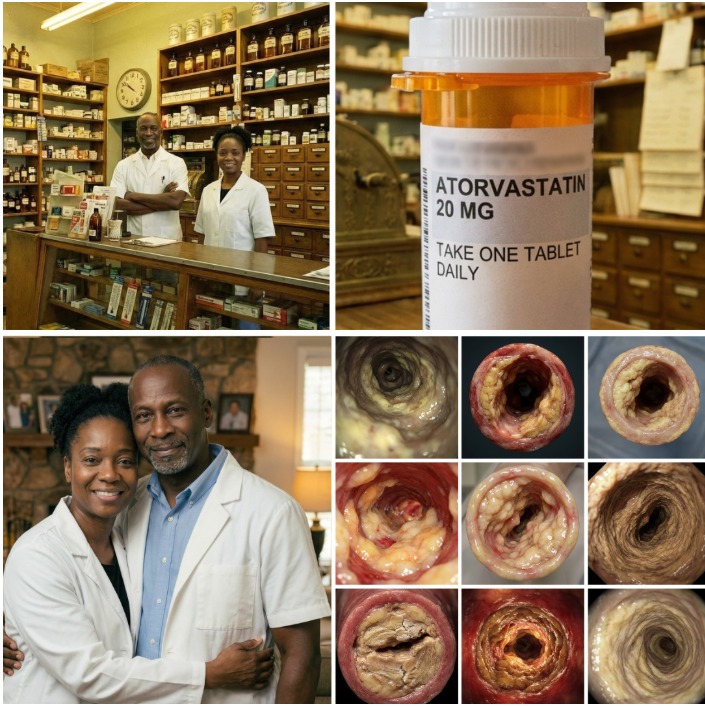
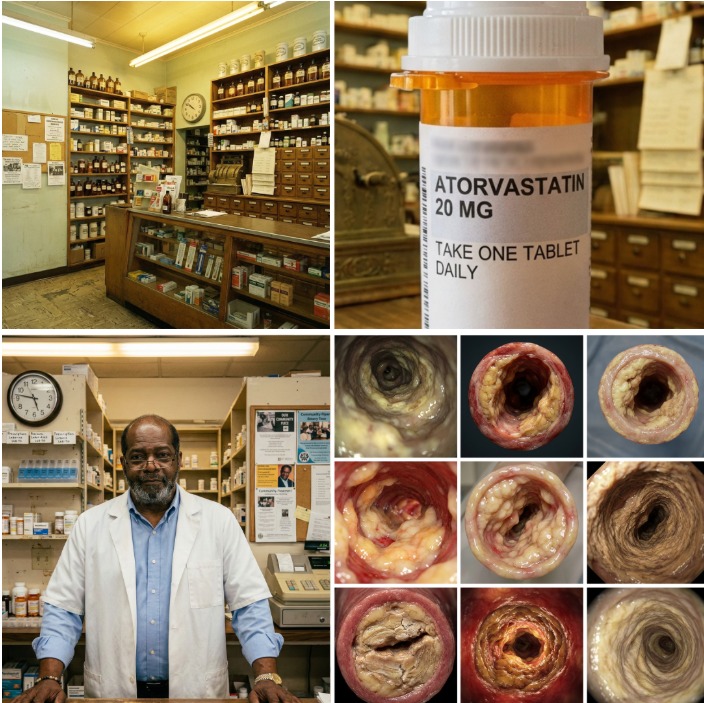
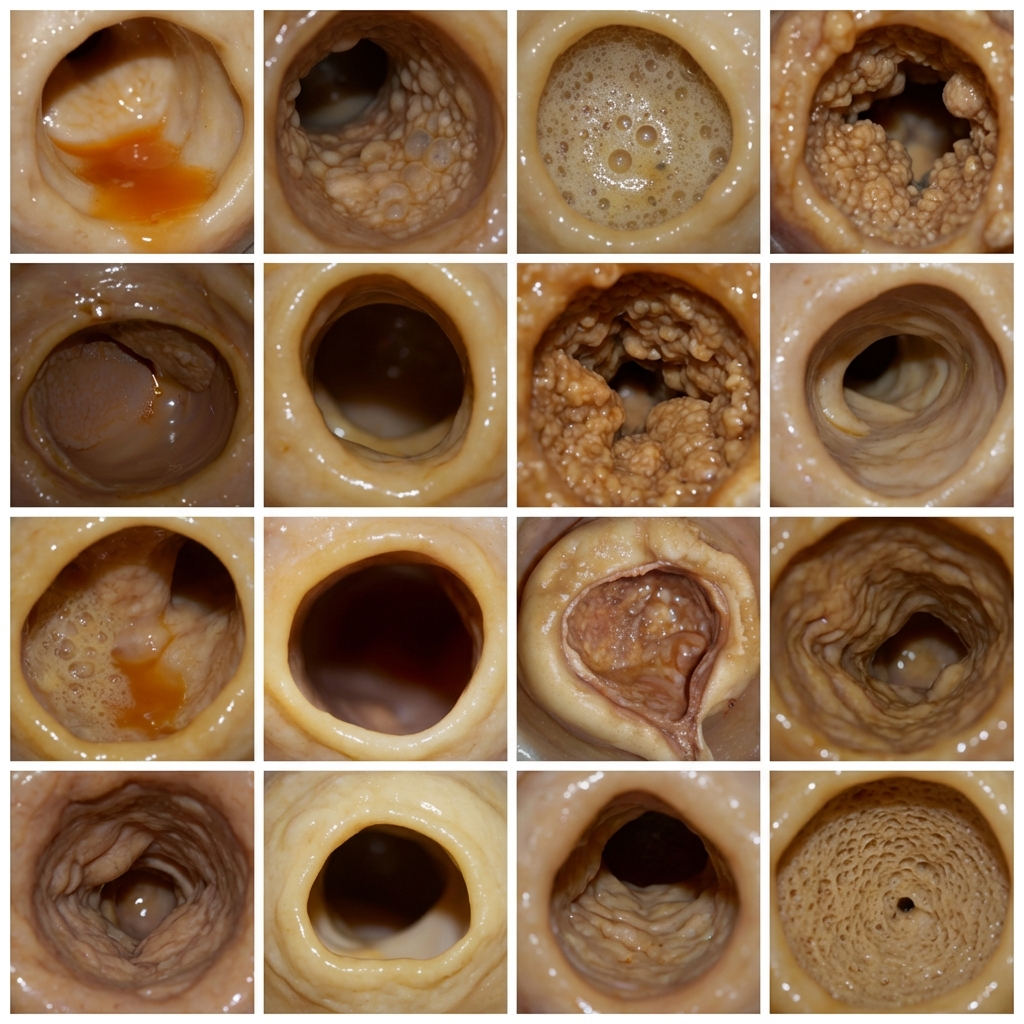
If your doctor's talking about statins but you're desperate to avoid it... this is for you. My father took Atorvastatin for 22 years. The side effects destroyed him. The stroke killed him anyway. When my doctor tried to put me on the same medication, I refused. And what I found instead — in a research paper from a Japanese university — brought my LDL from 168 to 122 without a single pill. But to understand why I was desperate enough to spend three weeks reading obscure medical journals at 2 AM, you have to know what I watched that medication do to my father. For 22 YEARS — and I mean over two decades straight — my father was trapped on cholesterol medication. Started with atorvastatin. His doctor called it "the gold standard." Said it was "safe and effective." Said he'd be on it for life, but that was fine because it would protect his heart. Within six months, the fog started. Not normal forgetfulness. I'm talking about a man who ran his own business for forty years — managed payroll, inventory, client relationships — suddenly forgetting where he put his keys. Missing appointments he'd written down that morning. Asking the same question three times in one conversation. His sharpness? Gone. Man used to do the crossword in ink. Used to build furniture in the garage on weekends, calculating cuts in his head. By year five, he couldn't follow a book anymore. Said the words wouldn't stay in his head long enough to follow the story. Then the muscle pain started. His legs ached so bad he'd grip the armrests just to stand up from his chair. The man who built our deck with his own hands couldn't open a jar anymore. Couldn't grip a jar lid. He started sleeping in the guest room downstairs. Couldn't make it up the stairs to their bedroom. His legs would burn halfway up and just... give out. The confusion got so bad he got lost driving home from the grocery store — the same route he'd driven for thirty years. My mom found him parked in a stranger's driveway four miles away, crying, unable to remember where he lived. And you know what the doctors said when we told them about the side effects? "That's normal. He's just getting older." "Some memory changes are expected at his age." "Muscle aches are common. Try some CoQ10." "The benefits outweigh the risks." Never once did they consider stopping the medication. Year eight: He called me by my brother's name. Then corrected himself. Then forgot he'd corrected himself and did it again. Year ten: He looked at my daughter — his granddaughter, the one he'd held the day she was born — and asked my mother, "Whose little girl is that?" My mom's voice cracked when she told me. "He didn't know her, James. He didn't know his own granddaughter." And the exhaustion got WORSE. Not better. Worse. He'd sleep ten hours and still wake up tired. Lost interest in fishing. Stopped reading the paper. Just... existed. Went through the motions. My mom said it was like watching the man she married slowly disappear. They had him on that medication for TWENTY-TWO YEARS. Twenty-two years of side effects. Twenty-two years of watching his mind slip away and his body break down. Twenty-two years of doctor appointments where they'd adjust the dose but never once — not ONE TIME — did anyone say, "Maybe it's the medication. Maybe we should look at what's actually causing this." And then the heart attack took him anyway. Sixty-eight years old. Twenty-two years of medication. His cholesterol numbers were "perfect" the whole time. Didn't save him. Just erased him piece by piece first. At the funeral, my mom grabbed my hand and said something I'll never forget: "The pills didn't save him, James. They just made him disappear." So fast forward to three years ago. I'm 61 years old. I run three times a week. Eat clean. Read nutrition labels like they're novels. Don't smoke. Not overweight. I go to my annual physical. Nurse draws blood. Routine lipid panel. Three days later, my phone rings. "Mr. Mitchell, Dr. Chen needs to see you about your results." LDL: 168. Total cholesterol: 252. I sat in the exam room. The door clicked shut. She pulled up my chart. Looked at me. "James, your cholesterol is elevated. Your LDL is well into the danger zone. We need to start you on medication." My chest tightened. "What medication?" "Atorvastatin. 10 milligrams daily. It's the gold standard—" I stopped hearing her. Atorvastatin. Twenty-two years of watching my father forget where he lived. Twenty-two years of watching the fog roll in. Twenty-two years of watching the man who ran his own business become someone who couldn't follow a conversation. And then the heart attack took him anyway. Numbers "perfect" the whole time. "No," I said. She blinked. "Excuse me?" "I'm not taking atorvastatin. My father was on that medication for twenty-two years. I watched what it did to his mind. And I watched the heart attack kill him anyway." She gave me that look doctors give difficult patients. "I understand your concern, but uncontrolled cholesterol is serious. The risks—" "What's the point of the medication if it doesn't actually prevent anything? His numbers were perfect. He still died." She didn't have an answer. I told her to give me three months. Diet and exercise. She wasn't happy. Wrote something in my chart. Probably flagged me as difficult. I didn't care. For three months, I did everything right. Cut out red meat. More vegetables than I'd ever eaten. Oatmeal every morning. Fish twice a week. Added another running day. Long walks every evening. Three months later, I went back. LDL: 161. Barely moved. Doctor pulls out her prescription pad. "James, I really think it's time. Atorvastatin, low dose." I stared at that prescription pad and felt rage building in my chest. I'd done everything she told me to do. Everything the medical establishment says you're supposed to do. And it wasn't enough. And now the only solution is the same medication that erased my father piece by piece for two decades? "Give me three more months." "James, we need to be aggressive—" "Three more months." She sighed. Made another note. I didn't care what she wrote. That night, I couldn't sleep. I kept doing the math. My father died at 68. I was 61. Same genetics. Same cholesterol. At 2 AM, I gave up. Went downstairs. Opened my laptop. The screen's blue glow hurt my eyes. I typed: "atorvastatin memory loss" The search results loaded. My chest tightened. FDA Drug Safety Communication: "Post-marketing reports of cognitive impairment, memory loss, and confusion with statin use..." I clicked through. Forum after forum. "My husband's been on statins for 7 years. He forgets words mid-sentence now. The doctors say it's not the medication. But I watched it happen..." "Brain fog so thick I had to quit my job. Three months off the medication and I'm finally thinking clearly again..." "My mother took statins for 12 years. The last four, she didn't know who I was. Doctors blamed age. I blame the pills." My father's face flashed in my mind. The blank stare when he couldn't remember my name. The fear in his eyes when he got lost. I searched again: "lower cholesterol without statins" Every mainstream site said the same thing: Reduce saturated fat. Exercise. Lose weight. Take medication if that doesn't work. I'd done the first three. I refused to do the fourth. So I kept digging. Looking for people who'd actually solved this. Not managed it. Solved it. That's when I found the thread. A Reddit post with over 4,000 comments. The title: "Why do Japanese centenarians have the lowest cardiovascular death rates in the world?" I almost scrolled past. Sounded like another longevity clickbait article. Blue zones. Mediterranean diets. Green tea and fish. I'd seen it all before. But something made me click. Okinawa, Japan. Cardiovascular death rate 80% lower than the United States. Not 10% lower. Not 30%. Eighty percent. And it wasn't just diet. It wasn't just exercise. It wasn't just low stress or strong community bonds — though those helped too. Person after person in the comments linking studies. Sharing research papers. Discussing something I'd never heard of before. Molecular hydrogen. H2. The simplest molecule in existence. Two hydrogen atoms bonded together. Someone posted a link to a study from Nippon Medical School. Published in Nature Medicine — one of the most prestigious medical journals in the world. Not some wellness blog. A legitimate peer-reviewed study. I clicked through. Read the abstract three times. Then I stayed up until 5 AM reading everything I could find. Over 1,500 peer-reviewed studies. Research from Japan, Korea, China, Germany, the United States. Clinical trials in humans. Mechanism studies in cells. Animal research. Safety profiles. All pointing to the same thing. Molecular hydrogen — H2 — the smallest molecule in existence. Able to penetrate every cell in your body. Cross the blood-brain barrier. Enter your mitochondria. And selectively neutralize the most dangerous free radicals known to science. The hydroxyl radical. OH. The free radical that oxidizes cholesterol. The free radical that damages brain cells. The free radical that breaks down joint cartilage and ages your skin and destroys healthy tissue. The same free radicals that were oxidizing my cholesterol right now. Every day. While my LDL sat at 161 and my doctor wanted to put me on the same medication that erased my father. The same oxidation that causes heart attacks. I found an email address for one of the researchers. Dr. Hiroshi Nakamura. Cardiologist at Tokyo Medical University. Had been studying molecular hydrogen for cardiovascular health for over fifteen years. I wrote him at 4 AM. Didn't expect a response. Three days later, my inbox pinged. "Mr. Mitchell — Your question is important. Many Americans suffer as your father did. I am happy to explain." We scheduled a video call for 6 AM my time. 8 PM his. When his face appeared on my screen, I saw a man in his late sixties. Sharp eyes behind wire-rimmed glasses. The kind of calm presence that made you trust him immediately. Behind him, I could see shelves lined with research journals. Medical certificates on the wall. This wasn't some wellness blogger. This was a real scientist who had spent decades studying this. "Your father," he said. "His numbers were perfect. But he died anyway. Yes?" "Yes." He nodded slowly. Like he'd heard this story a thousand times. "I hear this story often from Americans. Perfect numbers. Dead anyway. Your doctors — they are fighting the wrong enemy." I leaned forward. "What do you mean?" "In America, in Europe, doctors focus on the number. LDL this, total cholesterol that. Get the number down. That is the goal. That is how they measure success." He shook his head slowly. "But that's not what kills people." He pulled up an image on screen share. A diagram of an artery. Cross-section showing the arterial wall. "It's not the cholesterol itself. Cholesterol is not poison. Your body makes it. Your brain needs it. Your hormones depend on it. The problem is not that cholesterol exists." He drew a circle around a particle in the diagram. "The problem is what happens to the cholesterol. When it gets attacked by hydroxyl radicals — the most destructive free radicals in your body — it oxidizes. Changes structure. Becomes sticky. And that sticky, oxidized cholesterol? It starts clinging to your artery walls." He zoomed in on the image. "That's what causes the damage. That's what builds up into plaque. That's what causes the heart attacks." I thought about my father. Numbers "perfect" for twenty-two years. Dead of a heart attack anyway. "Your father's statin," Dr. Nakamura continued. "It lowered his number. Maybe dramatically. But it didn't stop the oxidation. So the cholesterol he did have? Even at the lower level? Still getting attacked. Still turning sticky. Still damaging his arteries." "That's why people on statins still have heart attacks," I said. He nodded. "Exactly. The number looks good on paper. The doctor is happy. The patient thinks they are protected. But the damage never stopped." He paused. Let that sink in. "In Japan, we ask a different question. Not 'how do we lower the number?' But 'how do we stop the oxidation?'" He pulled up another image. A molecular diagram. "This is H2. Molecular hydrogen. The smallest molecule that exists. Two hydrogen atoms bonded together. So small it can pass through any cell membrane. Cross the blood-brain barrier. Enter your mitochondria — the power plants inside every cell." He zoomed in on the diagram. "But here is what makes it remarkable. H2 is selective. It doesn't destroy all free radicals — some free radicals your body needs. Your immune system uses them. Your cells use them for signaling." He highlighted part of the diagram. "H2 only targets hydroxyl radicals — the most dangerous free radicals. The ones that oxidize cholesterol. The ones that damage your brain cells. Your heart tissue. Your joint cartilage. The free radicals that cause aging and disease." "It doesn't interfere with beneficial free radicals," he continued. "The ones your immune system needs. It only neutralizes the destructive ones. This selectivity — this is why H2 has no side effects. It does not interfere with normal body functions." "In Japan, we have studied this for over twenty years. Over 1,500 peer-reviewed papers now. Cardiovascular protection. Cognitive protection. Anti-inflammatory effects. Athletic recovery. Metabolic support. All from the simplest molecule in existence." He leaned back. "Your father's medication lowered his cholesterol number. But it couldn't stop the oxidation. And it came with terrible side effects — the brain fog, the muscle pain, the confusion. Because statins interfere with normal body functions." "Molecular hydrogen addresses the oxidation directly. At the source. Without side effects. Without interfering with your brain or your muscles or your memory." "Where do I get this?" I asked. He smiled. A small smile, but real. "That is the problem. And it is why many Americans try molecular hydrogen and think it doesn't work. Because most hydrogen water products — they don't actually deliver hydrogen to your body." "What do you mean?" "Molecular hydrogen is the smallest molecule in existence. Smaller than oxygen. Smaller than water vapor. It escapes through almost anything. Plastic bottles, metal containers, even glass over time." He pulled up a chart showing H2 concentration over time. "When a company makes hydrogen water and bottles it — by the time it reaches your home, most of the H2 is gone. Escaped through the container. Into the air." He pointed at the chart. "Within minutes of production, hydrogen water loses 50% of its H2. Within an hour, 80%. By the time you buy a bottle at the store and drink it? You're getting almost nothing. Trace amounts. Not enough to matter." "What about the machines?" I asked. "The ones that make hydrogen water at home?" He shook his head. "Same problem. The machine generates H2, but it escapes immediately. By the time you drink the water — even if you drink it right away — you've lost most of the hydrogen. It's rising out of the glass while you lift it to your lips." My heart sank. "So there's no solution?" "There is one way that works," he said. "Tablets. Effervescent tablets made with magnesium-based technology. You drop them in water and drink immediately while the reaction is still happening. The H2 generates in your stomach. Absorbs directly into your bloodstream through your stomach lining. No time to escape." He pulled up a product image. "In America, I have tested many hydrogen products. Sent to me by companies. Sent to me by desperate patients. I test the concentration with specialized equipment." He shook his head. "Most of them? Almost nothing. Two, three parts per million by the time they reach the stomach. Not enough to move the needle. Not enough to neutralize hydroxyl radicals at a meaningful level." "But there is one company making this correctly. They are called PrimeCell. They use magnesium-based tablet technology that generates H2 directly in your body. Twelve parts per million concentration at the moment of absorption. The highest I have tested." He showed me lab results. Third-party testing. Concentration measurements. Comparison charts. "Twelve parts per million. That is the dose used in clinical research. That is the dose that shows results in studies. Most products deliver a fraction of that. PrimeCell delivers what actually works." I wrote down the name. PrimeCell H2. "One more thing," Dr. Nakamura said before we ended the call. "You will feel it quickly. Within fifteen to twenty minutes. Mental clarity. Energy. The hydroxyl radicals attacking your brain — they will be neutralized. You will notice." I thanked him. Ended the call. Found the website. PrimeCell H2. Magnesium-based hydrogen tablets. 12 PPM concentration. Generates H2 directly in the stomach. Third-party tested with published results. I ordered it immediately. The bottle arrived three days later. I dropped the first tablet in a glass of water that evening. Watched it fizz. Drank it immediately like Dr. Nakamura said. Sat on my back porch. Waited. Seventeen minutes. That's when I felt it. A lift. Like someone had turned up the oxygen in my blood. The fog that usually settled over my brain by evening — it cleared. The heaviness in my limbs — gone. Like a window I didn't know was dirty had been wiped clean. I went inside and grabbed my cholesterol monitor. LDL: 164. Down from 168 at my last test. Small. But something was happening. And more importantly — my head felt different. Clearer. Something I couldn't measure yet, but could feel. Week one: LDL 159. I checked it obsessively. The numbers stayed consistent. My wife noticed I stopped losing my train of thought mid-conversation. She didn't say anything. Just watched me move through the day with a sharpness I hadn't had in months. Week two: LDL 152. Now I was paying attention. Week three: LDL 144. I called my brother that evening. His cholesterol had been creeping up too. LDL of 161 at his last checkup. "144," I told him. Silence on the other end. "Jimmy... how?" I explained everything. The Japanese research. Dr. Nakamura. Molecular hydrogen. The hydroxyl radicals. The oxidation. The difference between hydrogen water machines and tablets that generate H2 directly in your body. "I'm sending you a bottle," I said. "Try it." Week four: LDL 139. I checked it three days in a row. 139. 137. 140. Consistent. Stable. Healthy range. My follow-up appointment was at the end of month two. The nurse drew blood. I waited for the lab results. Dr. Chen walked in with her laptop. Pulled up my chart. Stared at the screen. Frowned. Refreshed it. Looked at me. Back at the screen. "James. What happened?" LDL: 138. Down from 168. Total cholesterol: 208. Down from 252. I told her. The Japanese research. Dr. Nakamura. Molecular hydrogen. The selective neutralization of hydroxyl radicals. She typed notes. Nodding slowly. "These are excellent," she said. "But I want to understand what's happening here." She typed something into her computer. "I'm ordering one more test. Oxidized LDL. It measures how much of your cholesterol has been damaged by free radicals — the kind that actually causes plaque buildup." I'd never heard of it. "Most patients haven't," she said. "It's not routine. But given your improvement, I'm curious." A week later, the results came back. Oxidized LDL: 42 U/L. "Do you have a baseline?" she asked. "From before?" I didn't. But she pulled up population averages for someone with my starting numbers. "Based on your original LDL of 168, your oxidized LDL would typically be in the 65-75 range. You're at 42. That's... remarkable." She looked at me. "Whatever this supplement is doing, it's not just lowering your LDL. It's protecting it from oxidizing. That's the cholesterol that actually damages arteries." She closed her laptop. "Well. Whatever you're doing, keep doing it. These numbers are excellent." Then she said the words I'd been waiting to hear: "No atorvastatin necessary." I thought about Dr. Nakamura. About what he said. *When cholesterol gets attacked by hydroxyl radicals, it oxidizes. That's what causes the damage.* He was right. And now I had the numbers to prove it. No one ever tested my father's oxidized LDL. Twenty-two years of checkups. Twenty-two years of "your numbers look good." Meanwhile, his cholesterol was oxidizing the whole time. Turning sticky. Damaging his arteries. Building toward the heart attack that would kill him. They were watching the wrong number. I walked to my car. Got in. Sat there. Then called my wife. "138. And my oxidized LDL is 42. She said no atorvastatin necessary." I heard her breath catch. Then a sob. "Thank God. Thank God, James." That was nine weeks ago. My LDL this morning? 129. Healthy. Stable. No medication. No brain fog. No forgetting words. No watching my mind slip away. No becoming a stranger to my own family. I'm not following my father's path. Yesterday I played basketball with my son for an hour. Full court. Running. Jumping. Calling out plays. Remembering the score, the time, every detail. Not even winded afterward. He grabbed me in a hug when we finished. "Dad! That was awesome! Can we do this every weekend?" My throat tightened. My eyes burned. Because I knew his name. I knew my name. I knew where I was and who I loved and every single moment of that hour together. The answer was yes. I called my mom last week. Told her my numbers. Long silence. "Your father would be proud," she finally said. "You found another way." --- If you're reading this, you see yourself in my story. Your cholesterol's creeping up. Maybe already in the danger zone. Your father's or mother's mind faded on that medication — the confusion, the forgetting, the slow disappearance into someone you didn't recognize. Your doctor's prescribed atorvastatin or another statin. You've Googled the side effects at 3 AM. Read the FDA warnings about cognitive effects. Seen the forum posts from families who watched it happen. You've felt paralyzed between two horrible choices. You've tried other supplements. Fish oil. Red yeast rice. Plant sterols. CoQ10. Nothing worked. But now you know the truth: those supplements don't address the real problem. They try to lower the number. But they can't stop the oxidation. So the cholesterol you do have — whatever amount — keeps getting attacked. Keeps turning sticky. Keeps damaging your arteries. You weren't fixing the problem. You were managing a symptom. Here's what I want you to know: If I hadn't found that Japanese research, I'd be on atorvastatin right now. For life. Wondering every time I forgot a word if this was how it started for my father. The confusion. The blank stares. Watching my children's faces become unfamiliar. Becoming a burden. Becoming no one. All while knowing the medication couldn't actually prevent the heart attack that would kill me anyway. But I had a choice I didn't know existed. I chose to try one more thing. To find a supplement that addressed oxidation directly — not just the number on a lab report. That choice changed everything. --- PrimeCell H2 is different. **Tablet Technology (Not Escaped Gas)** Hydrogen water machines and bottles lose most of their H2 before you drink it. Molecular hydrogen is the smallest molecule in existence — it escapes through plastic, through metal, through glass. Rising into the air while you pour it. Dissipating while you lift the glass. By the time you drink hydrogen water from a machine or bottle, you're getting trace amounts. Almost nothing. PrimeCell uses magnesium-based tablets that generate H2 directly in your stomach. You drop the tablet in water, drink immediately while the reaction is happening, and the hydrogen generates inside your body. Absorbs immediately into your bloodstream through your stomach lining. No time to escape. No concentration loss. The full dose reaches your cells. I felt the difference within 17 minutes. **12 PPM Concentration (Not Trace Amounts)** Most hydrogen products deliver 2-3 PPM by the time they reach your stomach. That's not enough to neutralize hydroxyl radicals at a meaningful level. That's why people try hydrogen water, feel nothing, and conclude it doesn't work. PrimeCell delivers 12 PPM at the moment of absorption — four to six times more than typical products. This is the concentration used in clinical research. The concentration that shows results in peer-reviewed studies. The dose that actually works. Dr. Nakamura tested dozens of products before recommending this one. Most failed his concentration tests. PrimeCell passed. **Selective Antioxidant (The Right Target)** Not all antioxidants are created equal. Many antioxidants interfere with beneficial free radicals — the ones your immune system needs, the ones your cells use for signaling. Molecular hydrogen is different. It's selective. It only targets hydroxyl radicals — the most destructive free radicals in your body. The ones that oxidize cholesterol. The ones that damage brain cells. The ones that cause the inflammation and cellular damage that leads to aging and disease. H2 leaves beneficial free radicals alone. That's why it has no side effects. Over 1,500 peer-reviewed studies confirm this selective mechanism. **Third-Party Tested (With Published Results)** Most supplement companies hide their test results. Or don't test at all. They print impressive claims on labels with no verification. No proof. No accountability. PrimeCell publishes everything: Certificate of Analysis showing exact H2 concentration. Purity testing. Heavy metal screening. Microbial analysis. All test results available on their website. Made in the USA in GMP-certified facilities. I could see exactly what I was getting before I took the first dose. No guessing. No hoping. Just data. **Dual-Phase Proof System** This is what convinced me to try it. Phase one: Within 15-20 minutes of your first dose, you feel it. Energy. Mental clarity. The fog lifts. The heaviness disappears. You know immediately that something is reaching your cells. Something is working. Phase two: Over 2-4 weeks, you see it in your numbers. Cholesterol levels you can track. Improvements you can measure. Progress you can verify. I didn't have to wonder if it was working. I could feel it. Track it. Prove it to myself. And then prove it to my doctor. --- Try PrimeCell H2 for 90 days. Track your cholesterol weekly. If you're not satisfied for ANY reason — if you don't see improvement in your readings — if you don't feel the energy boost — if you don't believe this is the breakthrough you've been searching for — contact customer service for a full refund. No questions asked. You risk absolutely nothing. --- You're at a crossroads right now. One path: Fill the prescription. Start atorvastatin. Hope you're one of the lucky ones who doesn't get the brain fog. Or the memory lapses. Or the muscle pain that makes you grip the armrests just to stand up. Or the confusion that makes you forget where you live. Watch yourself. Wonder. Wait for the signs. Every time you forget a word, ask yourself: Is this how it started for my father? Spend the next 20 years managing side effects. Adjusting doses. Getting blood work. Watching your numbers while the medication fails to stop what's actually killing you. Because the medication can't stop the oxidation. It can only lower the number. And as my father proved — as millions of people on statins prove every year — lowering the number doesn't prevent the heart attack. Another path: Do what I did. Try something different. Try a hydrogen supplement that actually addresses oxidation directly — the real cause of the damage. The real reason people on statins still have heart attacks. Track your numbers. Watch them improve. Feel the clarity. Verify the results. Give it an honest trial with zero financial risk. Ninety days. If it doesn't work for you — if you don't see improvement — if you don't feel the difference — get your money back. All of it. I chose the second path. It saved me from medication. From side effects. From following my father's path. From years of wondering if today was the day I'd start to disappear. It gave me my life back. My mind back. My memories back. My self back. The medical system isn't coming to save you. They don't make money when you get better. They don't make money when you solve the problem naturally. They make money when you stay on medication for life. When you come back for checkups. When you adjust doses. When you manage side effects with more medication. You have to save yourself. If you catch it early enough, you still have a window. Your cholesterol hasn't oxidized beyond repair. Your arteries haven't built up decades of plaque. Your brain hasn't been damaged by years of statin side effects. But every day you wait, that window gets smaller. Every day you wait is another day of unprotected cholesterol oxidizing in your bloodstream. Another day of hydroxyl radicals attacking your LDL. Another day of sticky, oxidized cholesterol clinging to your artery walls. Another day of damage that could have been prevented. Every day you wait is another day closer to starting medication you might never be able to stop. You don't have years to waste on supplements that don't work. On hydrogen water machines that lose concentration before you drink it. On products that look good on the label but deliver nothing to your bloodstream. You don't have years to waste. And neither does your mind. — James Mitchell https://shop.getamalahealth.com/pch/sp P.S. — I felt the mental clarity within 17 minutes of my first dose. Saw measurable cholesterol improvement by week two. Hit healthy range by week four. Avoided atorvastatin entirely. Your timeline might be different. But you won't know until you try. P.P.S. — My brother started taking PrimeCell H2 two months ago. His LDL dropped from 161 to 134. He calls me every week to give me updates. Last week he said, "I'm not going to end up like Dad." Neither am I. Neither should you. https://shop.getamalahealth.com/pch/sp
Fix Yourself at the Cellular Level
PrimeCell H2 is a next-generation molecular hydrogen tablet designed to selectively neutralize the most damaging free radicals in your body - at the cellular level, right where aging actually happens.
LEARN MORELike this ad? Make it yours.
Crush rebuilds this exact creative around your product — your brand, your colors, your offer — in about a minute.