
Active· since Mar 27, 2026
- 176
- days running
- 0
- relaunches
Ad copy
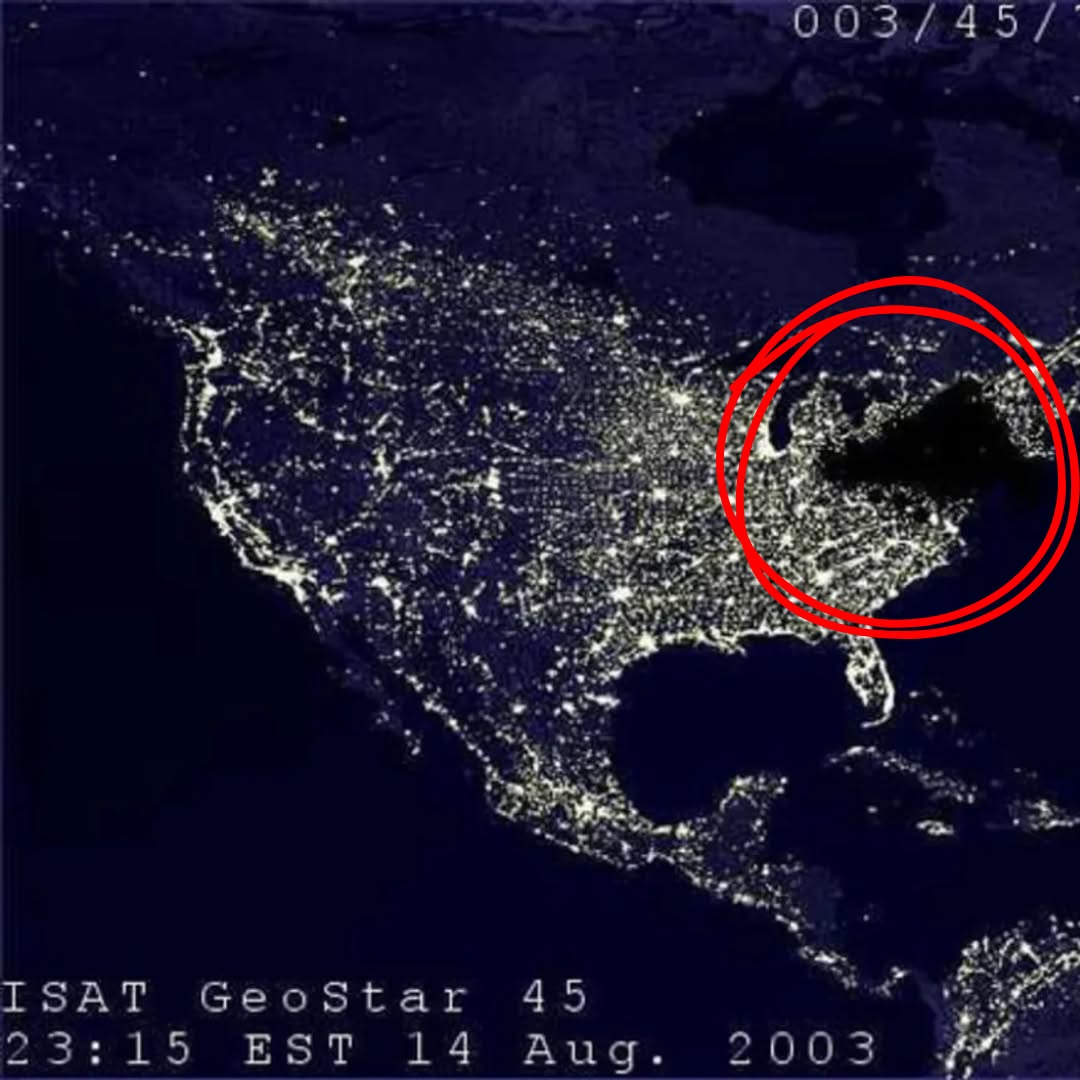
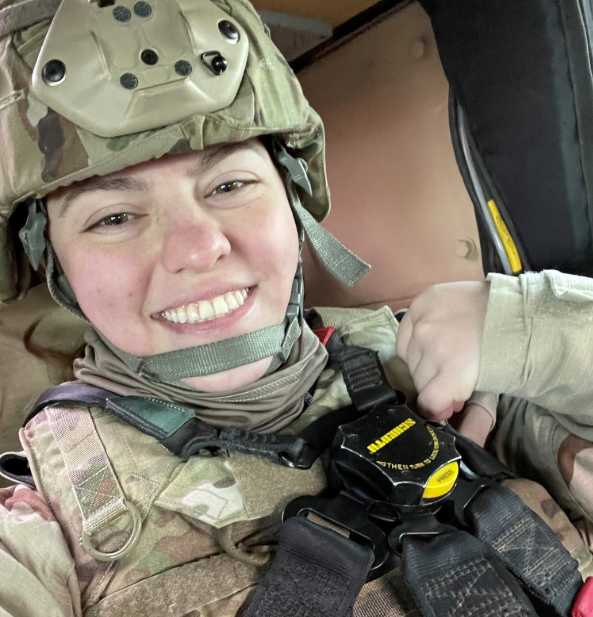
I'm a combat medic. And what I saw this week made me realize most American families won't survive the first month. I was a war readiness medic for the U.S. Army. 14 years active duty. I've deployed four times. Iraq twice. Afghanistan once. Humanitarian crisis in Central America. My job isn't just treating injuries. It's teaching soldiers what kills people and what to avoid. And I need to tell you something that's been keeping me up since I saw the news this week: If the U.S. grid goes down—whether from cyberattack, EMP, or infrastructure retaliation from what's happening overseas—90% of the American population will be dead within a year. Not from the attack itself. From dehydration in the first 30 days. I've treated hundreds of dehydration cases across multiple deployments. I know exactly what kills people when water systems fail. And watching tensions escalate overseas this week, I realized: most American families have absolutely no idea what's coming if this gets worse. I watch the same news everyone else does. I see the escalation overseas. I see the warnings from military analysts about infrastructure retaliation. I see experts talking about cyberattacks on the power grid. And I know something most civilians don't: When the power grid becomes a target in modern conflicts, it's not about turning your lights off. It's about cutting off your water supply. As a medic, I've been in situations where enemy forces deliberately targeted water infrastructure. I've seen what happens to civilian populations when treatment plants go offline. And here's what terrifies me about America: Your tap water depends entirely on the power grid. Treatment plants need electricity to purify water. Pumping stations need electricity to move it through pipes. Distribution systems need electricity to maintain pressure. When power fails, all of that stops. Within 24 hours. I've seen it happen in Iraq. In Afghanistan. In humanitarian crisis zones. Treatment plants go dark. Pumps stop working. Pressure drops to zero. And that's when people start dying. That 90% death rate I mentioned? Most people assume it's from violence. Chaos. Breakdown of society. It's not. The EMP Commission—a U.S. government study—looked at what actually kills people in long-term grid failures. The primary cause of death is dehydration and waterborne illness in the first month. Because when the grid fails, everyone thinks about food. About security. About protection. Nobody thinks about water. And that's what kills them. As a medic, let me explain the timeline: Day 1-2: People use their stored water. Most American households have maybe 10-20 gallons stored. That's 2-5 days for a family of four. Day 3-5: Stored water runs out. Stores are empty or closed. No delivery trucks running. People start panicking. Day 6-10: People start drinking from unsafe sources. Ponds. Creeks. Because they're desperate. Because their kids are thirsty. Day 10-30: Waterborne illness hits. Cholera. Dysentery. Severe bacterial infections. The hospitals aren't functioning because of the power being out. No medications available. This is where the death rate starts climbing. I've treated these cases. I know what contaminated water does to the human body. And I know that many of those deaths are preventable. In Afghanistan, 2011, my unit was stationed outside Kabul. The supply convoy was supposed to come every 72 hours with clean water. The convoy got ambushed. Route was blocked for 11 days. We had 3 days of water when the convoy was supposed to arrive. By day 4, we were out. 110-degree heat. No water. And a canal nearby with agricultural runoff that you wouldn't let your dog drink from. Some of the younger guys wanted to wait. "The convoy will come. Command won't leave us here." But our squad leader—guy named Ramos who'd been deployed four times—he pulled out these water filters. "We're not waiting," he said. "We're drinking from the canal." I'm a medic. I know what's in that water. Bacteria. Parasites. God knows what else. I thought he was insane. But Ramos explained how the filters work. Hollow fiber membrane technology. Filters down to 0.1 microns. Bacteria are 0.2 microns minimum. They physically cannot pass through. We drank from that canal for 7 days until the convoy finally arrived. Not one soldier in our unit got sick. Not one. Because the technology works. And that's when I learned: stored water is a countdown timer. Filtration capability is permanent access. I'm a mother of two. 8-year-old daughter. 10-year-old son. And as a combat medic who's treated pediatric dehydration cases, I need you to understand something: Children dehydrate faster than adults. Their bodies have less water reserve. They lose fluids faster. They deteriorate faster. I've treated kids in humanitarian crisis zones who drank contaminated water because their parents had no other option. Severe diarrhea. Vomiting. Dehydration so severe their organs start shutting down. And in a grid-down scenario with no functioning hospitals? Those kids don't make it. That's what keeps me up at night. The escalation of everything overseas is bad enough. But the thought of American children—kids like mine—suffering the way those men did in combat… I'm making damn sure it doesn't happen to mine. Let me do the math for you as a medical professional: Official medical guidelines: 1 gallon per person per day minimum. For a family of four: That's 4 gallons daily. 120 gallons per month. And let's say you take the typical advice of water storage as emergency preparation. Where are you going to store 120 gallons? That's your entire garage. That's 1,000 pounds of water. Do you remember the Texas freeze? It lasted weeks. And many died. Now imagine what happens after a month. As a medic, I can tell you: you can't store your way out of this problem. You need capability, not storage. You need access to water sources around you. And you need a way to make them safe. After Afghanistan, every medic I know from my unit started keeping water filters at home. Not because we're paranoid. Because we've seen what happens when water infrastructure fails. We've seen civilians die from dehydration. We've treated waterborne illness outbreaks. We've watched populations suffer because they couldn't access clean water. And we're not letting that happen to our families. I keep the filters we used in my go-bag. Same hollow fiber membrane technology we used in Afghanistan. Same physics. Same proven track record. Here's why it matters: When the grid fails, your tap stops working. Treatment plants go offline within 24 hours. Pumps stop. Pressure drops. Nothing comes out of your faucet. But water doesn't disappear. There are creeks, ponds, lakes, rain all around you. Millions of gallons. You just can't safely drink from them without getting violently sick. This filter makes them safe. It removes bacteria, parasites, and contaminants. The things that cause cholera, severe diarrhea, vomiting, dehydration. The things I've treated. The things that kill. It works anywhere there's water. No electricity needed. No power. No infrastructure. Just physics doing the work. It weighs 2 ounces. Fits in your pocket. Your purse. Your glove box. Goes wherever you go. Because most emergencies don't happen when you're standing next to your 60-gallon stockpile at home. You're at work. In the car. Already evacuating when crisis hits. It filters 400 gallons. That's over three months of drinking water for a family of four. From any freshwater source around you. And it never expires. Buy it once. Put it in your go-bag. It's ready 10 years from now. When your family's survival depends on equipment, quality is everything. This is military-grade technology. It works when everything else fails. I tested my filters again this week. I do it monthly. Just to verify they still work. Walked to the creek behind my neighborhood. Filled a bottle. Brown, murky water. Filtered it. Drank it. Completely safe. Like always. Because I need to know—not hope, know—that when my kids need water and the tap doesn't work, I have a solution that's been tested. Then I called my sister. "Did you see the news this week?" "Yeah. It's scary." "Do you have water stored?" "Some. Maybe a case or two." "That's two days for your family. What's your plan for day three?" Silence. "I'm sending you filters. One for each person. Test them now. Don't wait until you need them." She tried to argue. Said I was overreacting. But I've seen what happens when people wait until they need equipment to figure out if it works. They don't make it. I'm not trying to scare you. I'm telling you what I know as a war readiness medic who's treated hundreds of dehydration cases across multiple deployments: When the power grid fails, water fails with it. 90% of Americans won't survive the first year. The #1 cause is dehydration and waterborne illness in the first 30 days. Stored water is a countdown timer that runs out in days. Filtration capability gives you permanent access to water sources around you. The HYDRA-X1 from Primitive Labs Research: https://try.primitivelabsresearch.com/cmlzrfdnm022zm3cxh24flc51 400 gallons per filter. Works on any freshwater source. No power needed. Lifetime warranty. The same technology I trust for my own children. I hope we never need them. I hope tensions de-escalate. I hope the grid stays online. I hope water keeps flowing from every faucet in America. But hope isn't a medical treatment plan. And as a combat medic, I prepare for what happens when hope isn't enough. Get equipped now. While you still can. https://try.primitivelabsresearch.com/cmlzrfdnm022zm3cxh24flc51
Like this ad? Make it yours.
Crush rebuilds this exact creative around your product — your brand, your colors, your offer — in about a minute.