
Inactive· since Mar 1, 2026
- 81
- days it ran
- 0
- relaunches
- 1,951
- EU reach
Ad copy
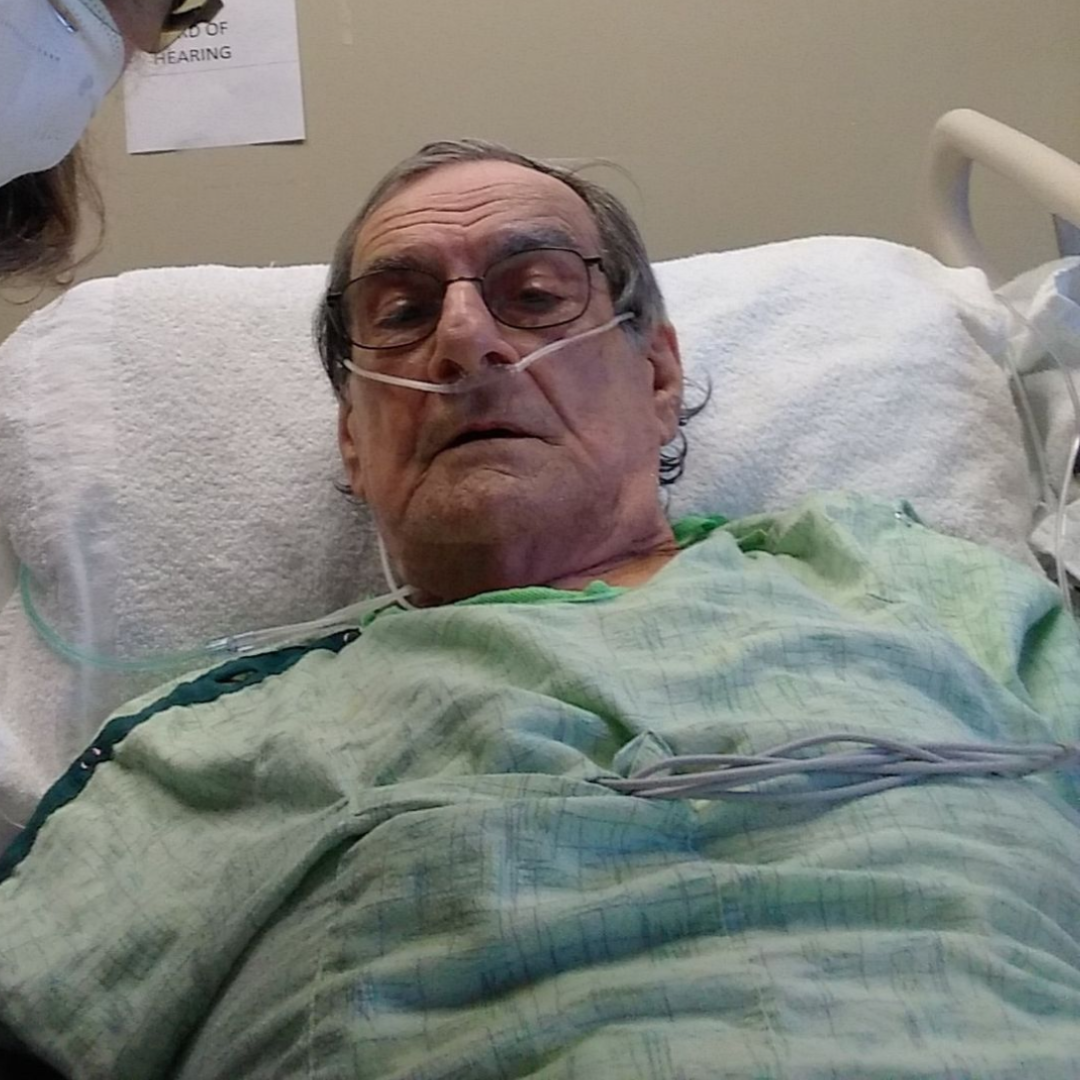
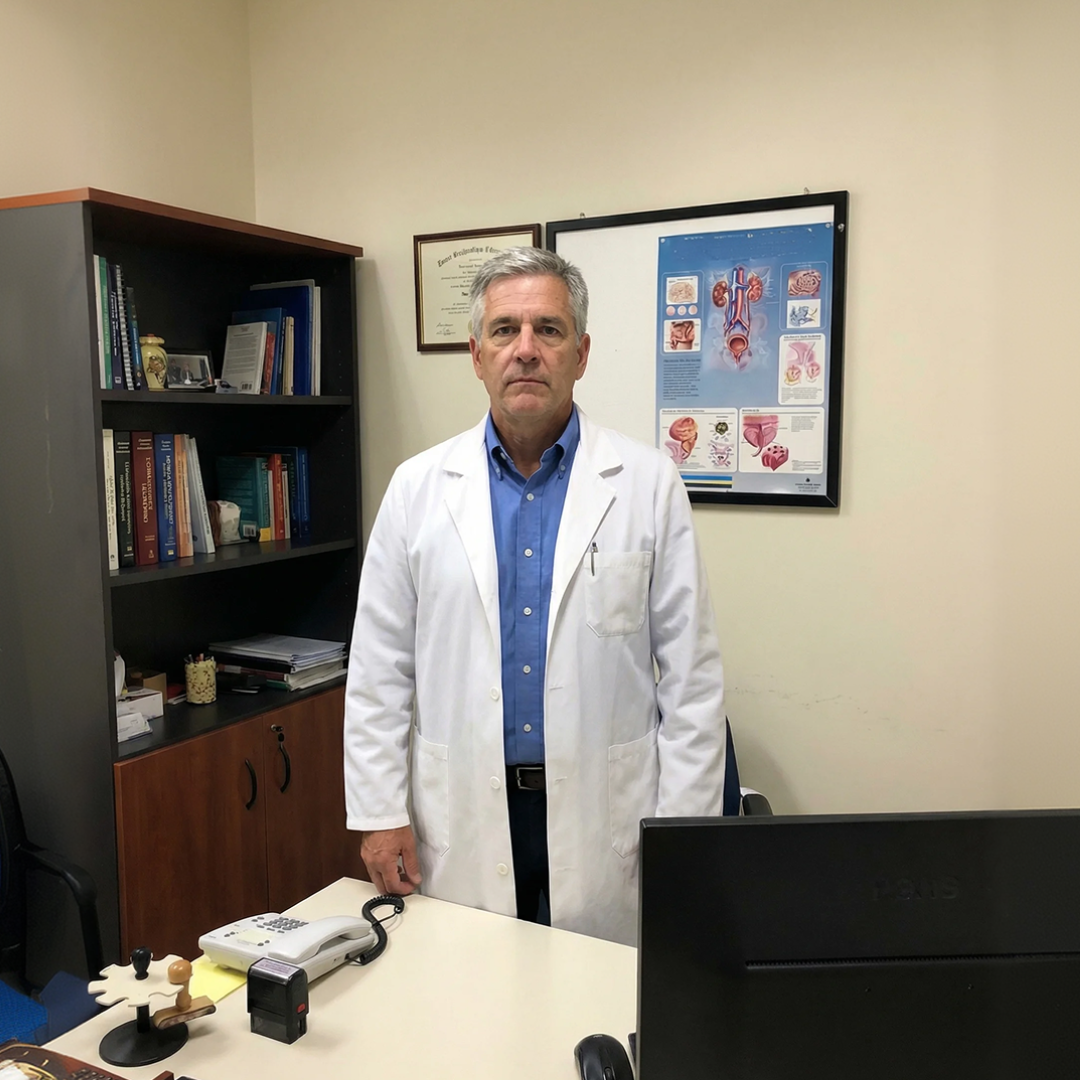
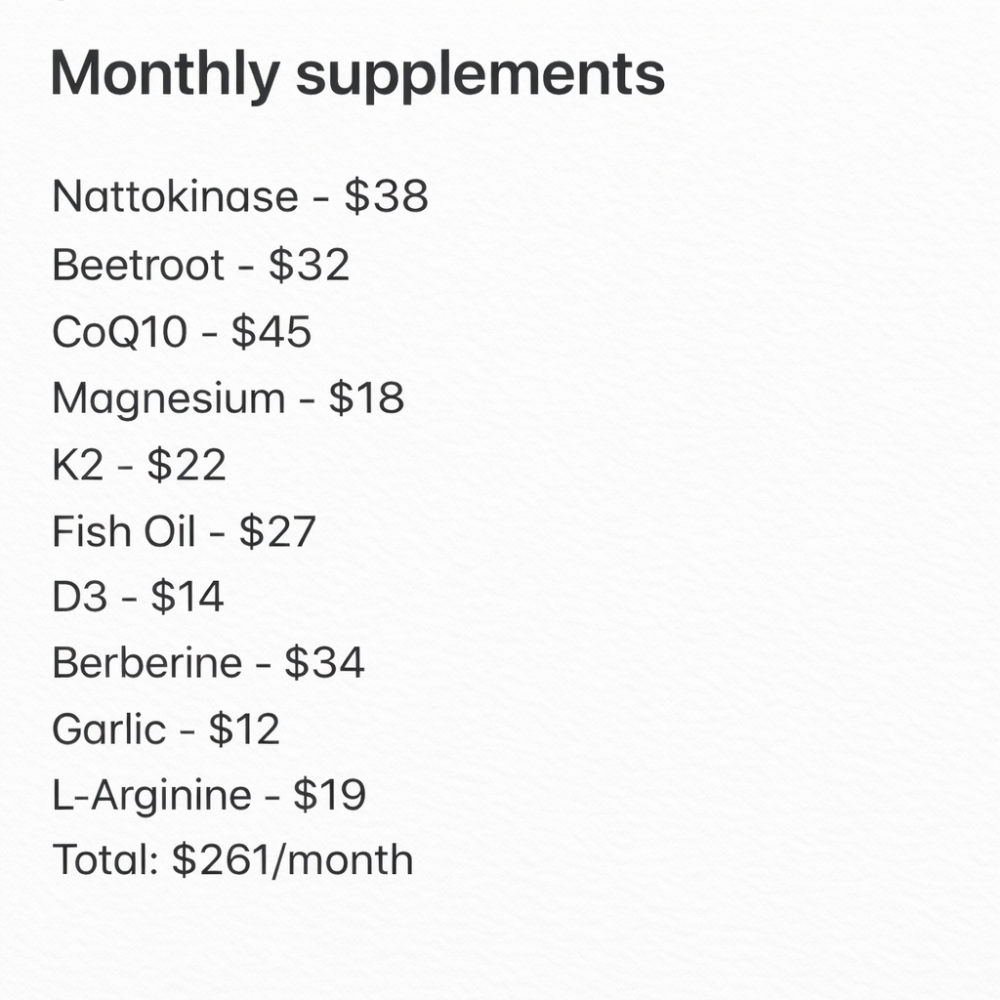
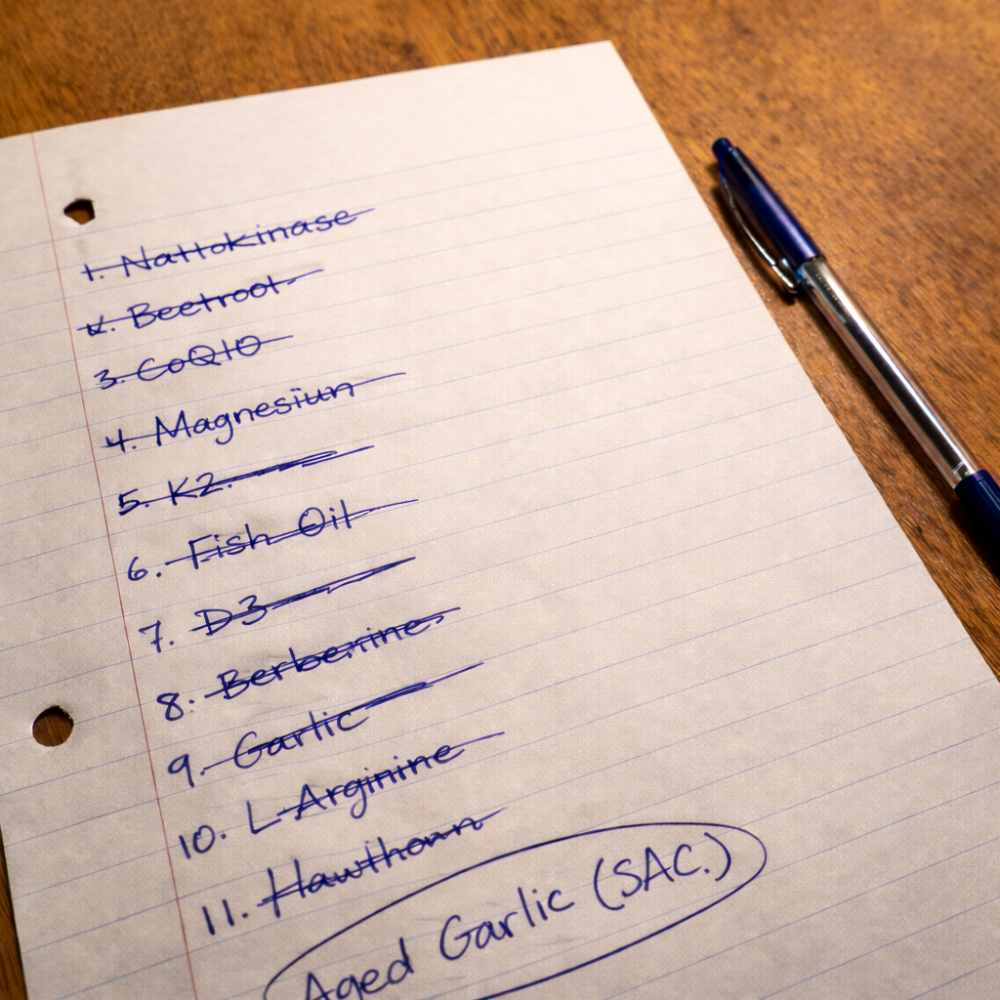
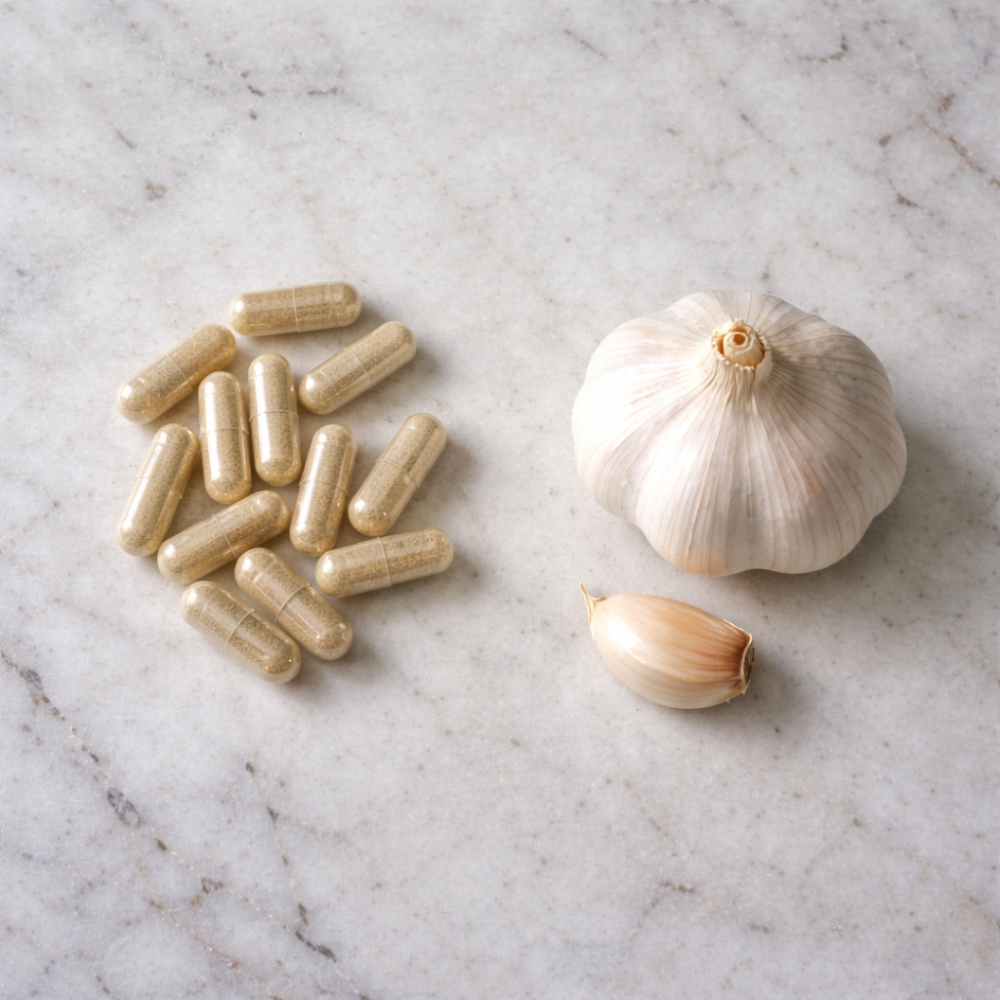
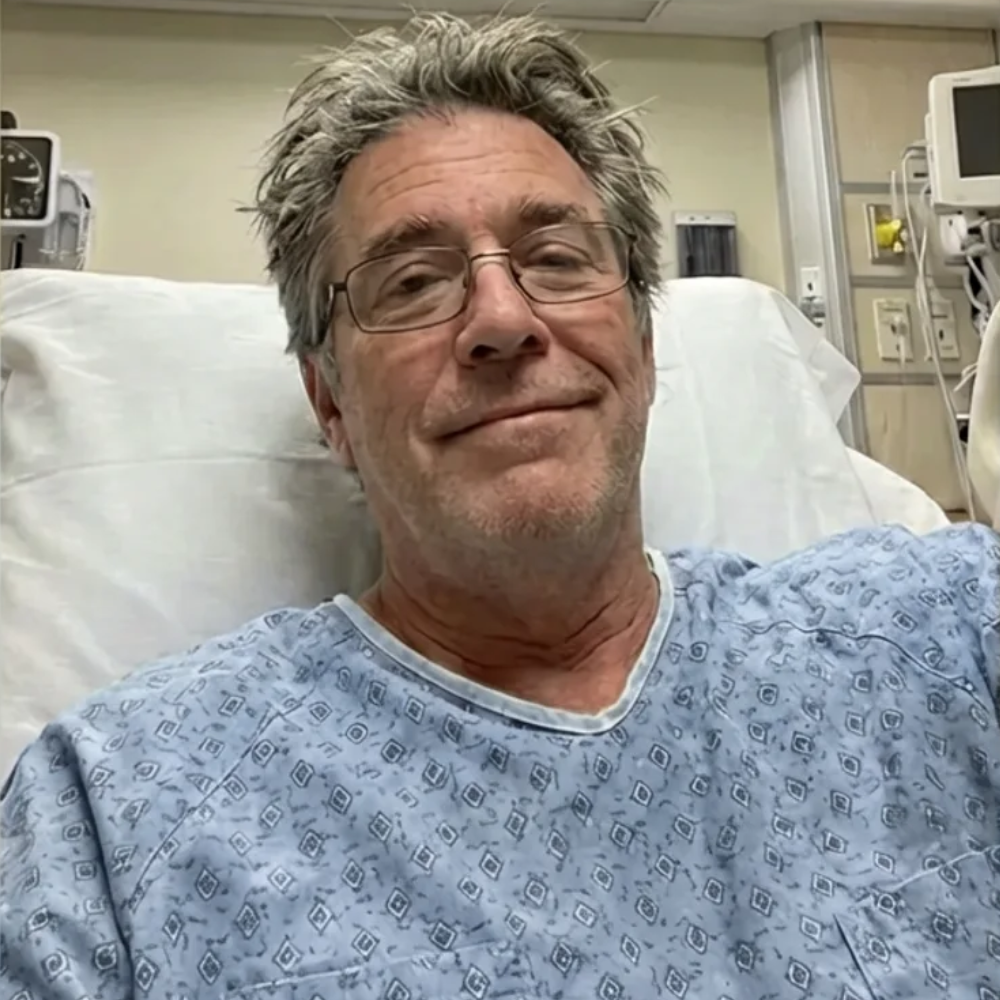
I'm a Cardiologist. And I Need to Tell You Why 23 of My Patients Who Were Taking Nattokinase Came Back With the Exact Same Blood Pressure Numbers After 90 Days. What I Discovered Changed How I Practice Medicine. My name is Dr. Michael Harrison. I've been practicing cardiology for 25 years. Three years ago, something started happening in my office that I couldn't explain. Patients were coming in with blood pressure supplements they'd found online. Not the usual garbage — not the $12 garlic pills from Walmart or the celebrity-endorsed nonsense from TV. These patients had done real research. They'd found nattokinase on Reddit, on longevity podcasts, on biohacker forums. They'd read about the fibrinolytic properties. They understood the mechanism — or thought they did. And I was genuinely impressed. These weren't desperate people grabbing anything off the shelf. These were educated, analytical people who'd done more homework than most of my colleagues. So when they told me they were taking nattokinase for their blood pressure, I didn't object. The research exists. The enzyme breaks down fibrin. It has legitimate science behind it. I told them to track their numbers and come back in 90 days. That's when the pattern started. The first patient — let's call him Daniel — came back at the 90-day mark. Fifty-six years old. Software engineer. Meticulous tracker. Had a spreadsheet of twice-daily readings going back twelve weeks. "Doc, look at this," he said, sliding his laptop across my desk. Week 1 through 3: his blood pressure dropped from 151/96 to 142/89. Steady decline. Exactly what you'd expect if the nattokinase was working. Week 4: 140/88. Still improving. Week 5: 139/87. And then... nothing. Week 6: 140/88. Week 7: 141/89. Week 8: 139/87. Week 9: 140/88. Week 10: 141/89. Week 11: 140/87. Week 12: 141/88. Seven weeks of flatline. Bouncing between 139 and 142. Never breaking below 138. Never reaching normal range. "It worked at first," Daniel said. "I felt it working. The first three weeks were incredible — more energy, clearer head, numbers dropping. I thought I'd cracked it." He paused. "Then it just... stopped. Like hitting a wall. I increased the dose from 2,000 to 4,000 FU. Nothing. Tried 6,000 FU. Nothing. Added vitamin K2 because someone on Reddit said it helps. Nothing." He'd spent four months and over $340 on nattokinase, serrapeptase, K2, and lumbrokinase — building a stack trying to push past the plateau. His blood pressure was still 141/88. I told Daniel I'd look into it. Then the second patient came back with the same story. Different person. Different brand. Same plateau. Then the third. The fourth. The seventh. By the time I'd seen it twenty-three times, I knew this wasn't coincidence. It was a pattern. And it meant something fundamental about nattokinase was being misunderstood. So I went back to the research. Not the Reddit threads. Not the podcast summaries. The actual published studies. And I found what everyone — including me — had been missing. Here's what nattokinase actually does: It's a fibrinolytic enzyme. It breaks down fibrin — the protein that makes blood clot. When you have excess fibrin in your blood, your blood becomes thicker and more viscous. Your heart has to pump harder to push thicker blood through your vessels. Your blood pressure goes up. Nattokinase breaks down that excess fibrin. Your blood becomes thinner. Flows more easily. Blood pressure drops. This is real. This is backed by research. This is why my patients saw results in the first three weeks. But here's what the research ALSO shows — and what nobody talks about: Blood viscosity is only ONE of the two mechanisms that cause elevated blood pressure. The second mechanism is arterial stiffness. As you age, the walls of your arteries lose their flexibility. They become rigid. They can't expand and contract the way they did when you were younger. Even if your blood is perfectly thin, it's being forced through stiff, narrow pipes that refuse to expand. Think of it this way: nattokinase fixes the fluid. It makes the water thinner. But it does absolutely nothing to fix the pipes. If your pipes are stiff, it doesn't matter how thin the water is. The pressure stays elevated. This is why Daniel's blood pressure dropped from 151 to 140 in three weeks — the nattokinase thinned his blood, reducing pressure from the viscosity side. But it plateaued at 140 because the second mechanism — his stiff arteries — was completely unaddressed. Nattokinase can't fix arterial stiffness. It's not what the enzyme does. It's a fibrinolytic, not a vasodilator. It breaks down fibrin. It doesn't repair endothelial function. It doesn't restore the flexibility of aging arterial walls. And that's why every single one of my 23 patients hit the same wall. They solved half the problem brilliantly. Then they stacked more supplements trying to break through a ceiling that nattokinase physically cannot break through. When I explained this to Daniel, the frustration on his face was immediate. "So I've been taking the right supplement for the WRONG problem?" "No," I said. "You've been taking the right supplement for ONE of two problems. The nattokinase did exactly what it's supposed to do. It thinned your blood. Your viscosity-driven pressure dropped. But the remaining pressure — the 140/88 that won't budge — is coming from arterial stiffness. And nattokinase can't touch that." "Then what does?" This is the question that changed my practice. I started researching compounds that specifically address arterial stiffness and endothelial function. Not blood thinners. Not vasodilators that force your arteries open temporarily. Something that actually repairs and restores the flexibility of aging arterial walls. I found one compound with extensive clinical evidence: S-allylcysteine. SAC. SAC is produced when garlic is aged for 20 to 24 months. During the aging process, the unstable allicin in raw garlic transforms into S-allylcysteine — a stable compound that survives stomach acid with nearly 100% bioavailability. Now — I know what you're thinking. Garlic? I've tried garlic. Didn't work. Let me explain why. The garlic supplements at your pharmacy — Kyolic, Garlique, Nature's Bounty, the ones in the vitamin aisle — contain allicin. Allicin is the compound in raw garlic that gives it that sharp smell. Allicin has a fatal flaw: it's destroyed by stomach acid within 60 seconds of ingestion. Less than 15% survives digestion. Most of it is gone before it reaches your bloodstream. This is why garlic supplements don't work. You're swallowing a compound your body destroys before it can do anything. S-allylcysteine is different. It's created during the aging process. It's chemically stable. It doesn't get destroyed by stomach acid. 90 to 98% reaches your bloodstream intact. And here's what the research shows it does: Dr. Matthew Budoff at UCLA conducted four randomized, double-blind, placebo-controlled trials — the gold standard of clinical research. His findings: Reduced arterial plaque progression by 80%. Not blood thinning. Actual structural improvement of the arteries. Lowered systolic blood pressure by 8 to 12 points. Specifically through improved arterial flexibility — the exact mechanism nattokinase cannot address. Improved endothelial function — meaning the inner lining of the arteries regains its ability to produce nitric oxide naturally and regulate blood flow. This is the missing piece. Nattokinase thins the blood. SAC repairs the arteries. One handles viscosity. The other handles stiffness. They address completely different mechanisms. I started recommending SAC — specifically from aged garlic extract — to my nattokinase patients who'd plateaued. Daniel was the first. He kept taking his nattokinase. I told him not to stop — it was doing its job on the viscosity side. But I added Primus Aged Garlic Extract — 24-month aging process, verified S-allylcysteine content, the same protocol used in the UCLA trials. The reason I chose Primus specifically: they publish their aging time and SAC content. Most brands that say "aged garlic" on the label don't disclose how long it was aged. Six months? Twelve months? The UCLA studies used 20 to 24 months because that's how long it takes for the allicin to fully convert to SAC. If the aging time is shorter, the SAC content is lower, and you're not getting the clinical dose. Primus verifies 24-month aging and tests every batch. That matters when you're trying to match clinical research. Here's what happened with Daniel: He was plateaued at 140/88 on nattokinase alone. Week 1 on Primus: 140/87. No significant change. Expected — SAC works through a different, slower mechanism than fibrinolysis. Week 2: 137/85. The first movement below 140 in seven weeks. Daniel noticed. Week 3: 133/83. He texted me: "Doc, I just saw 133. Haven't seen that number in four years." Week 4: 129/80. Week 6: 124/78. Week 8: 119/76. Normal range. For the first time in over a year. Daniel came back for his follow-up and set his spreadsheet on my desk. "Look at the chart," he said. The graph showed a clear pattern: three weeks of decline on nattokinase, seven weeks of plateau, then a second decline starting exactly when he added the aged garlic. Two distinct drops. Two distinct mechanisms. Visible on the chart. "The nattokinase got me from 151 to 140," he said. "The aged garlic got me from 140 to 119. They do different things." "Exactly," I said. "One fixes the fluid. The other fixes the pipes." Since Daniel, I've recommended this combination to every nattokinase patient who plateaued. The results have been remarkably consistent. Patients who'd been stuck at 138 to 143 for months — unable to break through despite increasing nattokinase dose, adding K2, adding serrapeptase, spending $150 to $200 per month on supplement stacks — saw their numbers drop into the 120s within six to eight weeks of adding Primus. Not because they stopped nattokinase. Because they added the mechanism nattokinase was missing. One patient — a retired pharmacist who understood drug mechanisms better than most doctors — put it best: "For eight months I was trying to break through a wall by throwing harder. Turns out I needed a different tool entirely. The nattokinase was the right tool for the wrong wall." Now I want to be very clear about something. I'm not telling you nattokinase doesn't work. It does. The fibrinolytic research is real. The blood-thinning effect is real. Those first three weeks of improvement are real. What I'm telling you is that nattokinase is solving one of two problems. And if your blood pressure has plateaued — if you've been stuck in the high 130s or low 140s despite months of consistent nattokinase use — it's because the second mechanism is unaddressed. Your blood is thin enough. Your arteries are still stiff. SAC from properly aged garlic extract addresses arterial stiffness. It's been studied in four UCLA trials. It's backed by decades of peer-reviewed research. And it works through a mechanism that is completely independent of what nattokinase does. They don't compete. They don't interact. They don't overlap. They address two separate physiological problems. If you've been taking nattokinase and you're frustrated that your numbers won't drop below 138 — if you've tried increasing your dose, adding K2, adding serrapeptase, and nothing breaks the plateau — this is probably why. You've solved the blood viscosity problem. Now you need to solve the arterial stiffness problem. Primus Aged Garlic Extract. 24-month aging process. Verified S-allylcysteine content. The same compound and protocol studied in the UCLA clinical trials. Take it alongside your nattokinase. Give it 6 to 8 weeks. Track your numbers weekly. See if you finally break through that wall. 90-day money-back guarantee. If you don't see your numbers move past where nattokinase got you, you get a full refund. Because after 25 years of practicing cardiology, I've learned that most blood pressure problems aren't simple. They're not one mechanism. They're two. And solving one while ignoring the other is why smart, educated patients like you are stuck. Your blood is thin enough. It's time to fix the arteries. — Dr. Michael Harrison, MD Cardiology, 25 years 👉 https://primus-health.com/products/aged-garlic-extract-7-500mg-odorless-skep
Why I Stopped Telling Patients Nattokinase Is Enough. A Cardiologist Explains.
25-year cardiologist reveals why nattokinase patients plateau at 138-142. UCLA-studied compound addresses the mechanism nattokinase can't. 90-day guarantee.
LEARN MORELike this ad? Make it yours.
Crush rebuilds this exact creative around your product — your brand, your colors, your offer — in about a minute.