
Active· since Feb 20, 2026
- 157
- days running
- 0
- relaunches
- 977
- EU reach
Ad copy
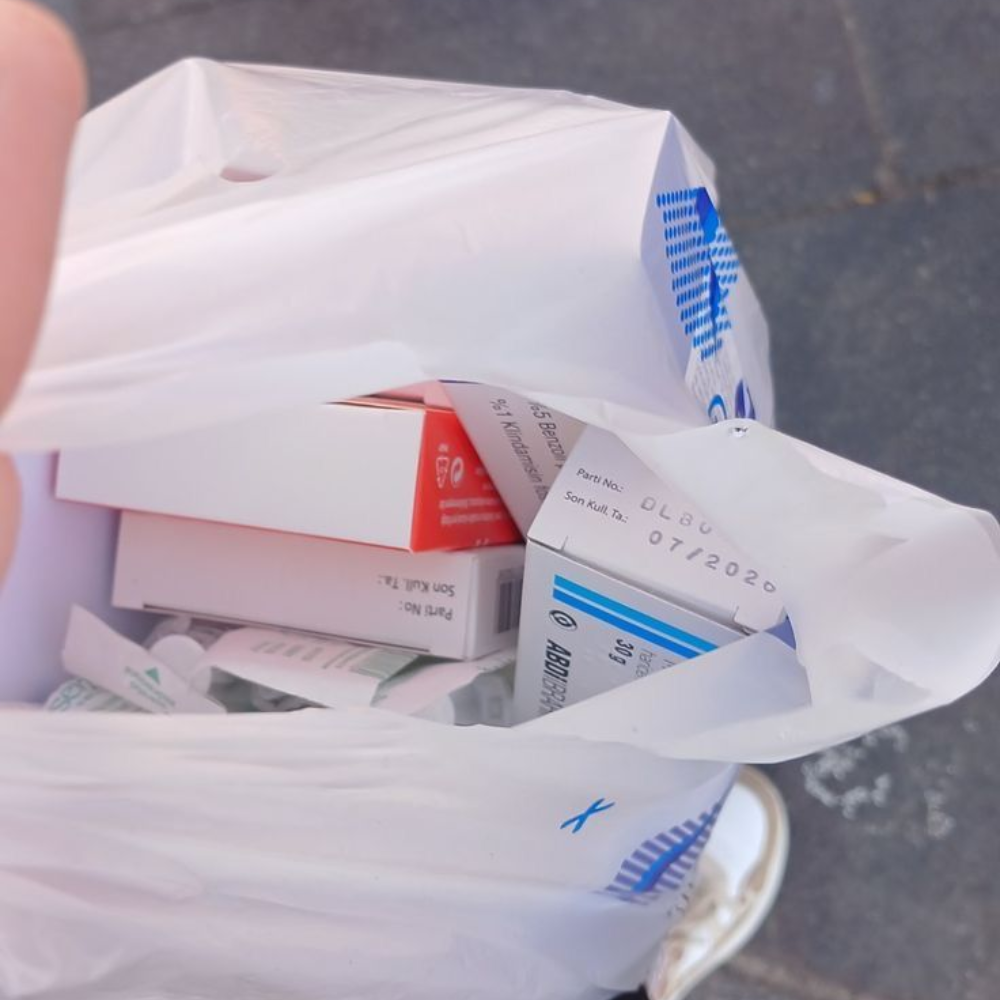
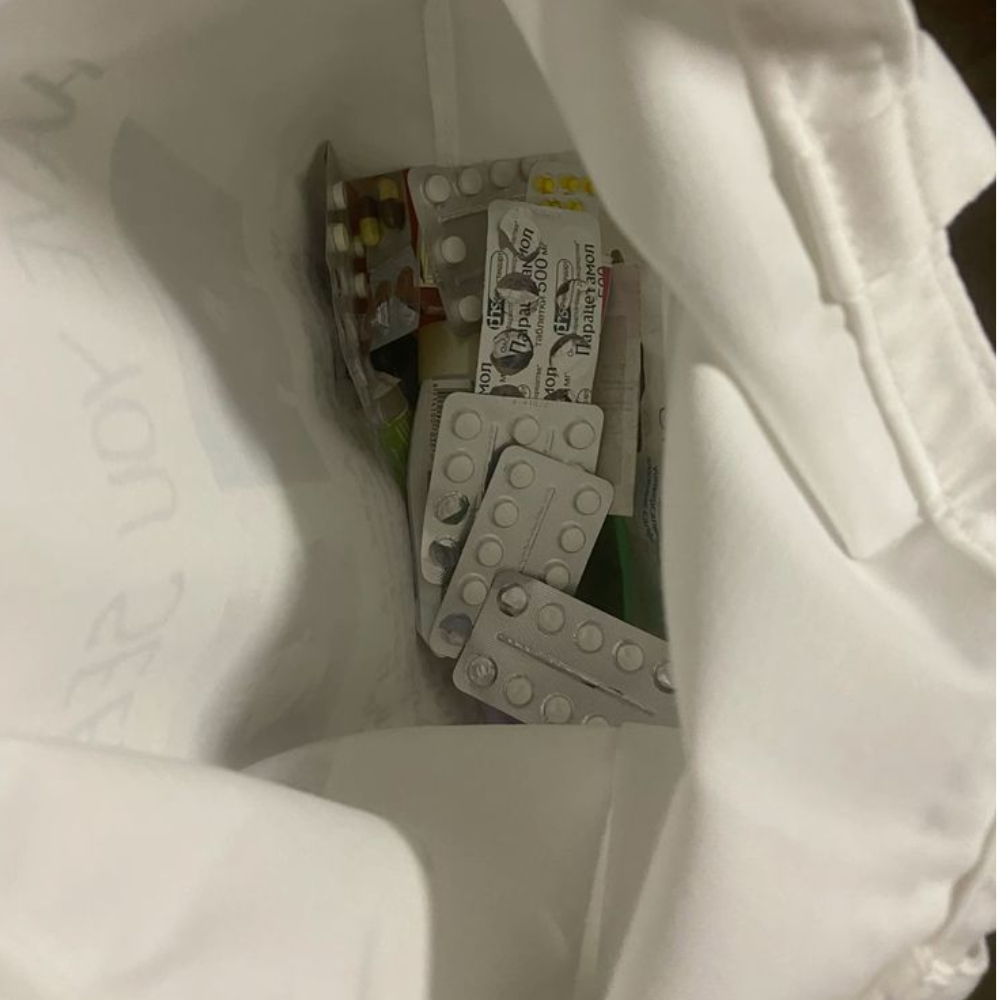
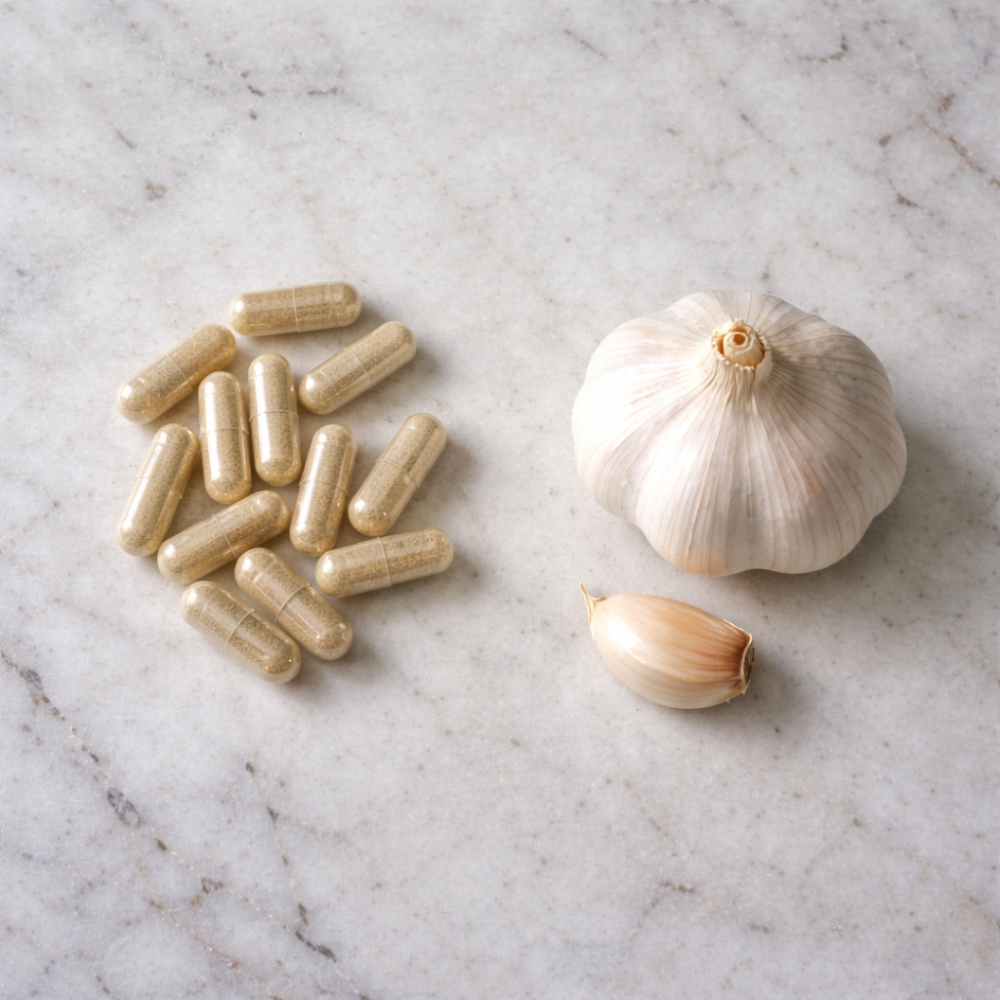
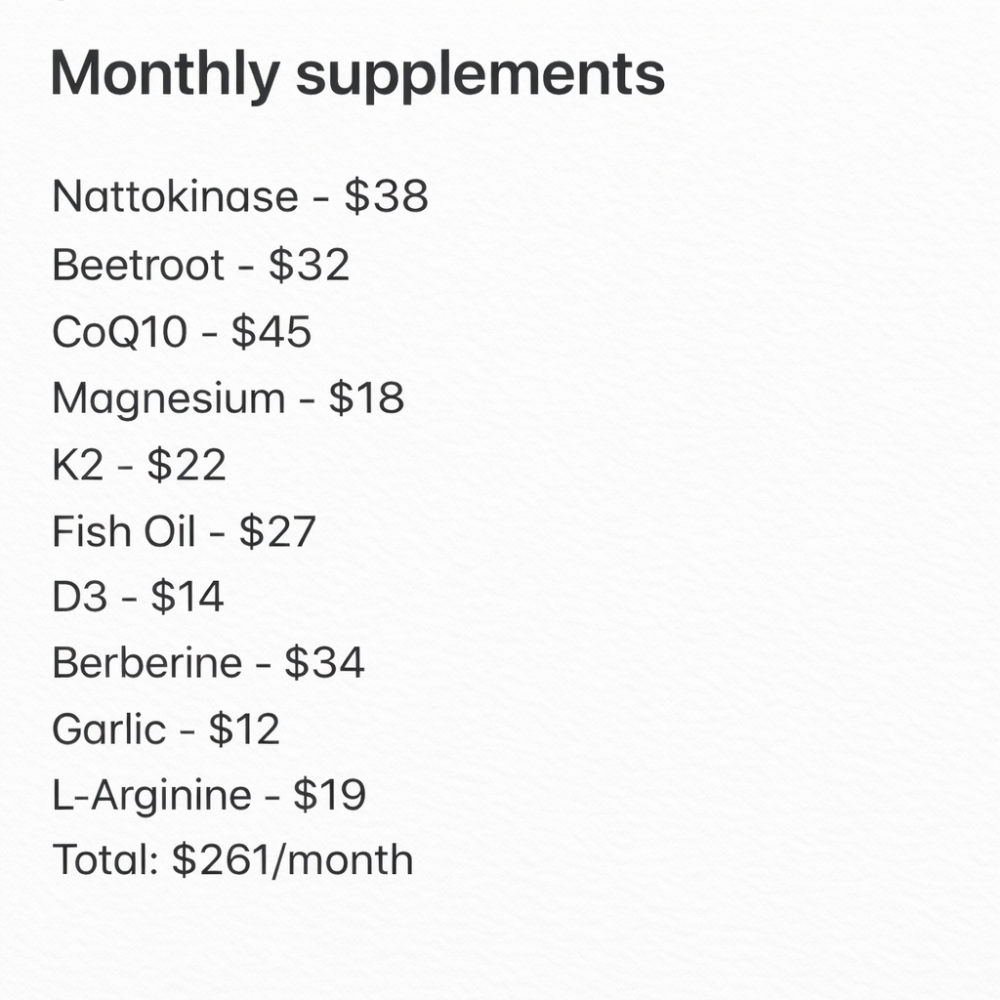
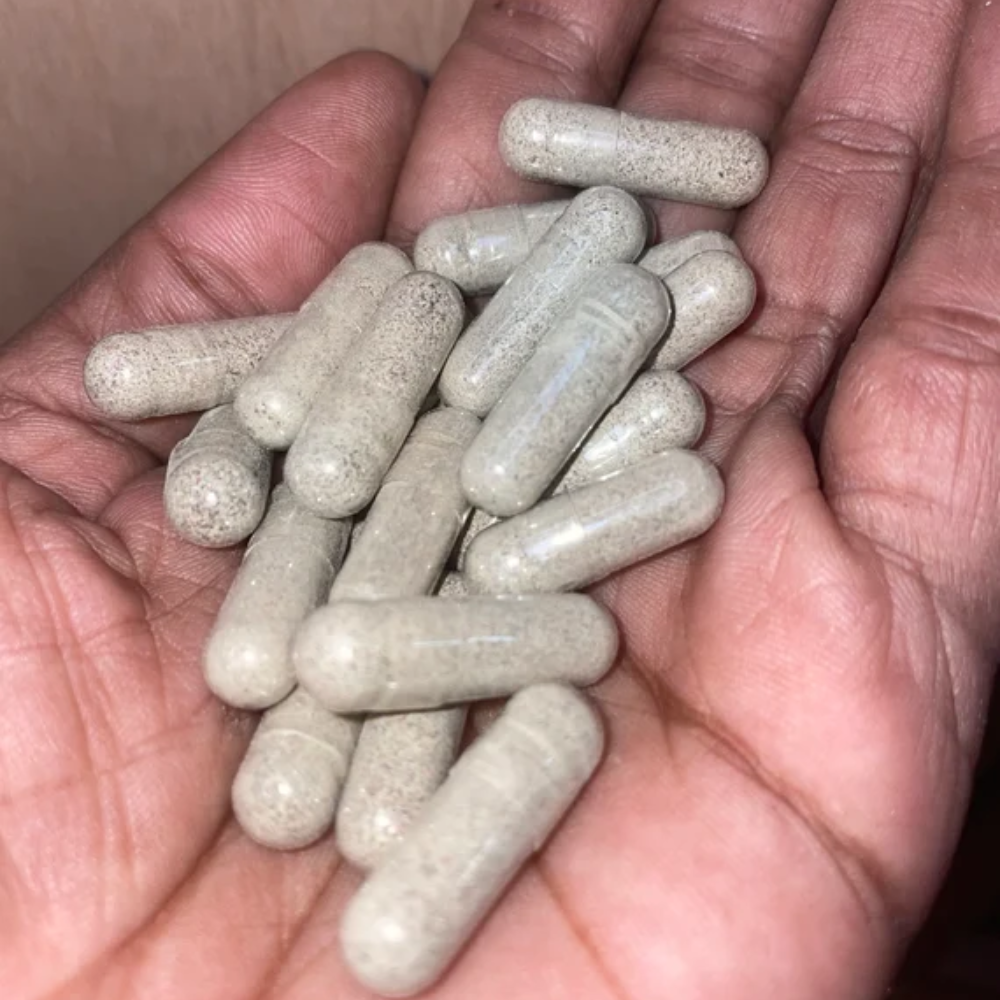
I'm a Cardiologist. And Last Month a Patient Walked Into My Office Carrying a Plastic Bag With 11 Different Supplement Bottles Inside. He Was Spending $247 a Month. His Blood Pressure Hadn't Moved in 9 Months. Here's What I Told Him. My name is Dr. Michael Harrison. I've been practicing cardiology for 25 years. Last month, a patient named Greg walked into my office carrying a plastic grocery bag. He set it on my desk. It clinked. "I need you to look at this," he said. He started pulling out supplement bottles. One after another. Lining them up on my desk like evidence at a trial. Nattokinase. 4,000 FU. Beetroot extract. 1,200 mg. CoQ10. Ubiquinol form. 200 mg. Magnesium glycinate. 400 mg. Vitamin K2. MK-7. 200 mcg. Fish oil. Triple strength. 2,400 mg EPA/DHA. Vitamin D3. 5,000 IU. Berberine. 1,500 mg. Garlic extract. 1,000 mg. The regular kind from the pharmacy. L-Arginine. 3,000 mg. Hawthorn berry. 565 mg. Eleven bottles. He took them every day. Split across three dosing windows — morning, afternoon, evening. Had a spreadsheet tracking what to take with food, what to take on an empty stomach, what couldn't be taken at the same time as what else. Greg is 58 years old. Software architect. Analytical mind. He'd built his supplement stack the way he'd build a software system — researching each component, understanding the mechanism, optimising the combination. "I've been taking all of these for nine months," he said. "Every single day. I haven't missed a dose. I track everything." "What's your blood pressure?" He pulled out his phone. Showed me his tracking app. Nine months of data. Twice-daily readings. Colour-coded graphs. His blood pressure on day one: 149/95. His blood pressure this morning: 146/93. Three points. In nine months. On eleven supplements. At $247 per month. He'd spent $2,223 on supplements. And his blood pressure was essentially unchanged. "What am I doing wrong?" he asked. I looked at the eleven bottles on my desk. And I saw the same mistake I've been seeing in my office for the past five years. Greg wasn't doing anything wrong. His research was solid. Every supplement he was taking had some evidence behind it. Nattokinase for fibrinolysis. Beetroot for nitric oxide. CoQ10 for mitochondrial function. Magnesium for vascular relaxation. Each one had a published study. Each one had a plausible mechanism. The problem wasn't any individual supplement. The problem was that Greg — like thousands of educated, health-conscious people — had fallen into what I call the Supplement Trap. The Supplement Trap works like this: You have high blood pressure. You start researching. You find nattokinase. The research looks good. You add it. Your numbers drop a few points. Encouraged, you keep researching. You find beetroot. Different mechanism — nitric oxide. You add it. Maybe another point or two. Then CoQ10. Then magnesium. Then K2 because someone on Reddit said it works synergistically with D3. Then fish oil because your cardiologist mentioned omega-3s. Then berberine because a podcast said it was "nature's metformin." Then garlic because your grandmother swore by it. Then L-arginine because it's a nitric oxide precursor. Then hawthorn because a naturopath recommended it. Each addition feels logical. Each has some evidence. Each costs another $15 to $40 per month. Before you know it, you're taking 11 supplements, spending $247 a month, managing a complex dosing schedule, and your blood pressure is 146/93. Three points better than when you started. Here's what nobody in the supplement industry wants you to understand: These supplements aren't additive. Taking 10 supplements that each lower blood pressure by 2 points doesn't give you a 20-point reduction. That's not how physiology works. Most of them are competing for the same pathways. Beetroot and L-arginine both target nitric oxide production — but through different entry points that converge on the same bottleneck. Taking both doesn't double the effect. It's like having two hoses filling the same bucket that already has a hole in it. Nattokinase and fish oil both affect blood fluidity — one through fibrinolysis, the other through platelet aggregation. Overlap. Redundancy. Not addition. CoQ10 supports mitochondrial energy in cardiac cells. Legitimate. But it doesn't lower blood pressure directly. It supports the heart muscle — which matters if you have heart failure, but isn't the mechanism driving Greg's 149/95. Magnesium relaxes smooth muscle including blood vessel walls. Real effect. But the magnitude is 2 to 4 points systolic at optimal doses. Greg was already getting that — it was part of his 3-point improvement. Vitamin K2 directs calcium away from arteries and into bones. Important for arterial calcification over years. Not a blood pressure mechanism. Hawthorn berry has mild vasodilatory effects. Maybe 1 to 2 points. Buried inside the noise of everything else Greg was taking. Regular garlic from the pharmacy? The allicin is destroyed by stomach acid within 60 seconds. Less than 15% reaches the bloodstream. Essentially useless. When I mapped out Greg's entire stack by mechanism, here's what it looked like: Nitric oxide pathway: Beetroot + L-Arginine = redundant overlap, competing for the same pathway Blood fluidity: Nattokinase + Fish Oil = partial overlap, diminishing returns Vascular relaxation: Magnesium = real but small (2-4 points) Cardiac support: CoQ10 = supports heart muscle, doesn't lower BP directly Calcium regulation: K2 + D3 = long-term arterial health, not blood pressure Mild vasodilation: Hawthorn = 1-2 points, buried in noise Destroyed before absorption: Regular garlic = functionally zero Metabolic: Berberine = blood sugar and cholesterol, minimal BP effect Greg was spending $247 a month on eight different mechanisms — most of them overlapping, several of them not even targeting blood pressure directly, and one that was destroyed by his stomach before it could do anything. And the ONE mechanism that actually drives sustained blood pressure reduction in people his age — endothelial repair, restoring the ability of aging arteries to produce their own nitric oxide — wasn't addressed by a single bottle on my desk. I explained this to Greg as carefully as I could. He's an analytical person. He doesn't respond well to "just trust me." He responds to logic. "Greg, think of it like your software systems," I said. "You wouldn't solve a performance problem by adding 11 different patches that each address a minor symptom. You'd find the root cause and fix that." He nodded slowly. "Your root cause is arterial stiffness. As you've aged, your arterial walls have lost their flexibility. They can't expand and contract properly. They can't produce adequate nitric oxide on their own. That's what's driving your blood pressure." "Nattokinase is thinning your blood — useful, but blood viscosity isn't your primary problem. Beetroot is giving you temporary nitric oxide — but it wears off in four hours and doesn't fix the underlying stiffness. CoQ10 is supporting your heart muscle — good, but not why your blood pressure is elevated. Magnesium is helping a little. Everything else is either redundant, minimal, or destroyed before absorption." "None of them repair the endothelial lining of your arteries. None of them restore your arteries' ability to produce their own nitric oxide. None of them address arterial stiffness — the actual root cause." Greg sat there for a long time. Processing. "So I've been patching symptoms for nine months instead of fixing the root cause." "That's exactly what you've been doing." "What fixes the root cause?" There's one compound with extensive clinical evidence for endothelial repair and arterial flexibility: S-allylcysteine. SAC. SAC is produced when garlic is aged for 20 to 24 months. The allicin in raw garlic — unstable, destroyed by stomach acid — transforms during aging into S-allylcysteine. Stable. Survives digestion. Nearly 100% bioavailability. Now — Greg pointed at the regular garlic bottle on my desk. "I'm already taking garlic." "You're taking allicin," I said. "Your stomach acid destroys it in 60 seconds. SAC is a completely different compound. It's what allicin BECOMES after two years of aging. Your body can't make that conversion. It has to happen before you take it." Dr. Matthew Budoff at UCLA conducted four randomized, double-blind, placebo-controlled trials on aged garlic extract with verified SAC content: 80% reduction in arterial plaque progression. Actual structural repair. 8 to 12 point reduction in systolic blood pressure. Sustained around the clock. Improved endothelial function — the arterial lining regains its ability to produce its own nitric oxide naturally. This is what none of Greg's 11 supplements were doing. Not thinning the blood. Not providing temporary nitric oxide. Not supporting the heart muscle. Actually repairing the arteries. "This is the root cause fix," I told him. I told Greg to stop everything except the nattokinase and magnesium. The nattokinase was doing legitimate work on blood viscosity — no reason to stop it. The magnesium was contributing a few points and had other health benefits worth keeping. Everything else: stop. The redundancies, the overlaps, the destroyed-before-absorption garlic, the supplements that weren't targeting blood pressure at all. Replace the 9 bottles with one: Primus Aged Garlic Extract. 24-month aging process. Verified S-allylcysteine content. The same compound used in the UCLA trials. Greg's new stack: Nattokinase + Magnesium + Primus. Three supplements. Down from eleven. Monthly cost: roughly $70. Down from $247. And now he was addressing three distinct, non-overlapping mechanisms: blood viscosity (nattokinase), vascular relaxation (magnesium), and endothelial repair (Primus SAC). No redundancy. No overlap. No waste. Here's what happened: Week 1: 146/93. Same as his baseline on 11 supplements. Removing the redundant bottles didn't make things worse — proof they weren't contributing. Week 2: 143/91. The SAC was beginning to work on endothelial repair. Slow mechanism. Expected. Week 3: 138/87. More movement in one week than Greg had seen in nine months on his full stack. Week 4: 132/83. Week 6: 126/79. Week 8: 121/77. Greg came back for his eight-week follow-up and set his phone on my desk. The colour-coded graph told the story: nine months of flatline on 11 supplements, then a steep downward curve the moment he simplified to three. "Twenty-five points," he said quietly. "In eight weeks. After nine months of nothing." He looked at the graph for a long time. "I spent $2,223 on supplements that were fighting each other, duplicating each other, and missing the one thing that actually mattered." He shook his head. "And the thing that worked costs less than a third of what I was spending." Since Greg, I've had the same conversation with dozens of patients. The pattern is always the same. Intelligent, health-conscious person builds a supplement stack based on good research. Each individual supplement has evidence behind it. The stack looks logical on paper. But blood pressure doesn't budge. Maybe 3 to 5 points after months of religiously taking everything. So they add another supplement. And another. The stack grows. The cost grows. The complexity grows. The results don't. Because they're all patching the same few symptoms while the root cause — arterial stiffness, endothelial dysfunction — goes completely unaddressed. Every time I simplify a patient's stack and add properly aged garlic extract with verified SAC content, the same thing happens: more improvement in 6 to 8 weeks than they saw in months on a complex stack. Not because the other supplements were bad. Because they were incomplete. They were treating symptoms instead of the underlying structural problem. Now I want to be clear about something. I'm not telling you to throw away everything you're taking. Some supplements in your stack are doing real work. What I'm telling you is: if you're taking 5, 8, 10 supplements for blood pressure and your numbers haven't meaningfully improved, the answer isn't to add an 11th. The answer is to find the root cause mechanism you're missing. For the vast majority of my patients over 50, that missing mechanism is endothelial repair. Restoring their arteries' ability to function properly. Something that no amount of blood thinners, temporary nitric oxide boosters, or cardiac support supplements can address. SAC from properly aged garlic extract is the only compound I've found with clinical evidence specifically for endothelial repair and sustained arterial flexibility improvement. Primus Aged Garlic Extract. 24-month aging process. Verified S-allylcysteine content. The same compound and protocol used in four UCLA clinical trials. One capsule daily. No complex dosing schedule. No interaction worries. No spreadsheet required. If you're spending $150 to $250 a month on a stack that isn't working, try replacing most of it with this. Keep your nattokinase if you're taking it. Keep your magnesium. Add Primus. That's a complete three-mechanism stack for under $70 a month. Give it 6 to 8 weeks. Track your numbers. See if simplifying does what complicating couldn't. 90-day money-back guarantee. If your numbers don't improve after simplifying your stack, you get a full refund. Because after 25 years of cardiology, I've learned that the patients who get the best results aren't the ones taking the most supplements. They're the ones taking the right one. Your arteries don't need 11 supplements. They need the one that actually repairs them. — Dr. Michael Harrison, MD Cardiology, 25 years 👉 https://primus-health.com/products/aged-garlic-extract-7-500mg-odorless-skep
He Was Spending $247/Month on 11 Supplements. His Blood Pressure Hadn't Moved in 9 Months.
25-year cardiologist reveals why patients spending $200+/month on supplement stacks get the same results as patients taking nothing. One compound addresses the root cause. 90-day guarantee.
LEARN MORELike this ad? Make it yours.
Crush rebuilds this exact creative around your product — your brand, your colors, your offer — in about a minute.