Sarah Hobson
Sarah Hobson Facebook ad: “Read if you want to prevent another CCL”
Ran for 17 days, from January 21 to February 7, 2026, the last day Crush saw it.
Run by Sarah Hobson on Facebook. Crush is not the advertiser and does not verify its claims. See this ad in Meta's Ad Library(opens in a new tab)
Want an ad like this for your product?
Crush makes new ad images for your product from this ad: your logo, your product photo, your offer.
Trials from $19.95 USD, then $79.95 USD a month. Cancel anytime.
About this ad
- Meta Ad Library ID
- 1451149029940073
- Platforms
- Facebook, Instagram, Audience Network, Messenger and Threads
- Relaunches
- 0
Ad text
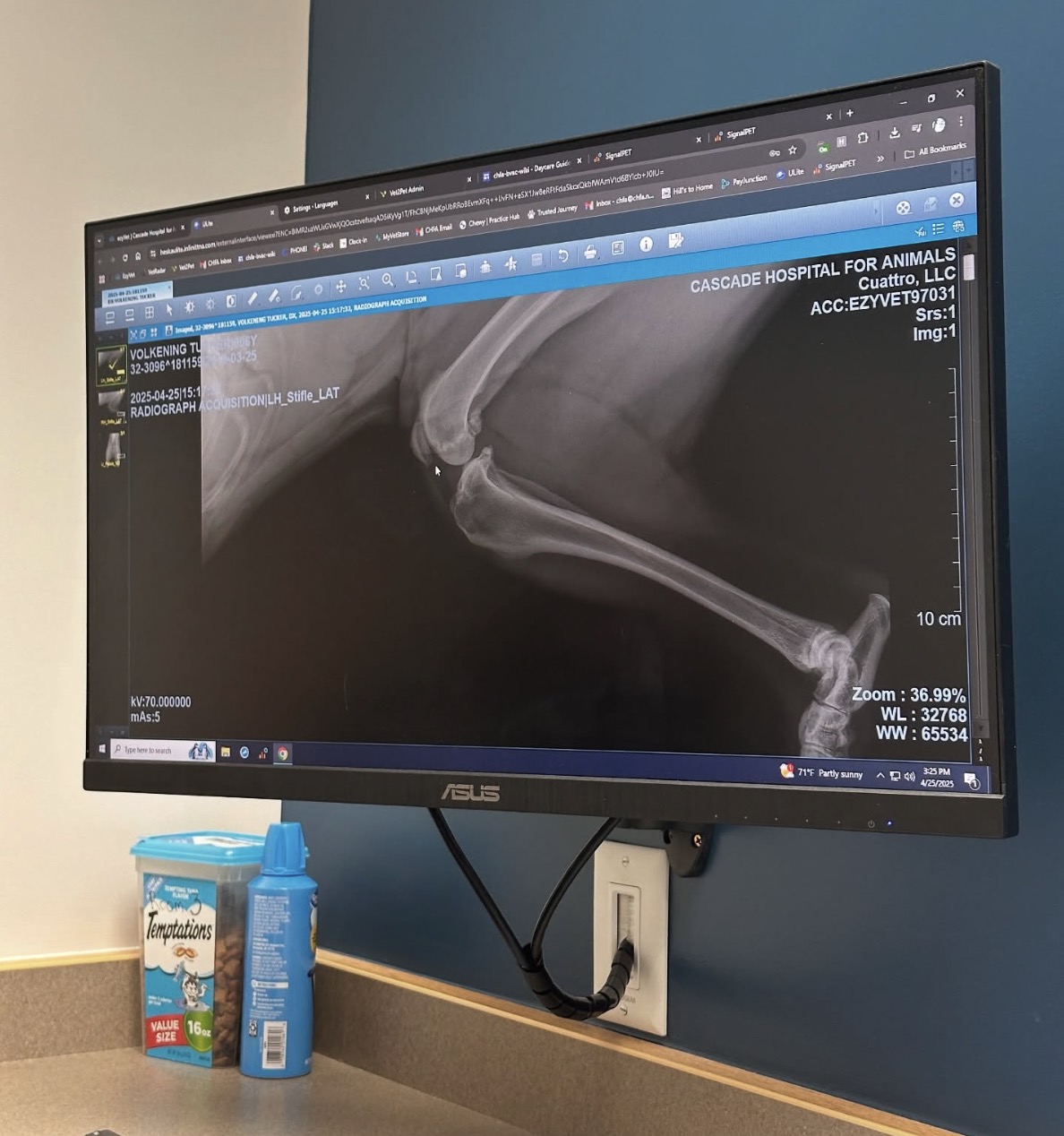
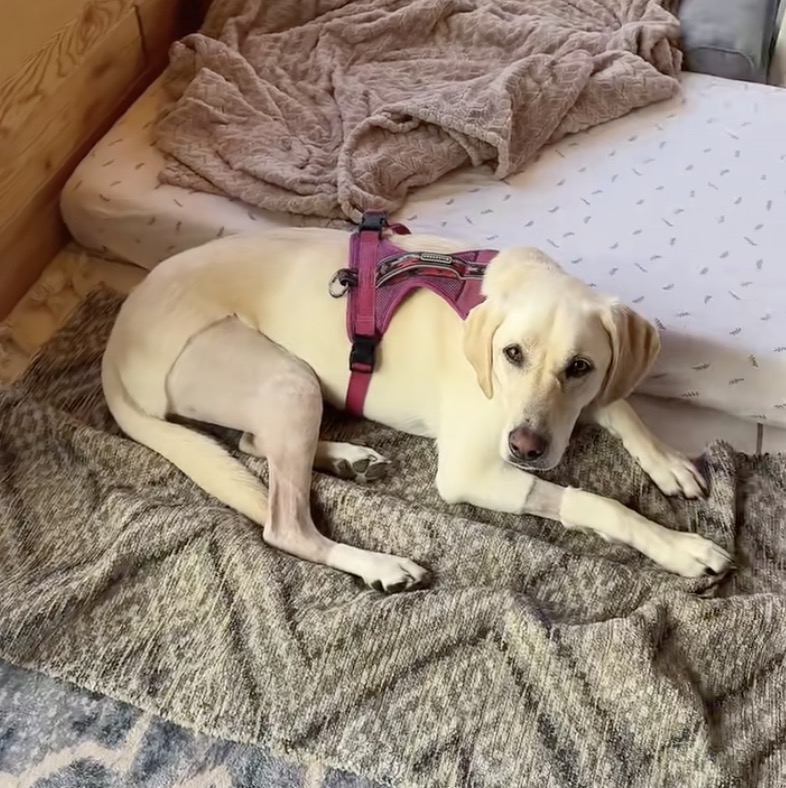
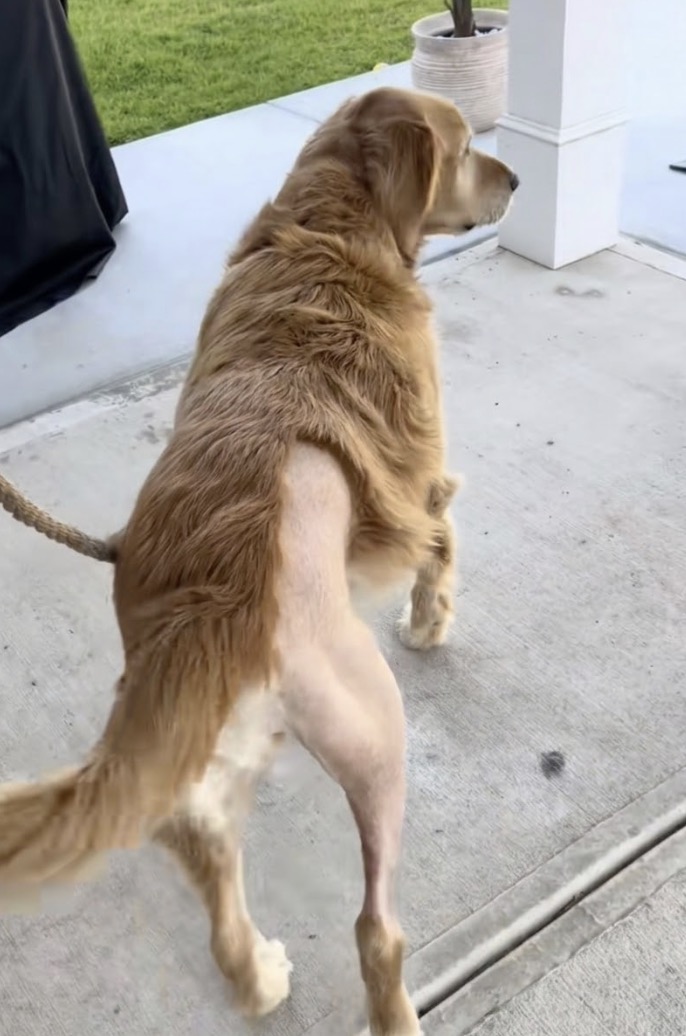
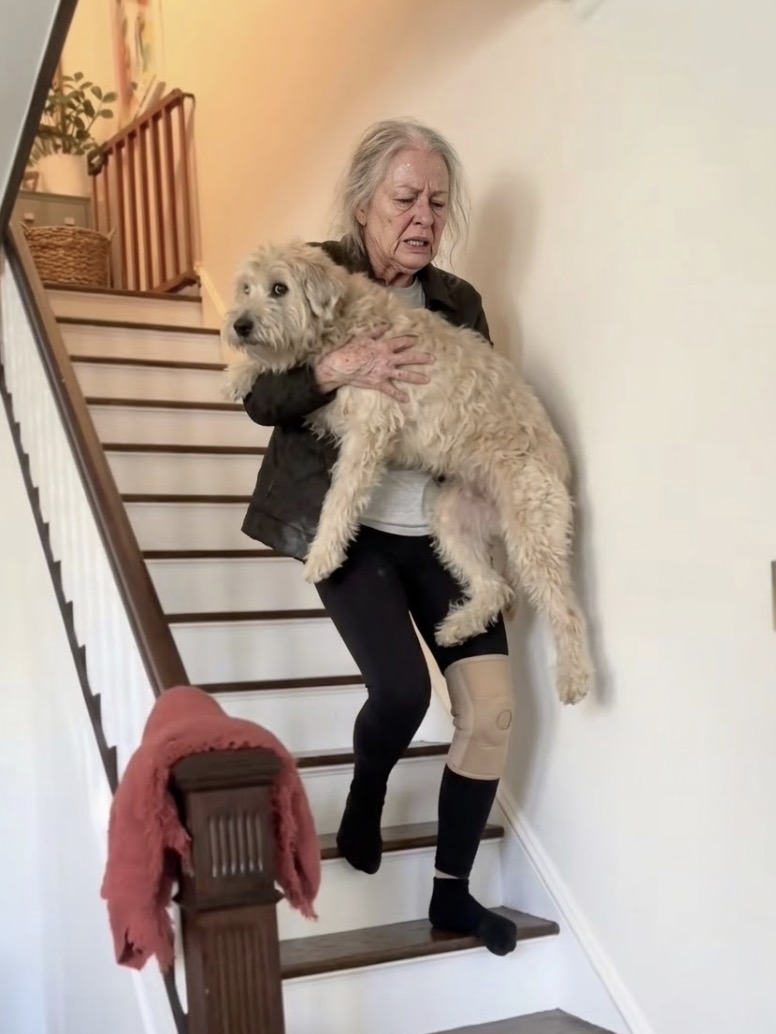
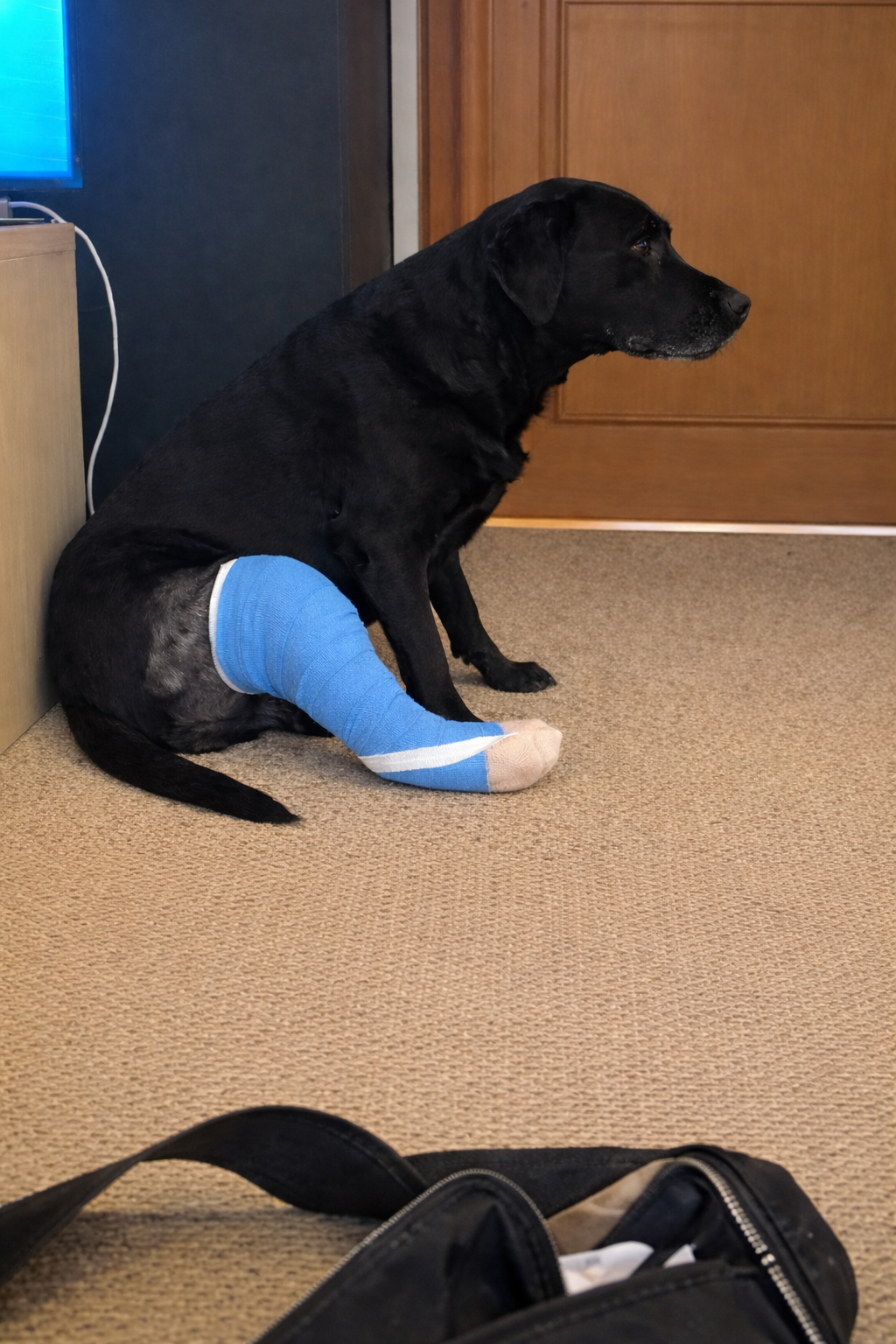
Please STOP expecting your dog to act like themselves again just because their CCL is healing. I know that sounds harsh, but the injury triggered gut inflammation that's stealing their personality—and glucosamine can't touch it. Let me explain. My dog Harper tore her CCL 11 months ago. The surgery went perfectly. The surgeon said her knee looked great at the 8-week follow-up. She was walking normally by month three. But Harper wasn't Harper anymore. She'd walk to the door when I came home, but there was no tail wag. No excitement. No bounce in her step. She'd go outside, do her business, and come right back to her bed. Her favorite squeaky toy—the one she used to carry around the house for hours—sat untouched in the corner. When I'd pet her, she'd tolerate it. But she wouldn't lean into my hand like she used to. Wouldn't climb into my lap. Wouldn't rest her head on my knee while I worked. The spark in her eyes was just... gone. I told myself it was the pain. That once she healed completely, she'd be herself again. But month four came and went. Then month five. Month six. Her knee kept getting better. She could walk up stairs again. Could jump onto the couch if she wanted to. But she never wanted to. She'd spend entire days lying in the same spot, only getting up when she absolutely had to. I bought her new toys. Tried taking her to the dog park. Gave her extra treats. Nothing sparked joy. It was like living with a ghost of my dog. The worst part? I couldn't shake the feeling that I was watching her give up. That she'd just... decided life wasn't worth engaging with anymore. I'd catch myself checking if she was breathing when she slept. Getting up in the middle of the night to make sure she was okay. Every morning, I'd wake up hoping to see even the smallest sign she was coming back to me. And every morning, I'd see those same dull eyes staring at nothing. My friend Kieran called one afternoon. Her lab Deacon had torn his CCL about six months before Harper. He'd had the same TPLO surgery. "How's Deacon doing?" I asked. "Physically? Amazing. Running, playing, totally back to normal." "That's great," I said. And I meant it. But I also felt this wave of... something. Not quite jealousy. More like confusion mixed with despair. "How's Harper?" I paused. "Her knee's fine," I finally said. "But she's... not herself. She just lays around all day. Doesn't want to do anything. I thought once the pain went away she'd bounce back, but..." "Yeah," Kieran said quietly. "Deacon's brother Finn tore his CCL around the same time. Their owner told me the same thing—the surgery fixed his leg, but he's been withdrawn and depressed ever since. Been almost eight months for him too." I felt something shift in my chest. "Wait, really?" "Yeah. She said the vet keeps saying to give it more time, but... nothing's changing." After we hung up, I couldn't stop thinking about it. Finn and Harper both had successful surgeries. Both were walking normally. Both should have been back to their old selves. But neither of them were. I started paying attention to the conversations at the vet clinic when I brought Harper for her checkups. In the waiting room, I overheard a woman talking about her golden retriever: "The orthopedic surgeon said the repair looks perfect, but she's been so lethargic ever since. It's been almost a year." At Harper's next appointment, I mentioned it to the vet tech while we waited. "Does that happen a lot? Where the surgery works but the dog's personality doesn't come back?" She looked uncomfortable. "Sometimes dogs take longer to recover emotionally," she said carefully. "Especially older dogs." But Harper wasn't old. She was seven when it happened. She should have had years of running and playing ahead of her. And the golden retriever I'd overheard about was only five. I went home and did what I probably should have done months earlier—I started researching. I found forum after forum of owners describing the exact same thing: "Surgery successful, knee healed, but my dog seems depressed." "It's been 10 months and she still won't play." "His leg works fine but he's like a different dog." "I got his knee back but I lost his personality." This wasn't rare. This wasn't just "taking time to recover emotionally." This was a pattern. If the knee was healed and the pain was managed—and I'd seen Harper's x-rays myself, everything looked perfect—then why were so many dogs staying withdrawn? Why wasn't Harper herself again? I asked three different vets this exact question over the next month. The first one said, "Some dogs just develop anxiety after surgery. Have you considered anxiety medication?" The second said, "She's getting older. This might just be her new baseline." The third said, "Keep up with the glucosamine and fish oil. Joint health takes time." But none of those answers felt right. Harper wasn't anxious—she was just... flat. No fear, no stress. Just absence. She wasn't "getting older"—this change happened overnight after the injury, not gradually over years. And the glucosamine was helping her knee, but her personality had been missing for 11 months at that point. How much more time was I supposed to give it? Then I met Dr. Reeves. I'd taken Harper to a veterinary rehabilitation center for a consultation about underwater treadmill therapy. I thought maybe more structured exercise would help. Dr. Reeves watched Harper move. Checked her range of motion. Reviewed her surgical records. "Her knee looks great," she said. "Really excellent recovery." "Then why doesn't she act like herself anymore?" The question came out more desperate than I intended. Dr. Reeves was quiet for a moment. "Can I ask you something? When did you first notice the personality change?" "Right after the injury. Maybe a week or two after she tore it." "Before the surgery?" "Yeah. I mean, it got a little worse after surgery, but the flatness—the withdrawn thing—that started right after the initial tear." She nodded slowly. "And you've tried joint supplements? Pain medication?" "Everything. The joint supplements help with stiffness. The pain meds let her move more easily. But her personality... nothing touches it." Dr. Reeves pulled up a chair. "I'm going to tell you something most orthopedic surgeons don't discuss because it's not their specialty. But I think it might explain what you're seeing with Harper." I leaned forward. "When a dog suffers a traumatic injury like a CCL tear," she said, "it doesn't just damage the knee. The trauma triggers a systemic inflammatory response throughout the entire body." "Okay..." "That inflammation affects multiple systems—including the gut. And here's the part most people don't know: the gut is where your dog produces about 95% of their serotonin." I stared at her. "Serotonin. Like... the mood chemical?" "Exactly. Your dog's gut bacteria are responsible for producing the neurotransmitters that regulate mood, motivation, and social behavior. When inflammation damages the gut microbiome, serotonin production drops. Sometimes dramatically." She pulled up a diagram on her tablet showing the connection between the gut, brain, and immune system. "It's called the gut-brain-joint axis. These systems are intimately connected. So when Harper injured her knee, the inflammatory cascade didn't just affect the joint—it affected her gut health, which affected her brain chemistry, which affected her behavior and personality." "But her knee is healed now..." "Right. But the gut damage? That doesn't heal on its own just because the joint healed. The inflammatory response may have calmed down, but the gut microbiome—the balance of beneficial bacteria that produce serotonin—that can stay disrupted for months or even years if it's not specifically addressed." I felt like someone had just turned on a light in a room I'd been stumbling through in the dark for almost a year. "So all this time," I said slowly, "I've been treating her knee... but the reason she's acting depressed is because her gut is still damaged from the injury?" "That's my suspicion, yes. The glucosamine you're giving her supports cartilage health. The pain medication blocks pain signals. But neither of those address the gut inflammation or restore the beneficial bacteria she needs to produce adequate serotonin." "Can you test for that?" She nodded. "I can run a gut microbiome panel, but honestly, based on the timeline and symptoms you're describing, I'd be shocked if we didn't find significant dysbiosis—that's an imbalance in the gut bacteria." I sat there trying to process it. For 11 months, I'd been watching Harper's personality disappear and blaming it on pain, or age, or emotional trauma from the surgery. But the whole time, it was biological. Her gut bacteria—the ones responsible for producing the chemicals that made her feel joy, motivation, and connection—had been decimated by the inflammatory response to her injury. The joint supplements couldn't fix it because they were never designed to. The pain medication couldn't fix it because pain wasn't the root cause. I'd been treating the symptom—the damaged knee—while completely missing the mechanism that was stealing her personality. That's when I realized: Harper's CCL injury didn't just tear her ligament. It triggered a cascade of gut inflammation that destroyed the bacteria producing her serotonin. Her knee healed. But her gut never did. The joint supplements helped her cartilage. But they couldn't restore the gut bacteria that produce mood-regulating neurotransmitters. No wonder she could walk normally but still seemed hollow. No wonder her eyes looked dull even though she wasn't limping anymore. I'd fixed the joint but left the real problem—the gut damage affecting her brain chemistry—completely untouched. Dr. Reeves explained that this is why some dogs bounce back completely after CCL injuries and others stay withdrawn for months or years. It's not about pain tolerance or emotional resilience. It's about whether the gut microbiome recovers on its own—and for many dogs, it doesn't. "So what do I do?" I asked. "You need to restore the beneficial bacteria in her gut," Dr. Reeves said. "Specifically, the strains that produce serotonin precursors and reduce systemic inflammation." She mentioned several approaches—prescription probiotics, dietary changes, specific supplements. "The most effective protocol I've seen combines prebiotic support with compounds that reduce inflammation and support both gut health and cognitive function simultaneously. There's emerging research on medicinal mushrooms showing really promising results for exactly this type of situation." "Mushrooms?" "Certain medicinal mushrooms contain compounds called polysaccharides—particularly beta-glucans—that act as powerful prebiotics. They feed the beneficial bacteria while simultaneously reducing the inflammatory response. Some also have specific neurological benefits." She pulled up a few studies on her tablet. "Turkey Tail, for example, contains PSP polysaccharides that increase beneficial gut bacteria like Bifidobacterium and Lactobacillus—the exact strains that produce serotonin precursors. Lion's Mane has compounds that support nerve growth factor and cognitive function. Several others have significant anti-inflammatory properties." "And this could help Harper?" "I think there's a very good chance. If the gut-brain connection is the underlying issue—and based on your timeline, I believe it is—then addressing the gut inflammation and restoring the microbiome should help restore her mood and personality alongside her joint health." I left that appointment with a completely different understanding of what had happened to my dog. For 11 months, I'd been asking the wrong question. I'd been asking, "Why isn't the pain going away?" when I should have been asking, "Why isn't the gut healing?" The CCL tear triggered systemic inflammation. That inflammation damaged Harper's gut bacteria. Without those bacteria, she couldn't produce adequate serotonin. Without serotonin, she couldn't feel joy, motivation, or connection. The surgery fixed her knee. But it never addressed the gut damage that was stealing her personality. Here's what happened next. Dr. Reeves recommended a specific formulation—a blend of seven medicinal mushrooms (Turkey Tail, Lion's Mane, Cordyceps, Chaga, Reishi, Shiitake, and Maitake) combined with turmeric, specifically designed for dogs with joint issues. It's called Furrmula CCL Defense. The blend was designed to address exactly what Harper needed: gut restoration (Turkey Tail's prebiotics), cognitive support (Lion's Mane), anti-inflammatory compounds (Chaga, Reishi), and cellular energy support (Cordyceps). I ordered it that night. The chews arrived two days later. Harper actually ate them willingly—they're soft and apparently taste good. I didn't expect anything immediate. Dr. Reeves had said to give it 3-4 weeks to see changes. But on day 4, something happened. I was sitting at my desk working when I felt something warm against my leg. Harper had walked over—on her own—and rested her head on my knee. I froze. She hadn't done that in almost a year. I slowly reached down and scratched behind her ears. She leaned into my hand. It was such a small thing. But I started crying. By the end of week one, she was spending less time in her bed. She'd wander into whatever room I was in and just... be there with me. Week two, I came home from work and she actually wagged her tail. Not the full-body wiggle she used to do, but a real tail wag. Week three, I found her lying on the floor with her old squeaky toy between her paws. She wasn't playing with it, exactly. But she'd chosen to be near it. Week four, I woke up to her standing next to my bed, staring at me. "What's up, girl?" She pawed at the blanket. She wanted to get up on the bed—something she hadn't tried to do since before the injury. I helped her up (her knee was healed but I wasn't taking chances), and she curled up next to me, her head on my chest. I could feel her breathing. Feel her weight. Feel her presence in a way I hadn't in so long. By week six, the change was undeniable. Harper would greet me at the door again. Not every time, but most times. With tail wags. She started playing with her toys—gentle play, but play. She'd follow me from room to room instead of staying in her bed all day. And her eyes—god, her eyes looked bright again. The dullness was gone. When she looked at me, she was actually looking AT me, not through me. My friend Kieran came over around week eight. "What did you do?" she asked, watching Harper trot over to greet her. "She's like... actually Harper again." I told her about Dr. Reeves. About the gut-brain-joint connection. About the mushroom blend. "So the joint supplements weren't enough?" "They helped her cartilage. But they couldn't restore the gut bacteria that produce her serotonin. That's why her knee got better but her personality stayed gone." Kieran was quiet for a moment. "I wonder if that's what's going on with Finn..." "Probably," I said. "If the injury triggered the same inflammatory response—and it almost always does—then his gut is still damaged. The surgery fixed the knee. But nobody addressed the gut." It's been four months now. Harper isn't 100% back to her pre-injury self. I don't know if she'll ever be exactly the same. But she's there again. She has opinions. She wants things. She seeks me out. She plays. She gets excited. The spark in her eyes came back. Not because her knee healed—that happened months before she started taking Furrmula. But because we finally addressed what the CCL injury had actually damaged: her gut's ability to produce the neurotransmitters that make her feel like herself. The glucosamine I'd been giving her for 11 months? It supported her cartilage. Important, but not enough. The pain medication? It blocked pain signals. Helpful, but not the root cause. The mushroom blend? It restored the gut bacteria that produce serotonin and reduced the systemic inflammation that was destroying her mood. That's what made the difference. Once I understood the mechanism—CCL injury triggers gut inflammation, gut inflammation destroys beneficial bacteria, those bacteria produce serotonin, no serotonin means no personality—the solution was obvious. I needed something that could restore gut health, reduce inflammation, and support brain chemistry simultaneously. That's exactly what Furrmula CCL Defense does. Furrmula costs about a dollar a day for most dogs. If you don't see your dog's personality starting to return—if you don't see the spark coming back to their eyes—just send it back within 90 days. They refund every penny and cover return shipping. You don't have to convince anyone or prove it didn't work. If your dog doesn't improve, you get your money back. You risk nothing. Either you see your dog start acting like themselves again—greeting you at the door, wanting to play, showing joy—or you get your money back. [https://furrmula.com/products/mc-ccl-bl1](https://furrmula.com/products/mc-ccl-bl1) Look, I can't make you try this. But I can tell you what I wish someone had told me 11 months before I met Dr. Reeves: The problem isn't that your dog is depressed from pain. The problem isn't that they're just getting older. The problem is that the CCL injury triggered gut inflammation that destroyed the bacteria responsible for producing their serotonin. Your joint supplements support cartilage. Your pain medication masks discomfort. But neither one addresses the gut damage that's stealing your dog's personality. Once I understood that, the solution was obvious: restore the gut bacteria. Reduce the inflammation. Support the gut-brain connection. That's what medicinal mushrooms do—and that's what Turkey Tail, Lion's Mane, and the rest of the blend in Furrmula are designed for. It worked for Harper. Day 4, she rested her head on my knee for the first time in a year. Week 6, she greeted me at the door again. Month 4, the spark is back in her eyes. I spent 11 months watching her knee heal while her personality stayed gone. All because I didn't know about the gut-brain-joint connection. You know now. [https://furrmula.com/products/mc-ccl-bl1](https://furrmula.com/products/mc-ccl-bl1) To understanding the mechanism, Monica P.S. — The 90-day guarantee means you risk absolutely nothing. Try it. See if your dog's personality starts coming back. If the spark doesn't return to their eyes, if they don't start acting more like themselves, you get your money back. But if it works—if the mechanism makes sense for your dog like it did for Harper—you'll wish you'd known about this months ago.
Where the ad sends people
furrmula.com
👉 Read if you want to prevent another CCL
"My rottweiler tore his CCL last year. $4,500 surgery and 12 weeks of crate rest. The vet warned me there was a 60% chance his other leg would tear within two years. I was terrified. Started these chews right after surgery. Nine months later, Bailey is sprinting at the dog park and his other leg is....
Learn more: furrmula.com(opens in a new tab)