
Active· since May 23, 2026
- 117
- days running
- 0
- relaunches
- 92,165
- EU reach
Ad copy
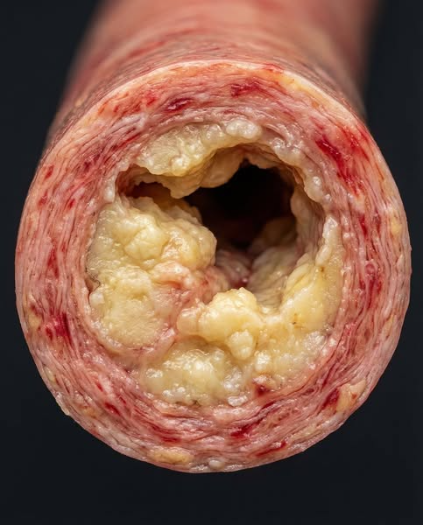
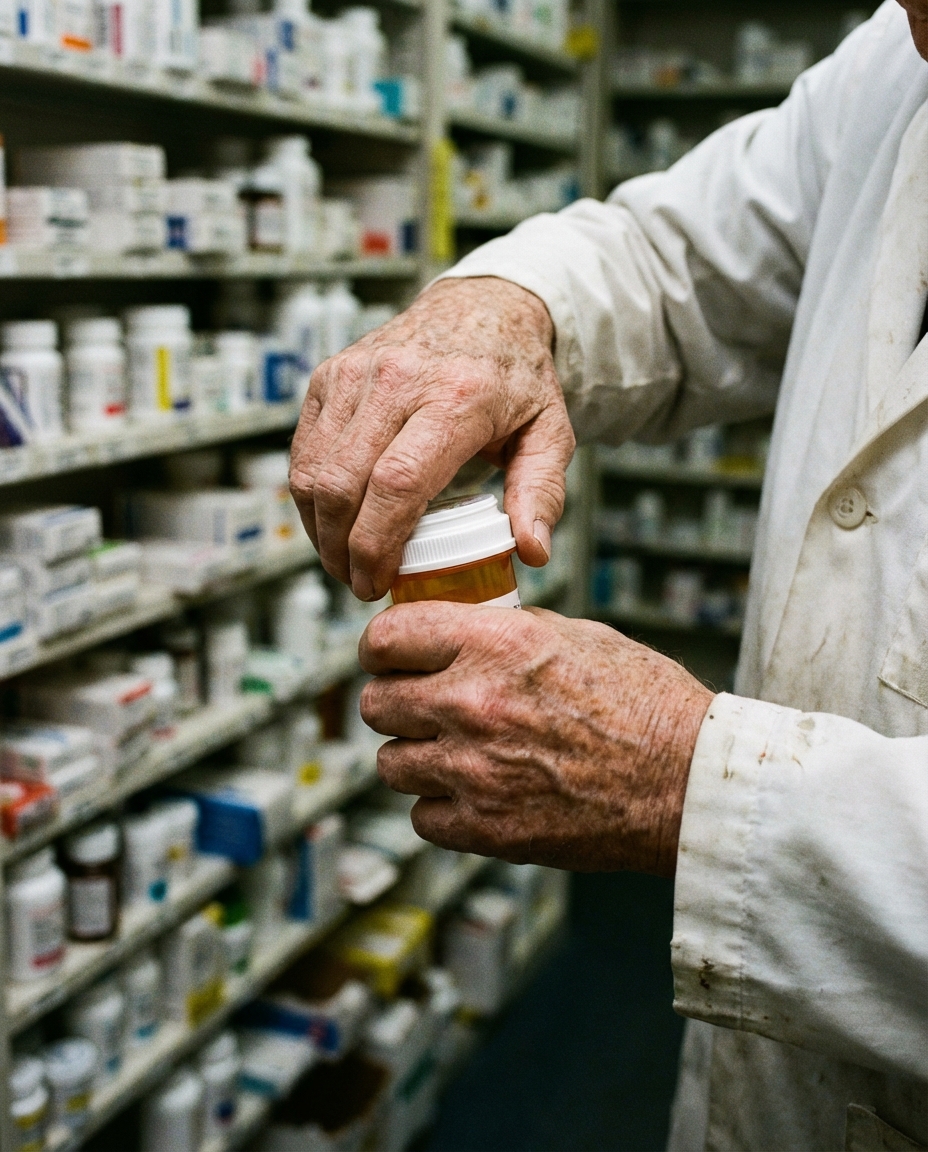
Total Cholesterol 267 at Age 59. My Father Hit 264 at Age 57. His Doctor Started Atorvastatin. He Died at 68 With Liver Damage and Memory Loss. Yesterday My Doctor Pulled Out Her Prescription Pad. My father died at 68. I'm 59. Three weeks ago, my doctor closed the exam room door. The click echoed. She sat down. Pulled up my chart without looking at me. "James. We can't wait anymore. I'm prescribing Atorvastatin. 20 milligrams daily. You'll start today." I sat there. Let her finish. Then I said what I'd been holding in since I walked through that door. "My father was on Atorvastatin for eleven years. He developed muscle pain, memory loss, liver damage. He died at sixty-eight. Heart failure. The medication controlled his cholesterol. It didn't save him." She barely looked up from her screen. "James, your father's case was different. He had other comorbidities. Atorvastatin is the standard of care for your numbers. The benefits significantly outweigh the risks." Different. Eleven years of watching my father's body break down. Muscle cramping so bad he slept in his recliner. Names of grandchildren forgotten by month eight. The afternoon he stood up from the couch — dizzy — and his legs just buckled. Face-first into the coffee table. Blood streaming from where his forehead split open. Six stitches. The liver function tests that got worse. And worse. And worse. ALT climbing. AST rising. Year 8: Fatty liver disease. Year 10: Liver inflammation. Year 11: Constant fatigue. His skin yellow-tinged. Swollen. Painful. A man who used to run marathons couldn't walk to the mailbox without gasping for breath. My mother's words at the funeral, barely audible over my own sobs: "The pills didn't save him. They just made him suffer longer." Eleven years of medication. Eleven years of side effects. My father died anyway. Heart failure. In his sleep. The Atorvastatin controlled his cholesterol. Didn't save his liver. Didn't prevent his death. And my doctor called it "different." I sat in my car in the parking lot for twenty minutes. Couldn't turn the key. Just gripped the steering wheel and stared at the dashboard. Twenty years I'd been going to that office. Twenty years of appointments. And her response to everything I watched my father go through was "your father's case was different." Like I hadn't been there. Like I hadn't watched it happen. Like eleven years of decline was a footnote in someone else's chart. The prescription crinkled in my jacket pocket. I pulled it out. Stared at it. Atorvastatin 20mg. Take one tablet daily. My hands shook. My wife was unloading groceries when I walked through the door. "Hey. How was your checkup?" The words stuck. I handed her the prescription without speaking. Total cholesterol 267. LDL 189. The grocery bag hit the floor. Eggs shattered. Milk carton split. She didn't notice. Both hands covered her mouth. Tears streaming down her face. "No." Her voice broke. "James, I watched what that medication did to your father. I can't. I can't watch you go through that. I can't —" She couldn't finish. Turned away. Shoulders shaking. That night I lay awake. The ceiling fan rotated. Over. And over. And over. Red numbers glowed on the clock: 11:52 PM. Rolled over. 12:41 AM. Again. 1:38 AM. At 2:23 AM I gave up. Went downstairs. Sat at the kitchen table. Opened my laptop. The screen's blue glow hurt my eyes. I typed: atorvastatin side effects The search results loaded. My chest tightened. "Statin-induced cognitive impairment affects 15-30% of patients. Memory loss is progressive, debilitating. Resolves only after discontinuation." Thirty percent. I kept reading. Liver damage. Rhabdomyolysis — muscle breakdown so severe it can destroy your kidneys. A forum post from a woman whose husband died at 41. No warning. Just gone. My father's face flashed in my mind. The yellowed skin. The constant fatigue. The swollen abdomen. I closed the laptop. Rubbed my face with both hands. What do I do? The prescription sat on the counter. Five feet away. Mocking me. I didn't fill it. Three days passed. The doctor's office called. "Mr. Mitchell, you haven't picked up your prescription. Dr. Chen needs confirmation you're taking the medication." "I need more time." "Sir, your cholesterol is dangerously high. This is urgent. Dr. Chen was very clear —" "I said I need more time." I hung up. Five days. Seven. My brother called on day eight. My wife had told him about the prescription. "Jimmy. Come on. Just take the medication. You're scaring everyone." "Did you forget what it did to Dad?" "Dad had other issues. The doctor said —" "The doctor said his case was 'different.' That's what my doctor said too. Word for word. Like they're reading from the same script." Silence. "Jimmy, you're turning into one of those people. You know that, right? The ones who think they know more than their doctors. Just take the damn pill." One of those people. My own brother. Who stood next to me at Dad's funeral. Who watched the same man I watched waste away for eleven years. And his advice was the same as the doctor's. Just take the pill. Easy for him to say. His numbers were fine last year. My wife found me in the garage that evening. "James. What are you doing out here?" "Thinking." "About?" "Options." "The doctor said you need medication." "The doctor said my father needed medication too. Didn't save him. Just made his last eleven years unbearable." Her chin trembled. "But what if she's right? What if you have a heart attack? What if I lose you?" "What if the medication destroys my liver like it did his? What if I end up with muscle breakdown? What if I die anyway but only after years of suffering?" She had no answer. That weekend I sat back down at the kitchen table. Opened the laptop. And this time I wasn't looking up what could go wrong. I was looking for what else existed. Because clearly nobody else was going to figure this out for me. Not my doctor, who looked at eleven years of my father's decline and called it "different." Not my brother, who watched the same thing I watched and still told me to just take the pill. If there was something out there that could actually move my numbers without destroying my body, I was going to find it myself. Oolong tea appeared everywhere. Polyphenols. Adiponectin production. Studies from Duke, Stanford, Johns Hopkins showing 30-50 point cholesterol reductions. Real universities. Real science. Not fringe pseudoscience. Monday morning I ordered generic oolong tea. Highest rated on Amazon. 4.2 stars. Over 6,000 reviews. Seven weeks later: Still 264 total cholesterol. I tried Twinings oolong next. The one from the grocery store. Nine weeks. Never missed a day. 261 total cholesterol. Still dangerously high. My follow-up appointment was in three weeks. Then two. Then one. Every time my chest tightened — reaching for something overhead, climbing stairs — I saw my father. The yellowed skin. The memory loss. The muscle pain that never stopped. Ten days before my appointment, I stood in Whole Foods. Tea aisle. Thirty different oolong products. All useless. Two men talking one aisle over. "—problem isn't oolong tea. Most brands destroy the polyphenols with over-processing. You need high-altitude, hand-picked leaves." I walked over. "What did you say about processing destroying polyphenols?" The older man turned. Name badge: "Clinical Nutritionist." "Machine harvesting and high-heat drying — cheap and fast. Destroys 90% of the EGCG and catechins that actually lower cholesterol." My chest tightened. "I've been drinking oolong for four months. Numbers haven't moved." "The clinical studies used high-altitude, hand-picked oolong with verified polyphenol content. Most store brands contain less than 10% of the therapeutic compounds." "The label doesn't say that." "They don't have to disclose polyphenol content. Just 'oolong tea.'" He pulled out his phone. "Only one brand I recommend — PiPi Tea. High-altitude grown. Hand-picked at peak potency. Published test results. Made in the USA." Certificate of Analysis. Lab testing. Exact EGCG and catechin content verified. "How do I know it works? I'm out of time." "Within 15-20 minutes you'll feel an energy lift. Proof it's hitting your bloodstream. Then over 3-4 weeks, cholesterol drops. You'll know immediately." The science actually made sense. And it made me angry. Because this information isn't hard to find. Polyphenols. Adiponectin. EGCG. It's in the research. It's in the clinical studies. My doctor never once mentioned that antioxidant compounds in tea could affect cholesterol metabolism. Not once in twenty years of appointments. She had time to write a prescription in under a minute but not thirty seconds to mention that the compounds I was missing had been studied at Duke and Stanford. The entire system would rather put you on a pill and monitor your liver function for a decade than tell you about a category of compounds that's been in the research literature for years. I pulled out my phone. Ordered PiPi Tea standing there. The bag arrived two days later. I took my first cup that evening. Sat on the deck. Waited. Seventeen minutes. Then — A lift. Like someone turned up the oxygen in my blood. The fog in my head... cleared. The exhaustion that hit me every evening around 6 PM... didn't come. I walked inside. Made a note to get cholesterol tested in two weeks. Called my doctor's office the next morning. Scheduled lab work. Two weeks later: Total cholesterol 247. LDL 168. I stared. Asked them to check again. 247 total cholesterol. LDL 168. Down from 267 total, 189 LDL. It's working. One week later: 241 total, 162 LDL. I checked labs every two weeks. Numbers kept dropping consistently. My wife noticed I stopped falling asleep in my chair after dinner. Didn't comment. Just watched me move around with energy I hadn't had in months. Four weeks: 228 total, 151 LDL. Six weeks: 214 total, 138 LDL. The morning of my follow-up, I got fresh labs: 209 total, 132 LDL. At the doctor's office, the nurse pulled up my results. Stared at the screen. Frowned. Checked the patient ID twice. Pulled up my previous results for comparison. "Total cholesterol 209. LDL 132." Silence. Dr. Chen pulled up my history. Same doctor who sat across from me three months ago and told me my father's case was "different." Who wrote a prescription in under a minute and didn't look up when I told her about eleven years of watching my father die. She stared at the numbers. Looked at me. "James. What happened?" I told her. High-altitude oolong tea. Hand-picked at peak potency. Verified polyphenol content. Published test results. Made in the USA. She typed notes. Nodding. "Well." She closed the laptop. "Whatever you're doing, continue. These numbers are excellent. No Atorvastatin necessary at this time." No Atorvastatin necessary. I just sat there for a second. Didn't say anything. I didn't need her to apologize. I didn't need her to admit she should have mentioned alternatives. I just needed to hear her say what I already knew — that I was right to keep looking. I walked to my car. Got in. Sat there. Then called my wife. "209 total, 132 LDL." I heard her breath catch. Then a sob. "Thank God. Thank God, James." And my brother — the one who told me I was "turning into one of those people"? He called me last week. Said I sounded different on the phone. More energy. More like myself. "What are you doing?" he asked. I told him about PiPi Tea. The altitude. The hand-picking. The polyphenol content. Why the garbage he could buy at the grocery store wouldn't do anything. He was quiet for a long time. "Jimmy... your numbers were 251 last month." "I know." "Send me a bag." He ordered his own that same night. That was nine weeks ago. My cholesterol this morning? 198 total, 124 LDL. Normal. Healthy. No medication. No muscle pain. No memory loss. No liver function decline. No rhabdomyolysis risk. No years of suffering while slowly dying anyway. I'm not following my father's path. And neither is anyone who told me to stop looking for an answer. Yesterday I played basketball with my son for an hour. Full court. Running. Jumping. Sweating. Not even winded afterward. He grabbed me in a hug when we finished. "Dad! That was awesome! Can we do this every weekend?" My throat tightened. My eyes burned. Because the answer was yes. If you're reading this, you see yourself in my story. Your cholesterol's in the danger zone. Your father or mother suffered from medication side effects — or died from them. Your doctor's prescribed Atorvastatin or another statin. Maybe they told you your concerns were overblown. Maybe they said your parent's case was "different." You've Googled the side effects at 3 AM. Seen the liver damage studies. Read about muscle breakdown. Felt paralyzed between two horrible choices. Maybe someone in your family — your spouse, your sibling, your own child — told you to just listen to your doctor. Told you that you were being difficult. That you were "one of those people." You've tried other oolong teas. Nothing worked. Here's what I want you to know: If I hadn't overheard that conversation in Whole Foods, I'd be on Atorvastatin right now. For life. Living with the same side effects that tortured my father for eleven years. The muscle pain. The memory loss. Watching my liver function decline year after year. The constant fatigue. All while knowing the medication couldn't actually prevent the heart failure that would kill me anyway. But I had a choice I didn't know existed. I chose to try one more thing. To find a tea actually grown and processed correctly — not just labeled correctly. That choice changed everything. If you're where I was nine weeks ago — terrified of medication, desperate for an alternative that actually works, sick of being told to just take the pill — try PiPi Tea. Track your numbers. Give it an honest trial. Your future self will thank you. I tried two other oolong teas before PiPi Tea. None worked. Here's why PiPi Tea did: High-Altitude Grown (Not Low-Quality Commercial) Standard oolong uses low-altitude, machine-harvested leaves. Cheap and fast. But altitude affects polyphenol concentration — the compounds that restore adiponectin and lower cholesterol. PiPi Tea uses high-altitude grown leaves above 4,500 feet that concentrate EGCG and catechins. They reach your bloodstream. They work. I felt the difference within 17 minutes. Hand-Picked at Peak Potency (The Therapeutic Dose) Research studies used tea with verified high polyphenol content. Most commercial teas contain less than 10% of therapeutic compounds. PiPi Tea delivers 24 out of 31 essential antioxidants per serving. The compounds that work. Third-Party Tested (With Published Results) Most companies hide test results. Or don't test at all. PiPi Tea publishes everything: Certificate of Analysis. Exact polyphenol content. Heavy metal screening. All test results. Made in the USA. I could see exactly what I was getting. No guessing. Just data. Dual-Phase Proof System Within 15-20 minutes: Energy and mental clarity. Proof it's working. Over 3-4 weeks: Cholesterol drops consistently. I didn't have to wonder. I could measure it. Feel it. Track it. Try PiPi Tea for up to 90 days. Track your cholesterol weekly. If you're not satisfied for ANY reason — if you don't see improvement in your numbers — if you don't feel the energy boost — if you don't believe this is the breakthrough you've been searching for — contact customer service for a full refund. No questions asked. You risk absolutely nothing. You're at a crossroads right now. One path: Fill the prescription. Start Atorvastatin. Hope you're one of the lucky ones who doesn't get the muscle pain. Or the memory loss. Or the liver damage. Or the muscle breakdown. Accept side effects. Watch your quality of life decline. Another path: Do what I did. Try an oolong tea that's actually grown and processed correctly. Track your numbers. Give it an honest trial with zero financial risk. I chose the second path. It saved me from medication. From side effects. From following my father's path. From years of suffering that wouldn't even prevent the death it was supposed to. It gave me my life back. Nine weeks ago, I was paralyzed. My cholesterol was 267 total, 189 LDL. My doctor prescribed Atorvastatin. I was nine years younger than my father was when that same medication gave him liver damage and memory loss that never stopped. I sat at my kitchen table at 4 AM reading about muscle breakdown, liver damage, memory loss, cognitive impairment. Reading forum posts from people whose family members died from the "safe" medication their doctors prescribed. My doctor said my father's case was "different." My brother said I was "one of those people." They both wanted me to just take the pill and stop asking questions. I felt trapped. Like there was no good choice. Just two different ways to suffer. But I was wrong. There was a third option I didn't know existed. If you're where I was — terrified of medication, desperate for something that actually works, dismissed by the people who should have had your back — try PiPi Tea. Track your cholesterol. Give it an honest 90-day trial. Your future self will thank you. — James Mitchell https://shop.pipitea.com/ppch/sp P.S. — I felt the energy effects within 17 minutes. Saw measurable cholesterol improvement by week 2. Reached healthy range by week 6. Avoided Atorvastatin entirely. My doctor didn't believe I could do it. My brother didn't believe it. But my cholesterol doesn't lie. Your timeline might be different. But you won't know unless you try. P.P.S. — Every day you wait is another day of elevated cholesterol. Every day the risk grows. Every day closer to starting medication you might never be able to stop. Don't wait until it's too late. Order now. https://shop.pipitea.com/ppch/sp
Natural Relief in Weeks
"My LDL went from 189 to 142 in three months. My doctor asked what medication I started. I told him it was tea - he didn't believe me. I feel better than I have in five years."
LEARN MORELike this ad? Make it yours.
Crush rebuilds this exact creative around your product — your brand, your colors, your offer — in about a minute.