Ethan Cole Harrison
Ethan Cole Harrison Facebook ad: “Reclaim Your Emotional Stability”
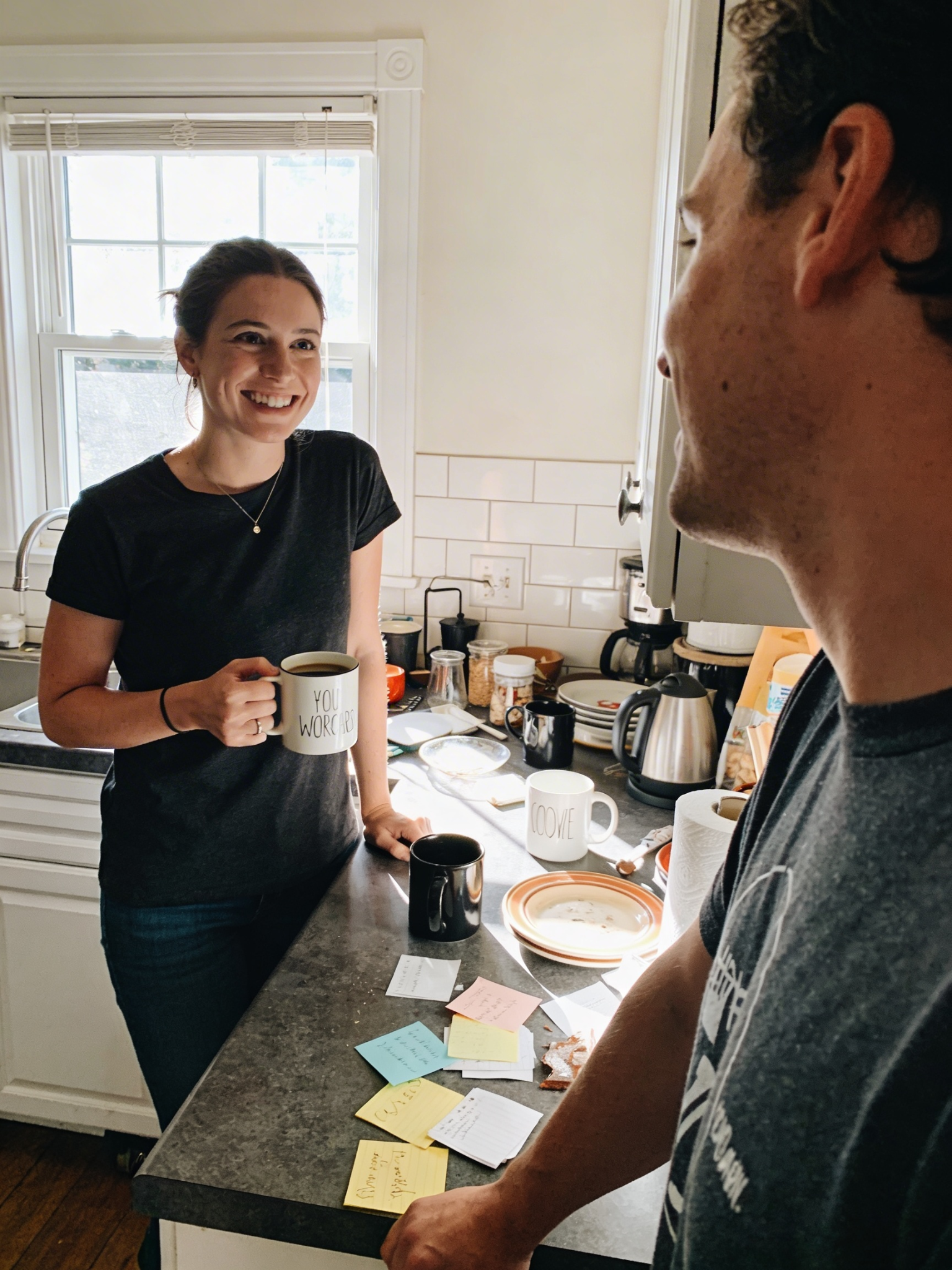
Ran for 6 days, from February 20 to February 26, 2026, the last day Crush saw it.
Run by Ethan Cole Harrison on Facebook. Crush is not the advertiser and does not verify its claims. See this ad in Meta's Ad Library(opens in a new tab)
Want an ad like this for your product?
Crush makes new ad images for your product from this ad: your logo, your product photo, your offer.
Trials from $19.95 USD, then $79.95 USD a month. Cancel anytime.
About this ad
- Meta Ad Library ID
- 1458328445650747
- Platforms
- Facebook, Instagram, Audience Network, Messenger and Threads
- Relaunches
- 0
Ad text
If you're building something real and winning on paper but feeling completely unstable inside... you wake up some mornings on fire and ready to conquer everything and crash into irritable and empty by 7pm without understanding why, you're on your third coffee before noon and consuming podcasts and content nonstop because the moment you sit in silence your brain starts crawling, you've had genuine wins that should feel amazing and felt nothing lasting from any of them, a good day at work means nothing by evening because the baseline you come back to keeps getting lower, you snap at the people closest to you over nothing and immediately know it was disproportionate, you can't watch a sunset or sit through a meal or enjoy anything simple without your brain reaching for the next stimulus, and everyone around you just keeps telling you "you should be grateful, you're doing so well" which makes it worse because you know they're right and you still can't feel steady for more than a few hours at a time... I'm about to tell you exactly what they're hiding from you and why they'll NEVER tell you the truth. And by the end of this, you're gonna be pissed. Because there are three things happening right now: One - Your brain is screaming at you that something's wrong with your dopamine system Two - The hustle culture you've been raised on is gaslighting you into thinking the crashes, the irritability, the restlessness, and the inability to enjoy your own success are just the price of ambition And three - There's a billion-dollar productivity and stimulant industry that profits every single day your brain stays dependent on external spikes to feel anything at all So let me tell you what happened with my buddy, because his story is going to open your eyes to how messed up this really is. For YEARS, and I mean like five straight years, my buddy had been building a successful business while quietly losing his ability to feel okay. Not like "oh I'm stressed sometimes, being an entrepreneur is hard" kind of losing. I'm talking he had the revenue, the freedom, the lifestyle he had worked toward since he was twenty-two, and he couldn't enjoy a single day of it from start to finish without the baseline collapsing under him by evening, type of losing. His relationship? Strained in a specific way that successful men's relationships get strained. His girlfriend wasn't dealing with a man who was failing. She was dealing with a man who was succeeding and still impossible to be around after 6pm. He wasn't present. He was either riding a spike or recovering from a crash, and there was no stable middle ground where she could actually reach him. And the restlessness? It never stopped. Even on the best days. Even when the numbers were good, when a deal closed, when something he'd worked months on finally landed. The satisfaction lasted maybe two hours before the baseline reasserted itself and the crawling started again. That specific feeling of needing the next thing before the current thing was even finished. Of sitting in a moment that should have felt like enough and feeling it already slipping before he'd fully arrived in it. He would hit a big win and spend the next forty-eight hours chasing the feeling of it instead of sitting inside it. He needed the next podcast, the next idea, the next caffeine hit, the next piece of content, the next spike to feel like himself. The moment the stimulation stopped, the irritability came in like a tide. And that thought he kept having but framed as a productivity problem instead of a neurological one: "Why can't I just feel steady? Why does everything feel like either too much or not enough?" So obviously, he tries to fix it, right? Multiple approaches. A therapist who told him it was anxiety. A performance coach who told him to meditate more. Books on stoicism and emotional regulation. Cutting caffeine for two weeks. Trying to build morning routines that created stability. We're talking genuine effort from a man who applies systems thinking to every problem he encounters. And you know what every approach told him? "You need to slow down." "Practice gratitude." "Your nervous system is dysregulated." "Try breathwork." "You're just addicted to the hustle, learn to be present." LEARN TO BE PRESENT. This man has tried being present. He has sat in silence and felt his brain crawl with restlessness for twenty minutes while his phone buzzed and his nervous system screamed for input. Presence isn't a skill he's missing. His baseline has dropped so far that stillness feels neurologically unbearable. And they're telling him to breathe through it. But here's where it gets worse, and this is the part that made me start digging into what the hell is actually going on. He committed to a full month of radical lifestyle change. No caffeine, minimal screens, meditation daily, early sleep, everything the wellness world recommends for nervous system regulation. That month was one of the least productive and most miserable of his professional life. I'm talking complete motivational collapse, inability to generate the drive that had built everything he had, a flatness so total it scared him. The crashes stopped because the spikes stopped. But the baseline he was left with wasn't peace. It was grey. Empty. Unmotivated in a way that felt like his personality had been removed. He went back to his coffee and his content and his spikes not because he was weak but because the alternative felt like becoming a different and lesser person. And nothing had been fixed. He'd just confirmed that the system underneath the stimulation was broken in a way that removing the stimulation couldn't repair. So at this point, I'm furious. Because I'm watching my buddy apply real intelligence and real effort to this problem and getting NOWHERE. Not better. Either spiked and crashing or flat and empty. There was no version of his nervous system that felt genuinely steady. And that's when I started asking questions that nobody in the entrepreneurial world wants you to ask: Why does the hustle culture treat dopamine volatility in high-drive people like a mindset problem instead of fixing the actual neurological mechanism that makes the baseline keep dropping no matter how successful you get? Why do they act like the inability to enjoy simple things, the evening irritability, the restlessness in silence, the motivation spikes followed by deep crashes, are just the personality traits of ambitious people rather than symptoms of a reward system that has been structurally damaged? And why the hell does nobody ever talk about actually STABILIZING the dopamine signaling system instead of just managing stimulation levels on top of a baseline that keeps getting lower? So I went down a rabbit hole. And I mean a DEEP rabbit hole. I started researching why someone would have all these symptoms: the motivation spikes that feel incredible followed by crashes that feel genuinely awful, the inability to enjoy anything simple without needing stimulation layered on top of it, the irritability that arrives like clockwork in the evening, the restlessness that makes stillness feel like a physical threat, the wins that produce no lasting satisfaction no matter how significant they are, and every productivity and wellness source was giving me the same useless answers. "Slow down. Be present. Fix your morning routine. Meditate more." But then I found this article from a functional psychiatrist. Someone who actually studies ROOT CAUSES instead of just symptoms. And he mentioned something I had literally never heard framed this way in any entrepreneurial context in my entire life. Dopamine receptor downregulation in the brain. Now pause for a second. You know what's insane? We learned about dopamine in hustle culture. Drive. Motivation. The reward of the win. Every productivity framework is built around chasing the dopamine of achievement. But nobody and I mean NOBODY ever taught us that chronically chasing dopamine spikes through caffeine, constant content consumption, high-stakes decisions, and relentless achievement literally damages your dopamine receptors over time and progressively destroys your brain's ability to generate a stable baseline, feel genuine satisfaction from wins, or experience simple pleasures without needing stimulation to amplify them. And that's not an accident. Because once you understand what dopamine receptor damage does in your brain, you realize that 90% of the "why can't I feel steady" experience that no productivity framework or wellness routine can fix? It's ALL connected to dopamine receptor downregulation that makes the spikes shorter, the crashes deeper, the baseline lower, and the restlessness permanent. Here's what dopamine receptor damage actually does: It's your brain's reward and stability system getting completely destabilized. It's literally the dopamine receptors that control baseline mood, the ability to feel satisfied by ordinary moments, emotional steadiness across the day, and the capacity to feel genuine pleasure from simple things getting worn down and desensitized by years of chronic high-stimulation living. Think of it like this: if your brain's reward baseline is a floor, every dopamine spike temporarily lifts you above it and every crash drops you back down. But chronic receptor damage lowers the floor itself. So each crash doesn't just bring you back to where you started. It brings you back to a lower place than you were before. And over years of this, the floor gets so low that ordinary life - a quiet evening, a good meal, a moment of genuine rest - can't generate enough signal to reach you without stimulation stacked on top. When your dopamine receptors are healthy? A good day at work produces satisfaction that lasts into the evening. You can sit with your partner over dinner and feel genuinely present. You can have a win and feel it fully before needing the next one. Silence feels okay. Simple things feel like enough. You have a stable emotional floor that holds you between the peaks. But when your receptors are downregulated from years of chronic dopaminergic overdrive? That's when shit hits the fan. Your brain can't maintain baseline stability without constant stimulation because the receptor damage has lowered the floor below what ordinary life can reach. Your wins produce shorter and shorter satisfaction windows because your damaged receptors can't sustain the reward signal. Your evenings collapse into irritability because the stimulation of the workday is gone and there is nothing underneath it to hold you. And the restlessness - that specific crawling need for the next input - is your depleted reward system screaming that it cannot generate adequate signal from the ordinary world and needs an external spike to feel functional. And here's what nobody tells you: dopamine receptor density decreases with chronic high-stimulation living, and just cutting caffeine or doing a digital detox doesn't restore them - your brain needs active repair at the receptor level. So by the time you're my buddy's age - 33 - after five years of building a business on caffeine and content and constant high-stakes stimulation, your dopamine receptors are severely downregulated. And just slowing down or meditating more doesn't fix the actual receptor damage driving the volatility. So you get: Motivation spikes in the morning that feel like you can build anything followed by crashes in the evening that feel like you've lost everything - your damaged receptors can't sustain the signal long enough to produce a stable day Wins that feel amazing for two hours and then nothing - your receptor damage has shortened the satisfaction window to the point where achievement produces almost no lasting reward signal Complete inability to enjoy simple things without stimulation stacked on top - a meal, a conversation, a quiet evening feel neurologically flat because your damaged floor is below what ordinary experience can reach Restlessness in silence that is physical not psychological - your depleted reward system crawling for the next input because it cannot self-generate adequate signal from the present moment Evening irritability that lands on the people closest to you - your stimulation has dropped for the day and there is nothing underneath it to hold your emotional regulation The need to be consuming something at all times - podcasts, content, caffeine, ideas - because the moment the input stops the flatness is immediate and uncomfortable Feeling restless even in moments of genuine success - because your damaged receptors can't register the arrival of what you worked for, only the absence of the next thing to chase The specific exhaustion of someone who is achieving everything they set out to achieve and still cannot feel consistently okay That creeping suspicion that no level of success will ever produce the feeling you are chasing because the mechanism that is supposed to generate that feeling is broken That persistent internal question that has no satisfying answer in any hustle culture framework: "Why can't I just feel steady?" And here's the CASCADE EFFECT that makes it worse: Low dopamine receptor density means your brain's baseline mood floor keeps dropping. So the gap between your stimulated state and your actual resting baseline keeps widening. And every crash doesn't just feel bad. It feels worse than the last one because the floor itself is lower than it was. Low dopamine means your satisfaction window keeps shrinking. So the wins that used to carry you through a whole day now carry you through two hours. And the drive to chase the next thing becomes less about ambition and more about neurological necessity - without the next spike, the floor is unbearable. Low dopamine means your emotional regulation loses its buffer under stress. So ordinary evening frustrations - a slow driver, a minor disagreement, an email that went wrong - land as catastrophic because your damaged reward system has no reserve to absorb them. The irritability isn't your personality. It's receptor depletion expressing itself through the people closest to you at the end of every day. Your brain is literally stuck. And it cannot stabilize itself without dopamine receptor repair. And here's the part that made my blood boil: The medical system KNOWS about this. They know chronic high-stimulation living depletes dopamine receptors and that receptor downregulation is what causes the volatility, the inability to enjoy simple things, the crashing baselines, and the restlessness that no amount of mindfulness practice can reach. But they don't give a single fuck about actually helping you REPAIR the damage. Why? Because there's no pharmaceutical drug they can patent that specifically restores dopamine receptor density and stabilizes baseline mood in the high-drive depleted brain. You can't patent a natural mineral that repairs dopamine receptors. There's no money in telling you to restore your brain's baseline stability system. There IS money in keeping you on caffeine products, nootropic stacks, productivity courses, wellness programs, and therapy sessions that all address the symptoms while the receptor damage underneath keeps lowering the floor - for the REST OF YOUR LIFE - while your baseline keeps dropping and the crashes keep getting harder and the restlessness keeps getting worse. See how that works? So I kept researching. Reading studies now. Medical journals. Talking to functional psychiatrists and neuroscientists... And I found out there's actual RESEARCH on a specific mineral that directly restores dopamine receptor density, stabilizes dopamine signaling, and repairs the baseline mood stability system that chronic high-stimulation living destroys. The mineral is called Lithium. Now, before you freak out, this is NOT the high-dose prescription lithium they give people with bipolar disorder. When you're choosing a lithium supplement for dopamine receptor repair and signaling stabilization, you need to make sure it's in the right form to actually cross the blood-brain barrier and restore receptor function at the cellular level. And here's what blew my mind when I learned how it actually works. It involves four specific mechanisms - and dopamine receptor restoration is the most important one: Dopamine receptor upregulation - Lithium orotate literally restores dopamine receptor density, reversing the damage chronic high-stimulation living caused and allowing your brain to maintain a stable baseline between peaks instead of crashing into the floor every evening BDNF activation - Lithium triggers Brain-Derived Neurotrophic Factor that regrows the neural pathways that years of dopaminergic overdrive destroyed, essentially rebuilding the stability architecture that makes genuine satisfaction from ordinary moments neurologically possible again GSK-3β inhibition - Lithium stabilizes a critical regulatory enzyme that chronic stimulation dysregulates, restoring the neural firing stability that makes your mood consistent across the day instead of riding every dopamine spike and crash like a passenger Neuroplasticity enhancement - Allows your brain to build NEW neural pathways that can generate genuine satisfaction from simple things again instead of being stuck in the stimulation dependency that makes stillness feel unbearable and ordinary life feel neurologically insufficient Now here's what's crazy: I found studies - actual peer-reviewed studies from Harvard showing that lithium orotate at micro-doses directly increases dopamine receptor density and BDNF levels while stabilizing dopamine signaling - the exact mechanisms needed to reverse the baseline depletion that years of high-stimulation entrepreneurial living creates - and this restoration is what finally allows high-drive men to feel genuinely steady without needing to spike their way through every single day. But you'll never hear this in any business or productivity community. So my buddy finally finds a functional medicine doctor who actually knows about this. And he literally gives him the same protocol I'd been researching. He says: "Your dopamine receptors are downregulated from years of chronic high-stimulation living. Your baseline has been dropping this whole time while your spikes kept you from noticing. The volatility, the crashes, the irritability, the inability to enjoy simple things, the restlessness in silence - none of that is your personality. It is a depleted receptor system that cannot generate adequate signal from ordinary life anymore. We need to restore receptor density and stabilize your dopamine signaling." He writes down lithium orotate and tells my buddy to start taking it daily. And for the first time in five years, someone actually explained what was wrong. Not that he needed to slow down. Not that his nervous system needed regulating through lifestyle changes. That his dopamine receptors were damaged and his brain had lost the structural capacity to maintain a stable baseline between the peaks. But here's the problem... The functional doctor recommended lithium orotate, but didn't tell him which brand to trust. Because most lithium supplements are either too weak, wrong form, or don't actually cross the blood-brain barrier and restore dopamine receptors the way the clinically-studied versions do. My buddy had to research brands himself. Different companies. Different doses. Some online, some in stores where the quality was questionable. He's trying to figure out which one actually works because, surprise, there's no standardized information about this. And the good brands were expensive. Over $50 a month for something that might not even be the right formulation. But you know what? He did it. He bought a random bottle of lithium orotate 20mg on Amazon because he was desperate. And after about three weeks? He noticed the evening crash getting shallower. Not gone. But shallower. He got to 7pm without the floor dropping out and sat with his girlfriend through dinner and was actually there. The dopamine receptors were starting to restore. After a month? He had a good day at work and the satisfaction was still there at 9pm. Not the spike. The satisfaction. Lasting longer than it ever had. He called me and said "I closed a deal today and I still feel good about it tonight. That hasn't happened in years." The neural pathways were rebuilding. After two months? He felt steady for the first time he could remember. Not flat. Not the grey emptiness of the detox month. Steady. The spikes were still there when they should be. But the crashes had stopped bottoming out. The floor had come back up to somewhere liveable. He could sit in silence for thirty minutes and feel okay in it. He could have a simple evening with no agenda and feel genuinely content rather than restless. His girlfriend told him she finally had him in the evenings. His work actually improved because he was making decisions from a stable baseline instead of from the frantic energy of someone whose nervous system was constantly trying to generate its next spike. So we were thrilled, right? It worked. But here's what bothered me... When I dug deeper into the research, I found that most lithium orotate supplements have a major problem: they don't optimize for dopamine receptor restoration and signaling stabilization specifically. The Harvard research that showed the most dramatic dopamine receptor upregulation and baseline stabilization used 10mg of a highly bioavailable form that gets into brain cells efficiently and triggers maximum receptor repair. Plus, my buddy was taking 20mg, but the clinical studies showing the best results for mood stability and receptor restoration used 10mg of a specific form that crosses the blood-brain barrier more effectively. He was getting results, but I kept thinking: what if there's a form specifically optimized for dopamine receptor restoration and signaling stabilization that works even better? What if he's not getting all the benefits because the supplement wasn't designed for maximum brain absorption? That's when I started researching companies that actually understood the neuroscience... I needed to find one that: Used lithium OROTATE 10mg specifically (the clinically studied dose for dopamine receptor restoration and signaling stabilization) Used pharmaceutical-grade ingredients that actually cross the blood-brain barrier and trigger dopamine receptor upregulation Had actual neuroscientists behind the formulation who understood chronic stimulation damage and baseline mood repair mechanisms Was third-party tested for purity Wasn't charging an insane markup And I'm scrolling through an entrepreneur health forum one day, in a thread about sustainable high performance without burnout, and I see someone mention this company called Oratonics. So I go to their website, ready to be disappointed like I had been with the 20 other companies I'd looked at. And I almost fell out of my chair. They had lithium orotate 10mg. The actual pharmaceutical-grade form that crosses the blood-brain barrier and restores dopamine receptor density and stabilizes signaling at the cellular level. In the exact clinically-studied dose based on Harvard research on dopamine receptor repair and BDNF activation. But that's not even the crazy part. When I dug into WHO was behind the company? They had actual neuroscientists and clinical researchers on their team who specialized in neuroplasticity and dopamine receptor function. People who understood the science behind lithium's ability to restore dopamine receptor density and stabilize neural firing by literally regrowing the baseline stability architecture that chronic high-stimulation living had been quietly destroying for years. They weren't just throwing lithium in a bottle. They'd done the research on dopamine restoration and signaling stabilization. They understood the mechanism. They created the exact formulation designed to maximize dopamine receptor upregulation and BDNF production. And here's where my jaw hit the floor: When my buddy was trying other brands? $50-80 a month for questionable quality. This bottle from Oratonics? $29. Already a steal, right? But THEN, and I swear I'm not making this up, they have bundle deals that make it even cheaper. Go look at the price right now. I'm dead serious. It's insane. And my buddy's been taking it for eight months now. The motivation spikes followed by deep crashes? Evened out. The evening irritability that his girlfriend had quietly been enduring for years? Gone for five months. The restlessness in silence, the inability to enjoy simple things, the wins that produced no lasting satisfaction, the feeling of being successful and still unable to feel steady? He's a different version of himself. Not a slower version. Not a less ambitious version. A stable version. His brain has literally restored the dopamine receptor density and signaling stability that five years of building on top of a collapsing baseline had been destroying. He still drives hard. Still competes. Still builds. But he comes home in the evening and the floor is there. The satisfaction from the day's work is still there. The simple things register again. He can sit through a dinner and be genuinely present in it. He can have a quiet Sunday and feel rested by it instead of crawling with restlessness by noon. His girlfriend told him recently that she finally feels like she's in a relationship with all of him, not just the morning version. This is the protocol they don't want you to know about. Because the second you restore your brain's dopamine receptor density and stabilize your signaling system, you don't need their caffeine products and nootropic stacks and productivity frameworks that keep you chasing spikes on a floor that keeps dropping. You don't need to keep managing the symptoms of a depleted baseline while the receptor damage underneath keeps getting worse. Your brain starts REGULATING ITSELF THE WAY IT'S SUPPOSED TO. Now here's the thing I need you to understand: The longer you wait, the more dopamine receptors you lose and the harder it becomes to restore them. Baseline depletion from chronic high-stimulation living becomes HARDER TO REVERSE the longer it continues. Right now, if you're dealing with motivation spikes followed by crashes you can't control, evenings that collapse into irritability no matter how good the day was, a restlessness in silence that makes ordinary life feel neurologically insufficient, wins that produce no lasting satisfaction, you can reverse this by restoring dopamine receptors and stabilizing your signaling system. But if you wait six months? A year? Your receptor density drops even lower. Your baseline floor keeps falling. The crashes get harder. The spikes get shorter. The simple things feel even further away. And then it takes longer to recover. Every month that goes by, your brain's neuroplasticity - its ability to heal itself - decreases. Entrepreneurs who have tried every wellness protocol and performance optimization system with zero lasting stability suddenly try lithium orotate and their dopamine receptors actually start repairing. The floor comes back up. The crashes get shallower. The simple things start registering again. Not because they finally found the right morning routine. Because their brain finally started healing the mechanism underneath everything they'd been trying to manage from the outside. So if you're dealing with ANY of this - motivation spikes that feel incredible followed by crashes that feel like the bottom is dropping out, wins that produce satisfaction for two hours and then nothing, complete inability to enjoy simple things without stimulation layered on top, restlessness in silence that makes stillness feel like a physical threat, evening irritability that lands on the people closest to you over things that don't deserve it, the feeling of being genuinely successful and still unable to feel steady for a full day, the growing suspicion that no level of achievement will ever produce the feeling you are chasing because the mechanism that generates that feeling is broken, that question that has no good answer in any productivity framework you've tried - "why can't I just feel steady" - this is literally the time. Not next month when the receptor damage has gone deeper and the floor has dropped even further. Right now. I put the link below. And even if you're skeptical, grab one bottle. Try it for a month. See if your brain's dopamine receptors and signaling system respond the way my buddy's did. Because the hustle culture isn't coming to save you. They profit too much from selling you the next spike while the baseline underneath keeps dropping. You have to save yourself. Go get it. And use the stability you get back - the floor that holds, the satisfaction that lasts, the ability to be present in the evenings, to enjoy simple things, to feel genuinely steady in a life you've actually built - to finally experience what you have been working so hard to create. https://oratonics.com/products/balance-capsules-lithium-orotate-coc
Where the ad sends people
oratonics.com
Reclaim Your Emotional Stability
High potency formula for mood, motivation and energy. Lifts mood and motivation within the first 7-10 days. Helps to manage anxiety. Brings the calming feeling. Protects brain cells from damage. Join over 86 Thousand who say - it WORKS!
Learn more: oratonics.com(opens in a new tab)