
Active· since Apr 20, 2026
- 149
- days running
- 0
- relaunches
Ad copy
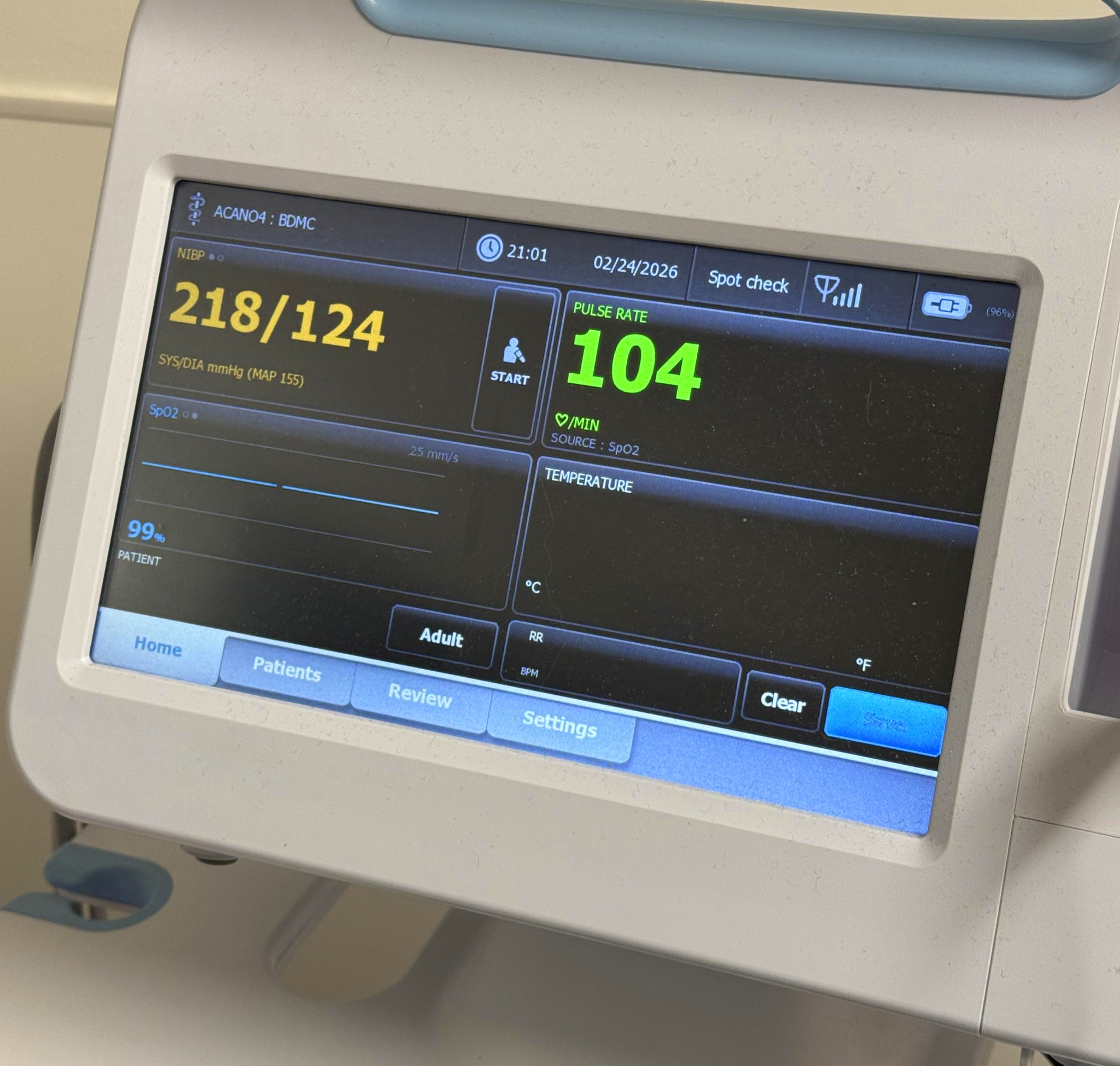
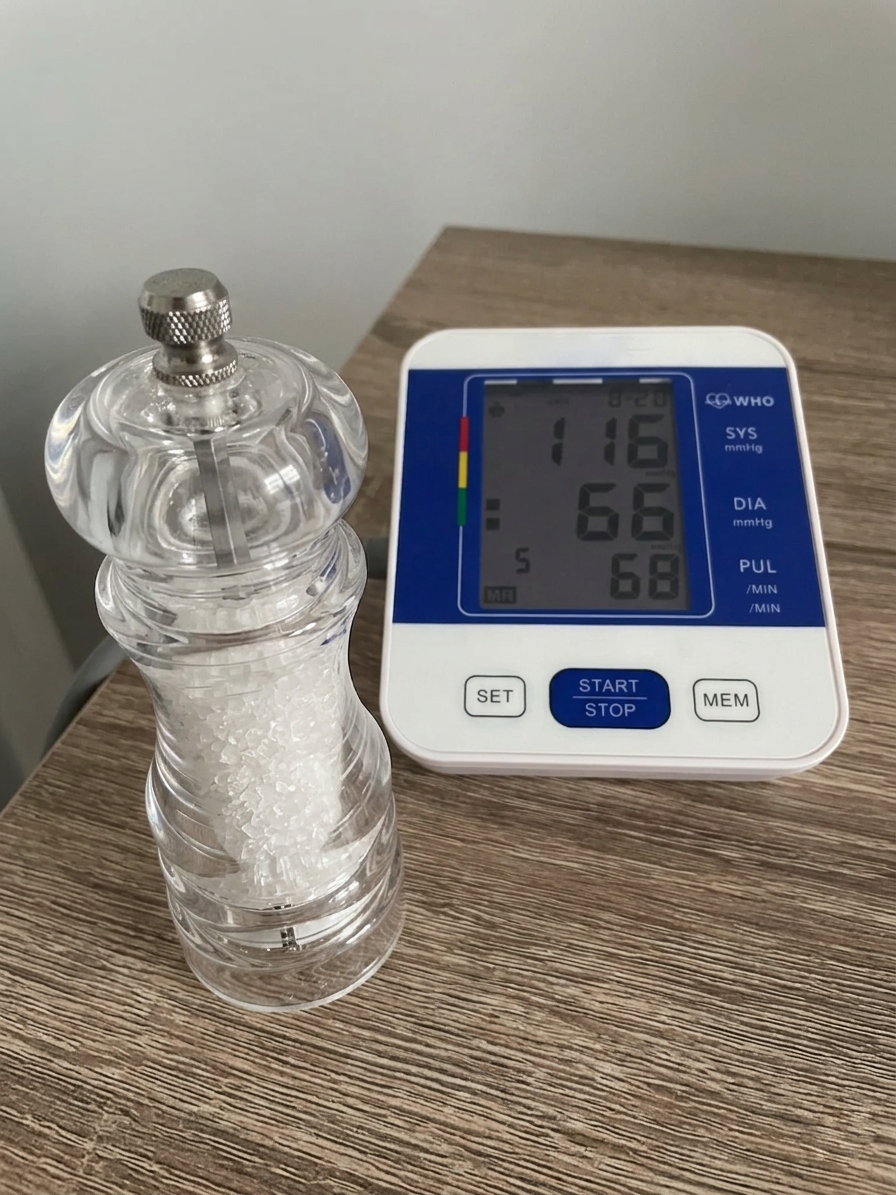
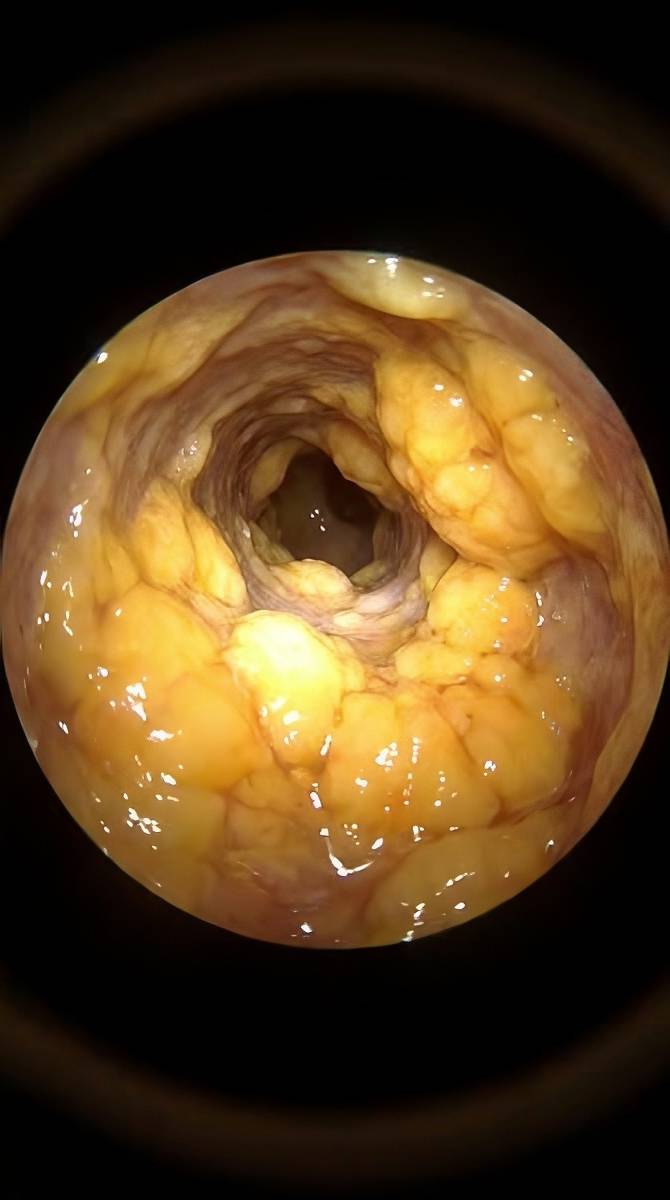
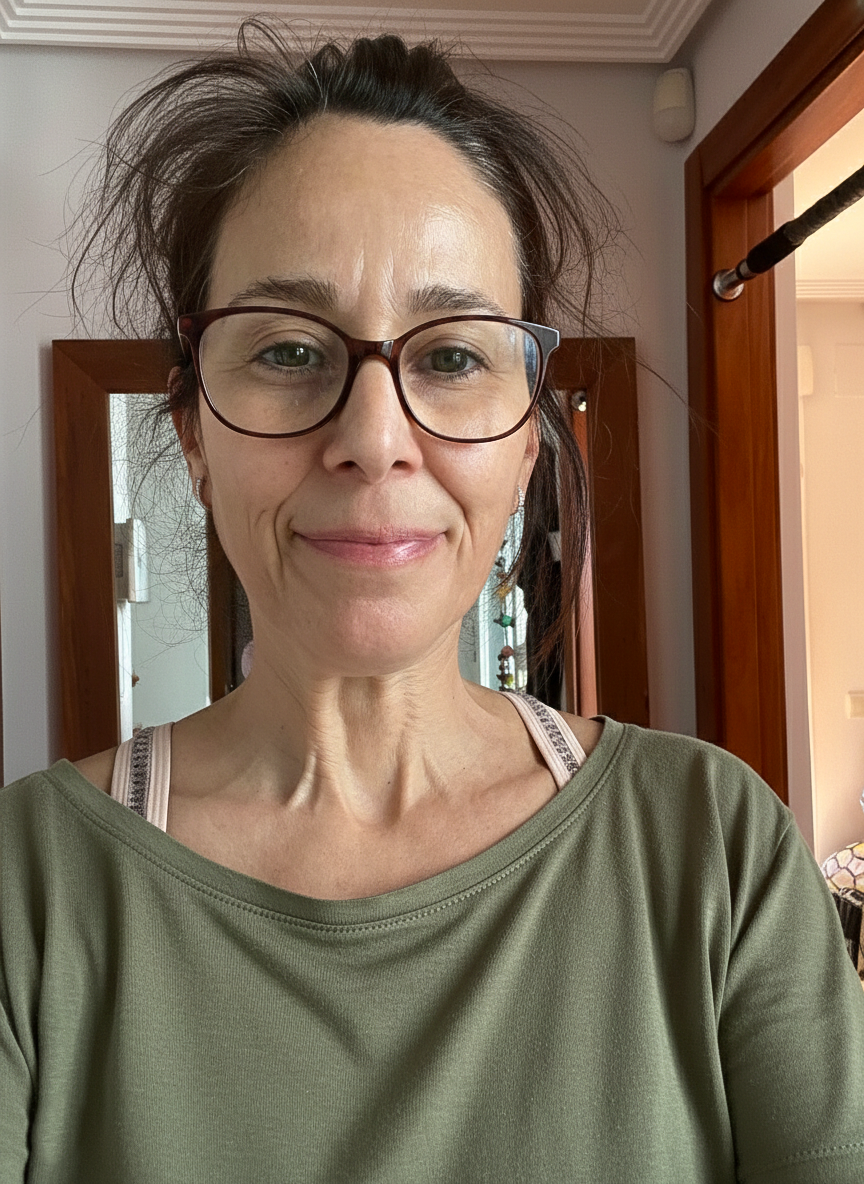
22 months on Lisinopril. 20 milligrams every morning. My doctor says we're "managing the blood pressure well." My husband says I forget things he told me an hour ago. That I drag through the afternoons like I'm carrying sandbags. That I'm not myself anymore. One of them is lying. I know which one. Because I watched this exact medication do the same thing to my mother, for 11 years, before it took everything from her and didn't fix the blood pressure anyway. And what I found instead, in a clinical study from a university in India, dropped my blood pressure from 158/96 to 124/78 without Lisinopril. Without a second medication. Without a single new prescription. But to understand why I was desperate enough to spend three weeks reading medical journals at 3 AM, you have to know what I watched that medication do to my mother. For ELEVEN YEARS my mother was trapped on blood pressure medication. She'd gone in for a routine physical at 53. Blood pressure came back 152/94. The doctor didn't blink. Pulled out his prescription pad. "We'll start you on Lisinopril. 10 milligrams. It'll bring the numbers down. You'll take it every morning." The first month was fine. Her numbers dropped. 138/86. Then 132/82. She thought it was handled. Then the cough started. Not a cold cough. Not a tickle in her throat. A dry, relentless hack that hit without warning. In the middle of conversations. In the grocery store checkout line. Lying in bed at midnight trying to sleep. She'd cough so hard her ribs ached, her eyes watered, her throat felt like sandpaper. They told her the cough was "common with ACE inhibitors." That her body would "adjust." It never adjusted. Not in 11 years. By year two, the exhaustion had settled in. My mother was an elementary school teacher for 28 years. On her feet all day. Running reading groups and recess duty. Sharp. Energetic. The kind of teacher parents requested by name. Within two years of starting the medication, she couldn't make it past 2 PM without sitting down. The energy just drained out of her like someone had pulled a plug. Not tired like she'd had a long day. Exhausted like her body was filled with wet cement. She started skipping the after school programs she used to run. Stopped volunteering at the church food drive. Came home and sat in the recliner and didn't move until dinner. Then the swelling started in her ankles. Subtle at first, just a ring of pressure marks when she took her shoes off. But it got worse. By noon her feet would puff up so bad she couldn't wear anything but stretched out sneakers. The shoes she wore to my brother's wedding sat in her closet unworn. She couldn't get her feet into them. The doctor's response? "Some fluid retention is normal. We can add a diuretic." She was 61. And through all of it, the cough that never stopped, the cement in her limbs by mid afternoon, the ankles she couldn't recognize as her own by evening, her blood pressure never got better. The numbers were "controlled." 134/84. 138/86. That was the word they used. Not improved. Not fixed. Controlled. They kept adjusting. Added Amlodipine on top of the Lisinopril. Then a diuretic on top of that. Three medications by year five. Three pills every morning. Three sets of side effects compounding on each other. By the time I came home for Thanksgiving during year seven, I didn't recognize the woman sitting in my parents' kitchen. Puffy face. Slow speech. She asked me the same question three times in twenty minutes and didn't know she'd asked it before. Shuffled when she walked because her ankles were too swollen to lift her feet properly. Hands trembling when she lifted her coffee cup. My father pulled me aside in the hallway. His eyes were red. "She's disappearing," he said. "The pills aren't fixing anything and they're taking everything else." I asked about stopping the medication. He shook his head. "She tried. The rebound was dangerous. Her numbers shot back up within days. Higher than before she started. The doctor said stopping suddenly could trigger a spike. And even tapering, the blood pressure came right back." Trapped. On medications that weren't fixing her blood pressure. Couldn't stop because the rebound was worse than the disease. Side effects eating her life alive while the numbers on the cuff stayed right where they started. And it kept getting worse. By year nine, the medications had started damaging her kidneys. Her creatinine was climbing. Her GFR was dropping. The drugs that were supposed to protect her heart were quietly destroying her kidneys, and her doctor mentioned it like a footnote. "Some kidney impact is expected with long term use," he said. Like it was fine. Then, year eleven, she had a minor stroke. The event she'd been taking the medication to prevent the entire time. Eleven years of pills. Eleven years of side effects. And the stroke happened anyway. She recovered. Mostly. But the left side of her face still droops slightly. Her left hand doesn't grip the way it used to. She can't open jars. Can't button her own blouse some mornings. And even after her doctor simplified her medication regimen, which took months of tapering and adjusting, the sharpness never fully came back. The teacher who managed a classroom of 26 kids can't follow a recipe with more than 4 steps without writing each one on a sticky note. I promised myself I'd never go down that path. Then three years ago, I went in for my annual physical. Routine. Nothing felt wrong. The nurse wrapped the cuff around my arm. Pumped it up. Watched the gauge. Took it again. "Your blood pressure is elevated. 148/94. The doctor will want to discuss this." Not a sharp pain. Not a warning. Just a number on a screen that changed everything. My daughter's graduation dinner was three weeks after the diagnosis. I sat through the appetizers gripping the edge of the table, not from pain but from the quiet terror that something was ticking inside me and I couldn't hear it. Smiled through dinner. Cried in the bathroom after everyone left. My husband drove us home. Didn't say anything. Just reached over and held my hand. My doctor walked in at the follow up and didn't sit down. "Your blood pressure is Stage 2. I'm prescribing Lisinopril. 10 milligrams daily." Lisinopril. The same medication that stole 11 years from my mother. And despite everything I'd watched her go through, I let my doctor write the prescription. Because the number was high enough to scare me. Because "the silent killer" was the phrase she used. Because I was terrified that saying no meant choosing a stroke. The first two months felt like it was working. My numbers came down. 136/86. Then 130/82. My doctor was pleased. But then the cough started. Just like my mother. That same dry, relentless hack. And behind the cough came the rest of it. The exhaustion hitting by mid afternoon. The fog settling over my brain. The swollen ankles by evening. I was watching my mother's story play out in my own body. My husband sat down across from me at the kitchen table one evening. "I need to say something and I need you to hear me." I looked up. "You forget things I told you an hour ago. You're coughing so hard at night I can hear you from the guest room. This medication is doing something to you, and your blood pressure isn't even better." He was right. And I'd been pretending not to notice. I was becoming my mother. That's when I stopped pretending the doctor was right and my husband was wrong. My doctor wanted to add Amlodipine on top of the Lisinopril. I said no. "I understand your concern, but the blood pressure needs to be managed." "Managed. That's the word you used. Not treated. Not fixed. Managed. My mother was 'managed' for 11 years. She still had the stroke. She still can't button her own blouse." She didn't have an answer for that. I told her to give me time. I'd find another way. She wasn't happy. Wrote something in my chart. I didn't care. I'd watched where "managed" leads. That night, I couldn't sleep. The cough woke me at 2 AM. Then again at 3. I gave up trying and went downstairs. Sat at my kitchen table with my laptop and started searching. Not "best supplement for blood pressure." I'd already tried all of that. The garlic capsules that gave me heartburn and did nothing. The magnesium that upset my stomach. The beetroot powder that didn't move the needle. The fish oil capsules the size of my thumb. I searched: "why does blood pressure stay high even when medication controls the number." Because that was the question nobody could answer. My numbers on the cuff looked "controlled." But underneath that number, nothing was getting better. And I found a study from a research institute in India that stopped me cold. The researchers had asked the exact same question I was asking: why do patients on blood pressure medication continue to deteriorate even when their numbers appear controlled? By 3 AM, I had seventeen tabs open. By 4 AM, I understood what was happening inside my blood vessels and why nothing my doctor prescribed had any chance of fixing it. By 5 AM, I was furious. One of the studies referenced a researcher at a university in Mumbai. Dr. Priya Sharma. Vascular physiologist. Over twenty years studying damage to blood vessel walls in hypertension patients. I found her contact through the university website. Sent an email expecting nothing. Two days later, she responded. We scheduled a video call. When her face appeared on my screen, I saw a woman in her late fifties. Calm. Precise. Behind her, stacks of medical journals and framed research citations on the wall. "Tell me about your blood pressure," she said. I told her everything. The Lisinopril. The controlled numbers. The side effects. The stable readings on the cuff while my body fell apart. She nodded slowly. Like she'd heard this exact story hundreds of times. "Your doctors, they are treating the number. Not the wall. This is the mistake." She pulled up a diagram of a blood vessel. "The inside of every blood vessel is lined with a thin inner wall. Living cells. When this wall is healthy, it produces nitric oxide, your body's natural signal that tells blood vessels to relax and open. When the wall is working, your vessels expand and contract smoothly. Blood flows without resistance. Pressure stays balanced." She pointed to the inner surface. "But this wall is exposed to everything in your blood. Processed food. Stress hormones. Blood sugar spikes. Year after year, it gets worn down. Roughened. Damaged. Like the inside of an old pipe that's been corroding for decades." "Once that wall is damaged, it stops producing nitric oxide. Without it, your vessels can't relax. They stay tight. Blood forces its way through. Your heart pushes harder with every beat. That's high blood pressure." "And here is why it never gets better on its own," she continued. "The harder blood pushes through a damaged vessel, the more it tears up that wall. More damage means less nitric oxide. Less nitric oxide means tighter vessels. Tighter vessels mean more pressure. More pressure means more damage. A cycle that feeds itself. And it has been running inside you for years." My mother. The kidney decline at year nine. The stroke at year eleven. "Your Lisinopril forces your blood vessels open by blocking an enzyme called ACE. The number on the cuff goes down. But that inner wall? Still damaged. Still corroding. Still not producing nitric oxide. The drug never touched the wall. It just forced the pipe open wider while the inside keeps falling apart. That's why you need the medication forever. That's why the dose goes up. That's why they add a second pill, then a third." "What about the other things I've tried?" I asked. "Beetroot. Garlic. Magnesium. Fish oil." "All downstream. Beetroot gives you more nitric oxide from the outside. But your body already makes nitric oxide. The problem was never a shortage. The problem is the wall that produces it is damaged. Adding more nitric oxide to a system with a broken wall is like pouring water into a bucket with a hole in the bottom." "Garlic thins the blood slightly. Doesn't touch the wall. Magnesium relaxes the muscles around the vessel. Doesn't reach the inner wall. Fish oil reduces inflammation floating in the blood. Can't reach the structural damage already done to the wall itself." "Nothing you've tried has been reaching the actual problem. You've been treating everything around the wall. Nothing ever reached the wall." "In India," she continued, "we ask a different question. Not 'how do we force the vessels open?' But 'how do we reach the wall and stop what's destroying it?'" She pulled up another diagram. "There is a fruit that grows in the foothills of the Himalayas. It's been used for over 5,000 years by healers in India. They called it 'the nurse.' The one remedy they reserved for people whose bodies were breaking down at the cellular level. They didn't understand why it worked. They just watched the results happen over thousands of years." "Today we call it Amla. And modern science now knows exactly why it worked." "Amla is one of the most powerful natural antioxidants ever tested. When scientists measured the antioxidant strength of over 3,000 foods, Amla ranked number one. Not blueberries. Not turmeric. Not green tea. Amla. And it wasn't close." "Now, why does that matter for your blood vessels?" "Because the damage to your inner wall is caused by free radicals. Oxidative stress. Those are the molecules created by years of processed food, sugar, stress, and just getting older. They're what's been corroding that wall. An antioxidant is the body's defense against free radicals. It neutralizes them. Stops them from doing more damage." "But most antioxidants you've heard of, vitamin C, vitamin E, they're too weak or too poorly absorbed to reach the inner wall of your blood vessels in any meaningful concentration. They get broken down in your gut or diluted in your bloodstream long before they get where they need to go." "Amla is different. It contains specific compounds called emblicanins. These are the active antioxidants unique to this fruit. And emblicanins don't just float around in your blood like fish oil. They go directly to the inner wall of the blood vessel. Where the free radicals are. Where the actual damage is happening." "The free radicals that have been corroding that wall for years, emblicanins neutralize them at the source. Not in your gut like garlic. Not in the muscles around the vessel like magnesium. Directly on the inner wall itself." "When the assault slows down, the wall can start to recover. The same way a cut on your skin heals once you stop picking at it. The inner wall begins functioning again once the thing destroying it is neutralized." "And when the wall starts functioning again, it starts producing nitric oxide on its own. The way it did when you were younger. The way it did before the damage shut it down." "You didn't need more nitric oxide from a bottle. You needed to reach the wall that produces it and stop what's been destroying it." "When nitric oxide production comes back, your vessels relax on their own. Not because a drug is forcing them open. The cycle breaks. Pressure comes down. Not because something overrode your body. Because your body is doing what it already knows how to do." "The wall. Protected." Then she warned me. Not all Amla is the same. Most products on shelves are cheap fruit powders with no standardization. The emblicanins are fragile. They degrade quickly. Most companies don't protect them. She'd reviewed many American brands and most delivered almost nothing. But there was one company making it correctly. Alevia. Pure Amla extract. Organic. Third party tested for purity and potency. Made in the USA. Small batches to preserve the active compounds. The concentration matched what was used in clinical research. I ordered it that night. Figured I had nothing left to lose. The bottle arrived on a Wednesday. The next morning, I noticed a lift. Subtle. Like someone had turned up the oxygen in my blood. The fog that usually settled over me by early afternoon came later. And it was thinner. Day three. I woke up and got out of bed without that heavy, cement feeling in my limbs. Made breakfast. Cleaned the kitchen. Looked at the clock and it was 10 AM and I still had energy. That hadn't happened in over a year. By the end of week one, the afternoon exhaustion that had been hitting me at 2 PM was lifting. Not gone. But the sandbags were coming off. Week two. I checked my blood pressure on the home monitor. 142/88. Down from 158/96. The cough was getting less frequent. My husband noticed before I said anything. We were making dinner and he put down the spatula. "You're different." "What do you mean?" "You're standing in the kitchen cooking for more than ten minutes and you haven't sat down. And you just finished a whole sentence without searching for a word." Week three. I realized I hadn't coughed in two days. Not because I was testing myself. I just forgot. The cough hadn't demanded my attention. Week four. The monitor read 132/82. My ankles weren't swollen. I looked down at my feet. Normal. No puffiness. My feet looked like my feet again. I woke up that Saturday morning and lay there for a minute because something felt wrong. Then I realized. Nothing hurt. My head wasn't foggy. My body wasn't heavy. My ankles weren't throbbing. I just felt like myself. I sat on the edge of the bed and cried. My husband woke up. "Diane. What's wrong?" "Nothing. Nothing is wrong. That's why I'm crying." He pulled me in and held me. Didn't let go for a long time. Five weeks in, I went back to my doctor. She took my reading herself. "128/78." She pulled up my previous readings. "You were at 158/96 at baseline. Stage 2. This is a significant drop." I told her everything. The damaged vessel wall. The emblicanins. How Amla works at the wall itself instead of downstream. She was quiet for a long moment. "I'm not going to pretend I understand the mechanism. But what you're describing doesn't happen without something changing at the vascular level." She paused. "Whatever this is, keep doing it." Since then, my doctor has been able to lower my Lisinopril dose significantly. That conversation alone was worth everything. The blood pressure reading is the alarm. But the damaged wall is the fire. Dr. Sharma was right. And now I had the numbers to prove it. No one ever looked at my mother's vessel walls. Eleven years of appointments. Eleven years of "how's the blood pressure?" and "let's adjust the dose." Meanwhile, the inner wall of her blood vessels was corroding more every year. Losing its ability to produce nitric oxide. Getting shredded by the very pressure the medications were supposedly controlling. And nobody ever looked. They were treating the number. Never the wall. I walked out of that office and sat in my car and just breathed. For the first time since that physical 3 years ago, I didn't feel trapped. It's been sixteen weeks now. My dose is a fraction of what it was. The fog has lifted. I can find my words again. I can remember what my husband told me at breakfast. I feel like myself for the first time in almost 2 years. My husband was right. The medication was taking something from me. And the doctor was wrong. The blood pressure was never being "managed well." I sleep through the night now. Every night. Without the cough jolting me awake at 2 AM. Without lying there wondering if the silent killer is ticking louder. Last weekend, my daughter brought the grandkids over for a barbecue. I chased my grandson around the yard. Got down on the ground with my granddaughter. Stayed outside until the sun went down. My husband squeezed my hand as we were cleaning up. Didn't say a word. Didn't need to. I called my mother last week. Told her what I'd found. Long silence. "Eleven years," she finally said. "Eleven years they had me on those medications and nobody ever told me about any of this." Her voice broke. "If I'd known... maybe I wouldn't have had the stroke. Maybe my hand would still work." I couldn't say anything. Because she was right. I'm not saying this works for everyone. I'm not a doctor. Everybody's body is different. But if you've been on Lisinopril, Amlodipine, Losartan, or any blood pressure medication and wondering why the numbers look "controlled" while your body falls apart underneath, maybe it's not about switching to a different drug. Maybe it's not about adding a second pill on top of the first. Maybe it's not about finding the right combination. Maybe the medication has been forcing your vessels open while the wall that produces nitric oxide keeps corroding underneath it. And nobody told you the wall was broken. And if you've been taking beetroot, garlic, magnesium, fish oil, or any combination of supplements and wondering why your numbers aren't moving, maybe it's not about the brand. Maybe it's not about the dose. Maybe it's not about consistency. Maybe you've been adding more nitric oxide to a wall that's too damaged to use it. And nobody told you the wall was broken. Because I'll tell you what I was staring at before I found this. My blood pressure was climbing on medication. 148. 152. 158. My doctor had already brought up adding Amlodipine twice. The third conversation wasn't going to be a suggestion. It was going to be another prescription. And I was running out of reasons to say no while watching my mother's story repeat in my own body. The fruit is called Amla. It's an ancient remedy. It's been used for over 5,000 years by Himalayan healers. They called it "the nurse." It was the one remedy they reserved for people whose bodies were breaking down at the cellular level. People whose circulation was failing. Whose bodies were corroding from the inside. They didn't have the language for emblicanins or nitric oxide or inner wall damage. They just knew that when someone's body was breaking down, this fruit did what nothing else could. The brand I use is Alevia. Their Amla is a standardized extract. Organic. Third party tested for purity and potency. Made in the USA in small batches to preserve the active compounds. The concentration matches what was used in clinical research. Two capsules in the morning. Alevia has a 90 day money back guarantee. If it doesn't work for you, you get your money back. No questions asked. 👉 alevia.com/amla/8 If you're curious, give it 4 to 8 weeks. That's about how long it takes for the blood pressure changes to show up on the monitor. But you'll likely feel the energy and clarity shift within the first week or two. That's how you know the compounds are active and reaching your vessel walls. And if it does work for you, at least you'll know. You weren't failing. Your medication wasn't failing. Your supplements weren't failing. The wall was damaged. You just had to reach the wall first. I wish my mother had found this 11 years before the stroke. Before the kidney decline. Before the cognitive fog that never fully lifted. Before the teacher who managed 26 kids couldn't follow a recipe. She didn't have this option. You do. I hope this helps someone. I really do. Because nobody should spend years on medications that force their body into compliance while the wall keeps corroding underneath. Nobody should watch their mother's path and then walk the same one because nobody told them there was a different direction. They're a small company and they sell out frequently. If you click the link below, they may be out of stock. But check anyway. 👉 alevia.com/amla/8
Like this ad? Make it yours.
Crush rebuilds this exact creative around your product — your brand, your colors, your offer — in about a minute.