
Inactive· since Mar 26, 2026
- 67
- days it ran
- 0
- relaunches
Ad copy
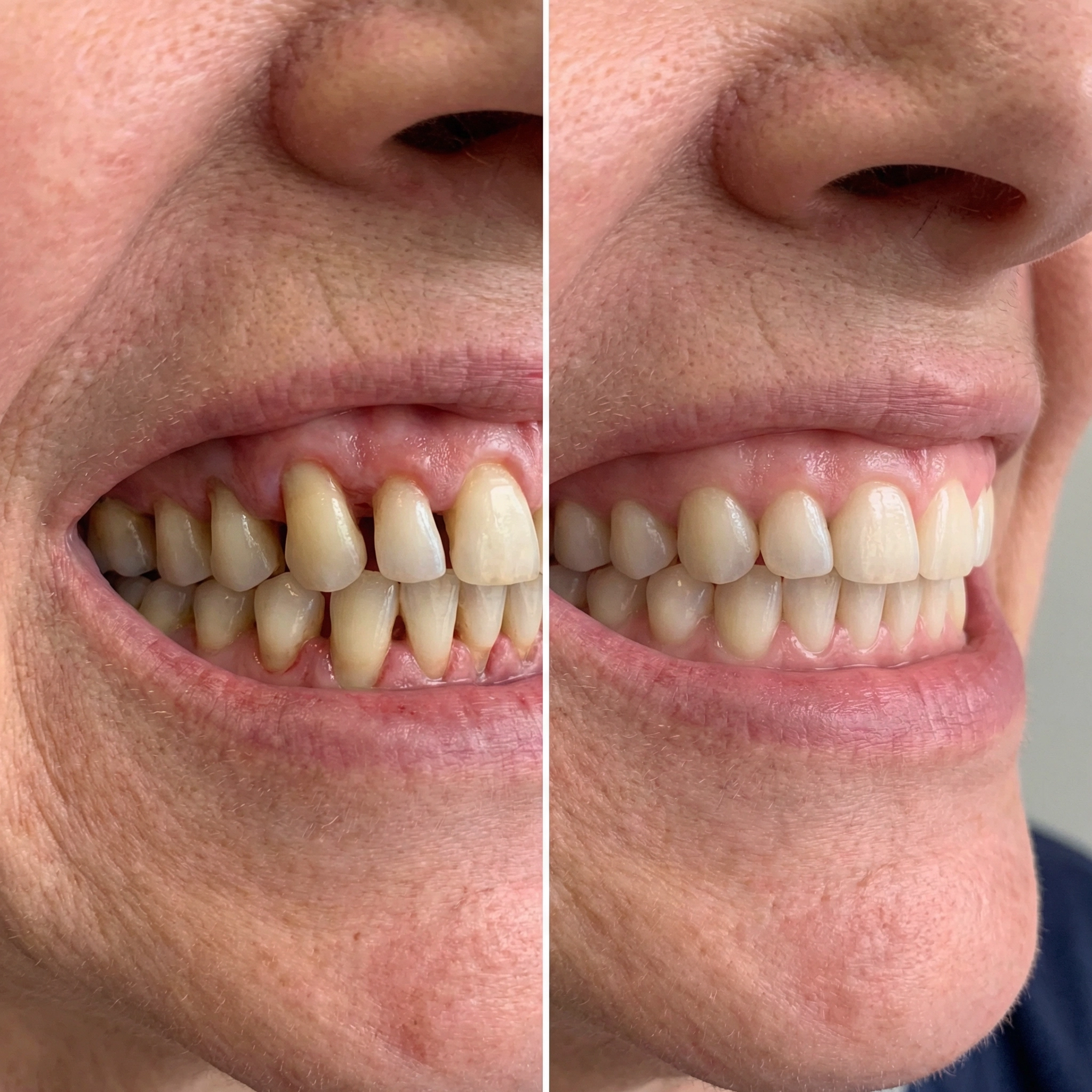
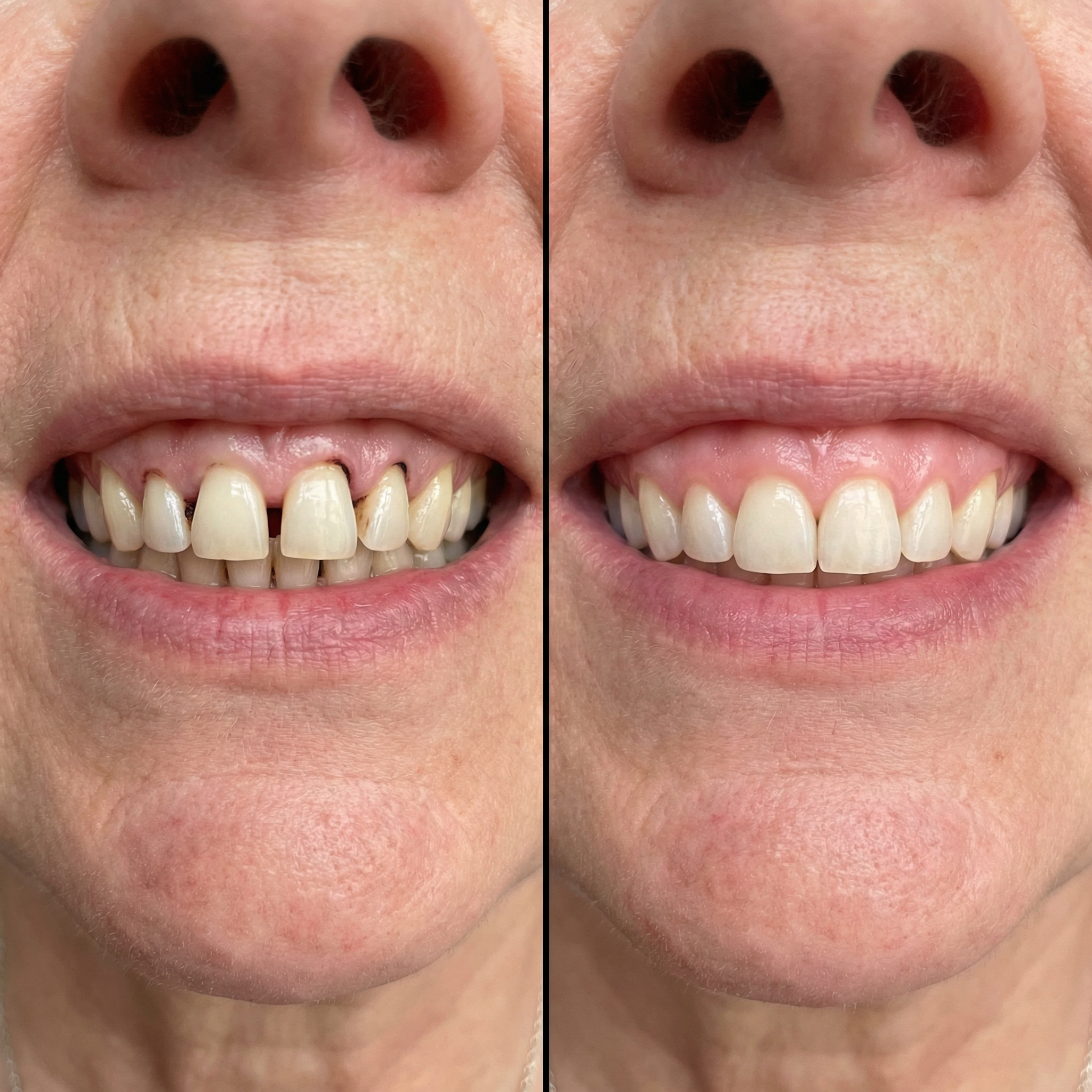
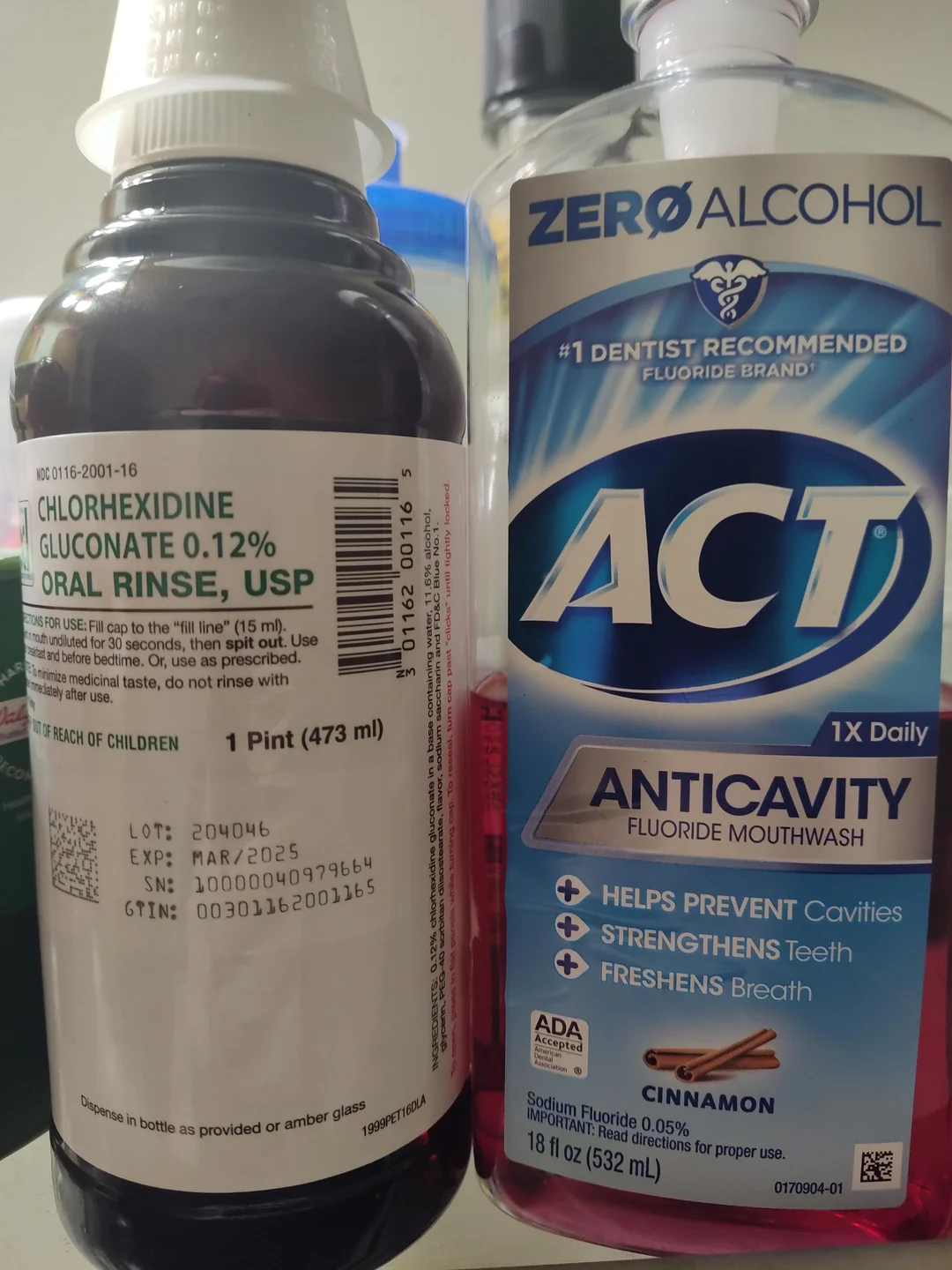
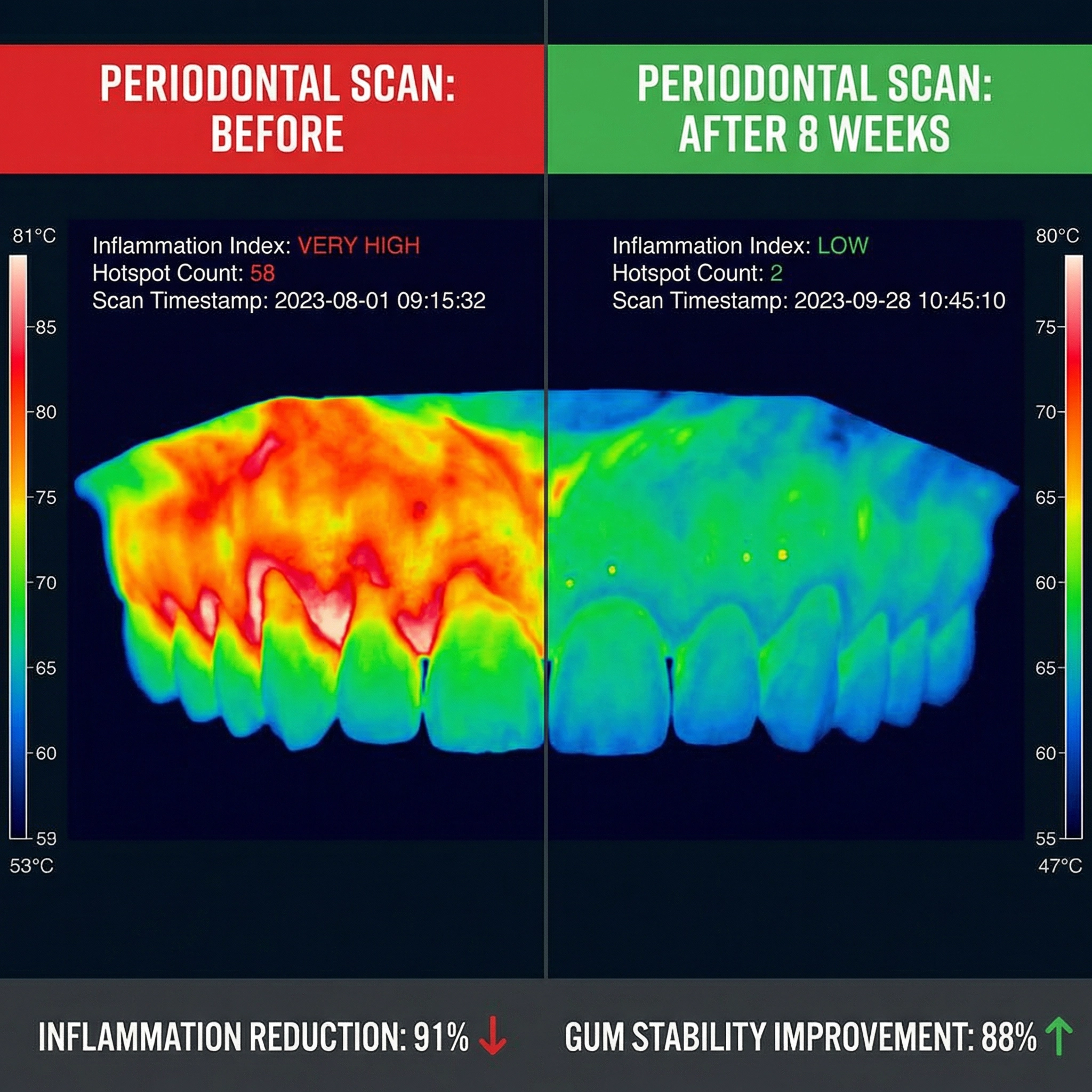
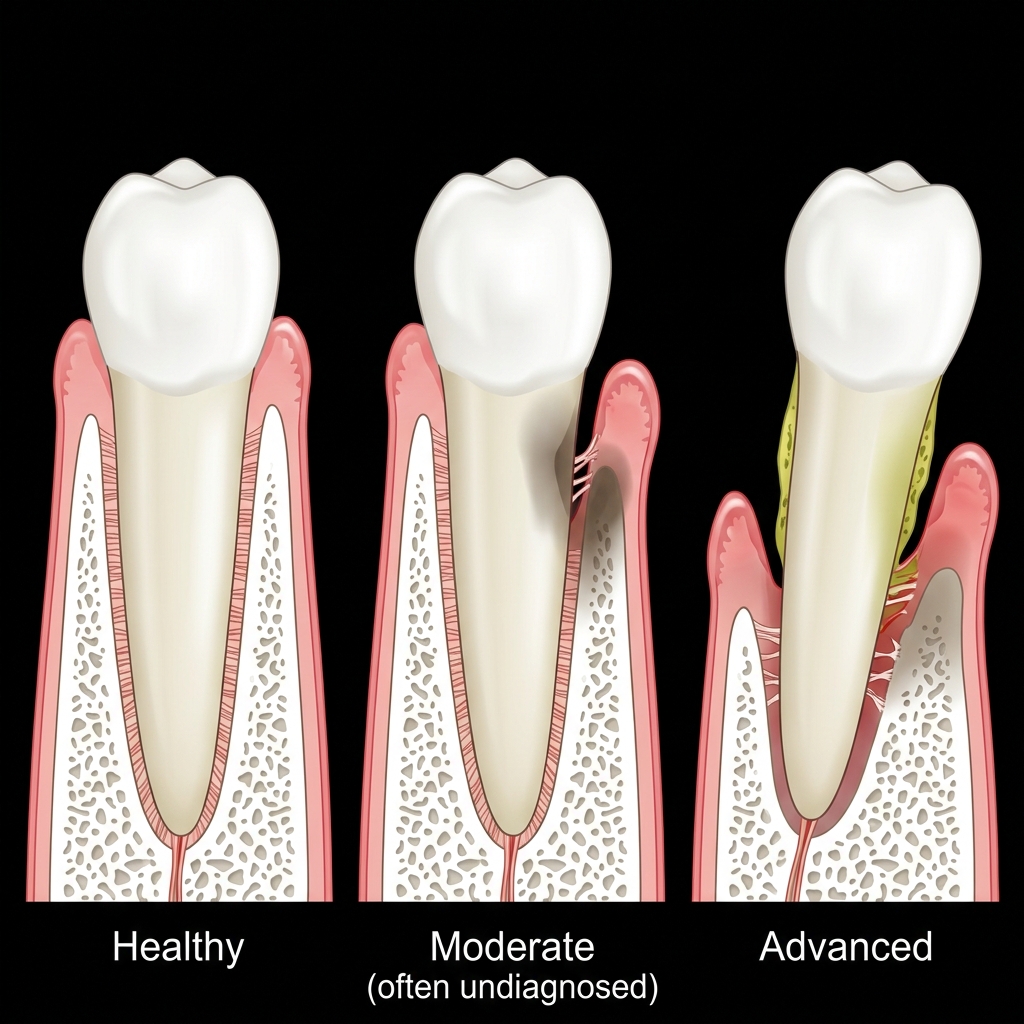
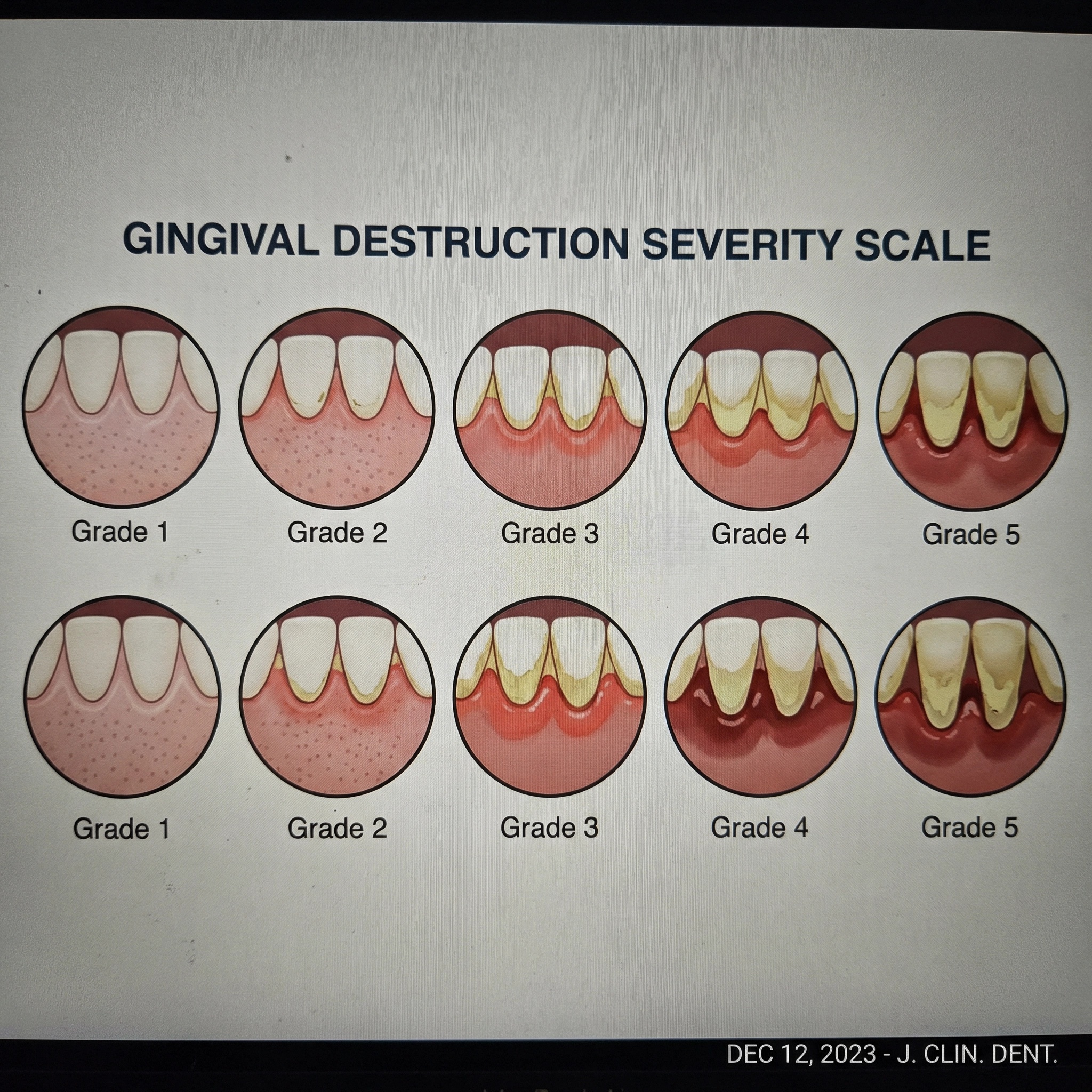
I saw a statistic that made me sick. 90% of women who get deep cleanings for ten-plus years still end up losing teeth. Not 50%. Not 70%. 90%. The cleanings don't work. They just delay the inevitable while draining your bank account. My mother was part of that statistic. Eight years of deep cleanings every four months. Dentures by 62. I'm 63. Last month, my periodontist told me I need to increase my cleanings to every three months — with antibiotics packed into the pockets at $75 per tooth. I refused. And what I found instead — in a 2019 study I discovered at 2 AM in my kitchen — brought my pockets from 6mm to 4mm and stopped my bleeding completely without a single scraping. But to understand why I was desperate enough to sit at my kitchen table at 2 AM reading clinical journals, you have to know what I watched those deep cleanings do to my mother. For EIGHT YEARS — and I mean almost a decade straight — my mother was trapped on the deep cleaning treadmill. Started at her periodontist's recommendation. He called it "the gold standard for periodontal maintenance." Said it was "essential." Said she'd need them every four months for life, but that was fine because they'd keep her teeth. Within three visits, the sensitivity started. Not normal sensitivity. I'm talking that sharp, shooting pain from cold air hitting scraped roots. That wincing every time she drank ice water. That flinching when she brushed because the tissue was so raw from the last cleaning it hadn't fully healed before the next one. Her confidence? Gone. Woman used to smile at everyone she met. Used to throw dinner parties. Used to laugh with her whole face. By year three, she'd trained herself to keep her lips pressed together. Covered her mouth with her hand when she laughed. Turned her head when people talked close. The breath got so bad she stopped going to her book club. Not because she couldn't read. Because she couldn't sit close to other women without worrying they could smell the infection that the cleanings weren't eliminating. And you know what the periodontist said when she told him about the bleeding that never stopped? "That's the nature of chronic periodontal disease." "We need to maintain the cleaning schedule." "You might need surgery if this doesn't stabilize." So they added Chlorhexidine. The bleeding slowed for two weeks. Great, right? Wrong. Now her teeth stained brown. Her taste buds died. Food tasted like cardboard for months. Her mouth was so dry she kept water on her nightstand because she'd wake up feeling like she'd swallowed sand. And the bleeding? Came right back the moment she finished the course. Then they added Caredo paste. $25 a tube. Gritty like sandpaper. She was terrified it was grinding away her enamel. Tasted like drywall mud. Six months later, her pockets were deeper. Then the Waterpik. $89. Used it religiously twice a day. Blasted water into her pockets like it was supposed to reach the infection. She had them on those treatments for EIGHT YEARS. Eight years of scraping. Eight years of rinses that stained her teeth and killed her taste buds. Eight years of $400 appointments where they'd probe deeper numbers and schedule the next cleaning but never once — not ONE TIME — did anyone say, "Maybe we should look at why these cleanings aren't holding instead of just scheduling more of them." And then her teeth started falling out anyway. First the lower front. Then the molar. Then the other molar. Sixty-two years old. Eight years of "the gold standard." Dentures. At the kitchen table, staring at her dentures in a glass of water, she said something I'll never forget: "The cleanings didn't save my teeth, Margaret. They just made me suffer first." So fast forward to three years ago. I'm 63 years old. I brush twice daily with a $230 Oral-B iO. Floss every night. Waterpik twice a day. Haven't missed a single dental appointment in fifteen years. I go to my quarterly cleaning. Hygienist probes my pockets. 6mm. 6mm. 7mm. Periodontist frowns. Probes again. Same numbers. He pulls up my chart. Looks at me. "Margaret, your pockets are progressing despite the cleaning schedule. We need to get more aggressive. Every three months instead of four. And I want to add Arestin — antibiotic microspheres placed directly into the pockets after each cleaning. $75 per tooth." My chest tightened. "More cleanings? With antibiotics?" "Arestin is the standard adjunct when scaling alone isn't sufficient. The antibiotics release directly into the pocket over—" I stopped hearing him. More cleanings. More scraping. More money. Eight years of watching my mother sit in that same chair. Eight years of "the gold standard." Eight years of pockets getting deeper while the periodontist scheduled the next appointment. And then the dentures anyway. "No," I said. He blinked. "Excuse me?" "I'm not adding more cleanings and $75-per-tooth antibiotics to a protocol that hasn't worked in three years. My mother did this for eight years. I watched what it did to her. And I watched her lose her teeth anyway." He gave me that look periodontists give difficult patients. "I understand your concern, but untreated periodontal disease is serious. The risks—" "What's the point of the cleanings if the pockets keep getting deeper?" He didn't have an answer. I told him to give me three months. I'd find another way. He wasn't happy. Wrote something in my chart. Probably flagged me as non-compliant. I didn't care. For three months, I did everything else right. Brushed perfectly. Flossed every night. Waterpik twice daily. Oil pulling with coconut oil every morning. CoQ10 supplements. Low-sugar diet. Every single thing the dental internet says you're supposed to do. Three months later, I went back. 6mm. 6mm. Still bleeding on probing. Barely moved. Periodontist pulls out the treatment plan again. "Margaret, I really think it's time. Aggressive cleaning schedule with Arestin." I stared at that treatment plan and felt rage building in my chest. I'd done everything he told me to do. Everything the dental establishment says you're supposed to do. And it wasn't enough. And now the only solution is more of the same treatment that failed my mother for eight years? "Give me three more months." "Margaret, we need to be aggressive—" "Three more months." He sighed. Made another note. I didn't care what he wrote. That night, I couldn't sleep. I kept doing the math. My mother lost her teeth at 62. I was 63. Same genetics. Same pockets. At 2 AM, I gave up. Went downstairs. Opened my laptop. I started researching everything. Why deep cleanings fail. Why pockets come back. What actually controls whether bacteria survive in periodontal pockets. Every mainstream dental site said the same thing: Brush better. Floss more. Get more frequent cleanings. Get surgery if cleanings don't work. I'd done the first three. I refused to do the fourth. So I kept digging. Looking for women who'd actually solved this. Not managed it. Solved it. That's when I found the study. A research paper published in the Journal of Clinical Periodontology, 2020. The title was technical but the finding was simple: The bacteria in chronic periodontal pockets build an oily, hydrophobic fortress around themselves that water-based treatments physically cannot penetrate. I almost scrolled past. Sounded too simple. But something made me keep reading. Hydrophobic biofilm. An oily extracellular matrix made of lipids, proteins, and polysaccharides. Physically repels water. Every rinse my periodontist prescribed — Chlorhexidine, ioRinse, CloSYS, Listerine — water-based. Hits the oily surface. Beads up. Rolls off. Every deep cleaning — the scaler scrapes past this oily fortress mechanically. Disrupts it temporarily. But can't dissolve an oily matrix. Bacteria recolonize within four to eight weeks. Numbers bounce right back. Every Waterpik blast — water-based. Pressure doesn't matter when the liquid beads up on contact with oil. And the Arestin antibiotics my periodontist wanted to pack into my pockets at $75 per tooth? Water-based microspheres. Dissolve and release antibiotic into a pocket shielded by an oily, water-repelling fortress. The antibiotic hits the fortress. Beads up. Rolls off. Kills surface bacteria in the pocket fluid. The ones behind the fortress at 6-9mm depth? Untouched. Person after person in the research confirming it. Study after study. Data after data. I found a second study. Journal of Ethnopharmacology. 2019. 31 clinical trials reviewed. Lipid-soluble compounds — specifically carvacrol from oregano oil and thymoquinone from black seed oil — penetrate hydrophobic biofilm at rates 400-600% higher than water-based antiseptics. The chemistry principle: "Like Dissolves Like." Oil dissolves oil. You can't wash a greasy pan with cold water. You need something that speaks the same chemical language as the grease. And the delivery method that worked? Systemic. Through the bloodstream. A capsule that enters your blood and is carried directly to inflamed gum tissue from the inside. At 6mm depth. At 7mm. At 8mm. Wherever the blood flows. Not a rinse that washes away in 30 seconds. Not a paste that stops where the bristles stop at 2-3mm. Through the bloodstream. Continuously. All night. I sat back from the laptop. Stared at the screen. Eight years of my mother's life. Fourteen deep cleanings of mine. Thousands of dollars. Every rinse, every paste, every blast of water. Bouncing off an oily fortress that none of them could dissolve. And no one ever told us. Not because they were hiding it. Because the training doesn't include it. There's no billing code for "biofilm dissolution." There's no recurring revenue from a capsule that dissolves the problem at home. There's no $400 appointment for something the patient does herself before bed. The system isn't designed to solve the problem. It's designed to schedule the next cleaning. I kept reading. Looking for the specific capsule that matched the research. First I tried a generic oregano oil supplement from the health food store. Nice label. Five stars. Took it for six weeks. Still bleeding. Still pink bristles. Looked at the carvacrol percentage. Didn't list one. Just "oregano oil extract." Could be 5% carvacrol. Could be 10%. The research used minimum 70%. I was taking a cooking spice and hoping it would dissolve a hydrophobic fortress. Tried a second brand. "Clinical strength." Most expensive on the shelf. Eight weeks. Still bleeding. Maybe slightly less. Noise. Tried a third. Same result. Three brands. Months wasted. My appointment was approaching. I was about to give up and schedule the aggressive cleaning protocol. Then I found a woman in a periodontal support group online who'd had the exact same experience. Tried generic oregano. Failed. Tried another. Failed. Then she found a capsule specifically formulated for periodontal biofilm penetration. Pharmaceutical-grade Wild Oregano Oil — minimum 70% carvacrol — combined with Cold-Pressed Black Seed Oil with standardized thymoquinone. Systemic delivery through the bloodstream. One capsule before bed. She posted her pocket measurements. Before: three sites at 6mm. After eight weeks: 4mm across the board. Bleeding on probing: zero. The capsule was called Orgatics Oregano & Black Seed Oil. I ordered it that night standing in my kitchen at 3 AM. The bottle arrived five days later. I took the first capsule before bed. Sat on the edge of the mattress. Didn't expect much — I'd been burned three times already. Checked my bristles the next morning. Pink. Basically where they always were. Too early to tell. Week one: Still pink. Maybe slightly lighter. I checked obsessively. Morning. After lunch. Before bed. The bristles stayed consistently lighter than they'd been. Small. Could be noise. I wasn't trusting it yet. My husband noticed I wasn't wincing when I brushed anymore. He didn't say anything. Just watched. Week two: Lighter. Definitively lighter. I checked three mornings in a row. Lighter. Lighter. Lighter. Consistent. Below where I'd been stuck for three years. Now I was paying attention. Week three: White bristles. I checked again. White. Again. White. Three mornings in a row. Not a trace of pink. I pressed my finger firmly against my gumline. Nothing. No blood. No seeping. The tissue felt different under my finger. Not spongy. Firm. Tight against the teeth. Fourteen deep cleanings in three years never gave me white bristles. Not once. The best I ever got was "slightly lighter pink for a few days" before the bleeding returned. I sat on the edge of the bathtub and put my head in my hands. Not from stress. From relief. Week four: the day before my appointment. White bristles. Firm tissue. The breath — that deep, stale smell I'd carried for years despite every cleaning, every rinse, every paste — gone. My husband mentioned it before I did. At the appointment, the hygienist probed my pockets. Measured. Paused. Did it again. A third time. "Three of your 6mm sites are reading 4mm," she said. "Bleeding on probing: zero." She typed it in. Routine for her. For me? Everything. My periodontist pulled up the chart. Looked at the numbers. Looked at me. "Margaret. What happened?" I told him. The studies. The hydrophobic biofilm. The capsule. Lipid-soluble compounds dissolving the fortress from the inside through systemic bloodstream delivery — reaching the 6-9mm depth that every cleaning, rinse, and Waterpik bounced off. He typed notes. Frowning. "Well, whatever you're doing, your numbers are improved. Keep it up." I asked the question I'd been waiting to ask: "Can we stop the aggressive cleaning protocol?" He hesitated. You could see him weighing liability versus the screen. Finally, he said, "Let's go to monitoring only. Quarterly check-ins. If the numbers hold, no intervention necessary." If the numbers hold, no intervention necessary. No more $400 cleanings every three months that wear off in six weeks. No more $75-per-tooth antibiotics bouncing off an oily fortress. No more scraping my roots raw while the bacteria rebuild behind their shield. I walked out of that office. Sat in my car. Called my husband. "4mm. Zero bleeding." I heard him exhale. "Margaret—" "No aggressive protocol. Monitoring only. No more treadmill." That was eight months ago. My pockets this morning? Stable at 4mm. Zero bleeding. Tissue pink and firm. I have a mouth I haven't had in years. I brush without dreading the bristles. I eat without calculating which teeth can handle the pressure. I smile without my hand coming up to cover it. Last month, I ate ribs at my granddaughter Sophie's birthday cookout. Bit right into them. Didn't think twice. Sophie looked at me and said, "Grandma, you're smiling SO much today!" I laughed. Mouth wide open. Didn't cover it. Because I could. I called my sister last week. Her gums had been starting to bleed too. Her periodontist just started her on deep cleanings every four months. The same treadmill. I told her my numbers. Long silence. "Margaret... how?" I explained everything. The oily biofilm fortress. Why deep cleanings scrape past it but can't dissolve it. Why every rinse bounces off. Why the numbers always bounce back within six weeks. Why Mom's teeth fell out despite eight years of "the gold standard." "The cleanings aren't failing because we're doing something wrong," I said. "They're failing because they physically cannot dissolve what's protecting the bacteria. Oil dissolves oil. Water bounces off oil. That's chemistry, not opinion." "I'm sending you a bottle," I said. "Your periodontist just put you on the same treadmill Mom was on. Try this before you spend three years and thousands of dollars watching your numbers get worse." Her voice cracked. "If this works — if I don't end up like Mom—" "It's working. I promise." If you're reading this, you probably see yourself in my story. Your pockets have been creeping deeper — 4mm, then 5mm, then 6mm — even though you're "doing everything right." Your periodontist's mentioned more frequent cleanings — or you're already on the treadmill and wondering if this is just your life now. You've tried oregano supplements before. They didn't work. You figured maybe oregano just doesn't work for gum disease. But now you know the truth: those supplements used generic oregano extract with maybe 5-10% carvacrol. The clinical studies that show biofilm penetration use minimum 70%. You weren't taking biofilm-dissolving medicine. You were taking a cooking spice. Orgatics is different. Pharmaceutical-grade Wild Oregano Oil — minimum 70% carvacrol. The exact concentration used in the research. Cold-Pressed Black Seed Oil with standardized thymoquinone. Dual lipid-soluble biofilm penetration. Systemic delivery through the bloodstream. Reaches 6-9mm pocket depth from the inside — where no brush, rinse, paste, or Waterpik can go. Nighttime protocol — one capsule before bed when anaerobic bacteria are most active and saliva flow is lowest. Microbiome-preserving — targets pathogenic bacteria while preserving beneficial oral flora. Unlike Chlorhexidine that carpet-bombs everything and lets the bad bacteria recolonize first. Over 9,847 people have tried it. 89% report bleeding stopped within 14 days. 71% measured pocket depth reduction. Average decrease of 1.4mm. Return rate: 0.7%. Try Orgatics for 90 days. Watch your bristles every morning. If you don't see improvement — if your bristles aren't lighter, your tissue isn't firmer, your bleeding hasn't stopped — contact customer service for a full refund. No questions asked. You risk nothing. You're at a crossroads. One path: Keep doing what you're doing. Watch the pockets deepen. Start the aggressive cleaning protocol your periodontist is pushing. Hope you're one of the lucky ones whose pockets stabilize — even though the research says the oily fortress rebuilds every six weeks regardless. Spend the next ten years scraping and rinsing while the underlying problem gets worse. Another path: Try what I tried. Give your pockets what they actually need — lipid-soluble compounds that dissolve the fortress from the inside. Track your bristles. See what happens. I chose the second path. It gave me my mouth back. The dental system isn't coming to save you. They don't make money when you get better. They make money when you stay on the cleaning treadmill for life. You have to save yourself. Because every day you wait is another day the bacteria behind their fortress are eating bone. Another day of pockets deepening. Another day closer to becoming the statistic I refuse to be. You don't have years to waste. And neither do your gums. 👉 https://tryorgatics.com/pages/receding-gums — Margaret Collins, 63 P.S. — I saw lighter bristles by week two. White bristles by week three. Hit zero bleeding by week four. Brought results to my periodontist and he cancelled the aggressive protocol immediately. Fourteen deep cleanings never gave me white bristles. Not once. Your periodontist might back off too — if you have results to show them. P.P.S. — My sister started taking Orgatics two months ago. Her numbers dropped from 5mm to 3.5mm. She calls me every week to give me updates. Last week she said, "I'm not going to end up like Mom." Neither am I. Neither should you.
Like this ad? Make it yours.
Crush rebuilds this exact creative around your product — your brand, your colors, your offer — in about a minute.