
Inactive· since Apr 27, 2026
- 36
- days it ran
- 7
- relaunches
Ad copy
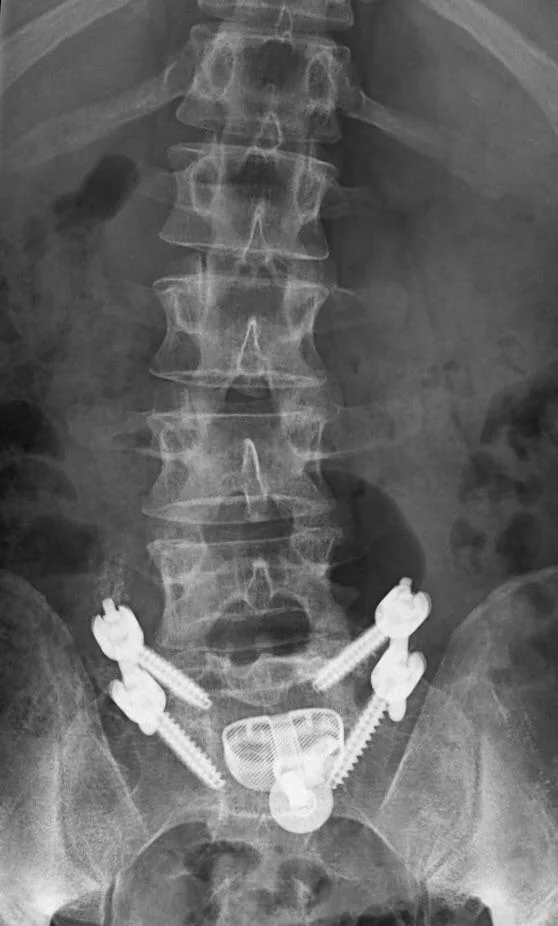
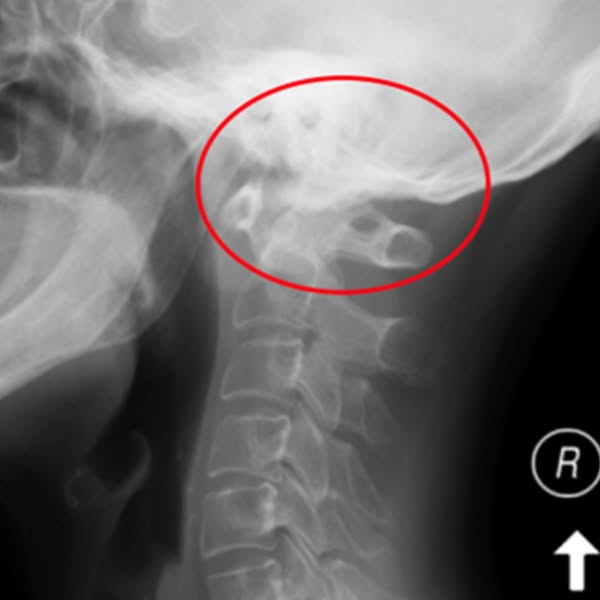
Three specialists. Two MRIs. R28,000 in consults. Every one of them told me the same thing. "It's stress." It wasn't stress. I know what stress feels like. I've got a son writing matric, an ageing mother in Bloemfontein, and a job where thirty people's payslips land on my desk on the 25th of every month. Stress doesn't feel like a vice tightening at the base of your skull the second you open your eyes. Stress doesn't make your head feel like it weighs twelve kilograms. Stress doesn't make you sit in the Woolies parking lot for twenty minutes because you can't face the turning of your head it'll take to reverse out the bay. But that's what every doctor told me. Stress. Anxiety. "Have you tried yoga?" One R950 consult told me to drink more water. I drove home and cried in the driveway because I couldn't believe that's what I had just paid for. I'd been to my GP three times. Two physios over eighteen months — R650 a session, twice a week, until I worked out I was paying her R67,600 a year to make me feel slightly better between Tuesday and Thursday. A chiropractor in Pretoria who cracked me into three hours of relief and sent me home for the pain to come back twice as angry by the next morning. A neurologist who ordered an MRI, looked at it for forty seconds, and called it "unremarkable" — as if that was good news. As if a piece of paper that found nothing was supposed to make the actual pain in my actual neck go away. By March I had stopped telling people. My husband would ask how I was and I'd say fine because the truth was a conversation I was tired of having. My friends had stopped asking too. You can only say "my neck is killing me" so many times before people stop hearing you. After a while I stopped hearing me too. The worst part wasn't the pain. It was the feeling that I was making it up. That I was the kind of woman who couldn't handle her own life. That somewhere inside me there was something genuinely wrong, and the entire South African medical system had quietly decided not to find it. I started googling at eleven at night. Then at half past one. Then at two-thirty. I joined three Facebook groups for women with chronic pain. I read posts from women in Centurion, in Boksburg, in Pinelands, all describing the same thing. The pulling, heavy, crushing feeling at the back of the head. The tight band across the shoulders. The headaches that came from somewhere behind the eyes. The way the pain spread from the base of the skull up over the scalp like a slow tide. We were all writing the same paragraph in the same voice and we all believed we were the only one. In May I went to see one more person. An osteopath in Centurion that a woman in one of the groups had mentioned. I'd already given up. I just wanted to be told one more time that I was fine so I could finally stop hoping. She didn't tell me I was fine. She put two fingers under the base of my skull, asked me to breathe, and said: "You have compression at the top of your cervical spine. Has anyone actually looked at this?" I sat there for a long time before I could answer. Three specialists. Two MRIs. Eighteen months of treatment. Not one of them had examined the top of my neck — the small joint right where the spine meets the skull. She drew it for me on a piece of A4 paper from her printer tray. She explained that when that one joint is compressed, four things happen at once. The deep stabilising muscles seize up. The blood flow to the area drops. The nervous system stays in a constant low-grade alarm state. And the nerve pathways running through that hinge get pinched. Four problems. One source. And every single thing I had been trying — the painkillers, the chiro, the massage, the physio — was only ever hitting one of those layers at a time. That's why the relief always evaporated by Sunday. The other three layers were still firing. I sat in her rooms and I cried. Not because of what was wrong. Because someone had finally seen it. She told me you can't fix this with a thirty-minute appointment once a week. A structural problem doesn't care about your schedule. You need something that hits all four layers, daily, in the spot where it's actually happening, and you can't be paying R650 a visit for the rest of your life to do it. I bought a device called Archify two days later. It does the four things at the same time. Small electrical pulses that reach the deep stabilising muscles your hands can't touch. Gentle heat that brings the blood back to the joint. Traction that creates space at the hinge. A deeper massage that calms the nervous system down. You put it on for fifteen minutes while you sit on the couch. I didn't believe it. I was too tired to believe in anything. Week one was nothing. I nearly put it back in the box. Then on the Sunday of week two I drove the four hours to my mother in Bloemfontein and got out at the petrol stop in Kroonstad without that swimmy feeling. I stood on the forecourt holding a cooldrink and I realised my neck didn't hurt. I'd forgotten what that felt like. Three months in, last weekend, my husband asked me why I was so different. I told him I wasn't different. I was just me again. I'm writing this because I know there's a woman reading this who has been told it's stress. Who has spent more on consults than she'd ever admit out loud. Who is wondering, in the quiet hours, if she's losing her mind. You're not losing your mind. Your scans are unremarkable because they're scanning the wrong area. There is a real, structural reason behind what you're feeling, and it is not in your head. It's at the base of it. If you want to know what I bought, the link is in the comments.
Like this ad? Make it yours.
Crush rebuilds this exact creative around your product — your brand, your colors, your offer — in about a minute.