
Inactive· since May 10, 2026
- 102
- days it ran
- 1
- relaunches
Ad copy
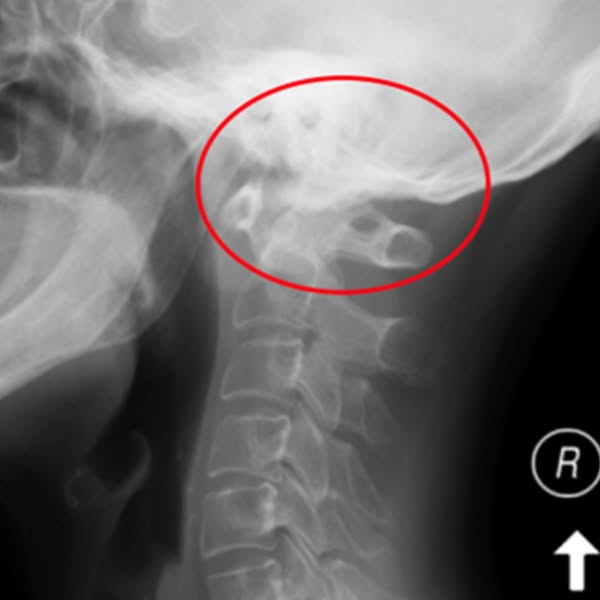
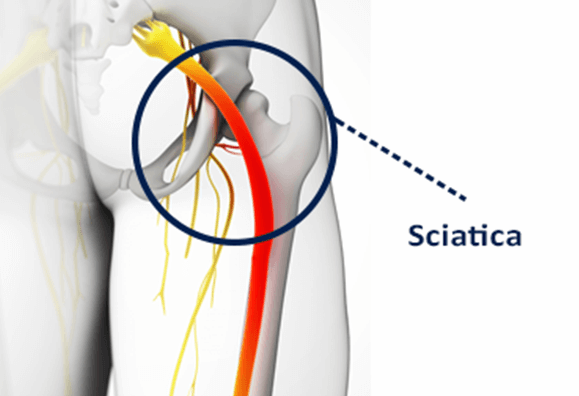
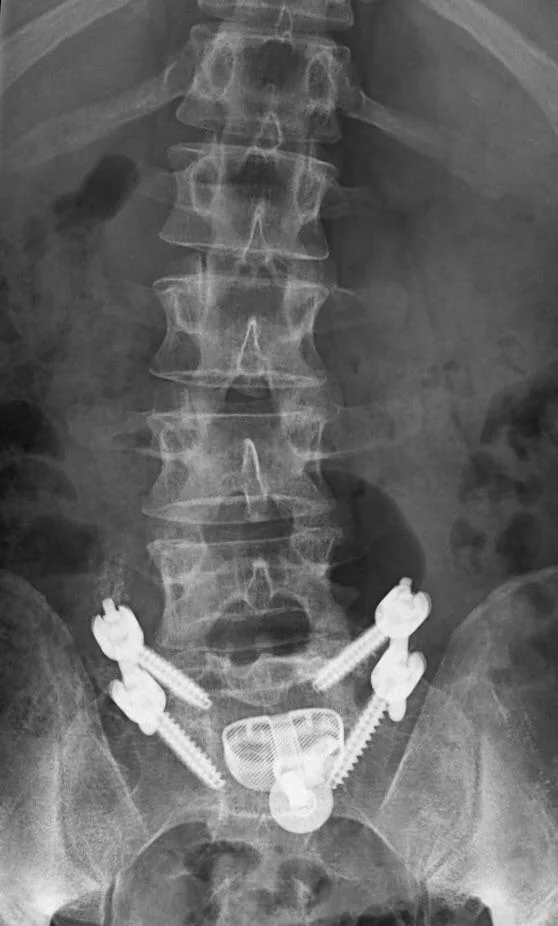
The neurosurgeon at Pretoria East Hospital used the word "eventually" three times in twelve minutes during my appointment last month. Eventually I would need surgery. Eventually the discs would fuse on their own anyway. Eventually I would not have a choice. I left his rooms with a quote for R287,000 in my handbag. I'm 45. My oldest is in matric. We are paying for university applications and a deposit on a flat for him in Stellenbosch next year. My husband Jaco runs his own engineering firm and the rand has been brutal. I do not have R287,000 lying around for a 60% chance the fusion works. But I also can't go on like this. I had a flare three weeks ago that put me in bed for four days. A flare. That's the word my GP uses now, like I have a chronic condition. I do, technically. He wrote it on the script for the Tilcotil. I have been to three orthopaedic surgeons in two years. I have had two MRIs. R8,400 each, partially covered. I have had four cortisone injections. I have done physio for fourteen months. My physio's name is Karien, she's at the rooms behind Mediclinic Kloof, R720 a session, she's lovely and she has done absolutely everything she knows how to do. She told me at our last session that she'd taken me as far as she could. I have done Pilates twice a week at a studio in Brooklyn for nine months. R650 a session. I have been to a Bowen therapist in Faerie Glen who pressed on my pressure points for an hour at a time. I have been to a kinesiologist in Lynnwood who muscle-tested me and gave me Bach Flower drops. I tried hypnosis. I tried acupuncture from an old man in Hatfield who didn't speak much English. I have spent, I worked it out one night while I couldn't sleep, somewhere between R140,000 and R165,000 on this in two years. And now the surgeon wants R287,000 to "give me back my mobility." I know that's the wrong way to think about it. I know my health is more important than money. But I am also a woman with three children and a household and the maths does not stop just because I'm in pain. I told my best friend Charné over wine at her house in Garsfontein on a Tuesday night. She and I have been friends since high school in Polokwane. She let me cry. Then she said, "Marlize, before you do this fusion, will you read something? My boss did. He had your exact MRI. The fusion was scheduled. He cancelled it three weeks before the date and now he's playing club rugby on Sundays. I can phone him on the way home if you don't believe me." I told her not to phone him. I still didn't think anything was going to come of it. I'd been to three surgeons, two MRIs, four cortisone shots and Karien who had done everything she could possibly do. Whatever an article had to say, it wasn't going to undo a fusion I'd been told three different times that I needed. I read it that night anyway. The article was written by Dr. Pieter Schilling. An orthopaedic surgeon. Twenty-seven years of operating on spines. The kind of doctor I had been paying R2,400 a consult to see three different versions of. Except this one had written something that none of the other three had ever told me. He said something he called "the truth nobody in his industry wants you to hear." That 91% of chronic sciatica cases come from the same hidden cause, and that the cause is something every spinal surgeon knows about but doesn't talk about because there's no money in fixing it the simple way. I almost stopped reading. It sounded like every health-conspiracy article on Facebook. But he went on. He said the discs in your lower back are like jelly doughnuts. As you age, they slowly lose fluid. They flatten. The vertebrae creep closer together. The space the sciatic nerve used to live in vanishes. And the nerve gets crushed against bone. That, he said, is what was on my MRI. "Significant lumbar disc dehydration." Both my MRIs had said it. Neither surgeon had explained it to me. He said all the things I'd been doing, the physio, the Pilates, the cortisone, even the proposed fusion, were addressing the symptoms. The compression. The inflammation. The pain. None of them were addressing the actual mechanism. Dried-out discs that had nowhere to go because the bones above and below them were too close together. A fusion would weld two of those vertebrae together. It would stop the movement. But it would not give the disc any space to rehydrate. It would just freeze the problem in place. Which is, he said, why so many fusion patients end up needing a second surgery within five years on the disc above or below the fused one. I sat with my laptop on my legs and read that paragraph four times. He'd done what he did because his own wife had been on his bathroom floor at 3am, in the same place I'd been on my bathroom floor at 03:40 on a Wednesday in August. He couldn't fix her. He went to war with what he'd been taught. He partnered with biomedical engineers in Centurion. They built a device that did three things at once. It pulled the vertebrae apart gently. Created space. It heated the area to expand the tissue and let fluid back in. And it locked the spine in the decompressed position so the muscles didn't immediately yank it back to compressed the second the session ended. Fifteen minutes a day. He said it didn't replace surgery for people who genuinely needed it. He was honest about that. But he said for people like his wife, disc dehydration, nerve compression, no actual structural damage requiring blades, it was, in his clinical experience, what should be tried before a fusion. I screenshot the order page and I sent it to Jaco. He said R5,799 is a third of the deposit on Tinus's flat. He told me to order it. I used it the night it arrived. I lay back on my bed at 21:30 with the kids' supper dishes still in the sink and let it run for fifteen minutes. It pulled gently at my lower back. The heat was deep, not surface-level. It vibrated in a slow rhythm that almost made me fall asleep. I went to bed and slept five and a half hours straight. I had not done that in over a year. The first week I used it twice a day. Once in the morning, once before bed. The flares didn't disappear, but they didn't last four days anymore. The last one was thirty-six hours. By week three I was walking the kids' golden Bella around the block in the evenings. By week six I was bending down to put on my own shoes without bracing on the bed. I cancelled my pre-op consultation with the surgeon last Friday. I haven't told him why. I don't owe him an explanation. He'll send me a follow-up email and I'll reply when I'm ready to. What I want to say to you, if you're somewhere on this same path, is that I am not telling you to skip a surgery you need. I'm not a doctor. The man who wrote the article is, and he was very clear about that himself. What I am telling you is that there is a thing nobody told me until I was R165,000 in and quoted R287,000 for the fusion. The thing is that most fixes treat the moment the pain shows up, not the eight hours of compression that put it there. And until you address the compression itself, the actual flat-disc, no-space, crushed-nerve mechanism, nothing else holds for long. If you've been quoted for surgery and your gut is telling you to wait, if you've spent more on physio and chiro than your medical aid covers and the pain is still running your life, read the article before you sign the consent form. It is below. — Marlize 👉 https://archify.co.za/pages/new-breakthrough-in-spine-health
Like this ad? Make it yours.
Crush rebuilds this exact creative around your product — your brand, your colors, your offer — in about a minute.