Dr. Yolanda Holmes
Dr. Yolanda Holmes Facebook ad: “Doc said it’s just menopause. She was WRONG.”
Ran for 5 days, from August 14 to August 19, 2026, the last day Crush saw it.
Run by Dr. Yolanda Holmes on Facebook. Crush is not the advertiser and does not verify its claims. See this ad in Meta's Ad Library(opens in a new tab)
Want an ad like this for your product?
Crush makes new ad images for your product from this ad: your logo, your product photo, your offer.
Trials from $19.95 USD, then $79.95 USD a month. Cancel anytime.
About this ad
- Meta Ad Library ID
- 1481739187319940
- Platforms
- Facebook, Instagram, Audience Network, Messenger and Threads
- Relaunches
- 0
- Niche
- Hair Care
Ad text
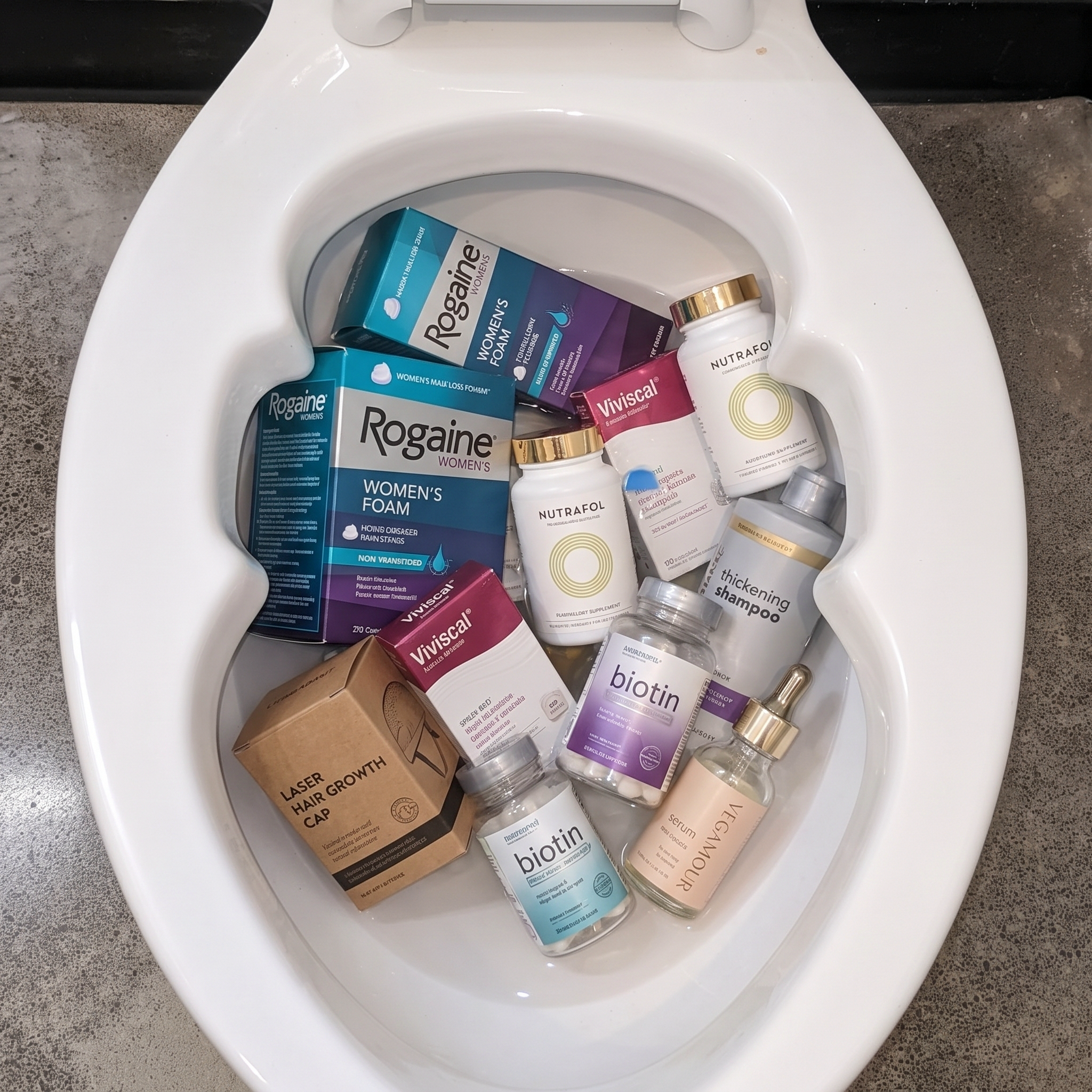
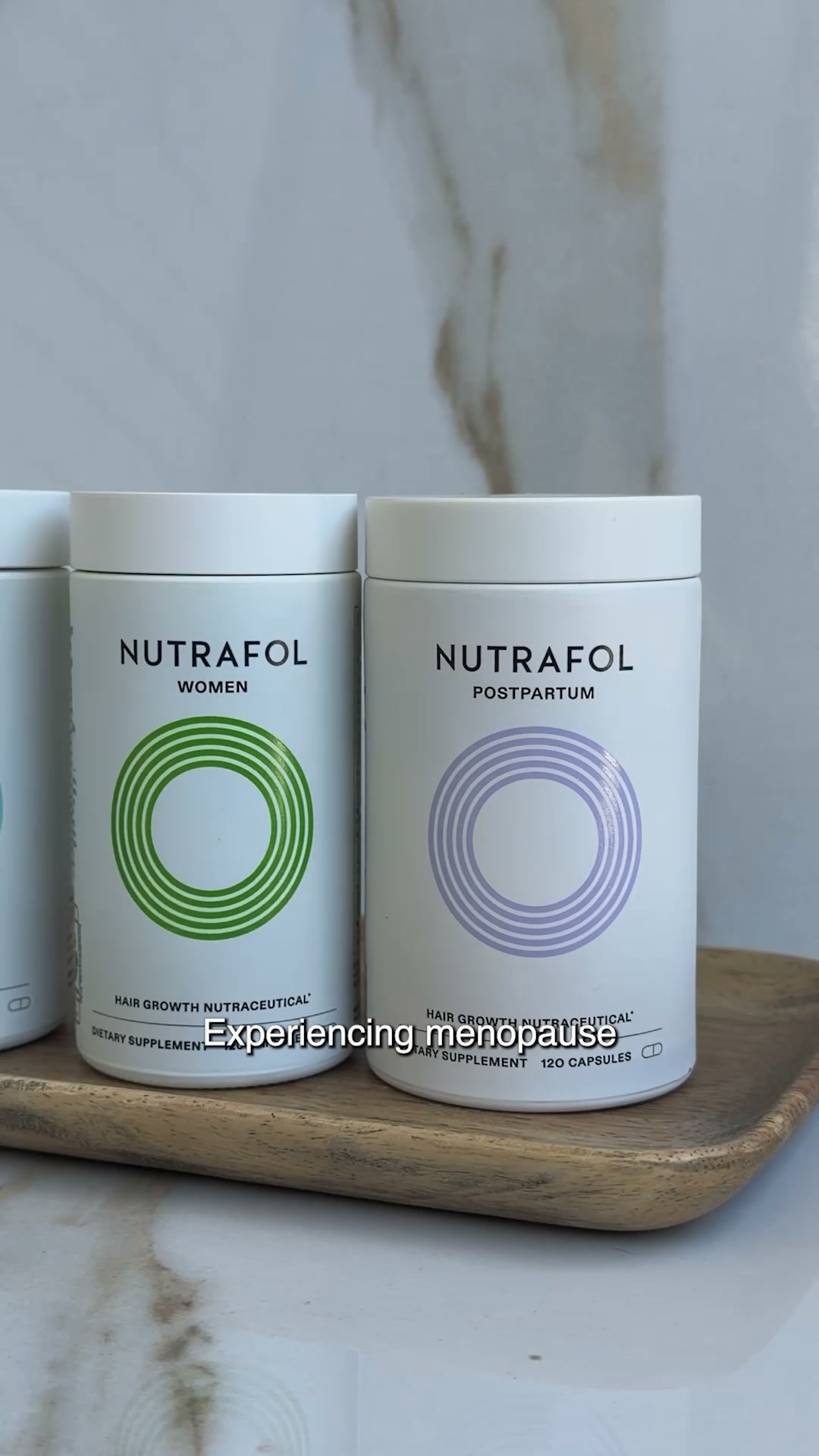
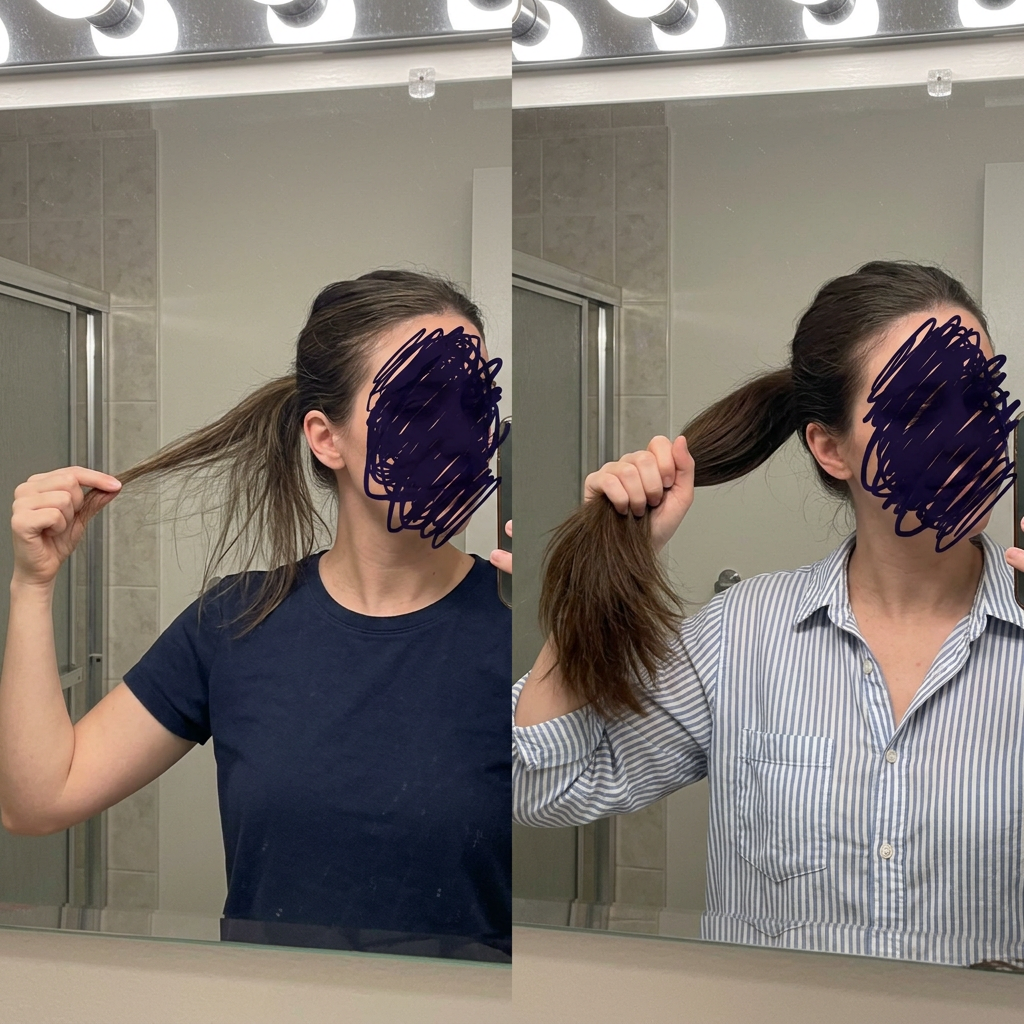
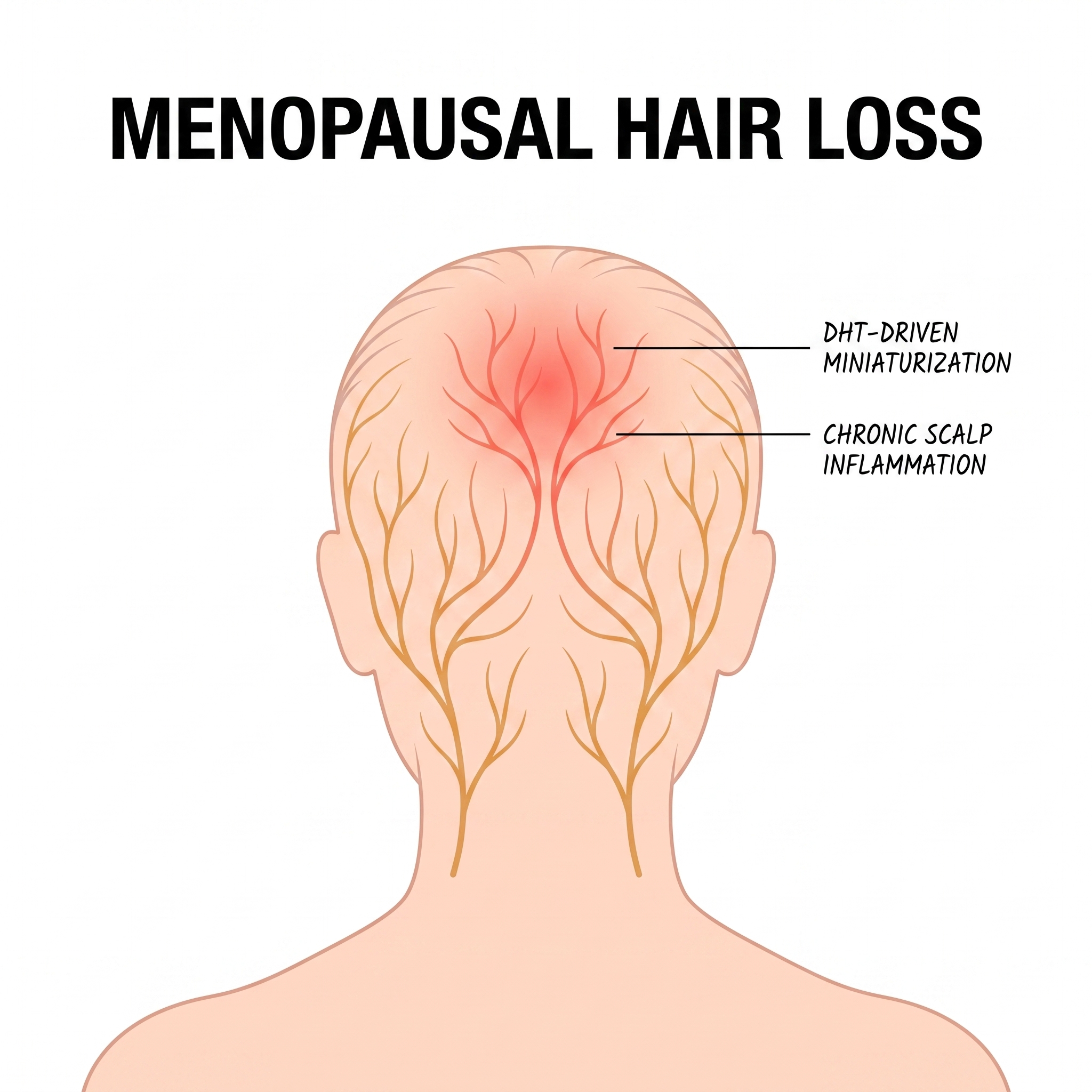
Stop taking more supplements for menopausal shedding. I’m 64 and was a lifelong skeptic until my scalp scan proved it wasn’t bad luck or menopause itself, DHT was quietly shrinking my follicles, and a targeted natural topical helped me reclaim the hair confidence I thought was gone. My name is Diane, and for nearly three years I counted the hairs that came out every time I showered. At first, I told myself it was seasonal shedding. Then I blamed stress, poor sleep, my thyroid, my shampoo, and every other explanation that felt less frightening than the truth. But the shedding kept going. My part slowly became wider, especially near the crown where overhead light hit it. My ponytail became so thin that I could wrap the same hair tie around it two extra times. I started brushing gently because I was afraid of what I'd see caught between the bristles. Washing my hair became something I delayed for as long as possible. Then came the small changes nobody around me seemed to understand. I stopped standing directly under bright lights. I checked the back of my head before leaving the house. I avoided photos taken from above because they showed more scalp than I was ready to admit. My husband kept telling me I looked fine, and I knew he meant well. But “you look fine” did not give me back the woman I recognized in the mirror. It did not stop me from wondering whether other people were looking at my widening part instead of my face. I was not trying to look 25 again. I simply wanted enough hair to style without planning every strand around what needed to be hidden. I wanted to wash it without fear, walk outside without checking the sun, and stop thinking about my scalp twenty times a day. So I did what most women do when they still have a little hope left. I bought biotin, collagen powder, expensive menopause supplements, thickening shampoos, scalp oils, and a laser cap that spent more time in its case than on my head. Some products made my hair feel softer, but softer hair was not the same as keeping more of it. Then I tried minoxidil foam because it was the answer everyone seemed to give women like me. I hated wondering whether I'd have to use it forever, and the possibility of another heavy shed made every application stressful. Eventually, I became the kind of shopper who distrusted every bottle with the words “hair growth” printed on it. I started wondering whether my follicles were simply too old and whether I had waited too long. That fear is what finally led me to have my scalp examined more closely. The magnified scan showed something I could never see in my bathroom mirror: many hairs around my crown and part were becoming progressively finer, shorter, and weaker instead of disappearing all at once. The specialist explained that this pattern was consistent with follicle miniaturization and that, after menopause, increased sensitivity to DHT can be one of the processes driving it. For the first time, I understood that this was not simply bad luck, careless styling, or “menopause shedding” that I had to accept without question. A specific process appeared to be happening directly around my follicles. Here's what finally made the pieces fit together. After estrogen drops during menopause, some women’s follicles become more vulnerable to DHT, a hormone produced when testosterone interacts with an enzyme called 5-alpha reductase. DHT can bind to sensitive follicles and gradually shorten their growth cycle, causing each new strand to return thinner, shorter, and weaker. Minoxidil can help some people support the growth phase of the hair cycle, but it does not directly target DHT formation. Topical minoxidil must also be converted into its active form by sulfotransferase enzymes in the scalp, and that enzyme activity varies from person to person. Think of your scalp like soil in a garden. You can keep buying expensive seeds, but if the environment around the roots stays hostile, those seeds may never get the chance to thrive. That was the part I had missed during all those years of swallowing supplements and changing shampoos. I had been sending general support through my whole body while the struggle my scan revealed was taking place in one very specific area. And I need to admit something that still makes me emotional: I blamed myself for far too long. I thought I had failed because I had not found the right routine soon enough. The truth was that I had been using tools that were not designed around the DHT-related follicle stress my scan suggested. That realization led me to Hair Helper Spray by Trybello. It's not a pill or a prescription drug. It's a lightweight leave-in topical that places a targeted botanical blend directly onto the crown, part line, and temples, where I needed support most. It takes about ten seconds to apply, requires no rinsing, and is designed to absorb without leaving hair greasy or stiff. Let me walk you through why the formula caught the attention of a lifelong skeptic like me. Topical caffeine helps support the hair’s active growth phase while helping counter DHT-related stress at the follicle. Sophora flavescens extract is a botanical studied for its interaction with 5-alpha reductase and signals involved in healthy follicle activity. Oryza sativa, or rice extract, provides antioxidant support and has been studied for its effects on pathways involved in DHT formation. Angelica polymorpha sinensis root extract helps support scalp circulation and soothe the scalp environment. Biotin supports the keratin structure that gives each strand its strength, especially when used as part of a broader scalp-focused formula rather than treated like a miracle vitamin by itself. Ginger extract, fermented ingredients, glycerin, and other supporting components help condition the scalp and support a healthier environment around vulnerable follicles. The important difference is not one trendy ingredient. Hair Helper combines several complementary ingredients in one direct-to-scalp routine, so I was no longer relying on another capsule to travel through my entire body before a small amount might reach my crown. Hair Helper also does not depend on minoxidil activation, does not require a prescription, and is not designed to force follicles through the same abrupt cycle shift associated with the initial minoxidil shed. Now let me answer the question I asked before I was willing to try it: What happens if I stop? Hair Helper is not promoted as a dependency-forming drug and does not maintain hair through the minoxidil pathway, so there's no expected rebound shed caused by withdrawing minoxidil support. Of course, menopause and hormonal sensitivity do not disappear. Continuing a supportive scalp routine may help preserve the environment you have worked to improve, but missing an application should not feel like stepping into the dependency trap that frightened me away from conventional options. I began applying the spray nightly along my part, crown, and temples. I did not wake up with a new head of hair, and I was not expecting to. Hair biology takes time. The first change I noticed was in the shower: fewer loose hairs collecting near the drain. Then my shedding began to feel more stable instead of relentlessly getting worse. As I stayed consistent, I started noticing short new hairs around my part and temples. My crown gradually looked less exposed under overhead light, and styling stopped feeling like an elaborate attempt to hide every thin area. The change that mattered most was not a single photograph or measurement. It was realizing that I had washed my hair without counting what came out. I left the house without checking the back of my head. I sat beneath a bright restaurant light without asking to move. At 64, I finally felt some of the hair confidence I thought menopause had taken from me for good. I know how hard it's to believe one more product could be different after biotin did nothing, Nutrafol drained your wallet, minoxidil made you nervous, thickening shampoo only coated the strands, and the laser cap became another expensive chore. Those failures do not mean you're untreatable. They may simply mean those tools were not addressing DHT-related follicle miniaturization directly where it was happening. That's also why the realistic timeline mattered to me. The first thing many women look for is less shedding and greater stability before expecting visible baby hairs or improved density. Trybello reports that 73% of users noticed less shedding within 30 days, although individual experiences and timelines naturally vary. The brand also reports a 4.85-star rating across more than 60,000 reviews, including women who say they previously tried options such as Vegamour, Nutrafol, biotin, and prescription minoxidil. One verified customer, Karen T., reported major regrowth around her temples and midline part after using the spray nightly for three months. Jennifer M. said she noticed less hair in her shower drain by week three and later saw baby hairs where her scalp had been showing. Those specific stories mattered more to me than another vague promise of “healthier-looking hair.” Trybello also offers a 120-day empty-bottle money-back guarantee, which means you can give the routine time before deciding whether it's right for you. Right now, the offer is 66% off, bringing the cost to about $1 per day, with no subscription required. If you're ready to stop blaming yourself and start giving vulnerable follicles targeted topical support, try Trybello Hair Helper Spray today. Give yourself the chance to see less hair in the drain, feel comfortable beneath bright light again, and recognize the confident woman looking back at you. P.S. DHT-related miniaturization can continue quietly even when shedding seems temporarily calmer, so waiting for your part to become noticeably wider may give vulnerable follicles more time to weaken. Try Trybello Hair Helper Spray Today https://start.trybello.com/tb-a249-adv
Where the ad sends people
start.trybello.com
Doc said “it’s just menopause.” She was WRONG.
Reduce Shedding With All Natural Ingredients!
Learn more: start.trybello.com(opens in a new tab)