
Inactive· since May 29, 2026
- 46
- days it ran
- 0
- relaunches
- 79
- EU reach
Ad copy
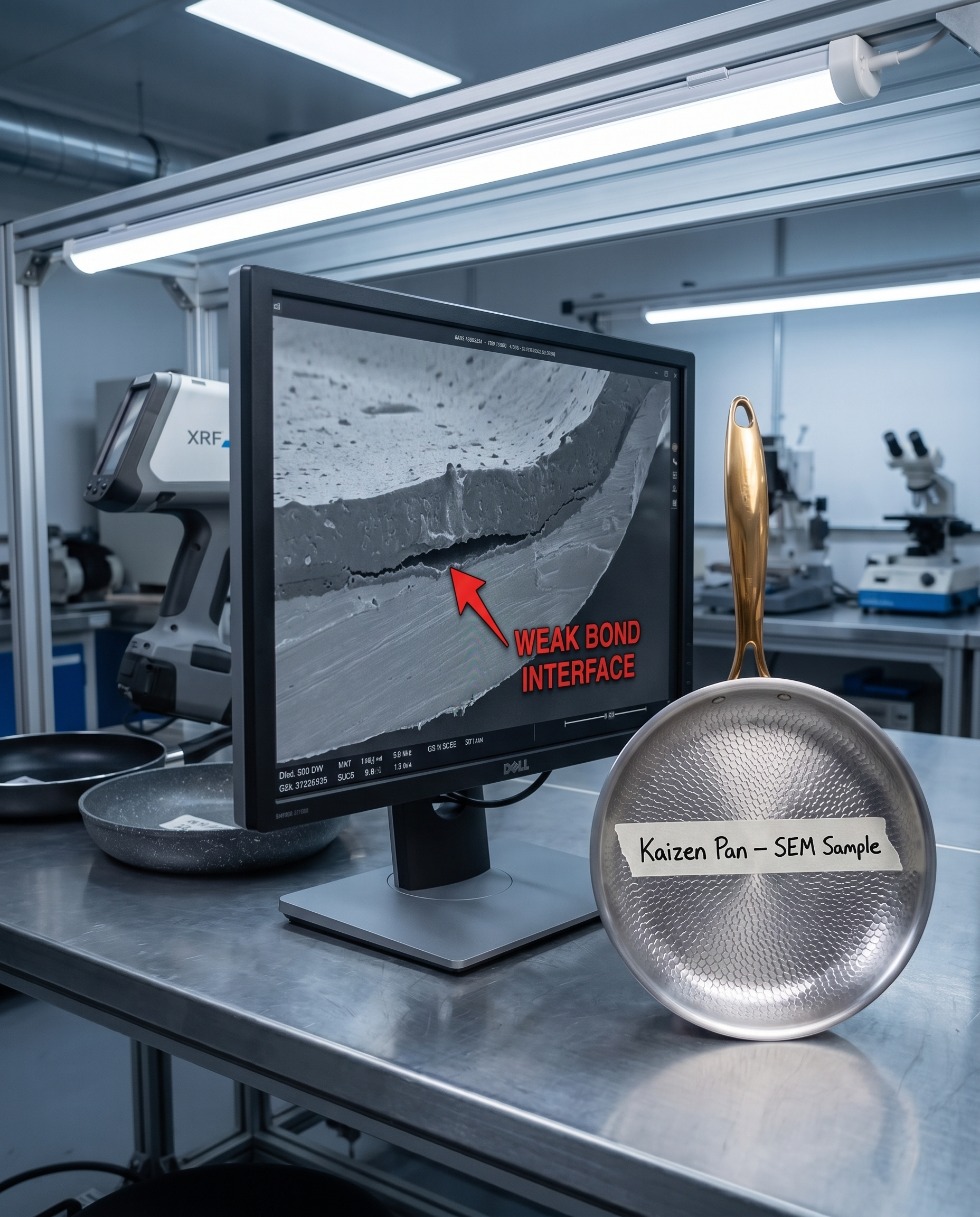
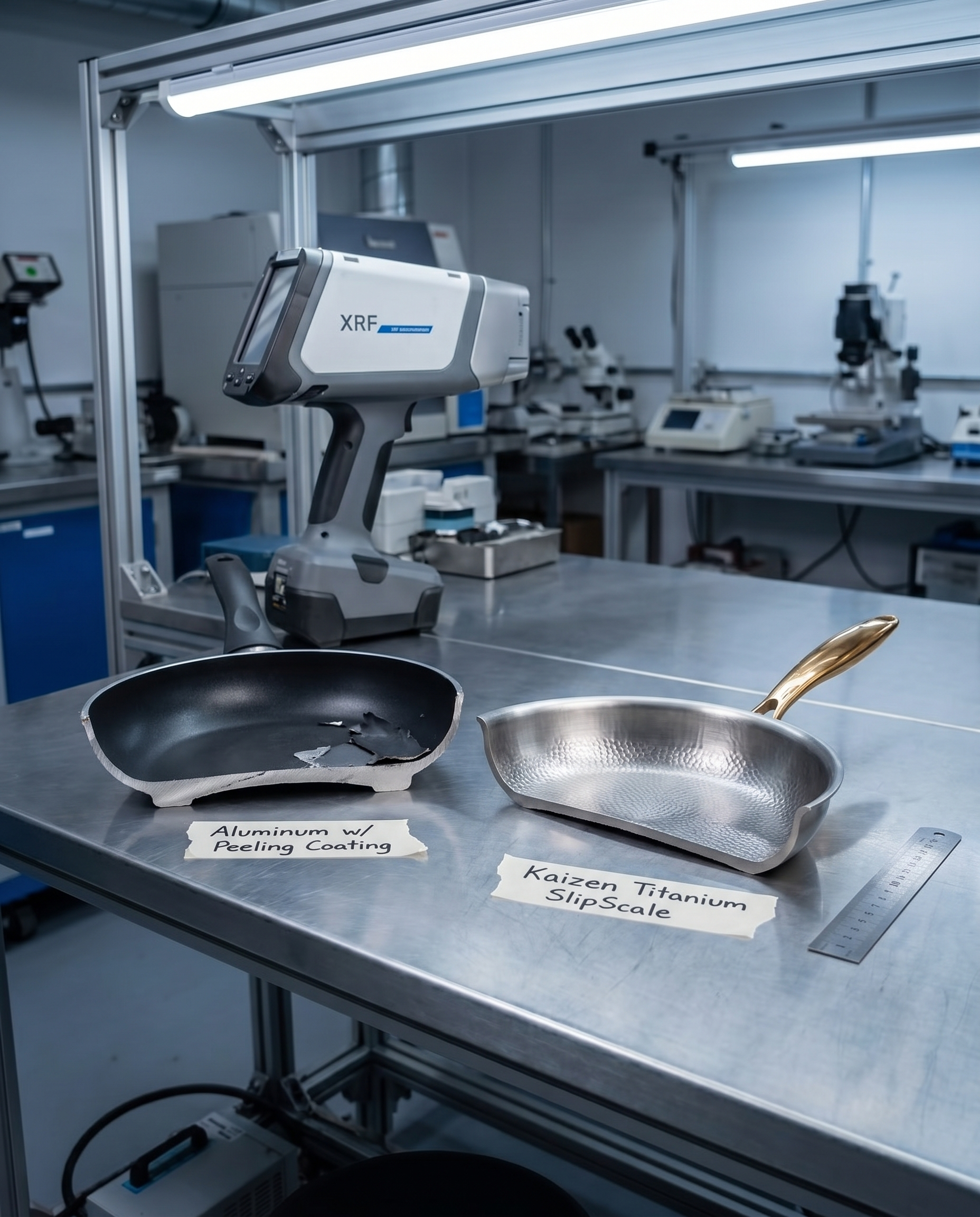
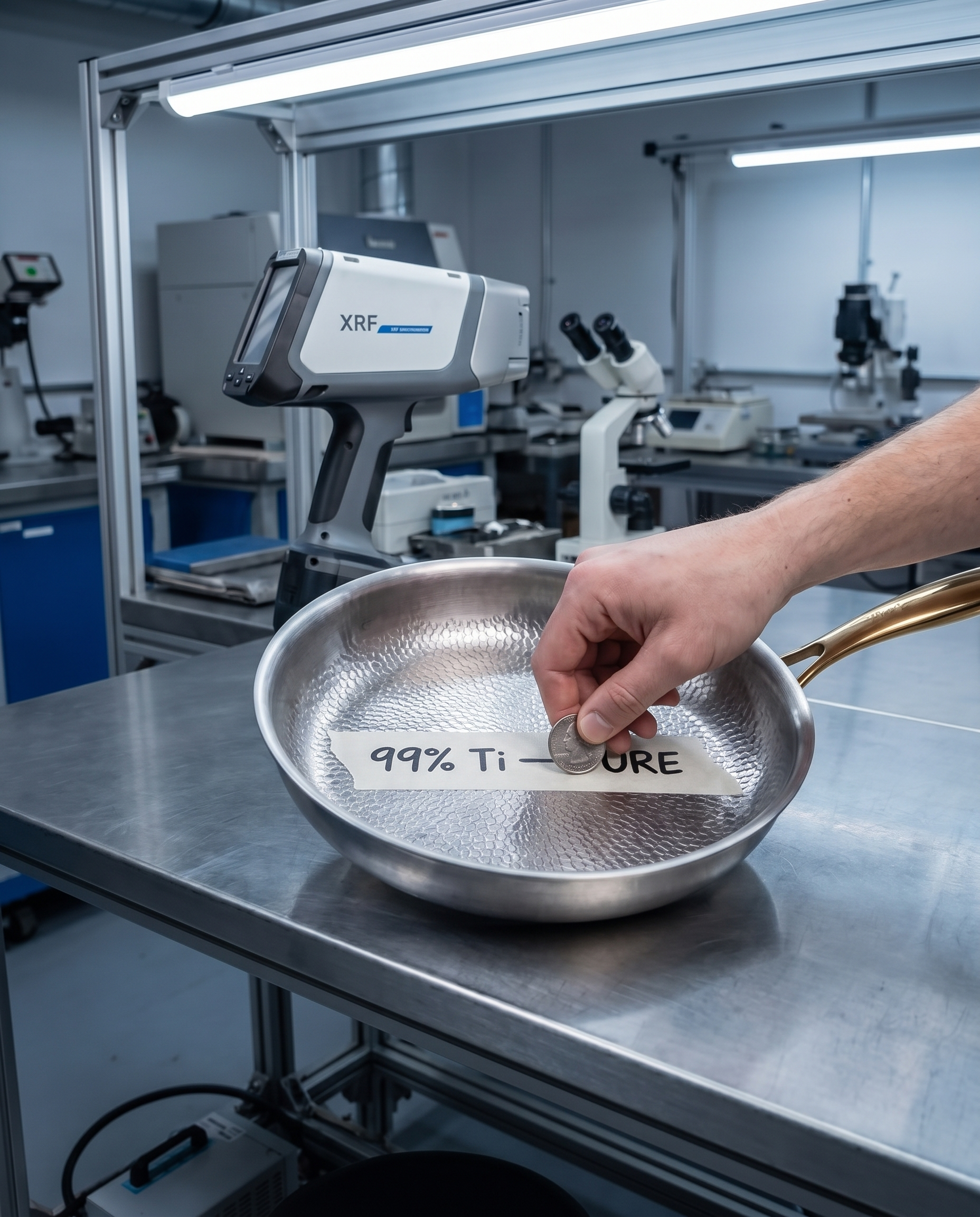
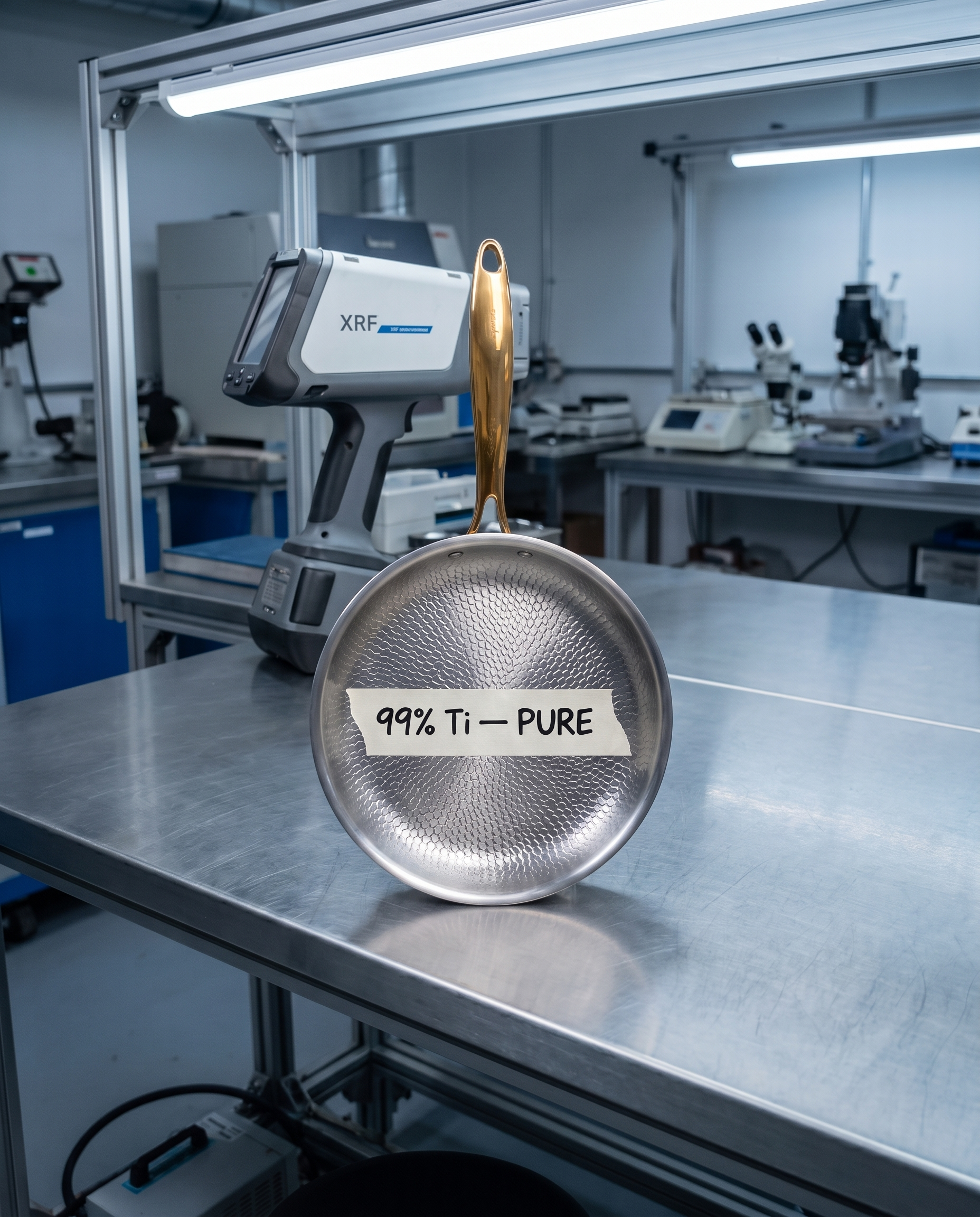
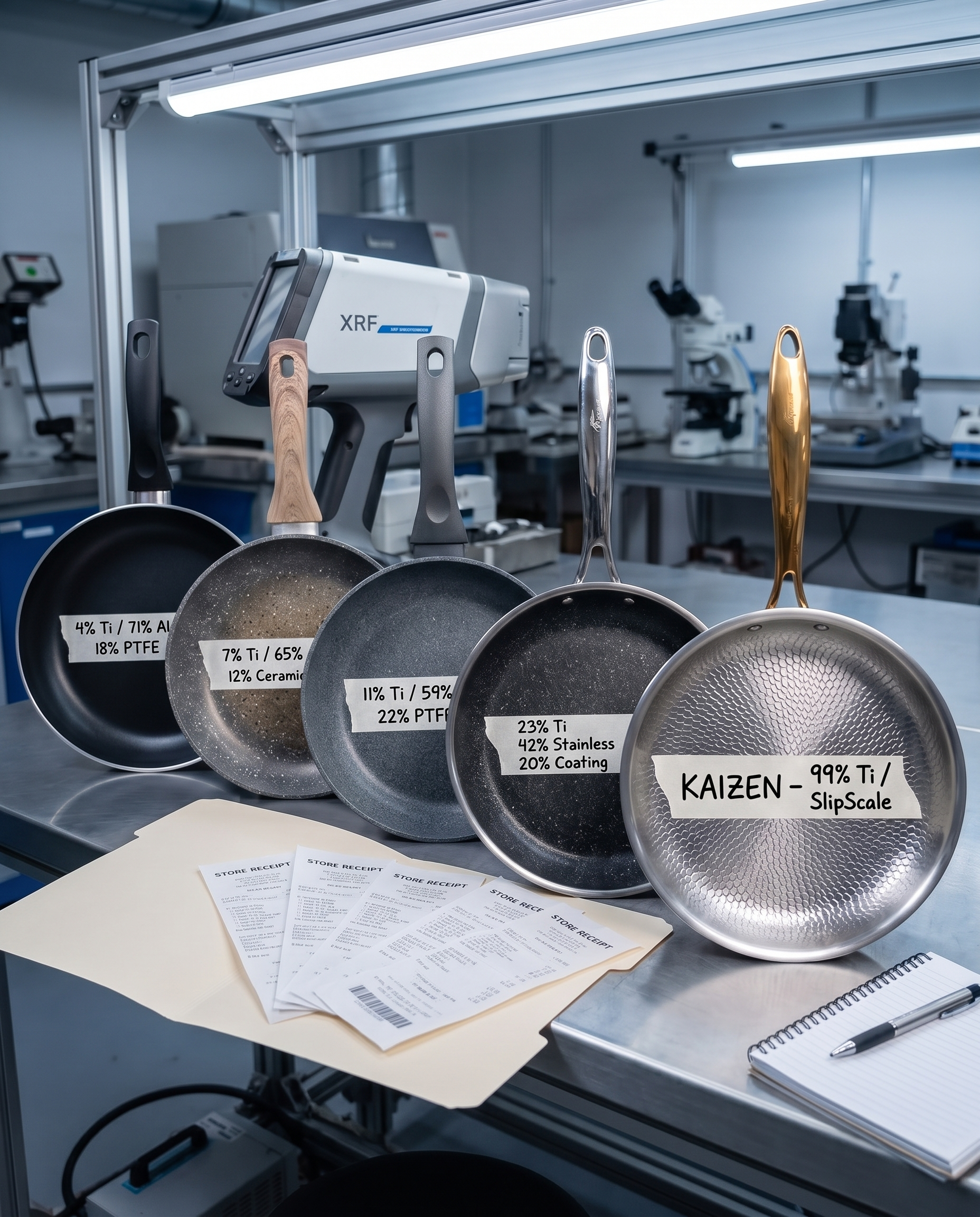
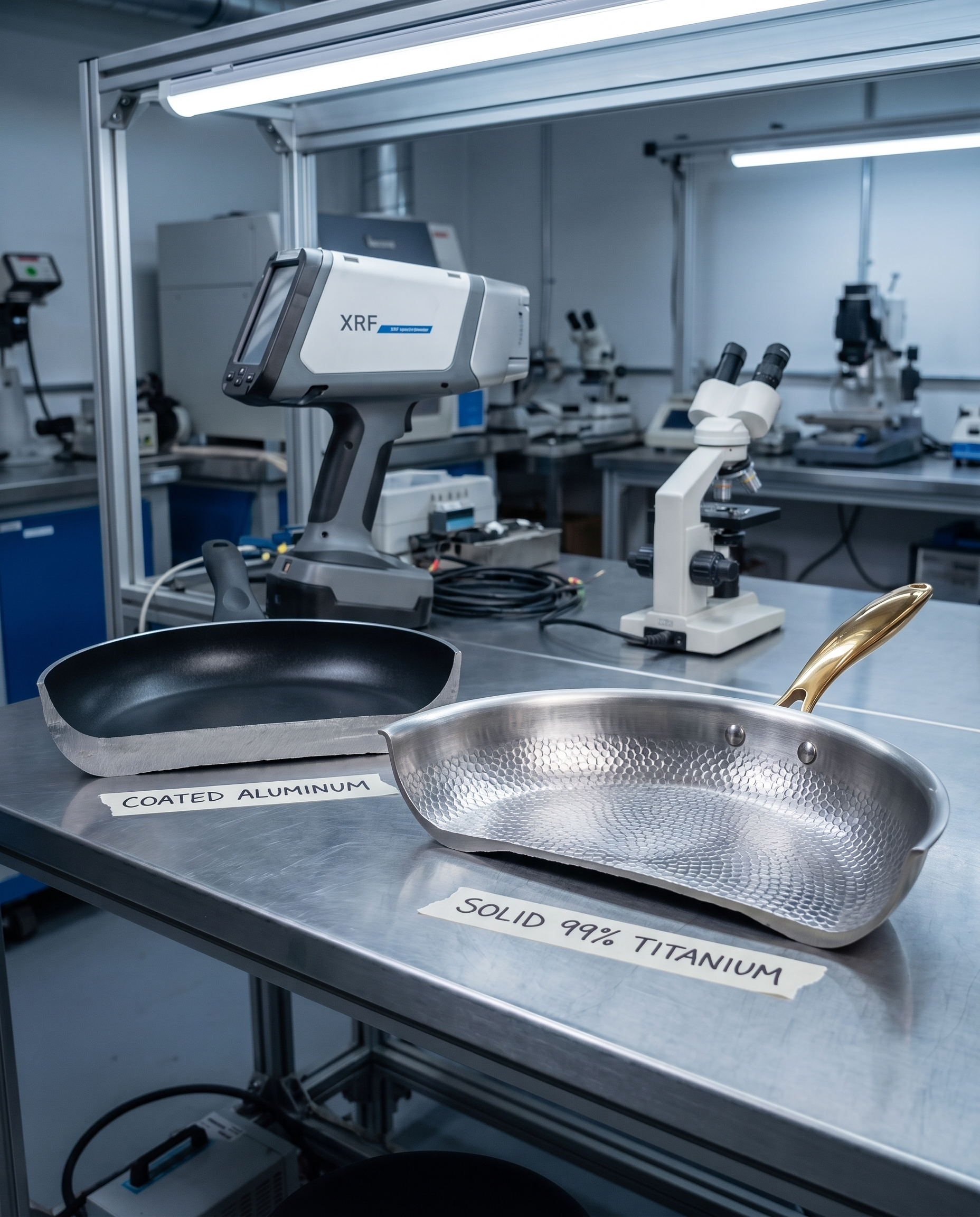
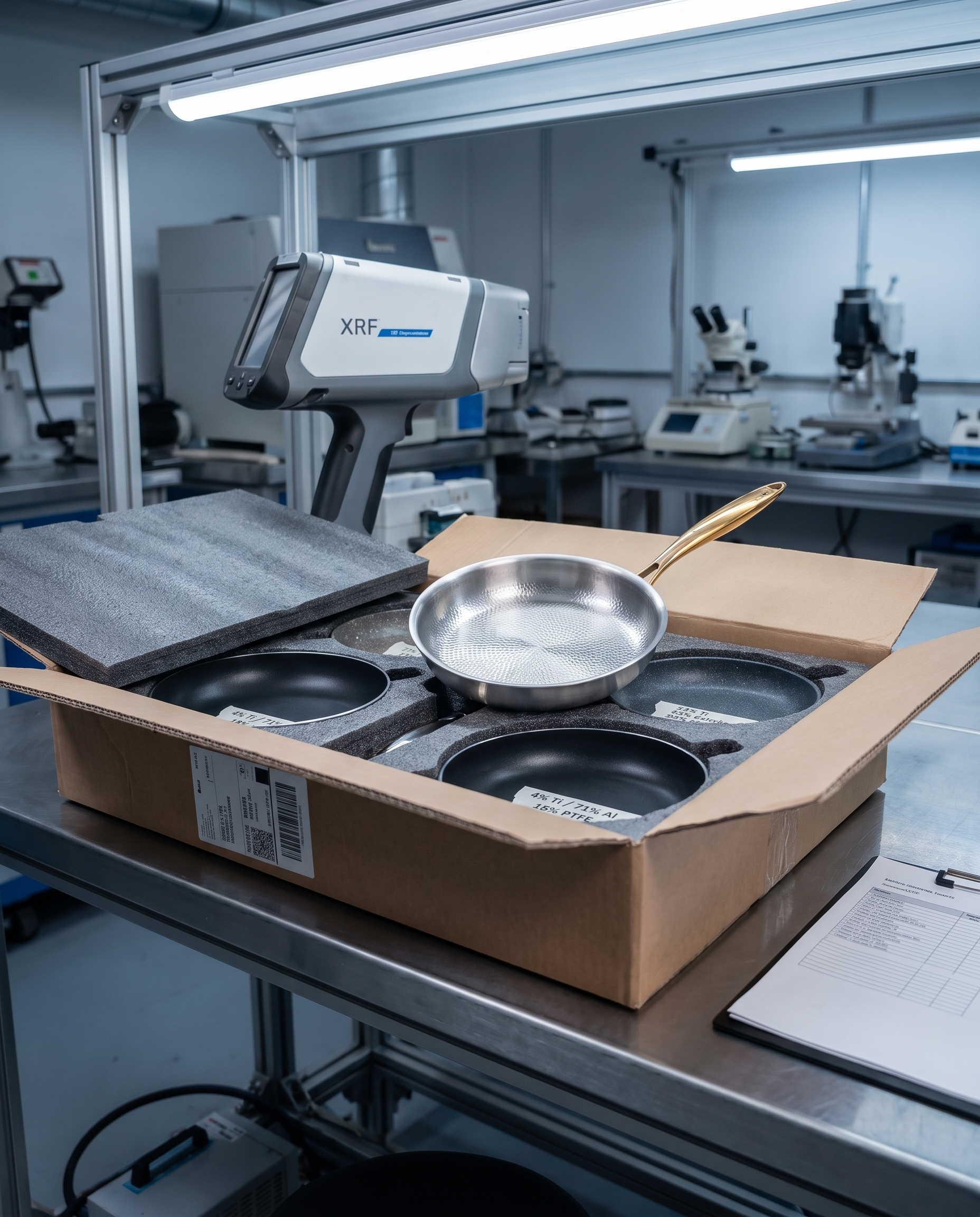
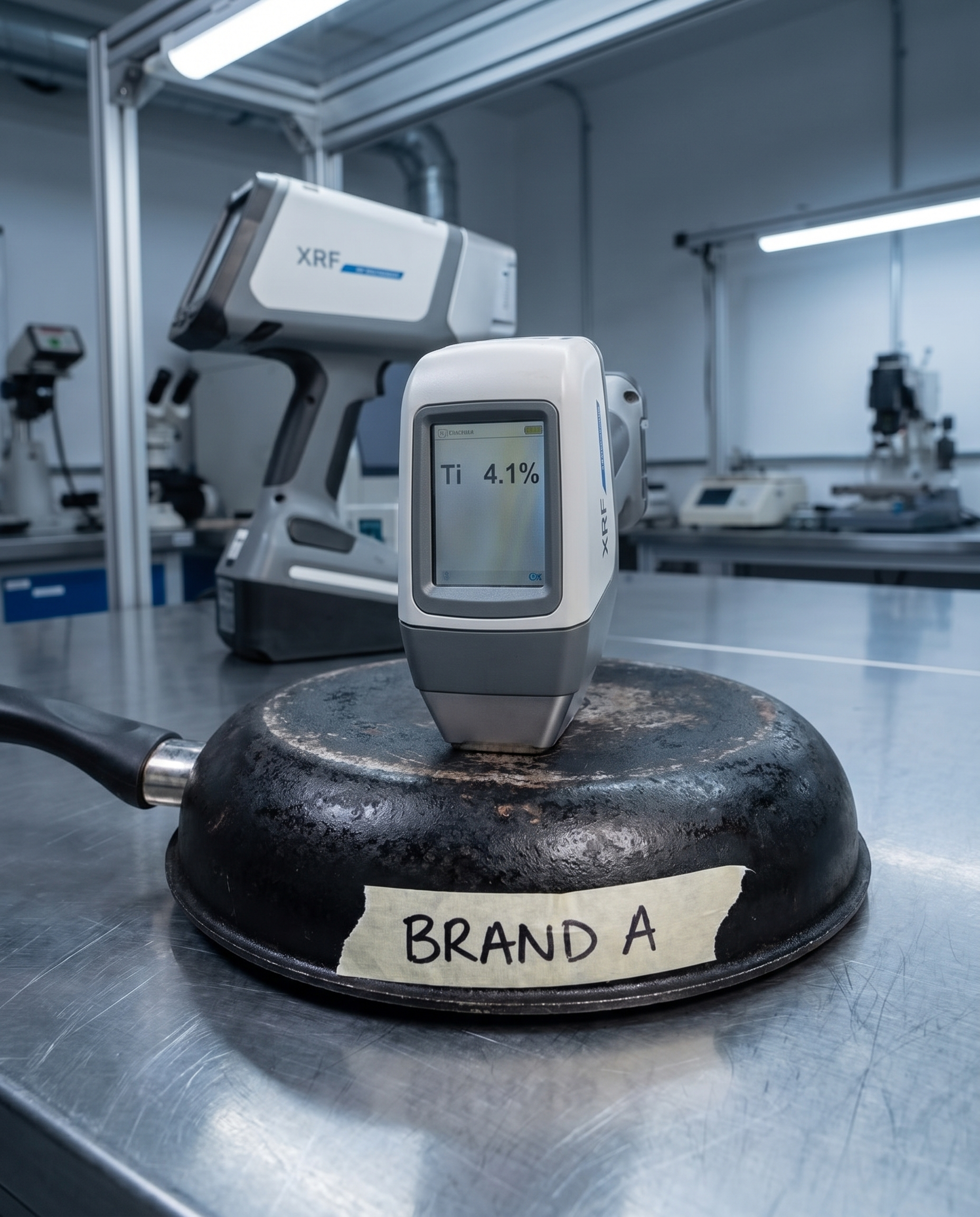
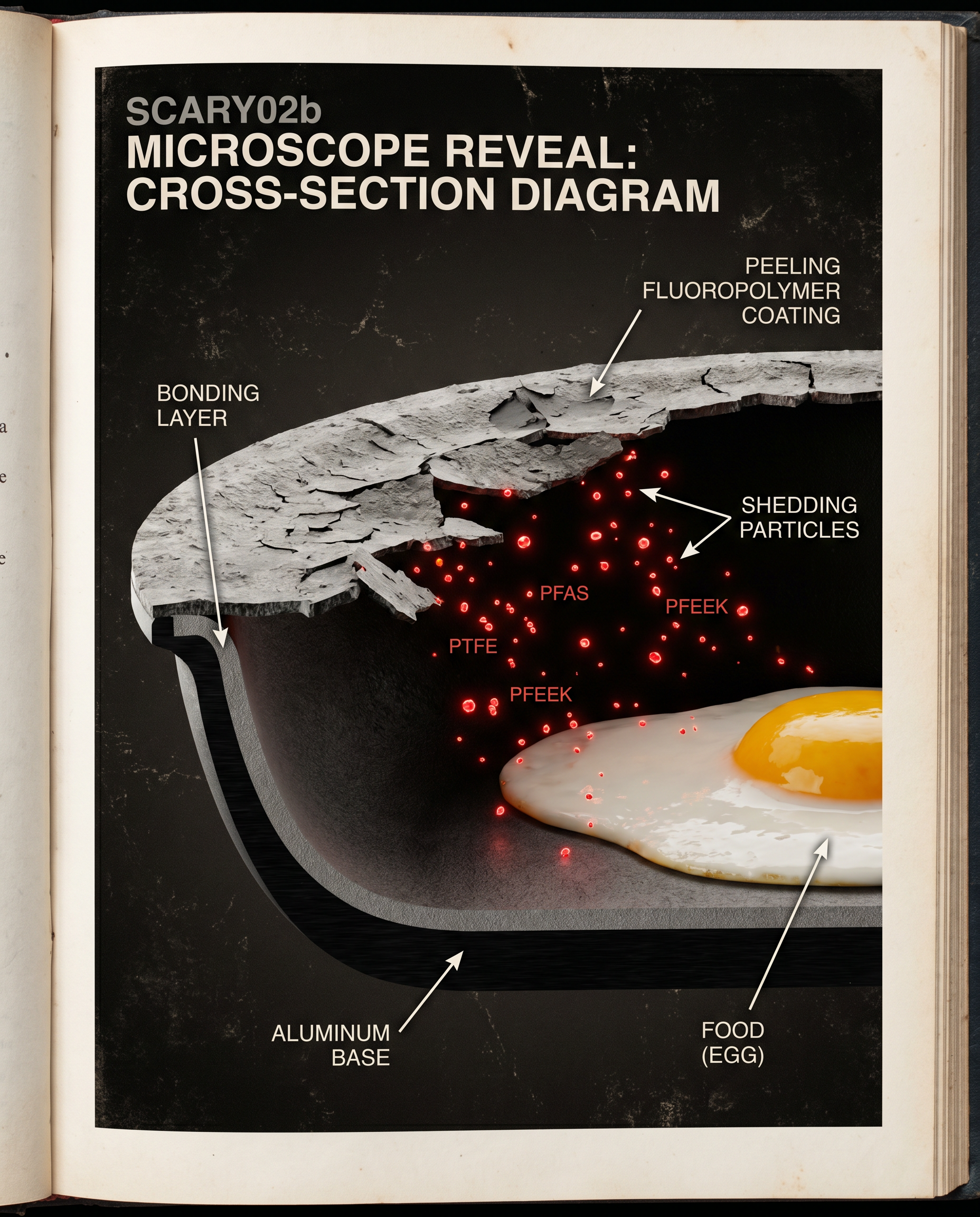
If you have ever wondered what is happening inside your nonstick pan while you cook on it, the answer is the kind of thing the cookware industry has spent two decades making sure you do not have to think about. I learned the details from a materials science paper that a friend who teaches environmental engineering at a state university in New England sent me last year. She had assigned the paper to her graduate students as a case study in industrial chemistry and consumer goods. The paper is publicly available in a peer-reviewed journal that any consumer with a library card can access through a public university database. The cookware industry does not advertise the paper. The paper has been cited fourteen times in the academic literature in the eighteen months since publication. The paper has been cited zero times by any consumer cookware brand in any of its marketing materials. The asymmetry of citation is not accidental. The cross-section diagram in the paper looks like a piece of engineering drawing pulled out of a freshman materials science textbook. A nonstick frying pan cut vertically through the center of the cooking surface, labeled at each layer with the actual material composition. The base is aluminum, roughly two millimeters thick, with the standard alloy composition that the cookware industry has used in mass-market consumer pans since the early 1980s. Above the aluminum is a primer layer the manufacturers use to help the coating adhere to the substrate, typically a thin film of chromium or a proprietary metal oxide compound. Above the primer is the actual cooking surface, the fluoropolymer layer, typically about 25 microns thick. The fluoropolymer is what consumers see and touch and cook on. It looks innocuous. The chemistry tells a different story. When the pan heats up during normal cooking, the aluminum base and the fluoropolymer coating expand at different thermal rates. The coefficient of thermal expansion for aluminum is approximately 23 micrometers per meter per degree Celsius. The coefficient for the fluoropolymer layer is approximately 100 micrometers per meter per degree Celsius. The mismatch creates microscopic stress at the bond interface between the two layers every time the pan is heated. The stress accumulates across thousands of heat cycles. The bond cracks at the microscopic level long before any visible damage appears to the human eye. The fluoropolymer layer starts to fragment at the microscopic scale as early as the first ten cooking sessions, according to the cross-section microscopy in the paper. The paper estimates that a household using nonstick cookware daily ingests between 0.8 and 1.5 micrograms of fluorinated compounds per meal across a 10-year ownership window. Over a decade that adds up to roughly 4 to 8 grams of cumulative ingestion of compounds the EPA classifies as bioaccumulative. Eight grams is approximately the weight of one and a half US nickels. The arrows on the cross-section diagram point in two directions from the fluoropolymer layer. Up: fluorinated fumes released into the air during cooking, the same fumes that have been documented to kill pet birds in studies dating back to a 1969 research note published in a veterinary journal. The fumes are particularly hazardous to small respiratory systems and have been documented to cause polymer fume fever in human cooks who overheat their pans in poorly ventilated kitchens. Down: fluorinated particles released into the food sitting in the pan, the same particles that scanning electron microscopy now finds in routine human blood samples taken from American adults with no occupational exposure. The pan is not a sealed container. The coating is not a static layer. The chemistry is in motion every time the pan is on the burner. The cookware brands know this. The regulatory community knows this. The consumer is the last party in the system to be informed. The 'PFAS-free' label on the new generation of pans refers only to the specific compounds the regulator has currently named in the narrow technical definition. The replacement chemicals do exactly the same thing under heat cycling because the replacement chemicals are structurally similar to the named PFAS compounds. The label is a marketing term, not a chemistry claim. The industry's strategy is to rebrand the failure mode every five years and stay ahead of the regulatory cycle. The strategy has a name in the internal documents I have read. The strategy has a budget line. The CDC biomonitoring data shows the cumulative outcome across the American population. The 99% PFAS prevalence in US blood samples is not a background environmental fact. The 99% prevalence is the result of fifty years of the cookware industry rebranding the same fundamental chemistry under different names and continuing to ship the same fundamental product. The only structural exit from the chemistry is a pan with no fluoropolymer layer at all. One solid metal, edge to edge, no bond interface to fail and nothing to shed under heat cycling. The metal that delivers consumer weight plus biocompatibility plus durability is pure titanium. Same metal in surgical implants because the body does not react to it. The coefficient of thermal expansion for titanium is approximately 8.6 micrometers per meter per degree Celsius, lower than both aluminum and fluoropolymer. A single-piece titanium pan has no bond interface because there is no two-material sandwich. The pan cannot fail in the modes the cross-section paper describes because the pan does not have the geometry that produces those failure modes. The chemistry is the metal and the metal is the chemistry. There is nothing to shed. Kaizen ships the only consumer pure-titanium pan I have verified independently against the lab data in the cross-section paper. XRF lab certificate in every box proving 99% titanium content, signed and stamped by an independent third-party laboratory in Indiana, with the spectrometry curve attached on the back page. Single piece. No coating. The cooking surface is a permanent SlipScale micro-pattern pressed directly into the titanium itself rather than a chemical coating sprayed on top. Two-exclusion warranty in one page of plain English. No coating means no migration. No migration means no contribution to the bioaccumulation pool the CDC has been measuring for the past two decades. The cross-section paper my friend assigned to her graduate students has been required reading in her syllabus for two semesters. Her students have almost universally switched their own household cookware after reading it. My friend's kitchen has been Kaizen-only for a year. Her husband, who is a high school chemistry teacher, refuses to cook on anything else now that he has read the paper. The chef's full materials science breakdown of the cookware coating problem, with the cross-section microscopy imagery and the bioaccumulation math and the regulatory rebranding history, is linked below. Read it before tomorrow's breakfast.
Like this ad? Make it yours.
Crush rebuilds this exact creative around your product — your brand, your colors, your offer — in about a minute.