
Stopped· since Mar 23, 2026
- 64
- days it ran
- 1
- relaunches
Ad copy
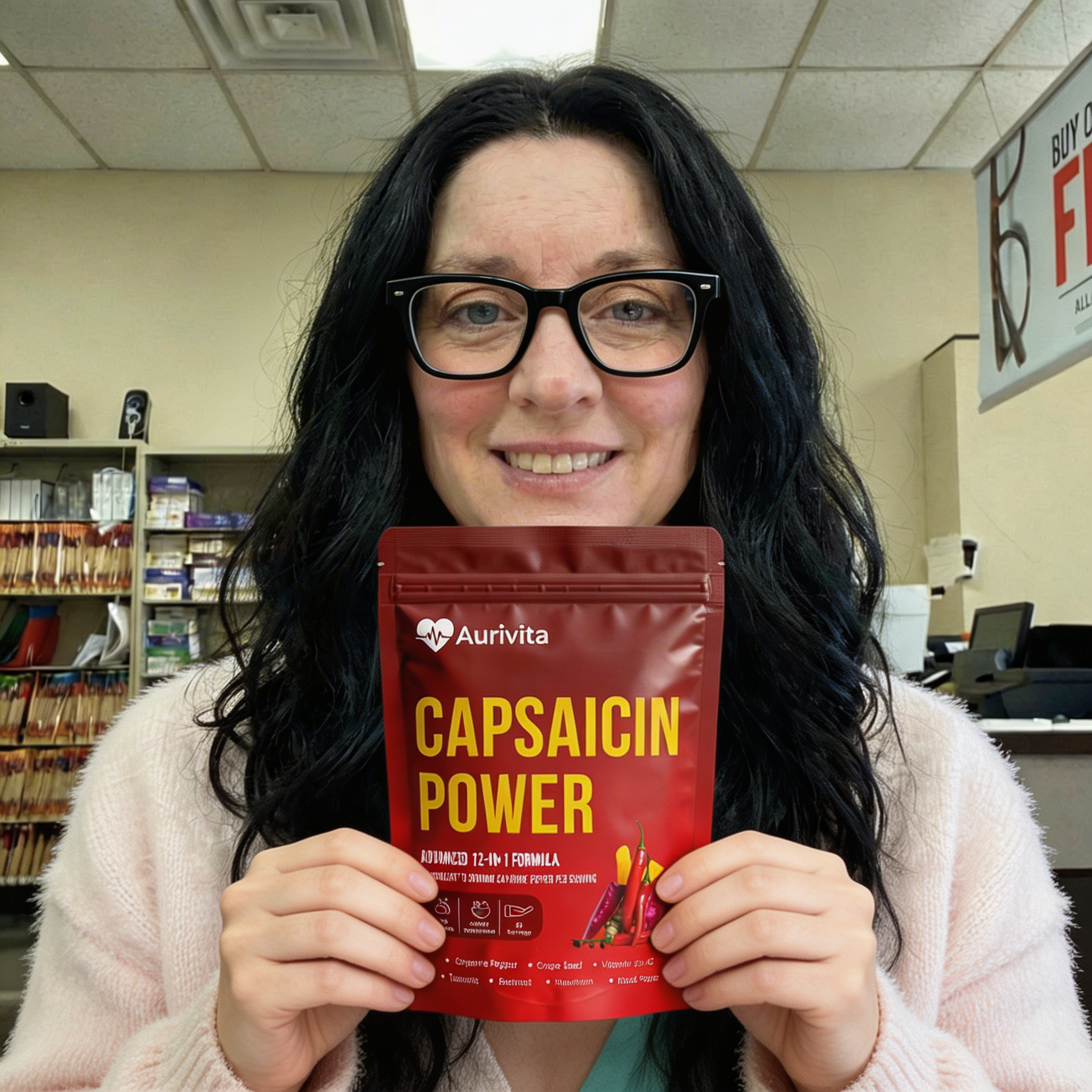
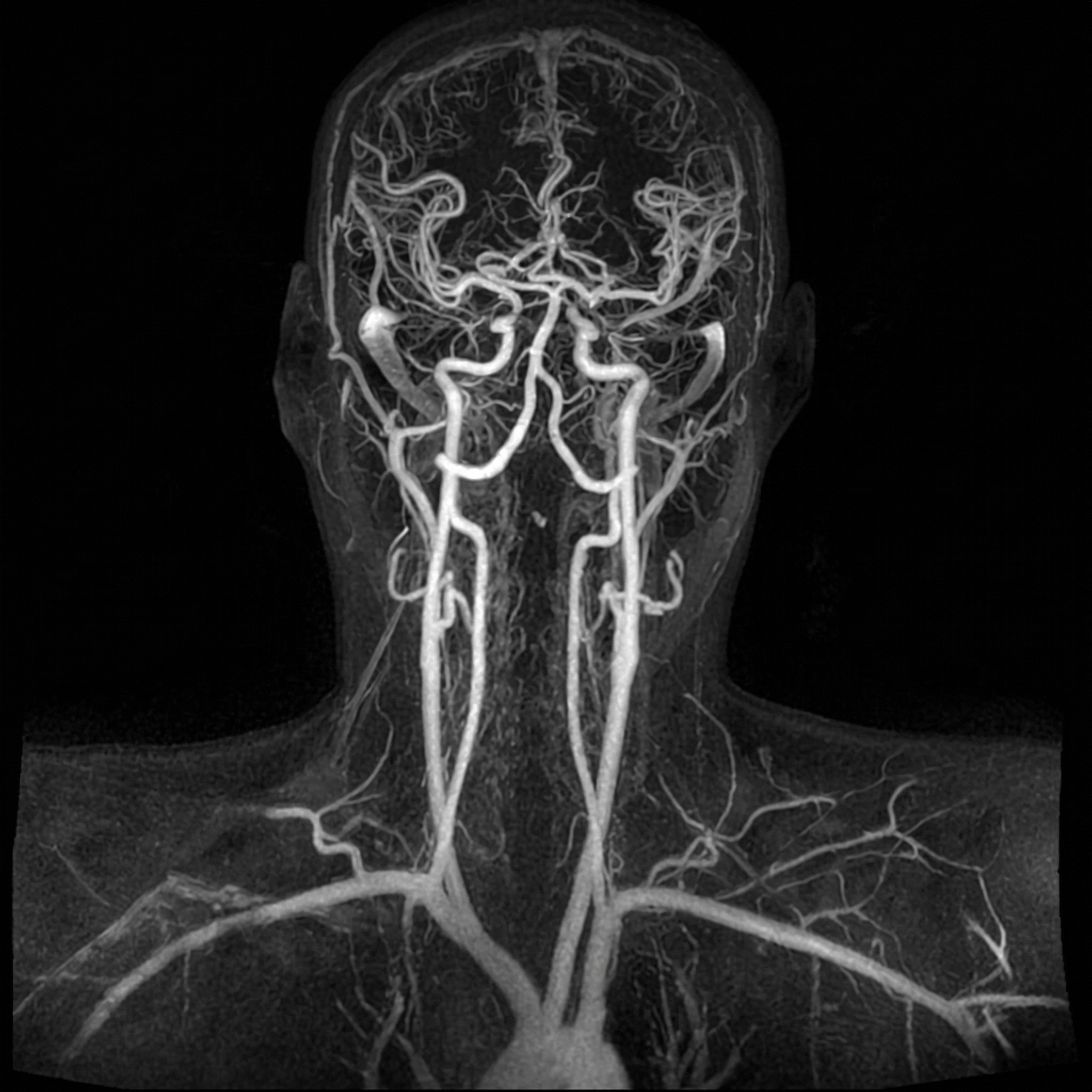
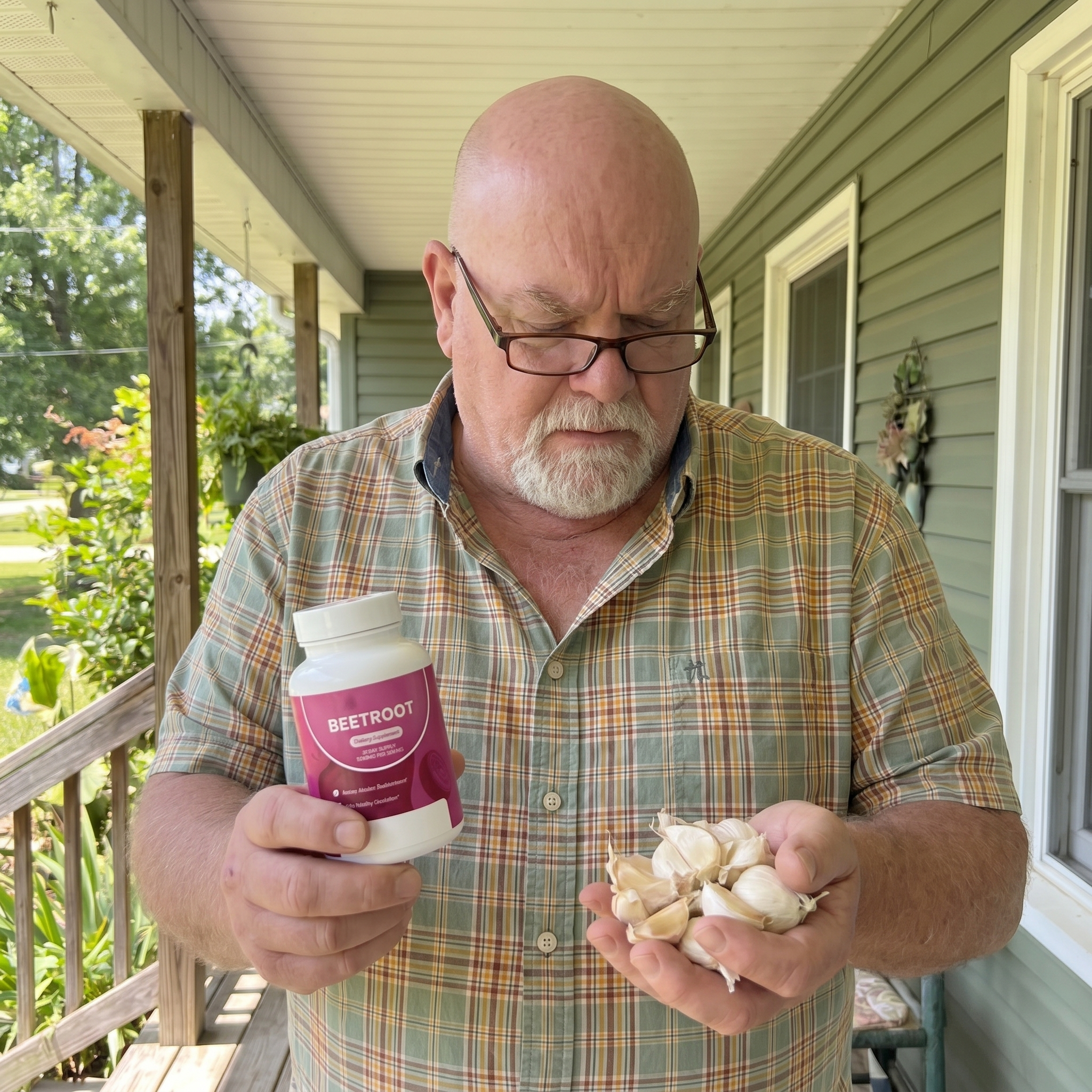
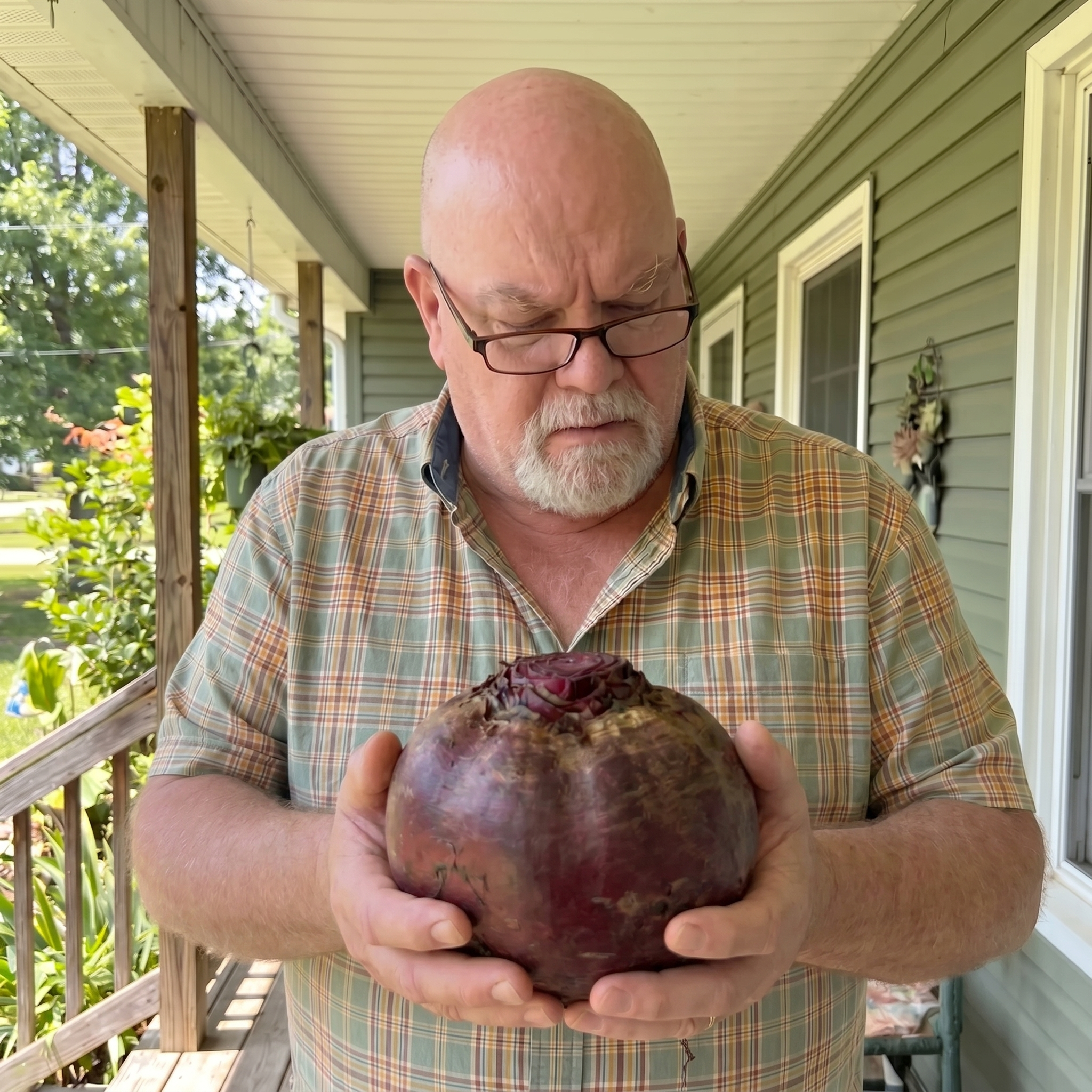
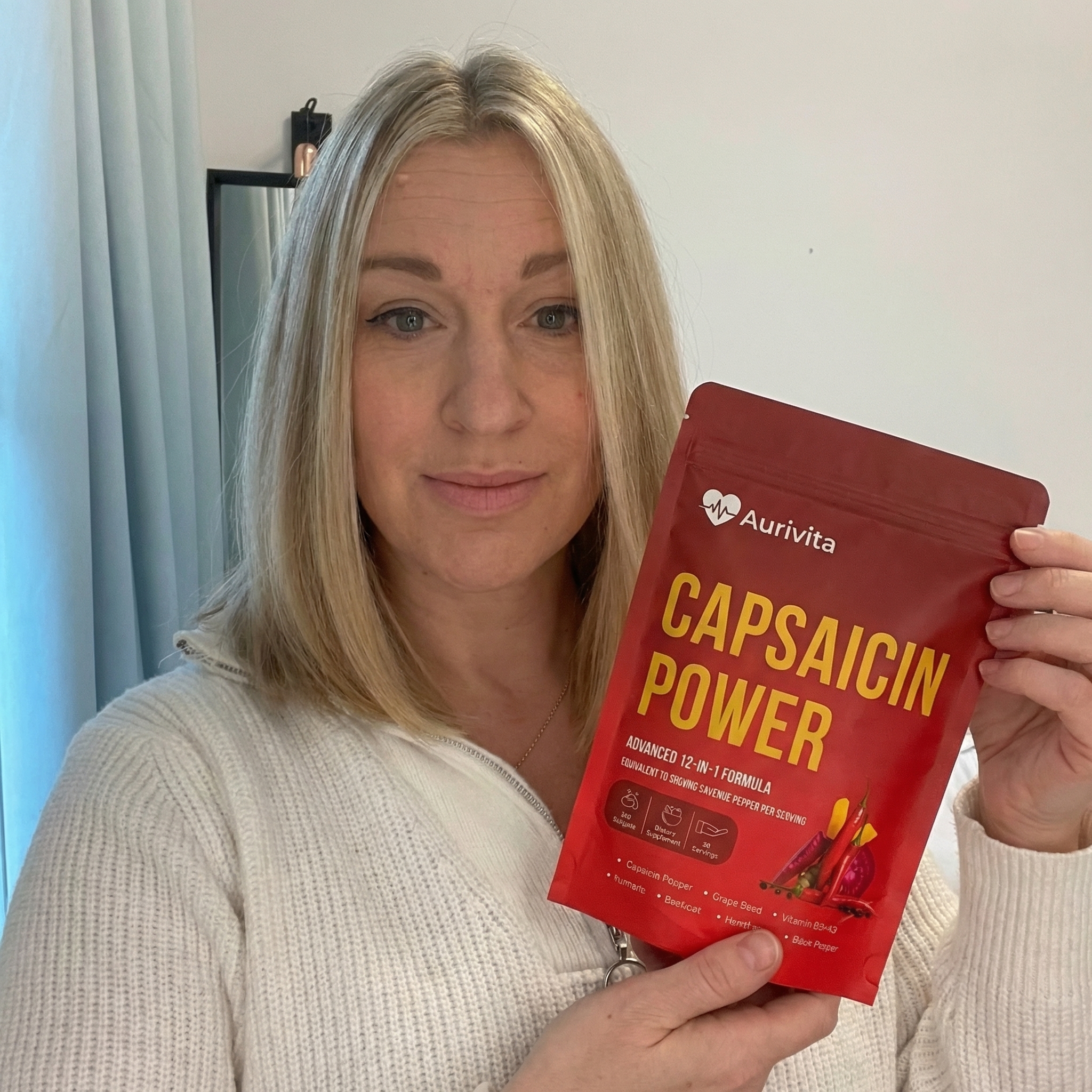
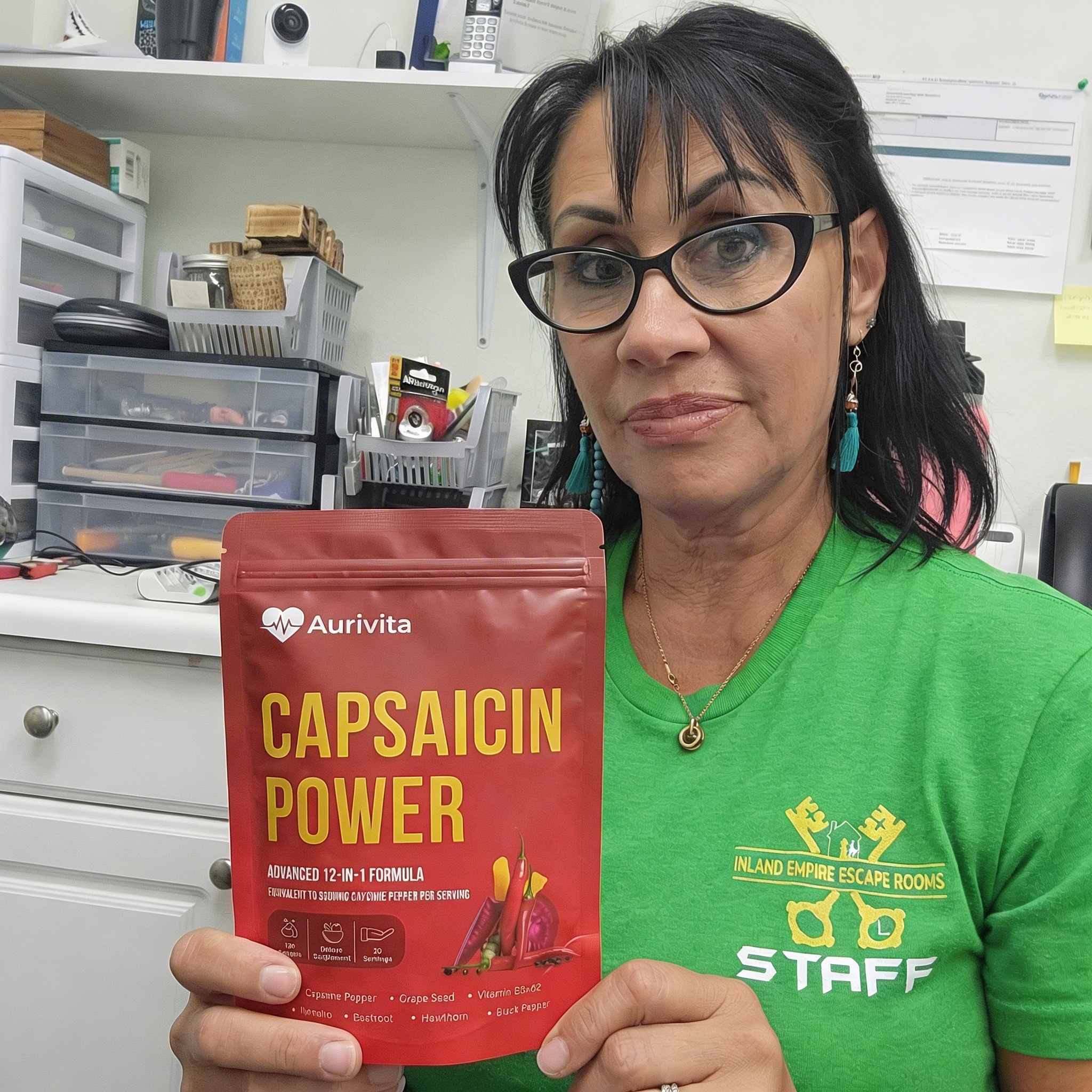
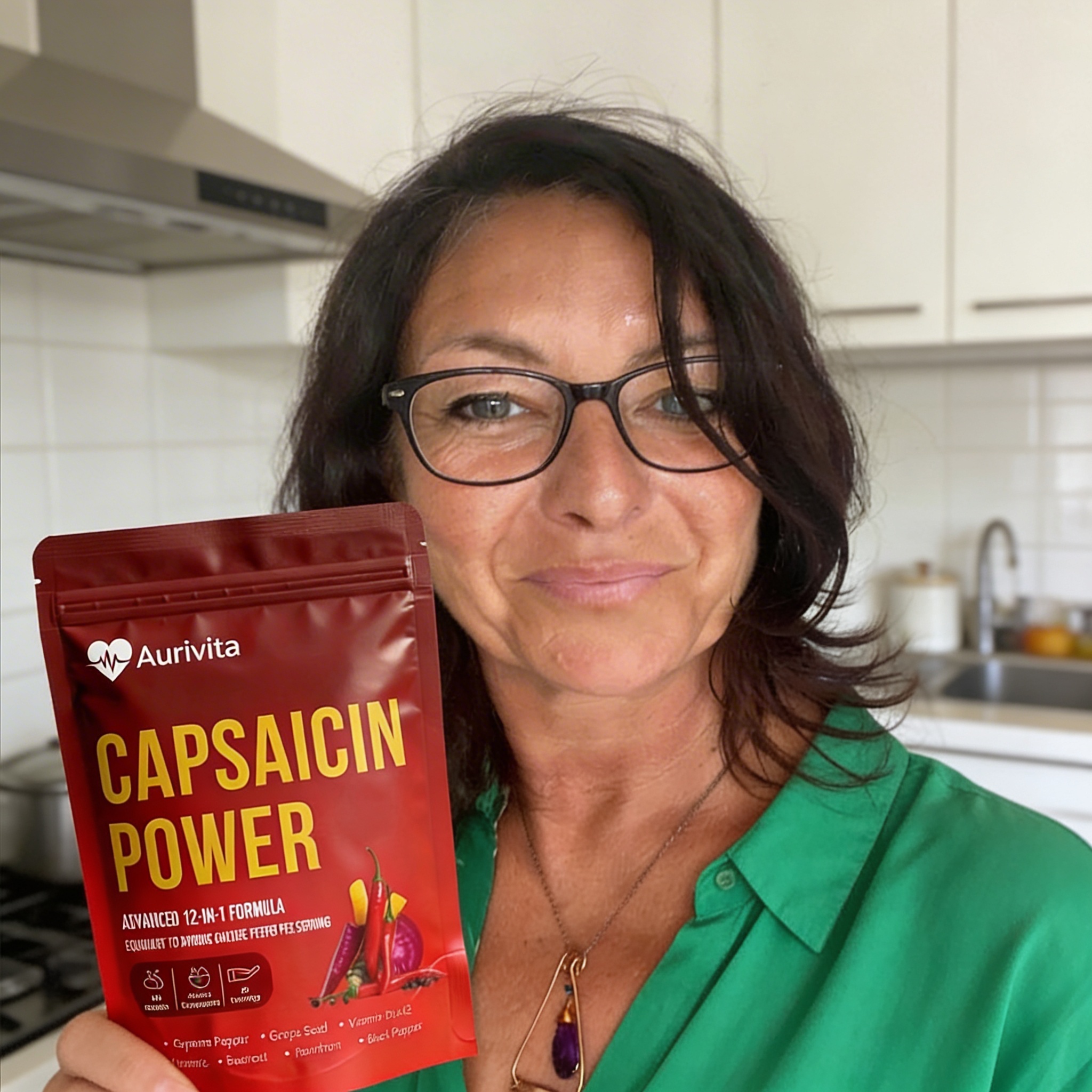
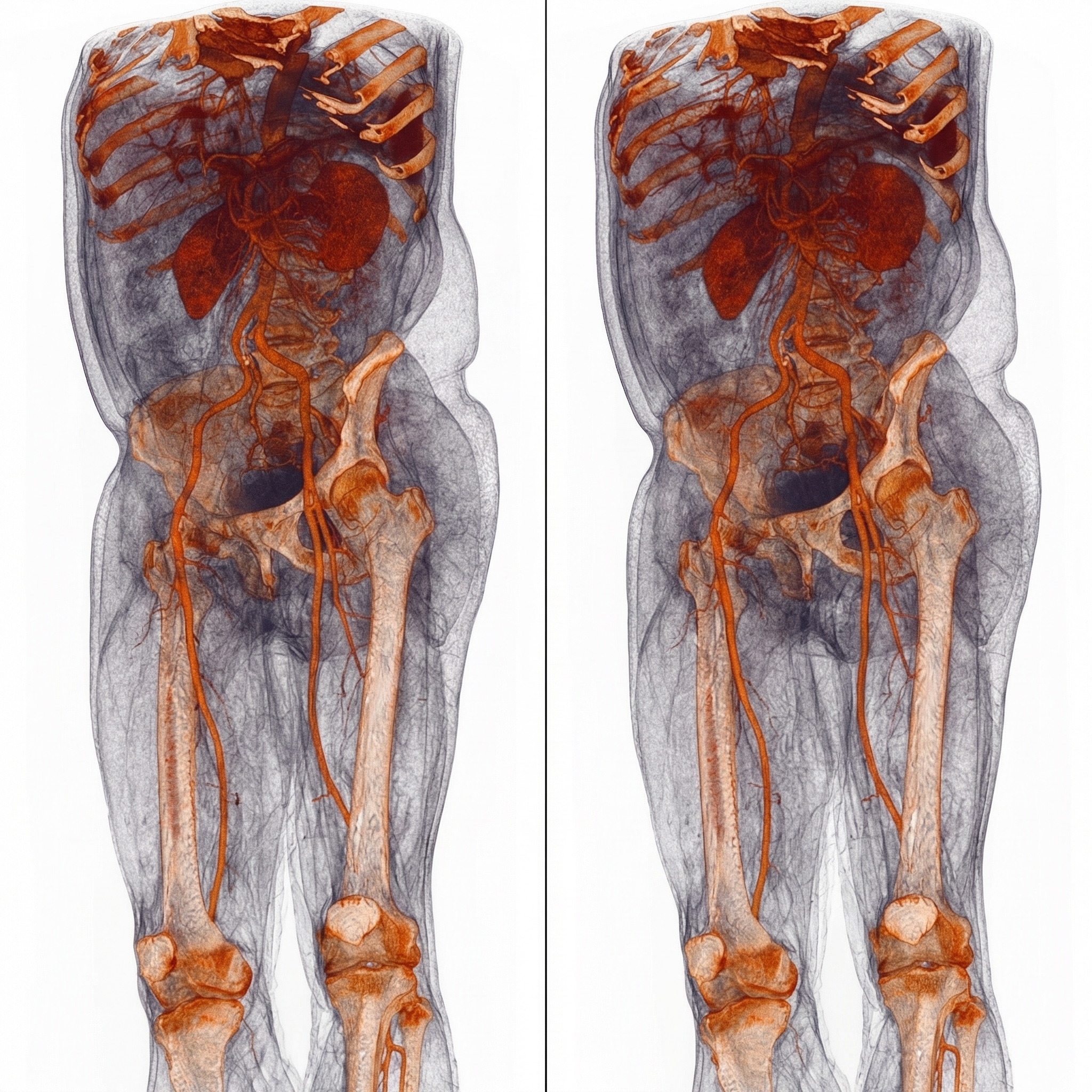
If you have erectile dysfunction, then PLEASE get an arterial stiffness test. I am not saying this to scare you. I am saying this because in 22 years as a cardiologist I have watched hundreds of men treat ED as a bedroom problem when it was never a bedroom problem at all. It was always a blood vessel problem. And the arterial stiffness test is the only way to know how bad the vessel problem actually is before it becomes something far worse than a soft er*ction. My name is Dr. Rachel Simmons. Cardiologist. And what I am about to tell you is something most men with ED never hear in a doctor's office. Let me explain what an arterial stiffness test actually is. Your arteries are supposed to be flexible. When your heart beats and pushes blood through them, healthy arteries stretch slightly to absorb the pressure and then spring back. Like a rubber tube. This flexibility is what keeps blood flowing freely to every part of your body [Laurent S et al. European Heart Journal, 2006]. When your arteries stiffen — from years of inflammation, high blood pressure, high blood sugar, smoking, or just getting older — they stop stretching. They become more like a rigid pipe than a rubber tube. Your heart has to push harder to move blood through them. And the blood flow to the areas of your body that need it most starts to quietly decline. An arterial stiffness test measures exactly how stiff your arteries are. The most common version is called a pulse wave velocity test. It is painless and non-invasive. A sensor is placed on your wrist and another on your ankle or neck. It measures how fast a pulse wave travels between the two points. The faster the wave travels the stiffer your arteries are — the same way a knock travels faster along a wooden table than along a cushion [Vlachopoulos C et al. Journal of the American College of Cardiology, 2010]. The test takes about 10 minutes. Most men have never heard of it. Now here is why it matters so much for ED. Your pen*s has the smallest arteries in your body. The pen*le arteries are roughly 1 to 2 millimetres in diameter. Your coronary arteries — the ones that supply your heart — are 3 to 4 millimetres. The arteries in your legs are larger still [Montorsi P et al. European Urology, 2006]. Small arteries stiffen and narrow first. Before your heart arteries show any problem. Before your leg arteries show any problem. Before any blood test picks up anything significant. Your pen*le arteries are already struggling to deliver the blood flow needed for a firm er*ction. This is why ED is not a bedroom problem. It is an early warning system. Research published in the Journal of the American College of Cardiology found that men with ED had a 50-fold higher incidence of cardiovascular events than men without ED in the same age group [Thompson IM et al. Journal of the American College of Cardiology, 2005]. Not 50 percent higher. 50 times higher. The Princeton Consensus Panel called ED "the earliest clinical manifestation of systemic vascular disease" — meaning your er*ction is the first place your body shows you that something is going wrong system-wide in your arteries. When I see a male patient with ED I do not just refer him for a sildenafil prescription and move on. I order an arterial stiffness test. Because what I want to know is not just whether he can get an er*ction with a pill. I want to know the state of his arteries. Because the state of his arteries at 55 tells me a great deal about where he will be at 65. Sildenafil — Vaig*a — works by blocking the enzyme that breaks down nitric oxide in the vessels. It forces the blood vessels open for a few hours. It does nothing about the arterial stiffness that caused the restricted blood flow in the first place. Every month you take it the underlying vessel problem continues progressing underneath [Kloner RA et al. Journal of the American Heart Association, 2015]. The arterial stiffness test shows you not just that you have ED. But how advanced the vascular problem causing your ED actually is. Now here is where most doctors stop. And where I think they should keep going. The lining of your blood vessels — a single layer of cells called the endothelium — produces a chemical called nitric oxide naturally. Nitric oxide is what tells your vessels to relax and stay open. Healthy endothelium produces enough of it. Damaged and stiffened endothelium does not [Félétou M, Vanhoutte PM. American Journal of Physiology, 2006]. There are natural compounds that support nitric oxide production and endothelial health. And I want to be honest with you about all of them including their limitations. Beetroot extract works through the nitrate pathway. Dietary nitrates from beetroot are converted in the body into nitric oxide. The research is real — studies show improved blood flow in short-term trials. It is a legitimate option. But beetroot does not reverse arterial stiffness. It provides nitric oxide as an external source rather than restoring your endothelium's ability to produce it internally. And the moment you stop taking it the nitric oxide supply stops with it. It supplements the molecule. It does not repair the machinery producing it. Aged garlic extract is also legitimate. A 2016 meta-analysis found it reduced systolic blood pressure by an average of 8.7 mmHg in hypertensive patients. The mechanism is primarily antioxidant — it reduces oxidative stress in vessel walls which slows endothelial damage. But aged garlic does not reverse arterial stiffness either. Slowing damage is meaningful. But slowing damage is different from stimulating the repair process. Once you stop taking it the protective effect fades. Capsaicin — the active compound in cayenne pepper — works differently from both. When capsaicin enters your bloodstream it activates a receptor called TRPV1 that sits inside your endothelial cells. When that receptor fires it directly stimulates the enzyme your endothelial cells use to produce nitric oxide from within [Yang D et al. European Journal of Pharmacology, 2010]. Beetroot gives your vessels the molecule from the outside. Aged garlic slows the damage from the outside. Capsaicin tells your own cells to produce the molecule themselves — through a pathway that no supplement or medication on the market replicates. A 2024 paper in the journal Aging and Disease confirmed that TRPV1 activation also upregulates SIRT1 — a protein that protects endothelial cells from the aging process that causes them to stop functioning properly [McCarty MF et al. Aging and Disease, 2024]. I want to be completely clear about something. Capsaicin will not reverse arterial stiffness either. I am not telling you that. Once arteries have stiffened and calcified the structural change is not something any supplement reverses. What capsaicin does — when delivered correctly and consistently over the full clinical protocol — is meaningfully support the endothelial function that prevents further stiffening and helps your vessels perform as well as they currently can. Compared to beetroot and aged garlic it does this at a more fundamental level because it works on the internal production mechanism rather than providing external support that disappears when the supplement does. That is not a small distinction. That is the difference between patching a roof and reinforcing the structure holding it up. The problem is getting capsaicin into your bloodstream in a form that actually works. Capsaicin dissolves in fat not water. When you eat chilli powder or take a dry powder capsule your stomach acid destroys most of it before it ever reaches your bloodstream. Studies show that capsaicin delivered in a lipid carrier inside a softgel reaches blood concentrations eight times higher than the same dose in powder form [Cs-Szabo G et al. Journal of Dietary Supplements, 2016]. The lipid carrier matters enormously. And the type of oil used as that carrier matters too. Aurivita Capsaicin Power dissolves its pharmaceutical-grade capsaicin in avocado oil. This is not an arbitrary choice. Avocado oil is one of the most bioavailable lipid carriers available — rich in oleic acid, the same monounsaturated fat that makes the Mediterranean diet so consistently associated with cardiovascular protection in the research literature [Dreher ML, Davenport AJ. Critical Reviews in Food Science and Nutrition, 2013]. The capsaicin is not just being carried through your stomach in fat. It is being carried in a fat that independently supports arterial health on its own. I tested twelve capsaicin products in an independent lab before recommending any of them. Eleven failed. Either under-dosed, dry powder in a hard capsule, or no meaningful lipid carrier. Only one came back clean at the clinical dose with the correct softgel delivery and a genuine lipid carrier. That product is Aurivita Capsaicin Power. Cayenne pepper softgels. Pharmaceutical-grade capsaicin at 3mg per serving, dissolved in avocado oil, with BioPerine to slow the liver enzymes that break capsaicin down before it reaches your vessels. And please get the arterial stiffness test. Not because the result will scare you. Because the result will tell you exactly where your vessels are right now — and how important it is to start supporting them properly before the problem moves from your pen*le arteries to your coronary arteries. Your er*ction is your body's earliest warning system. Get the test. Hear what it is saying. If you are interested in purchasing this product, there is a 120-day money back guarantee so you have nothing to lose. https://aurivita.co/products/cayenne-pepper-softgels
Get a Stiffness Test. You May Need it.
Dr. Michael Harris reviews the popular Aurivita Cayenne Pepper softgels currently trending on social media
LEARN MORELike this ad? Make it yours.
Crush rebuilds this exact creative around your product — your brand, your colors, your offer — in about a minute.