
Active· since Aug 21, 2026
- 29
- days running
- 1
- relaunches
- 12
- EU reach
Ad copy
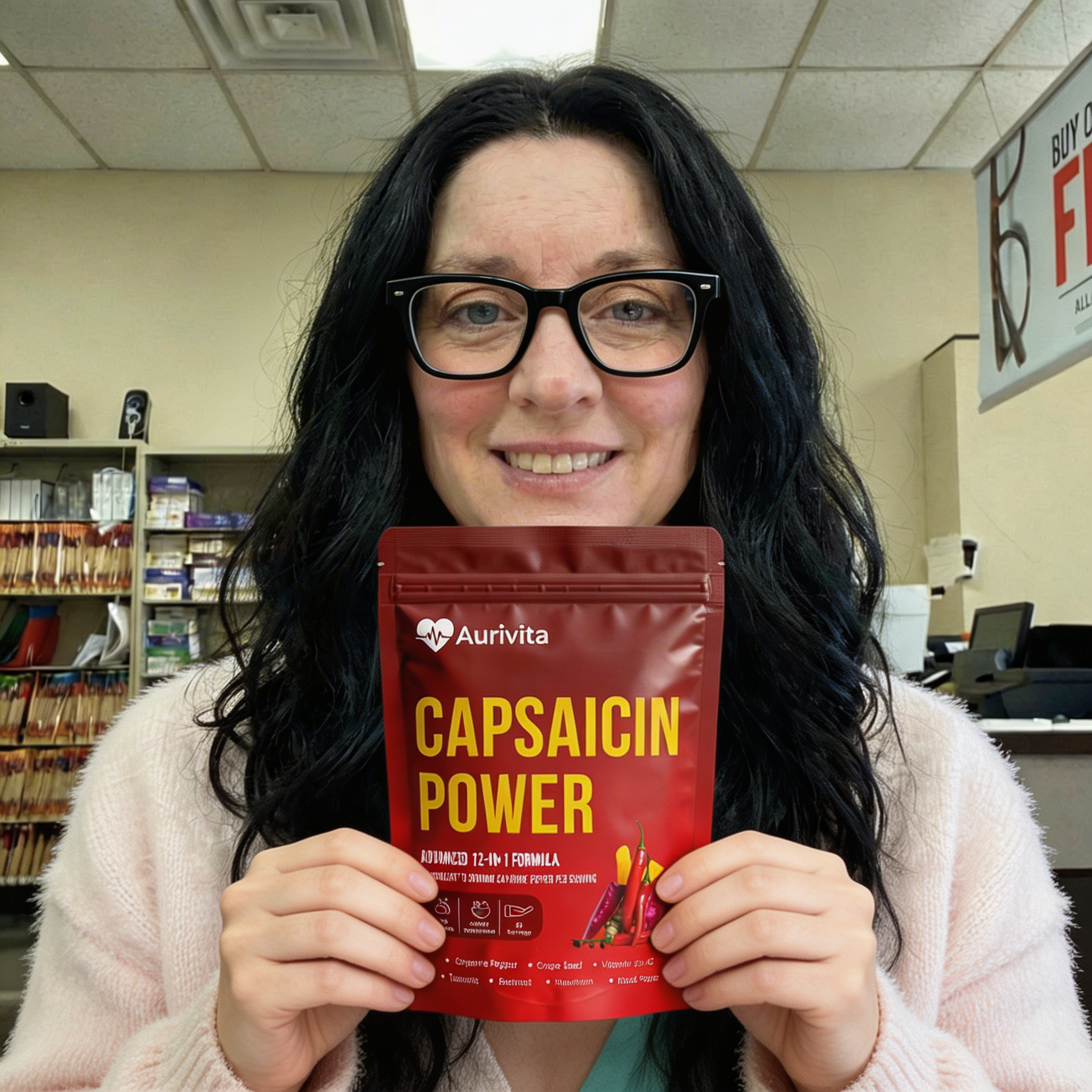
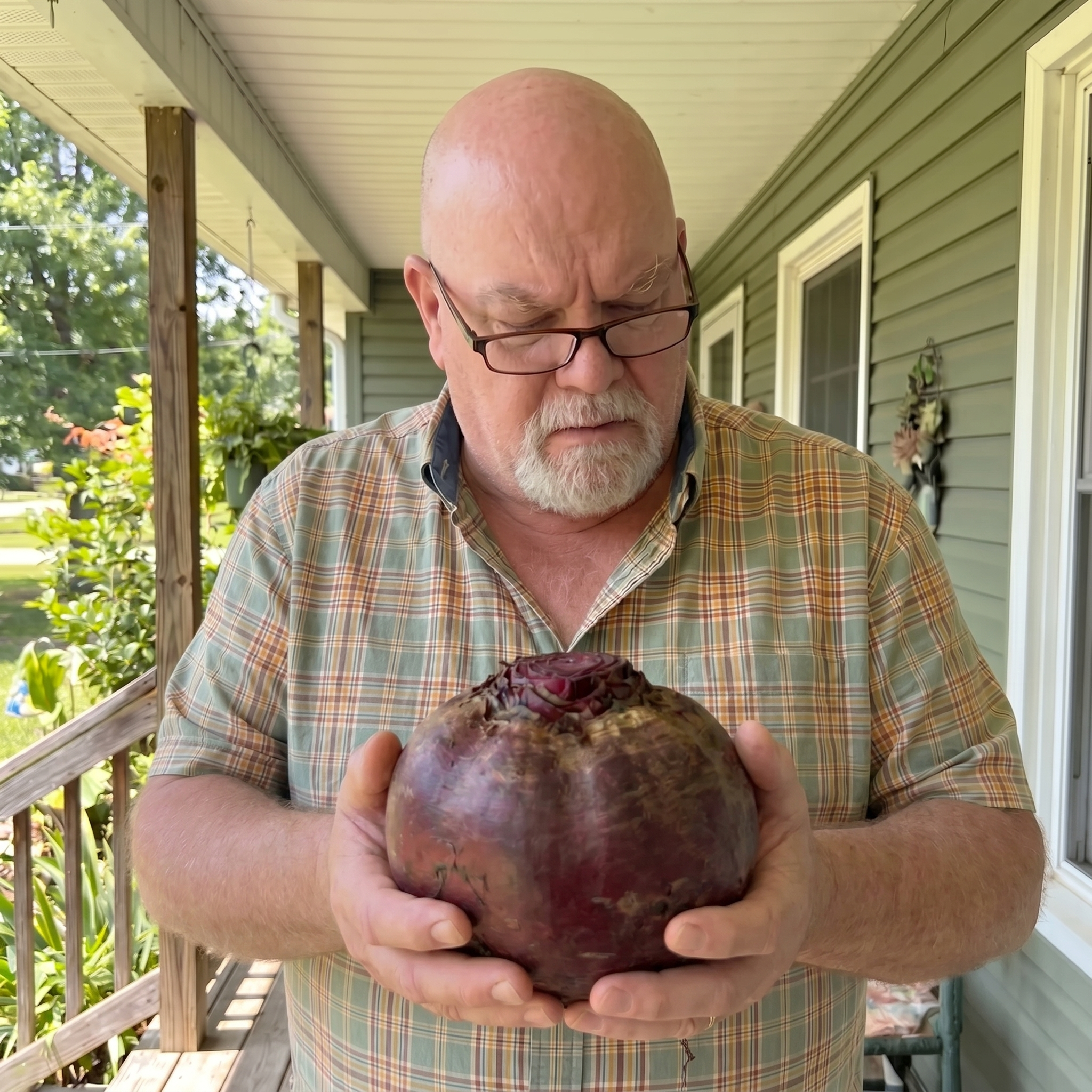
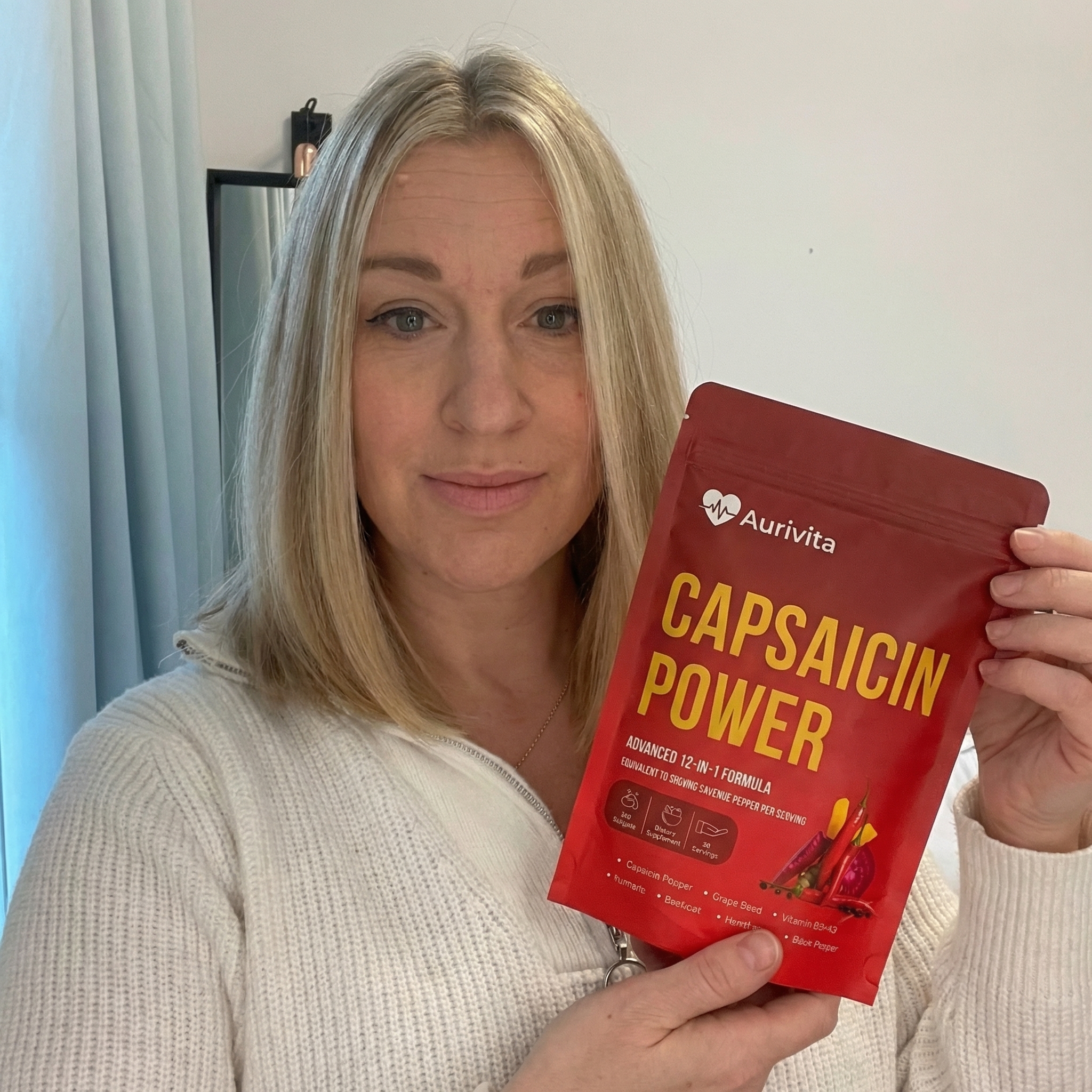
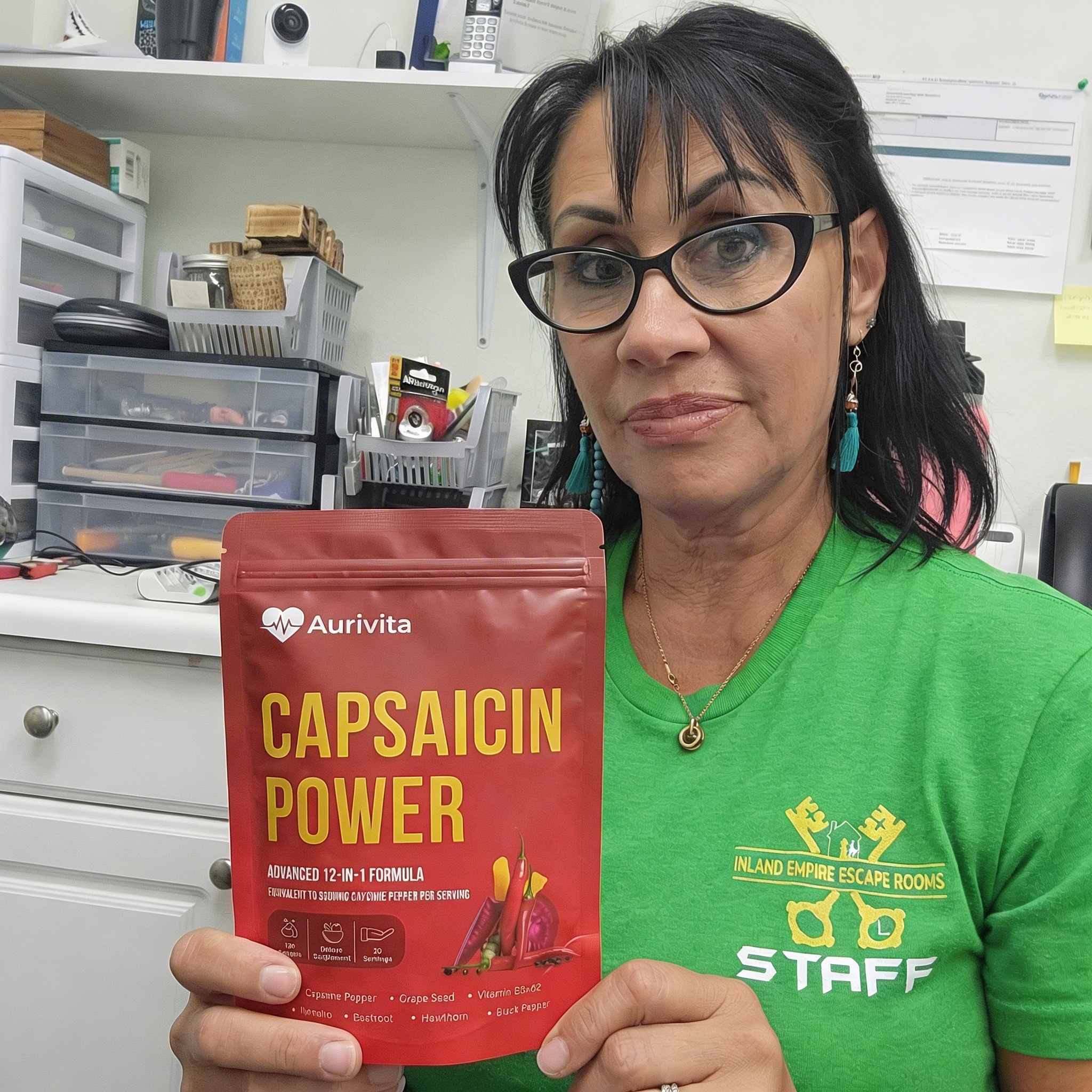
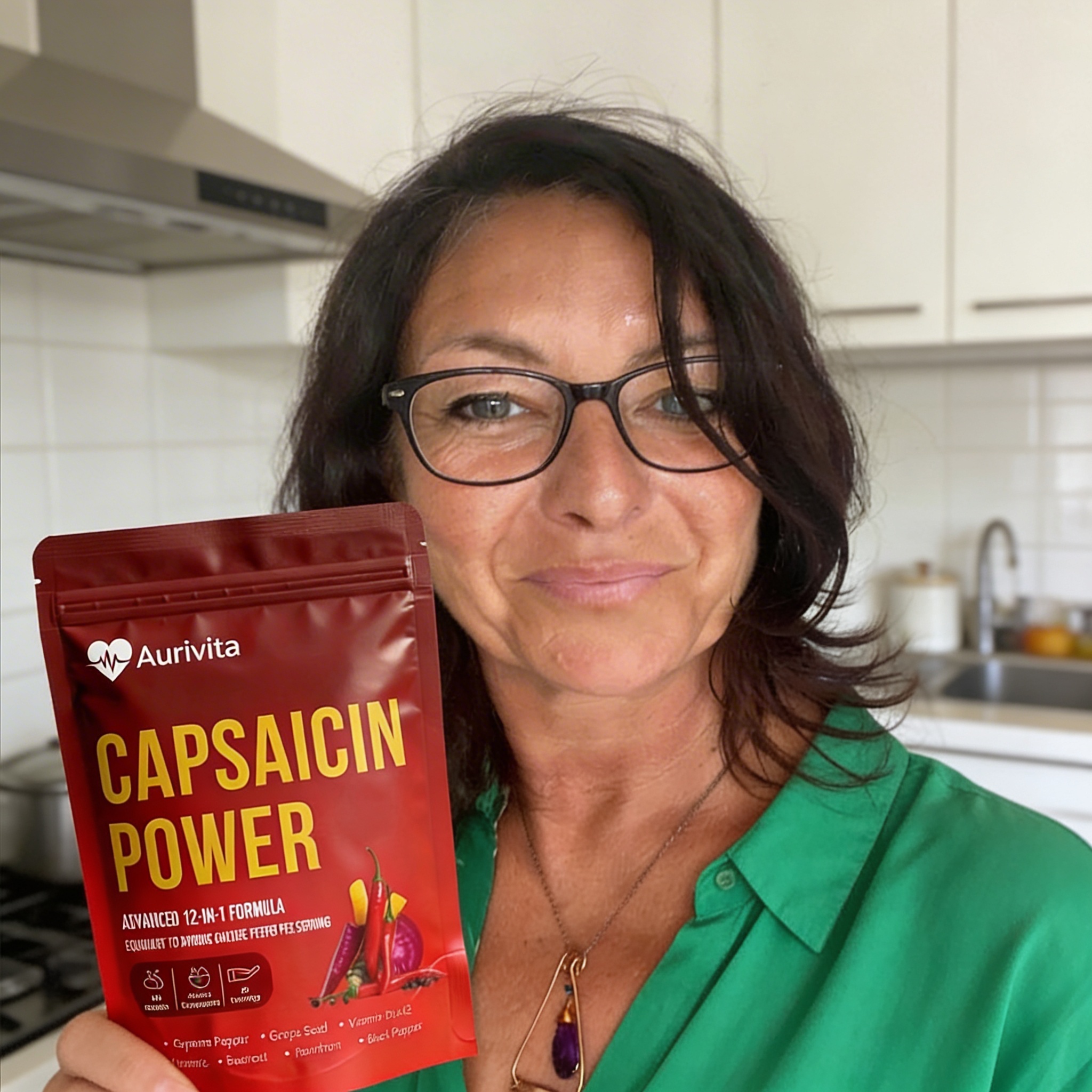
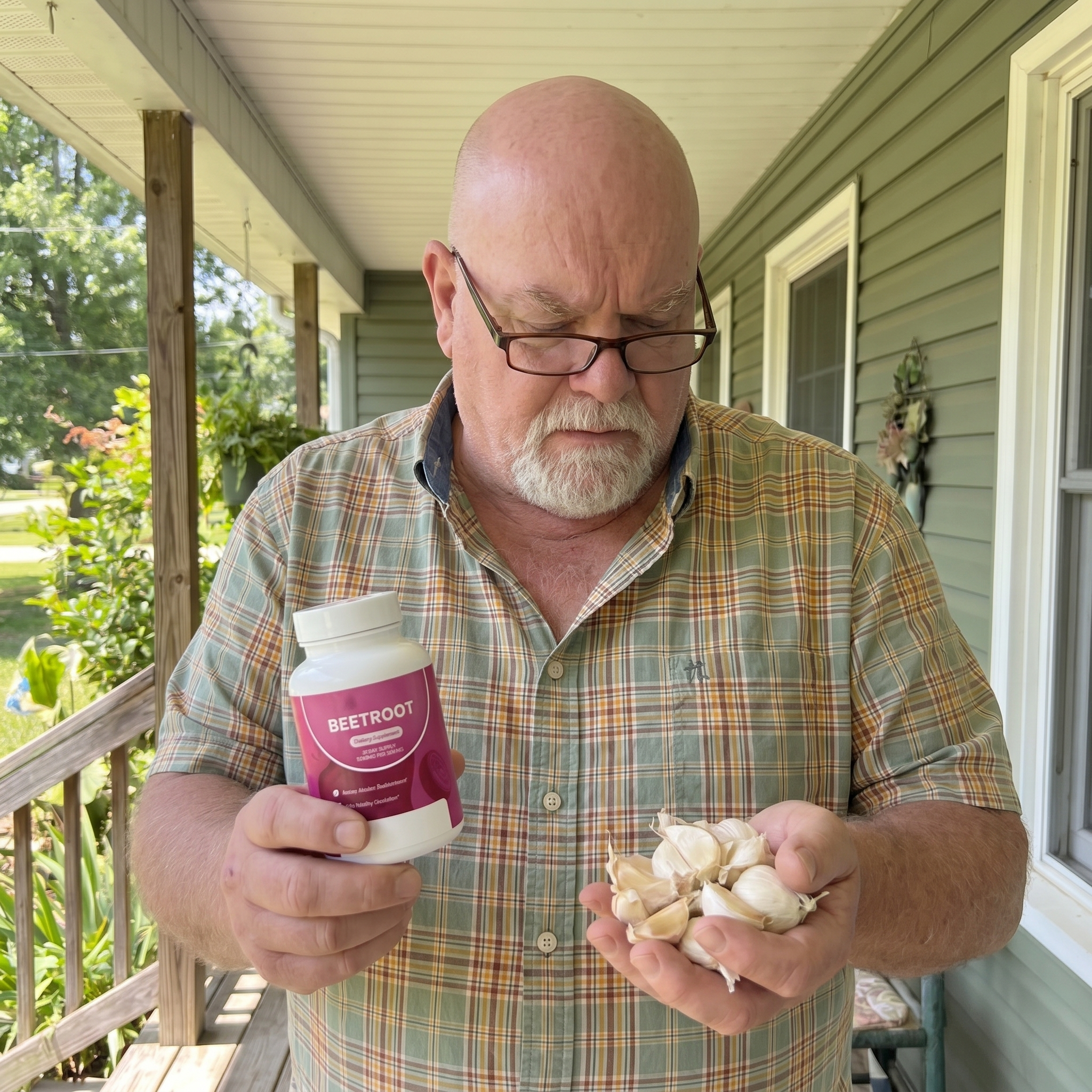
If you are thinking about adding a second supplement to your cardiovascular routine — beetroot, or something else — there is one thing you need to understand before you spend another dollar. Most of the popular cardiovascular supplements people stack together work through the same mechanism. Which means stacking them does very little. My name is Dr. Rachael Simmons. I am a board-certified cardiologist with 21 years in practice. I have spent the last 5 years studying nitric oxide pathways in patients with cardiovascular disease. If you are about to add beetroot, or you are already taking it and thinking of stacking something on top, this is the post you need to read first. Beetroot is the most popular cardiovascular supplement in the world right now. It is rich in dietary nitrates. When you consume it, bacteria in your mouth and gut convert those nitrates into nitric oxide, which relaxes your arteries for a few hours and helps lower your blood pressure temporarily. A daily dose can lower systolic blood pressure by 4 to 8 points. This is real. It works. But here is what you need to understand. Beetroot does not repair your endothelium. It does not restore your body's own ability to produce nitric oxide. It bypasses the broken production system by handing your bloodstream a brief external supply from outside. The moment the beetroot clears your system, your nitric oxide levels return to whatever your endothelium can produce on its own — which, in a person with cardiovascular risk, is essentially zero. There is a second problem nobody mentions. The bacterial conversion that turns beetroot nitrates into nitric oxide is destroyed by mouthwash, by certain antibiotics, and by the natural stomach changes that come with aging. By the time you are in your 50s and 60s, that conversion can be dramatically less efficient than it was in your 30s. Many people taking beetroot are absorbing far less than they realize. This is why so many of my patients tell me beetroot helped at the beginning, then plateaued. Now here is the stacking mistake most people make. When beetroot plateaus, the natural instinct is to add another nitric-oxide-precursor supplement. L-arginine. L-citrulline. More beetroot. Garlic. Most of the popular cardiovascular supplements work through the same mechanism — supplying nitric oxide or its precursors from outside the body. If you stack any of these with beetroot, you are paying twice for the same effect. You cannot fix a broken nitric oxide production system by supplying it more raw material from outside. The factory is broken. Pouring more fuel in does not make it run. What your body actually needs is the compound that turns the factory back on. The endothelium — the single-cell-thick lining inside every artery in your body — is supposed to produce nitric oxide on its own, from within. When the endothelium is damaged from years of inflammation, oxidative stress, and aging, that internal production collapses. This is the actual disease underneath every cardiovascular condition. There is a receptor inside the endothelial cells called TRPV1. Dr. David Julius won the Nobel Prize in Medicine in 2021 for discovering it. When TRPV1 is activated, it triggers the endothelial cells to restart their own internal nitric oxide production and to run a repair cycle that restores function. The compound that activates TRPV1 is capsaicin. The active ingredient in cayenne pepper. This is a completely different mechanism from beetroot. Beetroot supplies nitric oxide from outside. Capsaicin restarts your own production from inside. One bypasses the broken system. The other repairs it. This is why the right stack is beetroot and capsaicin. Not beetroot and arginine. Not beetroot and garlic. Beetroot and capsaicin have you paying for two completely different mechanisms that complement each other. Beetroot gives your arteries immediate short-term relief. Capsaicin slowly repairs the underlying endothelial damage that caused you to need the relief in the first place. A 60-year-old patient of mine named James had been taking beetroot for 3 years. His blood pressure had improved from 152/96 to 142/88 and then plateaued. After 4 months of adding capsaicin in a bioavailable form, his blood pressure dropped to 124/76. His HDL rose 12 points. The beetroot had been holding the line. The capsaicin had moved it. The product I now recommend is Aurivita Capsaicin Power. The capsaicin is pharmaceutical-grade and pre-dissolved in cold-pressed avocado oil, which is the only delivery system that allows the compound to survive digestion and reach the endothelial cells where it needs to bind. The formula also contains beetroot extract, hawthorn, vitamin K2, BioPerine, berberine, cinnamon, turmeric, and Korean ginseng. It costs $54 for a bag — about 60 days of use. It comes with a 120-day money-back guarantee. If your numbers do not move, send the bag back, full or empty, and the company will refund every penny. If you are already taking beetroot, you do not need to stop. The beetroot is doing what it is supposed to do. Capsaicin works on a different mechanism and adds to what beetroot is already giving you. If you have not yet started beetroot, you can take Aurivita on its own — the formula includes beetroot extract alongside the capsaicin. You can order from aurivita.co/products/cayenne-pepper-softgels. If you are thinking about a second supplement for your cardiovascular health, do not pay twice for the same mechanism. Pay once for a mechanism your other supplement does not touch. The mechanism is TRPV1 activation. The compound is capsaicin. — Dr. Rachael Simmons, MD, FACC Board-Certified Cardiologist, 21 years in practice
Stop Paying Twice For The Same Supplement
Support strong circulation today with our powerful cayenne pepper formula. 180 softgels and 60 servings per bag.
SHOP NOWLike this ad? Make it yours.
Crush rebuilds this exact creative around your product — your brand, your colors, your offer — in about a minute.