Sophie's Daily Blog Post
Sophie's Daily Blog Post Facebook ad: “Read this if your dog has Arthritis”
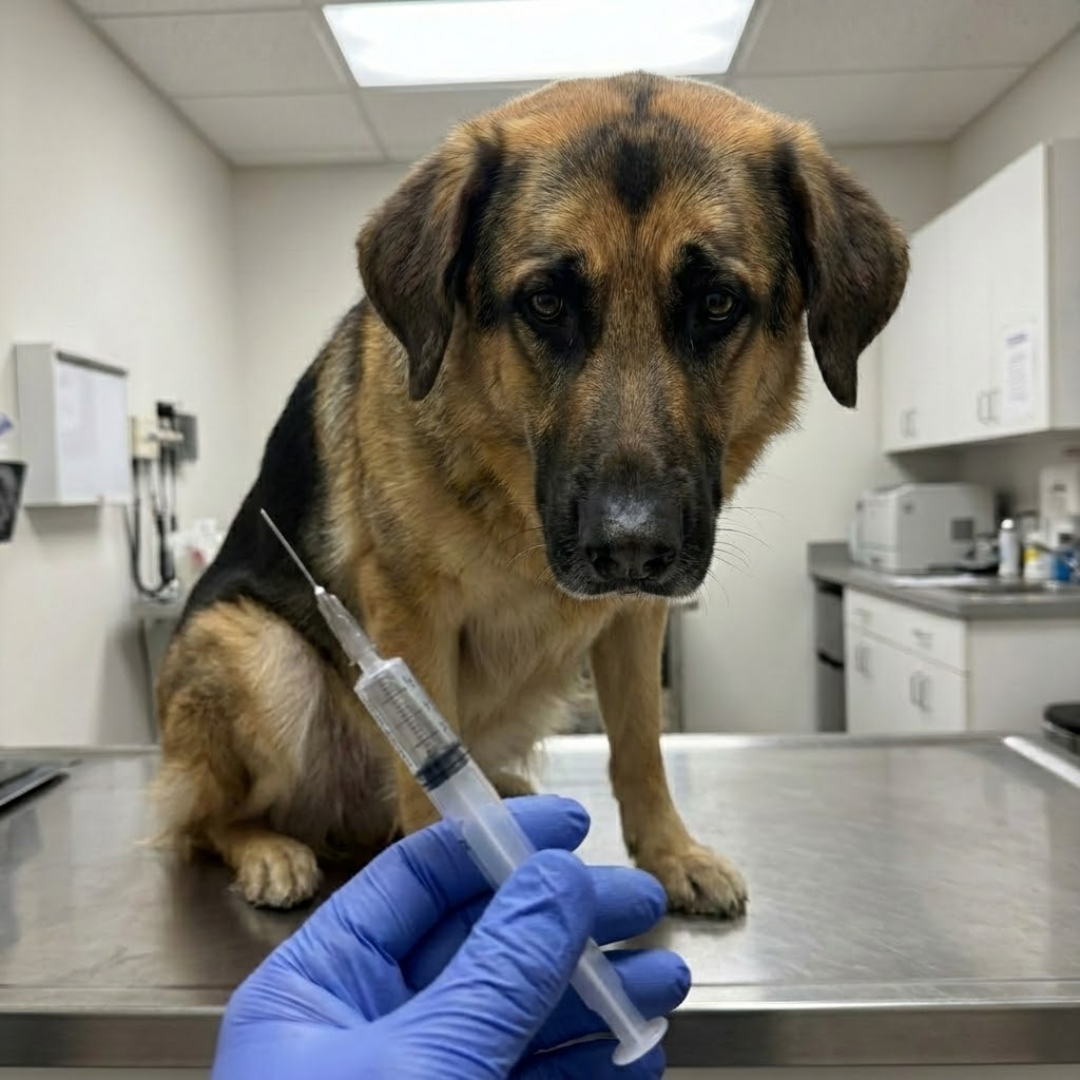
Ran for 4 days, from February 27 to March 3, 2026, the last day Crush saw it.
Run by Sophie's Daily Blog Post on Facebook. Crush is not the advertiser and does not verify its claims. See this ad in Meta's Ad Library(opens in a new tab)
Want an ad like this for your product?
Crush makes new ad images for your product from this ad: your logo, your product photo, your offer.
Trials from $19.95 USD, then $79.95 USD a month. Cancel anytime.
About this ad
- Meta Ad Library ID
- 1482951413170495
- Platforms
- Facebook, Instagram, Audience Network, Messenger and Threads
- Relaunches
- 0
- Niche
- Pets
Ad text
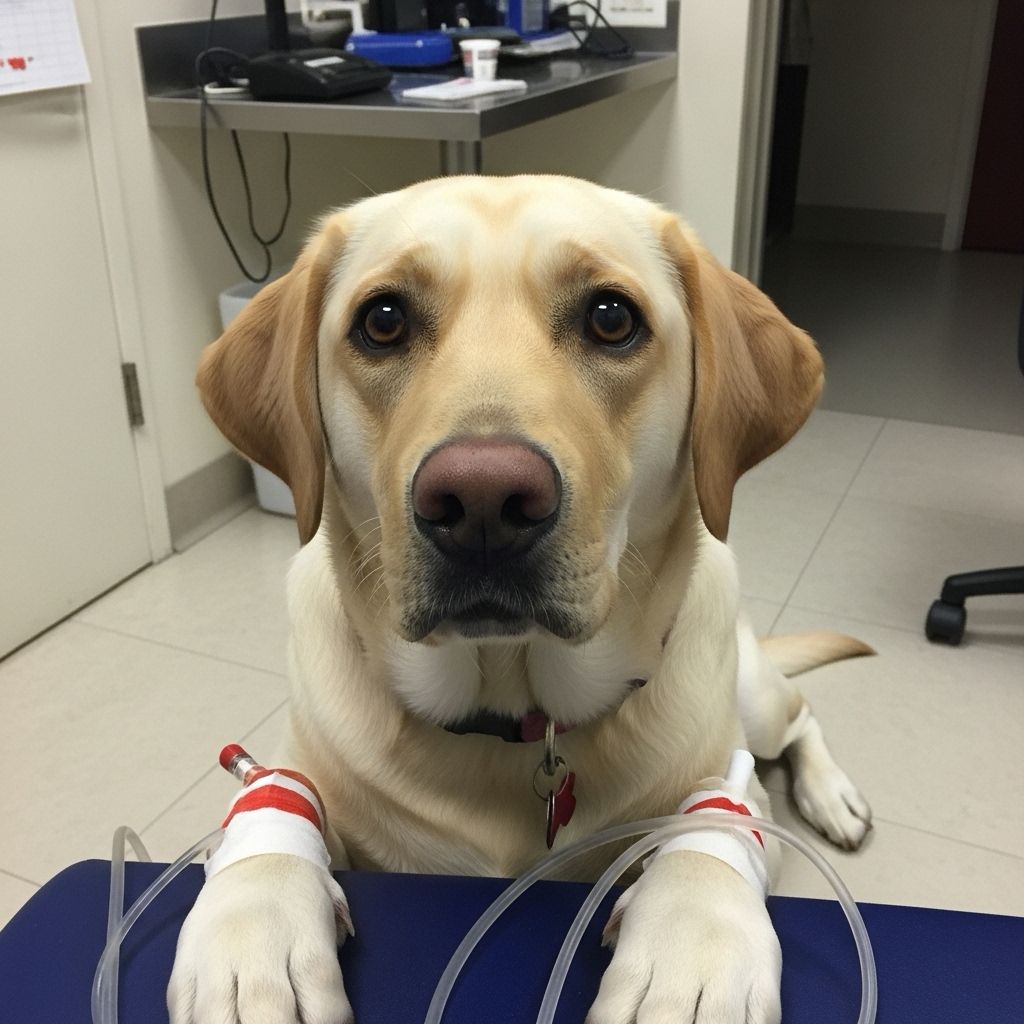
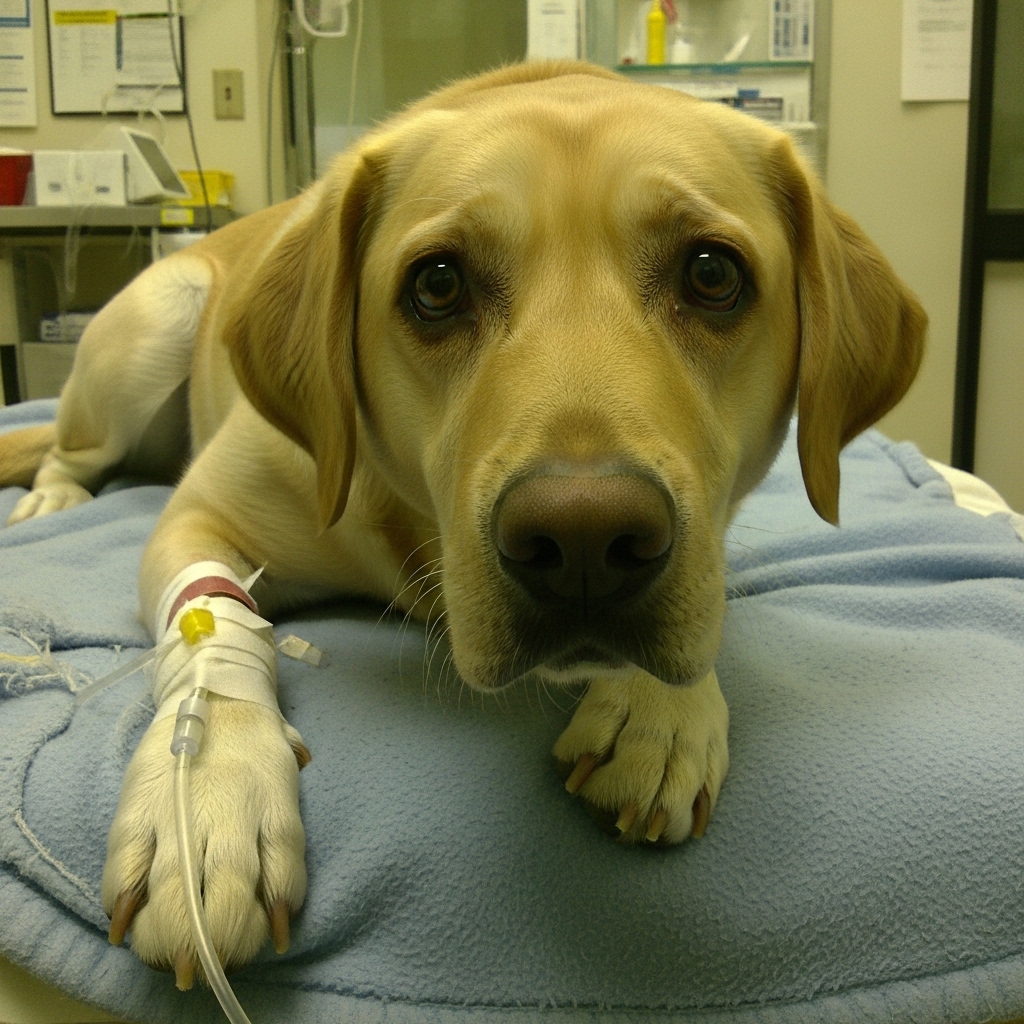
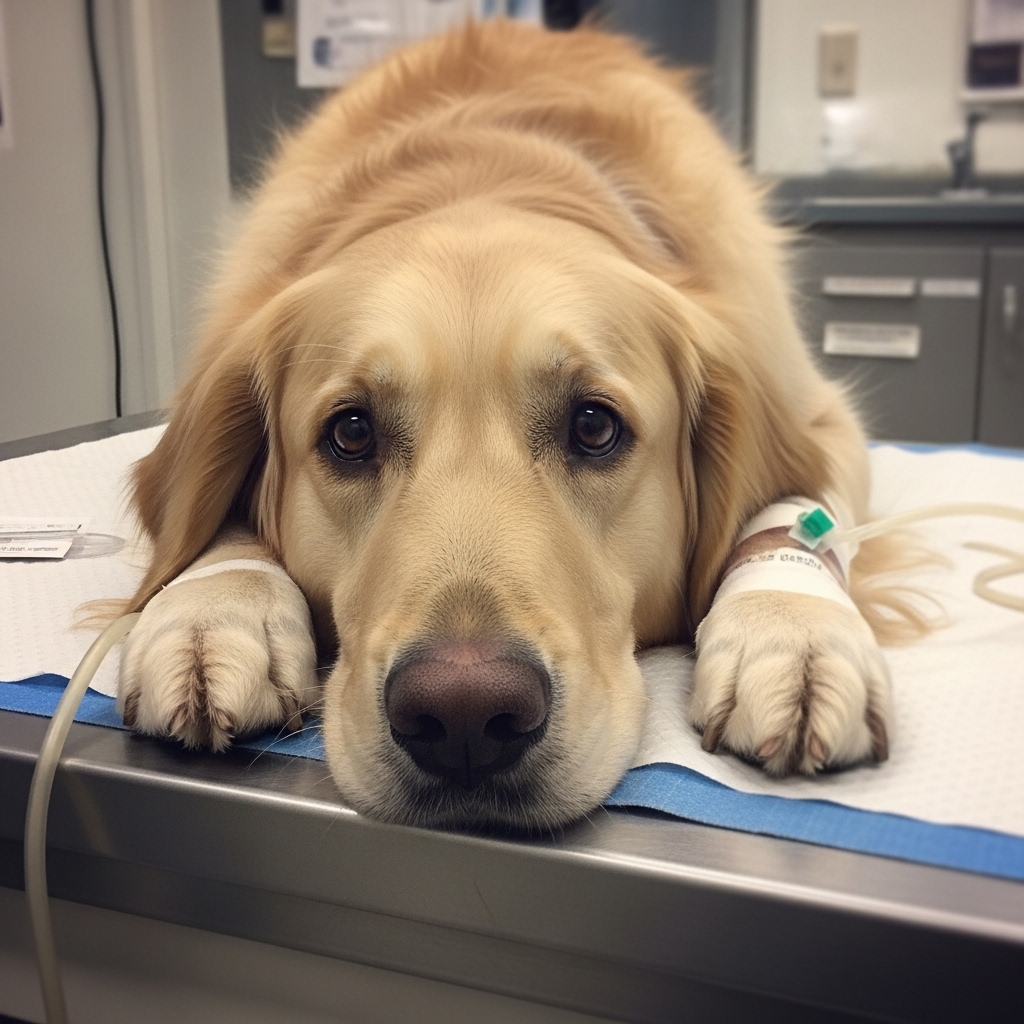
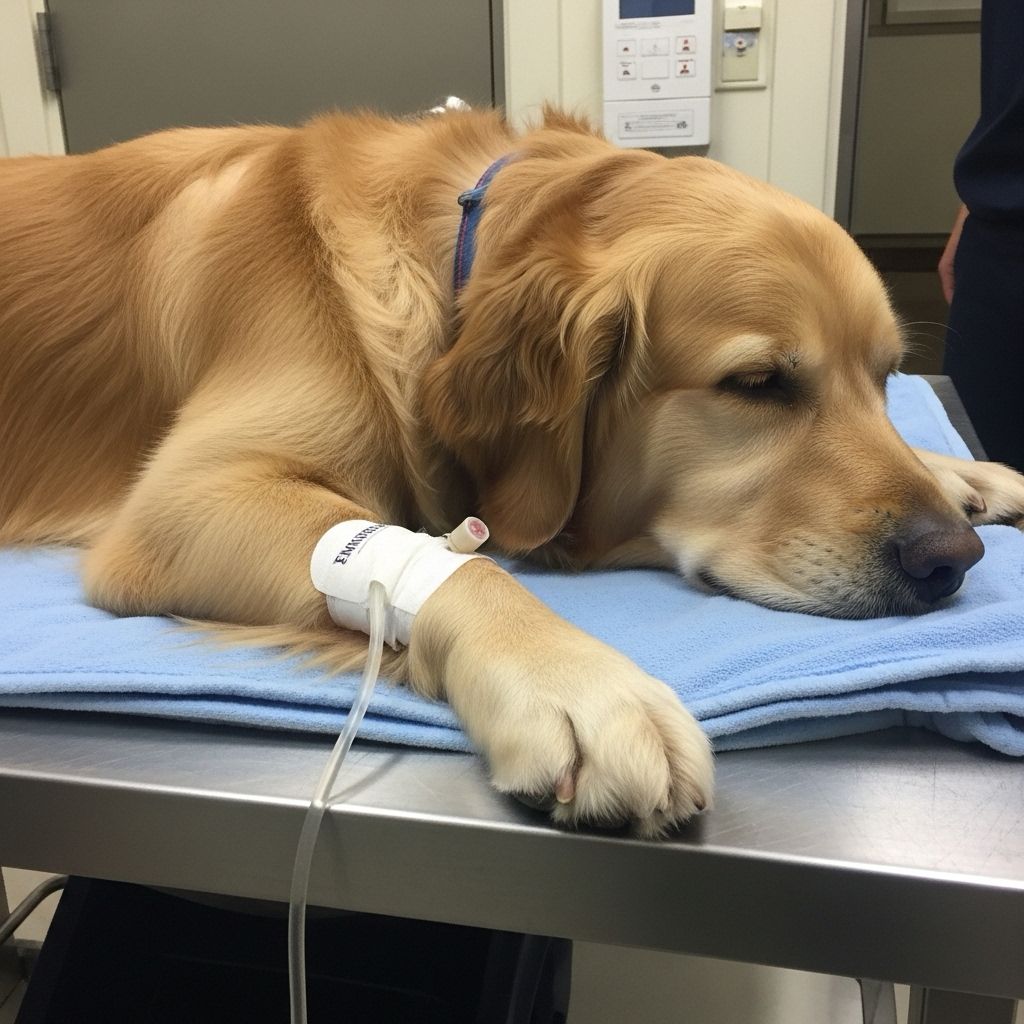
IF YOUR DOG IS ON LIBRELA AND IT'S WORKING... Read this before their next shot. My dog Benny is an 11-year-old Lab. Librela changed his life. I'm not being dramatic. It genuinely changed his life. Before Librela, mornings were the hardest part of my day. I'd hear him trying to get up from his bed. That sound. If you know it, you know it. The groan. The shifting. The nails scraping the floor as he tried to get his legs underneath him. Sometimes three or four tries before he'd finally stand. We'd already been through the whole medication carousel. Rimadyl worked for a while then he stopped eating. Galliprant barely touched the pain. Gabapentin took the edge off but turned him into a zombie. He was there but not really there. So when our vet brought up Librela, I expected nothing. The first week proved me wrong. Benny was getting up on the first try. No groan. No struggle. He started following me around the house again. Kitchen. Living room. Bathroom. That used to annoy me when he was young. Now it made me want to cry. By week two he went up the stairs. I was heading to bed and heard him behind me. One step at a time. He made it all the way up. Circled his spot twice. Laid down with a long sigh. I stopped sleeping on the couch after that. We were walking to the park again. He was sniffing every tree like he was catching up on months of news he'd missed. He did a play bow at a puppy one afternoon. I hadn't seen him do that in over a year. Things I'd accepted as gone were coming back. The nudge with his nose when he wanted attention. The way he'd race me to the kitchen when he heard his food bag. The way he'd lean his whole weight into my legs when I scratched his ears. I told everyone. My mom. My coworker. The woman at the dog park. "Ask your vet about Librela." I meant every word. If your dog is in this place right now, where Librela is working and they're moving again and you finally feel like you can breathe... I know exactly what that feels like. And I'm not here to take it away from you. But I noticed something. And I need to tell you what I found out after I noticed it. It was nothing dramatic. Benny was still doing great. Moving well. Happy. Everything you'd want to see. But he started asking to go outside more often. Not a lot more. Just more. He'd pee, come back in, then be at the door again an hour later. One night I woke up at 3 AM because he was pacing by the back door. He'd never done that before. Not once. I told myself it was nothing. But I'm the kind of person who notices things about my dog. You probably are too. That's why you're reading this. So I started researching. Not panicking. Just looking. And what I found had nothing to do with the peeing. It had to do with something happening inside Benny's joints that nobody had told me about. Something that changes the way you think about Librela. Not whether it works. It does work. But what it's actually doing. And what it isn't. Here's something simple that will change the way you see all of it. A plant needs two things to truly thrive. Water and sunlight. Take away the water and it dies fast. Take away the sunlight and something slower happens. It fades. It stiffens. It loses its color. It stops doing the things a healthy plant does, gradually, until one day you look at it and barely recognize it. Your dog's joint needs the same two things. The medications are the water. And they are absolutely essential. When a plant starts fading you water it and it steadies. It holds on. It has good days. That's what the medications are doing for your dog right now and they deserve credit for it. Librela deserves credit for it. It gave me Benny back. I know what it gave you back too. But here's why the joint keeps breaking down anyway. Water keeps a plant alive by bringing it nutrients and keeping the cells from dying. But water cannot make energy inside the plant. It cannot do the deeper work of rebuilding and restoring. Only sunlight can do that. Sunlight is what powers everything happening inside the plant at the deepest level. Without it nothing that is supposed to keep it strong and healthy can actually run. And that is exactly what is happening inside your dog's joint right now. Even while they look great. Even while they're running to the park and jumping on the couch and going up the stairs like nothing ever happened. The medications bring relief. They manage the pain and calm the swelling and that matters enormously. But they cannot power the cells inside the joint the way sunlight powers a plant. Those cells need energy to repair and rebuild. The medications don't give them that. So the damage keeps adding up. Beneath the surface. Where you can't see it. Where your dog can't feel it. And that's the part that haunted me. Because Benny looked amazing. He was moving like a young dog again. And I thought that meant his joints were getting better. They weren't. They were getting worse. Silently. Because every time Benny jumped on the couch or ran at the park or took the stairs two at a time, he was putting full force on joints that couldn't repair themselves. Joints that would have told him to slow down if they could. But the pain signal was gone. The water was keeping the plant alive. But without sunlight, the plant was still slowly dying underneath. And this is why so many dog owners start noticing something that quietly breaks their heart after months of doing everything right. The good days get shorter. The bad days get longer. The dose that used to give your dog a full afternoon of energy and comfort starts only lasting a few hours. You increase it just to get back to where you were. And even then something feels different. The spark that used to come back after their medication kicks in doesn't come back quite as bright as it did before. You watch them turn down the walk they used to drag you on. You watch them skip the spot on the sofa they used to jump onto without thinking. You watch the things that made them them start quietly disappearing one by one. And the fear creeps in. The slow quiet kind that sits in your chest when you look at them sleeping and wonder how much longer the good version of this lasts. This isn't the medications failing you. This is simply what happens when a plant only gets water and never gets sunlight. The water slows the fading. But it cannot stop it. Because the plant was never missing more water. It was missing light. And so is your dog's joint. And once you understand what that missing light is and why nobody ever told you about it you will never look at your dog's treatment the same way again. Here's what's remarkable about a plant that's been starved of sunlight. The moment you move it back into the light the whole plant begins to respond. The leaves start to lift. The color comes back. The stiffness eases. Things that looked like they might be permanent start reversing. Not because you did anything complicated. Not because you added more water. Simply because you finally gave it the one thing it was always missing and the plant already knew exactly what to do with it. And here is something that surprises most people. The nutrients travel further. The roots absorb more. Everything the water was trying to do alone it can suddenly do more effectively because the light is there doing its part alongside it. Your dog's joint works exactly the same way. And the light it has been missing has a name. Two names, actually. Red light and infrared light. Red light penetrates the surface tissue and begins waking the cells back up. Infrared light doesn't stop at the surface. It keeps going. Through the fur. Through the skin. Through the fat. Deeper than any cream, any pill, any injection has ever travelled from the outside in. Red light therapy delivers both of these directly into the joint. Deep into the tissue where medications quiet the pain signal, but the source of the damage has always remained untouched. Think about what happens the moment you move a fading plant back into the light. You didn't change the plant. You didn't add anything to it. You just gave it what it was always missing. And it already knew exactly what to do. And this is where something remarkable happens with the medications your dog is already taking. Owners start noticing things they'd stopped expecting to see. The dog that had stopped getting up to greet them at the door, the one that had learned it hurt too much to try, gets up. Not because the medication changed. Because the joint is finally in a state where the medication can do what it was always meant to. The light and the water working together the way they were always supposed to. What felt like it was slowly failing starts feeling like it did in the beginning again. And the changes don't stop there. Dogs who had quietly given up on their favourite walks start going further. Then further again. The distance that used to wind them down becomes the warmup. And then one morning you notice something. They beat you to the kitchen. They don't hesitate at the back door anymore. The tail starts going before you've even reached for the leash. You watch them eye up that spot on the sofa. The one they used to leap onto without thinking. And then they go for it. And the fear that was quietly sitting in your chest when you looked at them sleeping, that slow, quiet kind you couldn't quite name, starts loosening its grip. Because you recognise them again. A plant with both water and sunlight doesn't just survive. It comes back to life. And so does your dog. That night I went looking for a way to give Benny's joints what the medications couldn't. I went straight to Amazon. Typed "red light therapy for dogs." Almost ordered one that night. Handheld device. Five-star reviews. But something made me stop. I looked closer at the specs. The wavelengths were wrong. Only red light, no infrared. The power output was too weak to penetrate deep enough. Checked another one. "Veterinary grade." Same problem. Wrong wavelengths. Too weak. Every single device was either too weak, wrong wavelengths, or both. Then my husband mentioned it to a friend at work. His friend said, "My sister's dog had bad arthritis. She found this small company that makes red light therapy belts specifically for dogs." He sent us the link. The company was called Lucavel. I'd never heard of them. Small startup. Not a big corporate brand. The founder's dog started limping and showing symptoms at an early age. With no signs of improvement he knew if he didn't act fast his dog would only get worse. So he spent three years developing a device that could deliver medical-grade red and infrared light directly into a dog's joints. Safely. Effectively. At home. It's called the TheraBelt. Built with true 660nm and 850nm wavelengths. Medical-grade LEDs. High enough power to actually penetrate deep into the joint. Designed to wrap around hips, shoulders, wherever your dog needs it most. Not a cheap Amazon device claiming to work. A real solution built by someone who lived this problem. I ordered it that night. Not because I was desperate. Benny was still doing well on Librela. He was still moving. Still happy. But now I knew what was happening underneath. And I couldn't unknow it. I didn't want to wait until the good days started getting shorter to do something about it. I wanted to give his joints what they were missing while they still had a chance to rebuild. The first session, I wrapped it around his hips. Turned it on. 15 minutes. He just laid there. The warmth relaxed him. I didn't expect anything immediate. Benny already felt good. This wasn't about pain relief. This was about what was happening deeper than the pain. Week 2: I noticed something I didn't expect. Benny's Librela shot usually starts wearing off in the last week before his next one. He'd get a little stiffer. A little slower in the mornings. Not terrible. Just enough that I could tell the difference. That didn't happen. The last week before his shot came and went and Benny was still moving the same way he was in week one. No dip. No stiffness creeping back. Just... steady. Week 4: The peeing thing stopped. I didn't even notice at first. My husband pointed it out. "Have you noticed he's not asking to go out every hour anymore?" He was right. Back to three, four times a day. Sleeping through the night again. Week 6: Something else changed. Benny started doing things he hadn't done even on Librela alone. He jumped off the porch instead of taking the steps. He trotted. Not walked. Trotted. Like there was somewhere he needed to be and he was excited to get there. The Librela was still doing its job. But now it was doing it better. Because the joint underneath was finally getting what it needed to actually heal. The water and the sunlight. Working together. I use the belt every other day now. 15 minutes on his hips. It's part of our routine. Like his morning walk or his evening spot on the couch next to me. Benny is still on Librela. I'm not against it. It gave us back so much. But now I know it's not the whole picture. And I know his joints aren't just feeling better. They're actually getting better. I think about what would have happened if I hadn't noticed the peeing. If I hadn't gone looking. If I'd just kept going with Librela alone and waited for the day the good days started fading. I don't have to wonder about that anymore. If you're reading this, your dog is probably on Librela and doing well. Maybe great. I'm glad. I really am. But I also know what I know now. And I couldn't keep it to myself. You don't have to wait until something goes wrong to protect what's happening inside your dog's joints. You can start now. While things are good. While there's still something to rebuild. Lucavel, the company that makes the TheraBelt, they're small. They don't mass produce. They refuse to cut quality to lower costs. Sometimes they run out of stock because they can only source so many medical-grade LEDs. But when they do have them available, they offer a 60-day money-back guarantee. That's what made me comfortable ordering. If it didn't change anything, I'd send it back. Simple. But it did change something. It changed everything underneath. I'm not telling you to stop Librela. I'm telling you to give it the one thing it was always missing. The sunlight. And for Benny and me, that changed everything.
Where the ad sends people
lucavel.com
Read this if your dog has Arthritis ☝️
.
Learn more: lucavel.com(opens in a new tab)