
Stopped· since Mar 8, 2026
- 10
- days it ran
- 0
- relaunches
Ad copy
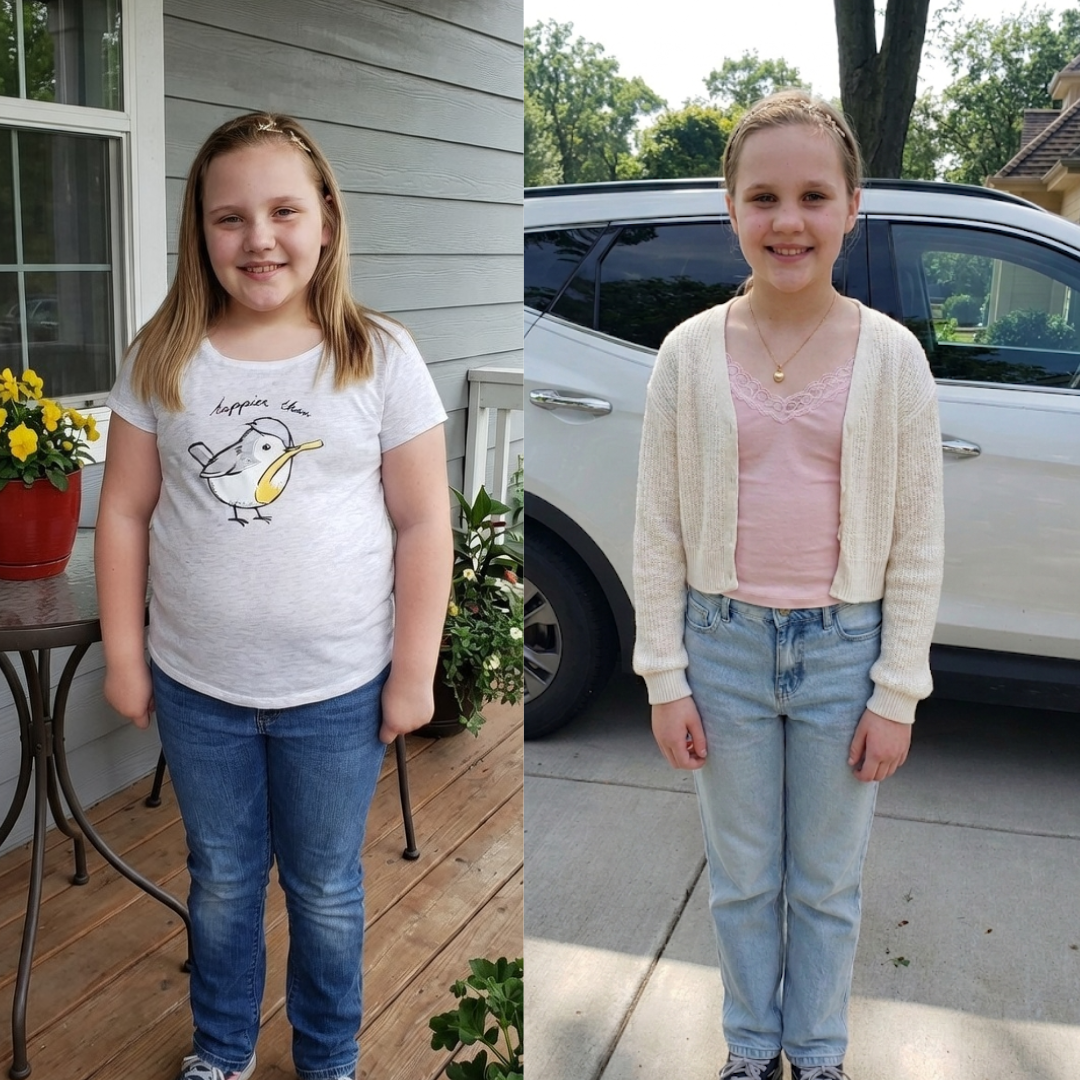
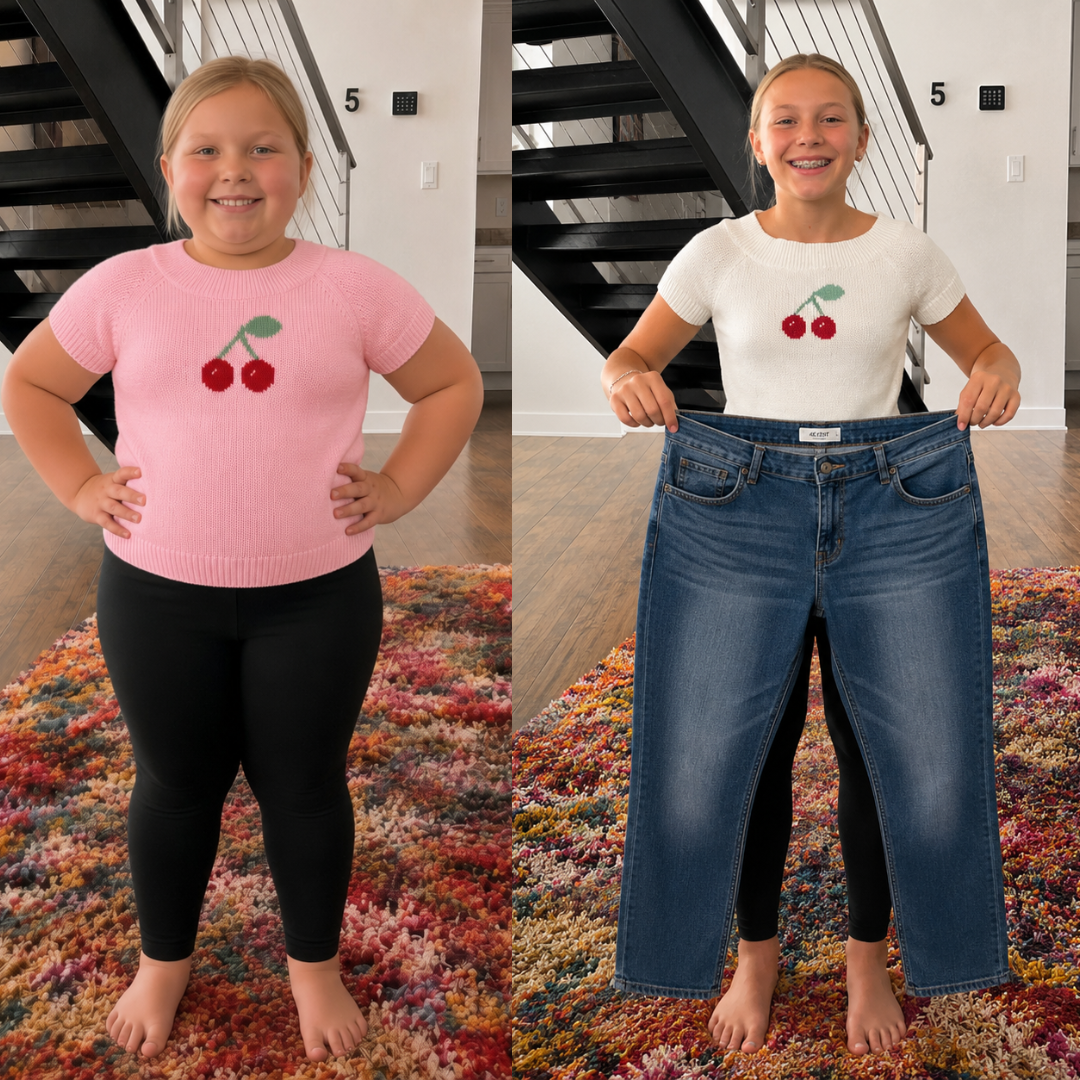
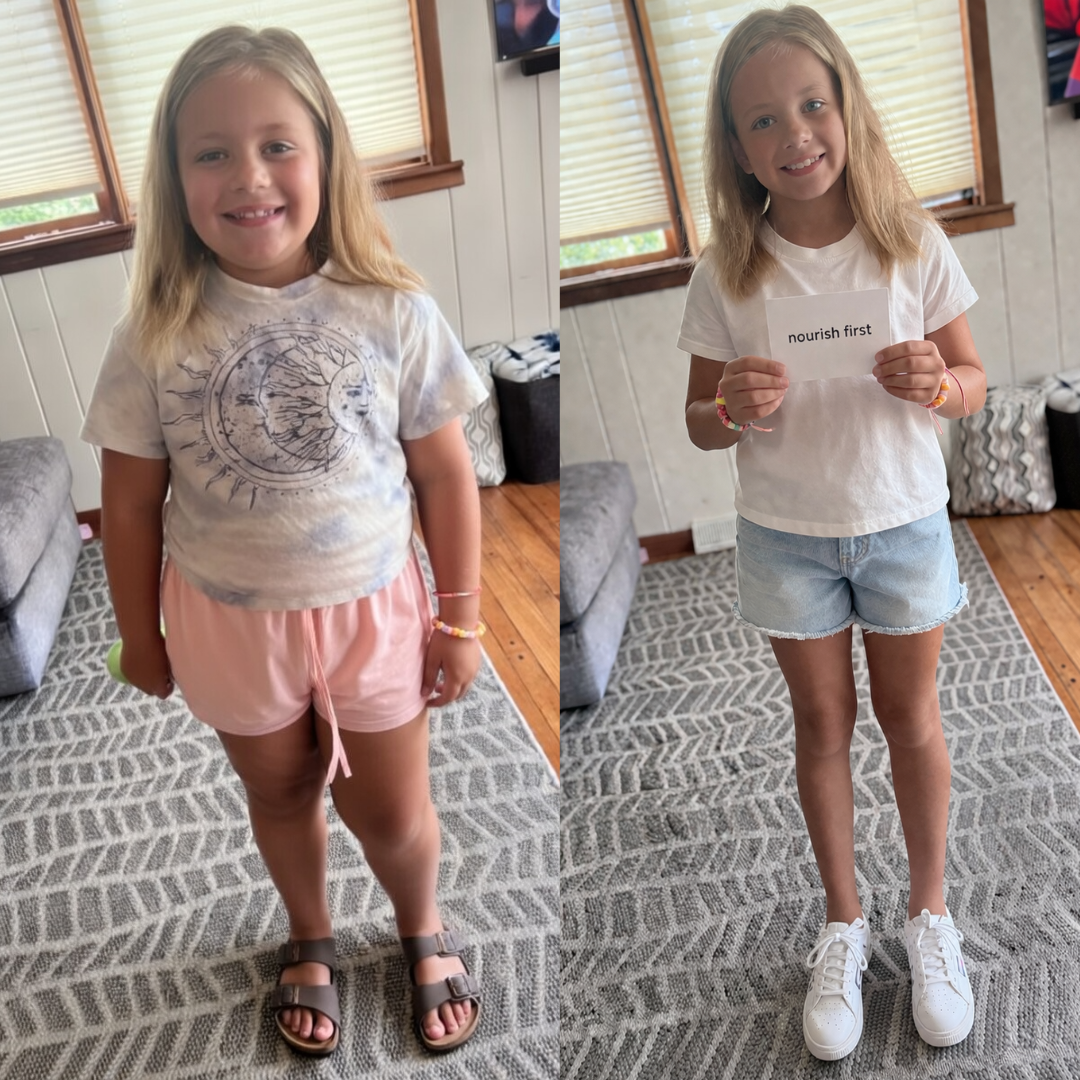
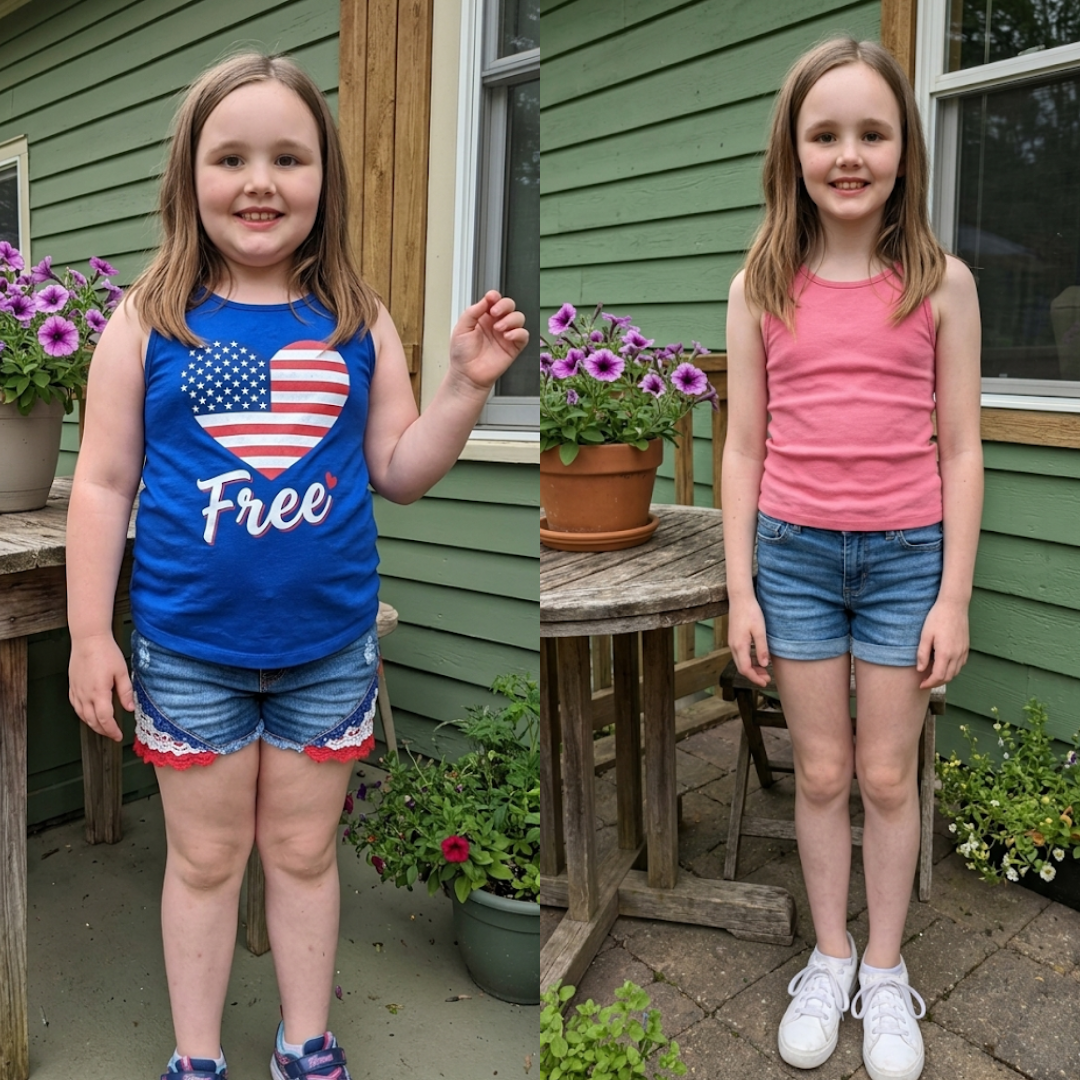
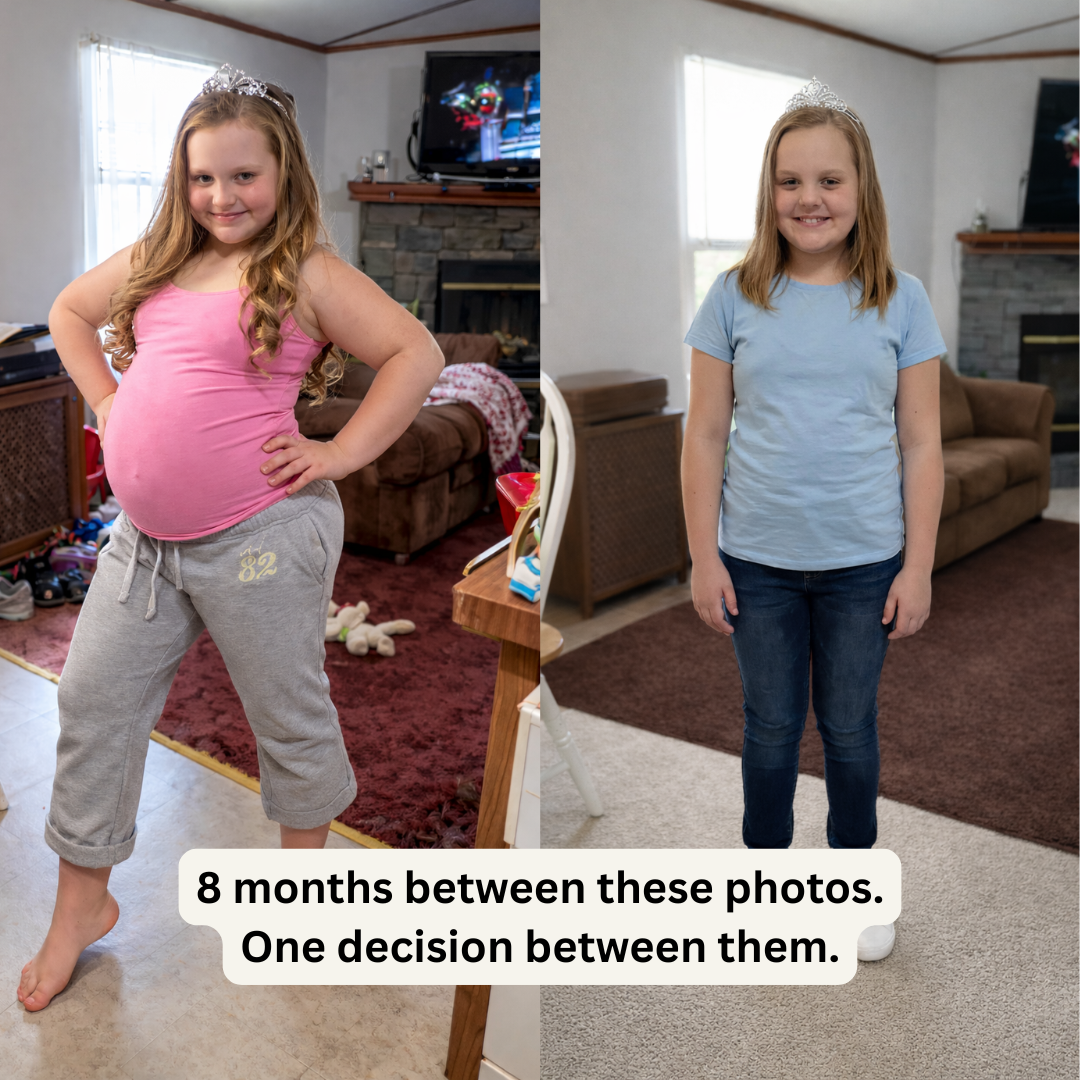
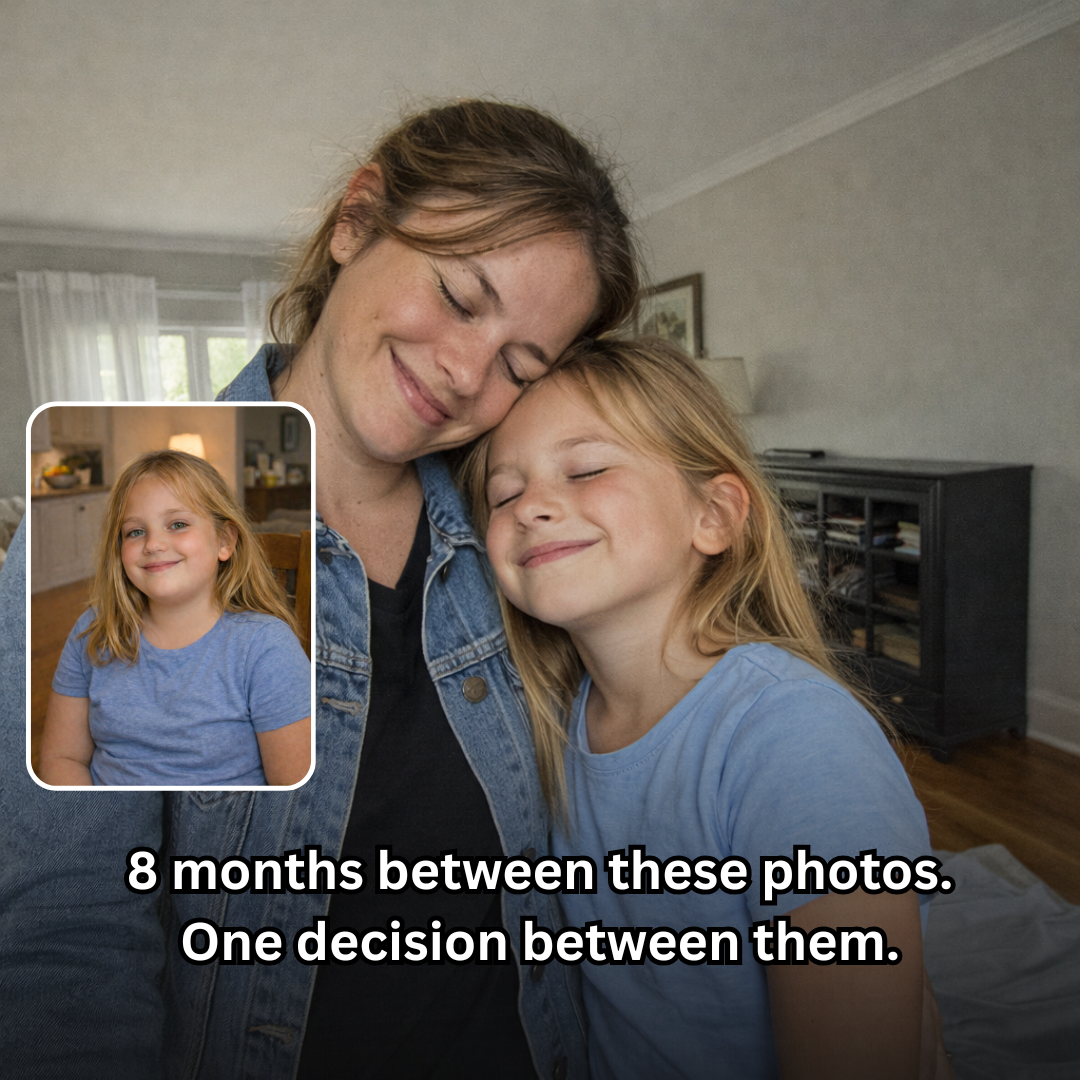
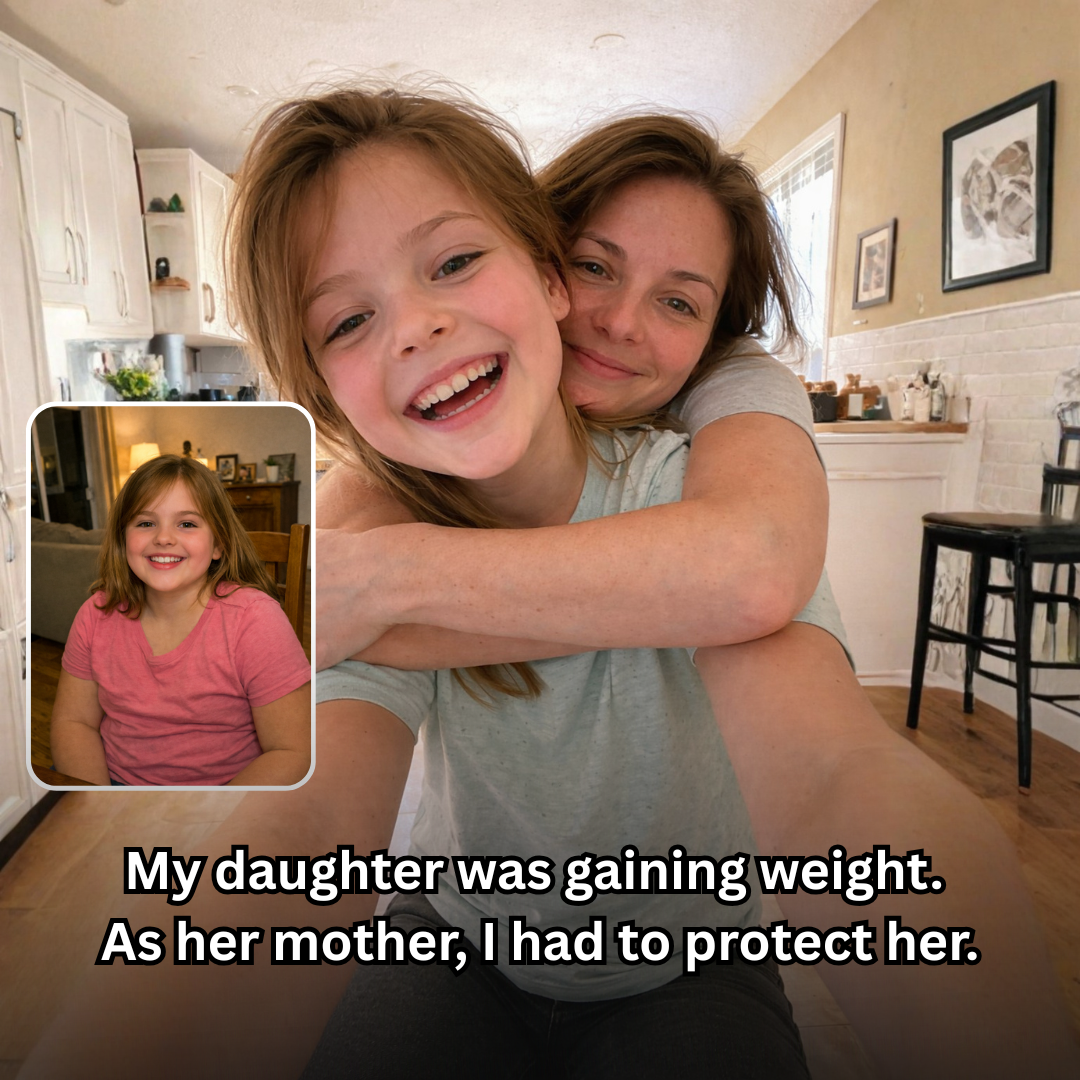
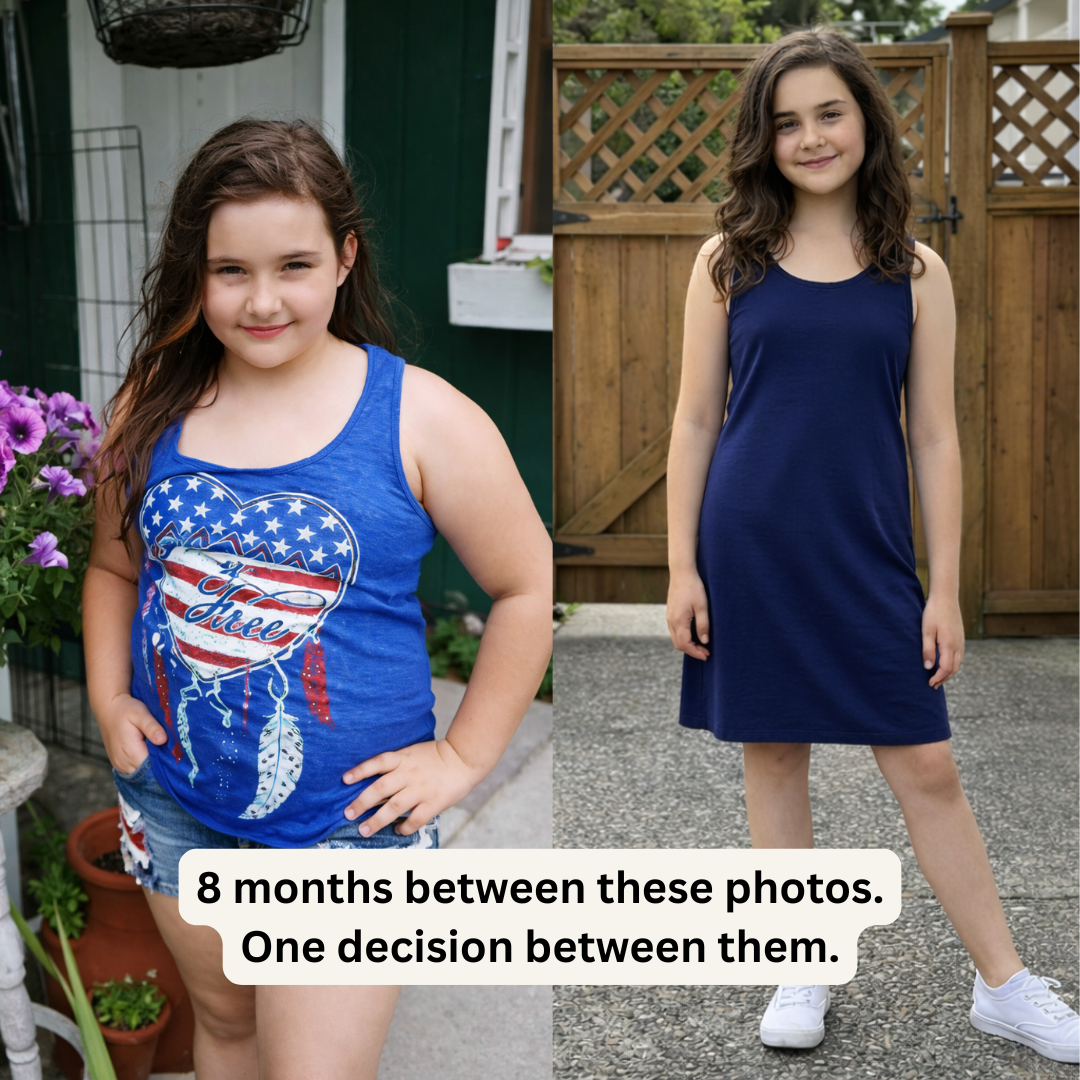
I didn't put my daughter on a diet. I didn't say a word about her weight. She's been losing weight for eight months. This is how it started. I picked her up from school like any other day. She got in the car. Quiet. Staring out the window. I asked her how her day was. She just shrugged. Something was off. I could feel it. We drove in silence for a few minutes. Then, without looking at me, she said: "Mama, am I fat?" My heart stopped. I tried to stay calm. "Why are you asking that, sweetheart?" She kept staring out the window. "Emma said everyone talks about me. Behind my back. She said they all say I'm fat and that I'm going to have a bad life because of it." Emma. Her best friend. Her best friend whose mother is my best friend. I didn't know what to say. I just gripped the steering wheel and kept driving. That evening, after she went to bed, I sat alone in the kitchen. I wasn't crying. I was just sitting there. Because somewhere deep inside, I was scared they might be right. Not about her being fine. About her future. She'd been gaining weight for three years. At first I thought it was just baby fat. Normal. Nothing to worry about. But it didn't go away. Every few months I had to buy new pants. Then the new pants didn't fit either. I started buying them a size up "just in case." Then two sizes up. We'd been to the pediatrician. Blood tests. Everything. She was healthy. No thyroid problems. No hormone issues. No medical explanation. Just a normal kid. Gaining weight. And I couldn't figure out why. At 10 years old, my daughter was already being judged for her body. I was doing everything the pediatrician told me. Home-cooked meals. Vegetables. Limited sweets. Dance class. Walks. And it wasn't working. That's when the diets started. Low carb. She lost a little weight but was miserable. Tired. Moody. Six weeks in, she broke. Everything came back. Plus more. Keto. Even stricter. She couldn't focus in school. After two weeks, I stopped. Calorie counting. She became obsessed with numbers. Started asking "how many calories is this?" before every bite. That scared me more than the weight did. Every diet followed the same pattern. First few days, fine. Then the brain fog. The irritability. And then the crash. And this thought kept growing louder: What if I'm ruining her? What if every diet is giving her an eating disorder? What if she's going to hate her body for the rest of her life because of me? But then the other voice: What if I do nothing? What if she gets diabetes? What if the bullying gets worse? I felt broken. Lost. But I couldn't give up. Because that's not what mothers do. When your child is hurting, you keep searching. I had spent weeks looking for answers. Reading forums. Watching videos late at night. Looking for something that made sense. Then one video stopped me. A nutrition researcher talking about childhood obesity. The title: "It's not about willpower. It's about how the brain gets rewired." It's not just about junk food. Even foods that look healthy can hijack a child's brain. The yogurt with cartoon characters. The "whole grain" cereals loaded with hidden sugar. The fruit juices marketed as "natural." And the constant stimulation. Phones. Tablets. Games. All training the brain to seek quick rewards. One quote from a former food scientist made me sick: "We test until we find the version that makes children reach for more. Internally we call it 'eating until regret.'" My daughter wasn't weak. She wasn't lazy. Her brain was rewired. By a world designed to rewire it. Then he explained why diets always fail. Restriction creates obsession. Every time you cut food, the brain fights back harder. And the fat cells that multiply in childhood never disappear. They just wait to fill up again. That's why childhood obesity increases adult obesity risk by 5x. I started searching for stories from adults who were overweight as kids. Hundreds of comments. All saying the same thing: "I'm 35. Still fighting the same weight I fought at 12." "If my mom had done something, I wouldn't be prediabetic at 25." And I thought: That's going to be my daughter. Writing that. About me. In the comments I found a name. Dr. Lisa Meier. A nutrition researcher who had spent years working with children whose hunger signals weren't regulating properly. Someone had posted a link to her online consultations. I booked a slot. We spoke over video. I told her everything. The weight gain. The diets. The failures. The fear. She listened. Then she asked questions no one had asked before. Not about what she eats. About when she eats. Why she eats. What happens before she reaches for food. Then she explained something I had never heard before. "There are three things happening at the same time. First: the fullness signal is broken. After every meal, the body is supposed to send a message to the brain: we're done, we're satisfied, we can stop. But that signal depends on the right foods being present. When meals are mostly fast-digesting foods without real substance, that signal never fires. The stomach fills. But the brain keeps waiting. Keeps searching. That's why she comes back an hour later. Not because she's greedy. Because her brain never got the message. Second: every diet made it worse. The moment food gets restricted, the body reads it as a survival threat. Hunger hormones flood the system. The metabolism slows. The brain becomes obsessed with food. That's why the cravings got worse on low carb. And why when you stopped, everything came back heavier. Her body was compensating for what felt like a famine. Third: the body never gets a chance to reset. There is a natural process the digestive system goes through between meals — but only when it's been empty long enough. When children eat constantly all day, that process never completes. Hunger signals stay confused. The body loses its ability to know when it's actually full. NourishFirst addresses all three at once. The right foods to fire the fullness signal. Real gaps between meals so the natural reset can happen. And no restriction, so the survival alarm never fires. When all three work together, hunger quiets. The body stops holding on. Weight comes off naturally. Without fighting. Without the rebound." She told me about the NourishFirst bundle. Six digital guides. Meal structures, snack strategies, recipes. One payment, instant access, no subscriptions. Everything I needed to do this quietly, without a single conversation about her weight. I hesitated. Another promise. I had been here before. Then I thought about that car ride. Her voice. "Mama, am I fat?" I ordered it before I could talk myself out of it. I didn't tell my daughter anything was changing. Week one: Nothing obvious. I kept going. Week two: I noticed when she reached for food. What triggered it. What came just before. Week three: She walked past the kitchen without grabbing something. I stood there and watched her go. Week four: She left food on her plate. Because she was actually full. I felt something I hadn't felt in three years. Week six: More energy. Running around again. Week eight: Her pants fit again. Month three: She came home smiling. "Emma said I look different. She asked what I'm doing." I smiled and said: "Nothing special, sweetheart." One evening she came and found me in the kitchen. She put her arms around me. "Mama, thank you." I asked for what. "I don't know. I just feel better." I held her a little longer than usual. Because I knew something she didn't. I caught it in time. Before the damage became permanent. I wasn't the helpless mother anymore. I was the mother who understood. Who protected her daughter. If you're where I was — watching your child gain weight, nothing working, feeling like every choice is the wrong one. Here is what I know now that I didn't know then. The fat cells that form in childhood don't disappear. They shrink. But they stay. And they refill faster than they were built. Children who remain overweight carry a five times higher risk of obesity as adults, along with hormonal damage that starts building now and takes decades to untangle. The window where this is easiest to change is now. While her biology is still responsive. While the patterns are still forming. Every week you wait, it narrows. I'm not saying this to scare you. I'm saying it because nobody said it to me early enough. And because there is actually a way through this that doesn't involve diets, food fights, or a single conversation about her weight. Over a thousand mothers have already found it. Tap "Learn More." I'll show you exactly how it works.
Worried about your child’s weight? Read this.
Help your child support healthy weight and health by addressing hunger first. No diets, no restriction, no pressure. Includes parent strategy, protein recipes, and planning tools. Instant download.
LEARN MORELike this ad? Make it yours.
Crush rebuilds this exact creative around your product — your brand, your colors, your offer — in about a minute.