
Stopped· since May 7, 2026
- 36
- days it ran
- 0
- relaunches
Ad copy
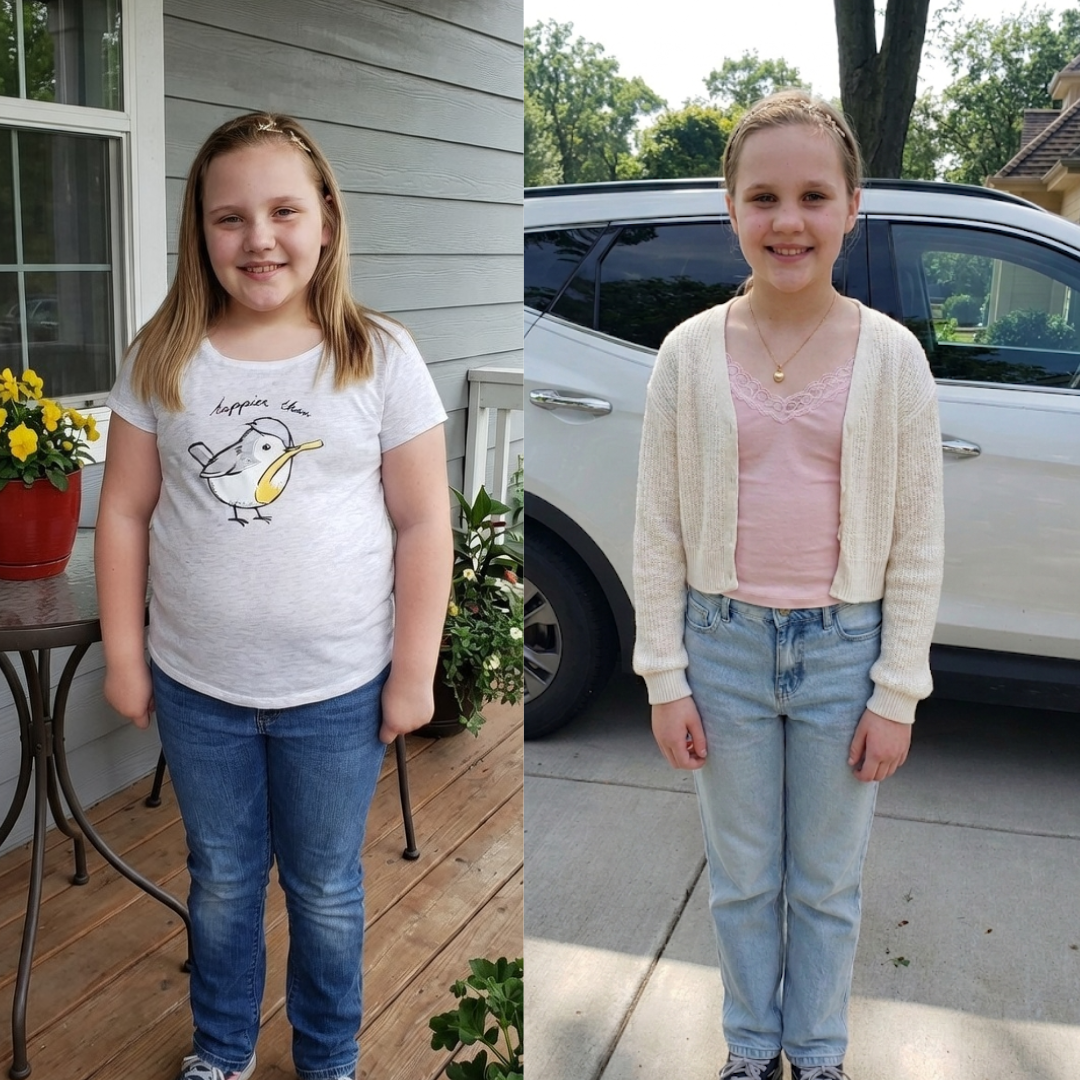
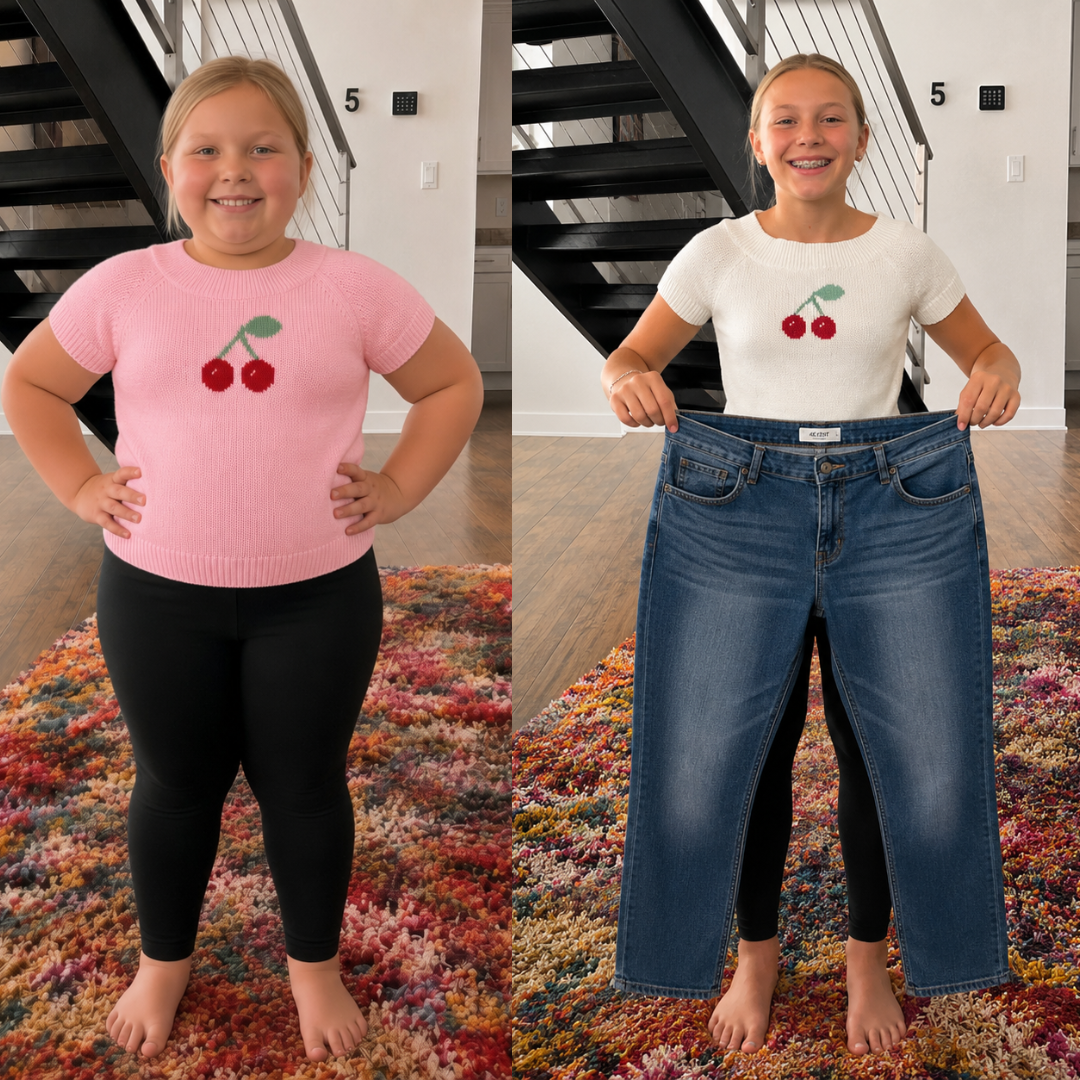
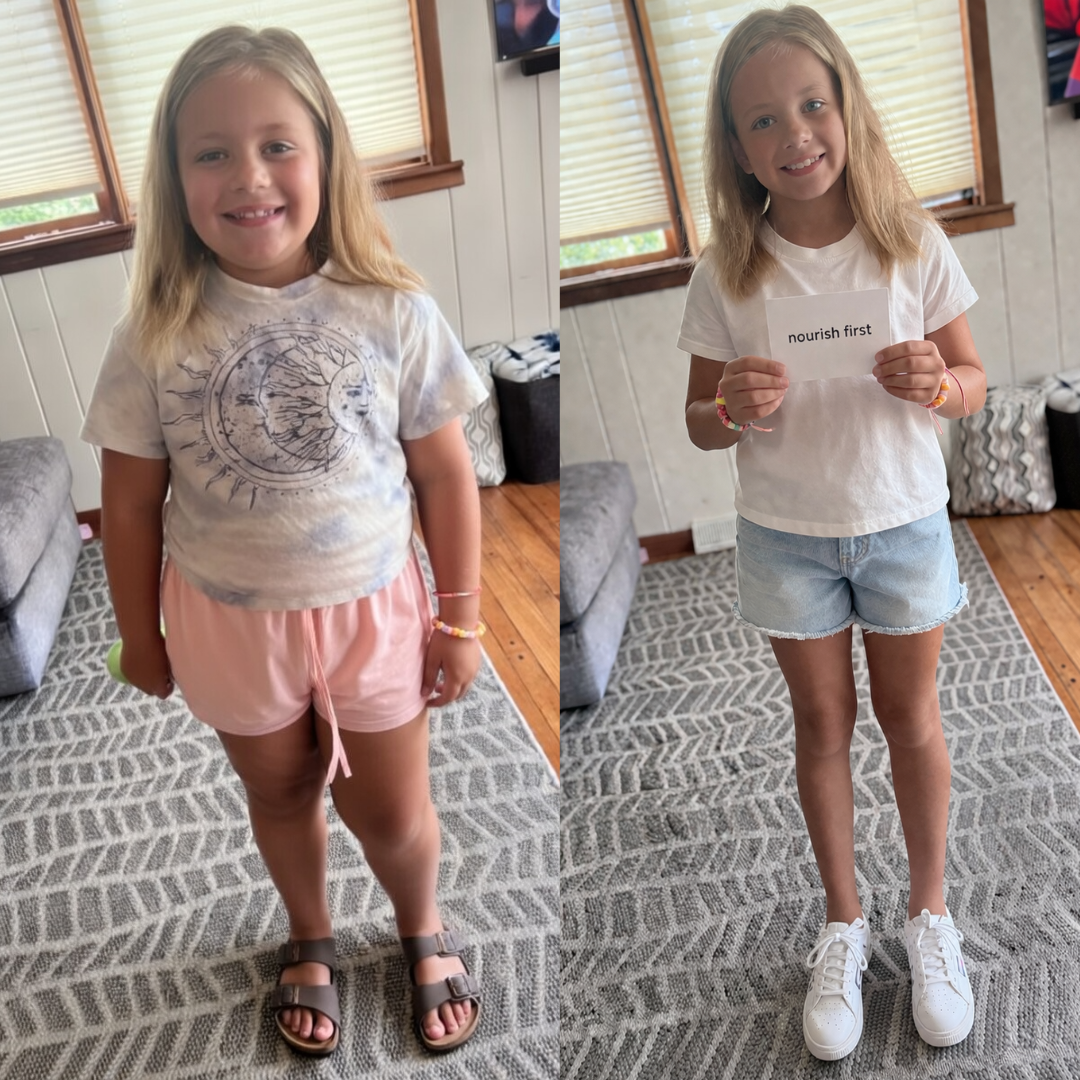
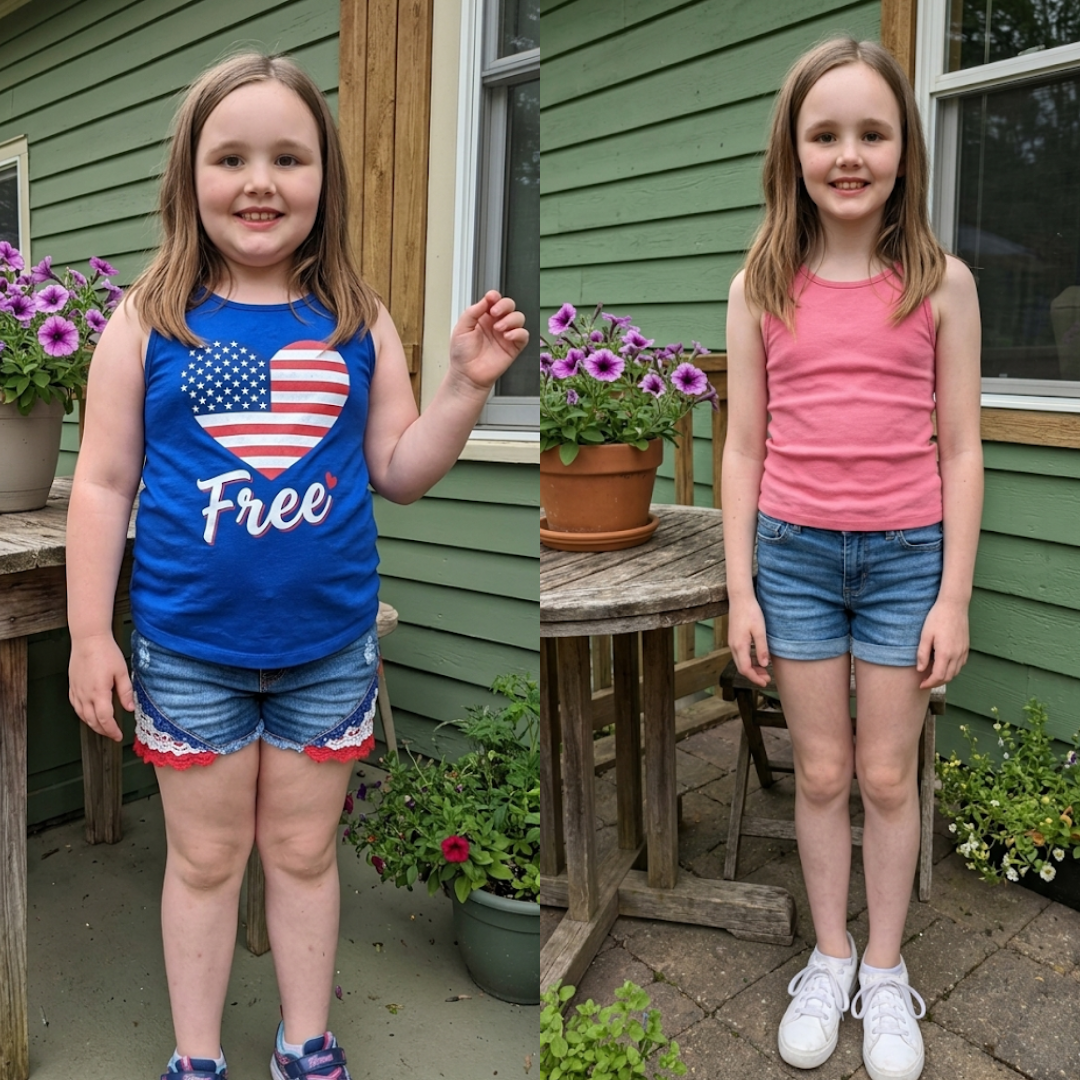
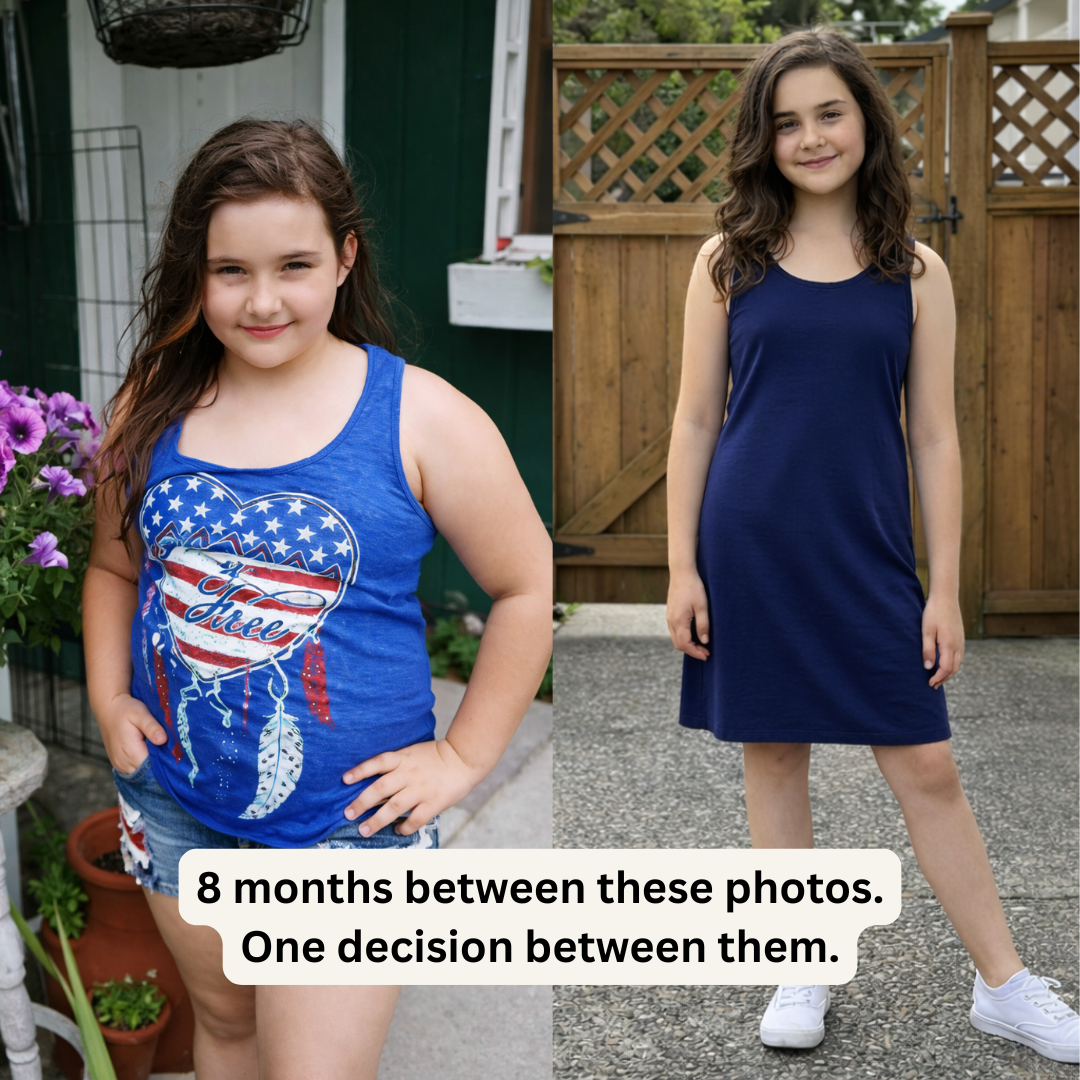
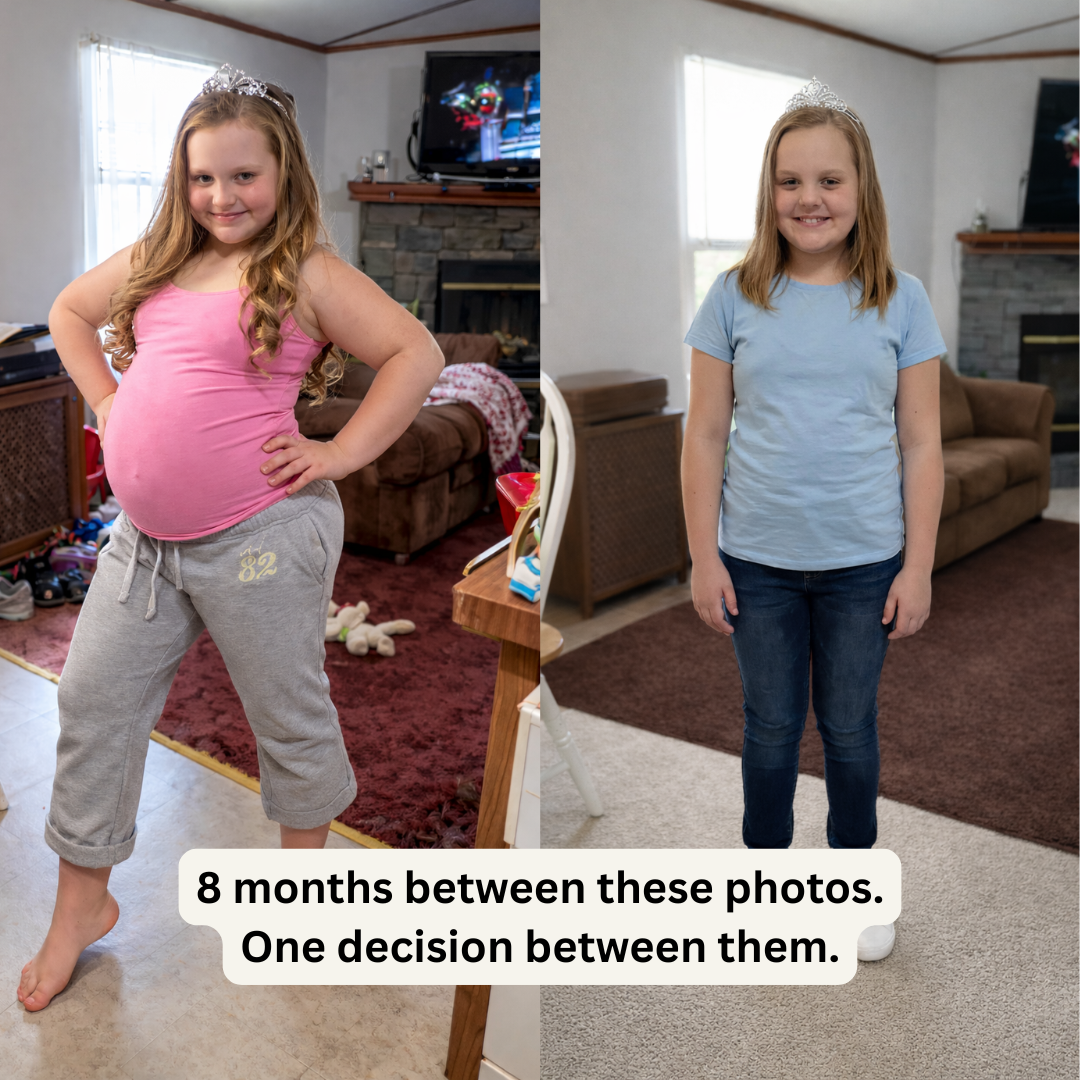
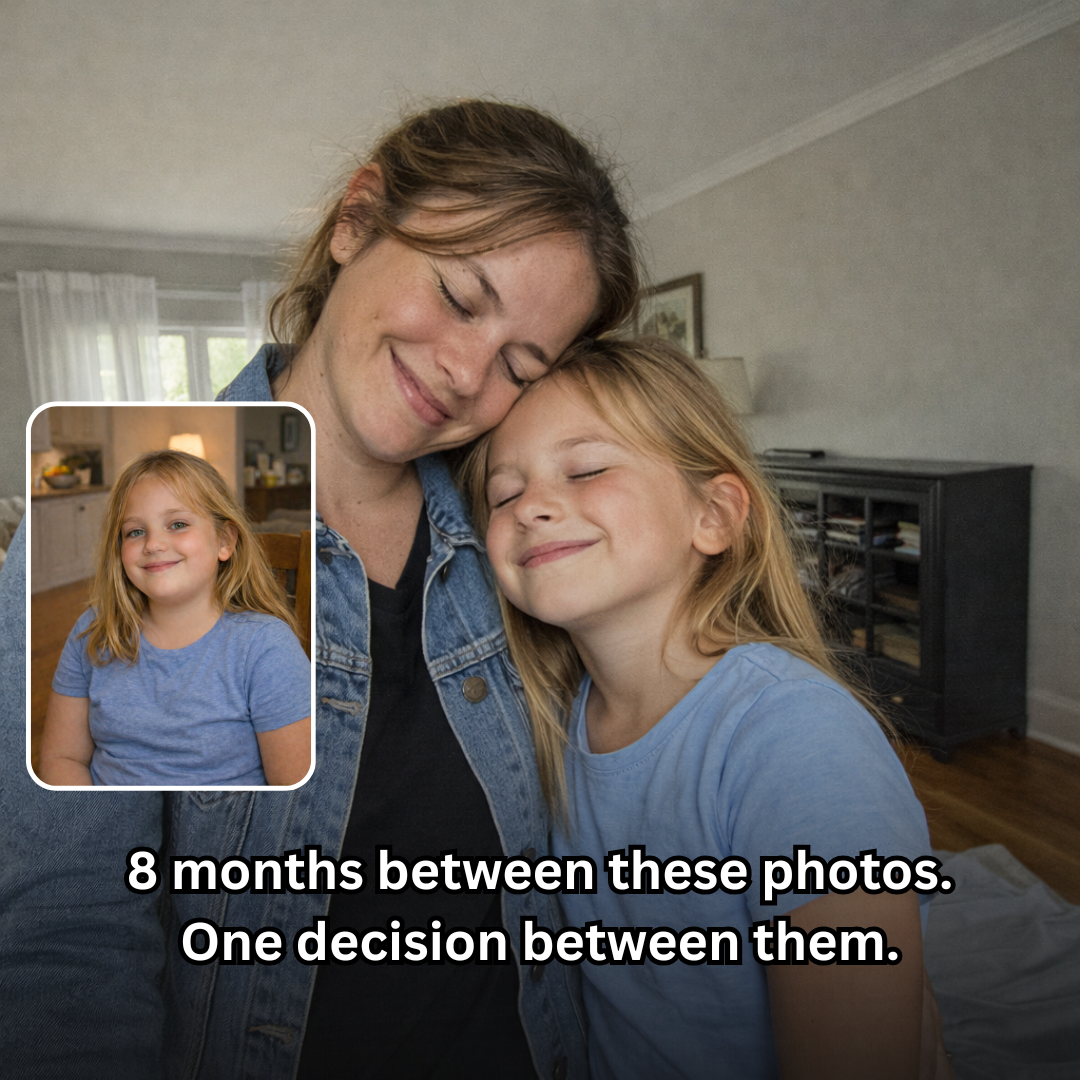
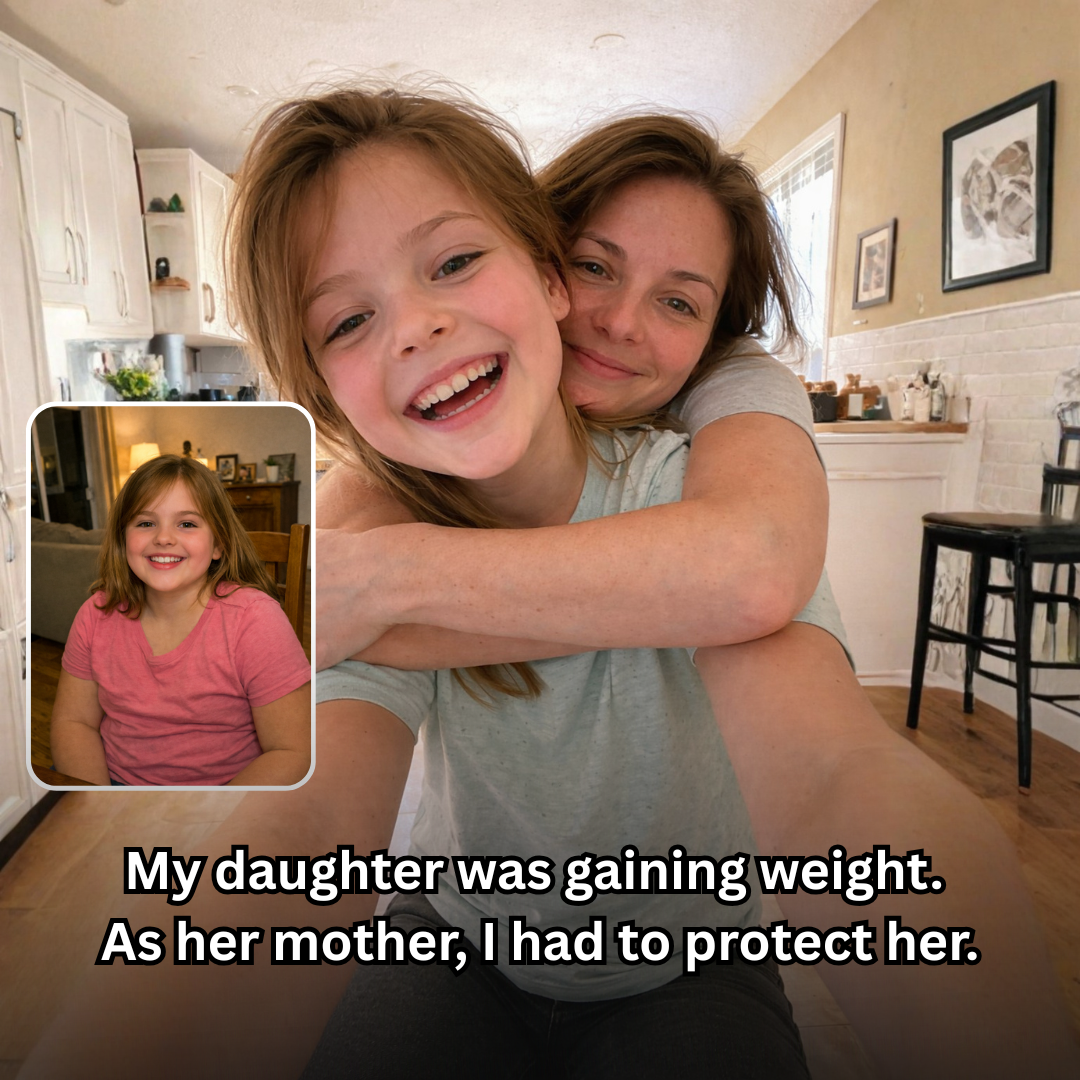
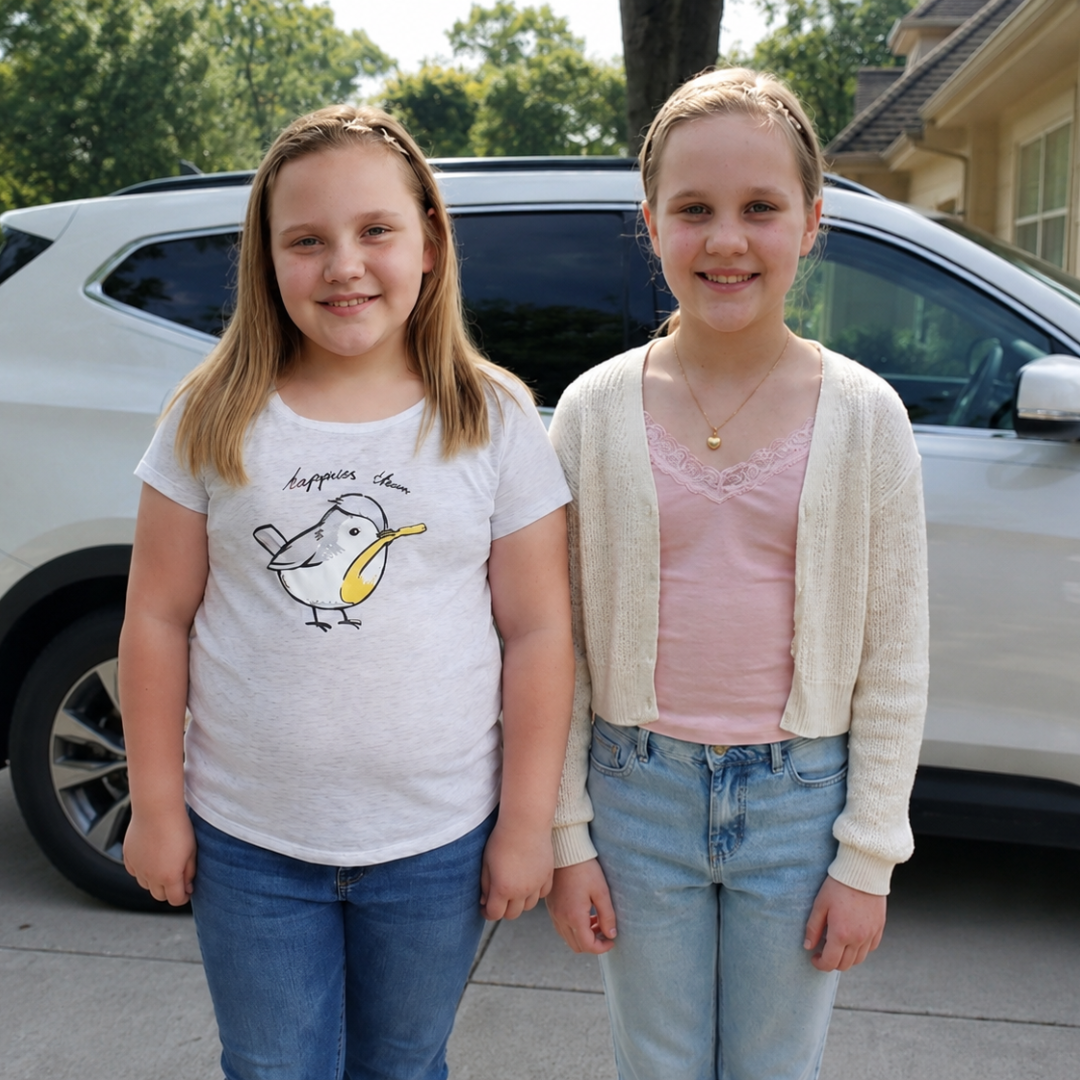
My daughter has been losing weight for four months. She's happier. She's more active. And she has no idea I changed anything. Please, no negative comments. This is how it started. I picked her up from school like any other Thursday. She got in the car. Quiet. Staring out the window. I asked how her day was. She just shrugged. That particular kind of quiet every mother knows. The kind that isn't just tiredness. We drove a few minutes without speaking. Then, without looking at me, she said it. "Mama, am I fat?" My hands tightened on the steering wheel. "Why are you asking that, sweetheart?" "Emma said everyone talks about me behind my back. She said they all think I'm fat and I'm going to have a bad life because of it." Emma. Her best friend since second grade. Whose mother is my closest friend. I didn't say anything. I just kept driving. Because if I opened my mouth, I was going to cry. That night, after she went to bed, I sat alone at the kitchen table. Terrified they might be right. Not about her being okay. About her future. She'd been gaining weight for three years. At first I told myself it was baby fat. But it didn't go away. Every few months, new pants. Then those didn't fit either. I started buying them a size up "just in case." Then two sizes up. Pediatrician. Blood tests. Thyroid panel. Everything. She was healthy. No medical explanation. Just a normal kid who kept gaining weight. At ten years old, my daughter was already being judged for her body. I was doing everything right. Home-cooked meals. Vegetables every night. Dance class twice a week. And it wasn't working. That's when the diets started. Low carb. She lost maybe three pounds in five weeks, but she was miserable. The weight came back. Plus more. Calorie counting. She started asking "how many calories is this?" before every single bite. Standing at the fridge reading labels with a tight, anxious look on her face. She was ten. Ten-year-olds shouldn't look like that. Every diet followed the same pattern. Fine for a few days. Then the crash. And then more weight than before. I started reading about it late one night. Stories from adults who had been put on diets as kids. "My mom put me on my first diet at nine. I'm 31 now and I still can't sit down for a meal without counting every calorie in my head." "I was on Weight Watchers at eleven. I've had an eating disorder ever since." And this thought kept getting louder. What if I'm the one ruining her? What if every diet is quietly building an eating disorder I can't undo? But then the other voice: What if you do nothing? What if she gets diabetes? What if the bullying gets worse? Every door led somewhere dangerous. A few weeks later I was in a Facebook group for mothers dealing with the same thing. Someone posted about a nutrition researcher: Dr. Lisa Meier. "I was terrified of giving my daughter an eating disorder through diets. Dr. Meier was the first person who actually gave me an answer. My daughter has lost weight and she has no idea I changed anything." I looked her up that same night. Three-week waitlist. I put my name on it. When we finally spoke, I told her everything. The three years. The diets. The calorie counting. Her voice asking me if she was fat. She listened without interrupting. Then she said something that shifted everything. "Most people believe that if a child keeps gaining weight, the solution is simple — eat less, move more. But that's not why children keep gaining. The real reason is biological. And it's happening in two places at once. First: the hunger signal. The gut bacteria that are supposed to keep inflammation low enough for leptin to reach the brain are out of balance. Leptin is the hormone whose only job is to tell the brain: we have enough energy, stop storing more. Your daughter produces more of it than a lean child — because she has more fat cells. But the signal arrives too late. By the time it reaches the brain, she has already stored far more than her body needed. Second: the fullness signal. The stomach needs 20% more food before it sends its own stop signal. By the time both signals finally arrive, the damage is already done. And the weight keeps building — not because of genetics. Because two biological signals are consistently arriving too late." "Now here's what every diet does to that. The moment you restrict food, cortisol floods the system. In a child between 8 and 15, that triggers something it doesn't in adults — it creates new permanent fat cells. A landmark study confirmed: once those cells exist, they never disappear. Not from dieting. Not from exercise. Not even after surgery. Every restriction told her body a famine was coming. Her body responded by building more permanent storage. And research following children for a decade found that restrictive dieting tracks directly into eating disorders in adulthood." "Then what do I do instead?" "You restore all four systems at once — without triggering a single one of them in the process. That's what NourishFirst does. It works at the level of the gut, the hunger hormones, the stress response, and the family dynamic around food. All together. Because they don't break separately — and they don't heal separately either. As the inflammation drops, leptin finally reaches the brain on time. The hunger that never ends — begins to quiet. Not because she's eating less. Because her brain can finally hear that there is enough. As that signal returns, the stomach no longer needs 20% more food to feel full. She starts eating less — not because you told her to. Because her body finally received the signal it was always meant to send. And because there is no restriction — no food she can't have, no battles, no shame — cortisol never rises. The mechanism that made every previous diet backfire never activates. And the eating disorder pathway that every diet silently opens — never opens. NourishFirst is the only approach I've found that starts at the biology. Before the behavior. That's when the body finally receives what it needs to regulate itself." Then she shared her screen. Dozens of photos. Children as young as seven or eight. Before and after. Kids who looked like themselves again. "None of them were put on a diet. None were told to eat less. Their mothers simply changed what their bodies received — and their bodies did the rest. You don't say a single word to her about her weight. She never feels restricted. And she starts to feel like herself again." She walked me through it. Six guides. The first two give you the understanding — the biology behind her hunger signals, blood sugar, emotional eating, and how to rebuild mealtimes without tension. The other four are where it becomes practical. A mindful eating guide. A journal built around what you add, never what you remove. And two recipe collections with over 140 high-protein meals that quiet cravings before they start. Not a diet. A complete system. One payment. Instant access. I ordered it. I didn't tell my daughter a single thing was changing. The first thing I noticed wasn't even her. It was me. Something in my shoulders started to loosen. I wasn't bracing anymore. Then one evening at dinner she just talked. Asked me about my day. Eyes on me, not on her plate. I hadn't heard that in months. A few days later she pushed her plate to the side mid-conversation. Didn't even notice she'd done it. I did. I sat very still and didn't say anything. Then one afternoon I heard music from the living room. She was dancing. On her own. Nobody asked her to move. She just did. Then one morning I was brushing her hair. She was sitting in front of the mirror. I was standing behind her. She looked at her reflection and said quietly: "Mama, am I getting slimmer?" I kept brushing. "Why do you ask?" She shrugged. "I don't know. I just feel it." I met her eyes in the mirror and smiled. "You look beautiful." She smiled back and looked away. I kept brushing. But my throat was tight. Because in that moment I realized, she had known all along. She had felt it too. The weight. The looks. The difference. And I had protected her from every single part of it. A few weeks later she found me in the kitchen. Put her arms around me from behind. "Mama, thank you." I asked what for. "I don't know. I just feel like myself again." And here's the part I think about most. Who she won't become. She won't be 27, sitting in a doctor's office hearing the word prediabetic, thinking: I knew this was coming. She won't be 35, writing a comment that says "I'm still carrying the same weight I had at 11. I wish my mom had done something." She won't spend her twenties avoiding cameras. Negotiating with mirrors. Carrying that particular weight — the one that has nothing to do with what the scale says. That's what I actually bought. A different future. She'll never know how close it came to going the other way. That's the part only I get to carry. And I'm okay with that. If you're where I was, watching her gain weight while you do everything right. Lying awake running the same loop with no exit. The window is open right now. Every week it narrows. I'm not saying this to frighten you. I'm saying it because nobody said it to me early enough. And because there is a way through this that doesn't involve diets, food fights, or a single conversation about her weight. As a mother, I am genuinely thankful for NourishFirst and Dr. Meier. My daughter lost weight, she's healthier, happier, and finally feels like herself again. Without a single diet. Without a single word about her weight. Tap Learn More. It's worth it.
If your child keeps gaining weight, read this ☝️
Help your child support healthy weight and health by addressing hunger first. No diets, no restriction, no pressure. Includes parent strategy, protein recipes, and planning tools. Instant download.
LEARN MORELike this ad? Make it yours.
Crush rebuilds this exact creative around your product — your brand, your colors, your offer — in about a minute.