
Active· since Sep 11, 2026
- 13
- days running
- 0
- relaunches
- 2
- EU reach
Ad copy
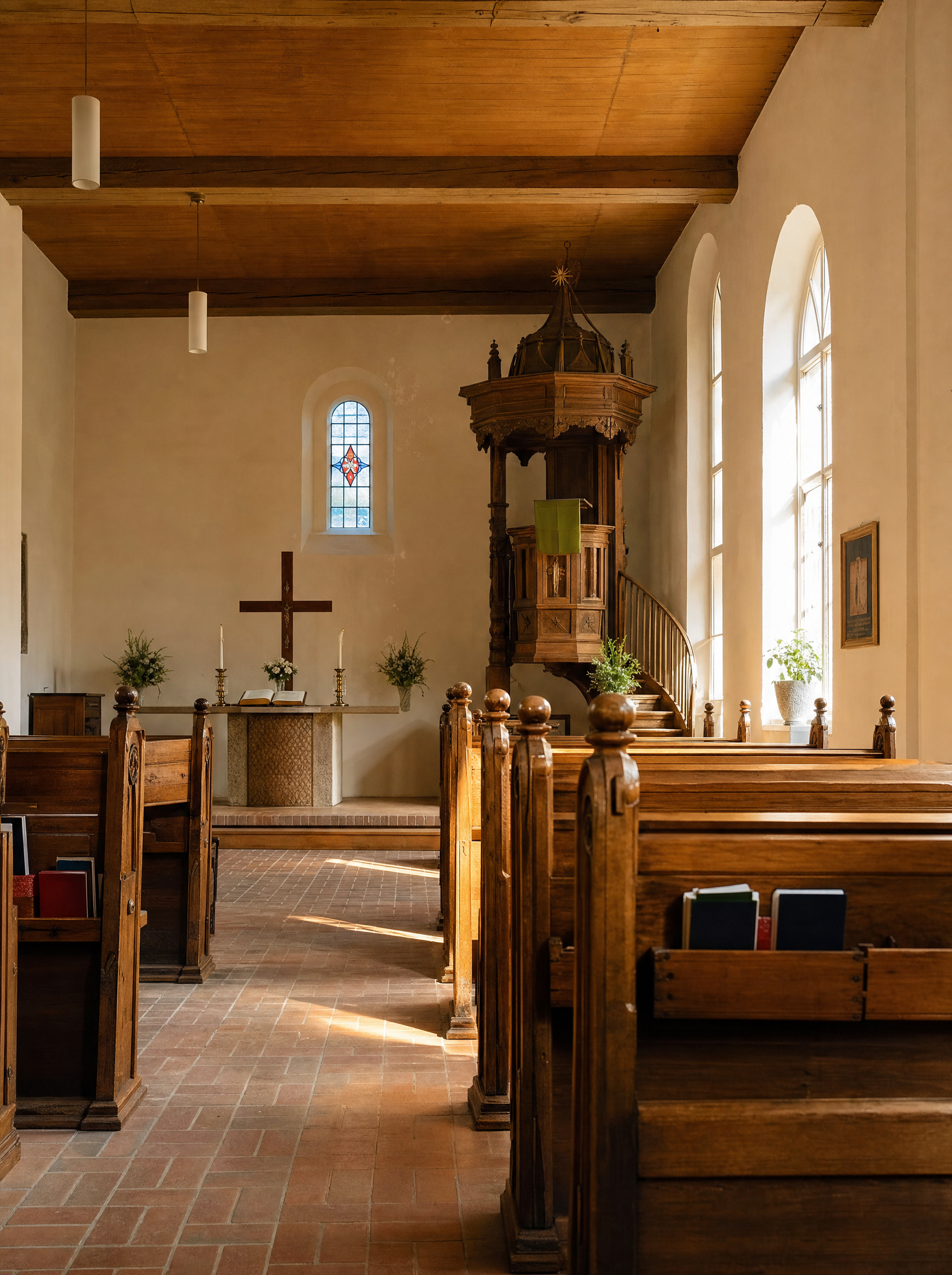
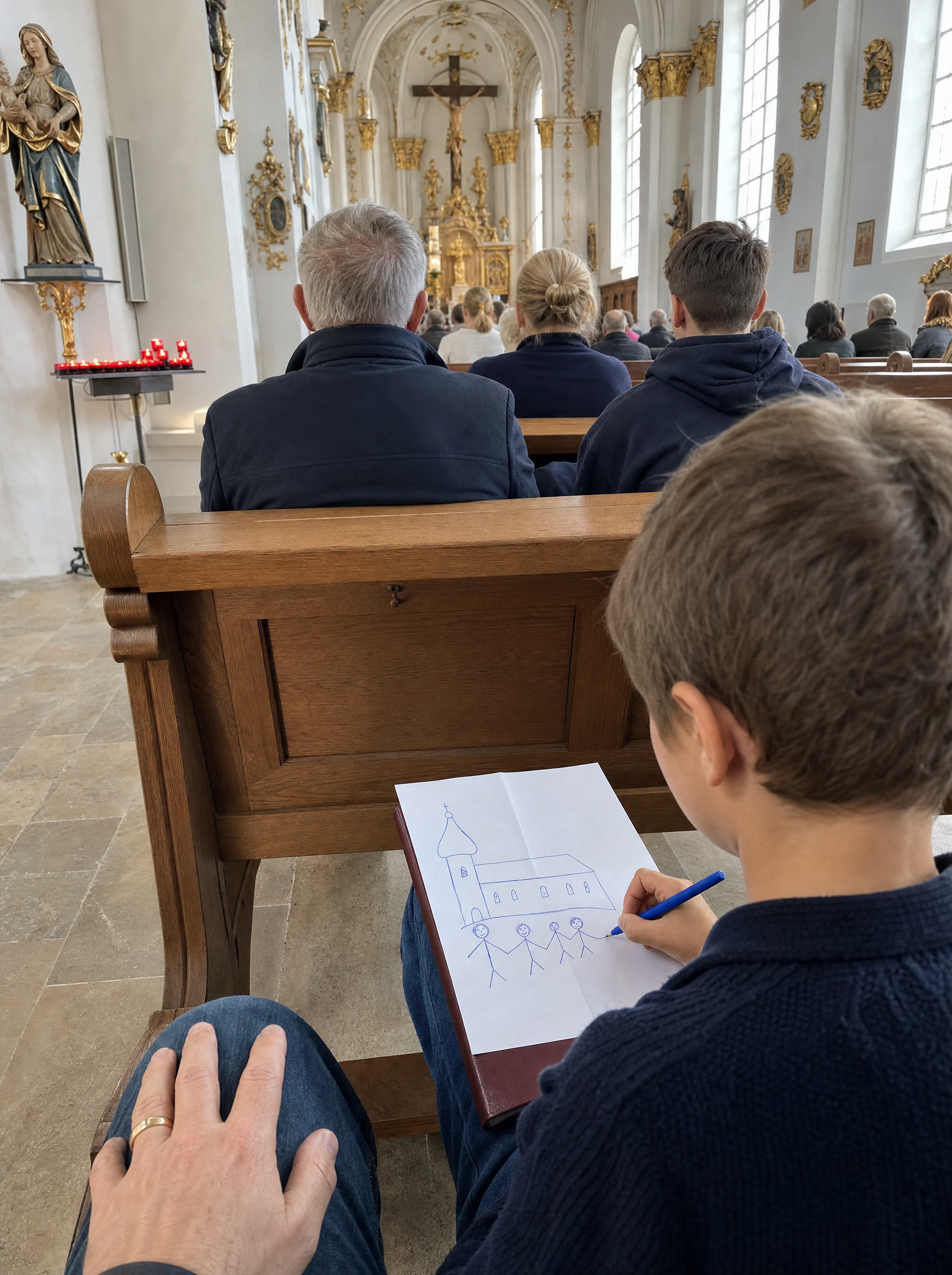
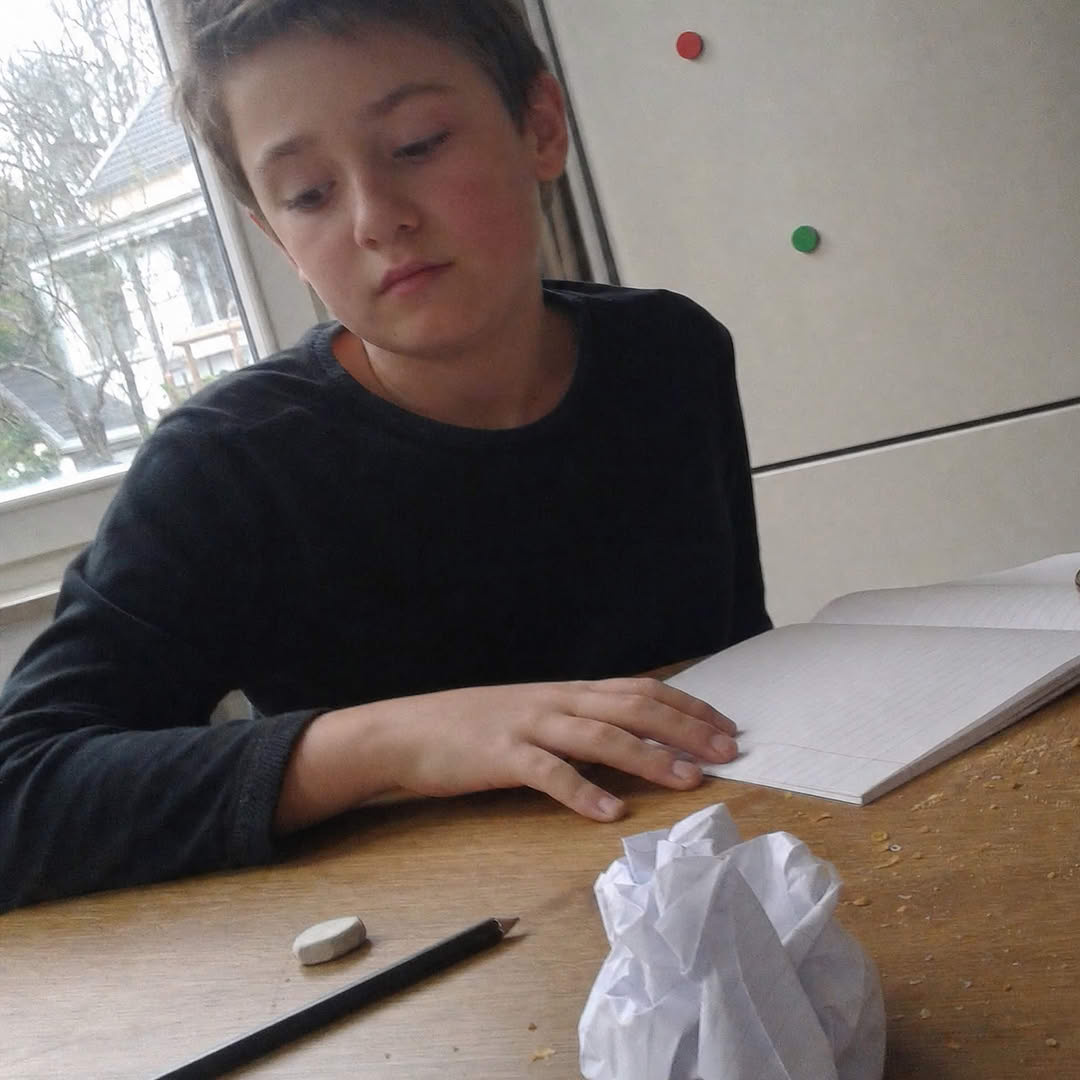
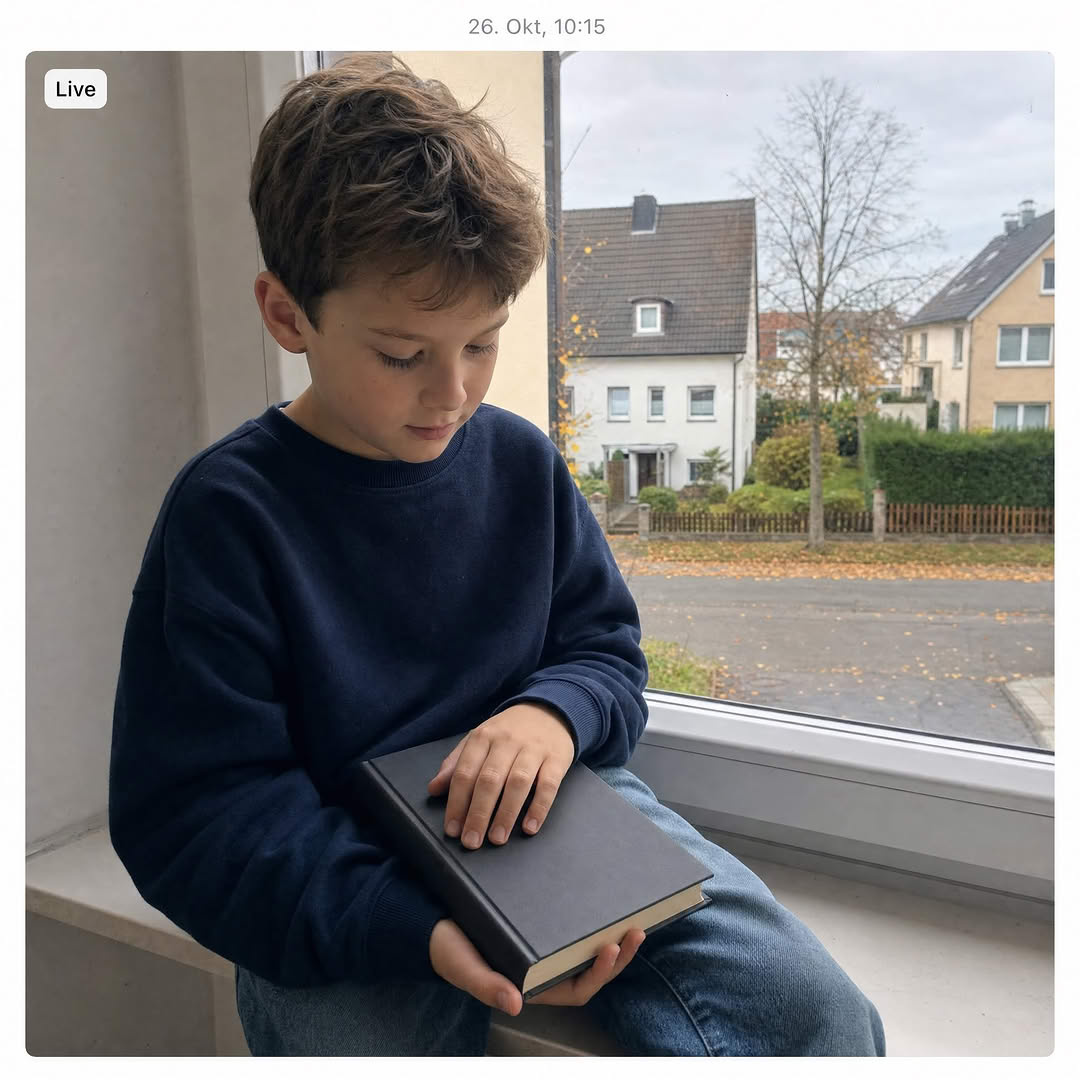
My son plays Fortnite from 8 PM to midnight on Fridays without moving. Sunday morning he's fidgeting, distracted, and bored by minute 15 of the sermon. I blamed gaming. Then my pastor told me: boredom at church is how deconstruction begins. And I've been dismissing it as a discipline issue for two years. His name is Lucas. Twelve years old. He can tell you every weapon stat in Fortnite. Every map update. Every strategy for every landing zone. Ask him what the sermon was about on Sunday? Blank stare. "I don't know, Dad. I wasn't really paying attention." For two years I told myself it was the screens. Too much gaming. Too much YouTube. Too much TikTok. If I could just get him off the devices, he'd pay attention at church. So I tried everything. No screens Saturday night before church. Limited his gaming to two hours a day. Took his phone away during the week. Sunday morning came and he was still bored by minute 15. Still fidgeting. Still zoning out. Still asking me how much longer we had to sit there. That's when I brought it up to Pastor James. "Lucas can't focus during service. I think it's the video games." Pastor James looked at me for a long time. Then he said something I wasn't expecting. "It's not the games. It's that he has nothing to do at church. His brain is sitting there idle for an hour. Of course he's bored." I started to argue. He stopped me. "Listen. Lucas can focus on Fortnite for four hours because his brain is actively engaged. Strategy. Problem-solving. Reacting. Learning. Church? He's sitting there passively receiving information he's not processing. That's not a discipline problem. That's a format problem." He paused. "And boredom at church is one of the most reliable early signs a kid is going to walk away later. Not because they're rebellious. Because their mind learned to check out — and eventually they stop coming back." I drove home gripping the steering wheel. That night I couldn't sleep. 11:47 PM, I was searching everything I could find about kids leaving the faith. I found a thread on Reddit. Ex-Christians talking about why they left. I expected to read about college professors. Atheist arguments. Intellectual objections. Instead I read this: "Boring was one of my top three reasons for leaving church." "I can sit and play D&D for 8 hours. I couldn't sit through a 60-minute sermon. That's not an attention span problem." "The boredom at church was the beginning. I started mentally checking out at 10. By 18 I was physically gone." "I learned to daydream through sermons as a kid. Eventually I just stopped showing up." I sat there reading comment after comment. All saying the same thing. Boredom wasn't a side effect. It was the beginning. The next morning I tested something. I asked Lucas to tell me everything he learned in Fortnite this week. He talked for twelve minutes straight. Map changes. New weapons. Strategy adjustments his squad made. Mistakes he wouldn't make again. Detailed. Specific. Engaged. Then I asked him what he remembered from Sunday's sermon. "It was about… being good? I think?" "What else?" Long pause. "I don't remember, Dad." He wasn't being defiant. He genuinely didn't remember. Because he hadn't been engaged. His brain had been idle for an hour while a man talked at him. Two weeks later I was at a Barnes & Noble looking for something — anything — that might help. That's when I heard a conversation two aisles over. A dad and his son. Maybe 13. "Okay," the dad said. "Explain how the covenant with Abraham connects to Jesus." The kid didn't even pause. "God promised Abraham that through his family, every nation would be blessed. That promise kept narrowing through Isaac, Jacob, and David until it got to Jesus — who's the fulfillment. Every story in between is tracking that same promise forward." I walked around the corner. "Excuse me. What's he studying?" The dad held up a workbook. Systematic Theology: 52-Week Workbook. 52 weeks. Not sermons. Not passive listening. Active work. Reading. Writing. Connecting. Thinking. "He used to zone out at church," the dad said. "Now he's the one asking to talk about what he's learning." The son added, "It's like solving a puzzle. I actually get to figure things out instead of just sitting there." I bought it that afternoon. That Sunday, Lucas and I sat down with Week 1. Not a sermon summary. Not a coloring sheet. Real content. Creation. The fall. The first promise. Why everything that comes after depends on understanding what happened here. Lucas leaned forward. "Wait — so the whole Bible is about God keeping one promise He made at the very beginning?" "Yes." "Why didn't anyone tell me that before?" We spent 40 minutes on that one lesson. He asked nine questions. Real questions. Not "what's the answer" but "how does that work" and "so does that mean..." Week 5, something shifted. Lucas came to me with the workbook open. "Dad, I think the Passover lamb and Jesus dying are the same idea. Like, it's the same thing happening twice." I hadn't told him that. He found it himself. Week 9, we were at my brother's house for dinner. My brother — not a believer — made a comment about the Bible being outdated. "Why would kids today care about a 2,000-year-old book?" Before I could respond, Lucas looked up. "Because it's not just a book. It's one story that explains everything. Where we came from. Why things are broken. How they get fixed. That's not outdated — that's the only thing that actually makes sense of the world." My brother stared at him. "How old are you?" "Twelve." "Where did you learn that?" "We've been studying it. It's actually really interesting when you understand how it all connects." My brother didn't have a response. After dinner my wife pulled me aside. "Did you teach him that?" "I gave him the framework. He built that answer himself." She shook her head. "That was completely his." Four months in, we're on Week 28. Lucas still plays Fortnite on Fridays. But Sunday mornings are different now. He doesn't fidget during the sermon anymore. He listens. And after church he'll come to me and say things like: "The pastor said that today but he didn't explain how it connects to the covenant. Should I show him what I learned in the workbook?" He's not bored. Because his brain finally has something to engage with. Last week he asked if his friend could join us for lessons. "Mason thinks the Bible is boring. I want to show him it's actually like a mystery you get to solve." I'm sharing this because I know your Sunday mornings. I know the fidgeting. The zoning out. The "how much longer" questions. And I know what you've been telling yourself. It's the screens. It's the gaming. It's their lack of discipline. But ex-Christians who walked away will tell you the truth: Boredom at church was the beginning. Not a side effect. The beginning. And if your child's brain has nothing to do during spiritual formation — if they're sitting there passively for an hour every week learning to mentally check out — that's not a video game problem. That's a format problem. The Systematic Theology Workbook is what changed that in our home. Not because it's shorter or easier or more entertaining. Because it gives their brain something to do. Reading. Writing. Connecting. Thinking. Active engagement instead of passive reception. Lucas doesn't zone out anymore. Not because I took away Fortnite. Because his mind finally has something to engage with when it comes to his faith. There's still time to fix this. Before the boredom becomes permanent. Before they stop coming back. If you found yourself thinking about your own child while reading this — we found the workbook we use here: 👉 https://discover.faith-path.co/pages/listicle-kids Your child isn't undisciplined. Their brain just needs something to do. - Mark
If you have a child read this ☝️
It's about a fundamental mistake in how we teach children the faith. A mistake that starts undermining their faith when they're only 8 years old.
LEARN MORELike this ad? Make it yours.
Crush rebuilds this exact creative around your product — your brand, your colors, your offer — in about a minute.