
Inactive· since May 17, 2026
- 73
- days it ran
- 0
- relaunches
Ad copy
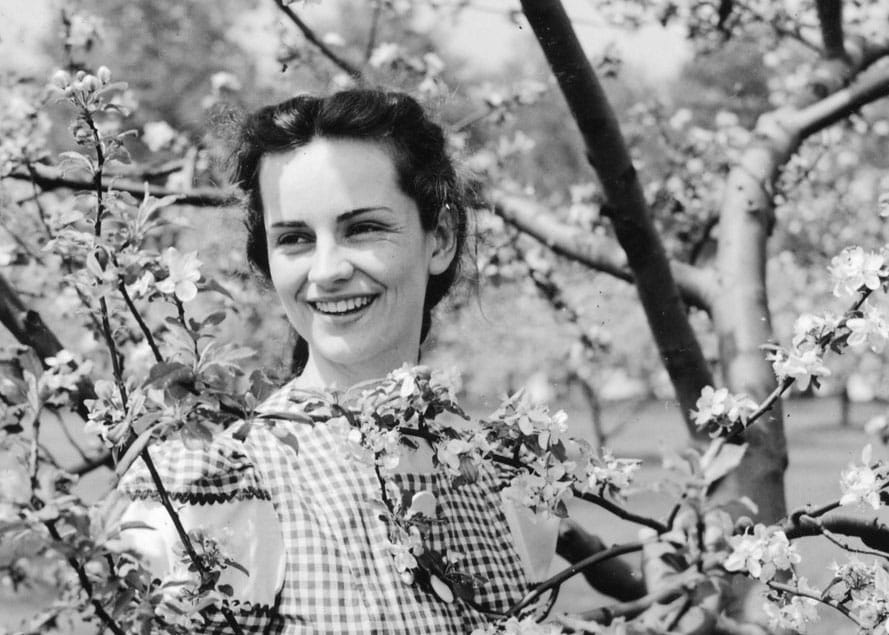
Ruth Bell Graham was sent to a missionary boarding school in North Korea when she was 13 years old. She spent her first night there praying she would not wake up in the morning. A woman who grew up in war-torn China, the daughter of medical missionaries who went to bed every night hearing gunshots in the countryside. A woman who would go on to marry one of the most influential preachers in American history and shape his ministry from behind the scenes for more than sixty years. A woman whose husband Billy Graham said, in front of audiences of thousands, that he never once prepared a sermon without asking her counsel first. And the entire trajectory of that life, every soul her husband would reach, every crusade, every book, every broadcast, traces back to one moment when she was 13 years old. She was at a missionary boarding school in North Korea. Far from her parents. Far from China, the only home she'd ever known. She told the story in her own words, decades later: "I'll never forget the night before I set sail for North Korea from Shanghai, crying myself to sleep and praying earnestly that I would die before morning. Well, morning broke over that great gray city, and obviously God had not seen fit to answer my prayer." She was thirteen years old. And she didn't want to live anymore. That homesickness didn't lift when she got to school. It got worse. She told the story of how it deepened into something she later called a crisis of faith. "I knew God loved the world and gave His only begotten son. But I was only one little person in the whole world. I didn't feel included." Read that line again. I didn't feel included. How many Christian women have felt exactly that. Read the Bible faithfully and felt like it was written about someone else. Heard the verses your whole life, John 3:16, He so loved the world, and felt like the world meant the people in the pew next to you, the missionaries on the bulletin board, the smiling families on the church website. Not you. Sat in church for thirty years and walked out wondering why everyone else seems to know God in a way you don't. That was Ruth at thirteen. So she went to her older sister Rosa, and she asked her what to do. And what her sister told her is, in my opinion, the most important sentence in this entire story. She said, "You might try putting your own name in the Bible." That's it. Put your own name in it. Ruth went back to her Bible. She opened it to Isaiah 53. And she read it like this. "He was wounded for Ruth's transgressions. He was bruised for Ruth's iniquities. The chastisement of Ruth's peace is upon him. And with his stripes, Ruth is healed." And in Ruth's own words: "Then I felt included." That was the moment. Not a sermon. Not a counselor. Not a friend telling her to cheer up. A 13-year-old girl, at the end of herself, in a boarding school in North Korea, putting her own name in the Bible and finally meeting the God who had been written to her all along. She would go on to live another 74 years. She would marry Billy Graham and turn down a life she had always wanted in Tibet to do it. She would raise five children almost entirely alone while her husband preached the gospel on every continent. She would shape the most-watched ministry in modern Christian history from behind the scenes, refusing the spotlight every time someone tried to point it at her. She would suffer through four hip replacements and decades of chronic pain and never once, according to anyone who knew her, complain about it. And when she died at 87, the thing every single one of her children said about her was that the faithfulness of God was the theme of her entire life. All of it. Every word of it. Started with a 13-year-old girl putting her name in the Bible. But here's what most Christian women never figure out, and what nobody in church seems willing to say out loud. Most of us read the Bible like Ruth read it before her sister told her the secret. We read it like outsiders looking in. We read it like it's a book about other people. Other people's stories. Other people's God. Other people's promises. We never put our own name in it. We never read Isaiah 53 and say, "He was wounded for my transgressions." We never read Psalm 23 and say, "The Lord is my shepherd." We never read John 14:27 and say, "My peace I give to you." And then we wonder why we walk out of our quiet time every morning feeling exactly the same as when we walked in. I know because I was that woman. I went to church every single Sunday for my entire adult life. I had a Bible that I genuinely tried to read. I started reading plans in January more times than I can count. I made it through Leviticus barely holding on, wondering what animal sacrifices have to do with my life. I read Romans and closed the book not being able to explain a single thing I had just read. I read the Psalms and felt comforted in the moment but couldn't tell you two days later what I had actually learned. Year after year, the same cycle. Start in January. Slow down by March. Quietly stop by April. And carry that shame, that quiet guilt of being a Christian woman who still didn't really know her own Bible, all the way back to December. When I'd tell myself again that next year would be different. And just like Ruth at thirteen, the whole time, I didn't feel included. I felt like the Bible was a book about other people, written for other people, comforting other people, while I sat on the outside trying to understand what everyone else seemed to be getting from it. The problem wasn't my motivation. It wasn't my discipline. It wasn't my faith. It was that nobody had ever shown me how to put my own name in it. Think about it this way. If someone handed you a stack of letters written 2,000 years ago, by men living under Roman persecution, written to specific churches dealing with specific theological problems you've never heard of, in a language you can't read, with a backstory nobody explained to you, would you feel included? Would you feel like those letters were written to you? That's what you're doing every time you open your Bible without context. You're reading letters, poems, prophecies, and histories written for specific people in specific moments in history, without anyone telling you who wrote them, when they wrote them, why they wrote them, what was happening at the time, and how every single line is meant for the woman reading it 2,000 years later in her kitchen at 6am. Ruth's sister did for her in one sentence what most Christian women have spent their whole lives trying to figure out on their own. She gave her context. She gave her permission. She gave her a way in. That's when I found something that changed everything. A 52-week guided study that walks you through the entire Bible, one theme at a time, from Genesis to Revelation. Before you read anything each week, it gives you a short explanation of exactly what you're about to get into. Who wrote it. When. Why. What was happening in the world at the time. And how every page connects to the God who has been writing your name in it the whole time. Isaiah, the very book that pulled Ruth out at thirteen, finally makes sense. Why it was written. Who it was written to. And why every line of it is meant for the woman reading it today, with her name in it. Psalms: not just poems for other people's hard days, but the prayers of real people who lived through the same fears and griefs and longings you have, and the God who answered them. The Gospels: who Jesus really is. Not the Sunday school version. The Jesus who was wounded for your transgressions and bruised for your iniquities and bore the chastisement of your peace. For the first time in my life, I read my Bible and I knew it was about me. For the first time, I put my own name in it. I'd open it in the morning and not want to close it. I'd read something and think about it all day. Verses I had read dozens of times suddenly meant something completely new, because I finally had the context to understand what they were saying. And because I finally believed they were saying it to me. And slowly, week by week, something shifted. I stopped feeling like an outsider in my own faith. I stopped reading the Bible like it was a book about other people. I started feeling included. Ruth Bell Graham lived 87 years of faith on the foundation of one sentence from her older sister. You might try putting your own name in the Bible. Most Christian women have never been told to do that. Most have never been shown how. Most have never read a single page of their Bible understanding that it was written to them, for them, about them. This is what finally helped me close that gap. Right now it's up to 62% off, and every order comes with a free pen pack. Don't spend another year reading the Bible like an outsider. Don't spend another year feeling like the promises are for other people. This is what Ruth Bell Graham figured out at thirteen. And it shaped the rest of her life. Tap below and grab yours before they sell out.
Like this ad? Make it yours.
Crush rebuilds this exact creative around your product — your brand, your colors, your offer — in about a minute.