Colzzi
Colzzi Facebook ad: “Say Goodbye to Sliding”
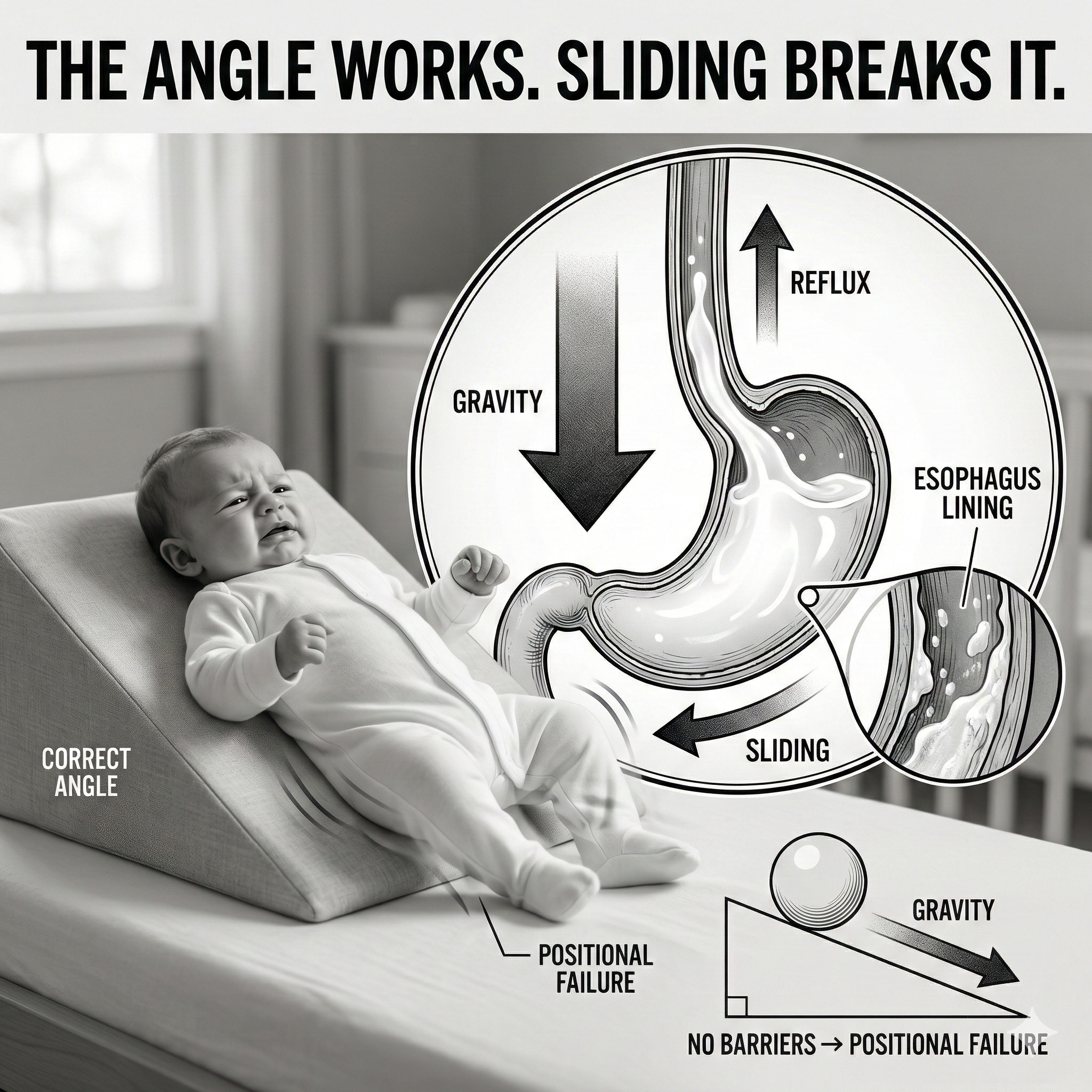
Ran for 49 days, from January 23 to March 13, 2026, the last day Crush saw it.
Run by Colzzi on Facebook. Crush is not the advertiser and does not verify its claims. See this ad in Meta's Ad Library(opens in a new tab)
Want an ad like this for your product?
Crush makes new ad images for your product from this ad: your logo, your product photo, your offer.
Trials from $19.95 USD, then $79.95 USD a month. Cancel anytime.
About this ad
- Meta Ad Library ID
- 1486476289600227
- Platforms
- Facebook, Instagram, Audience Network, Messenger and Threads
- Relaunches
- 0
Ad text
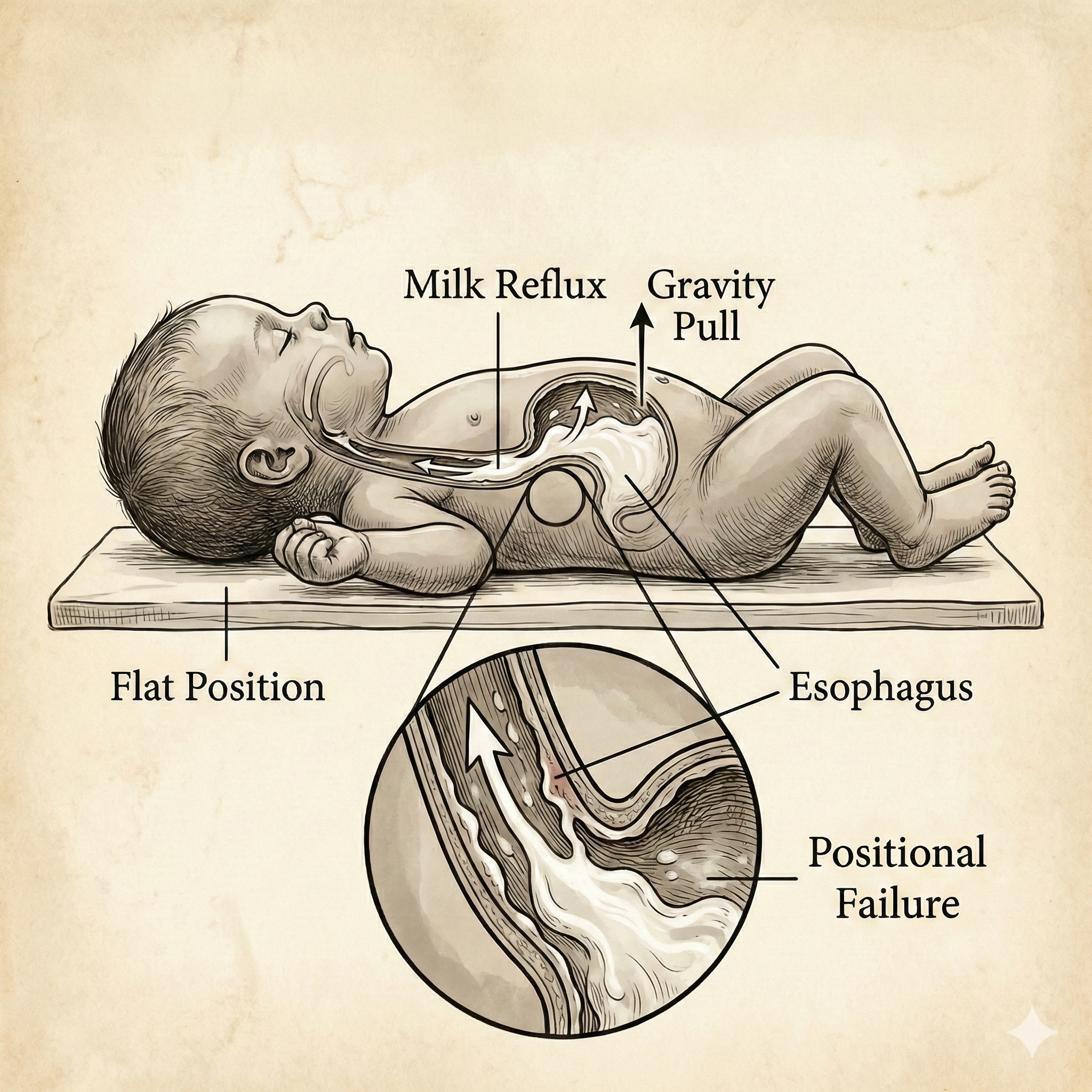
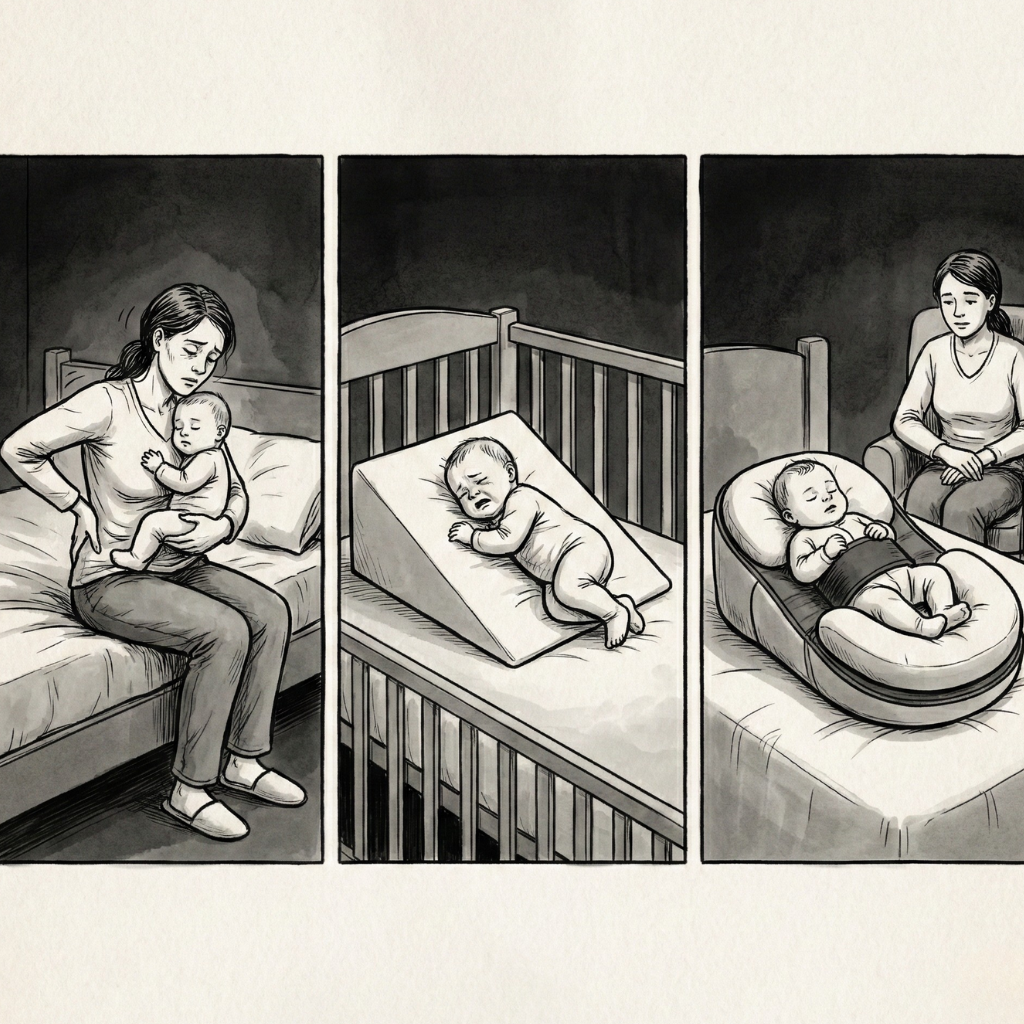
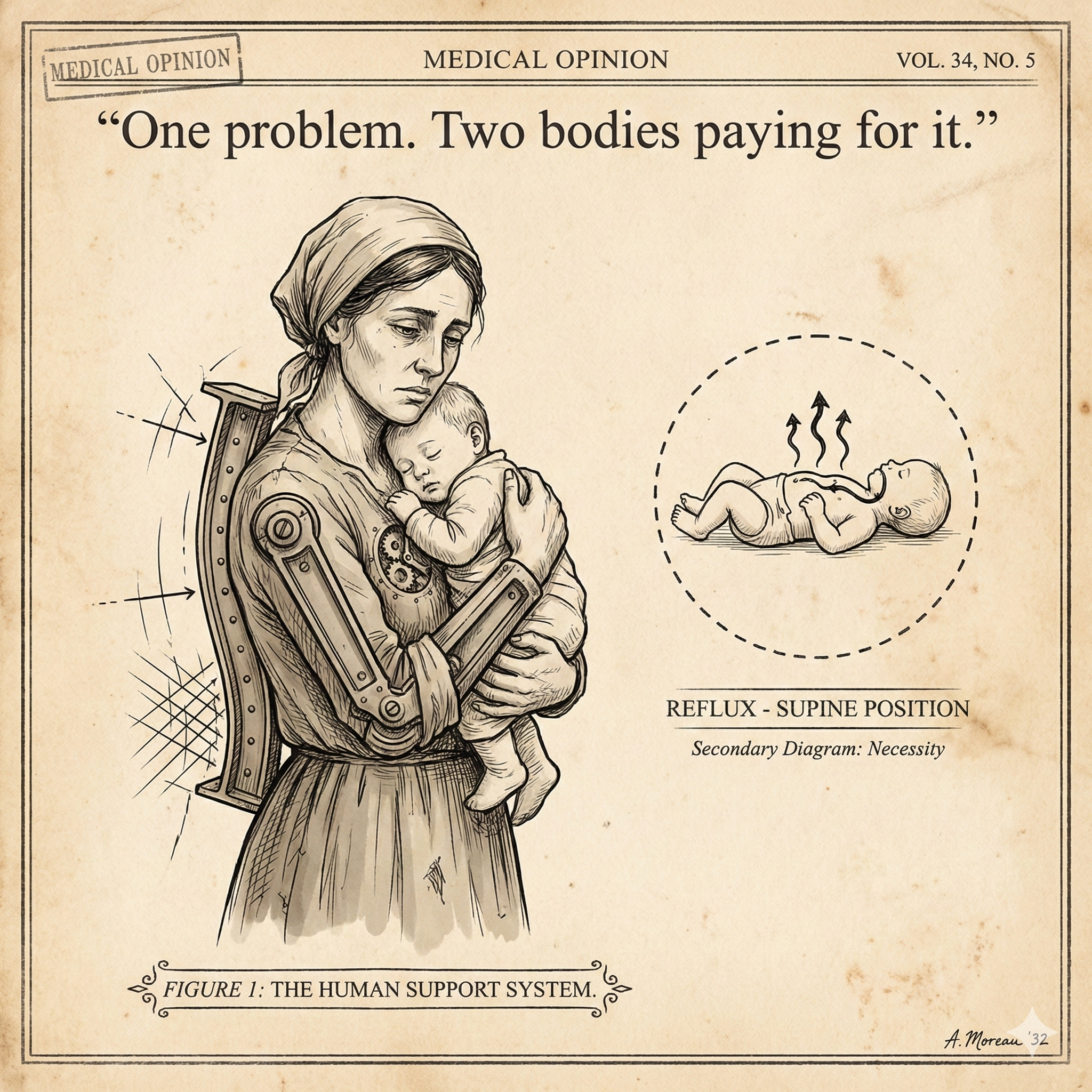
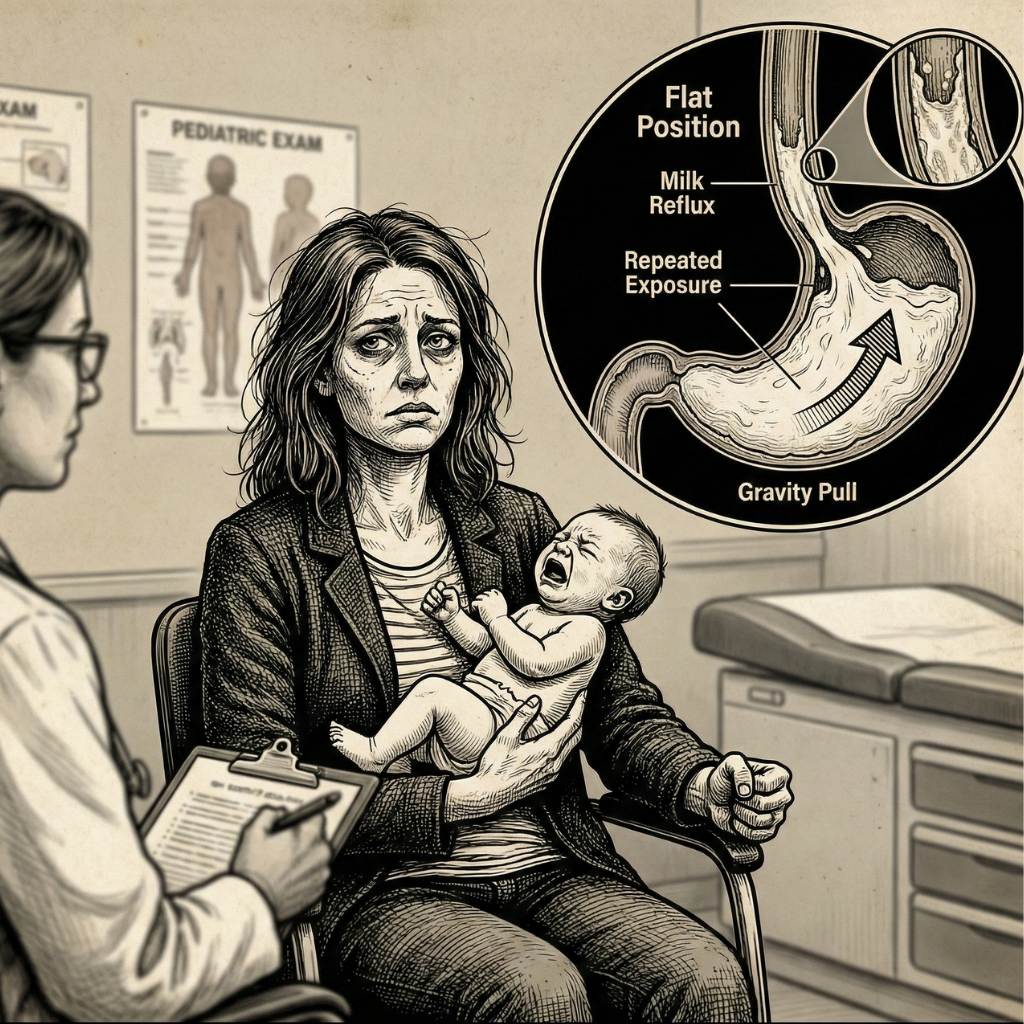
There's a reason your pediatrician won't tell you about this reflux positioning solution. And it's not because they want you to suffer. As an infant reflux specialist, I've spent the last 8 years helping one type of family: parents with reflux babies. Not the 40+ childhood conditions your pediatrician has to manage. And I realized one thing causes reflux symptoms after feeds. Positional failure during the settling window. I see the same pattern constantly — parents come to me after months of doing exactly what they were told. Holding baby upright after every feed. Trying different formulas. Buying wedge pillows from Amazon. Maybe even starting medication. They follow the advice perfectly. And their baby still screams within minutes of being put down. Here's the thing — your pediatrician isn't wrong. Keeping baby upright IS the right approach for reflux. They got that part right. But here's what they don't tell you: There's a difference between getting baby upright and maintaining the angle. And that difference is the entire reason your $75 wedge pillow is sitting in the cupboard. Your pediatrician sees ear infections, growth concerns, sleep regressions, feeding issues, developmental milestones, and yes — occasionally — reflux. They can't spend their evenings engineering positioning systems that actually prevent babies from sliding. That's not their job. It's mine. And the research is clear: The 15° angle prevents acid backflow. But only if baby stays positioned. Your pediatrician gave you the right category of advice. But general advice doesn't account for the fact that babies are wiggly. Here's the part nobody explains properly. Think of it like trying to keep a ball on a ramp. The angle is right. The physics work. But without barriers, the ball rolls to the bottom every time. That's your baby on a wedge. Could you eventually keep baby positioned on a standard wedge? Sure — if you stood there holding them in place for the full 30 minutes. We're talking constant physical supervision pressing baby into position. And even if you have that kind of time, that defeats the entire point of the wedge. So that's not a real option. Anti-roll containment is different. The positioning guides keep baby centered at the therapeutic angle — where they need to be for the settling window. Safely. For the full 30 minutes. That's not a sales pitch. I know it sounds obvious because everyone says "just use a wedge." But the research is clear. And it's my job to let parents know the truth — because reflux positioning has been oversimplified for far too long. Now I need to tell you something you probably don't want to hear. This holding pattern isn't static. It's getting worse. Every day you hold baby for 4+ hours, more damage accumulates in your spine. The dependency pattern gets stronger. You both become more locked into this unsustainable cycle. And you realize your entire day is structured around those 30-minute holding windows. And here's the part people don't think about: Constant holding for months is the perfect breeding ground for chronic back problems. That's when you get the serious stuff — herniated discs, nerve damage, chronic pain that lasts years after your baby outgrows reflux. What starts as temporary discomfort becomes permanent injury. Something you have to manage long after reflux is a distant memory. I see it constantly. Parents who came to me after months of managing with holding and wedges. They all say the same thing: "I wish I'd found this 8 weeks ago." They're not wrong. So how do you actually maintain the therapeutic angle hands-free? Well, until recently, you had two options. Option one: Pay a night nurse $200+ nightly to hold your baby in shifts. Hope you can afford it long enough for reflux to resolve. Book them again tomorrow night. Option two: Destroy your back and survive on 3 hours of sleep. After years of watching parents struggle with those options — following advice that physically couldn't be sustained, wasting money on wedges that babies slid down within minutes, blaming themselves when nothing improved — I helped create something you can actually use at home. For every feed. For as long as your baby needs it. I worked with the team at Colzzi to engineer what became CozyCradle. A pediatric-engineered positioning system. Three parts: First, the 15° Pediatric-Formula Angle. CozyCradle maintains the exact angle pediatricians recommend when they tell you to keep baby upright. The same therapeutic position that works when you hold baby. Just delivered through engineering instead of your spine. Second, the Anti-Roll Containment System. This is what makes CozyCradle categorically different from wedge pillows. Gentle positioning guides keep baby centered. Breathable belt system prevents sliding. Baby shifts naturally but stays at the angle. The therapeutic positioning doesn't disappear after 10 minutes like it does on standard wedges. In consumer studies, 88% of parents reported their baby stayed positioned for the full 30-minute settling window — something that never happened with standard wedges. One parent described it perfectly: "With the wedge, I'd watch her slide. With CozyCradle, she shifts but stays at the angle. That's the difference between it working and not working." Third, the Breathable Safety Engineering. This isn't a sleep wedge. It's for supervised post-feed settling while you stay in the room. Breathable fabric ensures complete airflow. You supervise nearby, just like when you hold them. The difference? Your hands and back are free. The Parents' Choice 2025 Award recognizes both the effectiveness AND the safety engineering of this design. Place baby after feeding. Supervise nearby. That's it. It maintains the angle your arms have been maintaining — without destroying your back. I didn't create this to sell you something. I created it because I was genuinely frustrated. Parents weren't doing anything wrong. They just didn't have the right tools. Or the right knowledge about why wedges fail. Now they do. So what actually happens when you maintain the angle properly? First use — 30 minutes after feed — most parents see the difference immediately. Baby doesn't scream when placed down. That tight arching you've gotten so used to? It softens. They settle into the angle naturally. By day 3, you're not holding for 45 minutes anymore. Maybe 5 minutes to calm them, then into CozyCradle. Your arms can actually rest. By week one, the back pain starts improving. You're not hunched over constantly. Not carrying baby on one hip all day. By week two, you notice something bigger. You made coffee with both hands. Played with your toddler on the floor. Took a shower without rushing. Small things that felt impossible a month ago. By week four, this is just how feeding works now. Feed. Place in CozyCradle. Supervise nearby while you exist as a human. The daily exhaustion that used to run your life? Background noise now. But here's where it gets interesting. Week 4 to 12 is when the deeper pattern breaks. You stop flinching when baby fusses after feeds. Your back stops expecting the 4-hour daily punishment. Your baby stops associating "put down" with "abandoned." By week 12, you're not "managing" reflux anymore. You're just... living. That's the goal. Not "slightly better holding time." Not "more manageable reflux." Forgetting you were ever trapped in the holding cycle. But what happens if you don't take action? You'll still be holding baby for 30-45 minutes after every feed. Still timing your entire day around feeding windows. Still unable to leave the house alone with baby. Still waking up with back pain. Except it won't be the same. It'll be worse. More holding as baby gets heavier. More back pain as damage accumulates. More resentment as months tick by. More isolation as you cancel plans because "feeding is complicated." You become "the parent who can't put their baby down." And six months from now — when baby outgrows reflux but your back doesn't recover — you'll wish you had. But it doesn't have to go that way. You're not stuck with this. Your baby doesn't need YOU specifically. They need the 15° angle. And positional failure can be solved with proper containment. 30 minutes after each feed. The same angle pediatricians recommend. Anti-roll containment that actually prevents sliding. A system engineered by someone who only focuses on reflux positioning. This is fixable. You just need the right tools. Which is exactly what I'm giving you. I'm not even asking you to say yes. I'm asking you to say maybe. Maybe this is the thing that finally lets you put baby down. Maybe this is what gives you your hands back. Maybe this is how you get through the next three months without permanent back damage. You've got 90 days to find out. If you're not happy — if your baby isn't settling peacefully and your back isn't thanking you — you get your money back. I'm just asking you to try. Click below to get your CozyCradle positioning system.
Where the ad sends people
colzzi.com
Say Goodbye to Sliding
🌟 Built on positioning principles trusted in NICU care ✅ Keeps baby steady at the angle their body settles best in 💚 Helps reduce the discomfort, tension, and fussiness that follow reflux 📦 Free shipping • 90-day risk-free trial
Shop now: colzzi.com(opens in a new tab)