Colzzi
Colzzi Facebook ad: “Say Goodbye to Sliding”
Ran for 3 days, from January 29 to February 1, 2026, the last day Crush saw it.
Run by Colzzi on Facebook. Crush is not the advertiser and does not verify its claims. See this ad in Meta's Ad Library(opens in a new tab)
Want an ad like this for your product?
Crush makes new ad images for your product from this ad: your logo, your product photo, your offer.
Trials from $19.95 USD, then $79.95 USD a month. Cancel anytime.
About this ad
- Meta Ad Library ID
- 25476290278722933
- Platforms
- Facebook, Instagram, Audience Network, Messenger and Threads
- Relaunches
- 0
Ad text
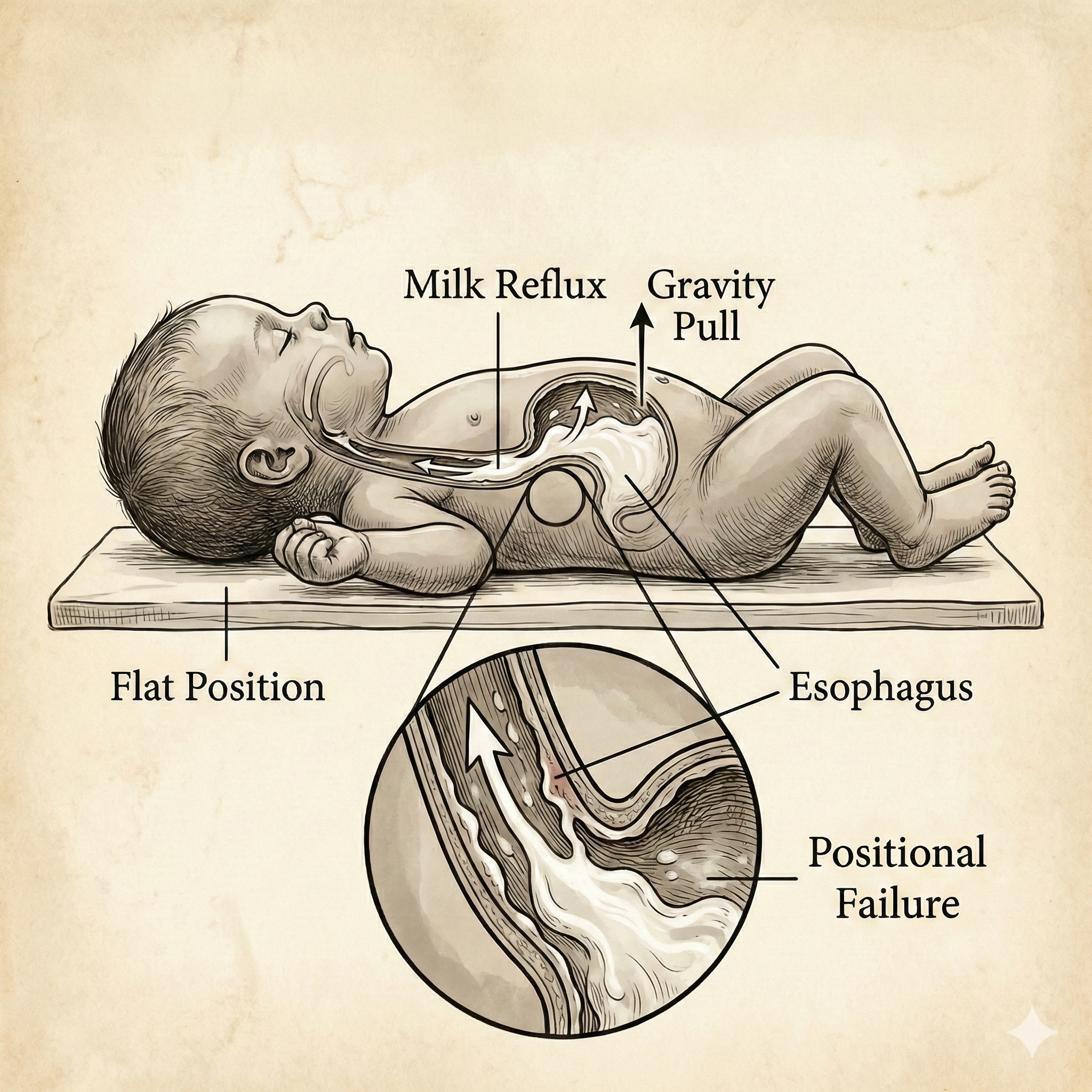
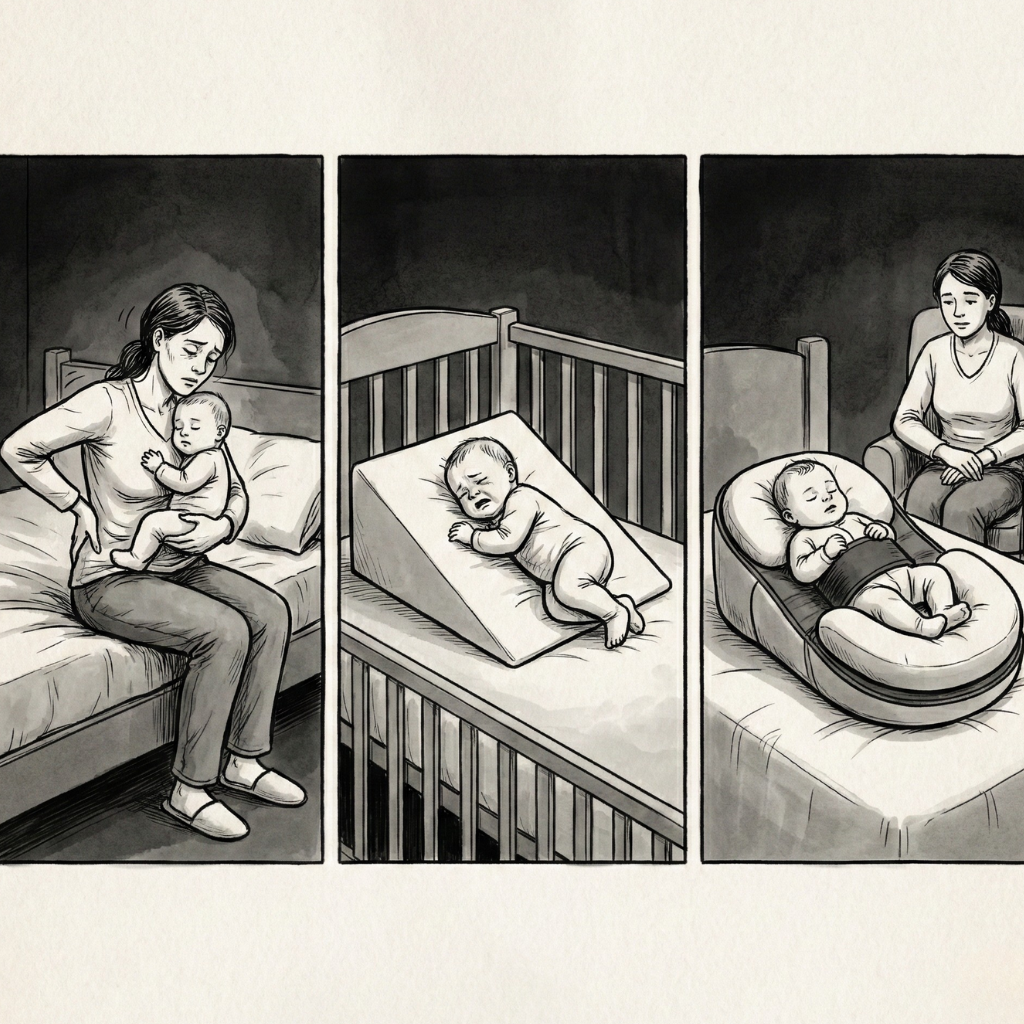
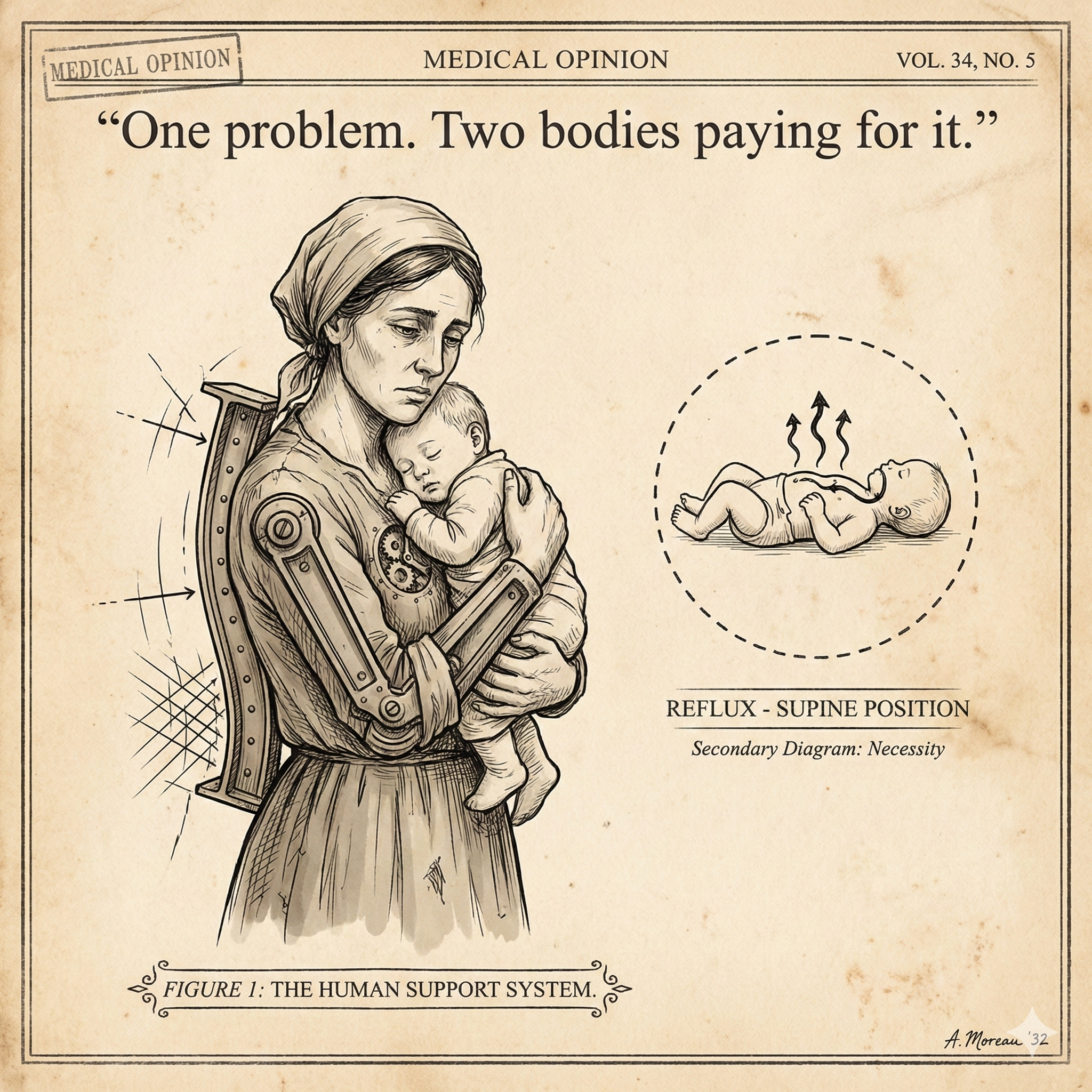
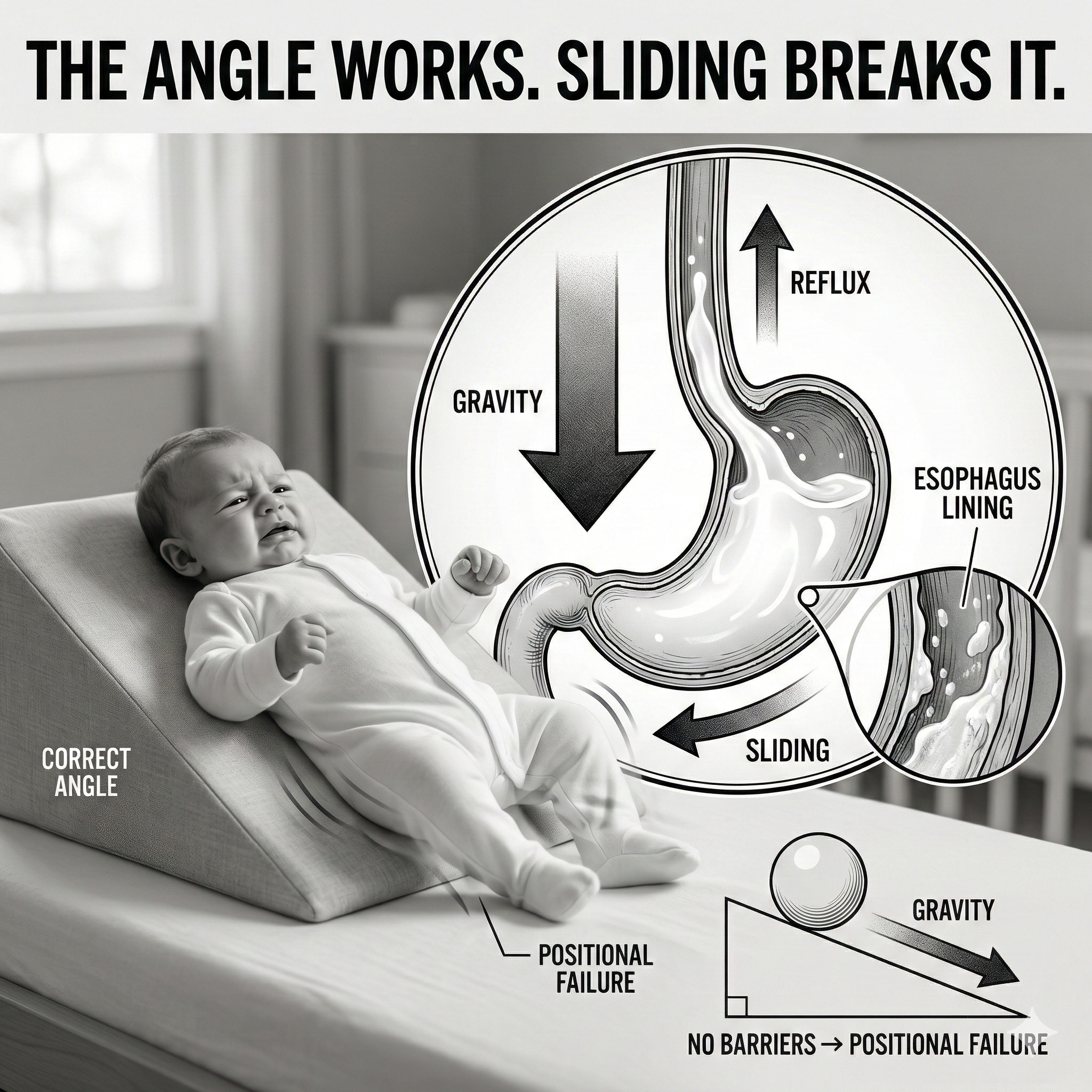
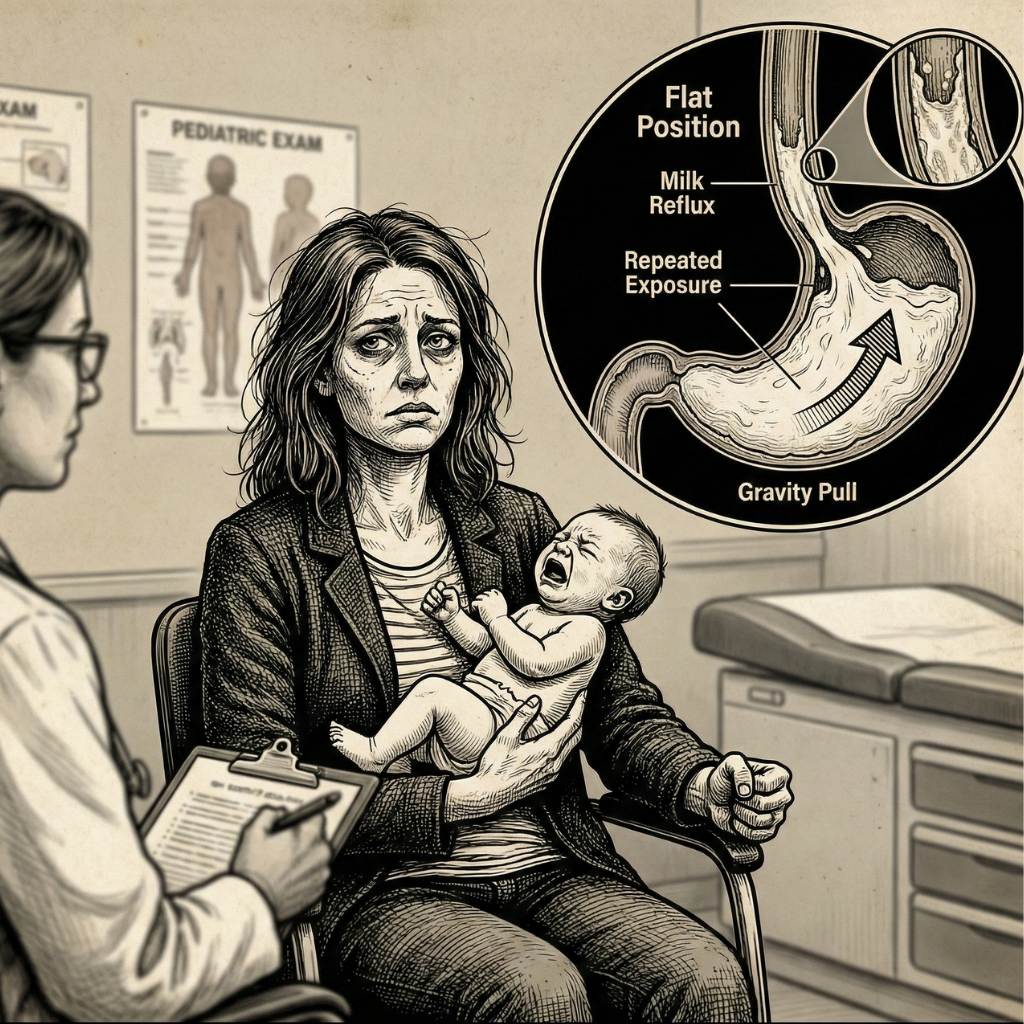
I was forced to choose: keep holding my daughter upright for 45+ minutes after every feed destroying my back... or watch her arch and scream within 10 minutes of any wedge placement. Then a pediatric positioning consultant told me there was a third option. ======== Emma had been my world for four months. Every evening feed, I'd hold her upright against my chest for 45 minutes because it was the only position where she didn't scream. That's how I first noticed something was wrong—not with her, but with me. My lower back started seizing every time I bent down to pick up the diaper bag. ======== The back pain started small. A little stiffness I convinced myself was just new-parent posture. Then I couldn't lift the car seat without wincing. Then I needed my husband's help getting off the couch. Then I watched myself in the bathroom mirror trying to put on shoes and couldn't bend forward at all, and I realized this wasn't sustainable. ======== The pediatrician appointment felt like being handed a life sentence. "Reflux," Dr. Patterson said, barely looking up from her notes. "Pretty common. Keep holding her upright after feeds for at least 30 minutes. She should outgrow it by 6 months." She trailed off, already moving toward the door. I filled in the blank myself: six more months of this would cripple me. ======== I tried everything the online forums recommended. Different formulas. Smaller, more frequent feeds. Elevating one end of the crib mattress. Three different wedge pillows from Amazon with hundreds of four-star reviews. Every single wedge followed the same pattern: I'd position Emma carefully at the top. She'd seem comfortable for maybe 5 minutes. Then she'd shift. Wiggle. And within 10 minutes, she'd worked her way to the bottom—completely flat—and the screaming would start. The angle I'd carefully created? Gone. Every. Single. Time. ======== My husband didn't understand. "Just put her down," he'd say, looking at the $45 "medical grade" wedge we'd just bought. "That's what it's for." He didn't see what I saw. Didn't notice that within minutes she was flat. Didn't hear the quality of her cry—the one that meant reflux pain, not just fussing. The tension started building between us. "Why can't you just use the wedge?" "It doesn't work." "Other babies use wedges." "Other babies don't have her reflux." I stopped trying to explain. ======== I started researching that night. 2:47 AM, sitting on the nursery floor with my laptop, Emma finally asleep against my chest after the 11 PM feed. Google search after Google search. "Why won't baby stay on wedge" "Baby slides down wedge pillow" "How long to hold baby upright reflux" Every forum said the same thing: hold them upright or let them scream. Those are your options. Some parents wrote about holding for an hour. Two hours. One mother said she'd held her son upright for four months straight, sleeping in a recliner, before her back gave out and she needed surgery. I was four months in. I couldn't imagine four more months. ======== I tried the expensive carrier next. The kind designed for newborn reflux that keeps them upright against your body. Emma tolerated it for about 20 minutes before arching backwards, furious. I tried "baby wearing" through the crying like the blog posts said. She screamed harder. My shoulders felt like they were on fire. My lower back spasmed every time I tried to sit down. Nothing changed. ======== The back pain kept worsening. I started avoiding lifting Emma from the floor—I'd kneel down instead, no bending. Stopped carrying her in the car seat. Started asking my husband to do bath time because I couldn't lean over the tub anymore. One evening I was standing in the kitchen, just frozen with Emma in my arms. Couldn't figure out how to set her down without triggering a pain spasm. Couldn't keep holding her upright. I caught my reflection in the dark window—hunched, defeated, trapped. That's when I broke. ======== I found the reflux support group through a desperate Facebook search at 3 AM. The meeting was in a church basement, fifteen exhausted-looking parents in a circle with their babies. I almost didn't go—felt pathetic needing a support group for something everyone said was "normal." But I was desperate. ======== That's where I met Sarah. Her baby, Connor, was the same age as Emma. But while the rest of us held our babies or bounced them or walked laps around the room—Sarah was sitting in a folding chair, actually drinking coffee. With both hands. Connor was settled in something I'd never seen before. Not flat. Not in her arms. Just... positioned. Comfortable. Asleep. I stared. During the break, I walked over. "How?" I asked, pointing at Connor. She smiled, but it was sad. Like she knew exactly where I was. "Have you heard about angle maintenance?" she asked. I shook my head. ======== "It's not another wedge," she said carefully, seeing my face. "I mean, it looks like one at first. But the engineering is completely different." She pulled out her phone and showed me a photo. "Most wedges fail because of one thing: babies slide down. Every single wedge you've tried—doesn't matter the brand, doesn't matter the price—they all have the same design flaw. There's nothing preventing your baby from working their way to the bottom." I thought about the three wedges in Emma's nursery. The expensive foam one. The "breathable" mesh one. The "medical grade" one from the baby specialty store. She was right. They were all just... ramps. Open ramps. "Within 10 minutes, they're flat again," Sarah continued. "The angle you positioned them at is gone. Gravity wins. Reflux comes back." "But holding works," I said. "Exactly," she said. "Because when you hold your baby upright, you're naturally creating about 15 degrees of elevation—that critical angle that prevents acid backflow. And you're maintaining it. Your body is the containment system." She looked at me directly. "The problem isn't that wedges don't work. The problem is that wedges can't maintain the angle." ======== "Why hasn't anyone told me this?" I asked. She laughed, but there was no humor in it. "Because pediatricians don't engineer solutions. They diagnose reflux and say 'hold them upright' but they never explain HOW to maintain that angle without destroying your spine. And wedge companies? They make cheap foam because it's profitable. Nobody's actually solving the angle maintenance problem." She explained something I'd never heard before. When you place a baby on a standard wedge, the angle might be fine initially. But babies don't stay still. They shift. They wiggle. Their little legs push against the fabric. And because there's no positioning system, no containment, they gradually slide down. Ten minutes. Fifteen if you're lucky. And once they slide, that therapeutic 15-degree angle you created? Gone. They're back to flat. Gravity is working against them again. The reflux returns. The screaming starts. "But if you engineer actual positioning with anti-roll containment," Sarah said, "it maintains the angle. The same 15-degree angle you create when you hold them—just delivered without your body." She showed me a cross-section diagram on her phone. "See these positioning guides? They keep baby centered. Prevent the slide. The angle stays consistent for the full 30-minute settling window." I stared at the image. "Think of it like the difference between a ball on an open ramp and a ball in a guided track," she said. "One rolls to the bottom every time. The other stays where you put it." ======== "So why don't all wedges have this?" I asked. "Because it's harder to engineer. More expensive to manufacture. And most parents don't understand the mechanism—they just keep buying new wedges, thinking the next brand will be different." She looked at Connor, still peacefully positioned. "I spent $130 on three different wedges before someone at my pediatrician's office mentioned engineered positioning systems. I was so angry. Four months of destroyed sleep and back pain because nobody told me the problem wasn't the angle—it was maintaining it." ======== I ordered the CozyCradle that night. It arrived two days later. I'm not going to pretend it was a miracle overnight. Emma didn't immediately settle for an hour. My back didn't heal in 48 hours. But I'll tell you what I noticed. ======== Day one: I positioned Emma after her evening feed, the way I'd done with every wedge before. Held my breath. Watched. Five minutes. Still positioned. Ten minutes. Still there. Not at the bottom. Fifteen minutes. I actually walked into the kitchen. Twenty minutes. I started loading the dishwasher. She stayed positioned for 28 minutes before stirring. Not because of reflux—just because she was ready to wake up. I stood there with a plate in my hand, crying. ======== Week one: Emma was settling for 20 to 25 minutes consistently. Not the full 30 yet, but so much better than the 8 minutes on regular wedges. My shoulders stopped automatically tensing after every feed. ======== Week two: She made it to 30 minutes after her afternoon feed. I sat on the couch—just sat, with both hands empty—and watched her breathe. My husband came home from work and found me crying again. "What's wrong?" "Nothing," I said. "I'm just... sitting." He didn't understand, but he sat next to me. Put his hand on my back—the spot that had been too painful to touch for weeks. It didn't hurt as much. ======== Week three: Emma settled for the full 30-minute window after every feed. The arching stopped. The desperate screaming stopped. I ate dinner. At the table. With both hands. ======== Week four: My back pain was improving. Not gone—four months of damage doesn't heal in a month. But I could bend down to pick up toys. Could lift the car seat without bracing myself. I caught myself humming while making bottles. When was the last time I'd hummed? ======== Week six: My husband said something while I was changing Emma's diaper. "You're smiling again." I looked up. "I didn't realize I'd stopped," I said. "You did," he said quietly. "For about three months. But you're back." ======== I took Emma back to Dr. Patterson for her 6-month checkup. "The reflux resolved?" she asked, scanning her notes. "We managed it," I said. "With engineered positioning." She looked up, confused. "Not medication?" "No," I said. "Angle maintenance. Anti-roll containment. Turns out the problem wasn't the angle itself—it was keeping babies positioned at the angle long enough for it to work." She nodded slowly, but I could tell she didn't really understand. She hadn't watched three wedges fail. Hadn't spent four months as a human positioning device. Hadn't felt her back seize up every morning. She'd just said "hold them upright" and moved to the next patient. ======== I think about that choice a lot. The choice I thought I had: hold her and destroy my back, or use wedges and listen to her scream. I think about the alternate timeline where I kept holding for six months. Where maybe my back recovered eventually, or maybe I ended up like that mother in the forum who needed surgery. Instead, Emma is eight months old now, outgrowing her reflux naturally, and I can lift her without pain. She settles after feeds. I eat meals sitting down. My husband and I talk again instead of fighting about why I can't "just use the wedge." ======== I'm sharing this because I know there are parents reading this right now who are exactly where I was five months ago. Holding their baby for 45 minutes after every feed because it's the only thing that works. Watching their baby slide to the bottom of every wedge within 10 minutes, no matter which brand they buy. Being told "hold them upright" by doctors who never explain how to do that without destroying your body. Feeling like they're failing because they can't sustain something that was never sustainable. There's a third option. It's not guaranteed to work for every baby—nothing is. But it's engineered. It maintains the angle. And for babies whose parents are too exhausted, too injured, or too desperate to keep being human positioning devices for months—it's hope. ======== I'm not a doctor. I'm not a pediatric consultant. I'm just a mother who almost accepted that back pain and exhaustion were the price of managing reflux. If your baby only settles when held upright— If you've tried multiple wedges and they all failed the same way— If your pediatrician said "hold them after feeds" but you can't sustain it— If your back is screaming and your partner doesn't understand and you feel trapped— You need to know what Sarah told me. ======== The problem isn't the angle. The problem is maintaining it. ======== I'll leave the link below to the CozyCradle. I don't get anything from sharing this. I just know what it's like to think holding is your only option when your back is running out of time. It's not. Emma just woke up from her afternoon nap, and I'm going to go pick her up—without bracing myself, without wincing, without that spike of pain I used to get every single time. That's worth knowing about. 👉 https://colzzi.com/products/cozycradle%E2%84%A2 ======== P.S. That $130 I spent on three failed wedges? I would have spent ten times that to get four months of my life back. The CozyCradle costs less than two of those wedges. And it actually works. Try it here: https://colzzi.com/products/cozycradle%E2%84%A2
Where the ad sends people
colzzi.com
Say Goodbye to Sliding
🌟 Built on positioning principles trusted in NICU care ✅ Keeps baby steady at the angle their body settles best in 💚 Helps reduce the discomfort, tension, and fussiness that follow reflux 📦 Free shipping • 90-day risk-free trial
Shop now: colzzi.com(opens in a new tab)