
Inactive· since Apr 27, 2026
- 138
- days it ran
- 0
- relaunches
Ad copy
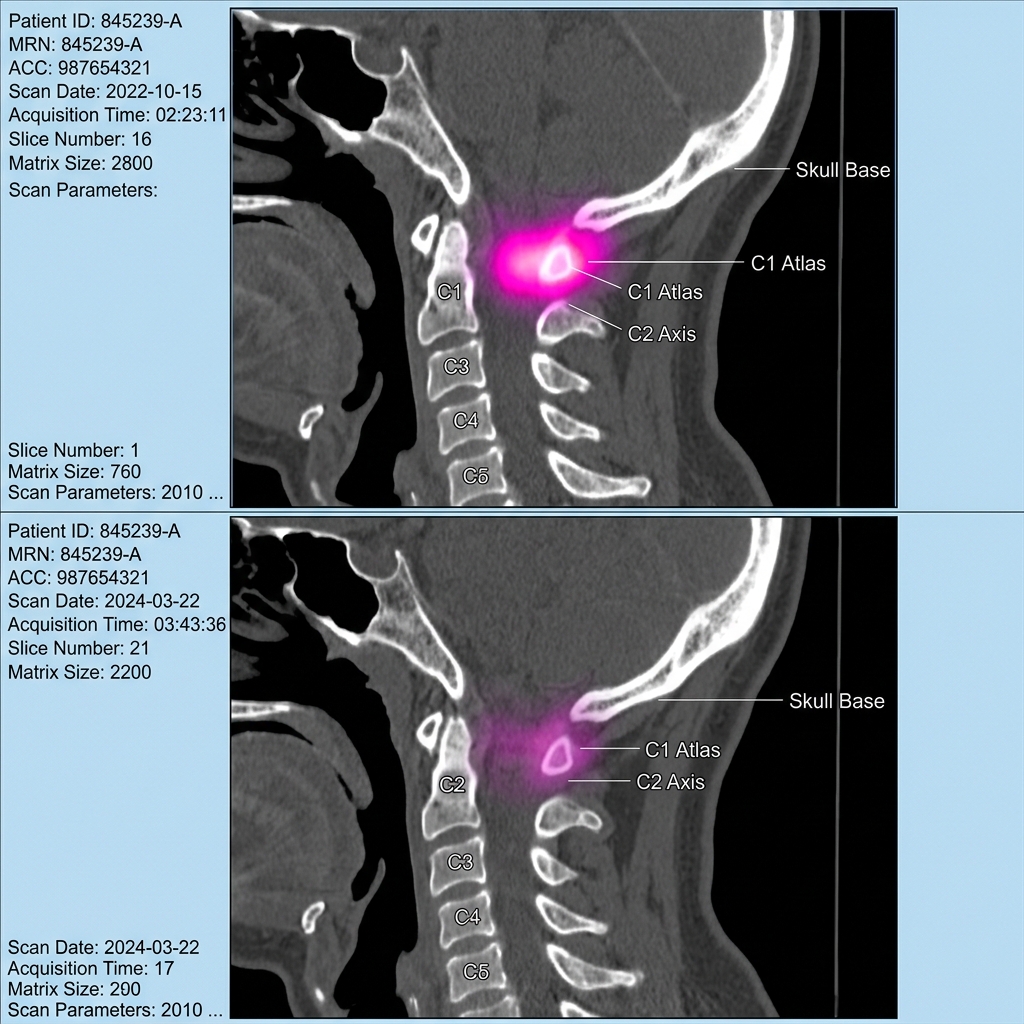
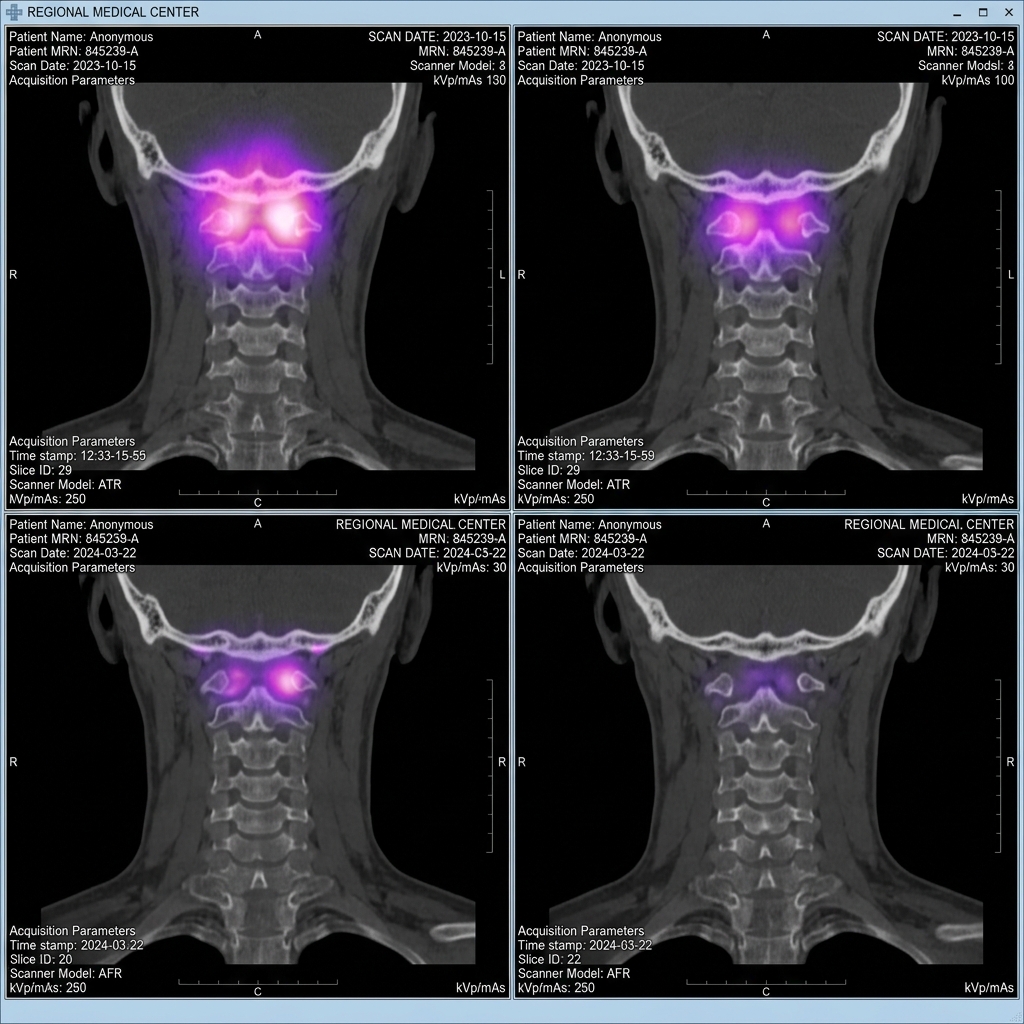
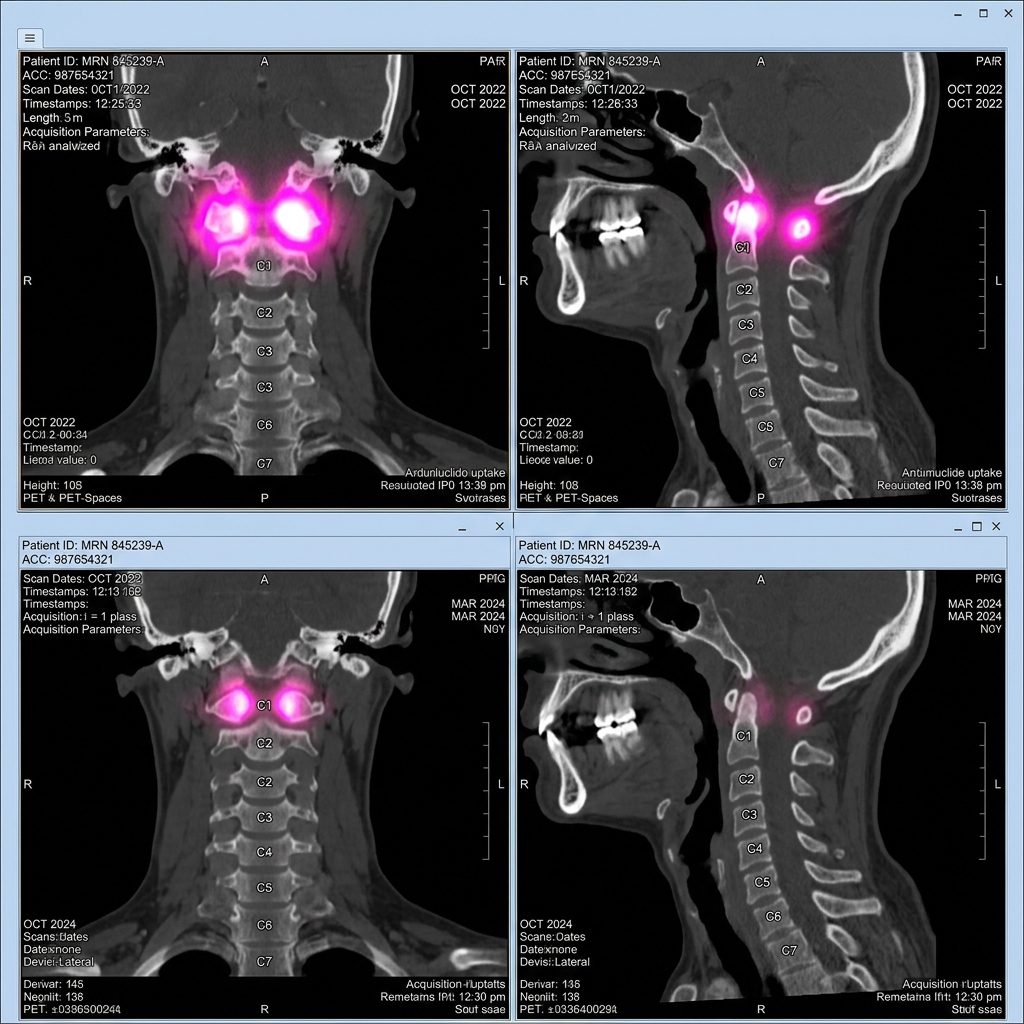
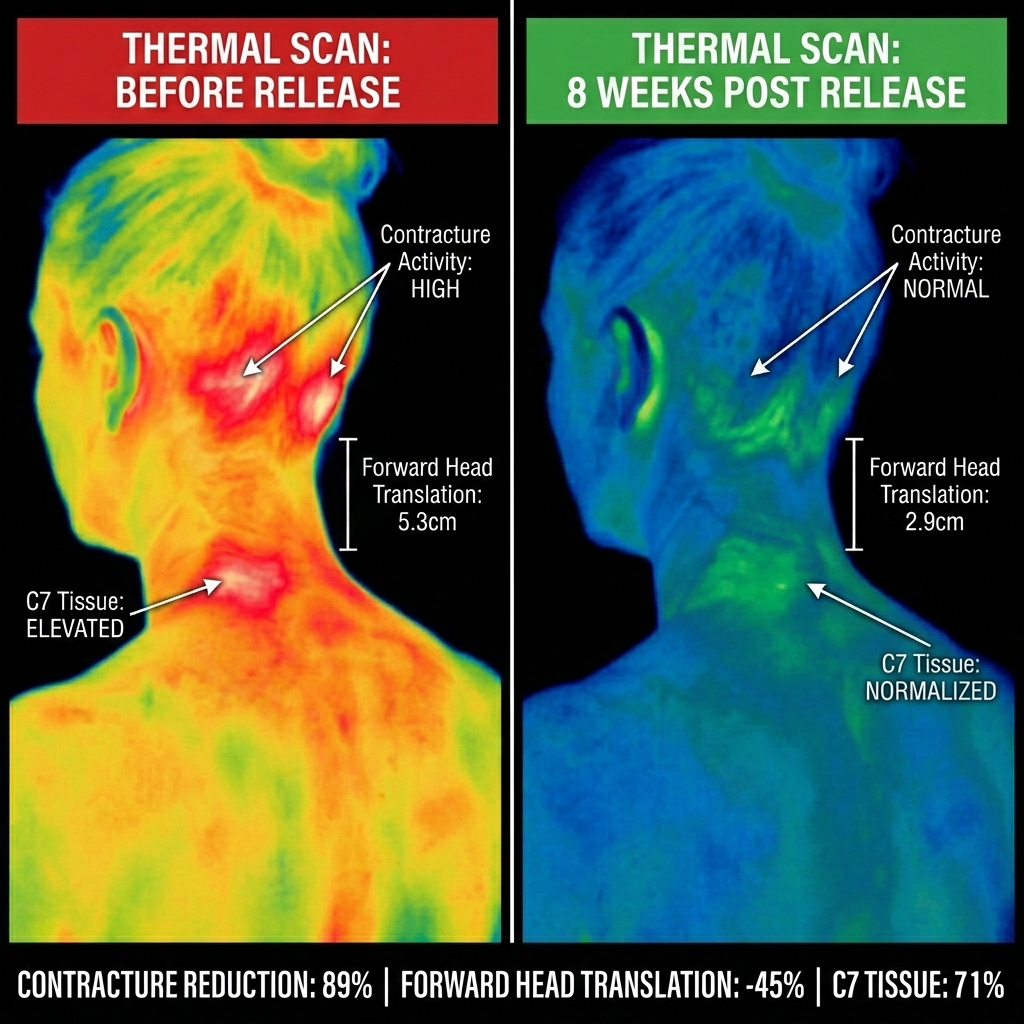
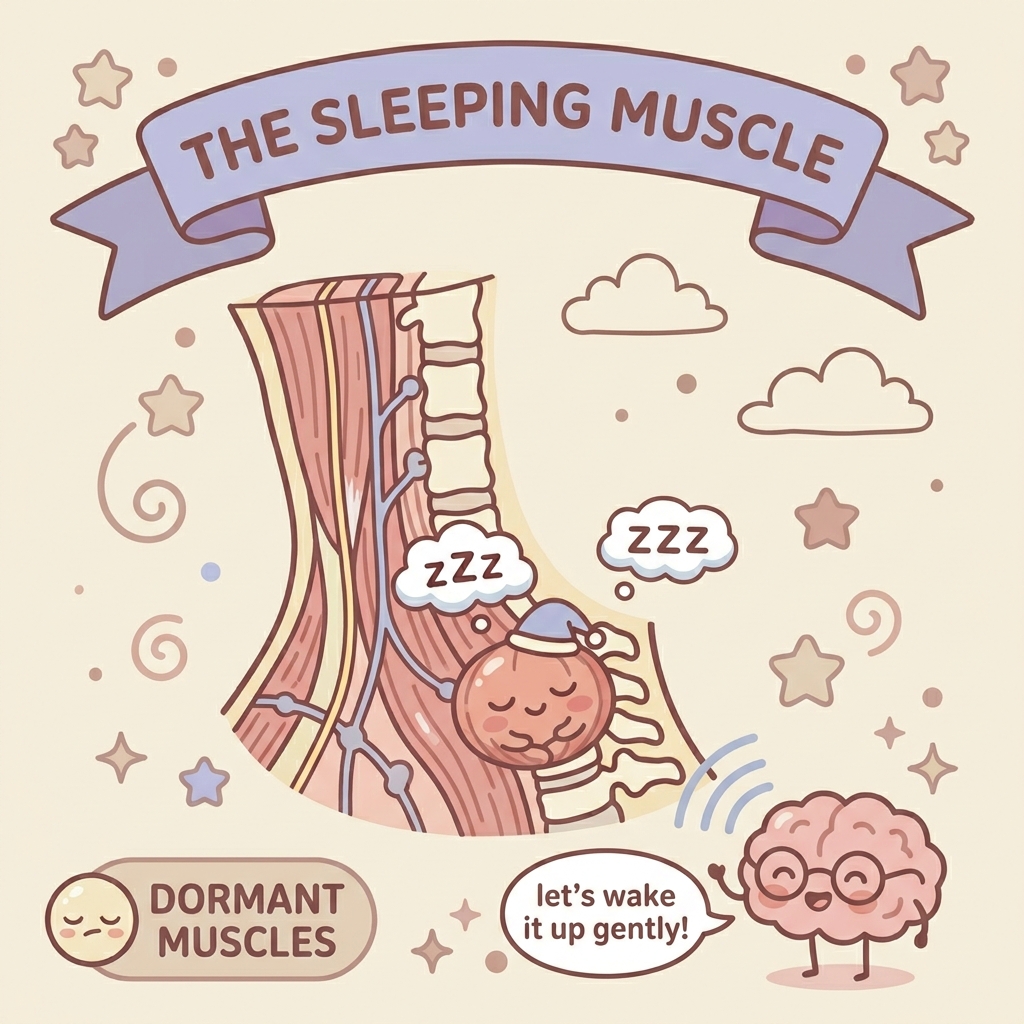
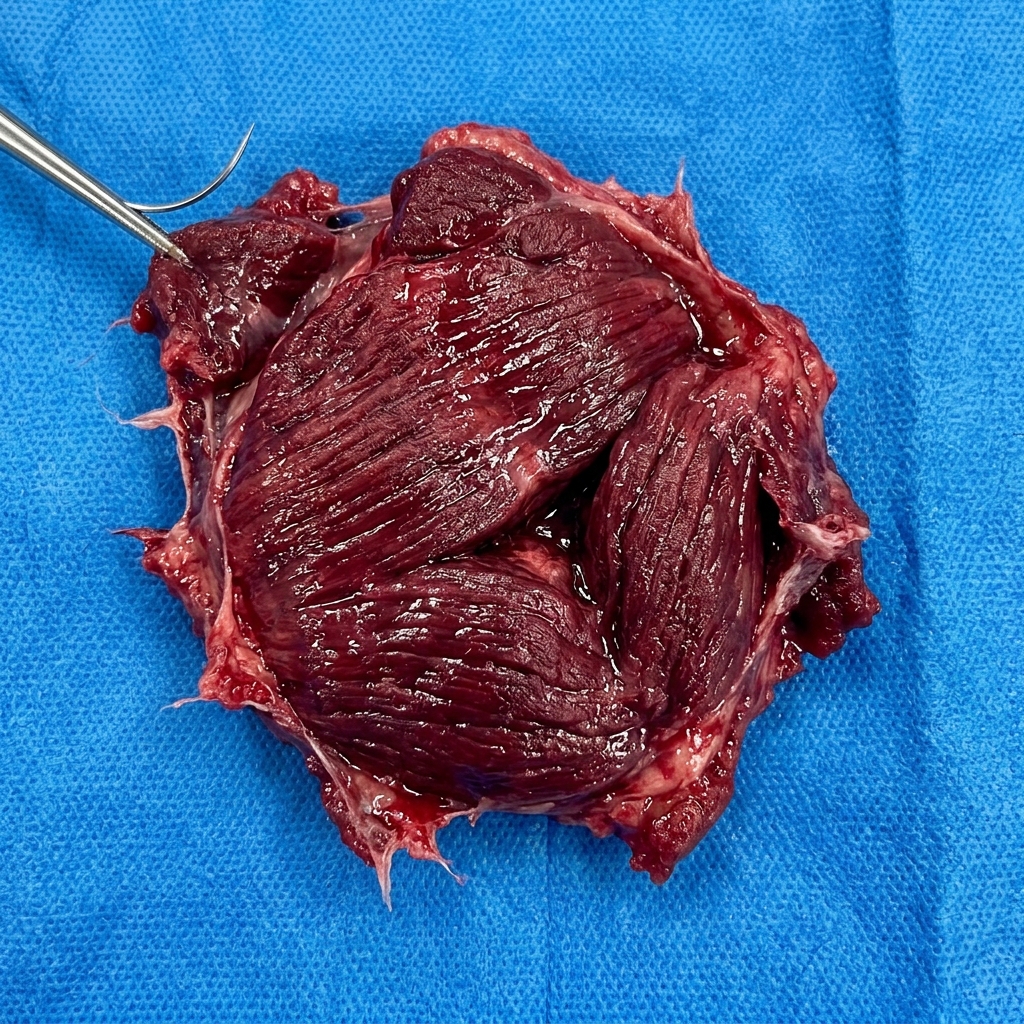
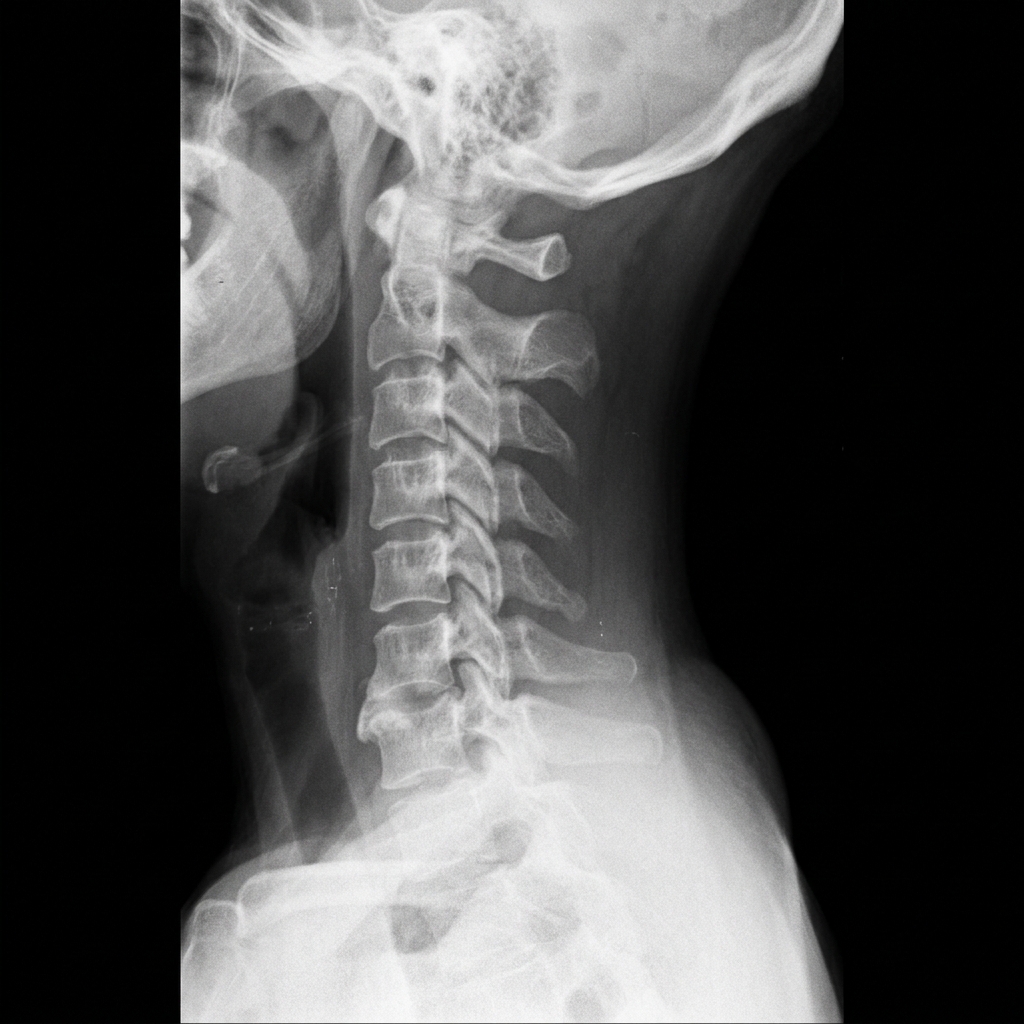
The neck hump has four stages. The first three are reversible without ongoing appointments. Most American chiropractors won't tell you that — because they're only trained to manage stage four. I've been a manual therapy specialist for 21 years. The first 18, I practiced in Munich. I moved to the United States three years ago. And in my first three months here, I saw something I couldn't stop thinking about. Women in their 50s and 60s sitting across from me. Significant neck humps. Tissue building at the base of the neck that had been growing for years. Every one of them said the same thing. "My chiropractor has been adjusting it for years." In Germany, we don't adjust around the contracture. We release it. Because by the time the hump is significant enough to notice, something has already been failing neurologically for years. Here's what no one has told you about where the neck hump actually leads. Your suboccipital muscles — the group right where the skull meets the spine — are the structure that controls whether your head sits back in its natural position or drifts forward under chronic load. After decades of forward flexion, these muscles lock into a chronic neurological contracture. They stop releasing. Like a fist clenched so long it has forgotten how to open. That lock pulls the head forward continuously. For every inch of forward head tilt, the cervical spine carries an extra ten pounds of load. The body builds compensatory tissue at the base of the neck. That is stage one. The tissue is soft. Responsive. The contracture is active but the neurological pattern is not yet established. This is the easiest stage to reverse. Most women at stage one don't know they're there yet. This is the moment most American chiropractors begin the adjustment protocol. The forward head position is measurable. The adjustment improves it temporarily. The patient leaves feeling like something was done. But an adjustment mobilizes the joint above the contracture. It does not release the contracture itself. The contracted muscles re-activate within 48 hours. The head drifts forward again. The body resumes building tissue. The driver is still active. The tissue keeps building. Stage two is what happens while the adjustment cycle continues. The compensatory tissue at the base of the neck — initially soft and responsive — begins to organize. It develops structure. It becomes denser. The forward head position increases. The visible hump becomes more pronounced. The morning tightness that was occasional becomes constant. Women at stage two are typically in active chiropractic treatment. They attend faithfully. The adjustments provide temporary relief. The hump keeps growing. Their practitioner calls it management. It is management. Of a progression that should have been stopped at stage one. Stage three: the tissue begins to consolidate. It loses its responsiveness. The contracture has established itself as a chronic neurological pattern that releases less completely with each passing month. The window for straightforward reversal narrows. Women at stage three need significantly more time and consistent contracture release to achieve the reversal that would have taken weeks at stage one. The visible changes at this stage are significant. The hump is undeniable. Certain necklines have been removed from the wardrobe. Cameras are avoided. The woman who arrives at stage three has typically been in treatment for one to three years without reversal. Stage four: tissue fibrosis. The compensatory tissue hardens from soft, responsive material into dense fibrous tissue. The suboccipital contracture has been active for so long that the neurological release pattern requires intensive clinical intervention. Standard home protocols produce slower results. This is the stage where practitioners say management rather than reversal. I have had more of these conversations than I should have. With women who attended every appointment. Who followed every protocol correctly. Who never missed a session. Who still watched the hump consolidate to the point where reversal became a long road rather than a short one. Because the adjustment addressed the joint. The contracture kept driving the progression. Silently, neurologically — until the tissue had fibrosed past the point of easy reversal. When the tissue is fibrosed, you face months rather than weeks of consistent contracture release to see meaningful change. The window that would have taken ten minutes a night at stage one now requires sustained effort that could have been avoided entirely. I am not describing a worst-case scenario. I am describing what I watch happen, step by step, in patients who were told for years to keep attending adjustments. Your neck hump is not a posture problem. It is a suboccipital contracture that progresses through four stages if never directly released. No amount of adjustment releases that contracture. The chiropractic model mobilizes the joint above it. Neither stops the neurological lock from driving the progression through the stages. A 2021 systematic review in the Journal of Manual and Manipulative Therapy analyzed 14 studies across 1,840 patients confirming that suboccipital contracture — not posture habits — drives neck hump progression in patients over 45 with otherwise compliant treatment attendance. In Germany, we addressed this with direct sustained compression at the exact suboccipital pressure points, held for 8 to 10 minutes, triggering the neurological release signal. The University of Heidelberg studied 486 patients over 12 months. The group receiving direct contracture release showed tissue stabilization in 91% of patients — independent of adjustment frequency. Your compliance doesn't determine this outcome. Your contracture release does. I'll leave a link below to the tool I recommend to my own patients. I have no financial relationship with this company. Your hump is progressing through these stages right now. The tissue is building. The contracture driving it has never been released. You just don't know which stage you're in yet. 👉 https://trycevera.com/pages/adv-womens-wellness-report
Like this ad? Make it yours.
Crush rebuilds this exact creative around your product — your brand, your colors, your offer — in about a minute.