
Inactive· since Jul 17, 2026
- 56
- days it ran
- 0
- relaunches
Ad copy
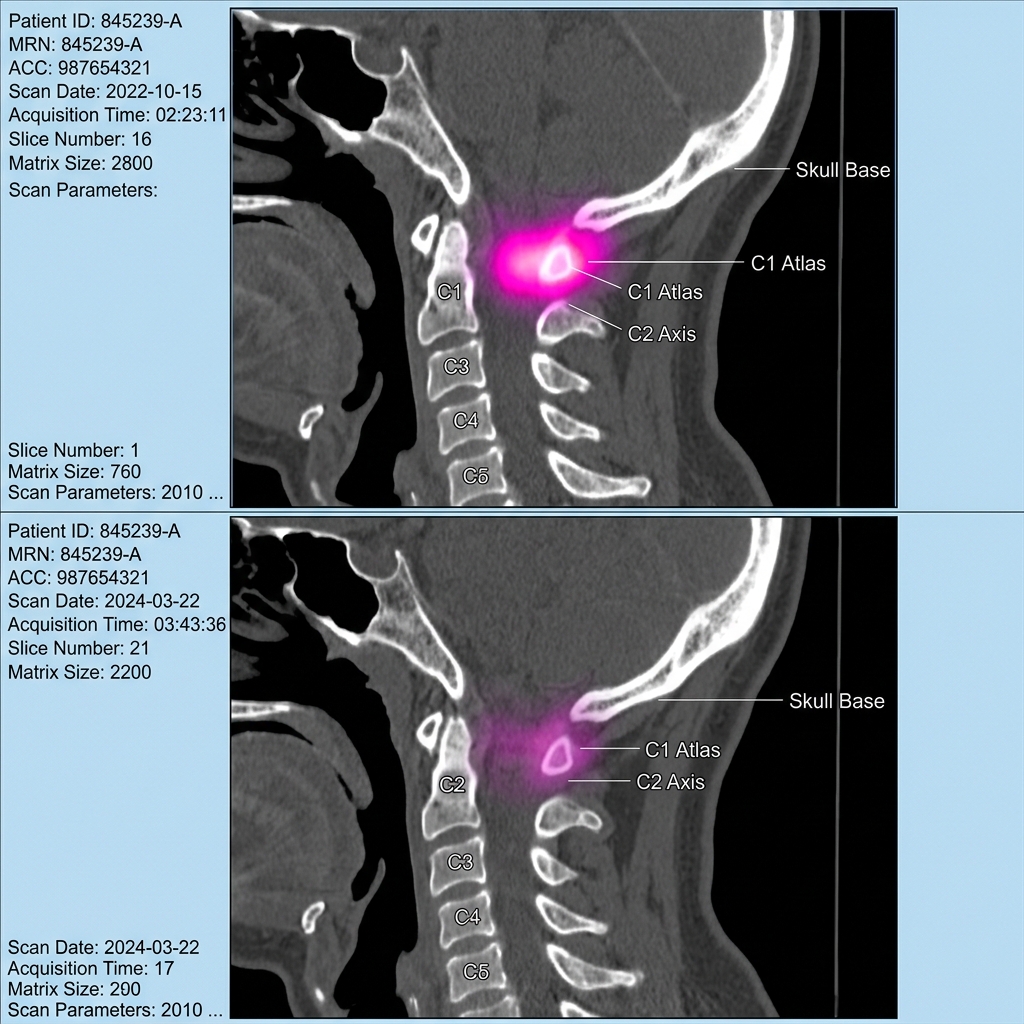
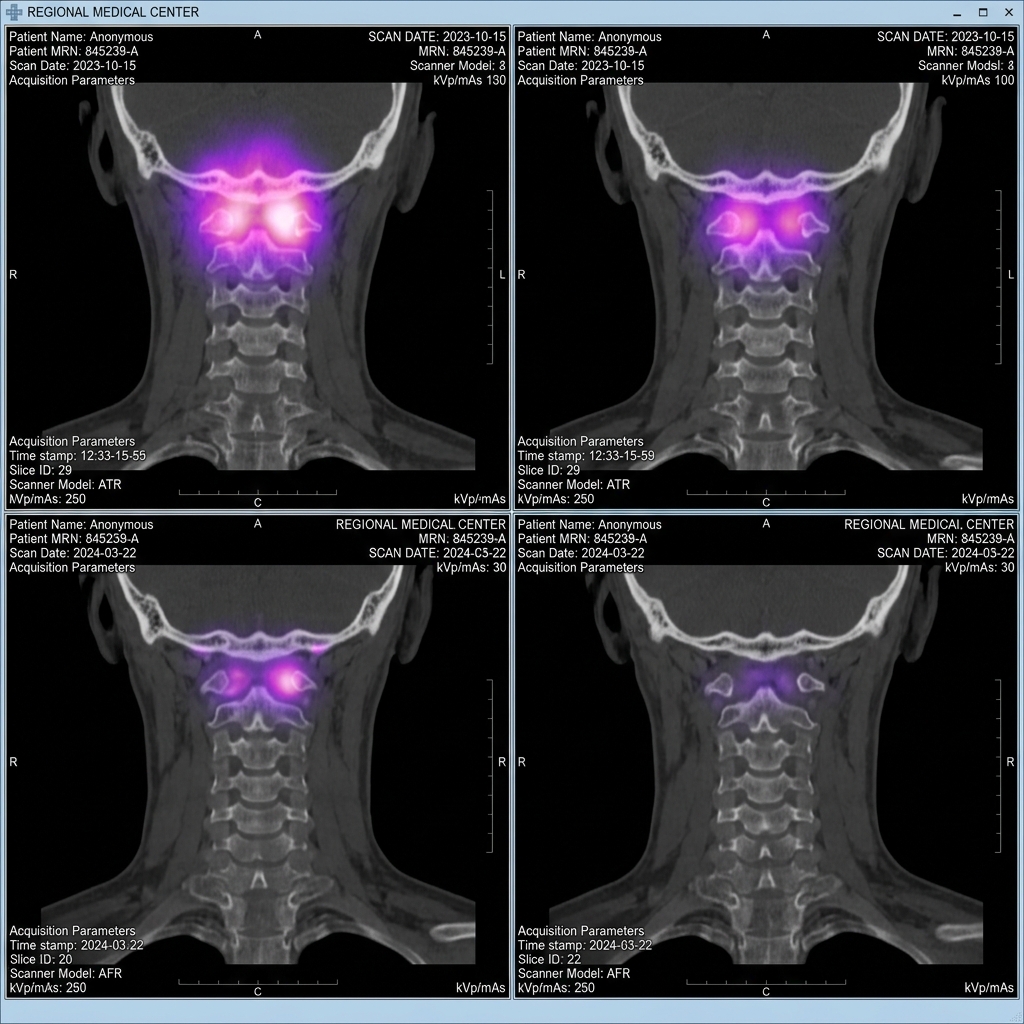
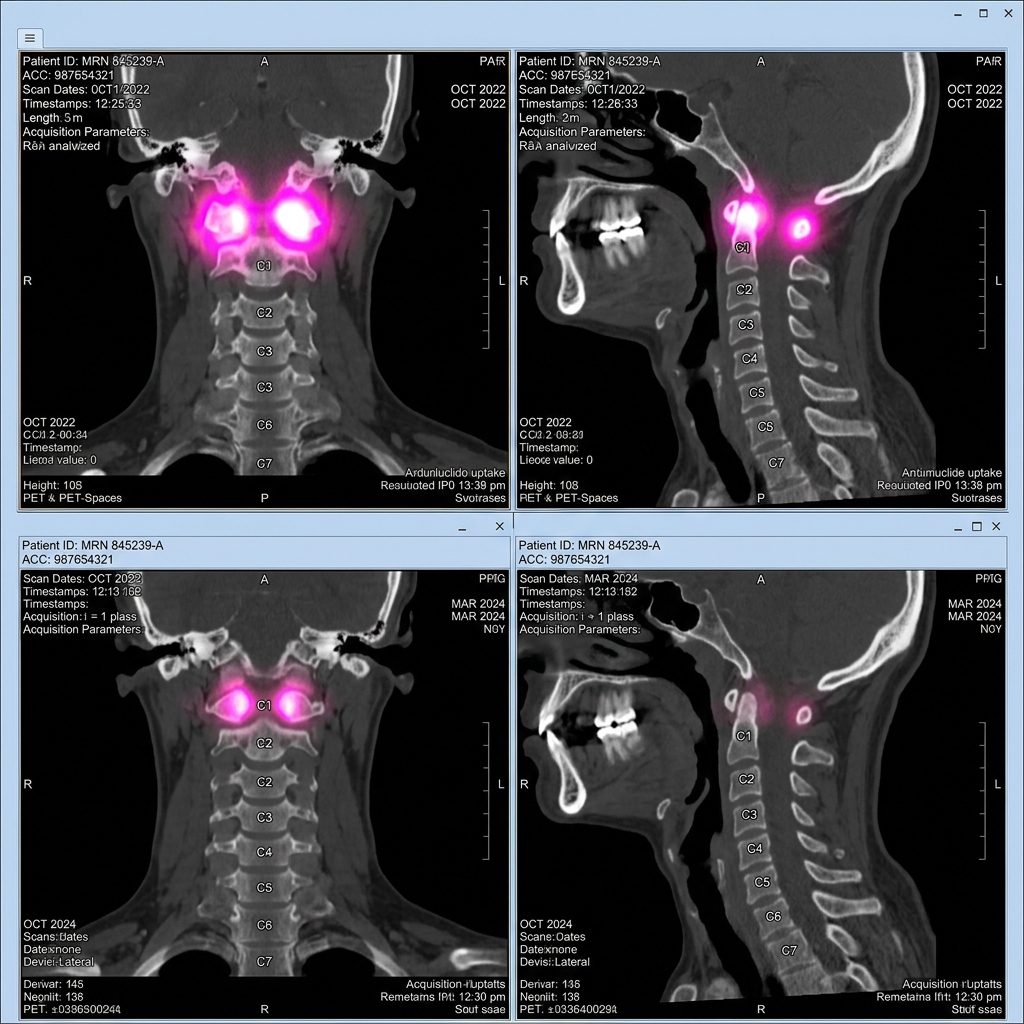
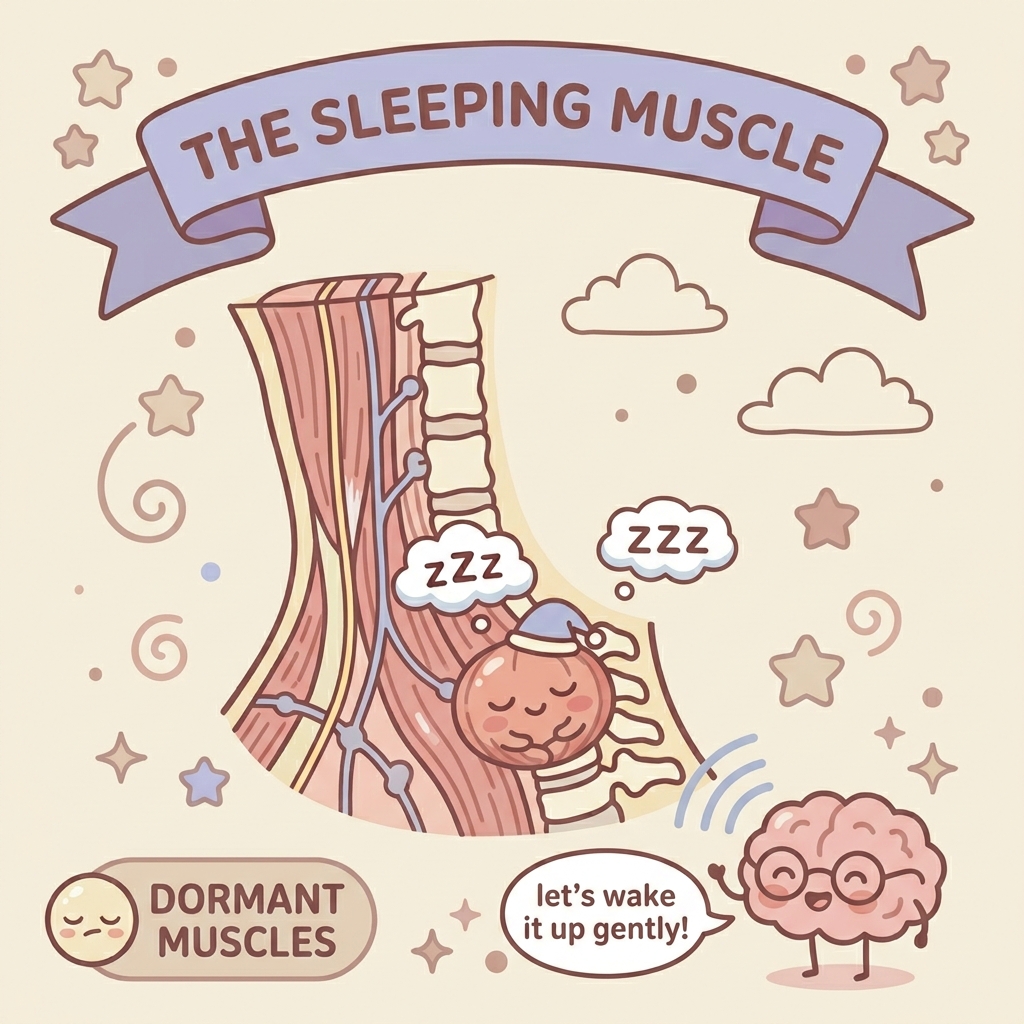
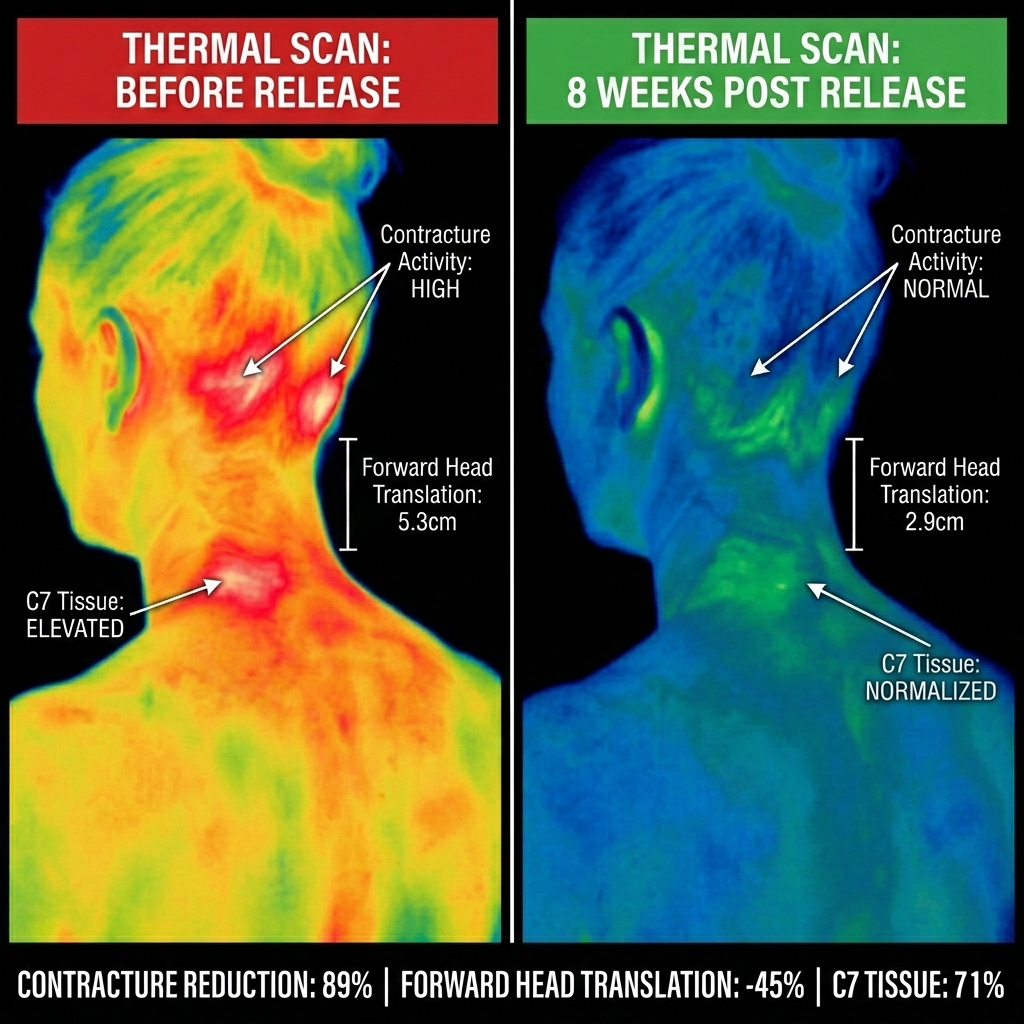
I saw 4 practitioners about my neck hump. Not one of them asked the question that would've saved me 3 years of progression…. I sat in my chiropractor's office, scarf pulled up around my neck. This was my fourth practitioner in three years. The first one said "It's just postural. Totally normal for your age. You'll manage it." The second told me to "keep doing the exercises and maybe try a brace." The third said, "Some women just develop this. It's structural. Not much we can reverse." I was only 54. Meanwhile, my husband mentioned some upper back stiffness at his annual checkup and walked out with a referral and a treatment plan. One mention. One solution. No dismissal. But me? I was left to silently endure: ✘ Checking my neckline in every mirror before leaving the house ✘ Planning every outfit around scarves and high collars, even in summer ✘ Tissue that kept building no matter what I tried ✘ Forward head position spreading further every year from years of adjustments that didn't hold ===== The receptionist called my name. I exhaled and stood slowly. "Want me to come in with you?" my sister offered. I shook my head. "I've done this before. It never helps." As I walked down the hallway, one thought pulsed in my mind: "Please let this practitioner actually help me." ===== Dr. Bennett was different. She didn't rush. She didn't glance at her computer while I talked. She actually looked at my neck. Asked me to turn to the side. Asked how long I'd had it. When I broke down and confessed I hadn't worn an open neckline in three years, that I'd skipped my best friend's outdoor birthday party because I couldn't face being photographed in direct sunlight... She didn't say, "It's just structural." Instead, she leaned forward and asked something no practitioner had ever asked: "How have you been treating this?" I blinked. "What do you mean?" "Your treatment routine. What methods have you used over the years?" "Everything. Twice-weekly chiropractic. A posture brace every day. Resistance bands every morning. Cervical traction. Foam roller." She nodded slowly. "For how long?" "Three years." She sat back. "That's your problem. And I'm stunned nobody has explained this to you." ===== She pulled up a diagram on her computer. "Every method you've been using addresses the joint or the surrounding muscles. Adjustment mobilizes the joint. The brace holds the posture externally. The exercises strengthen the muscles around the problem." She pointed to a specific location on the diagram — the base of the skull. "But the problem isn't the joint. It's what's happening HERE. Inside the suboccipital muscles at C1 and C2. Right where your skull meets your spine." She circled the area. "Your body has been pulling your head forward because a neurological lock — a chronic contracture — has been active here for years. And every treatment you've tried has worked on everything except this lock. The adjustment mobilizes the joint above it. The brace holds the posture around it. The exercises strengthen the muscles beside it. Nothing has ever directly released it." I felt my stomach drop. "You're telling me every method I've used has been missing the actual cause?" She nodded. "You've been treating the result while the contracture keeps driving the progression underneath. That's why the tissue keeps building every year, not reducing." Then she added something that stopped me cold: "Isn't it interesting how the posture treatment industry sells women thousands of dollars in adjustment sessions, brace protocols, and exercise programs... but nobody explains that these methods work on the joint while the contracture driving the progression is never touched?" She held my gaze. "The posture treatment market generates billions every year. There's no incentive to tell you that the structure causing your problem has never been addressed." ===== "Here's what's happening," she continued. "When you get an adjustment, the joint is mobilized. It feels better because the joint has moved. But the suboccipital contracture above the joint is completely untouched. Within 48 hours the contracted muscles re-tighten. The head drifts forward again." "But the progression doesn't stop there." She circled an area on her diagram. "That constant tissue building at the base of your neck? That's compensatory tissue your body keeps building to absorb the continuous forward load. Every time the contracture pulls your head forward, your body adds more tissue. That's your neck hump progressing." "So the contracture pulls. The body builds tissue. You get an adjustment. The joint moves temporarily. The contracture re-engages. And you think it's YOUR structure getting worse." ===== I felt tears welling up. But this time, not from frustration. These were tears of validation. I'd spent 3 years hearing: "Just keep coming in." "Try the brace, it's supportive." "Some women just develop this." 3 years of hiding. 3 years of wasting money. 3 years of watching it progress while doing exactly what I was told. All because nobody asked one simple question. ===== "So what can I actually do?" I asked. Dr. Bennett smiled. "You need to stop working around the contracture and start releasing it directly. Release the lock AND allow the tissue to stop building. At the same time." "But everything I've tried works on the neck," I said, confused. "Exactly. Every method. Working on the same structure. Joint. Muscles around it. External posture support. All targeting everything except the contracture itself." She explained: "To actually break the cycle, you need a completely different approach. Direct sustained compression at the exact C1-C2 suboccipital pressure points. Gravity-assisted delivery so the force is consistent for the full duration. And a minimum hold time of 8-10 minutes to activate the neurological release signal." She wrote down what to look for: ✅ Exact C1-C2 anatomical placement — not general cervical contact ✅ Gravity-assisted sustained delivery — not manual pressure that varies ✅ Minimum 8-10 minute hold — not brief compression that doesn't fire the signal "Most posture tools won't work," she warned. "They're designed for general cervical support at approximate locations. The suboccipital contracture needs exact placement with sustained gravity-assisted input." ===== That night, I went down the rabbit hole. I found communities of women with progressive neck humps sharing their experiences. Same story I had. Tried everything. Nothing stopped the progression. Still hiding their necks years later. They were sharing how they finally saw results by switching from joint-targeted methods to direct suboccipital contracture release. One tool kept coming up: Cevera. ⭐ Margaret T, 62, Tennessee ⭐ "I attended chiropractic for 2 years. Tissue building every year. Three weeks on Cevera and the morning tightness is actually gone. Not just reduced. Gone." ⭐ Dorothy C, 67, Ohio ⭐ "I spent $3,200 on protocols. Measurements kept climbing. This is the first thing that actually stopped the progression. I cried when I looked in the mirror." ⭐ Carol M, 59, Georgia ⭐ "Week 3, I touched my neck and it felt different. Actually softer. Not stubbly from a brace. Soft. First time in three years." ===== I researched it. Matched exactly what Dr. Bennett described: 🎯 Element 1: Exact C1-C2 Placement — Two precisely engineered foam nodes positioned at the exact suboccipital pressure points. Not the upper back. Not the general neck base. The exact anatomical location where the contracture lives. The placement every foam roller and cervical wedge is missing. ⬇️ Element 2: Gravity-Assisted Delivery — Your own head weight providing the sustained downward force for the full ten minutes. Not a therapist's hands applying brief pressure. Not a massage ball you hold manually. Gravity. Sustained. Consistent. The delivery every brace and adjustment can't provide. ⏱️ Element 3: 8-10 Minute Minimum Hold — Long enough for the proprioceptive receptors to activate and the neurological release signal to fire. Not a two-minute session that feels like something is happening. The duration that actually releases the lock. It was exactly what my suboccipital muscles needed. Not another joint-targeted method. An actual release. ===== I ordered it. My sister saw the package on the counter. "Another posture thing?" she asked gently. "This one's different. It doesn't touch the joint. It releases the contracture directly. Where the problem actually lives." She nodded. "I just want you to stop planning your outfits around your neck." And that's when I realised... she didn't just miss seeing me in the necklines I used to wear. She missed me. ===== The Timeline: Day 4 — The morning tightness at the base of my skull — the one I'd stopped registering because it was always there — was quieter. Actually quieter. Week 2 — Hadn't done the neckline calculation before getting dressed. Hadn't adjusted my scarf three times before leaving the house. Week 3 — Tissue at the base of my neck felt different. Not just temporary relief that resets. The dense locked quality was softer. The contracture was releasing. Week 4 — Forward head translation measurably down from where it had been for two years. Week 6 — Wore a scoop neck to work. Didn't bring a backup turtleneck. Week 8 — Went to outdoor brunch with friends. Sat by the window. In direct sunlight. Didn't think about my neck once. ===== At my follow-up, Dr. Bennett smiled. "Your neck looks completely different. The tissue, the forward head position... you finally released the contracture." I laughed. "I feel like myself again." She nodded. "That's what most methods miss. A neck hump isn't just a posture issue. It's a contracture issue. A tissue issue. A neurological lock issue. You have to address all of it." ===== So if you're reading this and wondering if Cevera is worth trying? Do it. Because the truth is that the posture treatment industry has been selling women joint-targeted methods for decades without explaining why they can't reach the contracture. In the 2000s, they said adjustment would reverse it. It didn't. In the 2010s, they said bracing would hold it. It didn't. In the 2020s, they keep saying "stay consistent" while our humps keep building and our tissue keeps consolidating. With Cevera, you don't have to keep paying for methods that work on everything except the actual lock. ===== If I could talk to myself 3 years ago, I'd say: You're not broken. You're not "just aging." You've been treating the joint above the contracture. And you can stop it. If you're where I was — dismissed by practitioners, hiding behind scarves in summer, spending thousands on methods that miss the actual cause every year — please hear this: You deserve more than another method that works around the lock. You deserve more than "it's just structural." You deserve to wear ponytails without planning your neckline. You deserve to sit in sunlight without calculating angles. You deserve yourself back. ===== 👉 Try Cevera Risk-Free Today: https://trycevera.com/pages/adv-womens-wellness-report 💗 90-Day Money-Back Guarantee: use it fully, then decide 🎯 Exact C1-C2 Placement — Not General Cervical Contact 📍 3-Element System: Exact Location, Gravity-Assisted Delivery, Minimum Hold Time ⭐ Trusted by 12,000+ Women Who Were Told "Just Keep Coming In" Because in a system that dismisses women's neck humps as "just structural"... Sometimes healing begins when you finally release the actual lock. 👉 Order Cevera Now: https://trycevera.com/pages/adv-womens-wellness-report Your suboccipital muscles aren't broken. They just need more than joint-targeted methods.
Like this ad? Make it yours.
Crush rebuilds this exact creative around your product — your brand, your colors, your offer — in about a minute.