
Active· since May 28, 2026
- 109
- days running
- 0
- relaunches
Ad copy
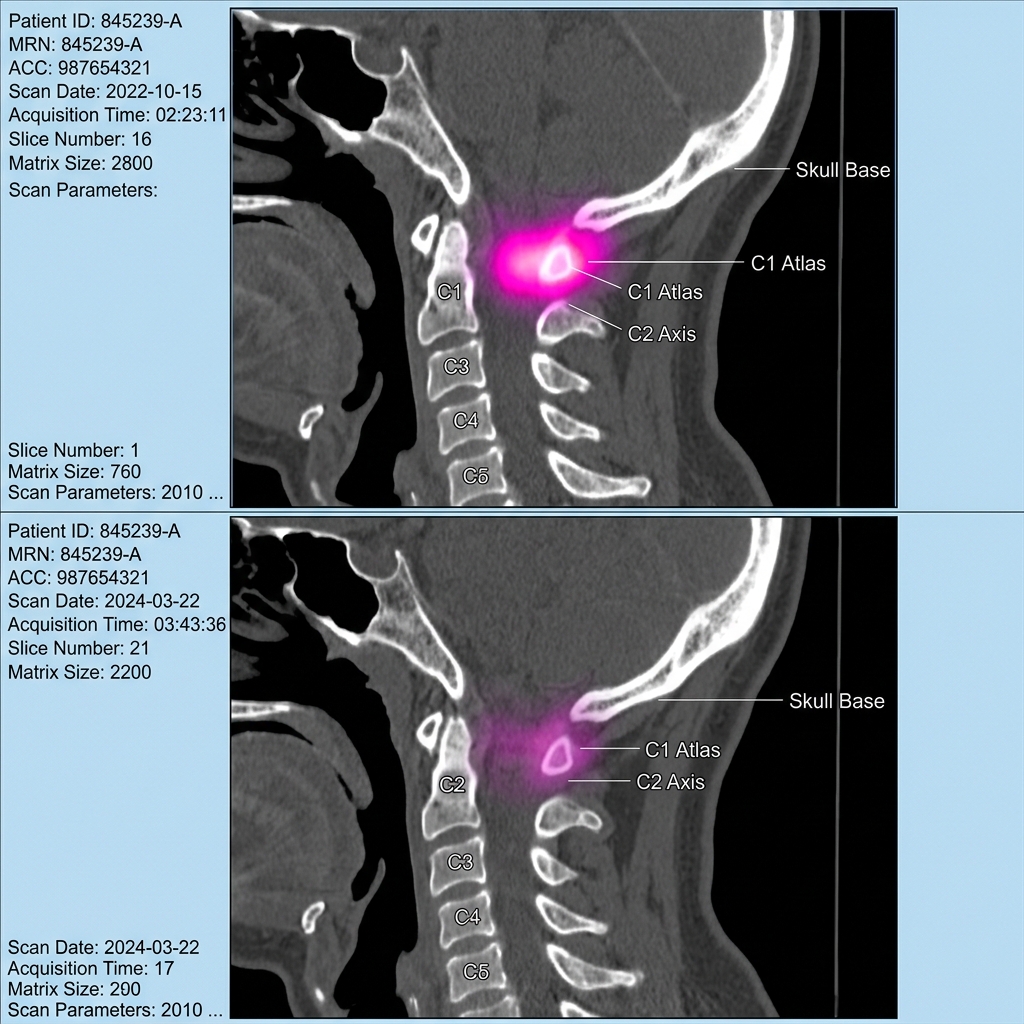
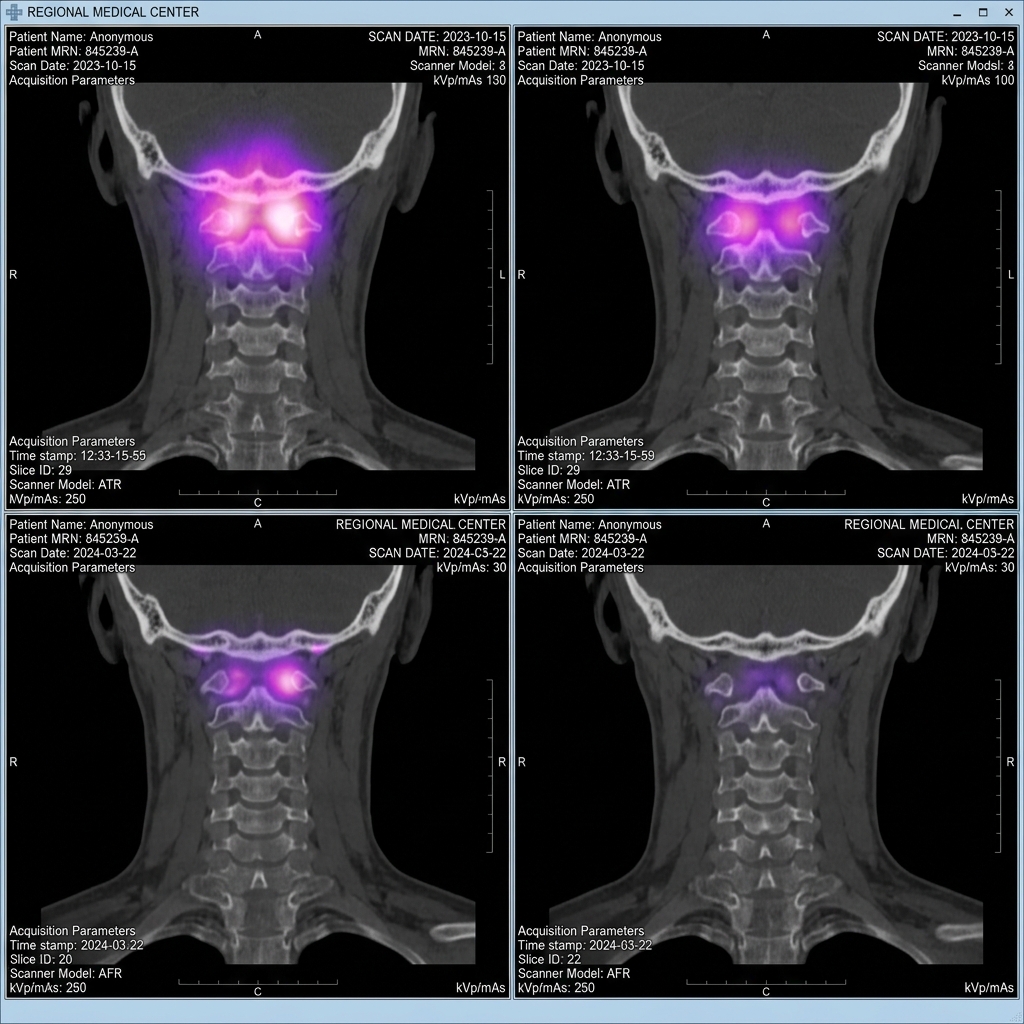
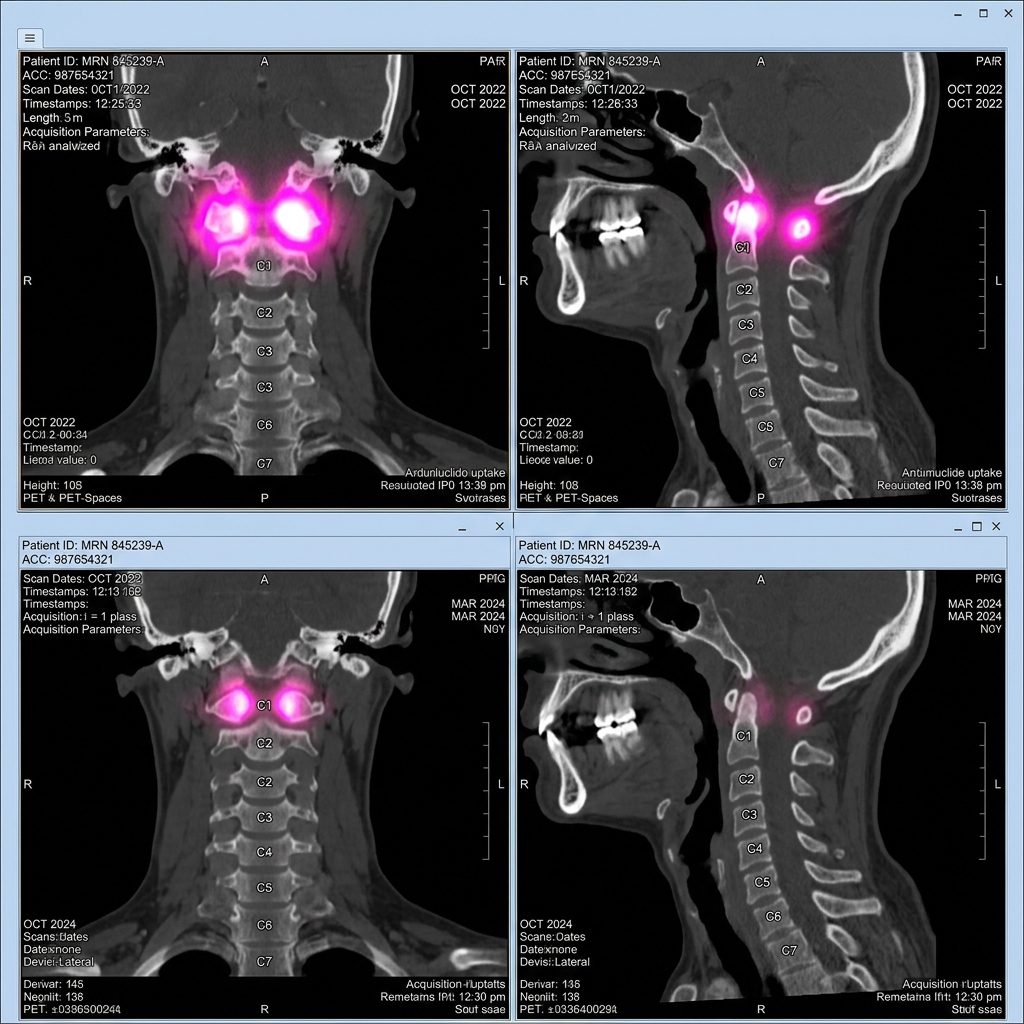
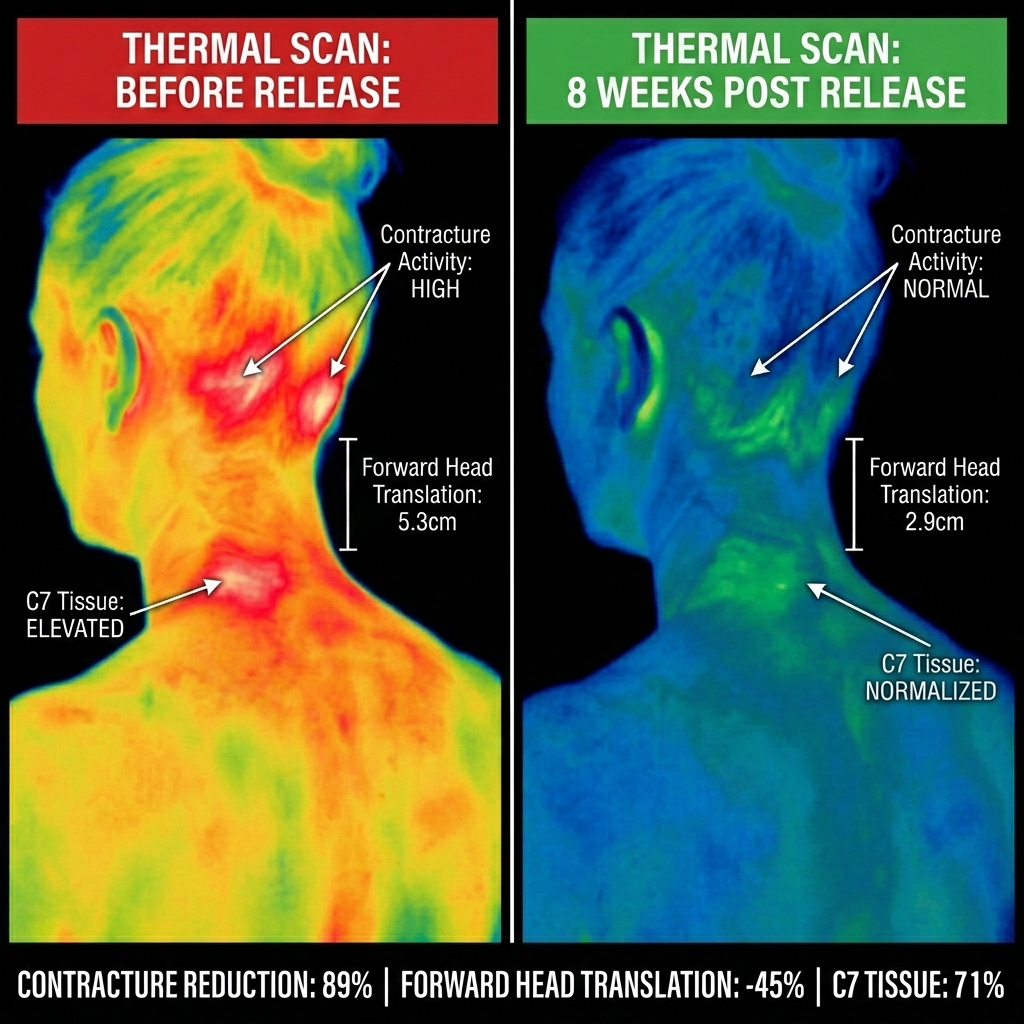
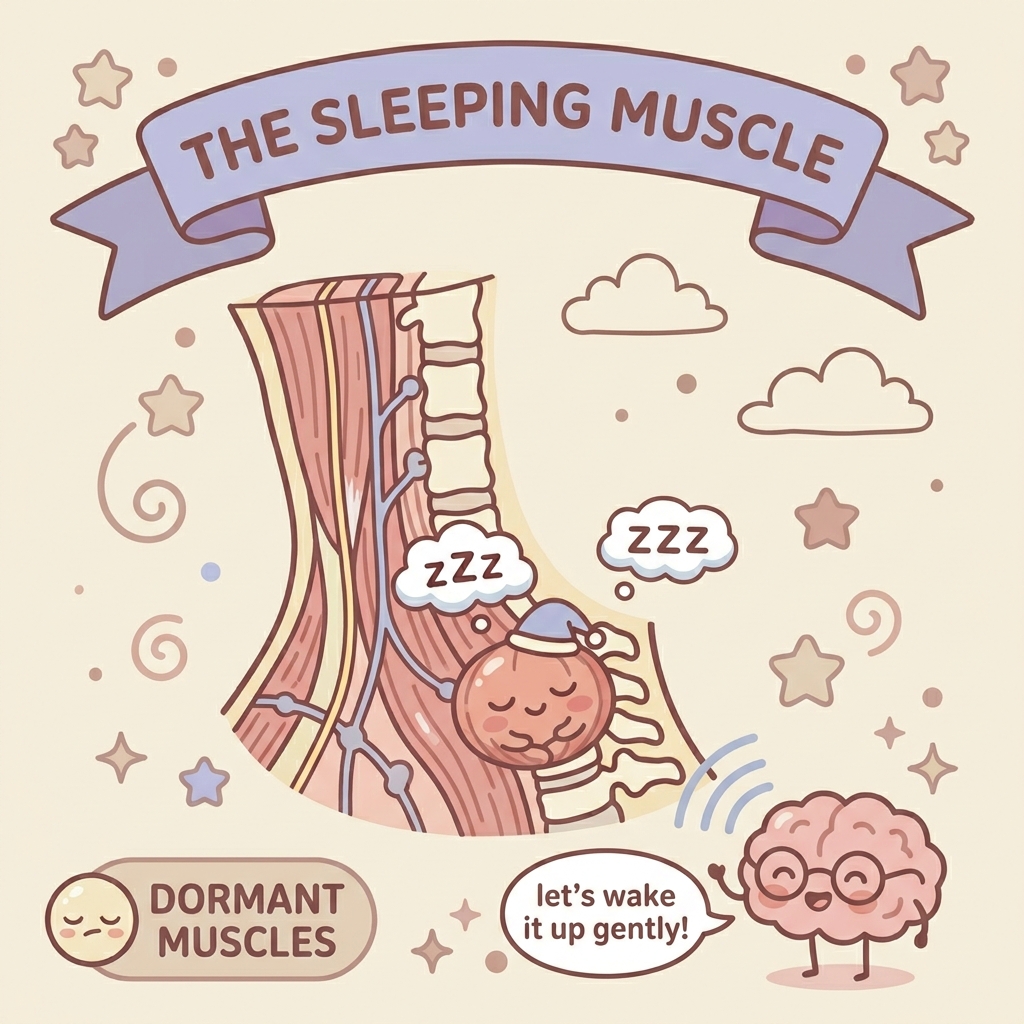
My mother lost her confidence at 62. Not to illness. Not to tragedy. To something every practitioner she saw dismissed as "just aging" and "part of being a woman." They were wrong. My mom was a vice principal at one of the best schools in our district. The kind of woman who could calm a room of anxious parents in thirty seconds, who remembered every child's name, who ran assemblies and staff meetings without ever looking flustered. She worked sixty-hour weeks for twenty years straight. Her colleagues called her "the anchor" because nothing rattled her. Nothing made her lose her composure. Except the mirror at 5:30 AM. She started hiding it when I was a teenager. I didn't fully understand at the time. I just knew Mum woke up before everyone else. That the bathroom door was always locked until 6:15. That she stood at angles in photographs I didn't recognize as deliberate until I was older. It wasn't until I was in my twenties that I understood what I'd been watching. The locked bathroom. The turtlenecks in summer. The way she'd position herself at the back of every group photo with her chin slightly down and her collar pulled up. She had a neck hump. Diagnosed as "postural" at 55. And she'd been attending adjustments, doing exercises, and quietly reorganizing her wardrobe ever since. When she mentioned it to her GP at 57, she was told: "It's just postural. Normal at your age. Keep up the exercises." She kept up the exercises. Every morning. Never missed a session. The tissue kept building. When she went back at 60, they said: "We can refer you to a specialist. It's expensive but worthwhile." She committed to six months of intensive twice-weekly management. She was disciplined about every appointment. By month four, the specialist said: "Some areas are responding, but the forward pull is re-establishing between sessions." She didn't know the term for what was happening. She just knew she'd committed six months and her neck looked the same. So she went back to her twice-weekly adjustments. The routine she'd never actually stopped. By 62, what had started as a small tissue accumulation at 55 was now a visible hump that had reorganized her entire wardrobe. She was setting her alarm for 5:15 to have enough time before anyone saw her. Then 5:00. The wardrobe changes came next. Turtlenecks replacing open necklines. High collars replacing the blouses she'd worn for years. Standing at the back of every photo. Excusing herself to check her reflection before any event with outdoor lighting. She developed rituals I didn't understand until I was older. She'd check every mirror she passed. Touch the back of her neck constantly — in meetings, at dinner, in the car. She carried a compact in her handbag, her desk drawer, the glove compartment. She stopped wearing her hair up. Stopped coming to outdoor events in summer because the light was too revealing. Stopped sitting at the front of any room. Stopped letting anyone photograph her from the side. At 62, she cancelled a holiday she'd been looking forward to for months. A beach trip with her closest friends. She told them she was too busy with work. She wasn't too busy. She couldn't face being seen. That's when I watched my mother start to disappear. Not suddenly. Slowly. The excuses that got more frequent. The photos she deleted. The mirrors she avoided and then obsessed over. The locked bathroom door at 5 AM. She thought she was doing everything right. Every appointment where she asked for help and got told to "keep up the adjustments" or "try another management program," she blamed herself. "Maybe my posture is just too ingrained." "Maybe I should be doing the exercises more carefully." "Maybe this is just who I am now." But it wasn't her. It was the management cycle. Running at full speed underneath every adjustment session. Every mobilization above the contracture, the contracture below re-engaged within 48 hours. Every session of intensive management, the tissue re-established because the source was never addressed. She was maintaining the tissue. Every single day. For seven years. While doing exactly what every practitioner told her to do. She attended adjustments until she was 62. Seven years total. By then her wardrobe was permanently reorganized. The tissue was established enough that she needed forty-five minutes every morning just to feel ready to leave the house. She never stopped hiding. Never wore her hair up again. Never went on that beach holiday. I watched my mother lose herself to a problem that every practitioner called "just aging." And not one of them ever asked the question that would have changed everything. Now here's where this story becomes about me. When I turned 58, I noticed my own early progression. Not because I was looking for it. I was getting dressed and caught my side profile in the mirror at an angle I didn't usually see. The cervical line. The slight forward pull at the base of the skull. My stomach dropped. Not because of what I saw. Because I knew what it meant. I'd watched this happen. I knew the progression. I knew where it led. I went to my GP. She said: "You might develop some tissue buildup. It's common after 55. Keep up good posture and we can monitor it." The exact same words my mother heard at 55. But I'd watched what "keep up good posture and monitor it" did to my mother for seven years. I wasn't going down that road. So I started researching. Not management methods. Not adjustment protocols. Not exercise programs. The actual mechanism. WHY does the tissue keep building despite management? And what I found explained everything I'd watched happen to my mother. Every time the cervical joint is mobilized above the suboccipital contracture, the contracture below re-engages within 24-48 hours. The body registers the adjustment as temporary input at the wrong address. The suboccipital muscles — the ones at C1-C2 that are supposed to release after every forward movement and return the head to center — stay locked. The head stays pulled forward. The body keeps building tissue at the cervical base to absorb the continuous forward stress. And here's the part that makes this a trap: the contracture doesn't release through mobilization above it. It requires three specific simultaneous inputs delivered directly at C1-C2. Below threshold on any one — the release signal never fires. Exact C1-C2 anatomical placement. Gravity-assisted sustained delivery through your own head weight. Minimum eight to ten minutes of uninterrupted hold. Standard adjustment delivers none of these. The placement addresses the joint above, not the contracture itself. The delivery is intermittent. The duration is seconds, not minutes. Management mobilizes above the lock. But the lock stays locked. The tissue keeps building. That's why my mother kept attending and her tissue kept establishing. That's why her wardrobe reorganized itself despite seven years of careful management. That's why "keep up good posture" was never going to save her. Year 1 of progression: barely visible. Year 3: noticeable in side profile. Year 5: wardrobe beginning to reorganize. Year 7: turtlenecks year-round, photos from the back, locked bathroom at 5 AM. That was my mother's exact timeline. Year by year. Exactly as the mechanism predicted. And every practitioner she saw focused on mobilizing above the contracture — never on releasing the contracture that was driving everything. But here's the part that made me furious. The research on suboccipital contracture release isn't new. Direct suboccipital compression — delivering sustained gravity-assisted pressure at the exact C1-C2 address — has been used in clinical manual therapy settings for years. The mechanism is well-documented. But GPs still tell women to keep up their exercises. Clinics still sell adjustment packages. Specialists still offer intensive management programs that don't address the contracture. Because those methods require repeat appointments. Recurring revenue. A patient who comes in twice a week is more profitable than one who releases the contracture at home in ten minutes before bed. So I refused to follow the management path. From day one. I tried home tools instead. First product — a foam roller. Highest rated on Amazon. Dense foam. "Cervical and upper back support." Six minutes on my neck. Broad thoracic pressure nowhere near C1-C2. The forward pull returned within hours. My upper back was sore for two days. The address was wrong. Formulated for thoracic mobility. Not suboccipital contracture release. Second product — a cervical contour pillow from a posture brand. Double the price. Eight weeks of consistent use. Same result. Broad support without suboccipital compression. No change in forward pull. No change in tissue buildup. I was frustrated. But I wasn't going back to twice-weekly adjustments. I'd watched what that did to my mother for seven years. Then I understood why most home tools don't work on suboccipital contracture: the address is wrong. They apply broad pressure to the thoracic spine or general cervical curve — nowhere near C1-C2. They're designed for posture support, not contracture release. And they deliver no sustained gravity-assisted compression at the precise anatomical address the release signal requires. Wrong address. No sustained delivery. No hold duration. I needed exact C1-C2 placement. Gravity-assisted sustained delivery through my own head weight. And minimum eight to ten minutes of uninterrupted hold. Three inputs. Together. At the exact address. One tool kept appearing. In posture forums. In manual therapy research threads. In recommendations from women who'd actually seen their tissue change. Cevera. Two precision foam nodes engineered for exact C1-C2 placement. Gravity-assisted delivery through your own head weight. Ten minutes before sleep. Not a broad thoracic roller. Not a general cervical pillow. I ordered it that week. Not out of desperation — out of determination. I wasn't going to become my mother's story. The tool arrived. I used it that evening. Ten minutes before bed, lying back on the two foam nodes. When I stood up afterward, something was different. A release at the base of my skull. Something that had been held for a long time quietly letting go. "No management above the lock," I thought. Because I knew what that meant. Week 2: The morning pull was quieter. Not gone. Quieter. Something was releasing that had been running continuously. Week 4: The side profile in the mirror looked different. The cervical line smoother. I took photos. Week 8: I went to a manual therapist for a professional assessment. She measured my forward head translation. "Your suboccipital muscles are releasing. No progressive contracture. No tissue increase. Whatever you're doing, keep doing it." I showed her photos of my mother's cervical profile at the same age. The tissue. The forward pull. The seven years of management that never changed the trajectory. She looked at my photos. Then at my mother's. Then back at mine. "Same genetics. Same age of onset. Completely different outcome." She paused. "The only difference is the address." Same genetics. Same age. Same early progression. Different address. Different outcome. My mother attended adjustments for seven years and her tissue established further every year until she disappeared behind turtlenecks and locked bathroom doors. I've been using Cevera for two years and my forward head translation is measurably less than when I started. That's the only difference. I think about what my mother lost. Not just the beach holidays. Not just the open necklines. Not just the photos she deleted or the mirror she checked obsessively before leaving the house. She lost seven years of feeling comfortable in her own skin. Seven years of mornings spent managing a problem that her method was never reaching. Seven years of practitioners telling her to keep doing the thing that wasn't addressing the source. She's 69 now. I bought her Cevera last Christmas. She called me three weeks later. "Something released at the back of my skull. Actually released. It hasn't felt like that since before all of this started." She wore her hair up at my cousin's wedding last month. First time in twelve years. I cried harder than she did. You don't have to lose those years. You don't have to watch your tissue establish further every year while you do everything you're told. You don't have to become the woman hiding behind turtlenecks and a locked bathroom door at 5 AM. If you're attending adjustments right now and your tissue is still building, please hear me: your cervical structure isn't broken. Your posture isn't unbeatable. Your address is the problem. And every month you continue mobilizing above the contracture is another month of continued tissue accumulation that you can't get back. Cevera offers a 90-day money-back guarantee. If your tissue doesn't stabilize, if your morning pull doesn't reduce, full refund. No questions asked. The only thing I'll say is: if your tissue is already establishing and you're watching the progression happen in real time, start now rather than waiting. Every month the management cycle runs above the contracture is another month of tissue that doesn't need to be there. 👉 https://trycevera.com/pages/adv-womens-wellness-report — Dorothy C. P.S. You'll notice the difference after your first session. That release at the base of your skull. That quieter morning pull. That's the exact C1-C2 address doing what management above it can't. The full tissue change takes 4-8 weeks to become obvious, but the way your neck FEELS changes immediately. If you've used foam rollers or cervical pillows and still had the same forward pull the next morning, the address was wrong. This is different. P.P.S. My mother attended adjustments for 7 years and her tissue went from barely visible to established enough to reorganize her entire life around. I've been using Cevera for 2 years and my progression reversed from the start. Same genetics. Same age of onset. Same early signs. Different address. That's the only difference. 👉 https://trycevera.com/pages/adv-womens-wellness-report
Your Neck Hump Isn't A Posture Problem
No protocol required. Cevera works straight out of the box. Lie back on the two foam nodes, let your head weight do the work for 10 minutes, and stand up. It's that easy.
LEARN MORELike this ad? Make it yours.
Crush rebuilds this exact creative around your product — your brand, your colors, your offer — in about a minute.