
Inactive· since Apr 7, 2026
- 128
- days it ran
- 0
- relaunches
Ad copy
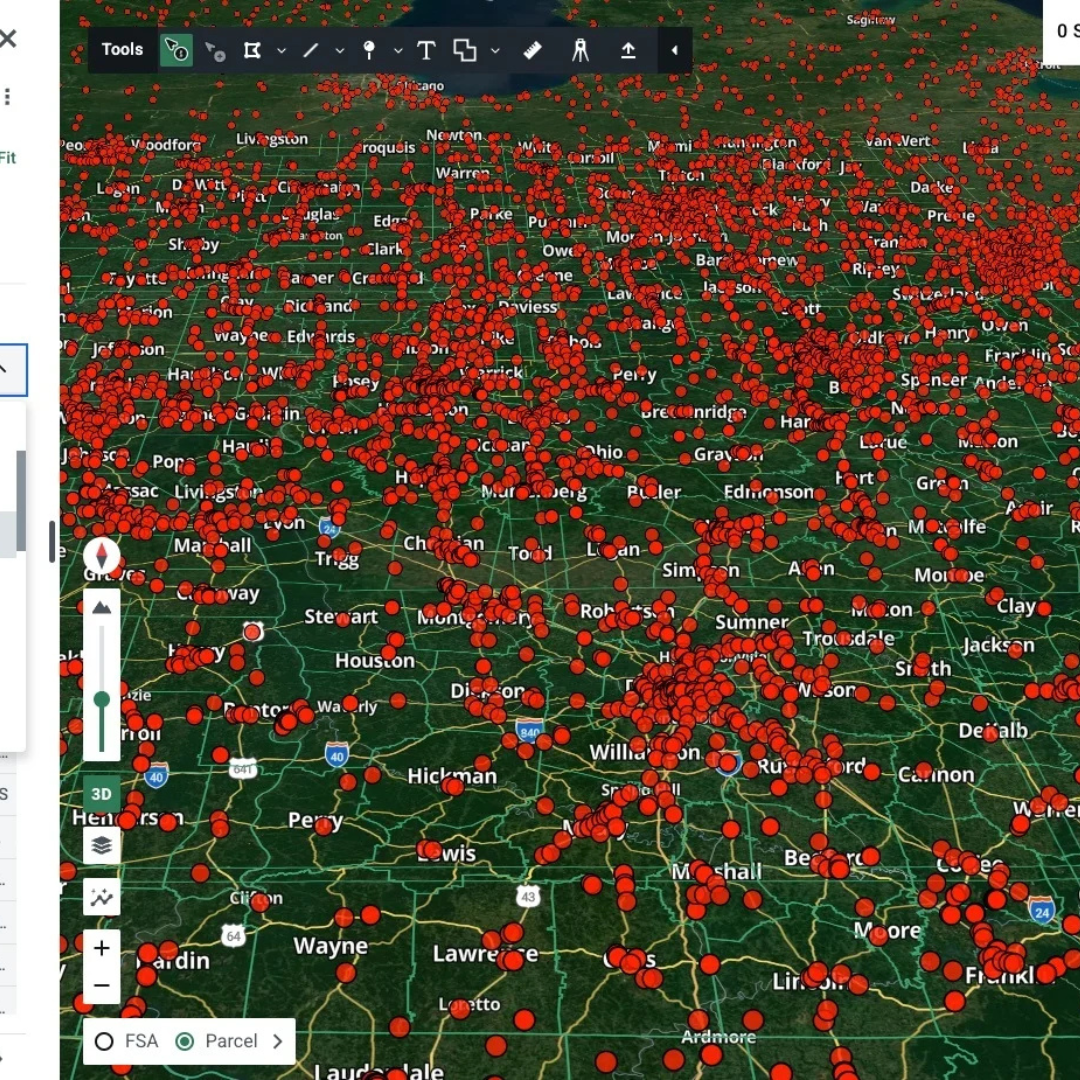
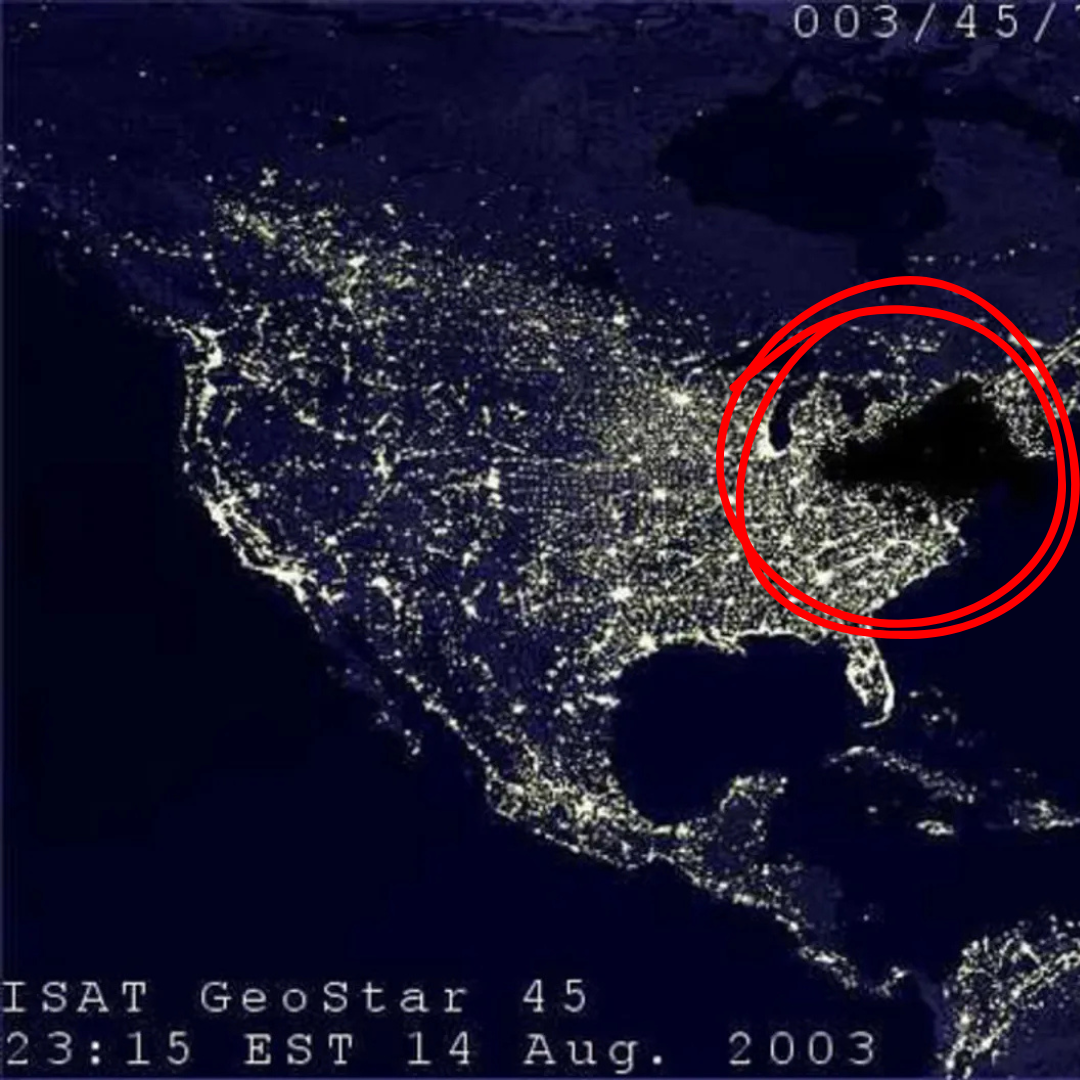
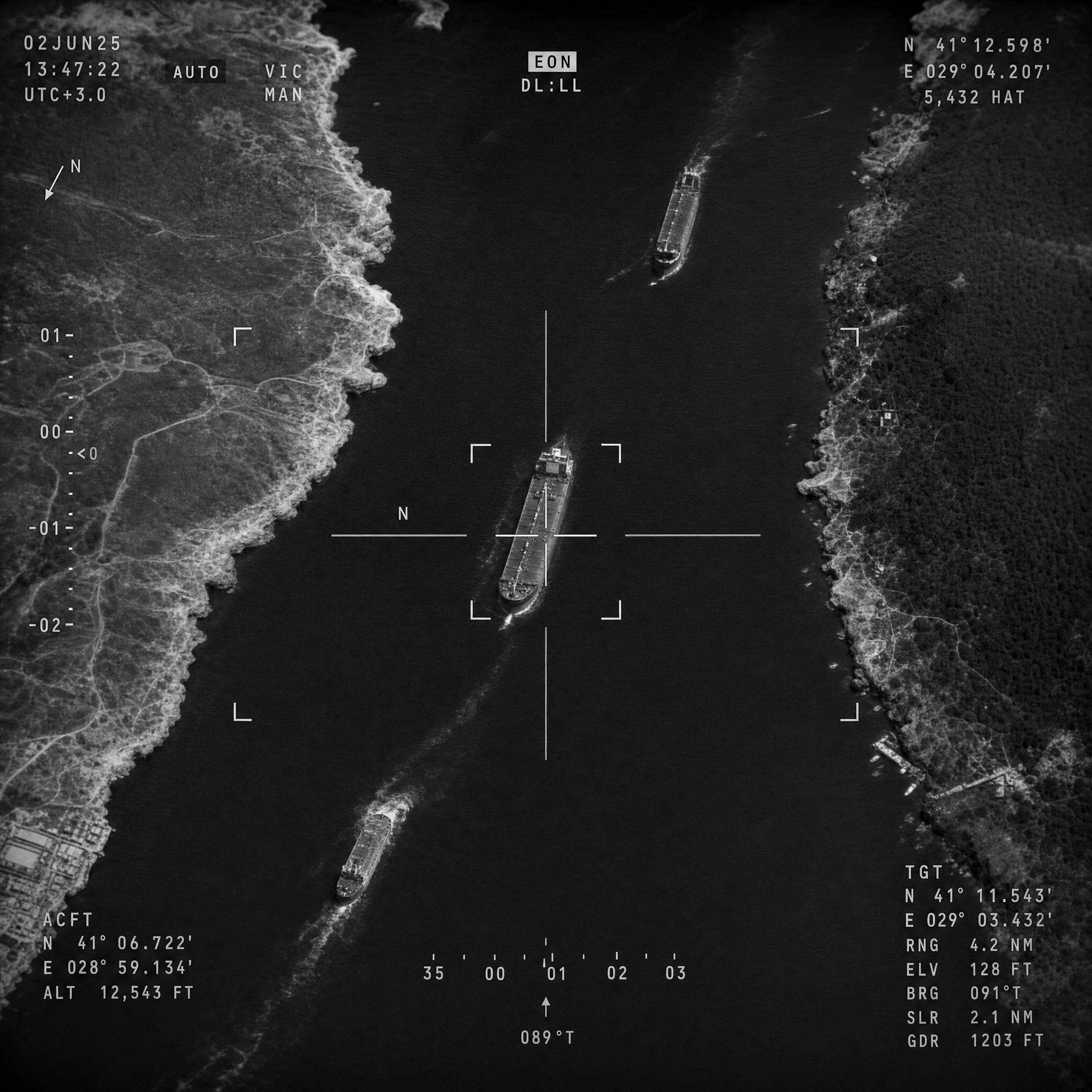
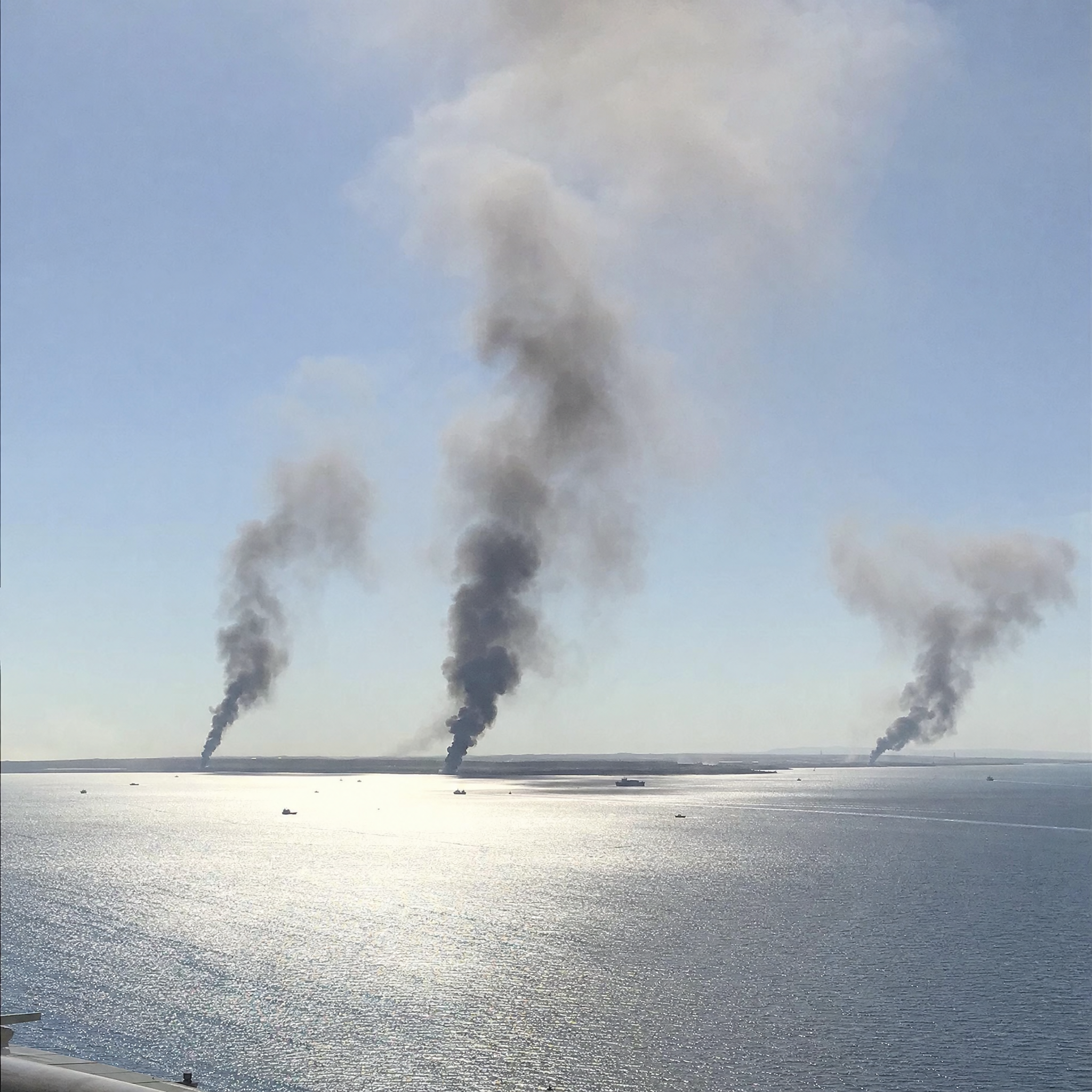
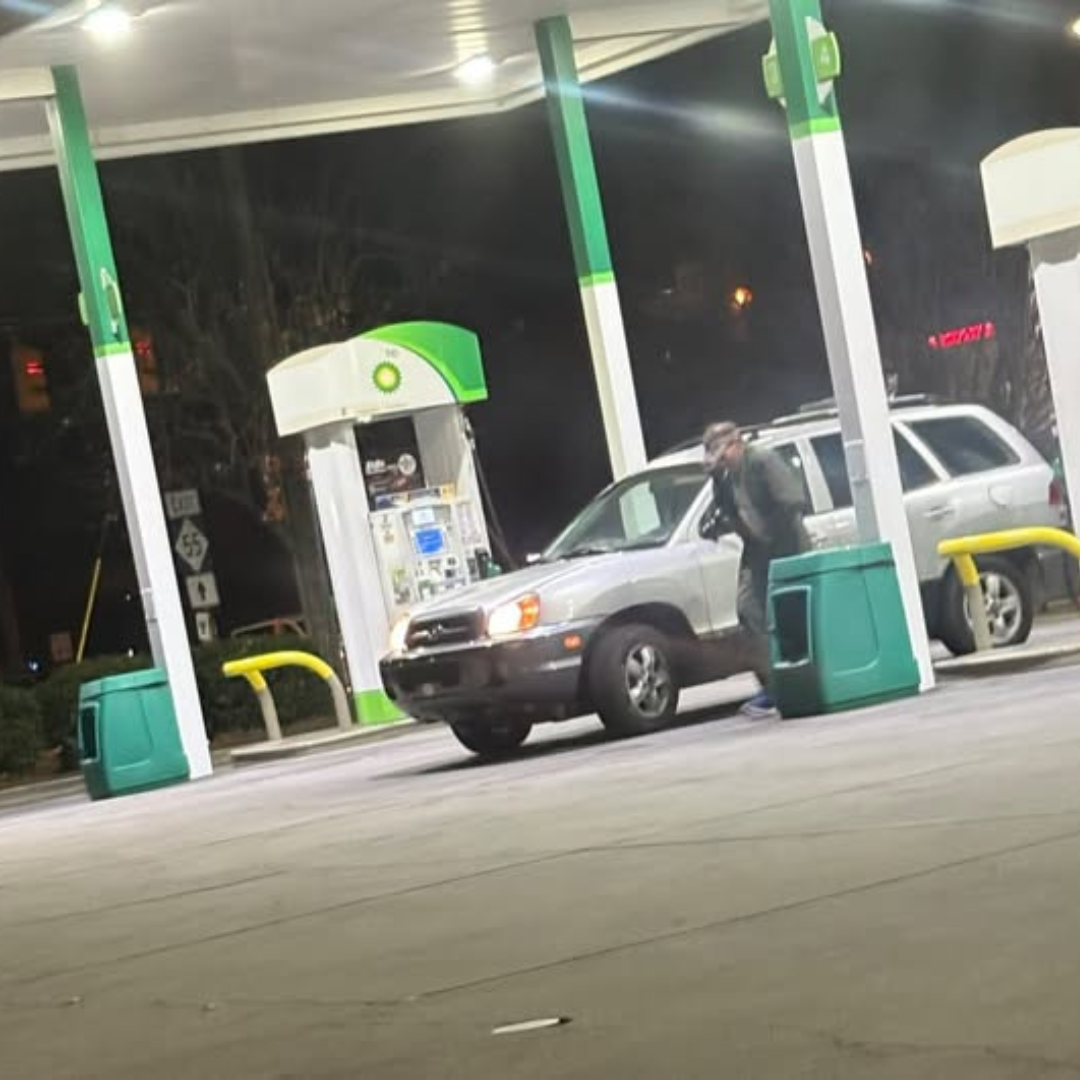
A man who spent 20 years working inside the largest oil refinery in Texas — the one that just exploded and shut down this week — was standing at the pump next to me yesterday, frantically filling five-gallon jugs like he knew something nobody else did. What he said next made me realize every Texan is sitting on a ticking time bomb — and the crazy gas prices are just the beginning of something a lot worse. It was 3:47 pm on a Tuesday afternoon in Houston. I'd stopped at the Shell on I-10 on my way home from work, same as I do every week. The price on the screen read $4.89 a gallon. I remember just staring at the numbers ticking up, doing the math in my head, already annoyed before I even got back in my car. That's when I noticed the man at the pump across from me. Big guy. Late forties. Worn jacket with some kind of industrial logo on the sleeve. He wasn't just filling up his truck. He had a row of five-gallon jugs lined up on the ground next to him, filling each one and loading them into the bed of his pickup one after another. My first thought was that this guy was absolutely losing his mind paying $4.89 a gallon to fill up that many cans. I almost made a joke about it. But something about the way he was moving stopped me — not rushed, not panicked, just completely focused, like a man working through a checklist he'd already thought through a hundred times. I finally said something. "Stocking up at these prices?" He glanced over at me. "These prices are the least of my concern right now," he said, and went back to what he was doing. I should have left it there. But something about the way he said it made me push a little. "What do you do for work?" He set the jug down. "Twenty years as a process operator at the Valero refinery. Port Arthur." I recognized the name immediately — it had been all over the news that morning. Explosion. Fire. Shutdown. One of the biggest refineries in the country, offline overnight. I looked at him a lot differently after that. "Left a few months back," he said. "But I know that plant better than I know my own house." He grabbed another jug. "You know what scares me right now?" I told him the gas prices were already bad enough. He shook his head. "Gas prices are the least of it. When that refinery went down this week, most people have no idea what that actually means for Texas specifically." I asked him what he meant. He stopped what he was doing and looked at me directly. "Texas is on its own power grid. Completely separate from the rest of the country. Always has been. When something stresses our grid — and right now everything is stressing it — we can't borrow power from anyone. We're completely alone." I told him I vaguely knew that but never really thought about it. "Nobody does," he said. "Until it's too late." He paused. "You remember the Texas freeze?" I told him yeah. Hard to forget. "People think that was about the cold," he said. "It wasn't." "What was it about?" "The grid runs on natural gas. That's what powers it. When the freeze hit, the gas wells froze, the pipelines froze, the supply just stopped. At the same time every Texan cranked their heat up as high as it would go. Demand went through the roof. Supply vanished. The power plants had nothing left to burn." He looked at me. "Four and a half million homes lost power. Some for over a week. Nearly 15 million Texans lost access to clean water. Taps ran dry. Pipes burst. Water treatment plants went offline. People were lining up for bottled water in the freezing cold. Melting snow just to have something to drink." He paused. "And we were four minutes and 37 seconds away from a total statewide blackout — not days without power, months. With no other state able to send us a single watt." He shook his head. "Over 700 Texans died. From a winter storm." He let that land. "Now think about what's happening right now. The Strait of Hormuz — where twenty percent of the world's oil supply comes from — is completely shut down. Nobody's moving. And the biggest refinery in Texas just exploded and went offline this week." "The freeze happened because the fuel supply got disrupted for a few days. What's happening right now isn't a few days." He picked up another jug. "When that grid goes down this time — the first thing that stops working isn't your AC. It isn't your phone." He looked at me. "It's your tap. And most people have absolutely no idea why." “Without the fuel, the grid goes down and no power = no water. The systems that filter, treat and pump the water in your house all run on electricity and when the power goes out, everything stops within hours.” He went back to loading his truck without another word. I walked inside to pay, and I remember just standing at the counter staring at nothing while the guy behind the register said something I didn't hear. I thought about my kids at home. I thought about how much water we actually had in that house if the tap stopped working right now. Maybe enough for a day. Maybe two. I walked back outside and his truck was already running. I went over and knocked on his window. He rolled it down. "Hey — sorry. One more thing." He waited. "How much should I actually store? Like water. How many gallons are we talking to be actually prepared?" He looked at me for a second. Then he almost laughed. Not mean. Just like a man who'd heard that question before. "That's what everyone asks." "Is that the wrong question?" "It's not wrong," he said. "It's just backwards." I asked him what he meant. "You can store water. Sure. Have some. It's not nothing. But the second you're relying on stored water as your plan — you've already lost. You run out in a week. Maybe two if you're rationing hard. Then what? You're back to nothing, except now everything's already gone sideways." He shook his head. "The people who actually get through something like that aren't the ones with the most gallons in their garage. They're the ones with access." I asked him what he meant by access. "Look at it this way. When something happens — really happens — the wealthy aren't running to the store like everyone else. They've got properties on rivers. Private wells. Lakes on their land. Running fresh water that doesn't depend on the grid. That's what money buys you in a real emergency. Access. Not storage." He looked at me. "But here's what most people don't realize. Texas is covered in fresh water. The Colorado River. The Guadalupe. Lake Travis. Creeks running behind neighborhoods all over this state. You've probably driven past three freshwater sources on your way to work without ever thinking about it." "So the water's there," I said. "The water's always been there," he said. "That was never the problem." He paused. "The problem is making it safe to drink when the power that does that for you every single day is gone." He reached into the glovebox, pushed aside some gear and pulled one out. As he closed it I caught a glimpse of a whole stack of them still sitting in there. Neatly packed. He held it out to me. I took it. Turned it over in my hands. "What is this?" "That's how you access the water." "I'm ex-military. Combat engineer. Two tours in Iraq. Out there, water wasn't something you took for granted. You found it wherever you could — streams, canals, sources most people wouldn't go near. This is what my entire unit carried. Right alongside our weapons. We were literally dependent on it to stay alive." "Every single guy on my team used these. Every day. For months. We'd filter from whatever source we could find and drink. Our lives depended on it working. And it never failed us. Not once." I asked him if it was the same thing you could just buy anywhere. He shook his head. "Don't go trying to find these on Amazon or in some store somewhere. Most of what's out there isn't built for actual crisis conditions." He tapped the one in my hand. "There's one brand me and my unit have used for years. Still the only one any of us order from. Primitive Labs. Military grade. Lifetime warranty on everything. 60 day money back guarantee. Because they know once you have it you're not sending it back." He caught me looking back at the stack in his glovebox. "I've got five people in my family and I didn't buy five. I bought ten. One family bundle for the house. One family bundle for the car. Because if something moves fast and my family gets split up — everybody's covered on their own. Nobody waiting on anybody else." He paused. "And if you don't have at least two per person, you don't really have one. If this stretches longer than anyone's expecting — which is exactly what I think is coming — you want to be covered for the long haul." I asked him if there was any way to stay in touch. He thought about it for a second, then held out his phone. We exchanged numbers. "Think about what I told you," he said. And he pulled out of the station. I drove home and went straight to the garage. Found our emergency supplies in the back corner. One case of water bottles. I counted them. Four days for my family. Maybe five if we were careful. I texted him that night. He replied quickly. Sent me the link without me even having to ask. Said he figured I'd come around. I ordered two family bundles that night. One for the house. One for both cars. When they showed up I didn't just put them away and feel good about it. I drove down to the creek ten minutes from our neighborhood. The one I've passed a thousand times on the way to school drop off without ever thinking twice about it. Filled a bottle straight from it. Brown. Murky. Leaves floating in it. Put the straw in and drank. Clean. Tasted like nothing. Just water. I went back a few more times that week. Different spots each time. Retention pond near the park. The river off the highway. Same result every time. My wife tried it. My kids tried it. We stopped seeing those creeks and ponds the same way after that. They weren't just scenery anymore. They were our plan. For the first time since that conversation at the pump, the low level anxiety I'd been carrying around every time I saw another headline — about the Hormuz, about the refinery, about the grid — was gone. Not because the threat went away. Because we weren't dependent on the system anymore. If you're in Texas and you're reading this — don't wait until it's on every channel and the shelves are already empty. Here's the direct link to what he sent me: https://primitivelabsresearch.com/products/hydra-x1-portable-filtration-unit They're probably out of stock again but check to see if they still have units available — demand has been shooting up since everything started happening with the Hormuz and the refinery. By the time everyone else figures out what that guy at the pump already knew — it'll be too late to do anything about it.
If you're a parent or grandparent, please read this👆
Lightweight portable emergency water filter removes 99.99% of contaminants. Perfect for evacuations, disasters, and family emergency preparedness. Free shipping.
SHOP NOWLike this ad? Make it yours.
Crush rebuilds this exact creative around your product — your brand, your colors, your offer — in about a minute.