
Inactive· since May 29, 2026
- 15
- days it ran
- 1
- relaunches
Ad copy
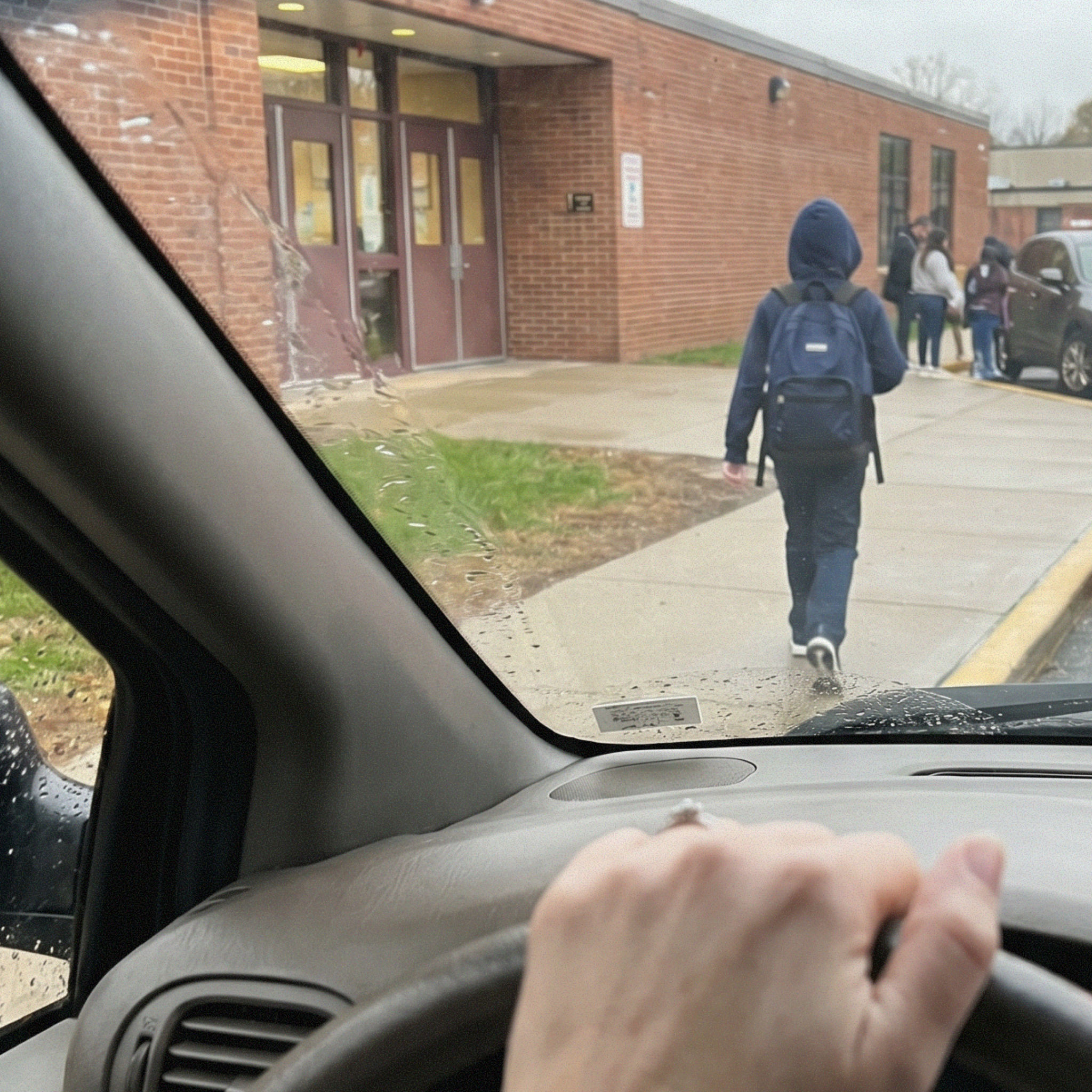
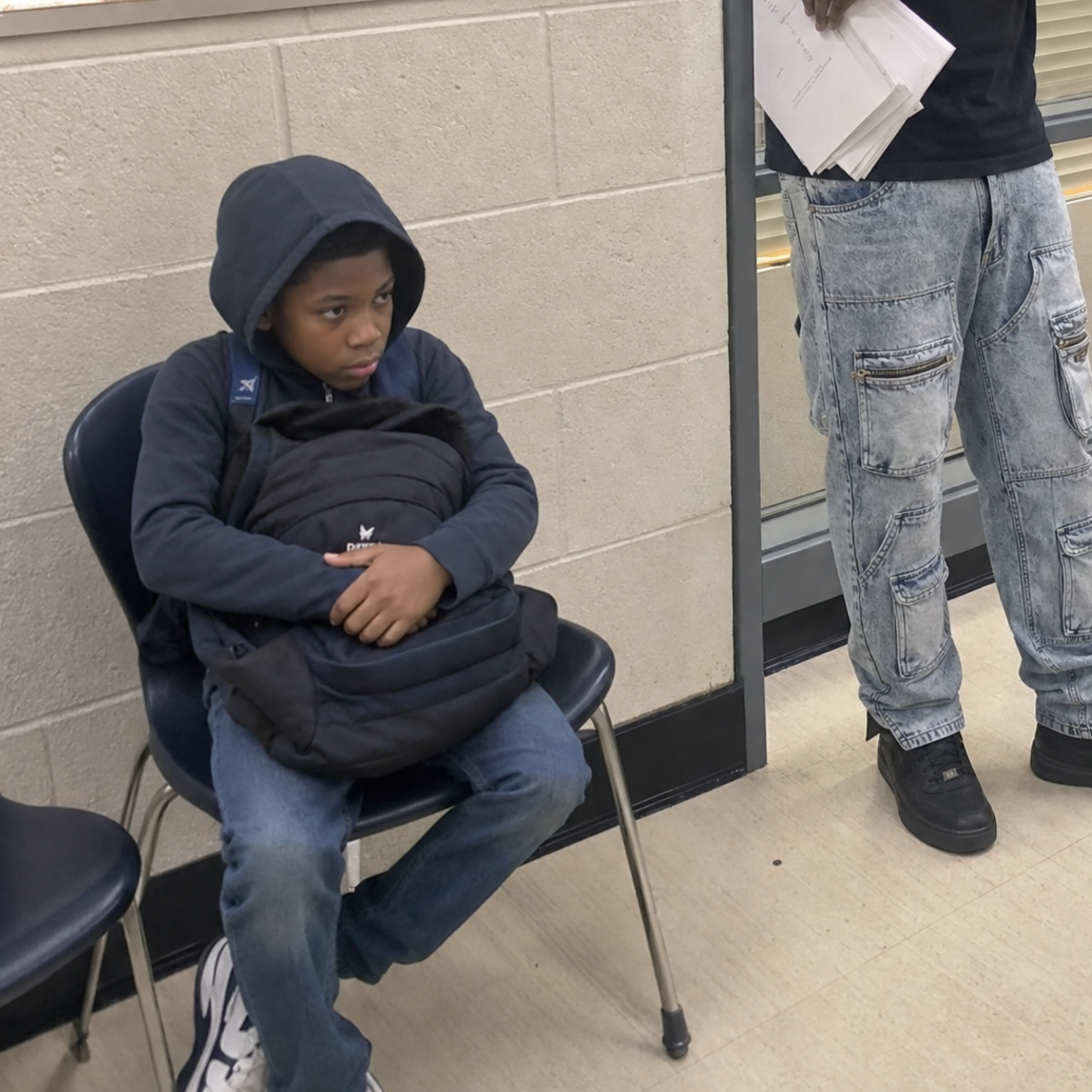
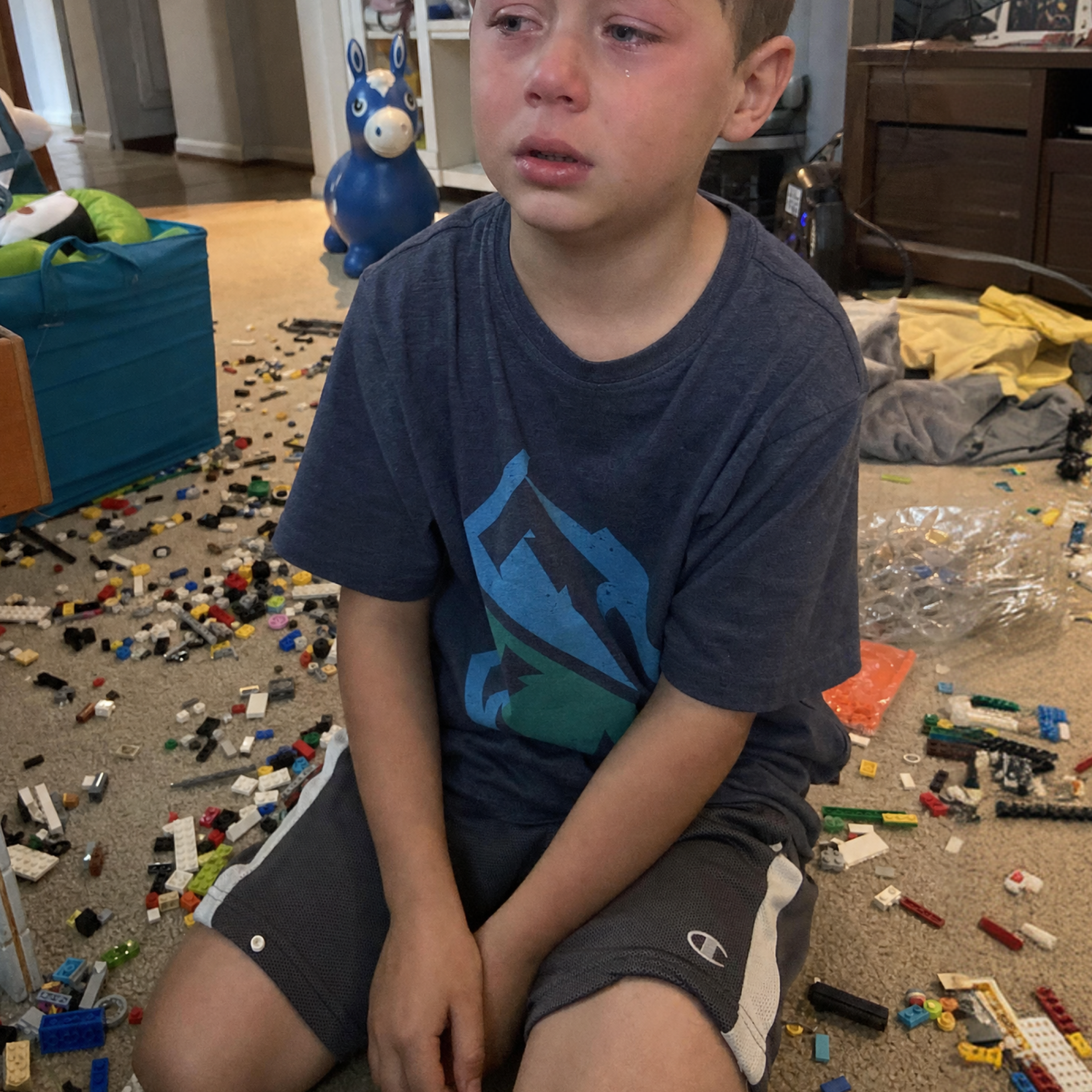
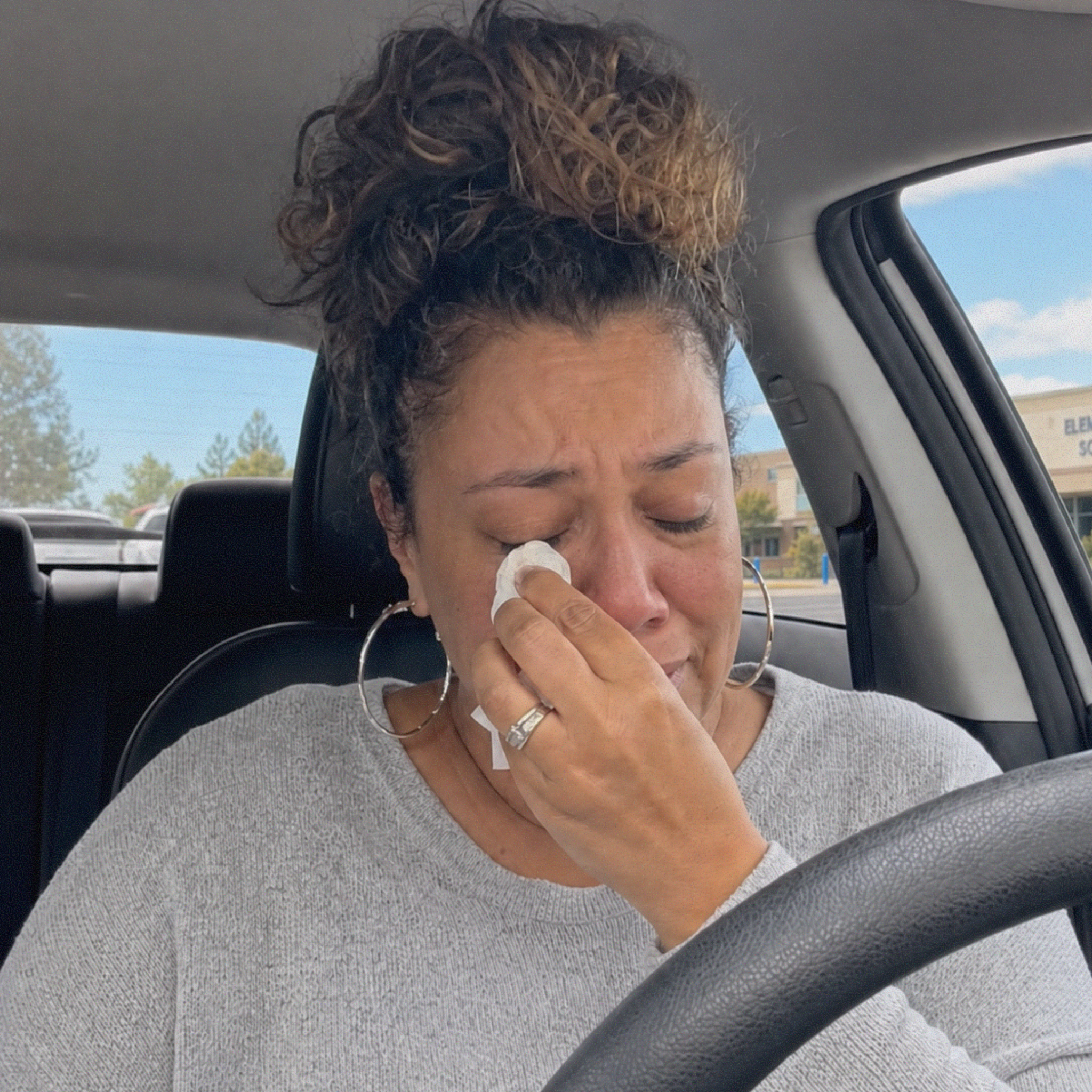
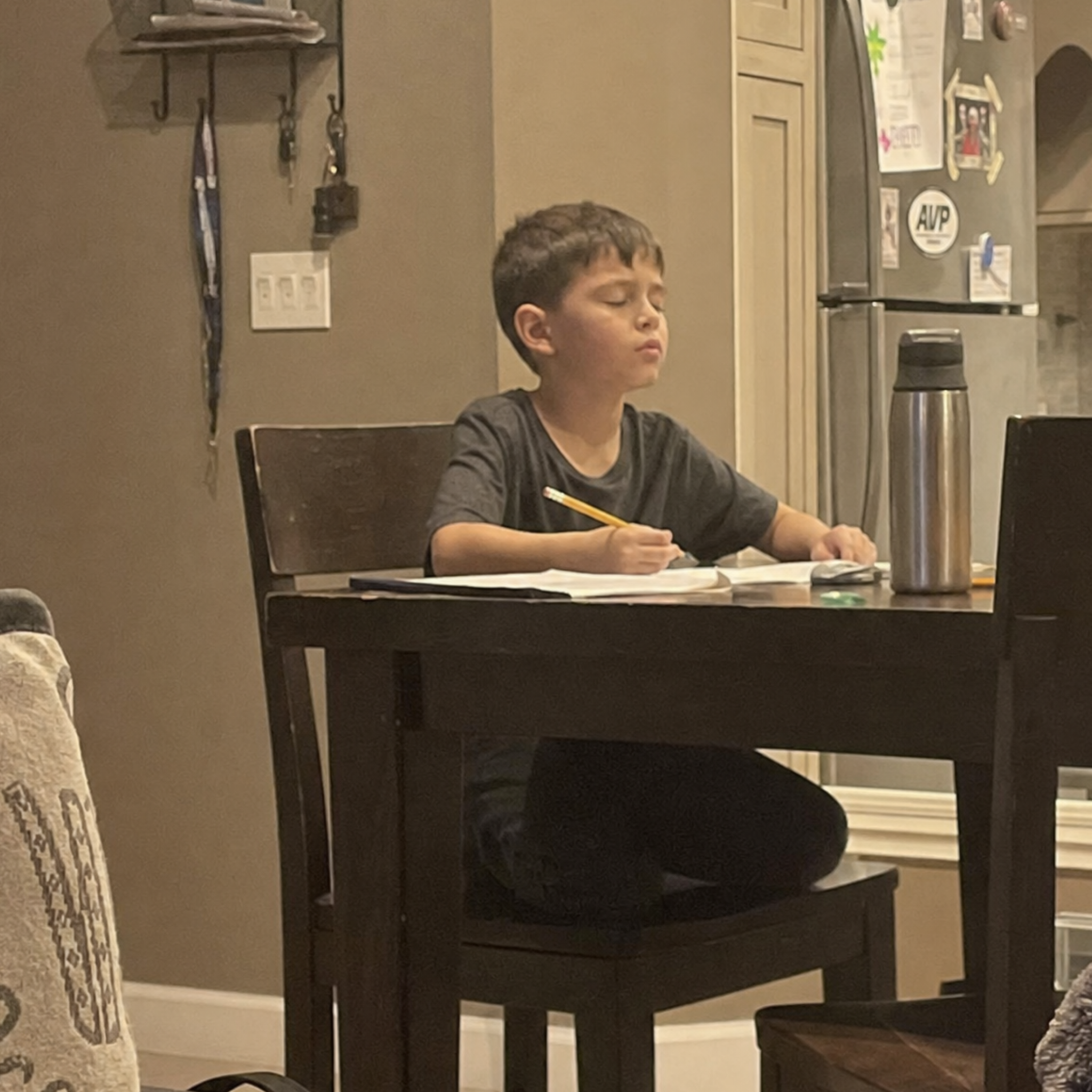
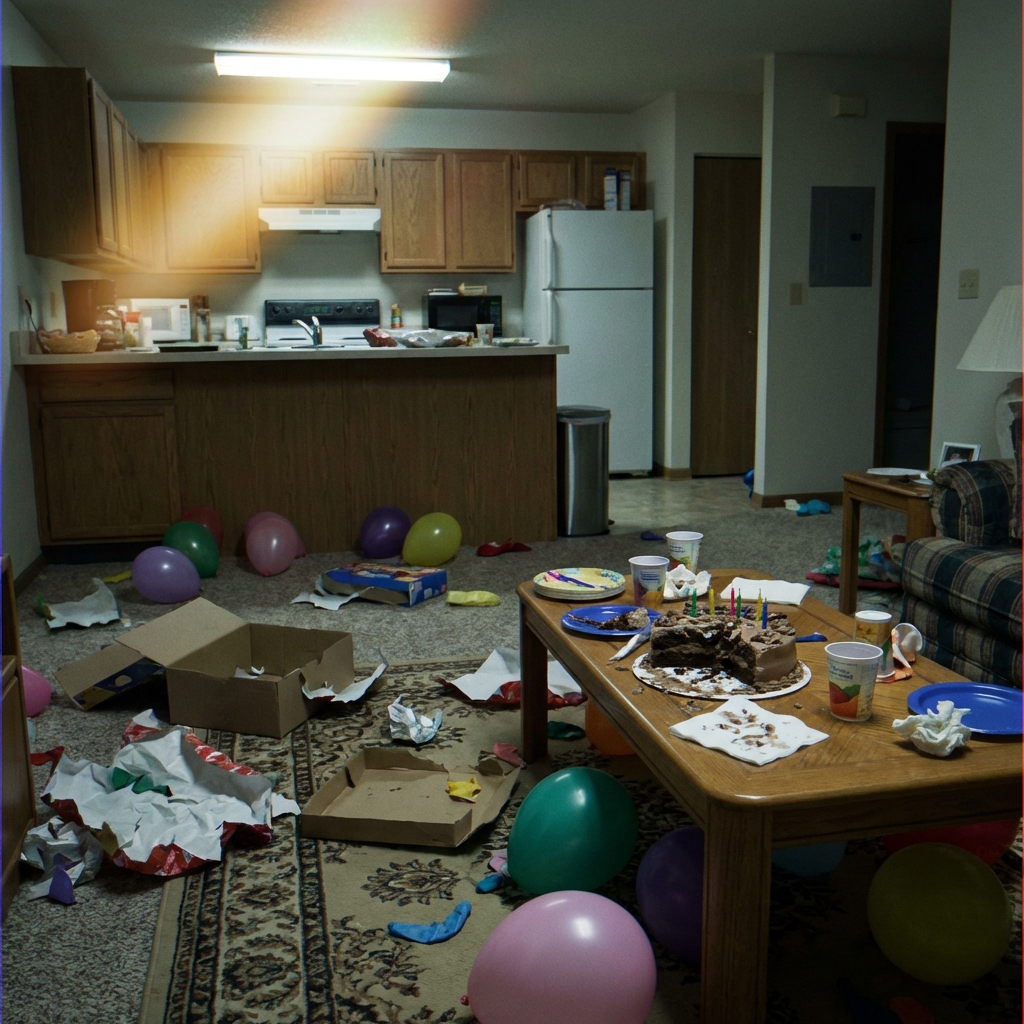
I'm terrified of my own son. He's 7. He weighs 51 pounds. He sleeps with a stuffed penguin he named Greg in second grade and he still asks me to check his closet for monsters. But sometimes, he's an absolute menace. On the drive home from soccer practice last Saturday, I sat at a red light gripping the steering wheel until my knuckles went white because I could feel him breathing behind me, and I knew that there was a storm sitting in the backseat of my own car that I was terrified to handle when we got home. Two hours earlier, he'd scored a goal. He came running off the field with grass stains on his knees and the gap where his front tooth used to be, threw his arms around my waist, and said "did you SEE me, Mom" three times before I could even answer once. That kid. That's the kid I love more than my own breathing. That's the kid I tried to take a picture of at the snack table while he was eating his orange slice. By the time we got to the car, he was different. I don't know what shifted. Another mom complimented his cleats. He couldn't get the foil off his granola bar. The other team's coach said "good game, buddy" and patted his shoulder. Something in the parking lot — something I didn't see, something I'll spend the rest of the week trying to figure out — flipped a switch in him I cannot find. He climbed into his booster seat without a word. I buckled him in. I asked if he wanted music. He shook his head once. Small. Tight. I started the car. That's when I looked in the rearview mirror. There is a face my son makes that I have learned to read the way a sailor learns to read the sky. The jaw sets first. Just a little. You'd miss it if you didn't live with him. Then his eyes go somewhere I can't follow. Then the breathing changes — shallower, quicker, like he's running from something that isn't in the car. By the time we hit the second stoplight, all three were there. Eleven minutes to home. I didn't turn the radio down. I didn't say his name. I have learned — through a year and a half of trial and error I have documented in the lines on my own face — that engaging with him at this stage is like pouring gasoline on a candle. So I just drove. At minute nine, I heard the foil crinkle in his fist. He was crushing the rest of the granola bar in his hand. At minute seven, he kicked the back of my seat. Once. Hard enough that my foot hit the gas accidentally and I had to brake. At minute five, he said it. Quietly. Almost conversational. "I want to get out of this car." I didn't answer. At minute three, louder. "I want to GET OUT of this car." I did not turn around. I did not look at him in the mirror. I gripped the steering wheel at ten and two and counted intersections until I could pull into our own driveway. 4:58pm. I turned the engine off. I sat there for thirteen seconds with my hands on the wheel and the radio off and my own seven-year-old breathing in the seat behind me like a stranger. Then I got out. Opened his door. Unbuckled him. Walked him into the house. The meltdown started in the entryway. It lasted an hour and twenty minutes. I am not going to tell you the details because the details aren't the point. The point is what was left at the end of it. A lamp on the hall table — the one my husband and I bought together at a flea market in Pennsylvania the year we got engaged — in three pieces on the floor. A hole in the drywall outside his bedroom the size of a 7-year-old's fist. Bite marks on my own forearm I cannot remember getting. And my son, asleep on the floor of his closet, because at some point during the storm he had locked himself in there and refused to come out, and by the time he stopped screaming he was too exhausted to walk to his own bed. That was at 6:23pm. My husband had taken our daughter out for ice cream forty minutes into it. He texted me from the parking lot at Cold Stone — "tell me when it's safe" — and I have not been able to bring myself to answer that text yet. It is currently 2:14am. I am sitting on the bottom step of our staircase in my bathrobe in the dark. The pieces of the lamp are still on the floor three feet away. I have not cleaned them up. My phone is in my hand. I just typed something into the search bar. Something I have not let myself type in fourteen months of trying. Something I have not said out loud to my husband. Or my best friend. Or my own mother. Five words I deleted twice before I let myself hit search. "I am afraid of my own child." For fourteen months, I have done everything you're supposed to do. The therapist was first. $185 a session, every Wednesday at 4pm. A kind woman with a wall full of credentials and a sand tray. She taught my son to name his feelings. He learned the entire feelings wheel in a week. He could rattle off "frustrated, disappointed, overwhelmed" like a tiny clinician. He could label the storm. He could not stop it. He'd scream "I KNOW I'M FRUSTRATED" while throwing a Hot Wheels car at the TV. Eleven months. Forty-something sessions. Almost eight thousand dollars. Then came the gentle parenting books. The ones with one-word titles and a pastel font on the cover. I bought four. I read all of them. I bought matching highlighters. They taught me to say things like "I see you're having a really big feeling right now." The first time I said it during a meltdown, my son looked up at me through his tears and said, "I know what you're DOING." He was six. Then the breathing apps. The mindfulness journal with the rainbow on the cover. The breathing buddy plush toy you're supposed to put on a child's belly so he can watch it rise and fall. He threw the breathing buddy across the room in the third session. Then the OT. The weighted blanket. The chewy necklace he destroyed in three weeks. The compression vest. The brushing protocol with the surgical brush every two hours. Then the pediatrician, who suggested an ADHD evaluation. Then the psychologist, who charged us $2,400 for a 47-page report that used phrases like "emotional intensity" and "would benefit from a multi-modal intervention approach." Forty-seven pages and not a single sentence on what to actually DO when he picks up a lamp and throws it at a wall. Almost twelve thousand dollars over fourteen months. And the version of my son sitting in that closet tonight — the one whose bite marks are on my forearm right now, the one I am currently afraid of — is no calmer, no kinder to himself, no safer in our own house than he was a year ago. He's just better at apologizing in the morning. That's the part that finally broke me sitting on the bottom step at 2am. Not the lamp. Not the drywall. Not even the words "I am afraid of my own child." It was realizing that every single thing I had paid for in fourteen months had been treating my son like he had a feelings problem. My son does not have a feelings problem. My son has too many feelings, too much intensity, too much heart for a body his size — and not one professional we had handed him to had ever, even once, tried to teach him what to actually DO with any of it. The article I found on the third result down was written by a researcher who studied kids for a living. The first sentence stopped me cold. "Your child does not need help managing their feelings. Your child needs help building their confidence." I read it three times. Because every single therapist, every book, every $2,400 assessment had told me the same story for fourteen months. My son had a feelings problem. Big feelings. Too many feelings. Sensory feelings. ADHD feelings. And every solution was about lowering the volume on those feelings. Not one of them was about building anything inside him. The article said the thing nobody had ever said to me before. The meltdowns aren't the problem. They're the symptom. The actual thing underneath every meltdown — underneath the lamp, the drywall, the bite marks, the words "I want to GET OUT of this car" — is that my son has no confidence in himself. Not the loud kind. Not the "raise your hand in class" kind. The deep kind. The kind that lets a 7-year-old lose a soccer game and think "I'll get the next one" instead of melting into the floor. The kind that lets him fail at something without setting the entire house on fire. Then came the sentence that broke me open at 2am on a staircase in the dark. Confidence isn't a personality trait my son was or wasn't born with. It's a skill. Like reading. Like multiplication. Like riding a bike. And like every other skill — it has to be taught. I sat there on the bottom step staring at my phone screen and I started thinking about every single thing my 7-year-old has ever been taught in his life. He'd been taught the alphabet. His times tables. How to swim. How to tie his shoes. He had not been taught how to lose a soccer game without dismantling his own home. Nobody had. Not at school — there is no "Confidence" class between math and recess. Not at the therapist's office — therapy processes feelings, it does not build skills. Not at home — because nobody had ever handed his father and me a playbook for it either. The most important piece of his entire education — the one that determines whether he becomes a happy adult or a broken one — had been left completely to chance. Not because my son is broken. Not because I'm a bad mother. Because confidence is a skill — and nobody had ever taught him how to do it. You cannot validate it into existence. You cannot brush it into a child with a surgical brush. You cannot put it on a feelings wheel. You have to train it. Every day. The same way you train a muscle. That was the moment everything shifted. Not because I had a solution yet. Because for the first time in fourteen months, sitting on a staircase in the dark at 2am with a broken lamp three feet away, I finally understood the problem. At the bottom of that article was a link to a program called Legends. Five minutes a day. On my phone. Sitting next to my son on the couch. That was the whole thing. Not a therapist's office. Not a $185 hour where my son had to sit across from a stranger and perform his own feelings. Not another waitlist, another evaluation, another assessment. Five minutes. With me. The same five minutes I'd been spending scrolling parenting accounts on Instagram while he played by himself in the next room. Now we do it together. Every night after dinner. And here's the part I did not see coming… That five minutes has become the calmest part of my entire day with him. He picks the story. I sit next to him on the couch. He laughs at something. He tells me something I didn't know — about how he sees himself, about what he's afraid of, about the things he wishes he was better at. Five minutes. Then it's done. The thing that finally made me trust it was that Legends is built on research from Harvard, Yale, and Duke. Not a parenting trend. Not a podcast. Actual scientists who study how kids' confidence actually gets built — translated into a daily 5-minute training that a 7-year-old will not just tolerate but ask for. Designed specifically to train the one skill nobody else was treating. And for the first time in fourteen months, I am not outsourcing my son anymore. I am the one sitting next to him on the couch every night. I am the one finally training the skill that twelve thousand dollars worth of professionals had never thought to teach him. Unlike everything else we've tried, this is actually something that works. I'm starting to really see a difference. Here is what actually happened. Week 1: He learned a tool called "Catch & Replace" — catching his inner critic in the act and swapping the words for something true. Week 3: A Tuesday night. He missed a step on his math homework. The old version of him would have ripped the paper. Instead he stopped, did Box Breathing on his own — in for four, hold for four, out for four, hold for four — picked his pencil back up, and finished the page. Week 6: A Saturday afternoon. Soccer game. He missed a goal. Easy one. Right in front of the net. I watched it from the sideline and my whole body braced. The drive home, the entryway, the lamp, the closet — the whole sequence playing in my head before he'd even turned around. He stood there for a second. Then he did his mistake ritual out loud — "shake it off" — with the little shoulder shimmy he made up himself. And he ran back to defense. I sat on the cold metal bench with my hand over my mouth so the other parents wouldn't see me crying. The same son. The same soccer field. The same missed goal. A completely different child. But I didn't trust it. Not really. Not yet. Because after fourteen months of false starts — six therapists, twelve books, twelve thousand dollars — you don't just believe a thing is working because it's working in your house for six weeks. You need to know it's working in other people's houses too. So one night after he was asleep, I went looking. I read every Legends review I could find. Hundreds of them. A mom named Cathleen, after her son's very first session… "My son actually cried at the end of it and told me how happy he was that I bought this for him. He said he really talks to himself in a negative way and wants to stop." A mom named Lisa, six months in with her 9-year-old… "It has truly improved his ability to handle stressful situations. His confidence has greatly improved." A single mom named Kristle, with 8-year-old twin boys who were "negative about most things"… "THANK YOU LEGENDS YOU'VE GIVEN ME HOPE." A dad named Brandon, whose son had told him he was scared he didn't fit in at school… "There was this kind of switch that flipped. He's running around with his buddies giving fist bumps saying 'Dad, I had a great day.'" A mom named Shannon, who'd already done therapy and meds… "This app has been, hands down, one of the best things to happen to my kid. He BEGS for it every single night." Thousands of parents. The same story over and over again. The meltdowns. The "I hate myself" whispered into pillows. The lamps. The drywall. The mothers afraid of their own children. All of it stopped — not because the kid finally matured, and not because of luck. It stopped because somebody finally taught their child the one skill nobody else had bothered to train. That's when I stopped wondering if it was a fluke in my house. Because it wasn't a fluke in their houses either. So here's where I leave you, mama. Because I know you. I know how you got here. You were sitting on a bottom step at 2am. Or in your parked car in your own driveway because you couldn't bring yourself to walk inside yet. Or on a kitchen tile after another meltdown you couldn't stop. You've been nodding the whole way down. And now you have two paths in front of you. Path one — you close this tab. You go back to the feelings wheel. The breathing buddy. The compression vest. The next book with the one-word title. You already know where that road goes. You've been on it for months. Maybe years. The meltdowns don't stop. They get bigger as he gets bigger. The lamp becomes a window. The drywall becomes a door. The bite marks on your forearm become something else. And the version of your son who could have learned the skill — the kid who could miss a goal at 12, at 15, at 25, and just shake it off — that version slowly stops being possible. Or… Path two — you give him five minutes a day. Five minutes is less than one meltdown. Less than one drive home from a soccer game you've started dreading. Less than the time you spent on a staircase at 2am last Saturday. Five minutes. On the couch. Together. Legends comes with a full money-back guarantee. Try it with your kid. Do a few weeks of the workouts together. Watch what happens. If you don't see a shift — in the meltdowns, in the way he handles a missed goal, in the way he talks to himself in the rearview mirror — you get every dollar back. No questions. No hoops. You are not risking a single thing. Your son has everything to gain. P.S. — The lamp from Pennsylvania is glued back together. It sits on the hall table where it has always sat. If you look closely you can see the seams. I keep it there on purpose. Because every time I walk past it, I think about the version of me who sat on the bottom step in the dark at 2am — the mother who didn't know there was another way. Who thought her son was broken. Who was a little afraid of her own child. If you're sitting where I was sitting tonight — on a staircase, on a kitchen floor, in a parked car in your own driveway — please hear me on this one thing. Your son is not broken. You are not failing. You were just never handed the playbook for the one skill that matters most. You're holding it now. Five minutes a day. That's the whole thing. That's all it takes to teach a 7-year-old that he can miss the goal and run back to defense. ---
Like this ad? Make it yours.
Crush rebuilds this exact creative around your product — your brand, your colors, your offer — in about a minute.